REVIEW · HANOI
Sapa – Ha Giang Loop Tour 5 days 4 nights
Book on Viator →Operated by Ha Giang Loop Trip · Bookable on Viator
Two regions, one mountain road trip.
This 5-day Ha Giang Loop highlights the big-picture viewpoints you came for, then stitches you into Sapa village life without making the whole trip feel like a sprint.
I like how the tour keeps a small-group feel (max 10), which makes it easier to ask questions and actually talk with the people around you. I also love the mix of moments: dramatic stops like Quan Ba Heaven Gate and Ma Pi Leng Pass, plus hands-on village time like walks through Hmong communities and rice-terrace areas.
One consideration: expect a lot of movement each day, starting early from Hanoi, plus a transfer from Ha Giang to Sapa on day 3. And it’s weather-dependent, so you’ll want flexibility if conditions are rough.
In This Review
- Key highlights worth caring about
- How this trip connects Ha Giang Loop and Sapa in 5 days
- Hanoi pickup to Ha Giang: the first taste of the trip
- Day 1 in Ha Giang city and quiet Du Gia
- Day 2: Nho Que River, Ma Pi Leng Pass, and Dong Van at night
- Day 3: Dinh Vua Meo, Quan Ba Heaven Gate, then onward to Sapa
- Day 4: Sapa villages with Y Linh Ho, Lao Chai, and Ta Van
- Day 5: Giang Ta Chai sunrise coffee, bamboo trek, rattan bridge, and Su Pan
- Food, homestays, and how “included meals” changes your planning
- Price and logistics: what $299 buys you (and what it doesn’t)
- Guides and riders: the service that repeatedly gets praised
- Who should book this tour, and who should reconsider
- Should you book this Sapa–Ha Giang Loop Tour?
- FAQ
- How long is the Sapa – Ha Giang Loop Tour?
- Where are you picked up in Hanoi?
- What is the tour price?
- How many people are in the group?
- Are meals included, and is vegetarian food available?
- What attractions have admission included?
- Do you provide tickets on your phone?
- How does transportation work during the trip?
- What happens if weather is poor?
Key highlights worth caring about
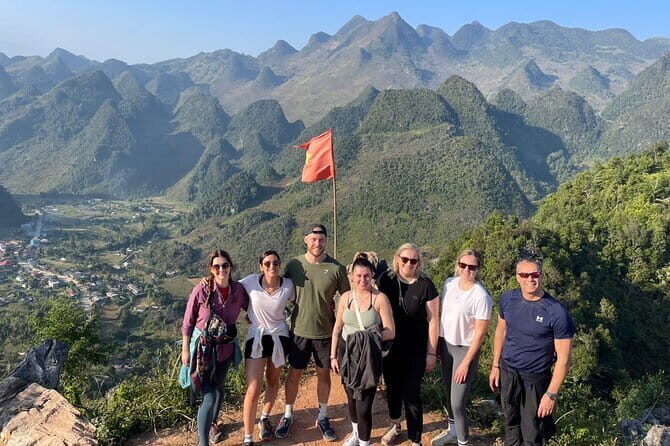
- Max 10 travelers for a calmer experience than the big-bus style tours
- Scenic-driving days through Ha Giang’s most famous passes and viewpoints
- Village time in Sapa with stops like Y Linh Ho, Lao Chai, and Ta Van
- A day with included entry at the Nho Que River experience
- Real human service: riders and guides are repeatedly praised for going above and beyond
How this trip connects Ha Giang Loop and Sapa in 5 days
The smart thing about this tour is that it doesn’t treat Ha Giang and Sapa like two separate vacations you’d need to plan twice. You start in Hanoi, head to Ha Giang for the loop-style highlights, then you shift gears and spend your remaining time in Sapa’s villages around Muong Hoa Valley.
That pacing matters. In Ha Giang, you’re chasing elevation changes, viewpoints, and the sense of a far-north borderland that feels remote even though it’s within reach. Then Sapa brings you closer to village life and short walks where you can slow down and actually notice details: how people live on the slopes, how terraces shape the valleys, and how daily routines look when you’re not just speeding past.
Also, this isn’t a “museum-only” type of trip. You’ll spend meaningful time outdoors and with local communities, including evenings with traditional music and culture exchange moments in the Dong Van area.
You can also read our reviews of more tours and experiences in Hanoi

Hanoi pickup to Ha Giang: the first taste of the trip
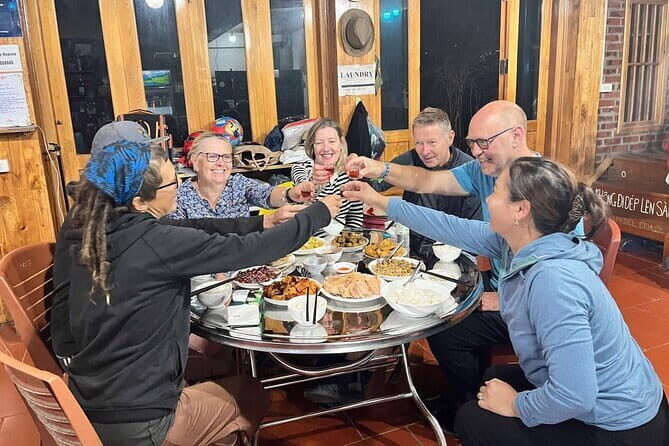
You kick off early. A Luxury Limousine Bus picks you up around 6:30 AM from hotels in Hanoi Old Quarter, then heads toward Ha Giang.
Two things here are practical. First, pickup from the Old Quarter means you avoid hunting for a meeting point with a tired brain. Second, you’re traveling on a “new comfortable bus or limousine car,” so the ride is designed to feel manageable instead of cramped and stop-and-start.
When you arrive in Ha Giang city, you’re not left hanging. You meet your guide, then lunch happens soon after arrival. That flow is important because Ha Giang days tend to be long. Eat, get oriented, and then you start collecting viewpoints rather than trying to figure out logistics after a long morning ride.
Day 1 in Ha Giang city and quiet Du Gia
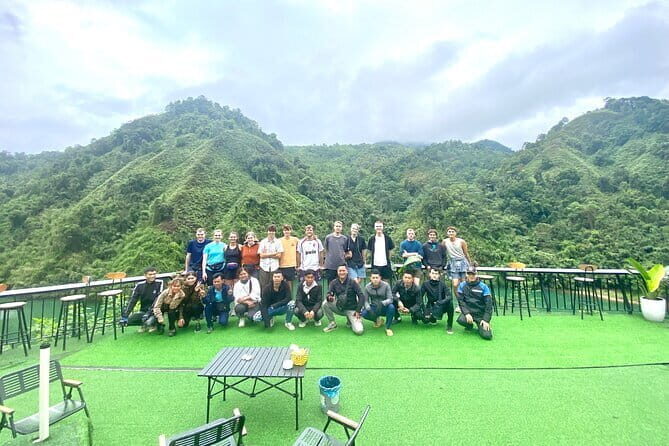
Day 1 focuses on getting you into the region and setting a relaxed tone before the bigger driving days.
You arrive in Ha Giang city around midday, check in, meet the guide, and have lunch at a local restaurant. Then you head toward Du Gia, described as a quiet, less-visited village that’s especially popular with people doing the Ha Giang loop for more than one day.
Du Gia is a different kind of win. You’re not chasing a single landmark photo. Instead, you get the calmer side of Ha Giang: slower rhythm, unhurried scenery, and a chance to feel what “off the main track” looks like in northern Vietnam. If your ideal travel day includes breathing room, this stop helps balance the intensity you’ll feel later with passes and longer scenic drives.
Day 2: Nho Que River, Ma Pi Leng Pass, and Dong Van at night
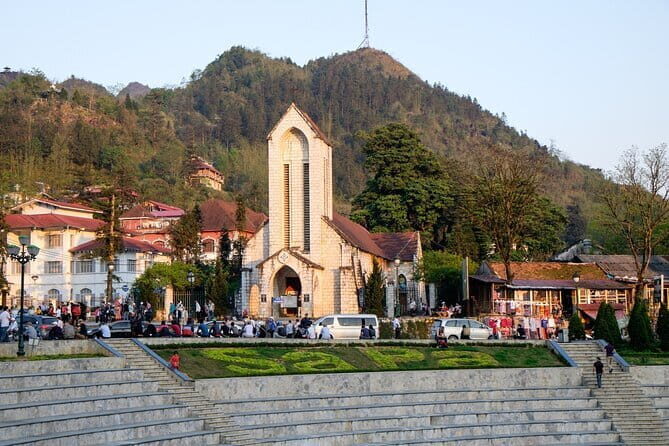
Day 2 is where the trip earns its reputation for views.
You start with the Nho Que River. The time here is set at about 2 hours, and the experience includes admission. The point isn’t just a quick photo. It’s a chance to stand back and see how the river carves its way through the mountains, creating that sense of scale that makes Ha Giang feel bigger than the photos.
Then you hit Ma Pi Leng Pass, about 1 hour of time in the pass area. This is one of Vietnam’s most impressive mountain passes (listed at around 1,500 meters altitude) and it sits between Dong Van and Meo Vac. This is the kind of stop where the road itself is part of the show: you’re traveling through dramatic terrain, so even short breaks feel worth it.
Finally, you reach Dong Van, and the late part of the day shifts to people and culture. After dinner, you take a walk in Dong Van Ancient town, including traditional music and a culture exchange element with the Hmong community. That combination is the best part of this day: big geology in the day, then human warmth at night.
One heads-up: this is a full day, so pack your energy like you’re going on a long day hike, even if you’re mostly riding. Water and a snack plan can be helpful since drinks aren’t included.
Day 3: Dinh Vua Meo, Quan Ba Heaven Gate, then onward to Sapa
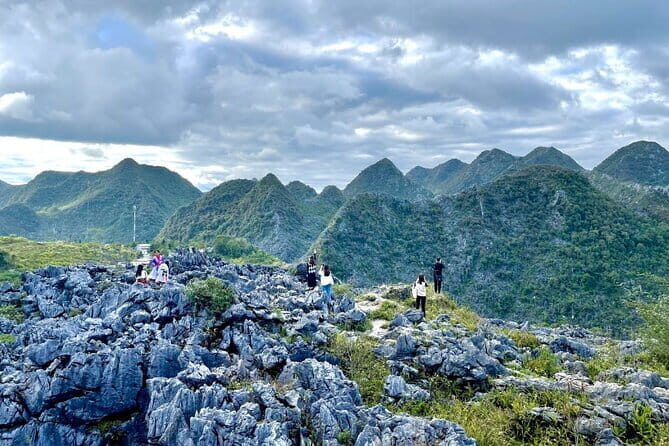
Day 3 balances history, viewpoint drama, and a clean transition into Sapa.
You begin with Dinh Vua Meo, also known as the Hmong King Palace (Vuong Chinh Sinh Palace). It’s set in the Sa Phin Valley area and is described as a landmark with a history of over 100 years, serving as a seat of power for two Hmong rulers. This is where the trip adds context to what you’ve been seeing: the area isn’t just scenery. It has a political and cultural past tied to the Hmong communities.
Next comes Quan Ba Heaven Gate, about 30 minutes and listed around 1,500 meters elevation, roughly 43 kilometers north of the city. Heaven Gate works because it’s brief but intense. You get the payoff viewpoint without spending the entire day there, which keeps the day moving.
Then you head back toward Ha Giang city around 4 PM, and you switch to Sapa in the evening via bus at 6 PM. You sleep overnight in Sapa town.
This timing is a good fit if you want to avoid wasting time. But it does mean your Day 3 energy is split between finishing Ha Giang and arriving in Sapa. If you like early nights, this is the day to plan for it.




Day 4: Sapa villages with Y Linh Ho, Lao Chai, and Ta Van
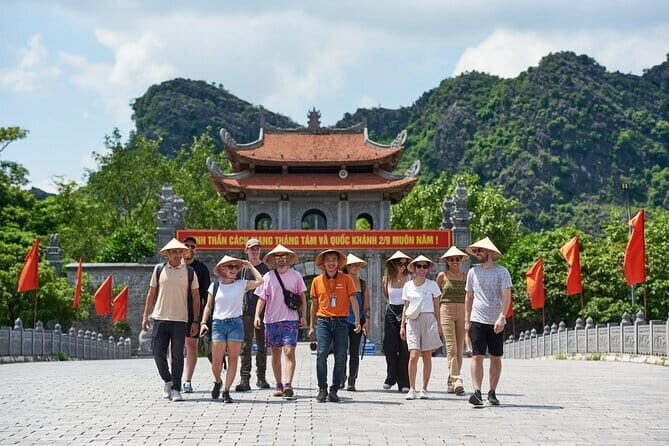
Once you’re based in Sapa town, Day 4 becomes about village connections in the Muong Hoa Valley area.
First stop: Y Linh Ho, about 1 hour. This village sits around 7 kilometers southwest of Sapa and sits within the Hoang Lien Son mountain range area. You’re meeting communities from H’Mong and Dao groups, so it’s less about a single attraction and more about understanding how life is shaped by the slopes.
Next is Lao Chai (about 7–8 kilometers from Sapa). It’s known for terraced rice fields, so you can expect classic Sapa visuals. Like many terrace areas, the best part is standing there when you can actually see how terraces step down the valley instead of viewing it only from a single angle.
Then you reach Ta Van Village in Muong Hoa Valley. The tour lists it as a popular answer to what to do in Sapa, mainly due to its ethnic diversity. You’re given time on the ground rather than just moving through.
This day is especially good if you prefer “slow travel in short bursts.” You’ll be outdoors and walking, but the stop timing keeps the day from feeling like a nonstop march.
Day 5: Giang Ta Chai sunrise coffee, bamboo trek, rattan bridge, and Su Pan

Day 5 is built around a classic northern Vietnam rhythm: early light, a gentle sense of adventure, then a final village stop.
You start with Giang Ta Chai Village, including sunrise coffee. Then you eat breakfast and begin a trek through bamboo forests toward Giang Ta Chai waterfall. There’s also a rattan suspension bridge on the route, which makes the walk feel more like a lived-in path than a paved viewpoint loop.
From there, you move to Su Pan, a mountainous commune listed about 17 km from Sapa town. You get about 2 hours there. It’s a fitting final stop because Su Pan feels like more of a community stop than a photo stop.
If you’ve been busy thinking of Ha Giang as the “hard scenic part” and Sapa as the “easy village part,” this day corrects that. It asks for a little walking and early start, but it pays off with variety: bamboo shade, waterfall direction, and that bridge moment.
Food, homestays, and how “included meals” changes your planning
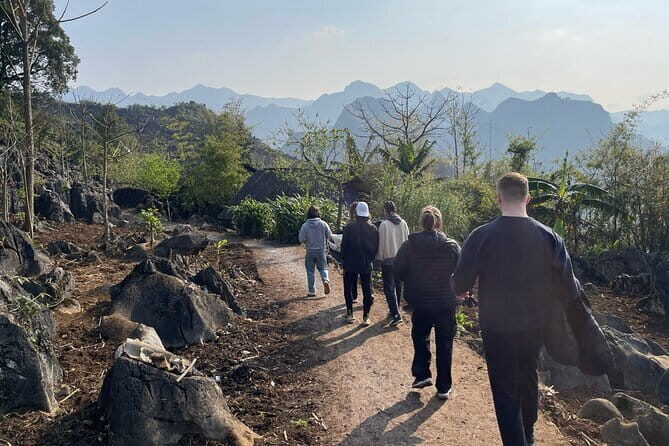
This tour is generous with meals, which is a big part of the value.
You get 4 breakfasts, 3 dinners, and 5 lunches included. That matters because it removes one of the hardest parts of northern Vietnam travel planning: hunting for food after long rides. You’re also told that vegetarian meals are available, and multiple guides/riders in the praised service feedback are mentioned as accommodating dietary needs.
A note on drinks and personal expenses: drinks aren’t included, so plan for water. Also, evening meals can run later depending on the day’s schedule, so having included dinner is a real time-saver.
On the lodging side, you’ll stay in Ha Giang city at the beginning and Sapa town on the overnight portion. Reviews also describe homestays along the way as a strong part of the experience. That homestay-style element is where you tend to get the human stories: families, small routines, and a sense that you’re not just consuming the scenery.
Price and logistics: what $299 buys you (and what it doesn’t)
At $299 per person for about 5 days / 4 nights, the value comes from logistics that would otherwise cost you time and effort.
Included:
- Pickup and drop-off in Hanoi Old Quarter
- Transportation by new comfortable bus or limousine
- Accommodation included across the trip
- All meals listed above
- Small group size (max 10)
- A mobile ticket
Not included:
- Drinks and personal expenses
What you should understand is how these “included” items change your experience. When your meals and stays are handled, you can stay mentally present for the road and the villages instead of spending your limited energy comparing menus and searching for ATMs. And when the group is small, it’s easier to move at a pace that feels human.
It’s also important that most listed admission items are marked as free except for the Nho Que River entry that’s included. That means you’re not constantly paying small attraction fees along the way.
Guides and riders: the service that repeatedly gets praised
Service quality is where small differences become a big deal on a long driving trip.
In the feedback, the standout names you may encounter include Thang, Hoc, Tuyen, Thong, Huy, Vinh, and Hung Anh (often described with a fun top-driver nickname). The common thread is that the team manages the schedule without feeling rushed and focuses on safety and comfort.
You’ll also benefit from their practical touches. One mentioned perk was having raincoats ready when weather turned, which is the kind of detail that keeps a trip from feeling ruined by conditions outside your control.
The other major service signal: people talk about feeling protected and cared for, not just driven around. If you’re the type who likes asking questions and getting local context, this kind of team makes a difference.
Who should book this tour, and who should reconsider
This is a great fit if you want:
- A small-group experience with real time in villages
- Ha Giang’s signature viewpoints plus Sapa’s village rhythm in one trip
- Meals handled for you, including vegetarian options
- A guide/rider team that prioritizes safety and comfort
You might reconsider if you:
- Don’t handle early starts well. Pickup is around 6:30 AM, and Day 3 involves a transfer to Sapa at 6 PM.
- Get grumpy when weather is a factor. The tour notes that it requires good weather, and it can shift dates or refund if canceled due to poor conditions.
Should you book this Sapa–Ha Giang Loop Tour?
If you want a trip that balances dramatic roads with genuine village time, this is a strong choice. The big reason I’d point you here is the combination of small group size, meals and lodging included, and a route that doesn’t force you to choose between Ha Giang’s viewpoint days and Sapa’s village days.
Book it if you’re traveling with flexibility, enjoy mountains, and like learning from the people you meet. Skip it if you’re looking for a slow, single-base vacation where every day feels equally relaxed. This one is an active sampler of far north Vietnam, and it works best when you lean into the motion.
FAQ
How long is the Sapa – Ha Giang Loop Tour?
It runs for about 5 days and 4 nights.
Where are you picked up in Hanoi?
Pickup is offered from hotels in Hanoi Old Quarter.
What is the tour price?
The price is listed as $299.00 per person.
How many people are in the group?
The tour has a maximum of 10 travelers.
Are meals included, and is vegetarian food available?
Yes. Breakfast (4), Lunch (5), and Dinner (3) are included. Vegetarian meals are also offered.
What attractions have admission included?
Nho Que River has admission listed as included. Other stops on the schedule are marked as admission free.
Do you provide tickets on your phone?
Yes, the tour includes mobile ticket.
How does transportation work during the trip?
The tour includes pickup and drop-off in Hanoi Old Quarter and uses a new comfortable bus or limousine car.
What happens if weather is poor?
The tour requires good weather. If it’s canceled due to poor weather, you’ll be offered a different date or a full refund.


More 5-Day Experiences in Hanoi


More Tours in Hanoi
- Ninh Binh Full-Day Tour from Hanoi to Hoa Lu, Tam Coc & Mua Cave Via Boat & Bike
★ 5.0 · 4,384 reviews