REVIEW · SA PA
Sapa Bike Tour to Muong Hoa Valley and Local Life Experience
Book on GetYourGuide →Operated by Vietnam Nomadtrails · Bookable on GetYourGuide
Gravity does the work in Muong Hoa Valley. This 1-day Sapa bike tour mixes mountain views with close-up village life, guided by locals who show you how daily work ties to the fields and hills. I especially like the small-group feel and the hands-on stops where you learn what people actually do, not just what to look at.
One consideration: this is not listed as suitable for mobility impairments, and the day is built around getting around on foot and by bike. If warm layers are missing, Sapa can feel cold, so plan for that too.
In This Review
- Key highlights you’ll feel right away
- Why the Muong Hoa Valley bike ride is built for first-timers
- Small group comfort: up to 5 people, plus guide attention
- Your day at a glance: 9:00 AM start to Supan return
- Lao Chai and Ta Van: rice, weaving, and livestock work you can see
- Ethnic House Tavern lunch in Ta Van: eat, watch, learn to cook
- Giang Ta Chai: a waterfall break and a Red Dao / Black Hmong village walk
- Supan finish and return to Sapa: how the wrap-up works
- Price and value check: what $65 really covers
- What to pack: warm clothes, no oversize luggage, and bike comfort
- Who should book this Sapa bike tour (and who should skip it)
- Should you book this tour?
- FAQ
- What time does the tour start in Sapa?
- Where can I meet the guide if I’m not staying in Sapa Town?
- How many people are in the group?
- What does the $65 per person price include?
- What happens during lunch in Ta Van?
- Is mineral water included?
- Is there a French-speaking guide option?
- Are there extra costs during Lunar New Year?
- What should I wear, and can I bring large luggage?
- Is the tour suitable for everyone, and can I cancel for free?
Key highlights you’ll feel right away
- Small group up to 5 people keeps the ride calmer and the questions easier
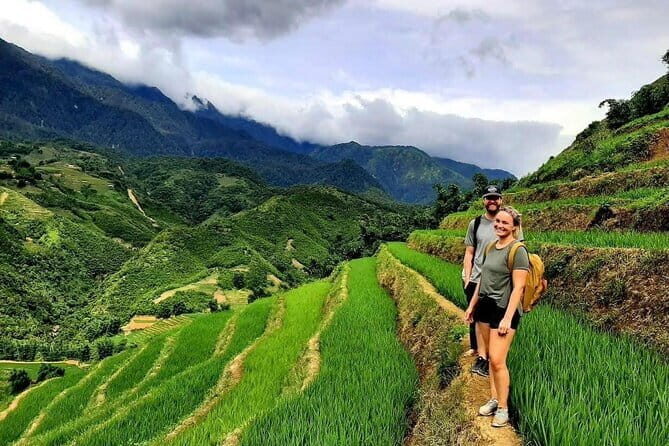
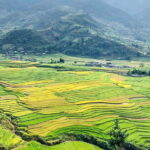
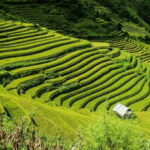
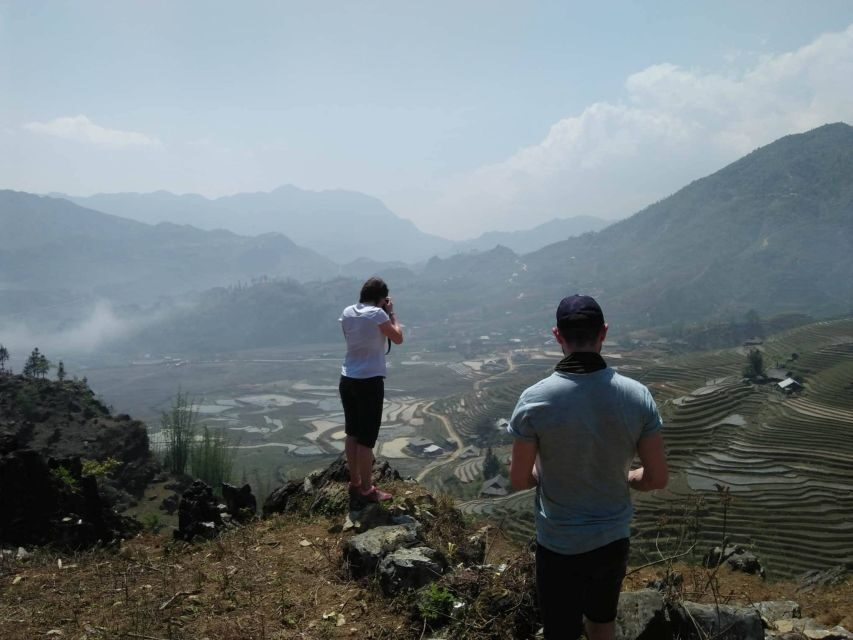
- Muong Hoa Valley downhill biking with big photo moments over terraced fields
- Lao Chai and Ta Van village time focused on rice planting, weaving, and livestock care
- Ethnic House Tavern lunch in Ta Van with a local cooking lesson
- Giang Ta Chai waterfall stop plus a look at Red Dao and Black Hmong daily life
Why the Muong Hoa Valley bike ride is built for first-timers
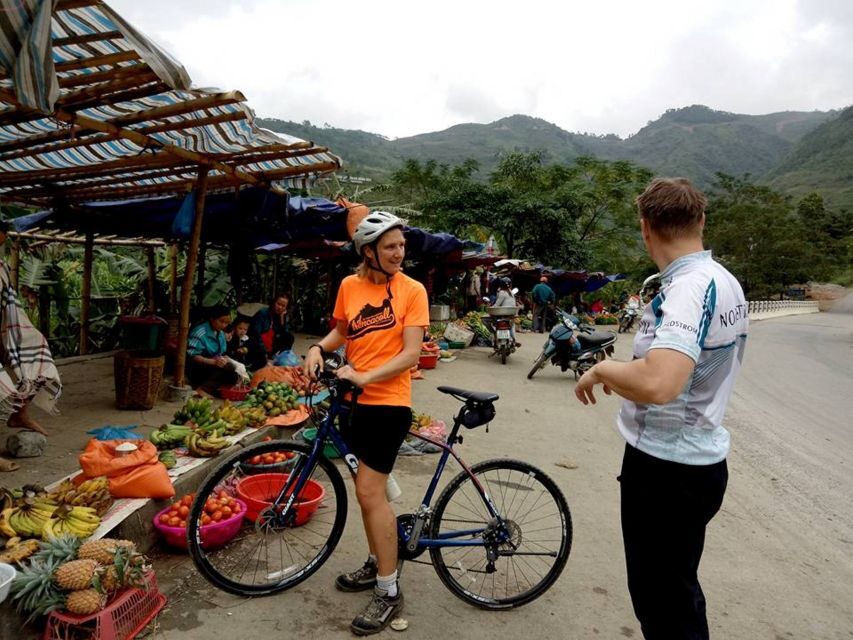
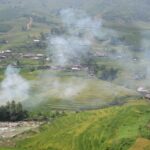
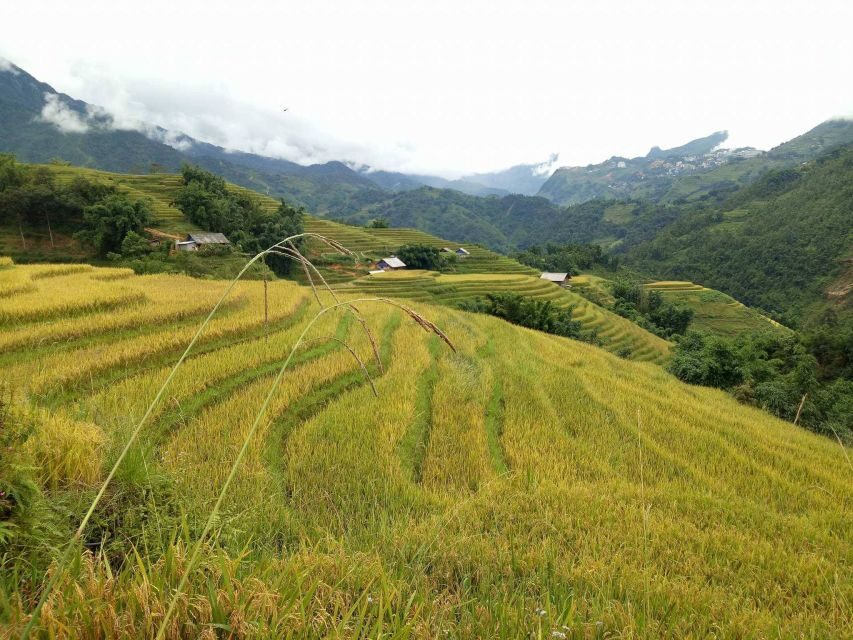
This tour is basically a one-day shortcut to what makes Sapa special: steep hillsides turned into working terraces, plus communities that have kept their routines for generations. You don’t just pause for photos—you bike down Muong Hoa Valley, then step into villages where you can watch and learn.
What I like about the structure is how it balances movement and meaning. The downhill stretch gives you fresh-air time and perspective. After that, the day shifts into smaller human moments: weaving, planting, and the everyday rhythm of village life.
It also helps that this experience is designed as a manageable day. One review noted the route felt okay and not too strenuous, even with only two riders on the tour. That matters if you want scenery without feeling like you need training for days.
You can also read our reviews of more tours and experiences in Sa Pa.

Small group comfort: up to 5 people, plus guide attention
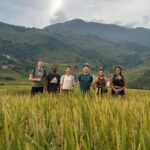
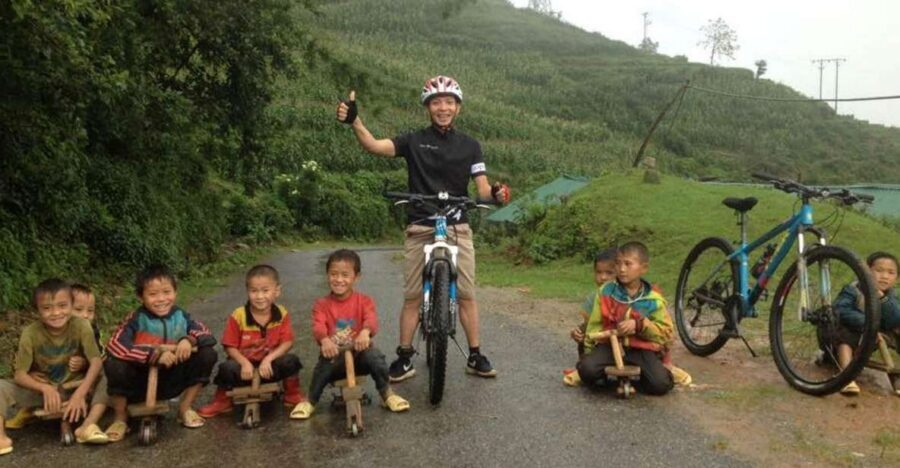
The group size is limited to 5 participants, and that changes the vibe. You get fewer bottlenecks at stops, more time for questions, and less waiting when you’re taking photos. If you end up with a tiny group, you’ll likely notice it right away: more flexibility, more back-and-forth with the guide, and a smoother flow through villages.
English is the default language for the guide. In a real-world example from past bookings, the guide Willy was described as very nice. That’s the kind of detail that adds up on a day like this, because you’re going to village spaces where respectful listening really matters.
Your day at a glance: 9:00 AM start to Supan return
The timing is straightforward, which is a relief when you’re planning a short visit to Sapa.
- You’re picked up from your hotel in Sapa Town at 9:00 AM (or you can meet at 015 Tue Tinh, Sapa, Lao Cai).
- You bike down Muong Hoa Valley with your guide and stop for photos along the way.
- You reach Ta Van around noon and have lunch at the Ethnic House Tavern.
- After lunch, you continue to Giang Ta Chai for a village walk and a waterfall visit.
- You finish in Supan, where the driver picks you up and returns you to Sapa.
This pacing is smart because it front-loads the bike ride while the morning is fresh, then uses slower village walking after lunch. If you’re the kind of person who gets tired late in the day, that sequencing helps.
Lao Chai and Ta Van: rice, weaving, and livestock work you can see
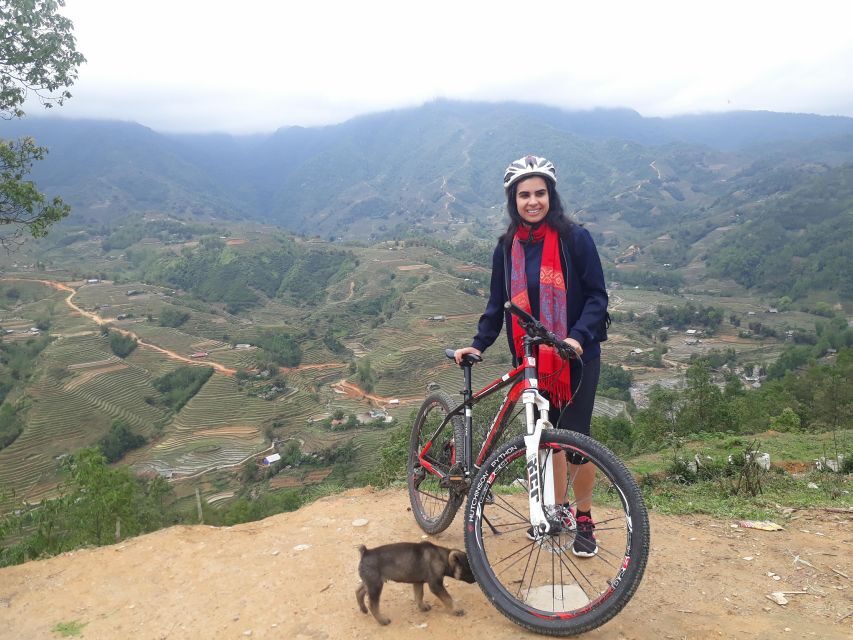
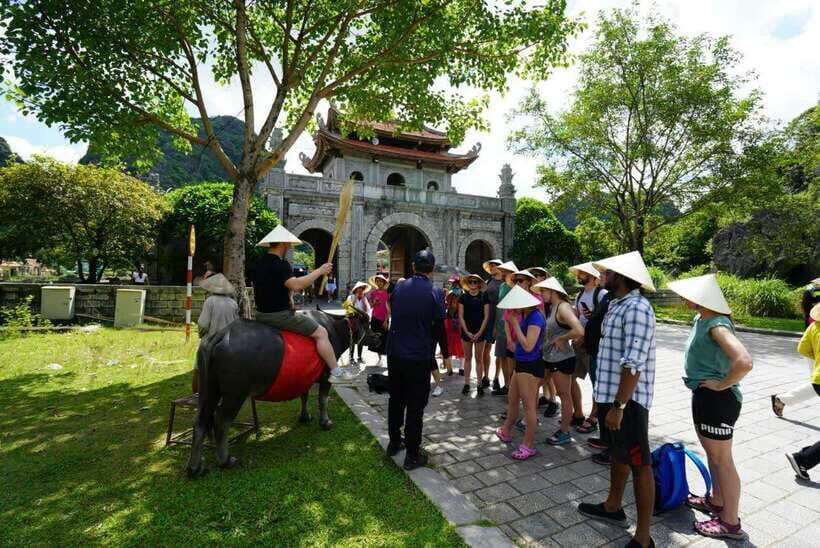
The heart of the cultural part is in Lao Chai and Ta Van. These are described as the most beautiful villages in Sapa, but the better reason to go is what your guide focuses on: how people live.
You’ll learn customs and habits tied to everyday survival and community. Specifically, you can expect lessons on:
- how rice is planted
- how weaving is done
- how people tend to livestock
Why this matters: in a lot of places, ethnic “culture” becomes a performance. Here, the learning is connected to practical tasks. Even if you only understand bits of what you’re seeing, you’ll come away with a clearer picture of how work shapes daily life in steep terrain—where terraces aren’t just scenic, they’re productive.
It’s also a good moment to slow down and ask questions. Your guide is there to connect what you’re looking at with how it functions for the people who live there. And because the group is small, you can actually talk instead of just following a line.
Ethnic House Tavern lunch in Ta Van: eat, watch, learn to cook
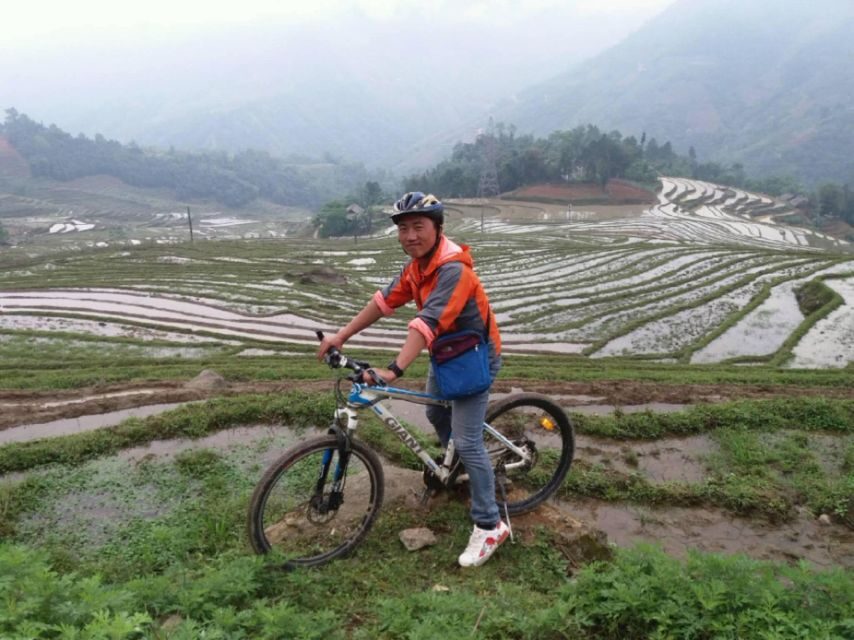
Lunch in Ta Van happens at the Ethnic House Tavern, and it’s more than a plate-and-go meal. You’ll have the chance to learn how to cook from local people, then enjoy lunch with the host.
This is one of the most valuable parts of the day, especially if you don’t want your trip to feel like a photo scavenger hunt. Cooking is hands-on and sensory. It also gives you a simple way to carry the experience home: you can remember the flavors and techniques, not just the scenery.
Practical note: lunch is included in the price, and mineral water is provided. Soft drinks aren’t included, so if you like them with meals, plan on paying extra.



Giang Ta Chai: a waterfall break and a Red Dao / Black Hmong village walk
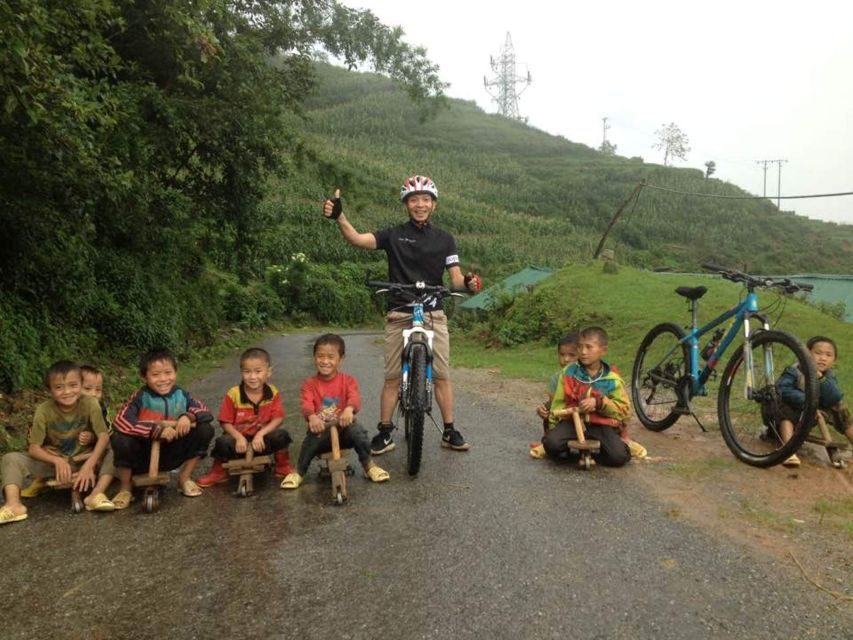
After lunch, the tour continues to Giang Ta Chai. Here, the day turns a bit more scenic and a bit more personal.
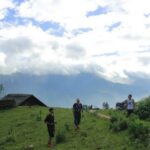
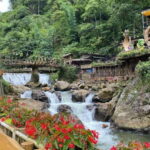
You’ll visit the waterfall and walk around the village. Your guide also shares what you can expect in the lives of the Red Dao and Black Hmong minorities. The goal isn’t to cram facts—it’s to help you understand how community life fits into the landscape and the work people do.
You also have time to relax by the waterfall if you want to step back from the walking for a while. That balance matters. It gives you a reset before the final transfer.
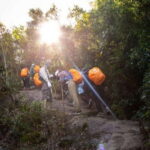
From a comfort perspective, plan for uneven walking and quiet corners where people live and work. You’ll enjoy it more if you treat it like a neighborhood visit, not a theme park stop.
Supan finish and return to Sapa: how the wrap-up works
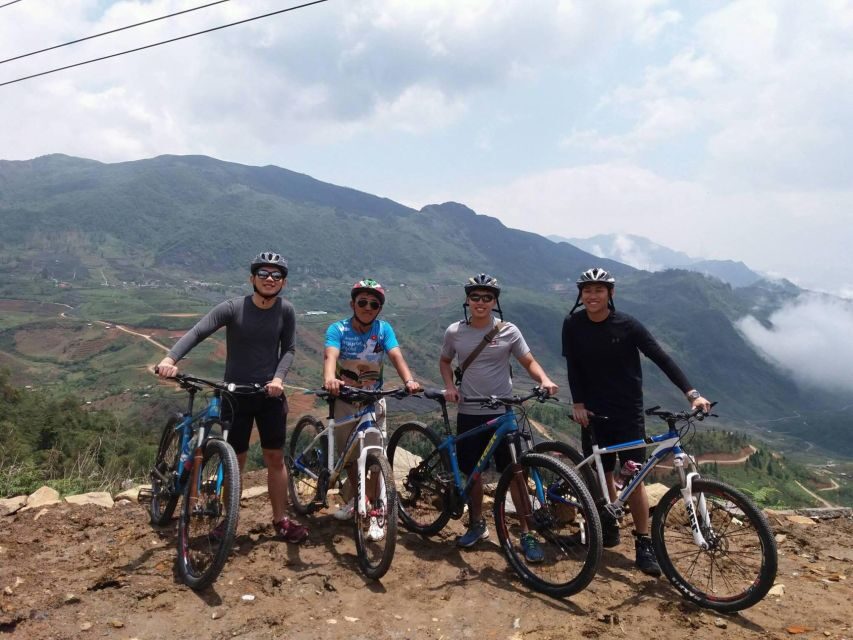
At Supan, the routine becomes simple. Your guide continues with you, then the driver picks you up and takes you back to Sapa.
This handoff is handy because it means you don’t have to worry about the final leg on your own after a full day. It’s also why transport is listed as included—there’s one less thing to manage.
If you’re doing this as part of a longer Sapa itinerary, this end point is a clean way to get back to shower, recharge, and grab dinner without planning transportation mid-trip.
Price and value check: what $65 really covers
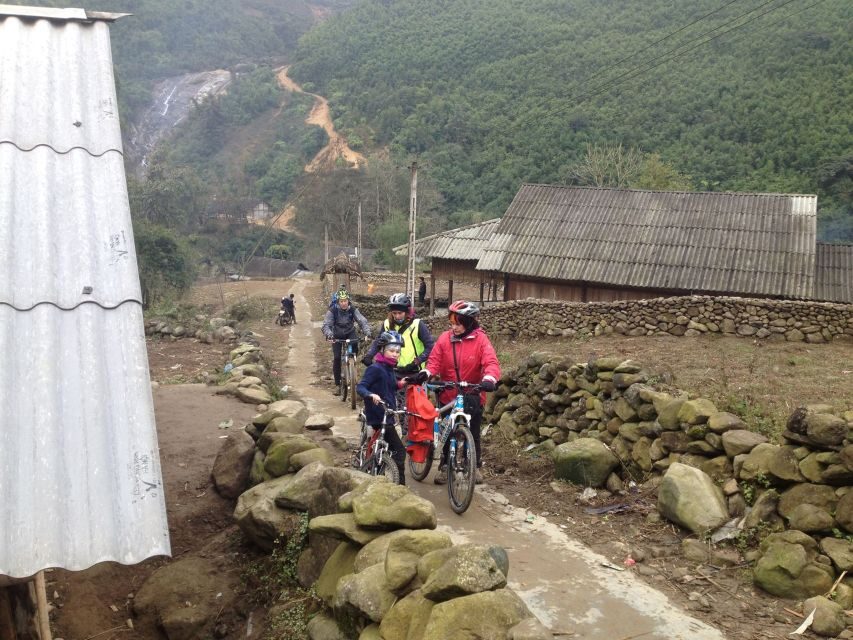
At $65 per person, the biggest value isn’t the bike alone. It’s the package: the tour includes an English-speaking guide, entrance tickets to indicated sites, lunch, mineral water, a mountain bike, and transport back to Sapa.
Here’s how that adds up in real travel terms:
- Guide + small-group routing can easily cost as much as the bike rental by itself
- Entrance tickets can add up fast when multiple stops are involved
- Lunch plus a cooking lesson is typically not free in other formats
- Transport back to Sapa removes uncertainty at the end of the day
What’s not included is also clear. You’ll still want to budget for travel insurance, VAT, personal expenses, and any soft drinks. If you’re the kind of traveler who always buys water beyond what’s included, keep that in mind too.
Two important optional add-ons:
- French-speaking guide surcharge is $25 per person, paid at the meeting point
- Lunar New Year surcharge applies from 26th Jan to 2nd Feb 2025: $35 per person, paid at the meeting point
If your travel dates fall outside those periods, you may avoid the extra costs. If they don’t, plan ahead so it doesn’t surprise you when you arrive.
What to pack: warm clothes, no oversize luggage, and bike comfort
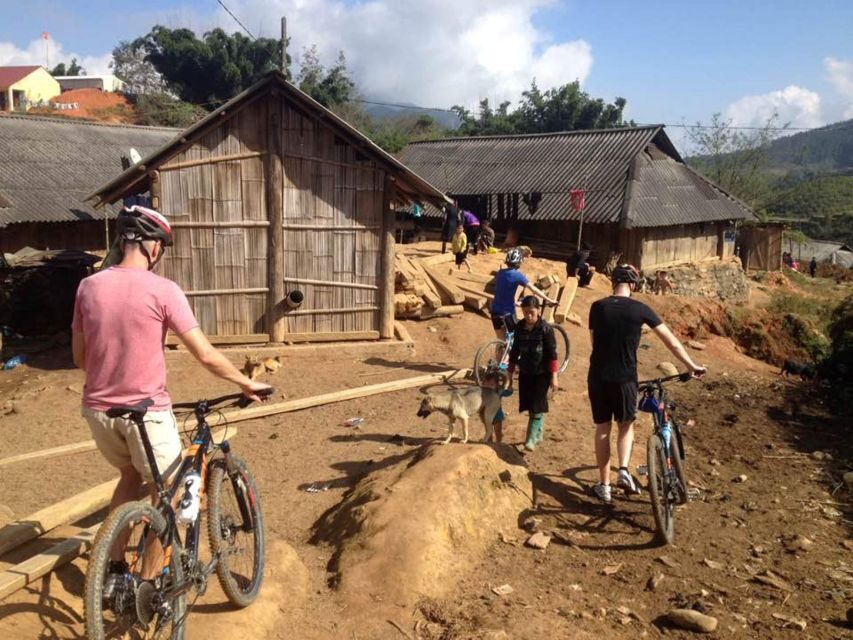
Sapa weather changes with the season, and the tour info gives a clear rule of thumb: bring warm clothes for Sapa (except in May, June, July, August, and September). Even when days look bright, mornings and evenings can feel chilly once you’re up in the valley.
You’re also told oversize luggage isn’t allowed. That sounds small, but it matters if you’re traveling with a large hard suitcase. If you’re unsure, pack lightly or keep your day bag compact so you can move easily at village stops and on/off transport.
And since a mountain bike is provided, you won’t need to rent one. Still, you’ll feel more comfortable if you dress for movement and have shoes you trust on uneven ground.
Who should book this Sapa bike tour (and who should skip it)
This is a great fit if you want:
- a short, full day that covers Muong Hoa Valley and multiple villages
- a hands-on cultural experience like rice planting and weaving
- an included meal that includes learning, not just eating
It’s also a nice option if you’re traveling with limited time. The day is packed, but it’s organized: bike in the morning, villages after, then a clean return.
You should probably skip it if:
- you need a route designed for mobility impairments (it’s not listed as suitable)
- you’re bringing oversize luggage
- you’re not comfortable with the idea of walking around villages and spending part of the day on a bike
If you’re flexible and curious, you’ll likely get a lot out of the village interactions, especially in Lao Chai and Ta Van.
Should you book this tour?
I think this is a smart book for most people doing Sapa for the first time, mainly because it pairs the scenery with everyday village learning in a way that feels practical. The small-group limit helps, the route is described as okay and not too strenuous in at least one small-group booking, and the Ethnic House Tavern cooking lesson is the kind of included extra that makes the day feel worth the price.
Book it if you want a one-day mix of bike views and real customs like planting rice and weaving. Don’t book it if mobility is a concern or if you need a very low-movement itinerary.
FAQ
What time does the tour start in Sapa?
You’re picked up at 9:00 AM from your hotel in Sapa.
Where can I meet the guide if I’m not staying in Sapa Town?
Pickup is from Sapa Town hotels, or you can go to 015 Tue Tinh, Sapa, Lao Cai, Vietnam.
How many people are in the group?
The tour is a small group limited to 5 participants.
What does the $65 per person price include?
It includes an English-speaking guide, entrance tickets to indicated sites, lunch, mineral water, a mountain bike, and transport back to Sapa.
What happens during lunch in Ta Van?
Lunch is prepared at the Ethnic House Tavern in Ta Van, and you’ll have the opportunity to learn how to cook from local people before eating.
Is mineral water included?
Yes, mineral water is included.
Is there a French-speaking guide option?
Yes. A French-speaking guide is available with a $25 per person surcharge, paid at the meeting point.
Are there extra costs during Lunar New Year?
Yes. From 26th Jan to 2nd Feb 2025, there’s a $35 per person surcharge, paid at the meeting point.
What should I wear, and can I bring large luggage?
You should prepare warm clothes for Sapa (except May–Sept). Oversize luggage is not allowed.
Is the tour suitable for everyone, and can I cancel for free?
The tour is not suitable for people with mobility impairments. You can cancel up to 24 hours in advance for a full refund, and you can also use reserve now & pay later to keep plans flexible.