REVIEW · SAPA
A Glimpse Of Sapa Motorbike Tour Off the Beaten Path 4,5 Hours
Book on Viator →Operated by Sapa Motorbike Tour · Bookable on Viator
Real Sapa starts beyond the main road. This half-day motorbike tour is designed to steer you away from the busiest, most commercial spots and toward real village life, with local culture as the point. I like the focus on off-the-beaten-track backroads and the fact that you get an English-speaking guide, not just a driver. One thing to watch: timing can slip, and the amount of explanation may depend on how the group is arranged.
You’ll hit two core stops: the O Quy Ho Mountain Pass viewpoints and Ta Phin Village, plus rural detours tied to the terraced fields around Sapa. The tour also aims to connect you with two ethnic groups, Hmong and Dao, so it’s not just scenery. The day runs about 4 hours 30 minutes, with hotel pickup for both morning and afternoon slots.
At $59 per person, it’s a solid value if you want transportation, guidance, and paid stops handled. Pickup and drop-off around Sapa City are included, along with entrance fees and bottled water. Just plan for the common Sapa reality: the morning can feel cold, and you’ll be on a bike for hours, so dress for cool air.
In This Review
- Key things to love about this Sapa motorbike half-day
- Why this off-the-beaten-path Sapa ride feels more real
- Pickup at 8:00 or 12:00 and what to expect before you go
- O Quy Ho Mountain Pass: 30 minutes of high-altitude viewpoints
- Ta Phin Village: backroads and real Hmong and Dao encounters
- Ban Khoang and Ta Giang Phinh, plus terraced rice paddies on the move
- English guide and professional driver in a max-20 group
- Price value: what the $59 covers (and what it doesn’t)
- Weather, cold mornings, and photo planning for a smooth ride
- Should you book this Sapa motorbike tour?
- FAQ
- Where do you get picked up in Sapa?
- What time does the tour start?
- How long does the tour last?
- What main stops are included?
- Which ethnic minority groups does the tour aim to show?
- What is included in the $59 price?
- What is not included?
- Is there an English-speaking guide?
- How large is the group?
- Can I cancel for free?
Key things to love about this Sapa motorbike half-day
- O Quy Ho Mountain Pass: a dedicated stop focused on valley viewpoints, not a quick drive-by
- Ta Phin Village time: about 3 hours to see daily life in a quieter, less touristed setting
- Ethnic minority encounters: Hmong and Dao culture are part of the route
- Backroads and rural villages: detours aim for terraced rice paddies and places other tours skip
- Pickup and drop-off in Sapa: saves you the hassle of figuring out transport for a half-day
Why this off-the-beaten-path Sapa ride feels more real
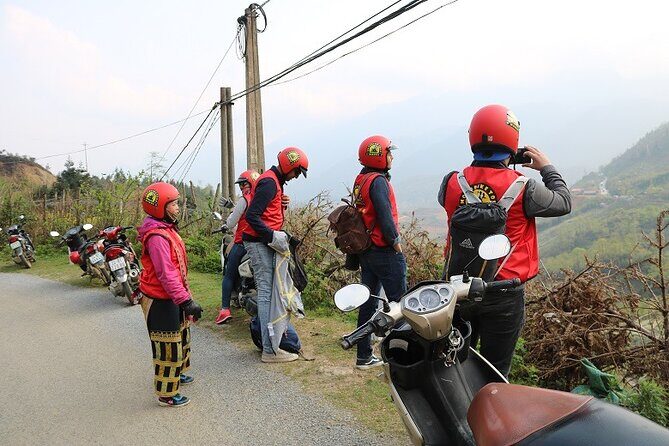
Sapa can feel packaged fast. This tour’s pitch is simple: get you out of the most commercial areas and into the kind of places you’d struggle to reach on your own in a short half-day. The route is built around mountain roads, quiet villages, and terraced rice areas, so you don’t just see one “photo point” and leave.
What I like is that the tour is meant to be a ride plus a window into local life, not a checkbox. You’re also set up to meet two ethnic minorities—Hmong and Dao—which changes the vibe from scenery-only to people-and-place. If your idea of a good Sapa day is talking to locals, watching daily routines, and taking photos that feel grounded, this style fits.
The main drawback is also part of the format: you’re on a motorbike most of the time. If you’re expecting a slow, walking-focused cultural tour, you’ll need to match your expectations to a ride-and-stop rhythm.
You can also read our reviews of more tours and experiences in Sapa.


Pickup at 8:00 or 12:00 and what to expect before you go
The tour starts with pickup from your hotel in Sapa. It runs as a morning tour at 8:00 and an afternoon tour at 12:00, so you can pick the timing that matches your energy and weather. After pickup, there’s a short safety briefing and a guide sets expectations for the half-day.
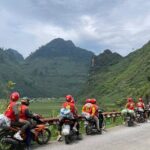
Since it’s a motorbike tour with professional drivers, you’re not just waiting around—you’re moving through the region in a way that feels faster and more flexible than many minivan itineraries. The tour also has a limit of up to 20 people, which usually helps keep things manageable in a short time window.
A practical consideration: one downside that can happen with any group pickup is lateness. Build in a little buffer to your schedule, and if you’re sensitive to time, message ahead and confirm the pickup window. And because Sapa mornings can be chilly, bring layers you’re comfortable wearing for time on the bike.
O Quy Ho Mountain Pass: 30 minutes of high-altitude viewpoints
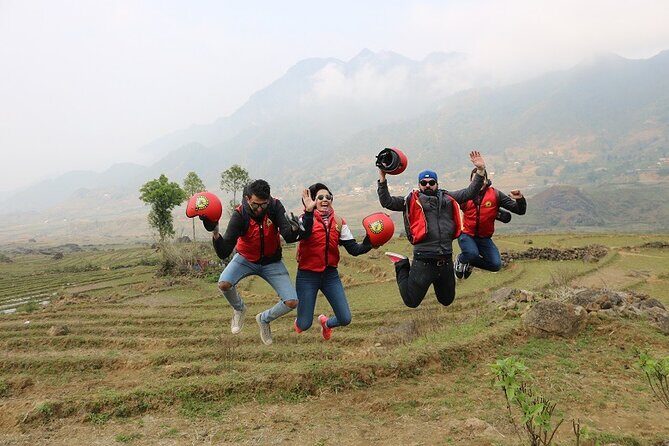
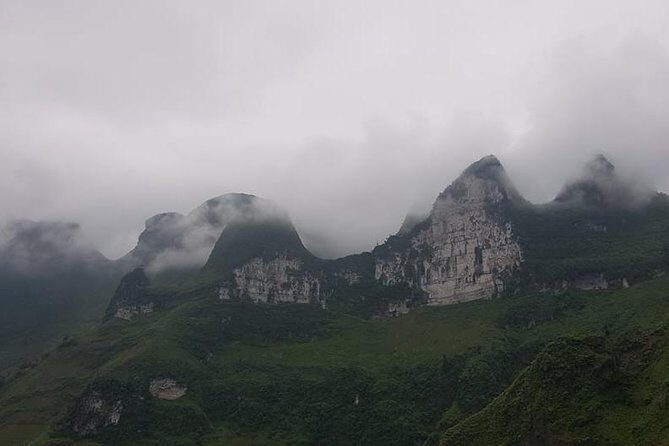
O Quy Ho Mountain Pass is your first big “wow” moment after leaving Sapa City. Expect a drive out of town that ramps up quickly: mountain roads, big valley views, and a chance to stop at the pass area. The time here is about 30 minutes, which is enough for photos, a quick look around, and getting the feel of the elevation.
This stop matters because it sets the tone for the rest of the day. You see how the valleys open up and how terraced fields and villages fit into the slopes. It’s also a nice contrast to Ta Phin later, since O Quy Ho is more about panoramic scenery while Ta Phin is about daily life.
One heads-up: at a mountain pass, weather can shift fast. If it’s cold or foggy, you’ll still enjoy the ride, but your visibility may be limited. Pack for temperature changes, and keep your camera ready without getting stuck doing long walks.
Ta Phin Village: backroads and real Hmong and Dao encounters
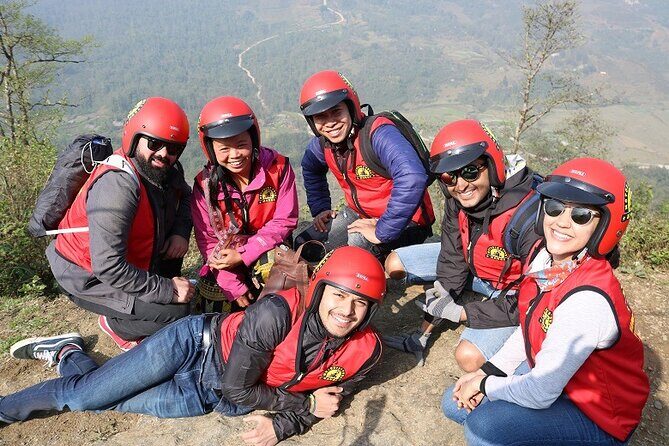
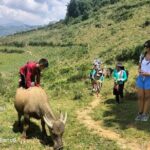
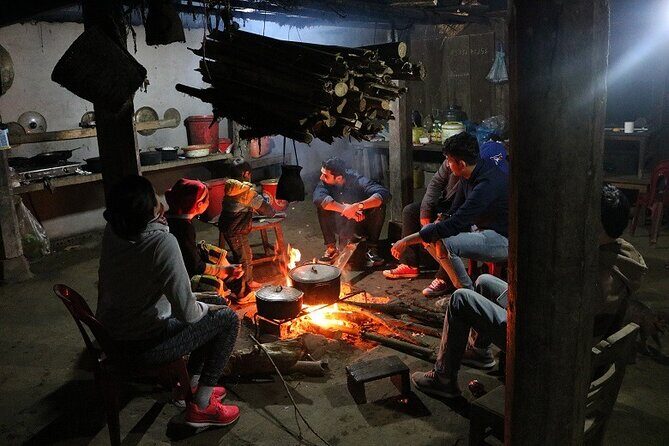
Ta Phin Village is where the tour shifts from viewpoints to people. You’ll ride out by backroads to a more quiet area where fewer tourists typically go, giving you time to learn about daily life rather than rushing through an attraction. The visit is about 3 hours, which is long enough to slow down and actually absorb what’s around you.
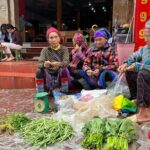
The tour’s cultural goal is to meet two ethnic groups: Hmong and Dao. That matters because you’ll get a sense of local traditions and how communities live in the mountains, not just a generic “tribe stop.” You’ll be in a guided, explanation-led setting, and the driver’s route selection also affects what you see on the way.
There can be a small practical wrinkle with culture stops: explanation quality can vary depending on how the group is arranged and where you’re seated relative to the guide. If you care a lot about conversation, ask questions early and keep an eye on your chance to speak with the guide during the village time.
Ban Khoang and Ta Giang Phinh, plus terraced rice paddies on the move
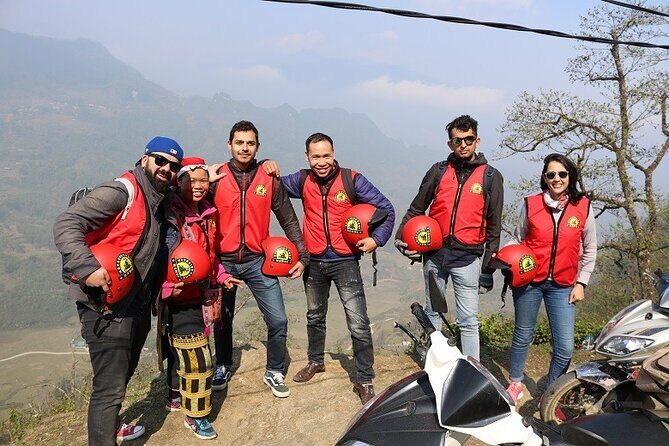
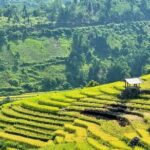
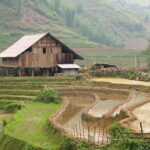
Half-day tours often cram too much in. This one tries to keep the rhythm by combining rural villages and mountain trails with terraced rice views. The route includes places like Ban Khoang and Ta Giang Phinh, in addition to the mountain pass and the village visit.
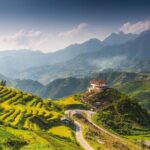
In practice, what that means is you get multiple “glimpses” rather than one long stretch of sitting. You’ll see backroad scenery and terraced areas along the way, so the whole day feels like continuous exploration. This is also where the ride experience matters: the roads wind through the hills, and you get perspective on how households connect to the landscape.
One thing I’d keep in mind: because it’s a motorbike day, the terraced areas are usually something you see from roads and overlooks, not something you hike through for hours. If you want deep trekking, you might prefer a longer trekking-focused tour.

English guide and professional driver in a max-20 group
The tour includes an English-speaking guide and a professional driver, plus entrance fees and bottled water. That setup is what makes a half-day motorbike trip feel doable: you get navigation and safety handled, and you also get context for what you’re seeing.
Group size is capped at 20 people, which helps prevent the “too many people for meaningful conversations” problem. Still, motorbike tours can create logistics challenges. One past experience flagged that when the group is arranged in a certain way, not everyone gets the same level of guidance at the same moment. If you want detailed explanations, sit close to the guide when possible and be proactive with questions.
You might also notice that guides can adjust timing and stops when conditions change. One guide named May has been mentioned for changing the plan when the weather wasn’t clear, helping the group get the best out of the morning. That kind of flexibility can turn a mediocre visibility day into a satisfying one.
Price value: what the $59 covers (and what it doesn’t)
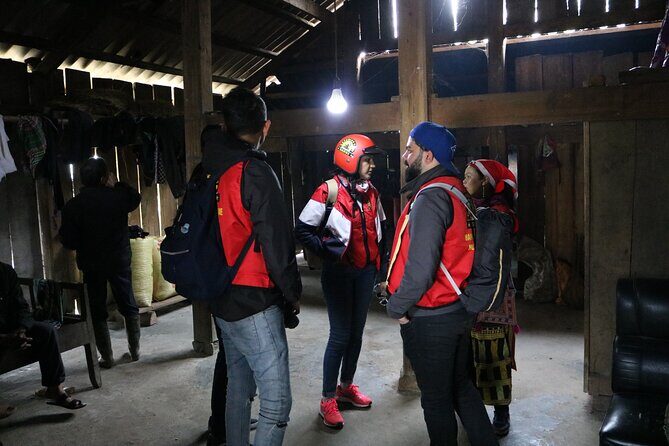
The headline price is $59 per person for a 4-hour 30-minute half-day ride. That price includes pickup and drop-off around Sapa City, an English guide, professional driver, bottled water during the tour, and entrance fees.
What you should plan for separately: tips for the guide and driver, plus personal expenses. In other words, the tour is priced to cover the “core experience,” but you’ll still handle the usual spending on your own once you’re out in the villages.
Is $59 good value? For Sapa, it often is, because you’re paying for both transportation and guidance in a short window. The value jumps when you want to cover multiple areas in a way that’s hard to DIY safely and efficiently—especially in cooler, mountain road conditions.
Weather, cold mornings, and photo planning for a smooth ride
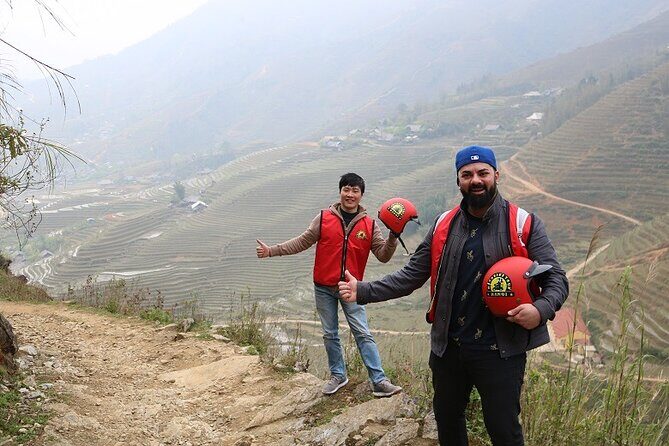
Sapa’s weather can change your day quickly, and a motorbike tour can feel even more sensitive to that than a city walk. Morning tours start at 8:00, so plan on cool air and possible chill once you climb. Bring layers you can manage on a bike ride, not just around town.
If visibility is limited, don’t panic. This tour is set up with a flexible half-day format, so guides can adjust the order or emphasis of stops to match the conditions. Having a guide who understands the area and can react to clouds or fog is part of why people enjoy this style of tour.
For photos, think practical. You’ll have short stops like the pass and longer time in Ta Phin, so focus your camera energy on the places where you’ll have time to step aside and actually frame shots. On the move, keep shooting quick and steady rather than stopping too often for gear changes.
Should you book this Sapa motorbike tour?
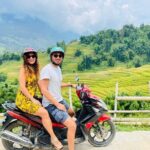
Book it if your priority is getting out of the busiest Sapa areas and spending your half-day on mountain roads with real village encounters. It’s a good fit for couples, solo visitors, and anyone who’s comfortable on a motorbike and wants a guided blend of viewpoints, terraced rice scenery, and Hmong and Dao culture.
Skip it (or at least adjust expectations) if you want lots of walking, long hikes, or a slow museum-style cultural itinerary. Also, if you’re extremely time-sensitive, keep in mind pickup timing can be imperfect with any shared tour model.
If your goal is a half-day that feels like Sapa’s daily life and mountain geography, this one is built for that.
FAQ
Where do you get picked up in Sapa?
Pickup is offered from your hotel stay in Sapa. The tour also provides drop-off back around Sapa City after the ride.
What time does the tour start?
There are two options: a morning tour starting at 8:00 and an afternoon tour starting at 12:00.
How long does the tour last?
The duration is about 4 hours 30 minutes.
What main stops are included?
The route includes O Quy Ho Mountain Pass and Ta Phin Village. The broader plan also mentions rural village areas like Ban Khoang and Ta Giang Phinh, plus terraced rice paddies.
Which ethnic minority groups does the tour aim to show?
The tour is designed to meet two ethnic minority groups: Hmong and Dao.
What is included in the $59 price?
The price includes an English-speaking guide, all entrance fees, bottled water during the tour, a professional driver, and pickup and drop-off around Sapa City.
What is not included?
Personal expenses and tips for the guide and driver are not included.
Is there an English-speaking guide?
Yes. The tour includes an English-speaking guide.
How large is the group?
The maximum group size is 20 people.
Can I cancel for free?
Yes. Free cancellation is available if you cancel up to 24 hours in advance for a full refund.