REVIEW · SA PA
Fansipan Trekking – 1 Day
Book on GetYourGuide →Operated by Sapa Original Trek Company Limited · Bookable on GetYourGuide
Fansipan in one day feels serious. What makes this trip click is the English-speaking guide and the chance to push up to Vietnam’s highest point with real, high-elevation hiking rather than just a view-stop. I also like that the day is built around a clear start at Tram Ton pass and a simple end back in Sapa. The main drawback: this is hard hiking (for strong legs), and weather can turn cold or rainy fast.
The pace is tough but workable, and you’re not left guessing. One guide example I’ve heard by name: Mr Cho, who’s described as enthusiastic, polite, and attentive—plus a professional lead like Mr Tinh, who keeps things moving from pick-up to drop-off. Still, if you get sick in the cold or hate steep climbs, you should think twice.
In This Review
- Key Takeaways Before You Go
- A Tough Climb to Vietnam’s Highest Peak
- Getting to Tram Ton Pass: Your 2000 m Starting Line
- Trekking Up Through Forest and Streams (About 10–12 Hours Total)
- The Picnic Lunch at 2800 m: Fuel You’ll Actually Need
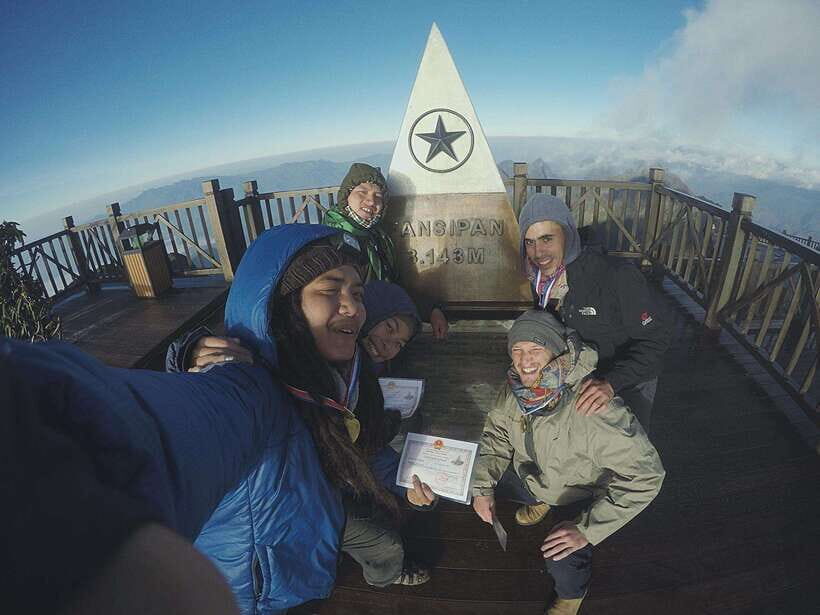
- Reaching the Top: Views, Photos, and Summit Timing
- Cable Car Down or Trek Back: Finishing Around 14:00–18:00
- English-Speaking Guides and Real Human Momentum
- Weather on Fansipan: Cold Winters, Wet Summers, Fast Changes
- What to Pack: The List That Keeps You Comfortable
- Price and Value: What $77 Buys You
- Permits and Registration: Small Paperwork, Big Importance
- Who Should Book This Trek (and Who Should Skip)
- Should You Book Fansipan Trekking for One Day?
- FAQ
- How long is the Fansipan trekking experience?
- Where does the tour pick me up?
- How far do I hike in total?
- What time does the trek start?
- What is the lunch situation?
- Do I need to pay for the cable car?
- What temperatures should I expect?
- How much water do I get?
- What information is needed for registration?
- Who is the tour not suitable for?
Key Takeaways Before You Go
- A true 1-day challenge: about 24 km round-trip and roughly 1400–1600 m of ascent
- English guidance that actually helps: clear instruction and a guide who keeps the group together
- Lunch at elevation: picnic meal around a 2800 m camping site, not at sea level
- Flexible finish: trek back the same way or pay for the cable car down
- What’s included adds value: transport, entry, lunch, water, insurance, and even a medal/certificate
A Tough Climb to Vietnam’s Highest Peak
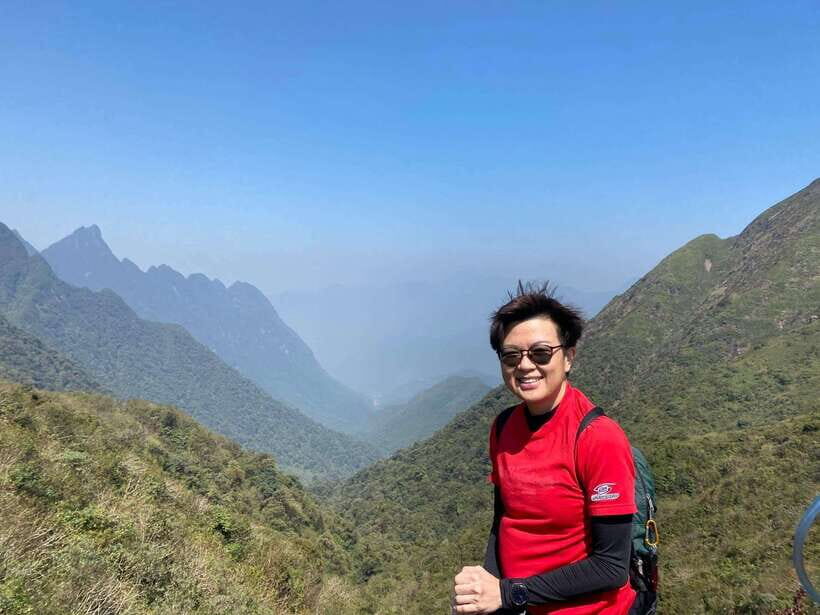
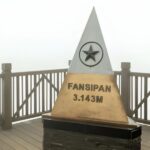
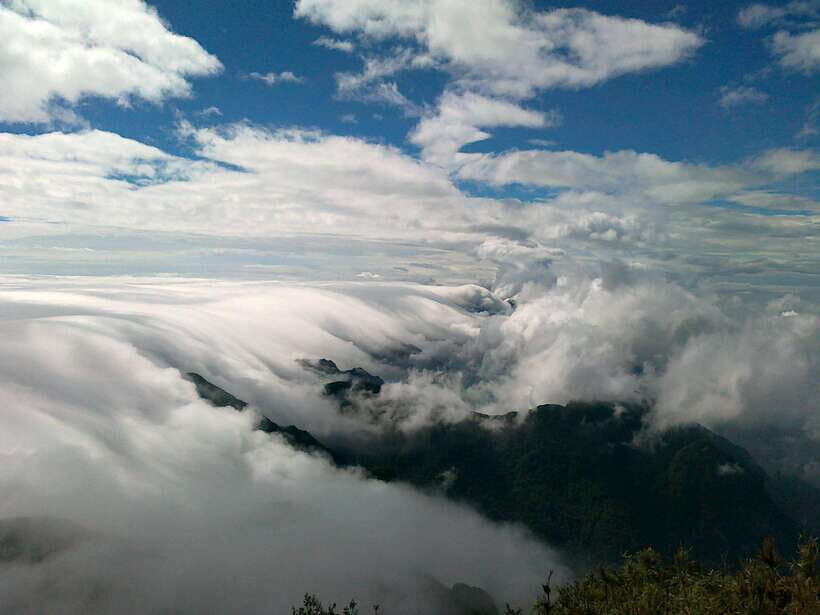
Fansipan is the highest peak in the Indochina peninsula, topping out at 3143 m. In plain terms: you’ll spend the day climbing high enough to feel it in your breathing and legs. This one-day trek is designed for people who want effort plus payoff—big views, crisp air, and a real sense of accomplishment when you finally reach the top.
I like that the plan is straightforward. You start at Tram Ton pass (about 2000 m), you hike up through forested sections, and you stop for lunch higher up. Then you push on, reach the summit area around midday/early afternoon depending on speed, and get back before evening.
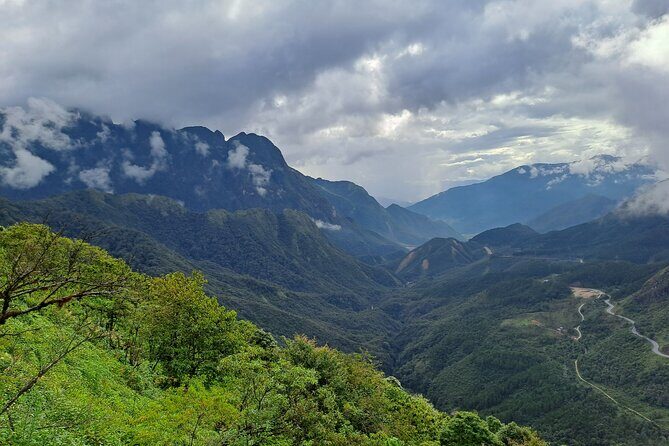
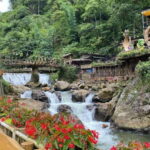
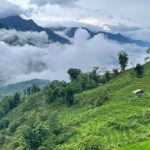
One more reason this trek is so appealing: you’re not just watching the mountains from afar. You’re walking past bamboo, older trees, and stream sections on the way up—so even before the summit, the hike has that “we’re actually moving through the place” feeling.
You can also read our reviews of more hiking tours in Sa Pa
Getting to Tram Ton Pass: Your 2000 m Starting Line
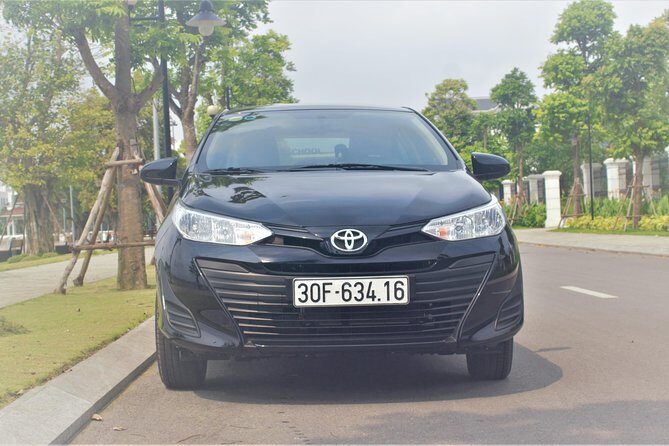
You’ll be picked up from Sapa town early—often around 5:30–6:00 AM—and taken to the Tram Ton pass trail start at about 2000 m. If you’re traveling alone, the transport may be by scooter rather than a car, while group pick-ups happen from hotels in the center of Sapa town (not from village homestays outside town).
That early start matters. Fansipan weather shifts quickly, and you’ll have a better chance of steady conditions when you’re higher up before late-day fog or rain moves in. It also means you’re climbing when your energy is best, not when your body is already tired from a late breakfast.
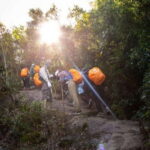
Once you begin, the route starts by threading through forest and nature details—bamboo, old trees, and colorful flowers are part of the experience, along with streams along the way. This is the kind of terrain where having a guide in front isn’t just nice for conversation. It helps you keep a steady rhythm and avoid wasting energy by scrambling.
Trekking Up Through Forest and Streams (About 10–12 Hours Total)
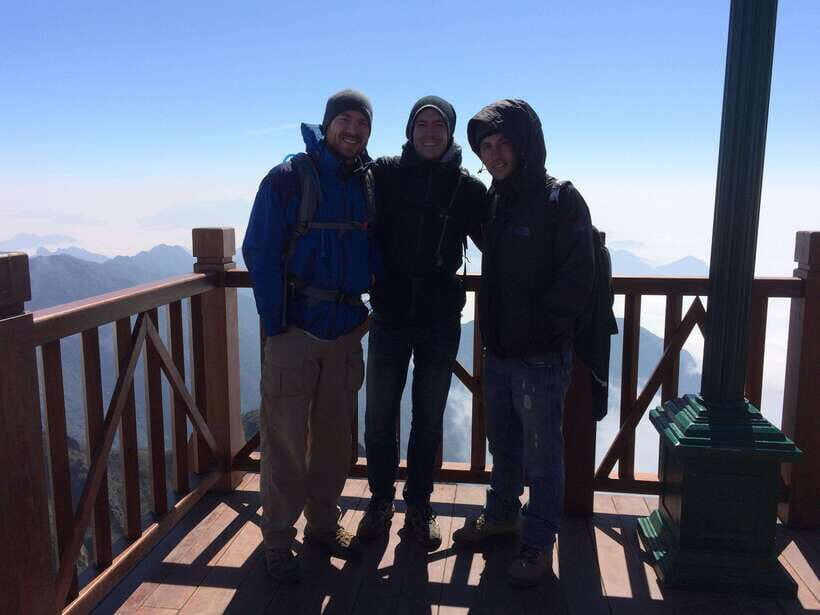
The hike is described as roughly 12 km each way, for about 24 km round-trip. The ascent is often around 1400–1600 m total elevation gain (depending on how you pace and how the route is matched to conditions). Put simply: it’s a long day of hiking, not a casual outing.
The itinerary includes lunch on the way at a camp-like spot around 2800 m. That’s important for your body. You’ll break before the final stretch instead of waiting until you’re exhausted. Plus, eating at elevation changes how you feel. You don’t want a heavy, greasy lunch that makes your stomach unhappy while you’re still climbing.
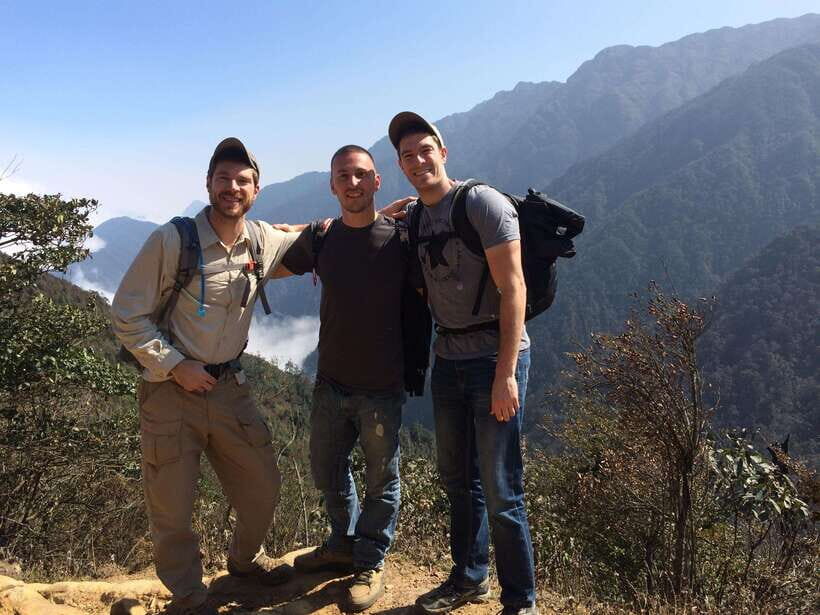
You’ll also notice the terrain gets more “serious.” Expect difficult, hard hiking for strong people—this is not a “stroll to the view” hike. Trekking poles or even a stick you can find in the jungle (if your guide allows/you’re comfortable) can help with balance, especially when you’re tired.
The Picnic Lunch at 2800 m: Fuel You’ll Actually Need
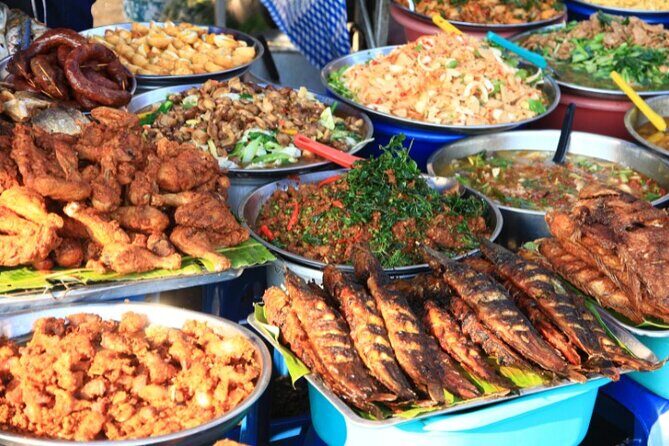
Lunch is included as a picnic, and your guide carries it. The meal is listed with specific items: bread, fried chicken and eggs, tomato and cucumber, two kinds of fresh fruits, plus small Vietnamese snacks.
I like that this isn’t presented as a fancy meal. It’s practical food for a high-effort hike. Bread and protein help you push through, and the fruit gives you something refreshing when you’re sweating and breathing hard.
If you have special dietary needs—vegetarian or allergy-related—tell the operator ahead of time. They say they can change the lunch if you request it.
Also, plan for cold hands and cold air around lunch time, even if you’re sweaty earlier. Warm weather gear matters, because the “temperature swing” can feel bigger at higher altitude.
Reaching the Top: Views, Photos, and Summit Timing
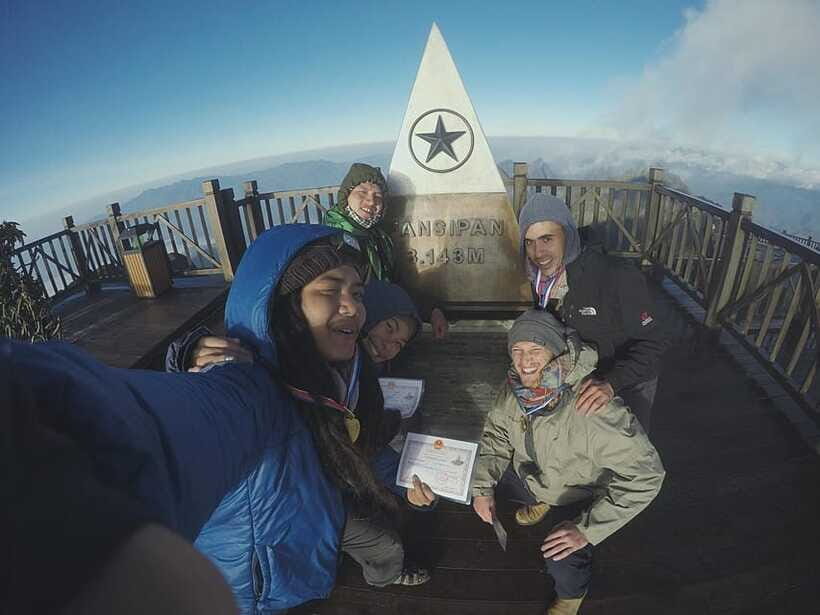
Most schedules aim for reaching the top around 12:00–13:00, depending on your speed. One pace example I’ve heard: it can take about 6.5 hours to reach the top including lunch, then you start the descent quickly afterward before dark.
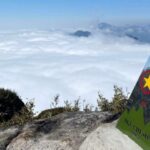
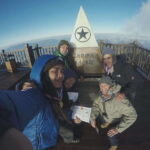
When you arrive, you’ll get the payoff: amazing views back toward Sapa town, plus dramatic mountain scenery toward Vietnam–China highlands. This is a place where you’ll want to take photos, but also just pause. The summit isn’t just about pictures. It’s about catching your breath and realizing you worked for it.
Two practical summit notes:
- Bring a headlight. You might not use it at the summit, but it’s smart insurance if the weather changes and timing shifts.
- Go easy on celebrations with big gulps of water. You’ll appreciate hydration control more on the way down.
You can also read our reviews of more tours and experiences in Sa Pa
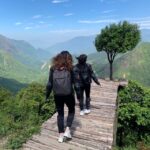
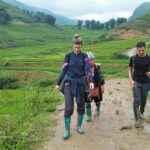
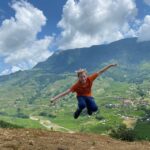
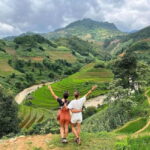
Cable Car Down or Trek Back: Finishing Around 14:00–18:00
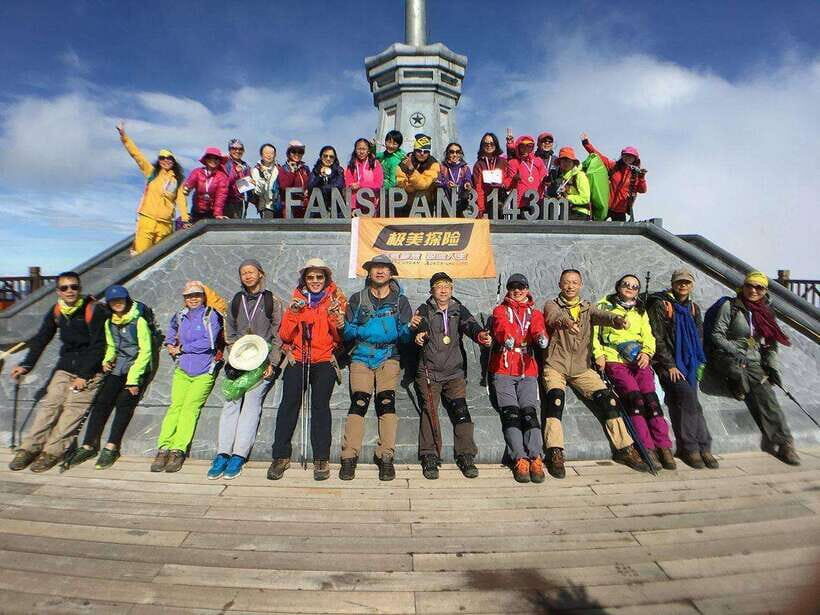
You have a choice for the descent. You can trek back the same way to Tram Ton pass and continue by car/scooter, or you can take the cable car down on your own (you pay the cable car ticket separately).
If you hike down fully, the tour ends about 17:00–18:00, depending on speed. If you use the cable car down, you may finish earlier—around 14:00–15:00 (again, speed-dependent).
That choice is bigger than it sounds:
- Trekking both ways keeps it a full day of hiking, with the most steady control over your pace.
- Cable car down can help if your knees or energy are done, but it also means you’ll be managing the timing and logistics of your own return ticket.
Either way, you’re moving back toward Tram Ton pass and then getting dropped back in Sapa.
English-Speaking Guides and Real Human Momentum
This experience is strongly tied to guide quality. The tour emphasizes a guide who speaks very well English, and the tone in the descriptions is consistently friendly and helpful.
I’m especially glad to see guide names included in firsthand descriptions. Mr Tinh is mentioned as professional from start to finish—responsible pick-up and drop-off flow, and careful handling of the day’s details. Mr Cho is described as enthusiastic, polite, attentive, and the kind of guide who adjusts pace while keeping the group moving.
Another detail that makes this feel authentic rather than scripted: one guide is described as belonging to a local tribe, sharing stories about forest and life at the beginning of the hike. That kind of context turns the trail from exercise-only into learning-with-your-feet.
Here’s why this matters for you: on a hard climb, morale is fuel. A guide who keeps things organized, checks you’re okay, and doesn’t leave you behind makes the difference between you quitting early and you finishing strong.
Weather on Fansipan: Cold Winters, Wet Summers, Fast Changes
Fansipan weather is not predictable in the moment, so pack like it might get worse.
From November to April, it’s winter time: often sunny, but cold—with possible misty and rainy conditions (not heavy rain). Temperatures listed are around -2°C to 12°C. That cold can bite even when you’re walking.
From May to October, it’s summer time, but it’s still cold at altitude: listed temperatures around 5°C to 15°C, with sunny conditions possible and potential for a lot of rain plus mist. The note is that rain might be heavy but not dangerous for the trek, and conditions may not last the whole day every day.
The key line for planning is this: the weather changes very quickly. So even if it looks okay when you start, you should act like layers and rain gear are non-negotiable.
What to Pack: The List That Keeps You Comfortable
They’re clear about what to bring, and that list is worth taking seriously because Fansipan is high and cold enough to make comfort feel like performance.
Bring:
- Warm clothing
- Hat
- Hiking shoes (proper traction)
- Sunscreen
- Rain gear
- Gloves
- Long pants
- Cash
- Waterproof bag
- Trekking pole or a stick you may find in the jungle
- Head-light
- Toilet paper
You’ll also get 1.5 liters of water per person, and the expectation is that you carry it yourself. That means you should bring a backpack that fits the volume and helps you stay balanced. If you use a waterproof bag inside your backpack, it can help keep your dry layer dry.
If you’re thinking about just wearing whatever shoes you have: don’t. The trek is listed as very hard and difficult, and grip matters.
Price and Value: What $77 Buys You
The listed price is $77 per person, and for a 1-day Fansipan trek that’s a fair deal if you care about convenience and safety.
Here’s what’s included:
- English-speaking guide
- Picnic lunch (carried by the guide)
- 1.5 liters of water per person
- Transport by car/scooter to the start and back to Sapa
- Entrance fee to Fansipan Mountain (including a medal and certificate)
- Insurance
Not included:
- Cable car ticket if you choose to use it down (you pay yourself)
So you’re paying for organization, a guide who can handle the day, entry fees, and the physical logistics of getting you from town up to the pass. When you compare that to arranging transport and entry on your own, the cost looks more reasonable—especially because you also get insurance.
If you’re on a tight schedule and want the most direct route, this price feels aligned with what you’re actually getting: a full day of guided work, not a half-day sightseeing loop.
Permits and Registration: Small Paperwork, Big Importance
Before the trek, you’ll need to provide details for registration and permits for all members. The required info includes:
- Name
- Date of birth
- Gender
- Passport number
- Nationality
They also ask you to share dietary requirements such as allergies or vegetarian requests.
This matters because it affects whether the trek can be properly permitted and organized. It’s not a “nice to have.” It’s part of how the operator runs the day.
Who Should Book This Trek (and Who Should Skip)
This hike is for people who want a real workout and can handle cold and steep terrain.
Good fit:
- Adults who are comfortable with a long day hike
- Travelers who want a guide and a structured pace
- People who are okay packing layers and rain gear
Not suitable:
- Children under 14
- Pregnant women
- People over 70
If you’re uncertain because of fitness level, be honest with yourself. The route is hard and difficult and takes 10–12 hours, with around 24 km total distance.
Also, if you’re traveling from Sapa town, make sure you’re staying near the center. Pickup is described as hotels around the center, not homestays/village locations.
Should You Book Fansipan Trekking for One Day?
I’d book this trek if you want one packed day that delivers both effort and structure: early pickup, a clear start at Tram Ton pass, lunch at elevation, summit views, and a guided return. The value looks good because it includes guide time, entry fees, lunch, water, transport, and insurance.
I’d skip it if:
- you’re expecting an easy walk,
- you dislike cold weather at altitude,
- or you know you struggle with long hikes and steep descents.
If you do book, prep like it’s cold and rainy until proven otherwise. Pack warm layers, use real hiking shoes, and trust the guide’s pace. On a climb this demanding, the right preparation is the difference between a memorable day and a miserable one.
FAQ
How long is the Fansipan trekking experience?
The duration is listed as about 12 hours, with starting times depending on availability.
Where does the tour pick me up?
Pickup is from hotels around the center of Sapa town (not from hotels or homestays in villages).
How far do I hike in total?
The trek distance is listed as about 24 km round-trip, based on 12 km each way.
What time does the trek start?
Pickup is typically around 5:30–6:00 AM, and the trek begins at Tram Ton pass.
What is the lunch situation?
Picnic lunch is included, served on the way at around 2800 m.
Do I need to pay for the cable car?
The cable car is optional. If you take it down, you pay the cable car ticket yourself.
What temperatures should I expect?
From November to April, temperatures are listed around -2 to 12°C. From May to October, they’re listed around 5 to 15°C, with possible rain and mist.
How much water do I get?
You receive 1.5 liters of water per person, and you carry it during the trek.
What information is needed for registration?
You’ll need to provide name, date of birth, gender, passport number, and nationality for each member.
Who is the tour not suitable for?
It is not suitable for children under 14, pregnant women, or people over 70.