REVIEW · HANOI
Vietnam Cambodia Thailand and Singapore 23 Day Package
Book on Viator →Operated by Viet Prestige Travel · Bookable on Viator
One trip, four countries, plenty of firsts. This 23-day Southeast Asia route starts in Hanoi and ends in Singapore, with guided sightseeing and major entrance fees handled so you can focus on the places.
It’s built around big, iconic stops like Angkor and Halong Bay, but it also slips in quieter detours (temples, museums, river time) that make the trip feel more personal than a hit-list tour.
I really like how much is included for the price, especially the entrance fees and daily meals. You also get that private-tour feel, with only your group participating, and the planning is tight enough that your start in each city includes a clear meet-up and transfer to the hotel.
The main drawback is pacing. You’ll be moving across countries and regions for much of the trip, and the Phuket portion is mostly free time rather than a constant stream of scheduled tours.
In This Review
- Key highlights worth caring about
- Price and what you’re really paying for
- Hanoi: where history meets chaos (train street included)
- Halong Bay: cruise days with tai chi and real sea air
- Hoi An, Cam Thanh, and the Golden Bridge detour
- Hoi An Ancient Town
- Cam Thanh bamboo basket boat
- Sun World Ba Na Hills and Golden Bridge
- Siem Reap and Angkor: more than a checklist
- Tonlé Sap and Banteay Srei detour
- Bangkok to Chiang Rai: palaces, river life, and the Golden Triangle
- Chiang Rai: White Temple and border-zone storytelling
- Chiang Mai temples, elephant camp ethics, and Phuket downtime
- Phuket: three days of choose-your-own
- Singapore: city landmarks plus neighborhoods you can walk
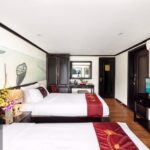
- Hotels, guides, and the human part (the stuff that makes it work)
- Who this 23-day route fits best
- Should you book it?
- FAQ
- FAQ
- What’s included in the Vietnam Cambodia Thailand and Singapore 23 Day Package?
- What’s not included in the package price?
- Do I need visas for all four countries?
- How do pickups work at the start of each destination?
- Are major attraction entrance fees covered?
- Is this tour private or shared?
- Is there a lot of walking and stairs?
Key highlights worth caring about
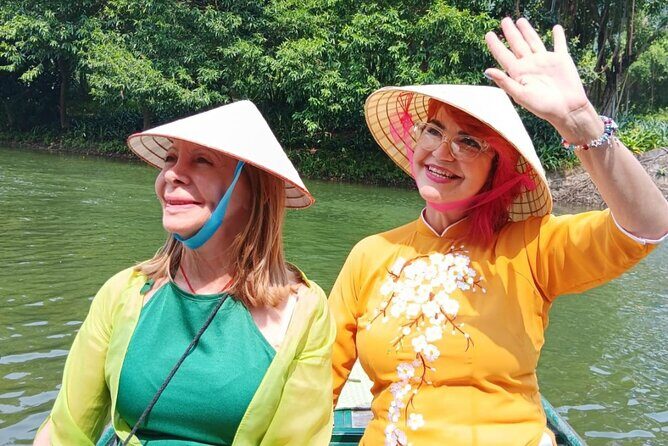
- Private-group style touring: only your group participates, which matters on long days and crowded sites
- Entrance fees included: big sights like Ho Chi Minh Mausoleum and multiple Angkor temples are covered
- Halong Bay with structure: cruise days include activities like tai chi and onboard tea/coffee
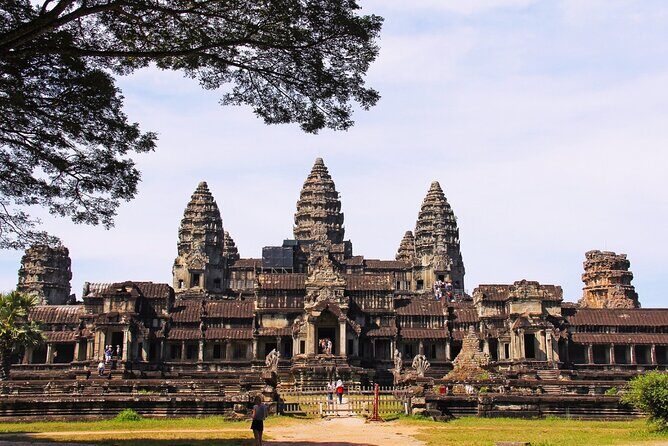
- Angkor at the most photogenic times: you’ll work through major temples and finish with a sunset-focused hill stop
- A balanced finish in Singapore: more walkable neighborhoods (Padang, Chinatown) plus river-and-city landmarks
Price and what you’re really paying for
$5,580 per person is a serious number, so the only fair question is: what are you buying besides the plane tickets? In this package, you’re paying for a full framework: air-conditioned transportation, guided visits, and a set of meals and entrance fees that quickly add up across four countries.
Here’s the value math that tends to matter most in real life:
- Entrance fees and permits are included for tourist visits. That usually means fewer on-the-spot cash surprises.
- You get 22 breakfasts, 4 lunches, and 2 dinners included. Even if you mostly eat local street food on your own in free time, those built-in meals reduce decision fatigue.
- Mineral water (2 bottles per day) is included, which is a small thing until you hit a long temple day in heat.
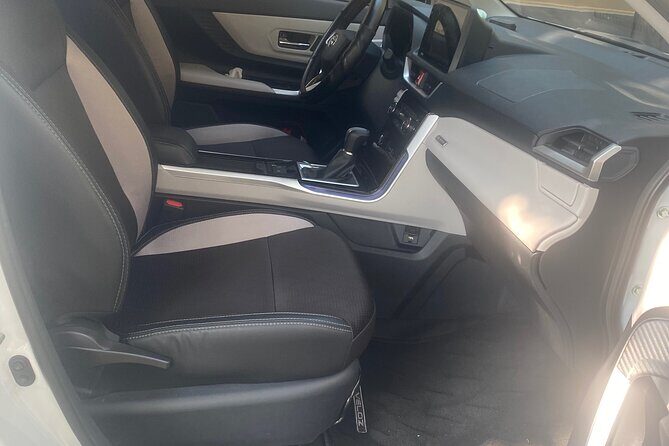
- Transportation is handled with air-conditioned vehicle and driver transfers, plus at least one clearly stated domestic flight segment.
What’s not included keeps its own list: international and domestic flights (except the internal movement described in the schedule), visa fees for Vietnam, Cambodia, Thailand, and Singapore, travel insurance, and personal expenses. So this is best viewed as a guided “ground-and-sight” package where flights/visas are your responsibility.
You can also read our reviews of more tours and experiences in Hanoi.

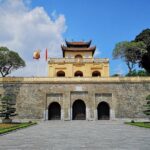
Hanoi: where history meets chaos (train street included)
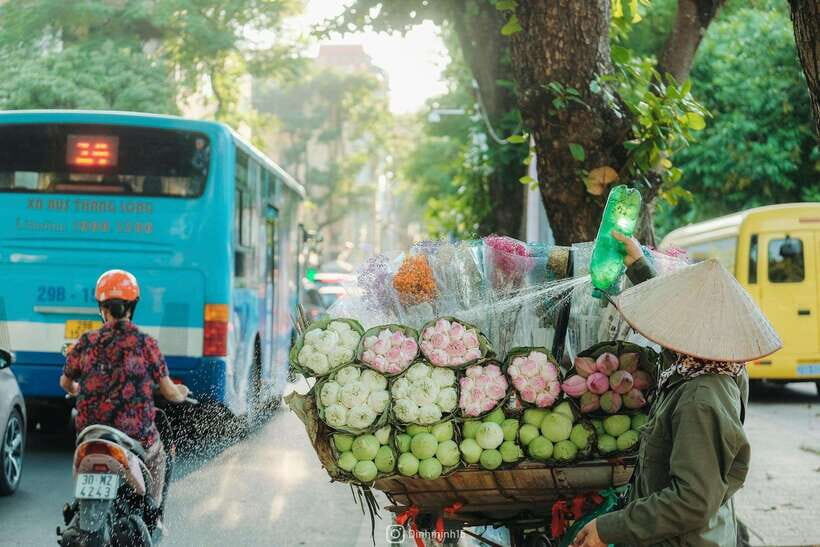
Hanoi can feel like it’s running on two clocks: old-world routines and rapid modern change. This trip starts smoothly, with a pickup in the arrival hall and a guide holding a sign for the main traveler. That may sound small, but after a long flight it’s the difference between stress and getting your bearings fast.
Your first core sights are classic Hanoi, and they’re picked for variety:
- Ho Chi Minh Mausoleum area: you’ll visit the mausoleum connected to his role as leader of Vietnam from 1954 to 1969. Expect a formal, historic mood and included entry.
- Temple of Literature: built in 1070, it’s Vietnam’s first university. It’s a great stop if you like sites that explain the country’s long view of education and Confucian culture.
- Ngoc Son Temple and The Huc Bridge: this area gives you the postcard composition most people associate with Hanoi’s lake setting. It’s also a short hop, so it doesn’t crush your energy budget on day one.
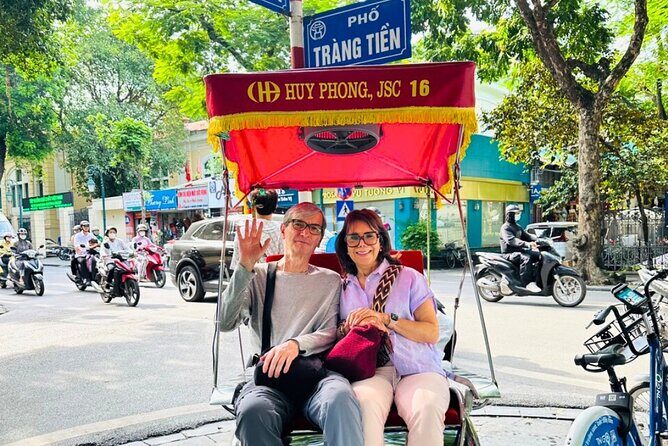
- Hanoi Train Street: this is the oddball. Trains pass just a few meters away, turning a narrow street into a moving spectacle. It’s memorable for the sheer “only in Hanoi” feel, and it’s also a reminder to watch your timing and keep your head up.
Day two and day three shift you beyond the center:
- Hoa Lu (Dai Co Viet era) pulls you into Vietnam’s earlier dynastic history.
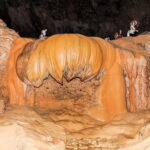
- Trang An Grottoes adds UNESCO-level scenery plus caves/boat sections. This is where the pacing turns from city walking to a more scenic, slower pace.
- Bich Dong Pagoda gives you a layered view of pagodas built on different levels.
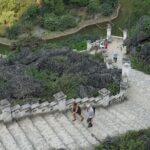
- Mua Caves is the climb. If you don’t love stairs, plan for the 500 steps mentioned and treat it as a workout with payoff views.
A practical note: Hanoi days work best if you start early and wear footwear you can trust on uneven sidewalks and steps.
Halong Bay: cruise days with tai chi and real sea air
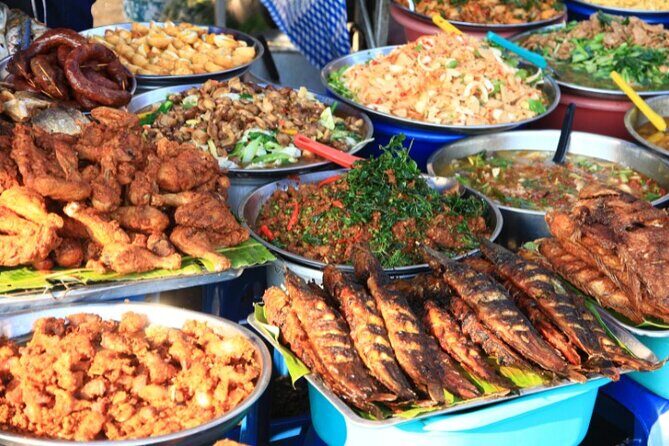
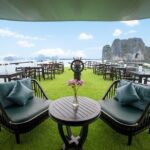
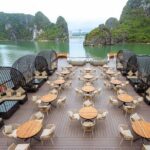
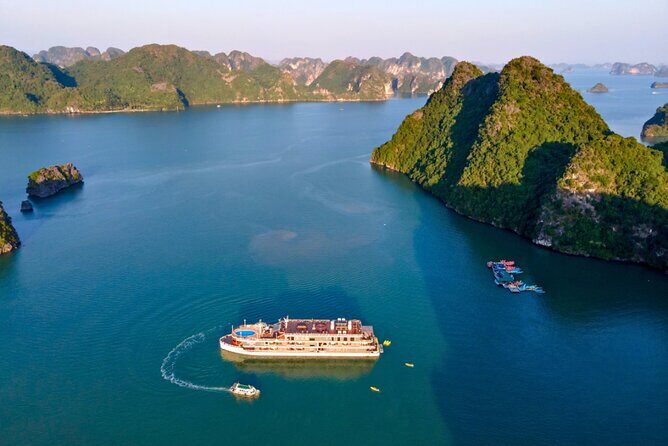
Halong Bay is the portion of this trip that feels like a “reset.” You arrive, get welcome drinks, and then receive a captain’s introduction covering the day’s plan and safety. That’s a good sign for smooth operations, and it also helps you relax once you’re on the water.
You’ll spend multiple days on the cruise, and the schedule includes structured onboard time:
- There’s a tai chi session on the boat terrace, timed for morning movement when the bay looks its best.
- You can join cruise activities organized during the day.
- Another morning includes tai chi plus free tea and coffee.
What this means for you: you’re not stuck just sitting. You get light structure, options, and a reason to step outside rather than treat the cruise like floating hotel time.
The reality check: weather matters for outdoor segments, and this experience notes a requirement for good weather. So if you’re booking during a wetter season, expect that flexibility is part of the process.
Hoi An, Cam Thanh, and the Golden Bridge detour
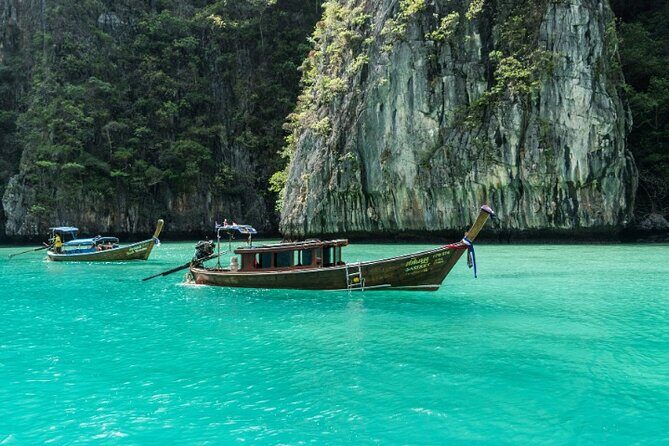
Once you return and shift south, the trip blends heritage with modern spectacle.
Hoi An Ancient Town
Hoi An is one of those places where you immediately understand why tailors, artists, and heritage travelers all end up here. You’ll have guided time walking the cobbled lanes where shops and galleries line the route. This is also where custom tailoring is a big deal—so even if you don’t buy anything, it helps you understand what the town’s economy is built on.


Cam Thanh bamboo basket boat
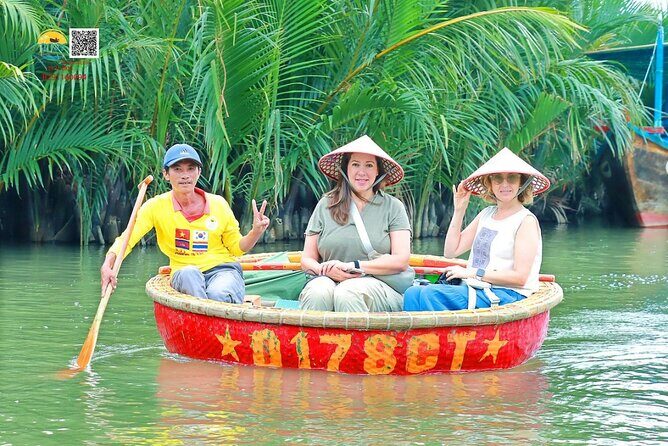
Then you’ll step into Cẩm Thanh and take a bamboo basket boat. This is a nice change from temple stone and city sidewalks, and it’s the kind of activity that makes the days feel varied rather than repetitive.
Sun World Ba Na Hills and Golden Bridge
The route then hits a big-ticket regional highlight: the cable car up to Sun World Ba Na Hills followed by the Golden Bridge. This is not “quiet Vietnam.” It’s a famous architectural showpiece, and the ride gives you long views as you float up toward the clouds. It’s a day that’s very different from Hanoi’s history and Angkor’s age.
If you’re the type who prefers slow and local over big attractions, you might feel this segment is a little louder than ideal. Still, it’s efficient, and it’s built into a route that already has plenty of contemplative time.
Siem Reap and Angkor: more than a checklist
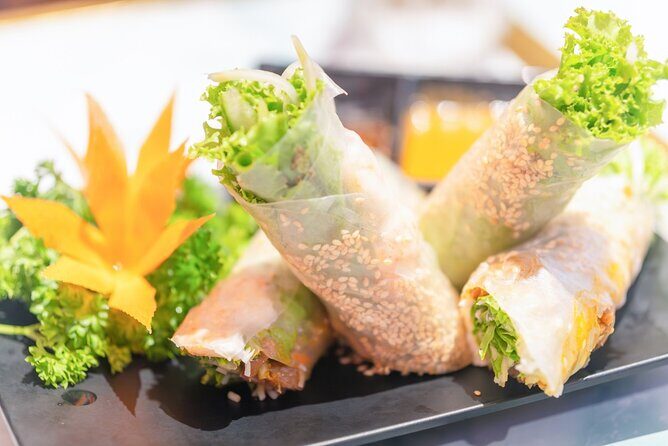
Angkor is where this package earns its reputation. You’ll move through the major temple complex in a sequence that keeps you seeing different shapes, different temple moods, and different scales.
You start with Angkor Thom South Gate, featuring giant statues of gods and demons. It’s a dramatic entry point and a strong way to orient yourself.
Then come the big hitters:
- Bayon Temple: known for 54 towers with faces of Buddha avalokiteshvara. It’s the temple that makes people stop walking, just to stare.
- Ta Prohm: giant tree roots gripping stone like nature is reclaiming the structure. This has that cinematic feel, but it’s also physically impressive in person.
- Angkor Wat: courtyards, walls, and a sense of craft and symmetry. You’ll walk and climb, so you get a real feel for how the site was designed to guide your movement.
And you finish with a sunset-focused element:
- Phnom Bakheng: you’ll ascend the hill for sunset. If you like golden-hour views, this is a strong note to end on—just remember it involves a climb and crowd control can matter.
Tonlé Sap and Banteay Srei detour
Outside the main temple arc, you’ll go to Tonle Sap Lake and boat into Kampong Pluck, where daily life is shaped by water levels. It’s one of the best ways to understand Cambodia as more than ancient stone.
Then you get two temple visits:
- Banteay Srei (Women’s Citadel): known for delicate carvings.
- Banteay Samre: built in the 12th century, with another look at Khmer architecture.
This is a thoughtful mix: Angkor’s giants plus smaller carvings, plus a living landscape in between.
Bangkok to Chiang Rai: palaces, river life, and the Golden Triangle
After Siem Reap, the trip lands in Bangkok with an arrival pickup and transfer to your hotel—again, sign-based meetups for the main traveler keep the start friction low.
In Bangkok, you’ll cover:
- The Grand Palace: a classical Siamese court site and historic royal residence.
- Wat Pho Thai Traditional Massage School: you’ll tour wall paintings and inscriptions, plus major statues tied to education and training subjects.
- A Chao Phraya River segment: this portion is about shifting from high-rises to residential areas in Thonburi-like surroundings, giving you a quieter view of city life from the water.
Then you head out for Bang Pa In Palace and Ayutthaya Province. Ayutthaya’s story in the mid-16th century involves regional trade routes, which helps anchor the visit in something bigger than “ruins on a map.” It’s a long day, but it breaks up the Bangkok intensity.
Chiang Rai: White Temple and border-zone storytelling
A north-country change brings you to Chiang Rai for:
- Golden Triangle where Thailand, Laos, and Myanmar meet.
- Longneck Karen Village: you’ll learn how rings are added over time for the distinctive neck-length look.
- Wat Rong Seur Ten (Blue Temple): a bright blue modern take on temple design with intricate details.
Then it goes even more artsy and distinctive:
- Baan Dam Museum: 32 black wood buildings in a wool style.
- Wat Rong Khun (White Temple): crystal-fragment details and a white structure meant to shimmer from a distance.
This is where the trip shows range. You’re not only doing temples that feel ancient. You’re also seeing how modern artists interpret tradition.
Chiang Mai temples, elephant camp ethics, and Phuket downtime
Chiang Mai is a slower-feeling part of the route on paper because you get temple clusters and views from elevated areas.
You’ll visit:
- Wat Chedi Luang Varavihara: a chedi noted for once being the tallest structure and associated with the Emerald Buddha image.
- Wat Phra Singh: admired for Lanna art and refined sacred writings repositories.
- Wat Phra That Doi Suthep: located at 1050 meters above sea level, so it’s a big-view kind of temple stop.
Then comes a more interactive, animal-adjacent experience:
- Elephants Care Camp Chiang Mai: you’ll observe elephants enjoying mud baths, enjoy Thai snacks from an elevated platform, and take part in food-prep activities like filling tubes with corn and sugar.
I’ll keep this balanced: elephant-related experiences are complicated. What I can say from the package description is that this camp includes observation and feeding prep activities described as hands-on. If you care deeply about animal welfare standards, ask the operator what the camp’s rules are around handling and how the elephants are cared for. The included activities suggest participation beyond a short viewing stop.
Phuket: three days of choose-your-own
Phuket is set up as downtime: you arrive and then get 12-hour blocks across multiple days that are mostly at your own pace. That’s a good move after temples and long drives. You can work on beach time, local cuisine, or water activities—whatever fits your energy.
The risk here is simple: if you hate “free time with vague options,” you might feel you’re missing structure. If you love flexibility, this section is gold.
Singapore: city landmarks plus neighborhoods you can walk
Singapore closes the loop with a mix of iconic sights and readable neighborhoods.
You arrive with pickup and transfer to the hotel, then later visit:
- Suntec City: a glass-and-steel convention complex.
- Padang: a green oasis surrounded by colonial-era architecture.
- Merlion Park: the half-lion, half-fish symbol with water spout views.
- Chinatown: you’ll explore a Chinese temple and walk the area’s incense and spice atmosphere.
The good thing about Singapore in this context is pacing. After weeks of long routes, you end with short, walkable stops and less “get on/off transportation” time.
On the final day, you have free time until transfer to the airport.
Hotels, guides, and the human part (the stuff that makes it work)
The most repeated praise from past guests is not a temple or a view. It’s the organization and the human execution. In the feedback for this company, names like Ms. Loan Do and Quynh come up, along with mention of Uyen helping plan a private group trip.
One group of 14 (seven couples) specifically called out that they could tour as a private group and that the hotels, guides, and transfers were perfect. That matches what the package description promises: drivers waiting with signs, pickup in arrival halls, and an agent’s personalized service.
For you, that matters because Southeast Asia is where small logistics failures can turn into big stress. This style of planning is built to reduce those moments.
Who this 23-day route fits best
This package fits you best if:
- You want a big-country sampler with key sights organized and entrance fees included.
- You like learning with guides rather than just self-guiding.
- You’re comfortable with long days and travel between regions.
It may not fit you if:
- You want lots of quiet, slow time every day.
- You hate stair-heavy sites like Mua Caves with its 500 steps.
- You’re hoping every day has a scheduled tour. Phuket is mostly your time.
Should you book it?
If you’re choosing between a DIY plan and a guided multi-country package, I think this one makes sense when you value structure. The combination of entrance fees included, consistent meals, and the meet-and-transfer routine between cities is exactly what keeps a trip like this enjoyable instead of exhausting.
Book it if your priority is seeing the main highlights with less planning work and more confidence you won’t miss major segments. Consider another option if you want fewer borders crossed or if you dislike downtime and prefer constant scheduled sightseeing.
FAQ
FAQ
What’s included in the Vietnam Cambodia Thailand and Singapore 23 Day Package?
You’ll get an air-conditioned vehicle, personalized and agent service, mineral water (2 bottles per day), and entrance fees/permits for tourist visits. Meals included are 22 breakfasts, 4 lunches, and 2 dinners.
What’s not included in the package price?
International and domestic flights, visa fees for Singapore, Vietnam, Cambodia, and Thailand, travel insurance, and personal expenses are not included.
Do I need visas for all four countries?
Visa fees for Singapore, Vietnam, Cambodia, and Thailand are listed as not included, so you should plan for visa requirements and costs separately.
How do pickups work at the start of each destination?
For Hanoi and Singapore, and also for other city arrivals listed in the route, you’re met in the arrival hall or with a guide/driver holding a sign with the main traveler’s name, then transferred to your hotel.
Are major attraction entrance fees covered?
Yes. Entrance fees and permits are included for all tourist visits, and specific sites on the route like Ho Chi Minh Mausoleum and multiple temple stops are marked as included.
Is this tour private or shared?
It’s described as a private tour/activity where only your group participates. There are also group discounts mentioned.
Is there a lot of walking and stairs?
There are several walking-focused stops, and at least one clearly stated stair challenge: Mua Caves includes 500 steps. Temple visits typically involve climbing and walking as well.