REVIEW · HANOI
Hanoi: 3-Day Sapa Trek Secret Trails, Waterfall, Stay in Villages
Book on Viator →Operated by Vietmountain Travel · Bookable on Viator
Your calves will work hard in Sapa. This 3-day trek from Hanoi strings together secret trails, village visits in the hills, and nights in homestays where the day’s stories carry into dinner. You’ll also be walking through rice-terrace views that feel like they were built for slow mornings and quick photo stops.
I love how much time you spend with local experts and village communities, not just passing viewpoints. I also love the mix of trail styles: a downhill-and-up trek on Day 1, then bamboo paths and river-and-field scenery in the middle days, plus waterfall moments along the way.
One thing to plan for: the schedule depends on good weather, and heavy rain can change how the trekking portion runs.
In This Review
- Key highlights you’ll actually care about
- From Hanoi to Sapa: a practical start that protects your energy
- Day 1: Cat Cat Village downhill first, then the uphill reset
- Day 2: Y Linh Ho, Lao Chai textiles, and Ta Van for bamboo-and-river views
- Day 3: bamboo forest morning to Giang Ta Chai, then back toward Hanoi
- Homestays and meals: the comfort is simple, but the value is real
- Waterfall scenery and the weather factor you can’t ignore
- Guide quality: how names like Kien and Hoai hint at what you’ll get
- Price and value: what $163 covers and why that can matter
- Who this trek suits best (and who should think twice)
- Should you book this Sapa trek?
- FAQ
- How long is the trek?
- What does the $163 price include?
- Are meals vegetarian-friendly?
- What kind of fitness level do I need?
- Will I be in a large group?
- What happens if weather is poor?
Key highlights you’ll actually care about
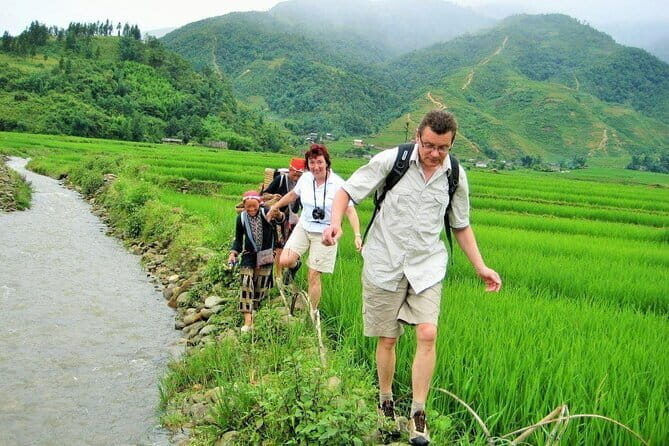
- Small group size (max 15 travelers) keeps the experience personal and easier to manage on narrow paths
- Village time in Cat Cat, Lao Chai, Ta Van, and Giang Ta Chai gives you context for how people farm and craft
- English-speaking local guides like Kien and Hoai are praised for attention to detail and clear explanations
- Homestays plus included meals means you’re not constantly hunting for food after long walking days
- Secret trails and varied terrain (downhill then uphill, bamboo forest mornings, rice-terrace views) keep it interesting
From Hanoi to Sapa: a practical start that protects your energy
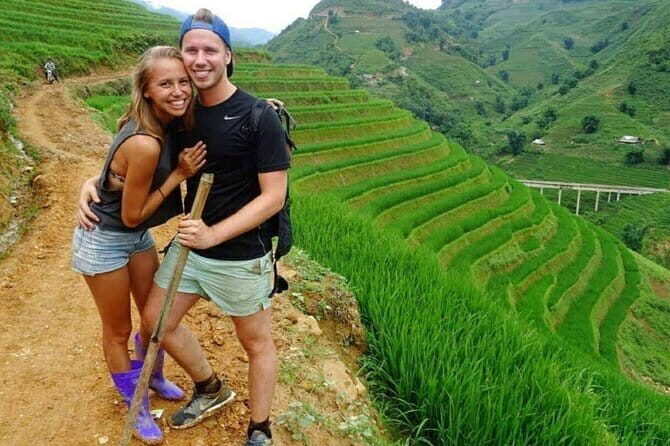
This trip begins in Hanoi at 204 Đ. Trần Quang Khải, Tràng Tiền, Hoàn Kiếm. After you meet up, the group travels to Sapa on a modern, air-conditioned sleeping bus with a safe driver, which matters because Sapa days are more tiring than they look on a brochure.
The tour also runs with a mobile ticket and a max group size of 15 travelers. That small cap is more than a nice detail; it helps your guide keep everyone together on trails and makes village visits feel less like a rush-through photo line.
One more “save your brain” detail: there’s a 24/7 hotline support option. When you’re booking a trek with changing weather, having someone to contact can reduce the anxiety that comes from not knowing what’s next.
You can also read our reviews of more hiking tours in Hanoi



Day 1: Cat Cat Village downhill first, then the uphill reset
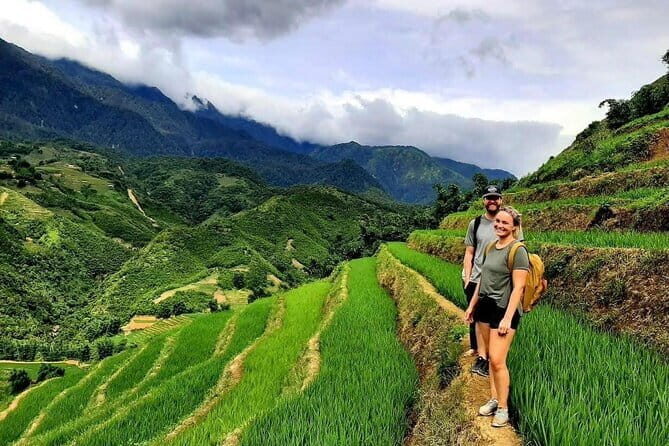
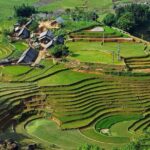
Day 1 is where Sapa’s rhythm clicks. You arrive, get checked in, and then the trek starts in the afternoon from Sapa town toward Cat Cat Village. The walk is a 3-kilometer downhill route, surrounded by terraced rice views and misty mountain scenery, which is exactly the kind of “slow down and look” terrain that makes photos worth stopping for.
You’ll spend about 3 hours on this portion, which gives you time to pause without feeling like you’re sprinting. Cat Cat is a village setting where you can see how daily life fits into the slopes and fields. It’s also a good warm-up for the rest of the trip because you’re easing into altitude-and-pace rather than going full intensity from the start.
At 5:30 pm, you reverse course with a 4-kilometer return trek. This is the part where your legs learn humility: it’s uphill on the way back, and it comes after a day of travel and walking already. If you want a simple mindset for Day 1, it’s this: enjoy the downhill, then treat the climb as your chance to work steadily.
Evening is mostly yours. After a cozy dinner, you get free time to take it slow and adjust after the day’s hiking.
Day 2: Y Linh Ho, Lao Chai textiles, and Ta Van for bamboo-and-river views
Day 2 starts early—7:00 am wake-up and a breakfast designed to get you warm before the hike. Then at 8:30 am, you head to Y Linh Ho Village, a serene stop known for a 100-year-old tree. It’s a small detail, but it helps you anchor the morning in something real rather than treating every village as the same scenery check.
From there, you continue to Lao Chai, described as the heart of the Hmong community. This is one of the better days for learning because you get time to watch daily routines, including traditional farming techniques. You also see how locals craft textiles dyed with natural indigo. Even if you don’t buy anything, it’s meaningful to understand the work behind the colors.
The route continues to Ta Van Village, which is shared by the Hmong and Giay people. The trail experience changes again here, with bamboo groves and meandering rivers bringing a softer, greener feeling to the walk. It’s a nice contrast to the more open rice-terrace angles you’ll notice earlier in the trip.
Day 2 is long in total, but the pacing is split into clear parts. You’re not just walking one continuous stretch; you’re moving between villages with time to look, talk, and ask questions.
Day 3: bamboo forest morning to Giang Ta Chai, then back toward Hanoi
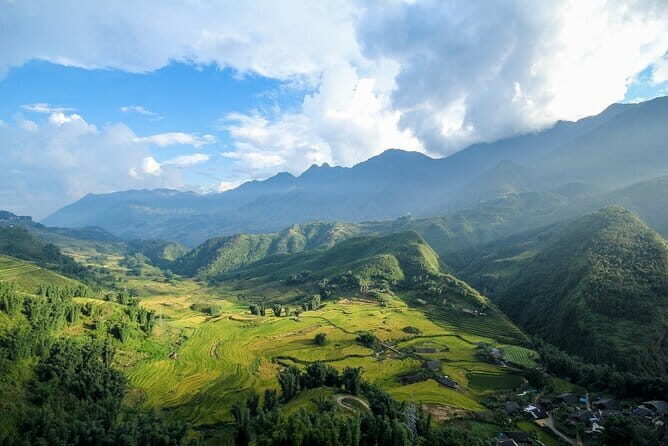
Day 3 begins with an outdoor breakfast at 7:00 am, with panoramic terraced rice views. This is the kind of start that makes the earlier early wake-ups feel less annoying. You’re eating with the hills around you, not in a rushed setting.
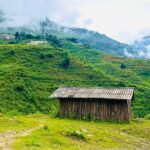
At 8:30 am, the hike moves into a bamboo forest. Bamboo forest walking tends to feel cooler and calmer because the trail is more shaded, and the air seems to hold stillness a little longer. Then you reach Giang Ta Chai Village, where you get one last taste of everyday life in this region before the trip turns back toward Sapa town.
The trek time is listed as about 5 hours for this day’s main village stop. Plan for a steady pace and don’t be surprised if you feel Day 1 and Day 2 in your calves by late morning.
At 2:00 pm, you return to Sapa town. You’ll have time to freshen up with a shower, and there’s a shuttle to the bus office with help checking in and a packed snack before departure. It’s a thoughtful touch because it keeps you from feeling stranded right after hiking.
Homestays and meals: the comfort is simple, but the value is real
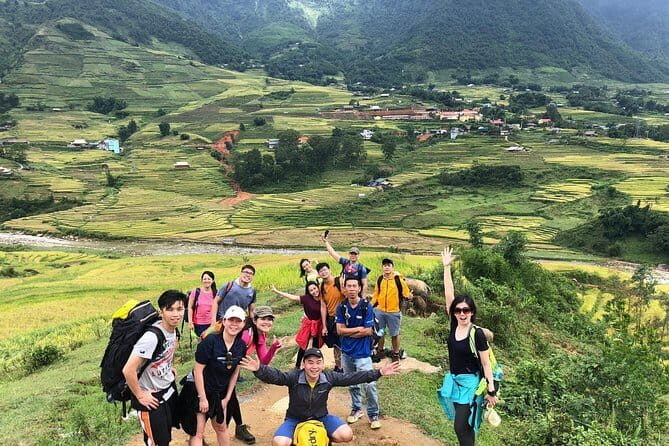
One of the best reasons to choose this style of trek is that you’re not only paying for views. You’re also paying for included homestays and home-cooked meals, which means you get to experience the rhythm of village life rather than just passing through.
Meals are built into the schedule: 3 lunches, 2 dinners, and 2 breakfasts are included. Bottled water is also included, which saves you from the end-of-day scramble. Vegetarian food is available on request, so if you eat that way, you should arrange it ahead of time.
There’s also a quiet practical point here: when meals and lodging are handled, you can focus on the trail. After long walking days in a cooler, highland climate, “deciding what to eat” becomes its own mini chore. This tour removes that decision fatigue.
About accommodation: it’s described as cozy and simple, which is exactly what you want for this kind of trip. If you’re expecting hotel-style comforts, you might feel disappointed. If you’re happy with a real village night and a warm meal, you’ll probably sleep better than you think.
You can also read our reviews of more tours and experiences in Hanoi



Waterfall scenery and the weather factor you can’t ignore

The trip includes waterfall scenery as part of the overall experience theme. Even when the schedule changes slightly, you can still expect moments where the trail turns from rice-terrace views to the sound-and-sight of water.
But here’s the honest trade-off: the tour notes that it needs good weather. In the hills, rain affects trails fast—mud changes footing, and visibility can disappear in mist. The company updates you with the weather forecast in advance, and if conditions force a change, you’re offered a different date/experience or a full refund.
So pack for the reality of the highlands. Wear comfortable trekking shoes and clothing suited for outdoor conditions. Bring a hat, sunglasses, a water bottle, and mosquito spray. A small backpack is better than a big daypack because narrow paths and village spaces can get awkward with bulky gear.
If you want a simple strategy: dress in layers and plan to walk even when the clouds move in.
Guide quality: how names like Kien and Hoai hint at what you’ll get
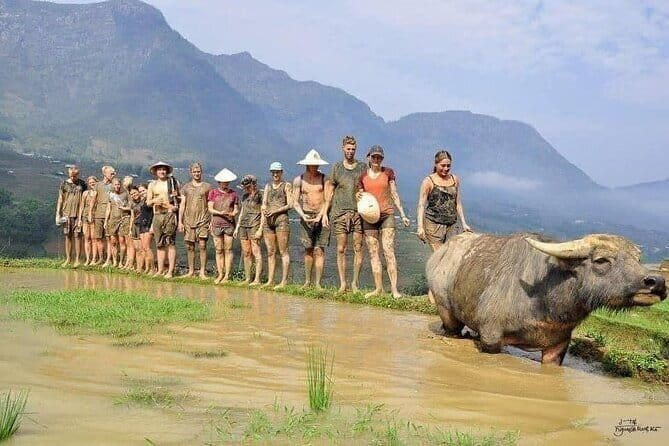
A lot of treks sell the same photo list. What often separates the good trips from the okay ones is the guide. This tour uses an experienced English-speaking local guide, and you may also request other languages.
In the feedback, guides Kien and Hoai get called out for enthusiasm, attention to detail, and answering questions clearly. That matters because the real value of village visits is understanding what you’re seeing—farming routines, textile work, and how communities relate to the slopes.
If your guide is strong, your questions get better too. You’ll ask about farming, dyeing, and village life instead of just pointing at scenery.
Price and value: what $163 covers and why that can matter
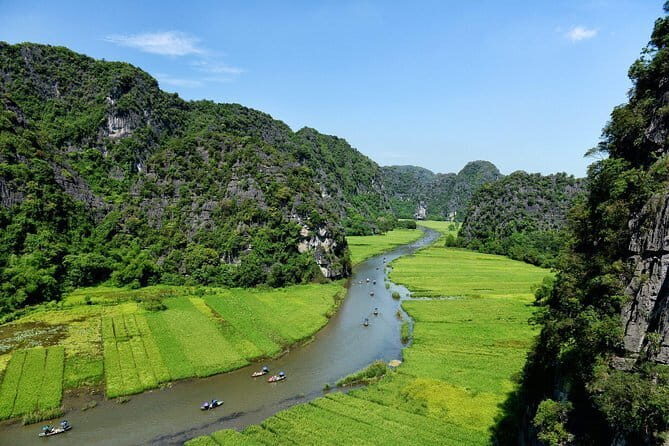
At $163 per person, this is not a bargain trek. It’s also not priced like a luxury private tour. The value comes from what’s included and what’s handled for you.
Your price covers all entrance fees, trekking activities, and village visits. It also includes the meals listed in the schedule, bottled water, and the guide. Transport is part of the package too, including the air-conditioned sleeping bus and the assistance around transfers between Hanoi, Sapa, and the bus office.
There’s also a reassurance built in: it says there’s no extra charge after confirmation and 24/7 hotline support. And while tips for the guide aren’t included (so budget a little if you want to show appreciation), most of the major costs are already covered.
In plain terms: you’re paying for organization and reduced friction, not just walking time. For many people, that’s worth it because Sapa treks can turn messy if you try to assemble everything yourself.
Booking earlier also helps. This one averages being reserved about 29 days in advance, which suggests demand runs steady, especially in seasons when trails and views are best.
Who this trek suits best (and who should think twice)
This is built for people with moderate physical fitness. That doesn’t mean “train for a marathon.” It does mean you should expect uphill segments and steady walking on uneven ground.
It also helps if you enjoy conversation and cultural context. The best moments here are the village exchanges—learning how locals farm, how textiles are dyed with natural indigo, and what daily village life looks like across different communities.
You’ll likely enjoy this most if you:
- want more village time than a quick bus stop
- like walking with a guide who can explain what you’re seeing
- can handle simple homestay comfort
- travel with a flexible attitude toward weather
You might think twice if you hate hills or if you’re very sensitive to rain and mud. The tour does require good weather, so you’ll want a mindset ready for adaptation.
Children must travel with an adult. Service animals are allowed, and the tour is near public transportation, which is useful if you’re connecting other plans around Hanoi.
Should you book this Sapa trek?
I’d book it if you want a trekking trip where the walking is only half the story. The other half is village life—Cat Cat, Lao Chai, Ta Van, and Giang Ta Chai—plus guides like Kien or Hoai who can make the cultural side feel clear instead of vague.
I’d hesitate if you’re expecting hotel-level comfort every night or if you’re not comfortable with the moderate fitness requirement, especially the uphill return trek segments.
If you’re the type who enjoys asking questions and learning while you walk, this is a strong match. And if the weather gods cooperate, you’ll come back with legs tired enough to sleep fast—and a camera full of rice-terrace and bamboo-forest scenes.
FAQ
How long is the trek?
It runs for about 3 days.
What does the $163 price include?
Entrance fees, trekking activities and village visits, bottled water, and the specified meals (3 lunches, 2 dinners, and 2 breakfasts) are included, along with an English-speaking local guide and transport.
Are meals vegetarian-friendly?
Yes. Vegetarian food is available on request.
What kind of fitness level do I need?
The tour is for travelers with a moderate physical fitness level.
Will I be in a large group?
No. The tour has a maximum of 15 travelers.
What happens if weather is poor?
The tour requires good weather. If it needs to be cancelled due to poor conditions, you’ll be offered a different date/experience or a full refund.