
REVIEW · HANOI
3-Day Trekking Adventure of Sapa from Hanoi – Stay Ta Van Village
Book on Viator →Operated by Vietnam Travel Top · Bookable on Viator
Sapa hiking gets real fast. This 3-day trek bases you in Ta Van village and links several Sapa valleys with a local guide, so you get scenery and culture without juggling schedules. I especially like how the route mixes rice terraces, forest walking, and village passes, and you also spend real time in the homestay rhythm (breakfast with the family, downtime afternoons). What makes it work is the built-in support: you hike, eat, sleep, and move on—no map app heroics required.
Two big wins for me are the door-to-bus transfers from Hanoi’s Old Quarter area and the comfortable, organized start-to-finish flow. Your food is handled too: breakfasts, lunches, and dinners are included in the right days, so you’re not hunting for meals after muddy hikes. The potential drawback is that this is hiking country with uneven, sometimes steep, sometimes muddy trails—so if your knees hate hills, you’ll want to plan your pace and footwear carefully.
In This Review
- Key points before you go
- Why Ta Van is the best starting point for a Sapa trek
- Day 1: From Y Linh Ho into Muong Hoa Valley and Ta Van
- Day 2: Bamboo paths to Giang Ta Chai with valley viewpoints
- Day 3: Ta Van to Hang Cung, Sam 2, Lao Chai—then back to Hanoi
- Homestay and meals: the part most people remember
- Logistics and comfort: AC bus, transfers, and group size that stays human
- Price and value: what $109 actually buys you
- Packing and pacing: how to enjoy the muddy parts
- Should you book this Ta Van 3-day trek?
- FAQ
- How long is the trek and how many days is it?
- Where is the pickup in Hanoi?
- What’s included in the price?
- Do I stay overnight in Ta Van?
- What are the approximate hiking distances on each day?
- What time do we return to Hanoi?
- What is the cancellation policy?
Key points before you go
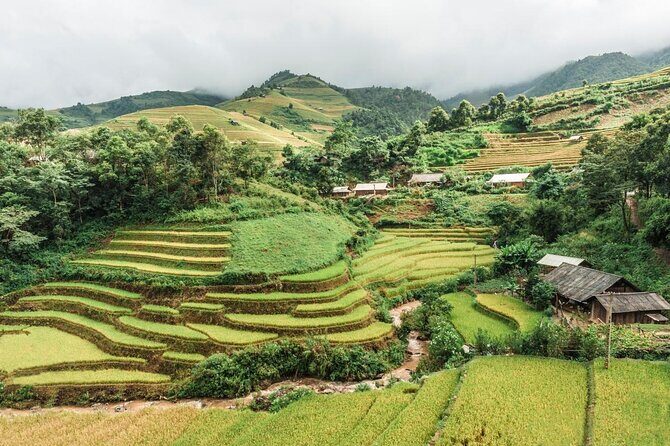
- Ta Van as your base means you sleep in a village setting (bungalow/stilt house) instead of rushing from one hotel to another
- Big-bus Hanoi–Sapa support removes the stress of arranging transport on your own
- Village-to-village trekking days connect Y Linh Ho, Muong Hoa, Giang Ta Chai, Hang Cung, Sam 2, and Lao Chai
- Meals are included for most of the trek (7 meals total across the trip) so you can focus on the trail
- Small-group size (max 15) usually keeps the pace friendly and the guide able to help you adjust
Why Ta Van is the best starting point for a Sapa trek
If you want Sapa to feel like Sapa—rather than a quick photo stop—Ta Van is a smart base. You get that slower village rhythm: early breakfast, time between hikes, and a homestay experience that’s more than just a bed for the night. The tour also keeps you from wasting energy on logistics. After you arrive in Sapa, you’re not trying to figure out where to trek, where to eat, or how to store gear.
One more practical reason I like Ta Van here: the tour handles the sleep setup and the handoff to the hiking days. You check in around late afternoon on day one, then you’re ready for the next morning’s trail without scrambling. Even better, the tour includes a car option to help with luggage transfers to the village during trekking breaks, so you’re not lugging everything uphill.
Your group size matters too. With a maximum of 15 people, the guide can manage the flow, stop for viewpoints, and keep things moving at a reasonable pace. That’s helpful on trails that can turn muddy depending on weather.
You can also read our reviews of more hiking tours in Hanoi



Day 1: From Y Linh Ho into Muong Hoa Valley and Ta Van
Day one is a proper start. In Hanoi, pickup runs from about 6:00 to 6:20 in the Old Quarter area, then you head to Sapa by modern air-conditioned bus. The ride takes you out of the city and up toward Lao Cai, with a full arrival into Sapa Town around 13:00. You then get a short drive to the trailhead.
The hike begins at Y Linh Ho, and it’s around 9 kilometers with about 3.5 hours of walking. This is where the rice-terrace scenery and valley views kick in. You’re walking through terraces and along Muong Hoa with chances to pause for the big-picture views. It’s not just scenic strolling—this is active trekking with real elevation changes, and the trail can feel slippery if it’s been wet.
By late afternoon, you check in at your homestay (around 17:45). That timing is good because you’re not rushing to dinner at midnight. You’ll have enough daylight to settle in, freshen up, and actually enjoy the village setting instead of treating it like a pit stop.
What to watch: Day one sets the tone. If you start too fast, you’ll feel it on day two. I’d plan for steady effort, short breaks, and lots of water.
Day 2: Bamboo paths to Giang Ta Chai with valley viewpoints

Day two is the “medium trek” day, and it’s a great balance of effort and payoff. Breakfast is prepared by the family at your homestay, so you’re eating in the village, not somewhere on a busy main road. After breakfast, you start walking around 8:45.
This day includes trail sections through bamboo forest and a stop for a panorama view of Giang Ta Chai. The trek is a bit over 5 kilometers and takes more than 2 hours. That viewpoint moment matters because it gives you perspective—on clear days you can really see how the villages sit across the valley patterns.
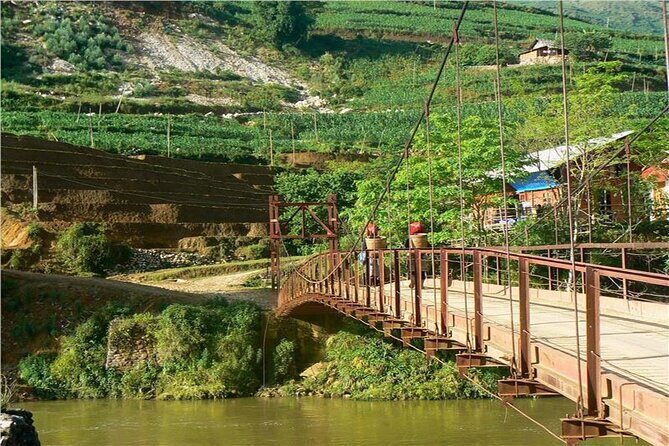
Then you follow the route toward the Giang Ta Chai Bridge and connect back to the main road. By lunchtime you’re back in Ta Van (around 12:30), and the afternoon is yours. That’s not wasted time. It’s the part where the homestay experience actually sinks in: you can relax, walk a little on your own, or simply recover.
What to watch: This is still trekking. The bamboo forest sections can be damp underfoot, so keep your footwear plan solid. If you’re the type who hates cold, plan for cooler air in the morning and pack a light layer.
Day 3: Ta Van to Hang Cung, Sam 2, Lao Chai—then back to Hanoi
The third day strings together multiple villages, and it’s a satisfying closer. After breakfast, you head out around 8:30 for a trek of about 6 kilometers, lasting a bit over 2 hours. The route includes Ta Van, then Hang Cung, Sam 2, and Lao Chai before you finish back near the village base.
This day is all about the village pattern. You’re moving through small communities and paths that connect daily life. Even when the views aren’t the star, the pace of walking between places gives you time to notice details—how the paths curve, where water runs, how homes sit into the hillside.
Then it’s transport time. You board the bus around 15:00, with two comfort breaks, and you’re back in Hanoi at about 21:00. The timing is late enough to feel like a real return day, but not so late that you’re scrambling for the last metro/bus options.
What to watch: The day ends with a bus ride, so don’t plan a “just one more dinner adventure” right after arrival unless you’re okay with tired legs.
Homestay and meals: the part most people remember
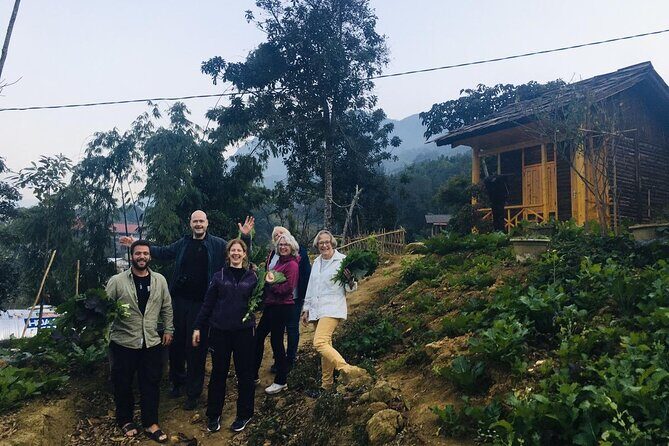
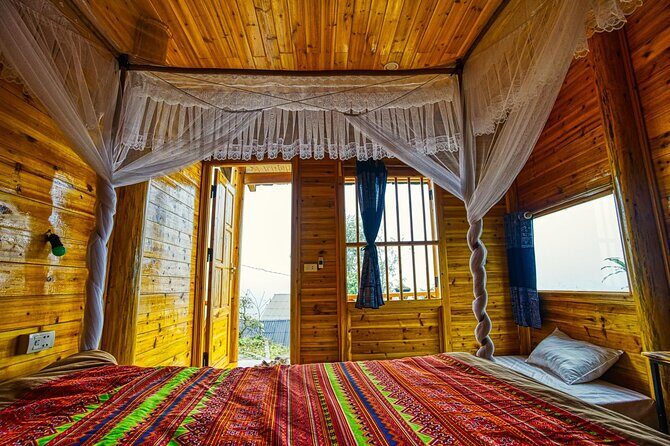
For me, this tour’s biggest value isn’t only the hiking. It’s the way meals and sleeping are built into the schedule. You get overnight in a bungalow or stilt house in Ta Van. That’s the right kind of rustic: you’re in a real village setting, but the setup is organized and you’re not stuck without basics.
Meals are included across the trip:
- Breakfast x 2
- Lunch x 3
- Dinner x 2
That’s enough structure that you don’t need to make meal decisions mid-trek. You also get two bottles of water per person for both directions on the bus, which is genuinely useful after long travel days.
If you have diet needs, tell the operator in advance. The tour notes vegetarian or special requirements can be handled if you mention it early enough. And if you’re traveling with luggage, the tour offers help to keep your trek lighter—pack what you need for the day, and store the rest where you can during walking time.
Guide tip from real-life experience: On hikes like these, a good guide matters more than you think. Some groups get guides such as Chang, Khu, Cat, Mu, Su, May, or Lala—names that have come up repeatedly for being friendly, funny, and strong on local village life and how to read the area. If you can choose or request, pick the guide who’s best at explaining what you’re seeing, not just leading you down the path.
You can also read our reviews of more tours and experiences in Hanoi



Logistics and comfort: AC bus, transfers, and group size that stays human

This tour is built for travelers who don’t want to wrestle Hanoi-to-Sapa transport. The bus is described as modern air-conditioned with comfortable seats, and you also get 2-way transfers from your hotel to the big bus and back. That is more valuable than it sounds. Hanoi mornings can be hectic, and starting the trek tired makes everything harder.
You also get insurance during the time using the bus and entry tickets for indicated sites. Those costs can quietly add up on your own, especially when you’re trying to cobble together an itinerary.
Group size is capped at 15 travelers, which matters for pace and flexibility. If your legs feel great, you’ll still move at a realistic tempo. If you’re slower, you’re less likely to get swept away into a big fast-moving pack. One small but important note: the tour asks that you provide your hotel name/address in Hoan Kiem for pickup planning, and you’ll need a mobile number or email so the operator can contact you.
Finally, it’s weather-dependent. The tour notes it requires good weather and routes can change based on conditions. Sapa can be misty and change fast, so don’t treat it like a guaranteed film shoot.
Price and value: what $109 actually buys you
At $109 per person, this trek has surprisingly strong value if you compare it to DIY planning. The price bundles the big cost blocks:
- round-trip Hanoi–Sapa by air-conditioned bus
- pickup/drop-off transfers from the Old Quarter area
- overnight in a village homestay setting
- 7 included meals across the 3 days
- water on the bus
- entry fees to indicated sites
- insurance during bus travel
Yes, it doesn’t include everything. Drinks, VAT, and personal expenses are not listed as included, and travel insurance isn’t included either. But for the core experience—transport, sleeping, most meals, and guided trekking—the package is tightly put together.
Where you feel the savings most is in your time and decision fatigue. If you plan this yourself, you’ll spend energy figuring out schedules, arranging village stays, and stitching together route logistics. Here, the schedule is already structured around realistic hiking blocks.
Who this is a great match for: people who want an active trip but still want someone else to handle the boring parts. If you’re confident DIY planner, you might still like this for simplicity. If you’re new to Vietnam, you’ll probably love it for removing friction.
Packing and pacing: how to enjoy the muddy parts

Sapa treks can turn into mud situations, especially after rain. The tour suggests you’re in trekking terrain, and hikers strongly emphasize the value of waterproof shoes. I’ll back that up. Bring shoes with grip, and consider trekking socks that stay warm even when damp.
You’ll also want to dress for layer changes. Mornings can feel cool, and hiking warms you up quickly. Bring a light jacket or layer you can take off and put back on without fighting your zipper.
Because you’re hiking through villages and forests, keep your day bag simple:
- a small water-ready setup (the tour provides bus water, but you’ll still want to be practical on hikes)
- sun protection if the day clears
- a light rain layer if weather shifts
One more pacing note: day one is the longest hike in distance terms, and day two has viewpoint time. If you go too hard on day one, day two may feel tougher than it needs to.
Should you book this Ta Van 3-day trek?
I think you should book if you want a real village-based Sapa trek with minimal planning stress. The core strengths are clear: you sleep in Ta Van, you hike a connected set of valleys and villages, and you get transfers plus a structured food plan. For first-time Sapa visitors, that combination is a big win.
Book with extra care if you have mobility limits or knee issues. This is not a flat walk. It’s also weather-dependent, so you’ll need to be flexible if conditions change.
My practical call: if you’re fit enough to handle a few hours of hiking and you’re excited by village life, this is a solid value at $109. If your idea of comfort is avoiding uneven trails, you might enjoy a lighter day option instead.
FAQ
How long is the trek and how many days is it?
It’s a 3-day trekking adventure, with about 2 nights in the Ta Van area.
Where is the pickup in Hanoi?
Pickup starts at 30 P. Lý Thái Tổ, Lý Thái Tổ, Hoàn Kiếm, Hà Nội 100000, Vietnam in the Old Quarter area.
What’s included in the price?
Included are modern air-conditioned bus tickets Hanoi–Sapa and back, entrance tickets, overnight in a bungalow/stilt house, meals (lunch x 3, breakfast x 2, dinner x 2), insurance during bus travel, and two bottles of water per person for both directions on the bus.
Do I stay overnight in Ta Van?
Yes. You spend the night in a bungalow/stilt house in Ta Van village.
What are the approximate hiking distances on each day?
Day 1 is about 9 km (around 3.5 hours). Day 2 is over 5 km (over 2 hours). Day 3 is about 6 km (over 2 hours).
What time do we return to Hanoi?
You return to Hanoi by bus on day 3, leaving around 15:00 and arriving around 21:00.
What is the cancellation policy?
Free cancellation is available up to 24 hours in advance for a full refund. If you cancel less than 24 hours before the start time, the amount paid is not refunded.