REVIEW · HANOI
2-Day Sa Pa Ethnic Homestay Tour & Trek with Limousine Bus
Book on GetYourGuide →Operated by Go Asia Travel · Bookable on GetYourGuide
Two days can change how you see Sa Pa. This tour stitches together Limousine-bus comfort with a real mountain night in Ta Van, guided by a local Hmong speaker. I like how the walking routes take you from valley views toward village life, with stops built around what you can actually see and ask about.
I also love the homestay meals and the chance to share daily rhythms in Ta Van. You get breakfast, lunch, and dinner included, plus the practical side of mountain living like using the homestay’s clean water and eating what’s served there.
The trade-off is physical and simple: the trekking can be slippery when it’s wet, and the homestay is basic. If you’re hoping for resort comfort, you’ll want to set expectations early and pack the right shoes and insect repellent.
In This Review
- Key highlights that make this tour click
- Why This Sa Pa Trek-and-Homestay Works in Just 2 Days
- Getting to Sa Pa: Limousine Bus Comfort (and the Sleeper Upgrade)
- Day 1: From Sa Pa Town to Lao Chai, Muong Hoa, and Ta Van
- What this first day does best
- Day 1 Trek Reality: Rice Terraces, Downhill Sections, and Village Interactions
- Homestay Check-In in Ta Van: What Basic Really Means
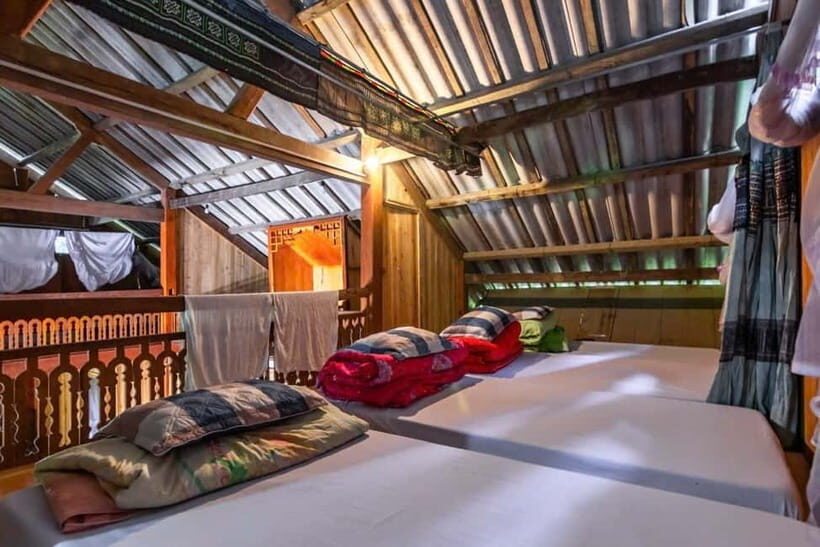
- A small heads-up for sleeping
- Day 2: Rice Paddies, Bamboo Forest, Giang Ta Chai Views, and the Bridge
- What Makes the Guide So Important Here
- Food, Culture, and the Craft-Selling Moment You Can Plan For
- What Can Go Wrong: Fog, Mud, and Steep, Slippery Sections
- Packing List That Actually Helps on These Trails
- Price and Value: What You’re Really Paying For
- Who This Tour Suits Best (and Who Should Skip It)
- Should You Book This Sa Pa 2-Day Homestay Trek?
- FAQ
- What’s included in the meals?
- Where do I stay overnight?
- Is transportation between Hanoi and Sa Pa included?
- What trek distances and difficulty should I expect?
- What are the main village areas you visit?
- Do I need to bring cash?
- What should I bring for the trek?
- What’s not included in the tour price?
- Is this tour suitable for young kids or mobility issues?
- Are pets allowed?
Key highlights that make this tour click
- Limousine transport on the new highway so you spend less time beat up in transit
- Hmong/English-speaking guidance that helps you understand what you’re walking past, not just where to step
- Rice-terrace trekking with real elevation movement across Muong Hoa Stream scenery
- Ta Van homestay night with included meals and a family-style welcome
- Two-day pacing that fits short trips while still feeling like more than a day tour
- Extra “buy-in” moments (handmade crafts and village sellers) that you can handle with a plan and some cash
Why This Sa Pa Trek-and-Homestay Works in Just 2 Days
Sa Pa is famous for dramatic views, but it’s also about people adapting to steep terrain. What I like about this 2-day format is that it forces you to slow down just enough to notice the details: terraces holding water, bamboo paths underfoot, and villages arranged for mountain life.
You get a mix of big-picture geography and small, human-scale moments. That balance is what turns Sa Pa from a postcard stop into a place you actually understand.
You can also read our reviews of more hiking tours in Hanoi



Getting to Sa Pa: Limousine Bus Comfort (and the Sleeper Upgrade)
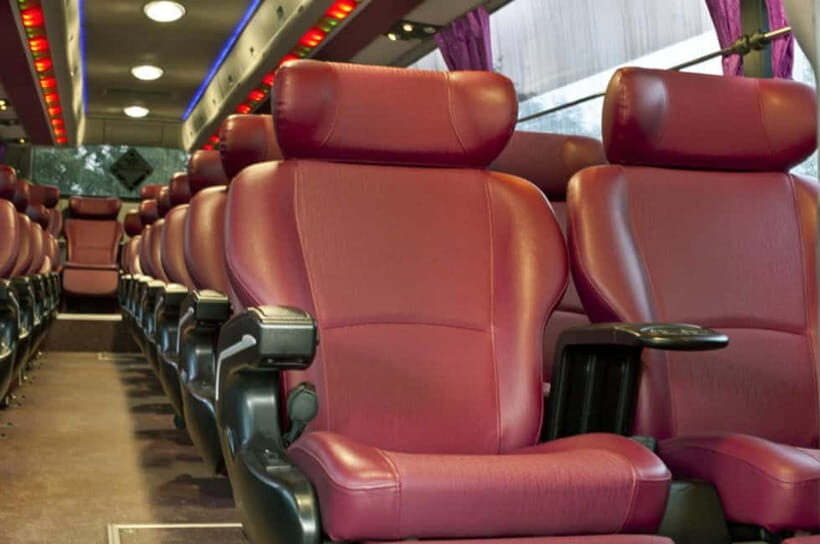
Your journey starts in Hanoi with a round-trip limousine bus to Sa Pa via Lao Cai. This matters more than it sounds. A road trip to the highlands is long, and starting well-rested makes the next day’s walking feel doable instead of exhausting.
There’s also an optional upgrade people rave about: a sleeper bus with individual cabins. If you’re the type who hates cramped seats on long drives, the upgrade is often worth it for real rest. One practical detail: the bus ride can start very early, so plan your morning in Hanoi around departure time rather than around late-night plans.
Day 1: From Sa Pa Town to Lao Chai, Muong Hoa, and Ta Van
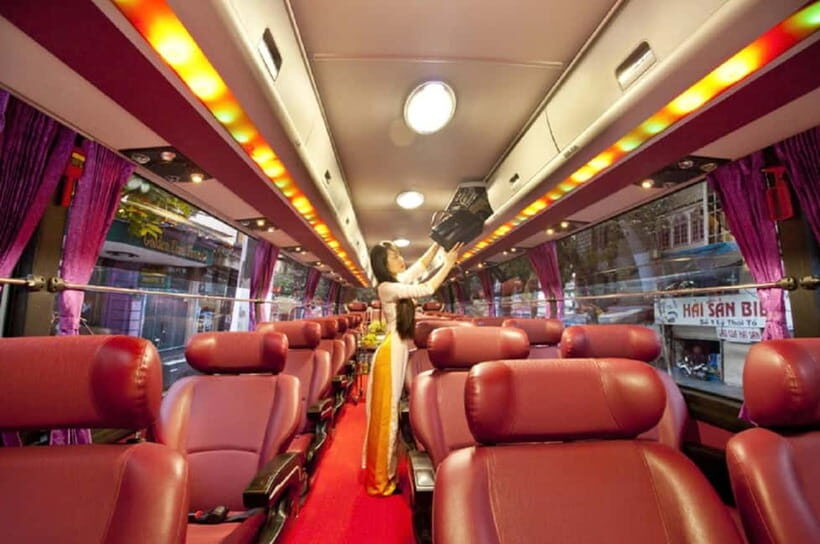
After you arrive in Sa Pa, you don’t waste the first hours. You’re welcomed at the bus stop, taken to the hotel area to relax, then you eat lunch in Sa Pa town with local dishes before the trek begins.
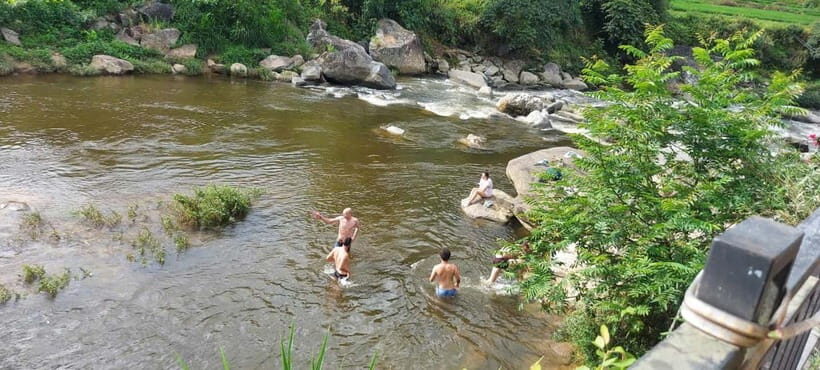
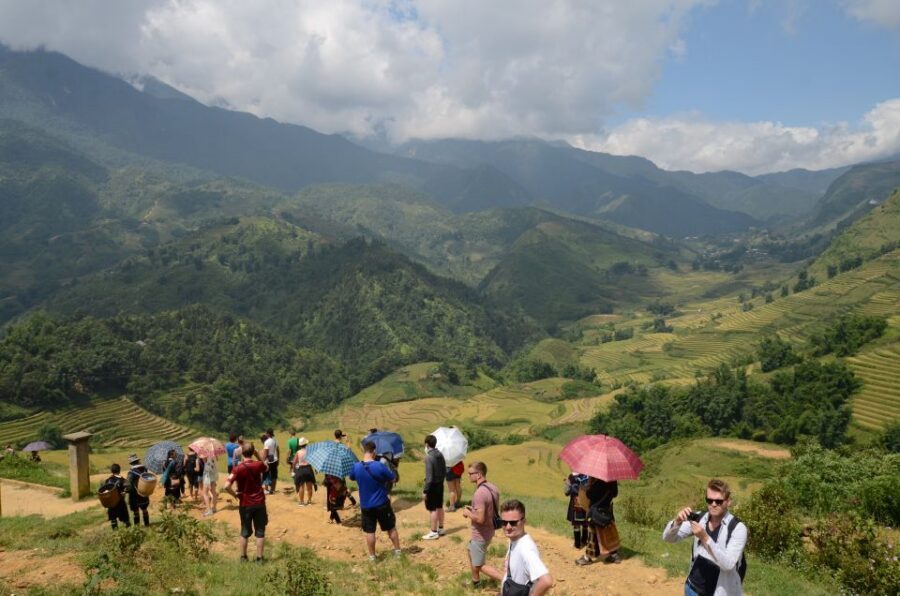
From there, the walking connects key areas in a way that feels logical rather than random. You’ll trek through the rice terraces and along the Muong Hoa Stream, with views framed by Hoàng Liên Sơn (the surrounding mountains).
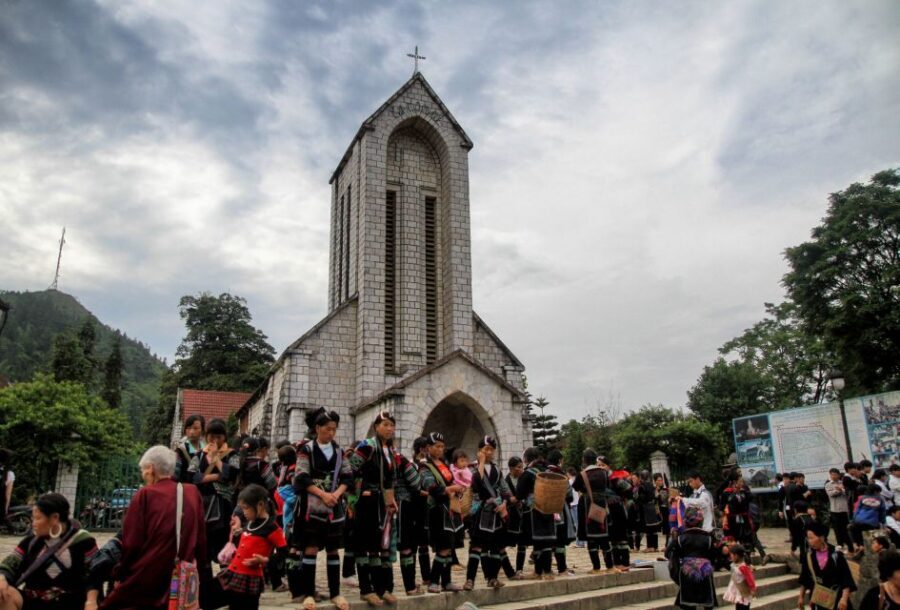
Then you reach Lao Chai in the Black Hmong village area. It’s a good place to slow down and look closely at traditional costumes and everyday village life. After that, you head onward to Ta Van, where you check in and get to know the family at your homestay.
What this first day does best
Day one is where the route drops you into the rhythm of the region: terrace walls, narrow paths, and village clusters. It also sets the tone for the next day, because you’ll learn how the guide approaches storytelling and how the trek pacing feels on uneven ground.
Day 1 Trek Reality: Rice Terraces, Downhill Sections, and Village Interactions
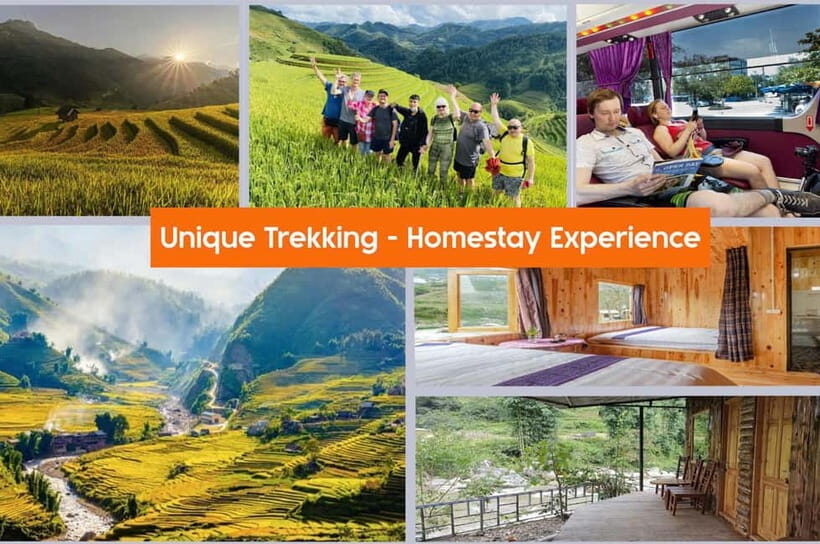
The trekking length on the first day is often around 8 km, and it’s commonly described as mostly downhill. That doesn’t mean it’s effortless. Downhill walking still taxes your knees, and if rain has fallen, the dirt can turn slick.
You’ll also encounter village life in a more direct way as you pass through and near homes. Expect guided conversations and questions. You’re walking with a local Hmong English-speaking guide (people on similar departures have included guides like Sha, Sua, Soso, and Tung), so you’re not just watching from a distance.
A tip that comes up again and again: wear hiking shoes, not regular sneakers. When the ground turns muddy, grip matters more than brand.
You can also read our reviews of more tours and experiences in Hanoi
- Doris Cruise 5 star cruise 2 days visiting Halong Bay Lan Ha Bay private balcony
★ 5.0 · 2,338 reviews





Homestay Check-In in Ta Van: What Basic Really Means
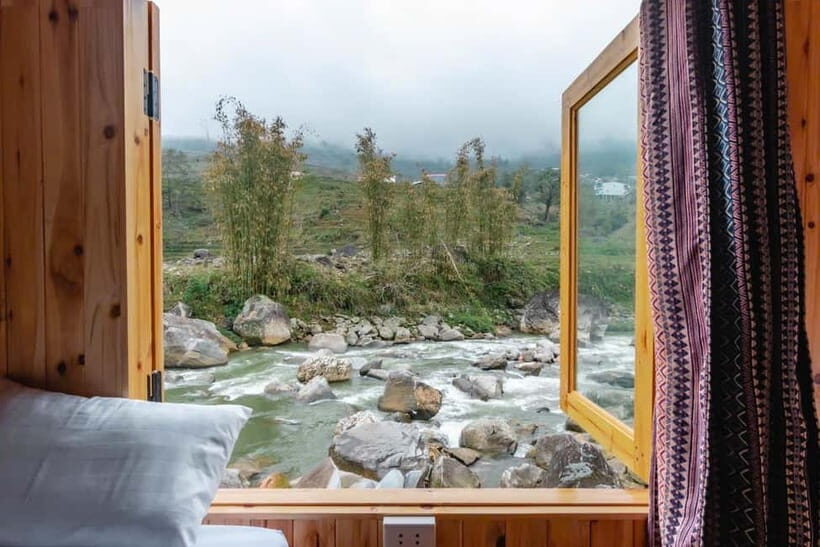
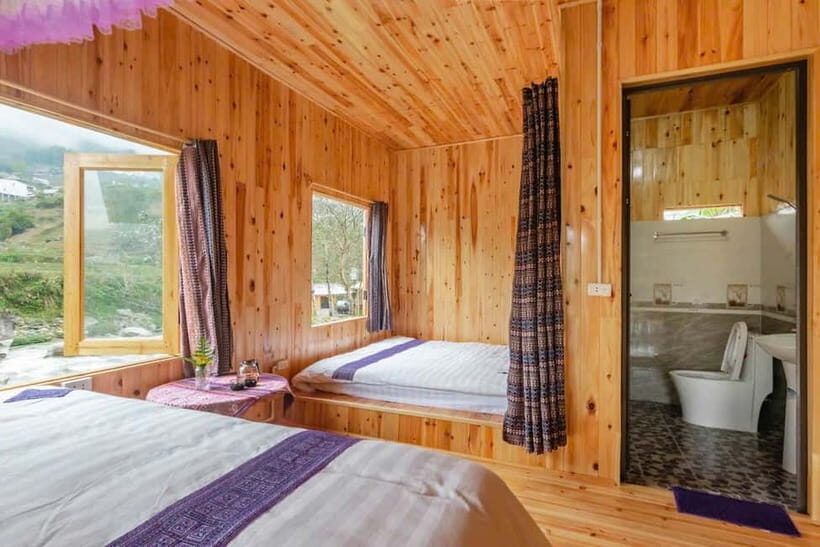
Let’s talk straight about the homestay in Ta Van. It’s basic, and it’s not a luxury hotel. Included setup often means a single mattress option (with an upgrade available if you want a private room in the homestay).
That said, the best part is that it feels like you’re sleeping where life happens, not in a “tourist building” pretending to be rural. Many people describe the food as excellent and the setting as scenic, sometimes with river-adjacent views.
You’ll be using homestay-provided clean water and eating fresh food prepared there. Dinner and breakfast are included, so you’re not scrambling for meals after a day of walking.
A small heads-up for sleeping
Village nights can be active. If you’re a light sleeper, consider earplugs. It’s part of the place, not a safety issue.
Day 2: Rice Paddies, Bamboo Forest, Giang Ta Chai Views, and the Bridge
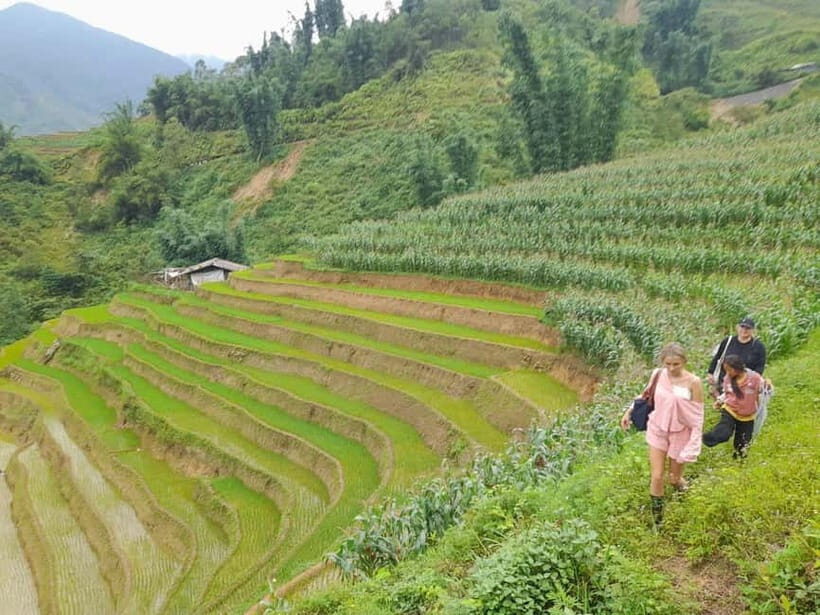
Day two starts with breakfast prepared by the family, then you head out early for another trek: through rice paddies and a bamboo forest. People often describe this day as shorter—around 4 km—but with a mix of uneven steps and gentle undulations.
One of the key visual moments is the panoramic view of Giang Ta Chai village. Then you cross the Giang Ta Chai Bridge. After that, there’s a car transfer back toward the Sa Pa hotel area for lunch and a shower, before your return limousine ride to Hanoi.
After the bus ride ends, you’re dropped at the meeting point. From there, you handle your own way to your hotel in Sa Pa.
What Makes the Guide So Important Here
This tour lives or dies by the guide’s ability to connect the walking to meaning. A good guide helps you notice what matters: why terraces look the way they do, what different ethnic groups wear and how that links to daily life, and how people adapt to mountain terrain.
I like that the guide is local and Hmong English-speaking, which typically means you’re not relying on vague explanations. Names that have popped up on different departures include guides like Sua, Soso, Wan, and Sha, and the common thread is clear: they explain what you’re seeing while keeping you moving safely on uneven ground.
Food, Culture, and the Craft-Selling Moment You Can Plan For
Food here is included and it’s not just an afterthought. You’ll eat two lunches and one dinner plus breakfast, with local dishes served at the homestay and at the start/finish meal stops. That’s a real value piece because it reduces the stress of finding food with limited time.
You should also be prepared for craft selling during the trek. It’s common for women in the area to offer handmade goods (scarves, jewelry, and other crafts). Some people enjoy chatting and buying a small item. Others find the selling style persistent. The move is simple: decide your budget ahead of time, keep cash ready, and be firm and polite when you’re done.
What Can Go Wrong: Fog, Mud, and Steep, Slippery Sections
Sa Pa weather can change the experience fast. Fog can reduce viewpoint clarity, and rain can turn paths into mud. Even when the trek is “short,” the ground can make it feel longer because you’re carefully placing your feet.
A few practical reality checks:
- If it’s muddy, your pace drops and balance becomes the main skill.
- Downhill days can still be tough because your legs do the braking.
- Steep parts may require extra care, so stay close to the guide and follow their timing.
One more thing: the walking can feel challenging in spots even if the overall route length isn’t huge. Build some extra time for photo stops and for adjusting your footing.
Packing List That Actually Helps on These Trails
Use the provided packing list as your baseline, then upgrade your footwear plan:
- Hiking shoes (seriously)
- Sunglasses (Sa Pa sun can still hit hard even when it’s cool)
- Sunscreen
- Insect repellent
- Cash in Vietnamese Đồng
Cash matters because the banking system in Sa Pa can be unreliable. If you don’t want to exchange money in a pinch, bring enough Dong ahead of time. US Dollars, Euros, and Australian Dollars are accepted, but cash in Dong is the easiest option.
Also plan your luggage smartly. You can store luggage in the bus trunk, keep what you need for the trek, and then take your remaining items back on day two when the trip finishes. Bring essentials like a spare shirt and anything you’ll want during downtime at the hotel/lunch stop.
Price and Value: What You’re Really Paying For
You’re paying for three things that add up quickly if you try to DIY:
- Transport: round-trip limousine bus from Hanoi to Sa Pa (with an optional sleeper cabin upgrade).
- A guide: a local Hmong/English-speaking guide who handles village context and on-trail safety.
- Two-day logistics + meals: homestay accommodation in Ta Van and included meals (2 lunches, 1 dinner, 1 breakfast).
There’s also a known cost item on certain holiday dates: a 700,000 VND/person surcharge paid onsite on specific peak days (like April 30, May 1, September 1–3, December 24–31, January 1, and Lunar New Year days). If your dates land on one of those, factor it into your budget.
Optional upgrades (like upgrading the homestay room to private, or choosing the sleeper bus) tend to make the experience more comfortable without changing what you came for: the walking and the homestay night.
Who This Tour Suits Best (and Who Should Skip It)
This is a strong fit if you want:
- A short Sa Pa experience with hiking and a real village night
- A tour focused on local guidance and culture through daily scenes
- A moderate walking plan where the guide handles routes and you bring the right shoes
It may not suit you if you have mobility needs. The tour is not recommended for wheelchair users, and it’s not suitable for people with mobility impairments. It also isn’t suitable for children under 6.
Should You Book This Sa Pa 2-Day Homestay Trek?
Book it if you want the classic Sa Pa “mountain life” version, not just the viewpoints. The mix of terrace trekking, village stops like Lao Chai and Ta Van, and a homestay night gives you real context in only two days.
Skip it (or pick a gentler alternative) if mud and steep footing would stress you out. This works best when you pack for it, embrace early starts, and show up ready to walk with care.
If you do book, a simple plan helps: bring good shoes, carry cash, accept that fog can happen, and decide ahead of time how you want to handle craft selling.
FAQ
What’s included in the meals?
You’ll get 2 lunches, 1 dinner, and 1 breakfast included during the two days.
Where do I stay overnight?
You stay in Ta Van village at the homestay (single mattress). A private room upgrade is available if you request it when booking.
Is transportation between Hanoi and Sa Pa included?
Yes. Round-trip limousine bus from Hanoi to Sa Pa is included (with options such as sleeper bus cabins).
What trek distances and difficulty should I expect?
The first day is often around 8 km mostly downhill, and the second day is often around 4 km with some undulating sections. The ground can be slippery when muddy.
What are the main village areas you visit?
You’ll visit areas including Lao Chai and Ta Van, and you’ll also have viewpoints connected to Giang Ta Chai.
Do I need to bring cash?
Yes. You should bring cash in Vietnamese Dong, since banking can be unreliable in Sa Pa. US Dollars, Euros, and Australian Dollars are accepted.
What should I bring for the trek?
Bring hiking shoes, sunglasses, sunscreen, insect repellent, and cash.
What’s not included in the tour price?
Drinks, 8% government tax, and tips for the guide and driver are not included. Holiday surcharges may also apply on certain dates.
Is this tour suitable for young kids or mobility issues?
No. It’s not suitable for children under 6, wheelchair users, or people with mobility impairments.
Are pets allowed?
No, pets are not allowed on this tour.


More Hiking & Trekking Tours in Hanoi

More Tours in Hanoi
- Ninh Binh Full-Day Tour from Hanoi to Hoa Lu, Tam Coc & Mua Cave Via Boat & Bike
★ 5.0 · 4,384 reviews