REVIEW · HANOI
From Hanoi: 2-Day Sapa Trekking Trip with Homestay & Meals
Book on GetYourGuide →Operated by Vietnam Real Tour · Bookable on GetYourGuide
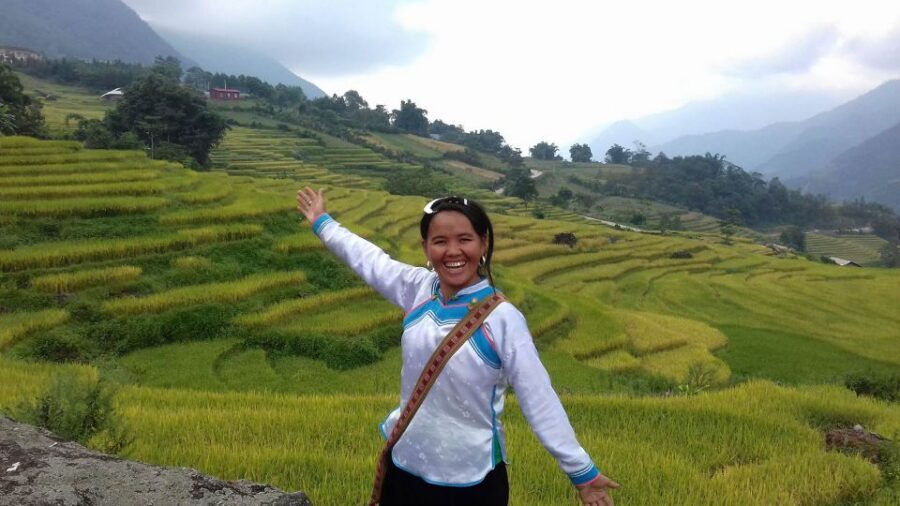
A bamboo-and-rice view can change your day. This overnight Sapa trek lets you spend time with your hosts, cook together, and hike through the villages around town. I really like the homestay experience with Mama Zuzu energy—warm, practical, and human. I also love the long stretch of terraced fields as you walk between communities.
One thing to plan for: this isn’t a gentle stroll. The path can be slippery and muddy, and your day includes real climbing, plus a more basic setup at the house where you may share bathroom space like locals do.
In This Review
- Key things that make this Sapa trek worth it
- Entering Sapa Through Terraced Fields (Not Just Viewpoints)
- Hanoi Pickup to Sapa Arrival: Early Starts, Real Roads
- The Day 1 Hike From Lao Chai to Ta Van: Rice Terraces, Villages, and a Waterfall Stop
- Homestay at Your Host’s House: Cooking Together and Evening Atmosphere
- What’s Included With Meals (And Why It Matters)
- Day 2 Morning: Breakfast With Your Host, Then Two Trail Paths
- Lunch in Sapa and a Real Taste of Town Time
- Returning to Hanoi: Sleeper Bus Again, With a Night Advantage
- Price and Value: Why $71 Can Be a Good Deal Here
- Who This Sapa Trek Is Best For (And Who Should Skip It)
- What to Pack So You Don’t Hate Day 1
- Should You Book This 2-Day Sapa Trek?
- FAQ
- What is the duration of the Sapa trekking trip?
- Where do you get picked up in Hanoi?
- What meals are included during the 2 days?
- Is the trek guided?
- What should I bring for the hike?
- Is the activity suitable for young children or seniors?
Key things that make this Sapa trek worth it
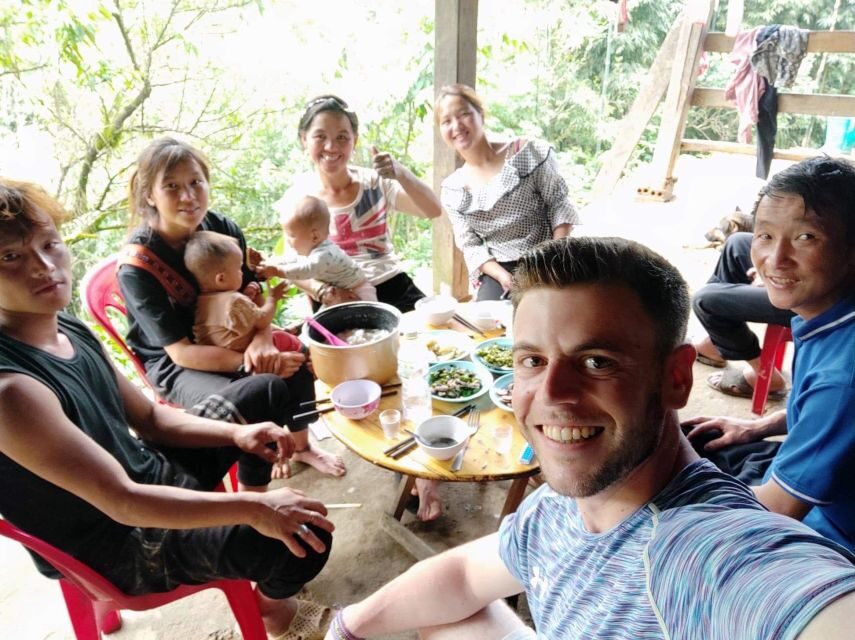
- Homestay welcome and host cooking that turns dinner into a shared moment, not just a meal
- Terraced rice-field walking through Lao Chai and Ta Van, with rural village photo stops
- A waterfall break during the first hike, giving you a breather and a payoff
- Two Day 2 options: more village time or a bamboo forest hike
- A local guide and English-speaking support throughout the trekking segments
- Simple, real-life facilities (fans, showers, shared bathroom setups depending on the host)
Entering Sapa Through Terraced Fields (Not Just Viewpoints)
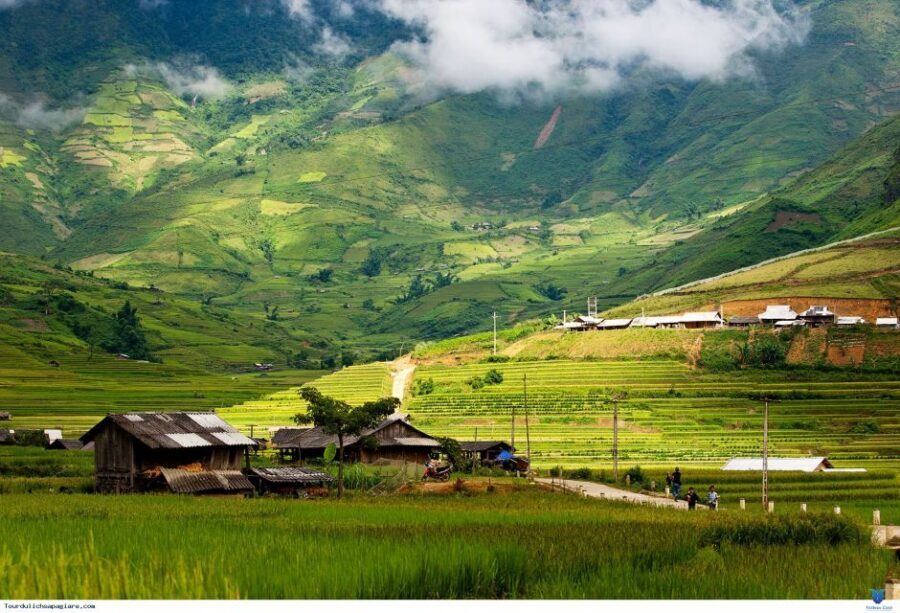
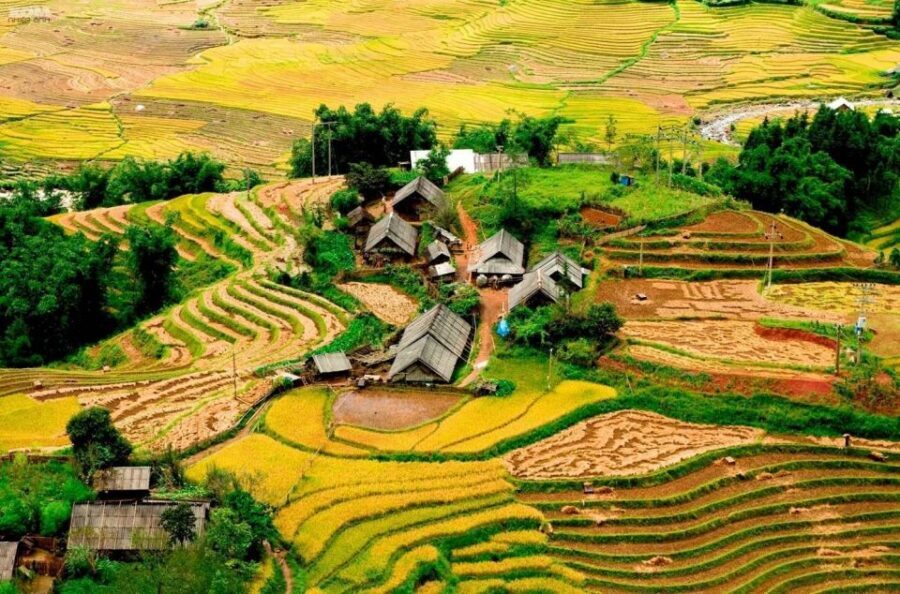
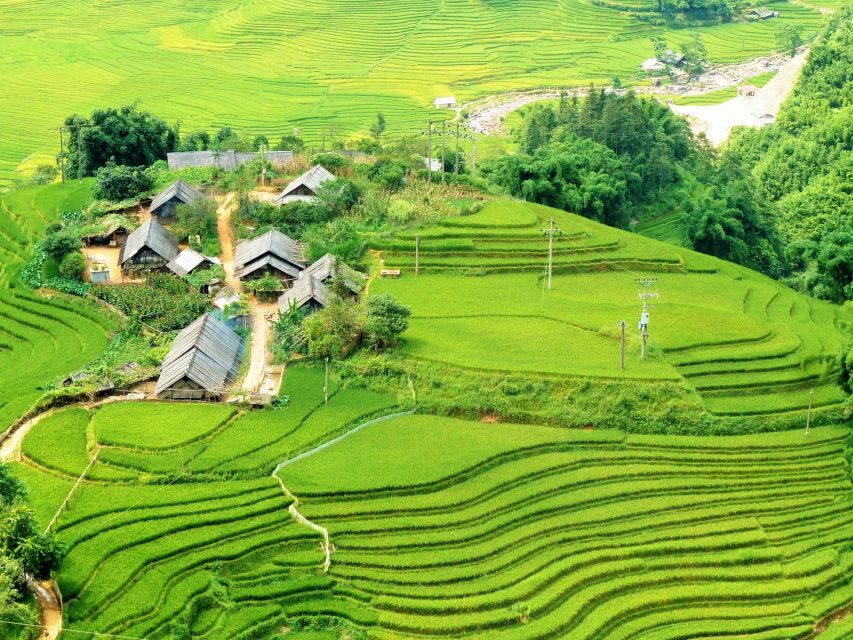
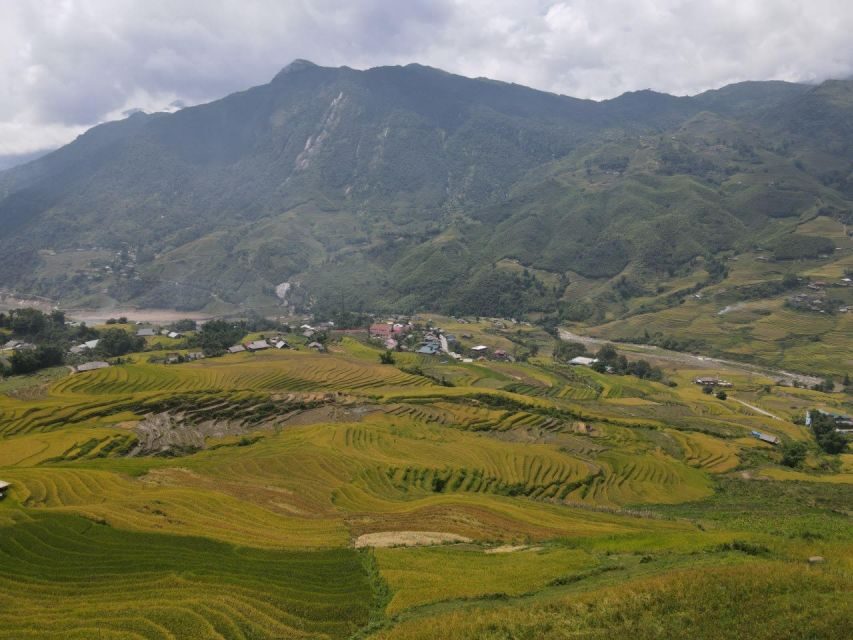
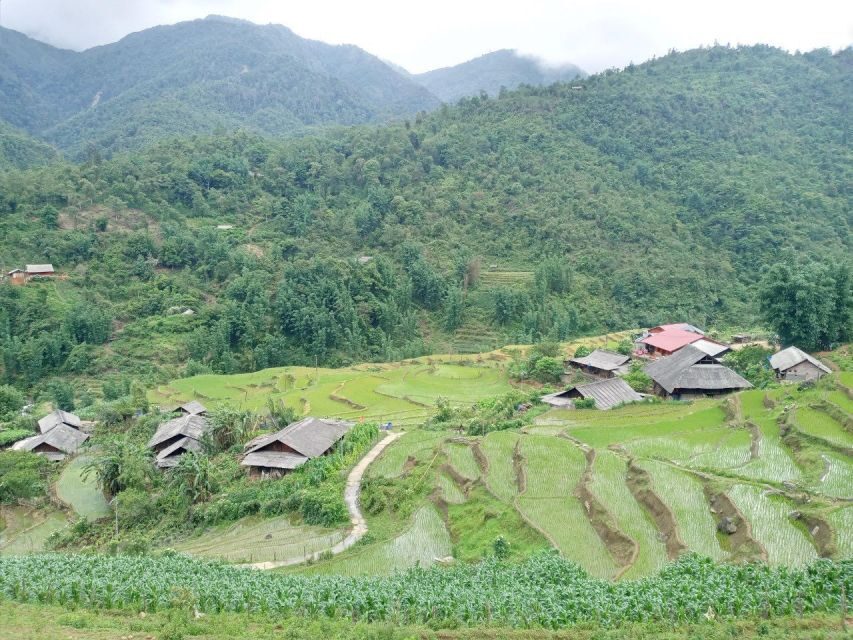
Sapa has plenty of dramatic outlooks. This trip does something better: it puts you on the working side of the scenery. You’ll walk through terraced rice, plus corn and potato fields, and you’ll move from village to village rather than staying parked at a single viewpoint.
That matters because Sapa’s beauty isn’t only what you see. It’s how people live around the fields—how farms sit on slopes, how paths connect homes, and how daily life keeps going even when you’re just visiting.
You can also read our reviews of more hiking tours in Hanoi



Hanoi Pickup to Sapa Arrival: Early Starts, Real Roads
Your day begins early. You’re picked up in Hanoi’s Old Quarter between 6:00 and 6:45 AM, then transferred by air-conditioned sleeper bus. The ride is long enough that you’ll feel it in your morning, but the upside is you’re not burning daylight on the highway.
When the bus stops in Sapa town, your local guide meets you, and you head to lunch. This timing is smart: you get food before the hiking starts, and you’re not trying to land tired and immediately tackle steep trails.
Practical note: a few reviews mention comfort features on the sleeper bus like charging ports and blankets. That’s the kind of detail that helps on a long travel day, even if it’s not guaranteed for every departure.
The Day 1 Hike From Lao Chai to Ta Van: Rice Terraces, Villages, and a Waterfall Stop
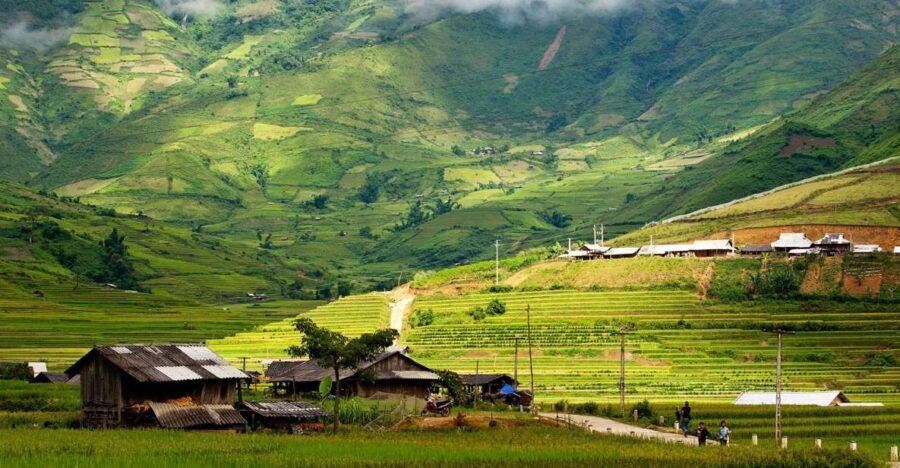
After lunch, you start a 12-kilometer guided hike through terraced farmland and rural communities. The route takes you past villages including Y Linh Ho, Lao Chai, and Ta Van, and you’ll meet H’Mong people along the way and learn about daily life and customs.
This is the core of the trip. The walking is what turns Sapa from a place you visit into a place you understand.
Here’s what makes Day 1 special:
- You get a full stretch of farming terrain, not just a short photo segment.
- You pass through more than one village, so the experience changes as you go.
- There’s time for breathtaking views and a break at a waterfall along the route.
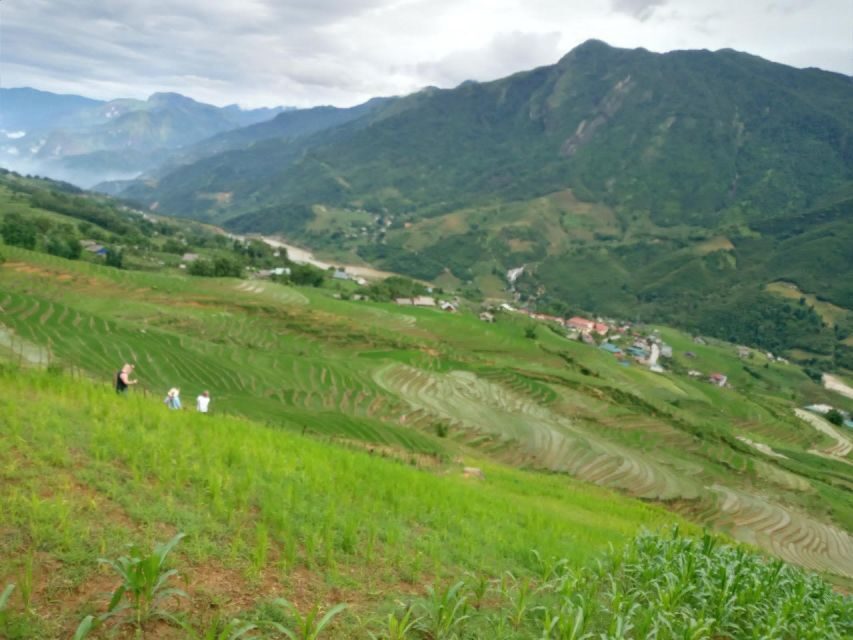
The part I’d flag: the trekking path can be slippery. Weather changes fast in the hills, and rain can mean mud and slick clay. Bring proper sports shoes (not fashion sneakers) and plan to protect clothes you won’t mind getting dirty.
Also, expect the villages to be social. Some people may join you briefly on the trail. That can feel friendly and curious—or a bit sales-focused at the end—so keep your boundaries clear and be ready to say no if you don’t want souvenirs.
Homestay at Your Host’s House: Cooking Together and Evening Atmosphere
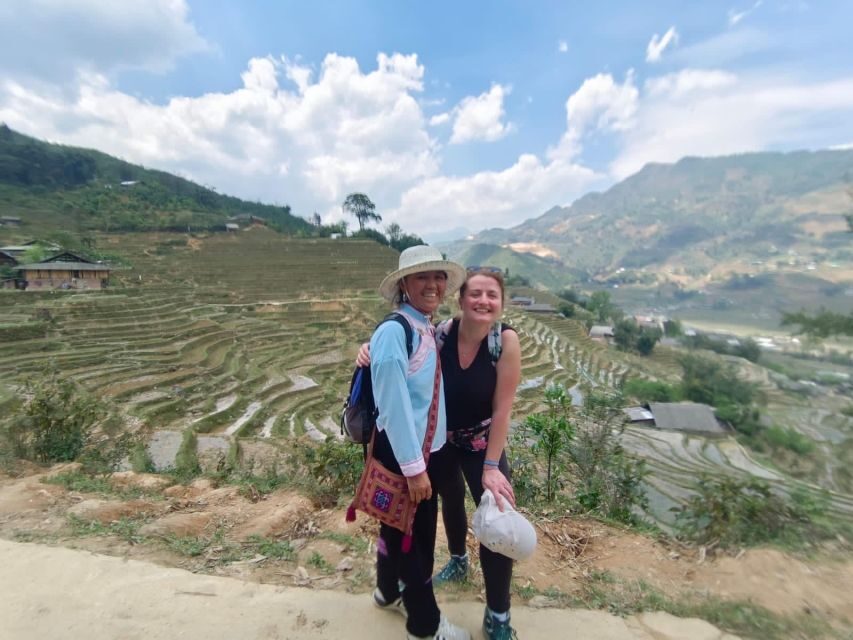
At the end of the first hiking day, you reach your host’s home and get welcomed like family. This is where the experience stops being “tour” and becomes a shared evening routine.
You may help with dinner preparation—learn local dishes, chop ingredients, and trade stories with your host. Many people end up remembering this moment more than the big view, because it’s hands-on and personal.
The homestay setup is simple and real:
- You’ll likely deal with shared bathroom arrangements as locals do.
- Rooms may be basic, but you can find comforts like fans, and some homestays include a shower with warm water based on what past guests reported.
- Expect beds that are firmer than what you might be used to, though some families provide extra duvets to soften things up.
Names you might hear in the homestay experience:
- Many groups report being hosted by Mama Zuzu
- Some also mention Mama Little joining in—sometimes around the evening fun
Evening can turn playful. A few guests describe karaoke moments and local drink time at the homestay. If you’re shy, you can still keep it low-key—you don’t have to be the loudest person in the room.
What’s Included With Meals (And Why It Matters)
You’re fed well across the two days:
- Lunch and dinner on Day 1
- Breakfast and lunch on Day 2
- Cooking with your host during the homestay night
This isn’t just about calories. It’s about trust and pacing. Eating where locals eat helps you avoid “tourist menu” fatigue, and it also keeps the trekking schedule smooth. After a muddy hike, a hot meal and a calm evening are exactly what your legs want.
One practical tip from the reality of the trails: bring a change of clothes you can actually wear. You’ll sweat, and if the path is wet, you’ll want something clean ready for sleeping.
You can also read our reviews of more tours and experiences in Hanoi
- Doris Cruise 5 star cruise 2 days visiting Halong Bay Lan Ha Bay private balcony
★ 5.0 · 2,338 reviews





Day 2 Morning: Breakfast With Your Host, Then Two Trail Paths
Day 2 starts early with breakfast cooking with your host. It’s usually short, but it adds that same hands-on feeling from the night before—your morning is part of the homestay rhythm, not just a quick grab-and-go.
Then you choose what kind of walking day you want:
- Option A: hike to further villages (with the possibility of field activities like caring for plants, harvesting, planting, or similar tasks)
- Option B: take a second hike to a bamboo forest
Both options keep you moving through rural life. The choice depends on what you want more: community time and farm work, or the quiet contrast of bamboo trails.
Be realistic about energy. Even if you’re used to hiking, Sapa trails can feel relentless because you’re dealing with slope, steps, and ground that can shift underfoot.
Lunch in Sapa and a Real Taste of Town Time
After your second hiking segment, you get lunch at a local restaurant. Then you head back toward Sapa town by shuttle bus.
You’ll have free time to explore the town and visit the Sapa market. This is a good moment to:
- grab snacks or small gifts
- slow down after two active days
- take a final look at the town without a pack on
If you’re the type who likes markets, this is where your casual walking in town will feel satisfying instead of rushed.
Returning to Hanoi: Sleeper Bus Again, With a Night Advantage
You leave Sapa around 15:00 on the sleeper bus, and you arrive back in Hanoi around 21:30 to 22:00 in the Old Quarter area.
This is the practical piece that makes the trip work. Overnight transport means you spend less time in transit during daylight and more time enjoying your Sapa time on the ground.
Price and Value: Why $71 Can Be a Good Deal Here
At $71 per person, you’re not just paying for a hike. You’re paying for a bundle that normally costs more if you book it separately:
- pickup in Hanoi’s Old Quarter
- air-conditioned sleeper bus to and from Sapa
- a local guide
- two guided hikes
- homestay accommodation for one night
- 1 dinner, 2 lunches, 1 breakfast
- cooking time with your host
- entrance fee coverage (as listed)
Value like this is hardest to replicate in Sapa, because the expensive part is often the logistics—transport and local guiding—while the homestay and meals are what make the experience feel authentic.
The only true tradeoff: you’re agreeing to a more basic, rural setup and more physical time outside.
Who This Sapa Trek Is Best For (And Who Should Skip It)
This trip is a great match if you want:
- real village walking with guided context
- an overnight homestay with shared meals
- views that come from effort, not just from a viewpoint
It’s not for everyone. It’s listed as not suitable for:
- children under 8
- pregnant women
- people with back problems or heart problems
- wheelchair users
- people over 220 lbs (100 kg)
- people over 70
Even if you’re otherwise healthy, take the physical side seriously. Trails can be steep, and rain can make them slippery. If you don’t like getting muddy, choose a gentler option.
What to Pack So You Don’t Hate Day 1
Bring practical gear. The trip includes outdoor hiking and a homestay night, so you want clothes that can take a beating.
Based on what you’re told to bring, I’d pack:
- change of clothes
- jacket and breathable clothing
- sports shoes with grip
- water and drinks
- clothes that can get dirty
- charged smartphone and a pen (it’s on the bring list)
- cash (useful in rural areas)
If rain is forecast, treat it like you’ll hike in wet conditions until proven otherwise.
Should You Book This 2-Day Sapa Trek?
I’d book it if you want a Sapa trip that feels like a meeting with people, not a drive-by of scenery. The mix of guided rice-field walking, a waterfall break, and a homestay with host cooking is exactly the kind of structure that makes the effort feel worthwhile.
Skip it if you want comfort-first travel, minimal walking, or fully private facilities. Also skip it if you know you can’t handle steep, slippery trails.
If you’re comfortable with hikes and you like the idea of eating dinner as part of family life, this one earns its high rating.
FAQ
What is the duration of the Sapa trekking trip?
The trip runs for 2 days.
Where do you get picked up in Hanoi?
Pickup is included from Hanoi’s Old Quarter, between 6:00 and 6:45 AM. The trip also drops you back in Hanoi’s Old Quarter area.
What meals are included during the 2 days?
You get 2 lunches, 1 dinner, and 1 breakfast, plus cooking with your host.
Is the trek guided?
Yes. You’ll travel with a local guide, including on both guided hikes.
What should I bring for the hike?
Bring a change of clothes, water and drinks, a jacket, breathable/outdoor clothing, sports shoes, cash, and a charged smartphone. Clothes that can get dirty are also recommended.
Is the activity suitable for young children or seniors?
It’s not suitable for children under 8, and it’s also not suitable for people over 70. It’s also listed as not suitable for people with back or heart problems.



More 2-Day Experiences in Hanoi
- Doris Cruise 5 star cruise 2 days visiting Halong Bay Lan Ha Bay private balcony
★ 5.0 · 2,338 reviews