REVIEW · HANOI
Sapa 3 Days 2 Nights Trekking Tour (1 Night In Ta Van Village, 1 Night In Hotel)
Book on Viator →Operated by Vietnam Travel Top · Bookable on Viator
Sapa’s hills have a way of resetting your brain. This 3-day, 2-night trekking trip is a clean, low-stress way to get into village life and rice-terrace walking without wrestling logistics. I like that you start with a comfortable Hanoi–Sapa bus and you’re met by an English-speaking guide each day. I also like the mix of a town hotel plus a night in a Ta Van hill-tribe bungalow, so you sleep like you’re doing the trek, not just buying it. One drawback to plan for: the weather can turn cold, foggy, and muddy fast, and some paths get slippery.
If you’re moderately fit and you enjoy steady walking through valleys and terraces, you’ll probably find the days feel well-paced for the price and effort. The group stays small (up to 15), and there’s a real effort to keep you moving with meals and entrance fees included, plus luggage handling during key walking sections.
In This Review
- Key highlights that matter
- First, Know What You’re Actually Buying (and for Who)
- The Hanoi–Sapa Bus Ride: Long Hours, Fewer Worries
- Day 1 in Sapa: Cat Cat Village Starts the Trek
- Day 2: Rice Terraces, Lunch With a Family, and Ta Van Sunset
- Morning: rice terraces and the Y Linh Ho section
- Lunch: Vietnamese food made by a family
- Afternoon/evening: Ta Van Village bungalow night
- Day 3: Giang Ta Chai Village and the Long Comeback to Hanoi
- Hotel and Homestay: What “Comfort” Looks Like Up Here
- Hiking Reality Check: What to Pack for Cold, Fog, and Mud
- Price vs Value: Is $139 a Good Deal?
- Who Should Book This Trek (and Who Might Skip)
- Should You Book the Sapa 3 Days 2 Nights Trek?
- FAQ
- What is the duration of the Sapa 3 Days 2 Nights trek?
- Where do I get picked up in Hanoi?
- What lodging is included?
- Are meals included in the price?
- What does the price include besides guides and hiking?
- What should I bring for Sapa’s weather?
- How big is the group?
- How late can I cancel for a full refund?
Key highlights that matter
- Small-group trekking (max 15), so you’re not swallowed by a huge crowd
- English-speaking guide in Sapa who helps you understand what you’re seeing
- Cat Cat Village and rice-terrace hiking for real foot-on-the-ground views
- One night in Ta Van Village with a bungalow stay and family time
- Meals included (breakfast x2, lunch x3, dinner x2), so you’re not scrambling
- All entrance fees covered plus water on the bus for the long ride
First, Know What You’re Actually Buying (and for Who)
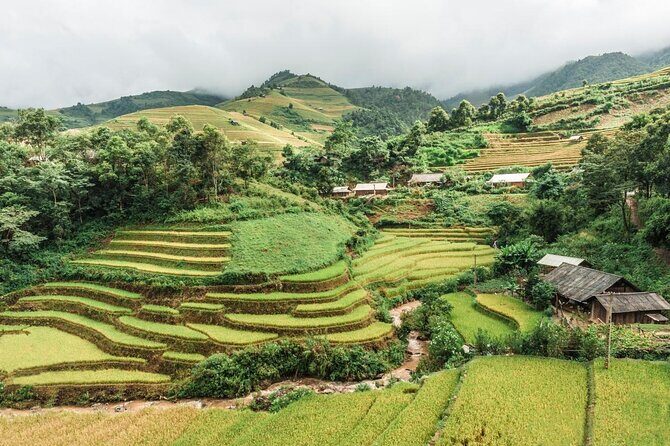
This is built for people who want Sapa without the usual “DIY chaos.” You get guided walking between villages, two different sleeping setups (a hotel in town and a bungalow in Ta Van), and meals that keep your energy up on hiking days. It’s not a gentle stroll either. The route uses real trails with steps, narrow paths, and plenty of up-and-down—especially if you go in colder, wetter months.
What this means for you: if you show up with decent hiking shoes (and expect muddy sections), you’ll probably enjoy the day-to-day rhythm. If you want guaranteed sweeping views from the start, weather can be a spoiler. Fog is a known risk in winter months, and you may not see the big panoramas until later in the trip.
The price is $139 per person, and the value comes from stacking what you’d otherwise pay separately: round-trip bus transport from Hanoi, one hotel night, one homestay-style night, guide service, entrance fees, and multiple meals. It’s one of those trips where the “packing list headache” is slightly reduced because so much is arranged for you.
You can also read our reviews of more evening experiences in Hanoi



The Hanoi–Sapa Bus Ride: Long Hours, Fewer Worries

Your day starts early. Pick-up is around 6:00 to 6:20 from the Hanoi Old Quarter area (the meeting point is 30 P. Lý Thái Tổ, Hoàn Kiếm). You transfer to the bus and depart toward Sapa.
A first comfort break comes around 9:30 in Lao Cai city. Then you roll onward and arrive in Sapa Town around 13:00. Expect the ride to take roughly 6 hours each way on the transfer pattern used for this itinerary, with two rest stops. You’ll also get bottled water on the bus both directions.
Two practical notes I think you’ll care about:
- The bus comfort level can vary depending on the specific vehicle used. Some departures feel like a true sleeper-style coach; others are simply a comfortable coach. Either way, plan your posture and bring a layer, because mountain weather starts creeping in as you get closer.
- The driver may not speak English. That’s not a problem if you just treat stops as rest stops, not mini tours.
Day 1 in Sapa: Cat Cat Village Starts the Trek
After you arrive in Sapa Town and get your hotel check-in (The View Sapa Hotel or similar on twin sharing), the afternoon is for your first hike: Cat Cat Village.
This is a relatively short entry into Sapa trekking—about 3.5 km and around 2 hours. You’ll walk down toward the village area at the foot of a deep valley. Cat Cat is home to the Black H’mong community, and it’s a good warm-up day: enough effort to feel the mountains, without draining you before the longer walk the next day.
What I like about starting here: you learn the “tempo” of Sapa walking quickly. Trails can be uneven, and the altitude-cold can surprise you even if Hanoi felt mild. You also get your first dose of the area’s ethnic variety, since Sapa Town itself is full of traditional clothing from groups like H’Mong, Dzao, and Tay.
Possible drawback: the first day is often your weather-balance day. If fog is hanging around, the valley views may be muted. Still, the walk is worth it because the village atmosphere doesn’t need perfect visibility.
Day 2: Rice Terraces, Lunch With a Family, and Ta Van Sunset

Day 2 is the main “you came here to hike” day.
Morning: rice terraces and the Y Linh Ho section
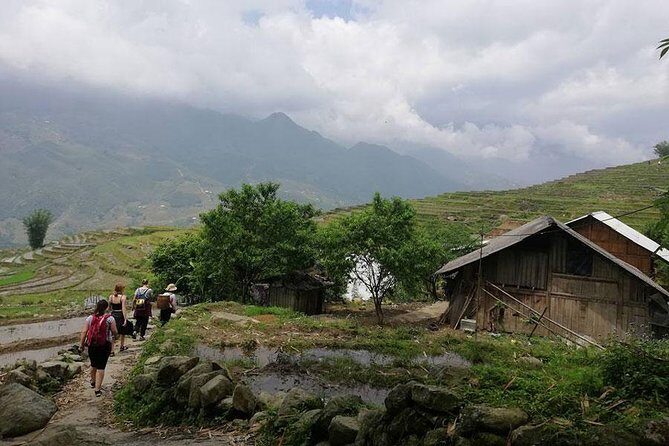
You start with breakfast at the hotel, then check out and head onto the trails. You’ll trek through rice terraces and then continue toward Y Linh Ho. This leg is longer: about 12 km and around 4 hours.
This is where you really feel the terrain. Even when the trail is mostly “manageable,” it can be steep in places and narrow in others. In wet months, expect mud and slick spots. I’m a big believer in bringing the right shoes rather than “hoping for dry weather.” People often borrow gumboots on slippery days, and it’s a good sign your guide is thinking about safety, not just speed.
You can also read our reviews of more hiking tours in Hanoi





Lunch: Vietnamese food made by a family
Somewhere around midday, you’ll have lunch prepared by the family you’re visiting. You’ll also get time to approach Ta Van Village in the late afternoon.
This meal matters more than you might think. A long rice-terrace walk can flatten your appetite, and having food arranged for you removes the gamble of finding a decent meal mid-trek. Plus, eating with the family setup reinforces why this trip works: it’s not only photos. It’s people, chores, and daily routines.
Afternoon/evening: Ta Van Village bungalow night
In Ta Van, you check in to a bungalow and spend time with the Dzay community. The tour includes sunset time, and you may join in a cooking local dishes experience with the family. Dinner is included, and the pace shifts from walking mode to living-in-the-moment mode.
This is the part I’d call the heart of the trip. You’re not stuck in one tourist strip. You’re in a village environment where the day’s rhythm is obvious—light changes, weather cools, and the air feels different after a day on the trail. One real consideration: sleeping in the village means you may be sharing space with nature. Insects happen. Bring what you can (repellent) and expect rustic comfort, not a city hotel vibe.
Day 3: Giang Ta Chai Village and the Long Comeback to Hanoi
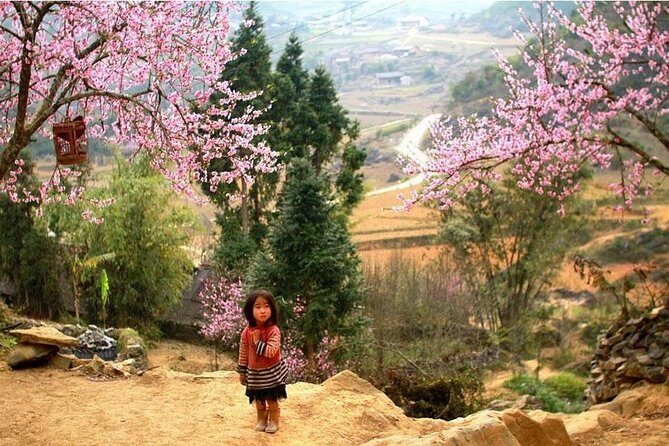
Day 3 begins with breakfast prepared by the family in Ta Van, then it’s back on the trails.
You trek to Giang Ta Chai Village with a route that includes a scenic walk through rice paddies. There’s also a photo session built in for the view opportunities and surrounding scenery. The walk time in this section is listed at about 1.5 hours for that part of the day, so it feels more like a strong finisher than an extra marathon.
After the morning hike, you return toward Sapa Town. The schedule includes a bus pickup around 13:00–13:30, time to relax in town, and optional showering in the hotel’s public bathroom if you want. Then you regroup at the hotel around 14:00 and prepare for the ride back.
On the way to Hanoi, you depart around 15:00 with two rest stops, arriving around 21:00. Then you’re dropped at the meeting point area and head to your hotel on your own.
A practical takeaway: this day is good for people who like closure. You finish the trek, get a bit of decompression time in Sapa Town, then you’re safely back in Hanoi the same evening.
Hotel and Homestay: What “Comfort” Looks Like Up Here
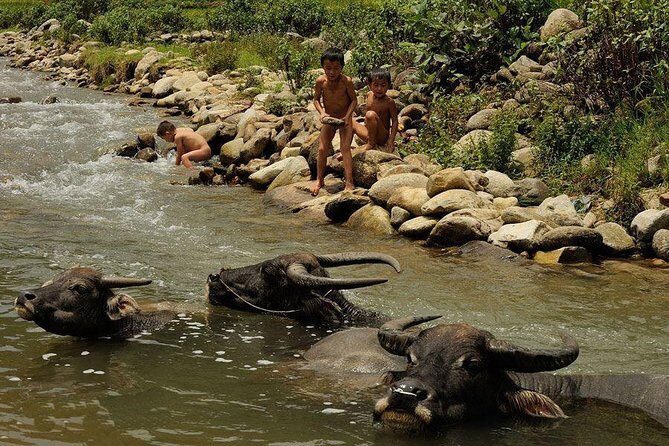
The trip uses two lodging styles, and that balance is a big part of the appeal.
- Sapa hotel night (The View Sapa Hotel or similar): You get a standard room on twin sharing. It’s a good place to reset after Day 2. You’re also positioned near town life, so you’re not stranded after check-in.
- Ta Van bungalow night: This is the “rustic but real” stay. Reviews and trip notes often point out that it’s nicer than you might fear, but it’s still a village setting. Hot water can be available, and luggage is commonly handled by transport while you trek (so you don’t need to carry everything on your back the whole time).
Two things to remember:
- You’ll want warm clothes on both nights. Sapa’s weather can be cold and unpredictable.
- Fog in winter months can reduce the view factor. You’ll still get trails and village culture, but don’t plan solely around perfect panoramas.
Hiking Reality Check: What to Pack for Cold, Fog, and Mud

This itinerary is friendly to moderately fit hikers, but Sapa weather can be rude. The tour guidance specifically flags that you should bring warm clothes, scarf, hat, and a cap because conditions change fast. It also notes fog risk in the winter months due to altitude.
From my point of view, your packing list should aim at three problems: cold, slipping, and getting caught without cash.
Bring:
- Trekking shoes with solid grip
- A scarf/hat and extra warm layer
- Sun cream and sunglasses (even when it’s cloudy)
- Insect repellent
- Cash in Vietnam Dong since banking in Sapa can be unreliable and cash is handy
If you’re hiking in months when it’s muddy (and the tour does note slipperiness), plan for gumboot-style protection. People often end up using borrowed or purchased gumboots for traction. Even if you think you’re fine in sneakers, Sapa mud can change your mind quickly once the trail goes wet.
One more tip: you can usually leave luggage you don’t need on the bus, and there’s help transferring backpacks to the village at the right time. Still, pack an easy-to-reach day bag for layers and water so you’re not rummaging in cold air.
Price vs Value: Is $139 a Good Deal?

At $139 per person, the headline question is whether you’re paying for real inclusions or just buying a “name” on the map.
Here’s what’s included based on the tour offer:
- Round-trip modern bus between Hanoi and Sapa (plus bottled water)
- Modern bus in Sapa
- English-speaking local guide
- 1 night hotel in Sapa (The View Sapa Hotel or similar)
- 1 night bungalow in Ta Van Village
- Entrance fees
- Meals: breakfast x2, lunch x3, dinner x2
- All the support via a 24/7 hotline
What you’re not paying for (based on the offer):
- Drinks/other beverages
- Travel insurance
- VAT/personal expenses
Value logic: if you tried to DIY this, you’d still need transport timing, a guide, entrance fees, and lodging planning. Meals can be a budgeting headache too, because trekking makes normal restaurant planning harder. This tour reduces those unknowns, which is especially valuable if it’s your first time dealing with Sapa logistics.
Is it the cheapest way? Probably not. But it’s built for people who want a smooth trip that doesn’t eat your whole vacation into transfers and planning.
Who Should Book This Trek (and Who Might Skip)

Book this if:
- You’re moderately fit and okay with steep, uneven trails and narrow footpaths
- You want both a hotel base and a Ta Van village bungalow experience
- You appreciate an English-speaking guide who helps you understand what you’re walking through
- You’d rather pay for coordination than schedule everything yourself
Consider a different style of trip if:
- You get discouraged by cold fog and wet trail conditions
- You want mostly panoramic viewpoints, regardless of weather
- You dislike being near active selling along trails (some people report that local vendors follow along and try to sell goods; your guide may manage things, but you can still encounter it)
This is also a good match for couples and small groups. The maximum group size of 15 keeps the experience from feeling like a moving theme park.
Should You Book the Sapa 3 Days 2 Nights Trek?
I’d book it if you want a well-organized hike with real cultural contact and you’re prepared for Sapa’s mood swings. The biggest win is the structure: transport from Hanoi, guided village walks, meals handled, and a homestay-style night that feels like you traveled to the region, not just around it.
If you’re the type who plans to be dry and warm the entire time, you’ll be happier choosing a season with clearer weather. If you’re flexible and bring the right layers and shoes, this is a solid value way to see the Sapa villages and rice terraces up close.
FAQ
What is the duration of the Sapa 3 Days 2 Nights trek?
The tour runs for 3 days and 2 nights.
Where do I get picked up in Hanoi?
Pick-up is from the Hanoi Old Quarter area. The listed meeting point is 30 P. Lý Thái Tổ, Lý Thái Tổ, Hoàn Kiếm, Hà Nội 100000, Vietnam.
What lodging is included?
You get 1 night in a hotel in Sapa (The View Sapa Hotel or similar) and 1 night in a bungalow in Ta Van Village.
Are meals included in the price?
Yes. Meals included are breakfast (2), lunch (3), and dinner (2).
What does the price include besides guides and hiking?
It includes the modern air-conditioned bus transport between Hanoi and Sapa (and return), modern bus in Sapa, English-speaking local guide, entrance fees, bottled water on the bus, and 24/7 hotline support.
What should I bring for Sapa’s weather?
Bring warm clothes, scarf, hat/cap, trekking shoes, sunglasses, sun cream, insect repellent, and some essential medicines. The tour notes weather can be unpredictable and foggy in colder months.
How big is the group?
This tour has a maximum of 15 travelers.
How late can I cancel for a full refund?
You can cancel up to 6 days in advance for a full refund.
If you want, tell me your travel month and your hiking comfort level (easy/moderate/hard). I’ll help you judge whether the mud and cold risk fits you.

More Evening Experiences in Hanoi



More Tours in Hanoi
- Ninh Binh Full-Day Tour from Hanoi to Hoa Lu, Tam Coc & Mua Cave Via Boat & Bike
★ 5.0 · 4,384 reviews