REVIEW · HANOI
From Hanoi: 2-Day Sapa Trek Tour – Luxury Limousine Transfer
Book on GetYourGuide →Operated by DragonflyCruise.com · Bookable on GetYourGuide
Sapa hits different when you get there in comfort. This 2-day package pairs a luxury limousine transfer with real village trekking around Cat Cat, Lao Chai, and Ta Van, plus a night in a Sapa-area hotel. I also love how the hikes are guided in a practical way, with local context from guides like Chang and Tai My, so the views come with meaning—not just photos. One drawback to plan for: the day-2 trek is long and can be muddy, and it’s not a gentle stroll.
You’re also not stuck with only one kind of day. Day 1 mixes a shorter descent trek to a waterfall area with an easy return up, while Day 2 focuses on rice terraces and streams for a longer route that your guide adjusts to your pace. I’d say the biggest consideration is logistics and timing: pickups can vary (one guest had a late car), and the highway ride is long enough that you should come with patience.
In This Review
- Quick hits: what makes this Sapa tour work
- Luxury limousine transfer from Hanoi: comfort that matters on this route
- Day 1 in Sapa: Cat Cat village, waterfall views, and a short but steep reality check
- Your overnight base: hotel vs. homestay and what that changes
- Day 2: Lao Chai and Ta Van through rice terraces and stream paths
- Meals and the real question: is the food worth it?
- Scenery, timing, and altitude: how to pace yourself
- Who this tour is best for (and who should skip it)
- Booking call: should you book this Hanoi-to-Sapa 2-day trek?
- FAQ
- How much does the 2-day Sapa trek tour cost?
- How long is the tour and where does it start?
- What does the tour include?
- What treks will I do during the two days?
- If I do not want the long trek on day 2, what happens?
- What should I pack for Sapa?
Quick hits: what makes this Sapa tour work
- Comfort-first Hanoi-to-Sapa transfer: air-conditioned limousine-style transport with scheduled breaks on the road
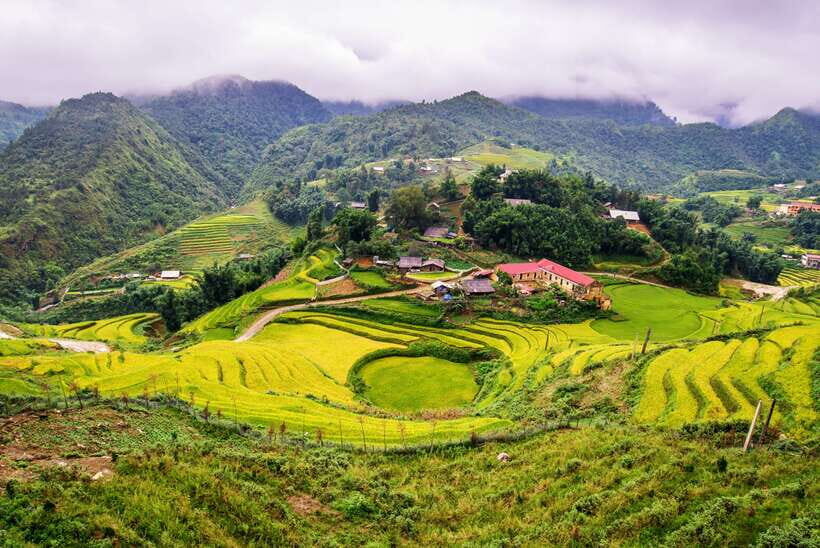
- Village treks with recognizable names: Cat Cat, Lao Chai, and Ta Van are the core stops
- Guides who explain daily life: local insight from guides mentioned in real trips, including Chang, Mi, and Tai My
- A real second day of hiking: about 9–12 km with a 3.5-hour trek time, depending on ability
- Food included, with options: set menus for different diets, plus breakfast at the hotel
- Overnight in a scenic base: stay in a Sapa hotel like Charm Sapa (or a Ta Van homestay option)
Luxury limousine transfer from Hanoi: comfort that matters on this route
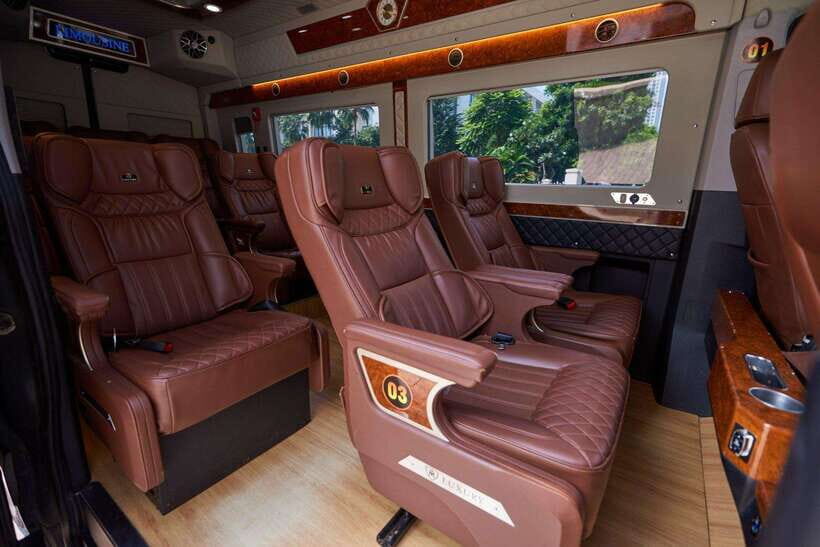
The best part of starting in Hanoi is that you don’t have to piece together transportation. You’re picked up in the Hanoi Old Quarter area (or you meet at 31 Lo Su, Hoan Kiem if you’re not at a hotel the bus can easily reach), then you ride to Sapa with air-conditioned comfort.
Sapa is far enough that the ride itself becomes part of the experience. You follow the expressway toward Lao Cai, with a stop for breakfast by yourself before reaching Sapa, so you’re not arriving hungry and frantic. Most guests like that the transport feels more comfortable than the typical scramble for buses or trains.
Still, be realistic. This is a long, winding road, and some people have noted driving style concerns on the highway. If you’re sensitive to motion, plan to bring water, stay hydrated, and keep expectations flexible. Also, English is not the strongest skill for the driver, so your communication will mainly run through the tour team and your local guide in Sapa.
You can also read our reviews of more tours and experiences in Hanoi


Day 1 in Sapa: Cat Cat village, waterfall views, and a short but steep reality check
Day 1 starts with a full travel-to-trekking transition, so you’ll feel both parts clearly: road travel and then mountain walking.
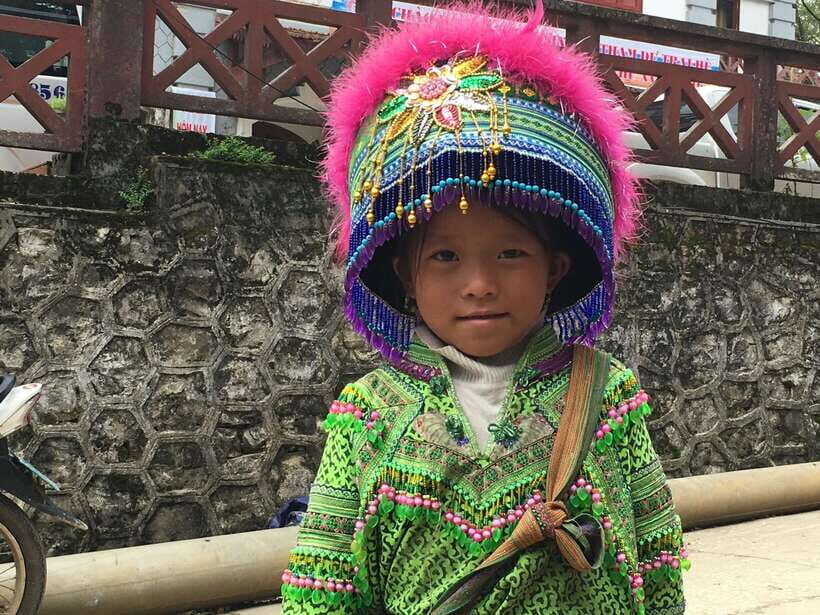
After lunch in Sapa, the tour heads to Cat Cat village, home of the Black H’mong community. Cat Cat sits near the bottom of a deep valley at the foot of Fansipan Peak, which is why the first hike feels like stepping into layered geography—up close, then suddenly downhill, then back up again. Your guide shares day-to-day life context, not just facts, and that’s where the trip becomes more than scenery.
The hike itself is around 3 kilometers and lasts about 2 hours. It’s described as a down-to-the-waterfall trek followed by a climb back uphill, with a stop at the waterfall area. There’s also an interesting piece of history here: the French built a hydraulic power station in this area, and you’ll see the legacy while you take photos near the waterfall.
Here’s the practical tip that I’d take seriously if you’re planning your packing: bring a second set of clothes if you get sweaty or wet. One guest flagged that the return climb can leave you muddy, and that advice is exactly the kind that saves you from being cold later.
After the Cat Cat walk, you return to Sapa Town for the evening. The rest of the day is yours, and that’s useful because Sapa can be chilly and fast-changing weather-wise, even when you think you’ll have time for extra shopping or a casual meal.
Your overnight base: hotel vs. homestay and what that changes

This tour gives you a choice: a hotel room or a homestay option in Ta Van. The listing mentions a deluxe room in a 2-, 3-, 4-, or 5-star hotel depending on your selected level, or a Ta Van homestay.
This matters because it changes the “feel” of the second day. A Sapa hotel base is convenient: breakfast is easy, luggage storage is straightforward, and you can reset quickly after trekking. On the other hand, homestay options can bring a more lived-in atmosphere and community interaction. One guest described an excellent homestay experience with big meals and even a soothing herbal bath, which is the sort of cultural softness you rarely get in a regular hotel stay.
The tradeoff is comfort consistency. Some guests praised the hotel location and food quality, while others mentioned issues like a run-down room or breakfast that wasn’t fully topped up. In real terms: if hotel standards are a top priority for you, choose your star level carefully and do what you always should—pack layers, and expect mountain weather to affect rooms.
Timing is another small detail that affects your day flow. Check-in in Sapa is at 13:30, and check-out is at 10:00. If you want to keep the room longer, there may be a room charge based on availability, so plan to travel light if you can.
Day 2: Lao Chai and Ta Van through rice terraces and stream paths
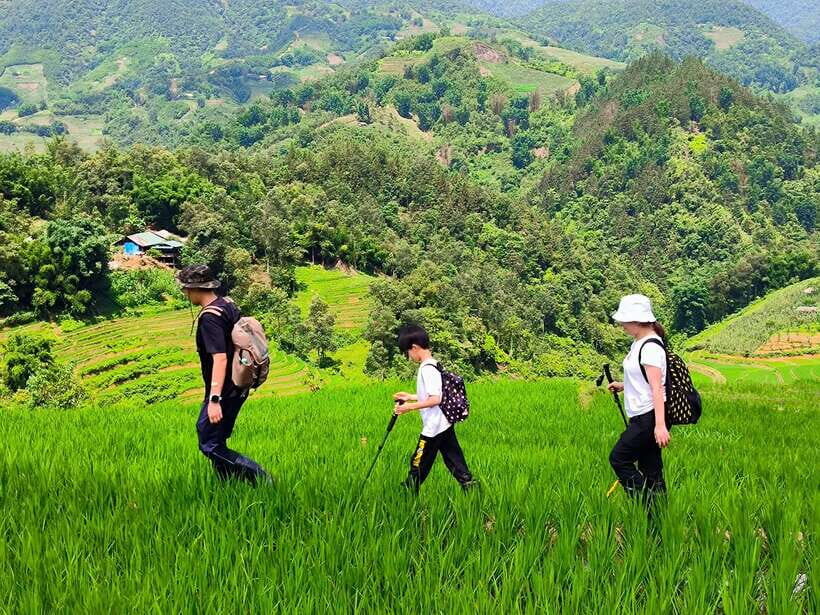
Day 2 begins with breakfast and time to prepare a light trekking pack. Your luggage can stay in storage at the reception, which is a big deal because it makes the morning less stressful. Then you head out for the longer trek.
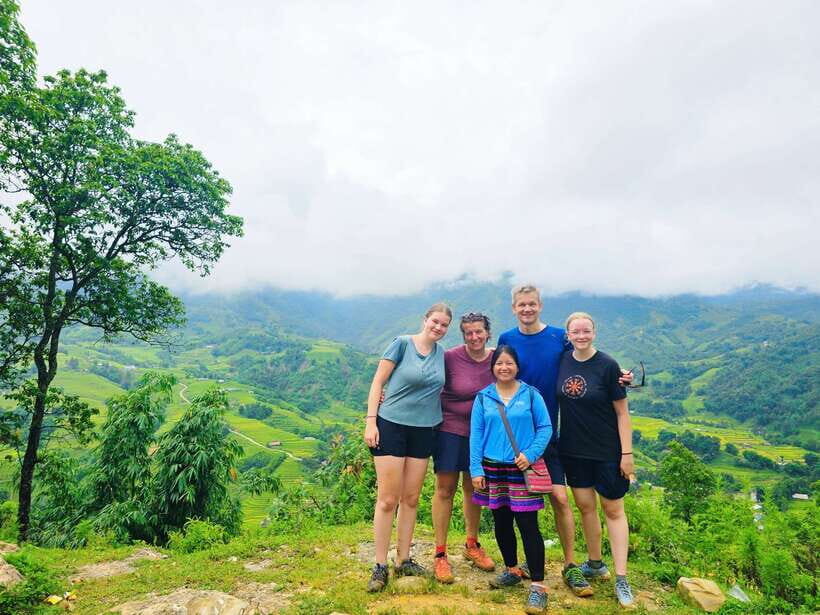
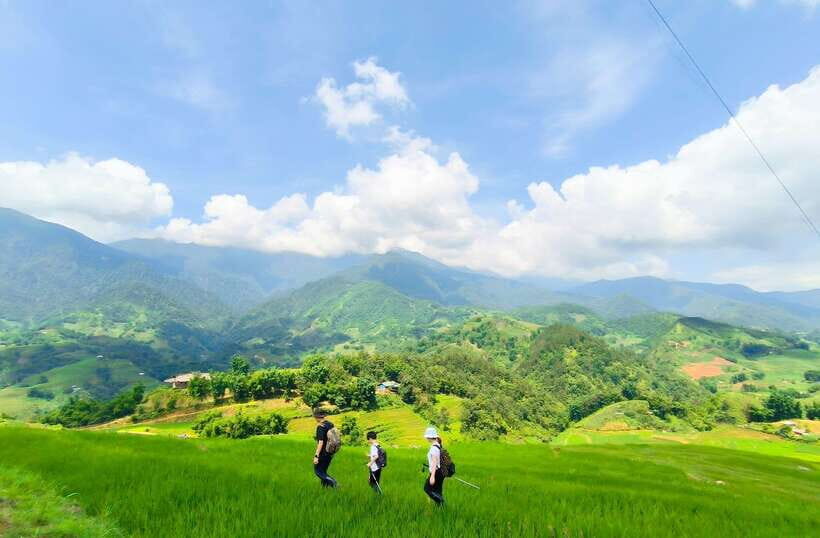
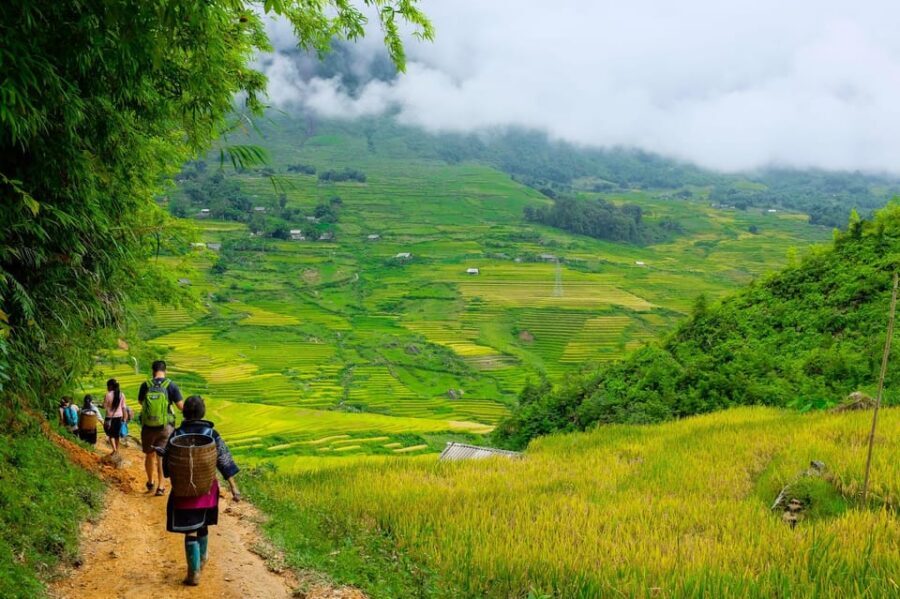
You’ll trek to Lao Chai through rice terraces and along Muong Hoa Streams. Lao Chai is associated with the Black H’mong community, and the route gives you that signature Sapa feeling of mountain valleys opening up as you walk. Along the way, you also get views connected to Hoang Lien Son Mountain, which is a major reason people take the trip even if they don’t care about villages.
Then the trek continues toward Ta Van village, which is associated with the Dzay People. The tour aims to keep your route fitting for your ability level, and it explicitly notes that your guide will design the best itinerary depending on trekking strength.
The walking time is around 3.5 hours and covers about 9–12 kilometers. That range is wide on purpose. If you’re moderately fit, you’ll likely be fine, but if you’re expecting an easy walk, it can surprise you. You’re also dealing with mountain weather and possible mud, so shoes matter more than you think.
At Ta Van Bridge, you’ll be picked up back toward Sapa, and then lunch happens at the hotel. You’ll likely have a window of your own time after that before heading back to Hanoi around 14:00.
One helpful detail: if you don’t want the long day-2 trek, the tour leader can help you visit another location. But you should know that you’d be responsible for any additional ticket or transportation costs, so the shortcut isn’t automatically free.
Meals and the real question: is the food worth it?
Included meals are one of the reasons this tour feels easier to book than building it yourself. You get 2 lunches and 1 breakfast, with lunch meals handled via vouchers that can be flexible for your timing.
The set-menu structure is clear, and it’s consistent with what you’d want after a hike: soups, stir-fries, rice, and seasonal fruit. Example menus include:
- Pumpkin soup, sautéed chicken with mushrooms, Sapa salad, vegetables, steamed rice, fresh fruit
- Tomato soup, marinated sizzling beef on an iron plate, deep-fried spring rolls, vegetables, steamed rice, fresh fruit
- Vegetable soup, sweet-and-sour pork stir-fry, French fries, vegetables, steamed rice, fresh fruit
There are also vegan menu options with tofu-based dishes and similar sides. That said, one guest did report confusion with lunch vouchers, where they received only one set of food instead of enough for two people. That’s not the norm in most tours, but it’s a reminder to double-check vouchers at the restaurant.
In practical terms, these meals help you avoid the worst part of trekking logistics: showing up hungry and then waiting while you find a place that can handle your timeline. If you’re doing day hikes in Sapa, that kind of time-saving is real value.
You can also read our reviews of more hiking tours in Hanoi




Scenery, timing, and altitude: how to pace yourself
Sapa’s altitude and cool climate can be noticeable if you’re coming from warmer lowlands. Even when the weather looks good, you can feel the difference in breathing and energy. One guest advice that matches what this region demands: bring warm layers, expect cold evenings, and don’t treat the morning like it’s the same as a city day.
Timing-wise, the tour is built around getting you walking at the right part of the day. Day 1 includes a shorter trek so you can still enjoy Sapa Town at night. Day 2 is longer, but the pickup at Ta Van Bridge and the included lunch keep you from turning it into a full all-day endurance slog.
Weather can also shift quickly. One guest noted they had sun and got a clear view of the valley, while others experienced fog or clouds. Either way, you’ll still get the experience of rice terraces and valley paths—the visibility just changes how dramatic it looks.
Who this tour is best for (and who should skip it)
This is a good fit if you want a guided trek without having to manage every detail. You’ll like it if you enjoy walking with structure, seeing iconic villages (Cat Cat, Lao Chai, Ta Van), and learning from local guides who can explain what daily life looks like in the region.
It’s also a strong match for people who hate the idea of planning transport. The limousine-style transfer and included meals remove most of the stress.
But it’s not for everyone. The tour data flags that it’s not suitable for:
- Pregnant women
- People with back problems
- Wheelchair users
- Children under 6
It also notes that elders should know the 9–12 kilometer trek can be challenging.
If you’re sensitive to long highway travel, consider that too. Even when the ride is comfortable, you’re still spending hours on the road each way. I’d treat the transport as a plus, but not as a magic cure for fatigue.
Finally, if you want total freedom to wander on your own terms, this is still a schedule-based tour. It gives you leisure time in Sapa Town, but your trekking days are guided and timed.
Booking call: should you book this Hanoi-to-Sapa 2-day trek?

If you want a smooth, guided introduction to Sapa with iconic village stops, I think this tour is a solid booking choice—especially for the value of getting transport, guide support, entry tickets, and meals bundled together.
Book it if:
- You like a structured plan and want the treks to be guided
- You care about comfort on the Hanoi–Sapa ride
- You’re comfortable doing a longer day-2 trek (9–12 km)
- You want the flexibility of hotel vs. homestay style options
Consider skipping or switching if:
- You’re not confident with a long hike through uneven, possibly muddy terrain
- You need very consistent hotel standards and can’t handle any chance of room-condition variation
- You’re looking for a fully easy day with minimal physical effort
FAQ
How much does the 2-day Sapa trek tour cost?
It costs $189 per person.
How long is the tour and where does it start?
The tour runs for 2 days and starts with pickup from the Hanoi Old Quarter area.
What does the tour include?
It includes roundtrip air-conditioned limousine transport, a local English-speaking guide in Sapa, 2 lunches and 1 breakfast, entry tickets to indicated sites, and an overnight stay in a hotel room or a Ta Van homestay depending on the option you select.
What treks will I do during the two days?
Day 1 includes a short trek to Cat Cat village and down toward a waterfall area (about 3 km). Day 2 includes a longer trek from Lao Chai through rice terraces and streams to Ta Van (about 9–12 km, around 3.5 hours).
If I do not want the long trek on day 2, what happens?
Your tour leader can help you visit another location, but you are responsible for any ticket and transportation costs for the alternative.
What should I pack for Sapa?
Bring a passport or ID card, comfortable shoes, sunglasses, a sun hat, and rain gear.


More VIP Experiences in Hanoi



More Tours in Hanoi
- Ninh Binh Full-Day Tour from Hanoi to Hoa Lu, Tam Coc & Mua Cave Via Boat & Bike
★ 5.0 · 4,384 reviews