REVIEW · SA PA
From Hanoi: 2-Day 2-Night Sapa Tour by Overnight Train
Book on GetYourGuide →Operated by Crossing Vietnam Tour · Bookable on GetYourGuide
Sapa by train hits different. You get the big-mountain feel of northern Vietnam, then walk into village life with an English-speaking guide. What I like most is the mix of an overnight train (a real experience, not just a transfer) and two trek days aimed at the ethnic minority communities around Sapa, including Sin Chai, Lao Chai, and Ta Van.
One thing to consider: the hiking is active and can be muddy and slippery, and the overnight train sleep quality can vary because the train is shared and can be noisy.
You’ll also get built-in time for Sapa’s town sights like the market and the old cathedral, plus meals planned for you. Guides like Sung, Ai, and Zua (different groups get different guides) are a big part of why this trip works: they explain what you’re seeing and help you read daily life in the villages.
A possible drawback is coordination and comfort can be uneven sometimes, so you’ll want to stay flexible if a pickup or vehicle timing runs late.
In This Review
- Key things that make this Sapa tour worth your time
- A Quick Reality Check: This Isn’t a Sit-and-See Sapa Day
- Day 0: Hanoi to Lao Cai Overnight Train (The Start of the Adventure)
- Day 1 Morning in Sapa: Transfer, Check-In, then Sin Chai Trek
- Sapa Town Time: Market, Old Cathedral, and Night Snacks
- Day 2: Down the Muong Hoa Valley to Y Linh Ho, Lao Chai, and Ta Van
- The Cultural Thread: Ethnic Minority Villages and What Your Guide Points Out
- Trekking Expectations: Shoes, Mud, and the Vendor Reality
- Comfort and Meals: Hotel Night, Warm Layers, and What’s Included
- Price and Value: When $168 Feels Fair (and When It Might Not)
- Who This Tour Fits Best
- Should You Book This Sapa Tour?
- FAQ
- What’s included in the price?
- How long is the tour?
- What time does the train leave from Hanoi?
- Do I get time to explore Sapa on my own?
- What’s the return timing to Hanoi?
- Is early check-in included at the Sapa hotel?
- What should I bring for the trek?
- Is this tour suitable for people with mobility issues or pregnancy?
- Can I cancel for a full refund?
Key things that make this Sapa tour worth your time
- Overnight train from Hanoi to Lao Cai so you save daylight and get mountain views in the morning
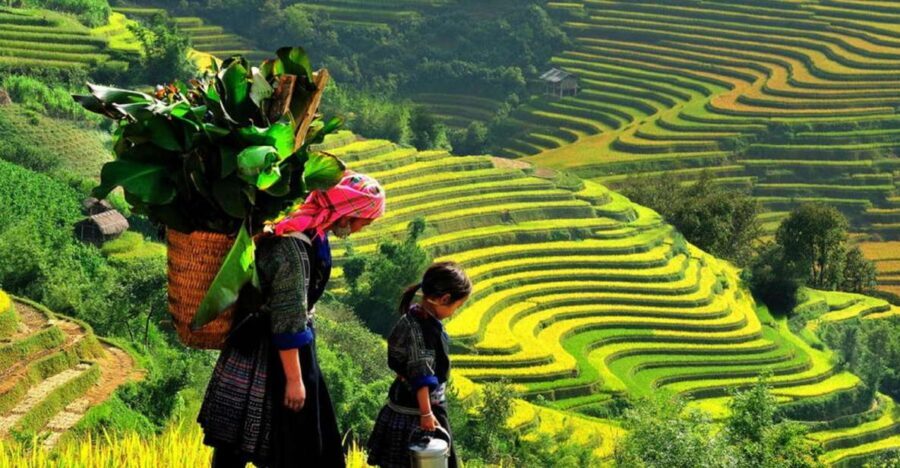
- Village-focused treks to Sin Chai plus Y Linh Ho, Lao Chai, and Ta Van
- English-speaking guiding that explains how Black H’mong and Dzay communities live and work
- Planned meals and a 3-star hotel in Sapa, with options to rest during the free afternoon
- Practical “real Sapa” tips like bringing warm layers and being ready for muddy trails
A Quick Reality Check: This Isn’t a Sit-and-See Sapa Day
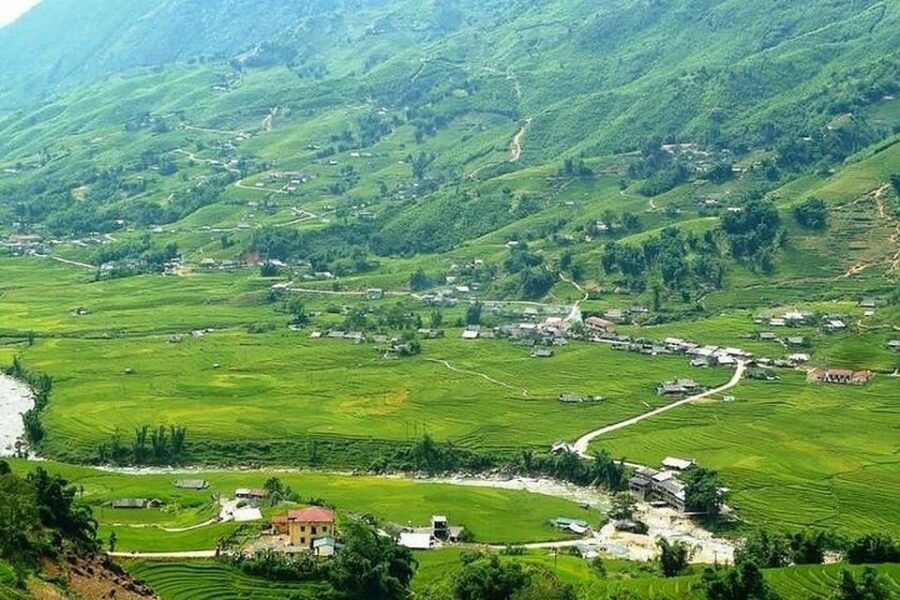
This tour is built around moving. You ride overnight from Hanoi to Lao Cai, then you’re trekking into village areas across two days. That means you’re not just ticking off Sapa viewpoints. You’re walking down and across paths that locals use, through rice areas and farmland, with stops that help you understand daily life.
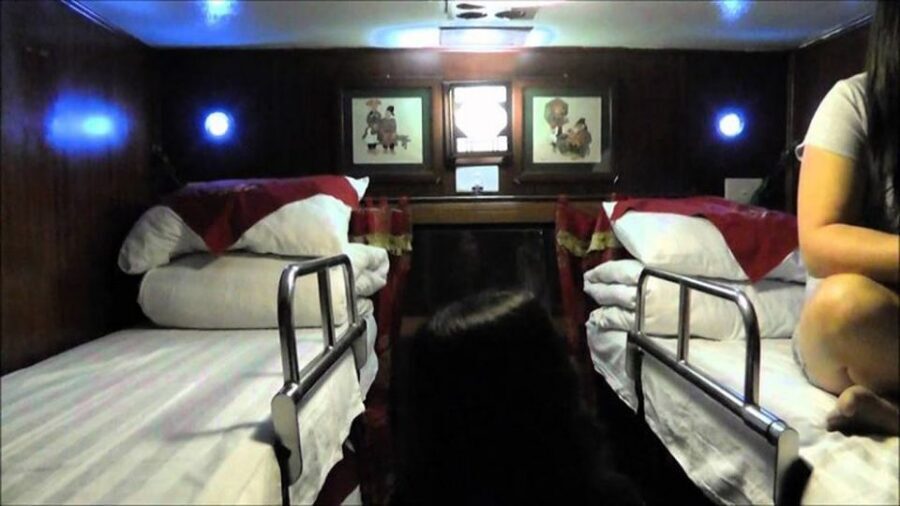
Price-wise, $168 per person can look steep until you break it down. You’re getting (1) shared air-conditioned 4-bed train cabin on the overnight route, (2) a 3-star hotel night in Sapa, (3) an English-speaking guide, (4) entrance fees, and (5) 2 breakfasts, 2 lunches, 1 dinner. For many people, the train + guiding + meals are what makes it feel like value, not just transportation.
You can also read our reviews of more evening experiences in Sa Pa

Day 0: Hanoi to Lao Cai Overnight Train (The Start of the Adventure)
Pick-up depends on where you’re staying in Hanoi. If your hotel is in the Old Quarter, staff will arrange a taxi around 9pm to the station. If you’re outside the Old Quarter, you’ll move to the meeting point and head to Hanoi Railway station at 120 Lê Duẩn before departure.
The train leaves at 10pm, and you arrive the next morning. You’ll be in a shared air-conditioned cabin with four people (a 4-bed arrangement), and the ride is designed for overnighters rather than daytime comfort.
Here’s the practical part: sleep may not be perfect. Some people find the train noisy or notice stopping patterns. If you’re a light sleeper, pack earplugs and keep your expectations realistic. On the upside, you do get the novelty of train travel in northern Vietnam, and you can wake up already “in the mountains” mindset.
Also pay attention to luggage. If you don’t want to drag it onto the train and then into town again, it’s often easiest to leave extra bags at your hotel or the tour operator’s office after you reach Sapa.
Day 1 Morning in Sapa: Transfer, Check-In, then Sin Chai Trek

You’ll get to Lao Cai station early, and then head to Sapa by shared minivan. Breakfast comes first after you transfer and drop off luggage. Your hotel room is usually ready at 2pm, though early check-in may cost extra. If you want to hike feeling human, early check-in is one of the simplest upgrades to consider, because you’ll likely want a hot shower and time to settle before the trekking day.
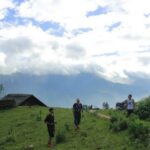
After breakfast, the main trek of Day 1 is to Sin Chai village, associated with the Black H’mong. The walk starts from Sapa and goes down toward the southwest side, about 4km on foot (direction and distance can vary a bit depending on conditions and your route that day).
Sin Chai tends to feel simple and rustic, more “highland village life” than “show village.” You’ll spend time around the village setting and the surrounding areas, guided with cultural context about how people live and work here.
After the trek, you return for lunch at the hotel restaurant. Then you get the afternoon and evening for yourself. That free time matters. It gives you a chance to warm up, rest your legs, and see Sapa without the pressure of a tight schedule.
Sapa Town Time: Market, Old Cathedral, and Night Snacks
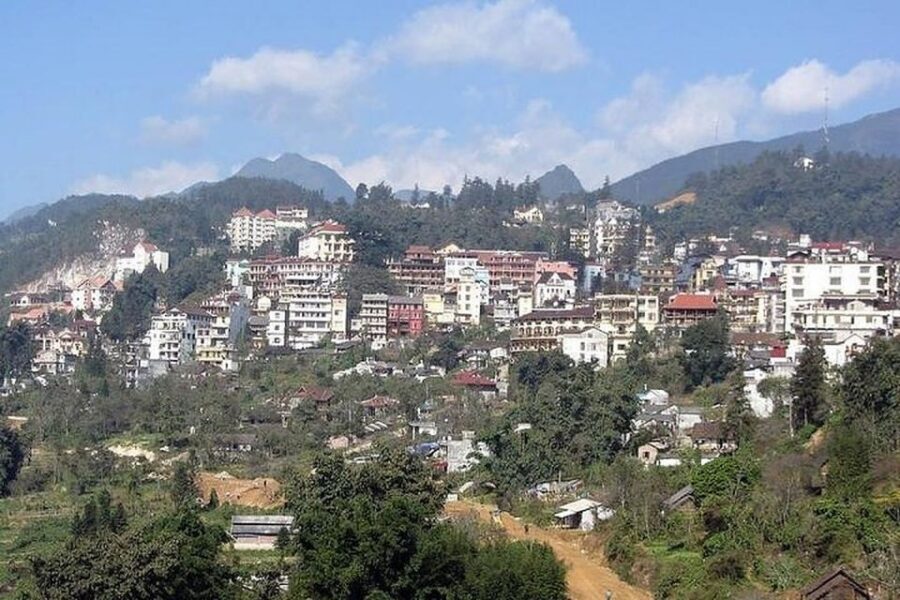
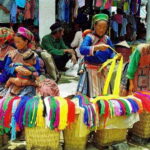
This tour is designed to include some of Sapa’s core town sights, including the market and the old cathedral. Even if you’ve already seen northern Vietnam markets elsewhere, the Sapa market is worth your attention because it’s tied to the rhythms of ethnic minority communities and the way people sell everyday items.
In the evening, you can explore Sapa by night. A lot of people end up browsing small shops or just sitting with a snack. Common comfort food during this kind of outing includes things like roasted corn and baked eggs by a charcoal fire.
A big tip: dress for weather swings. Even when daytime looks manageable, mornings and evenings can feel cold fast up in the hills. If you’re traveling around December, plan for layers.
Day 2: Down the Muong Hoa Valley to Y Linh Ho, Lao Chai, and Ta Van
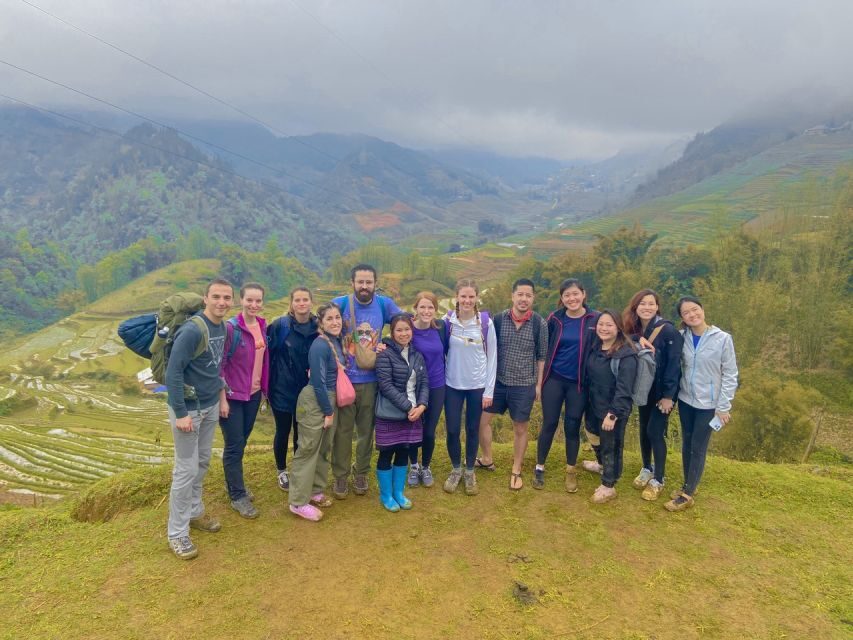
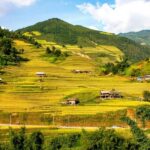
Day 2 is the long one. You start with breakfast and then trek along the side of the Muong Hoa Valley. The route begins with Y Linh Ho Village (Black H’mong), then continues toward Lao Chai (also H’mong), and finishes with Ta Van Village (Dzay).
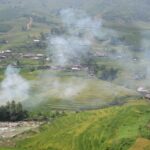
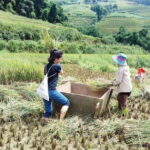
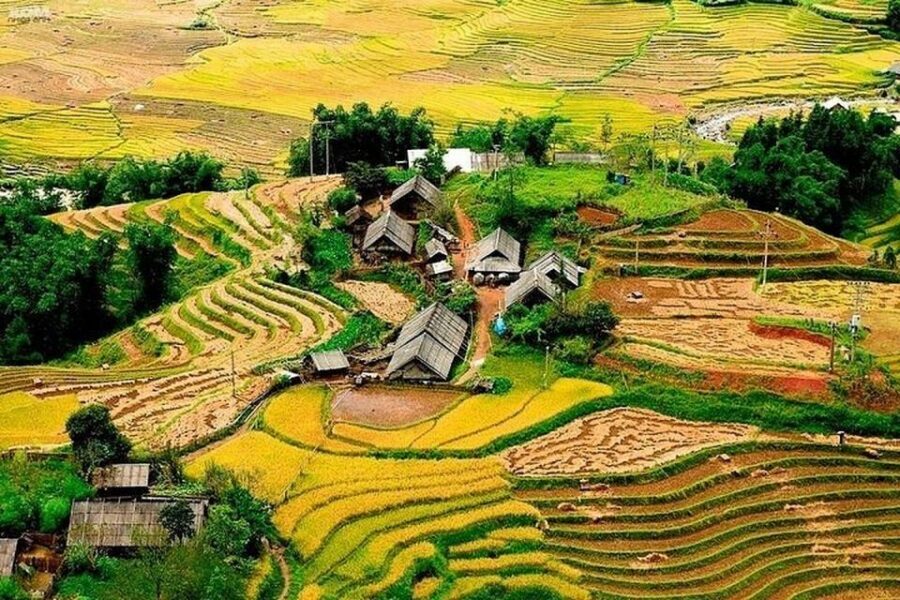
This is the day where the walking feels more “real” and less like a short stroll. You’ll be going through working farmland areas and terraced rice fields. The trail format can mean a steady descent or a sequence of up-and-down sections, and your footing matters.
In wetter months, trails can get muddy. Some guides explicitly encourage gum boots if rain is involved. I treat that advice as serious. If your route gets slick, gum boots can keep you upright and smiling.
At around 2pm, it’s time to pack and end the trek portion of the tour. You then ride back to Hanoi by limousine, with drop-off at your Hanoi hotel around 8–9pm. Yes, it’s a long ride, but the payoff is that you’ve already done the walking before you’re stuck on the road.
You can also read our reviews of more tours and experiences in Sa Pa




The Cultural Thread: Ethnic Minority Villages and What Your Guide Points Out

The heart of this itinerary is culture on foot. You’re not only “seeing villages.” You’re meeting guided explanations tied to the communities in the region.
The trekking focuses on Black H’mong and Dzay villages:
- Sin Chai: Black H’mong, more rustic village feel
- Y Linh Ho: Black H’mong, on the route down the valley
- Lao Chai: H’mong, terraced fields and farmland views
- Ta Van: Dzay, with a different village character and daily practices
Guides often bring stories that make place names feel personal. Different groups report strong experiences with guides such as Sung, Ai, and Zua, who were praised for clear communication and practical help during the trek. That matters because it changes the vibe from a photo stop into an actual walking lesson.
Trekking Expectations: Shoes, Mud, and the Vendor Reality
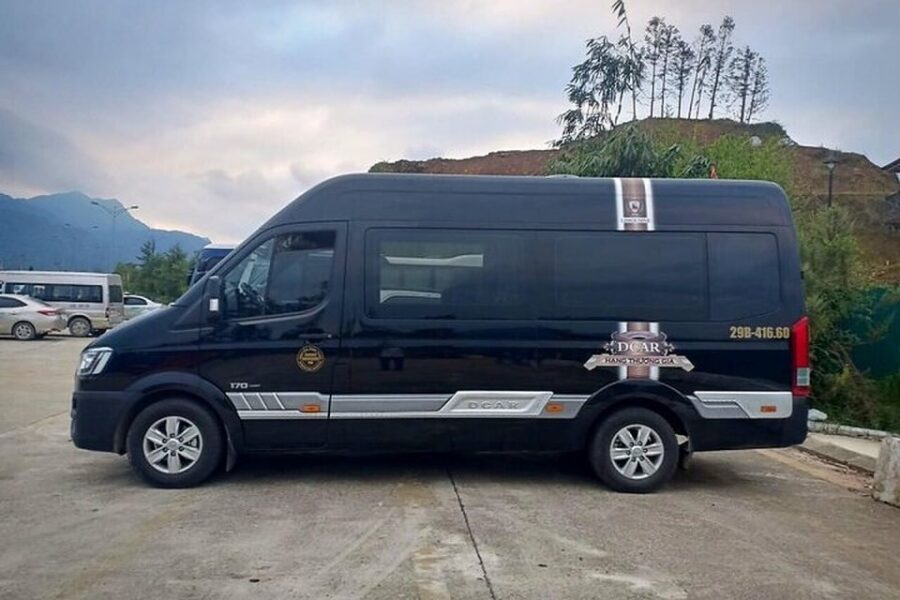
This trek isn’t a casual walk. You should expect uneven ground, descents, and stretches where a good shoe makes the difference between smooth and stressful. Reviews repeatedly flag footwear: wear shoes with grip, and if rain hits, be ready for mud.
One more reality check: you may encounter local ethnic people who try to accompany you along parts of the route to sell items or ask for money. The tour guidance is direct: ignore offers that feel like pressure and stick with your guide. In Sapa, this issue is known, and it’s best to keep your attention on your group and your planned route.
Also, be ready to be asked about money or purchases. If you want to be respectful, you can browse at your own pace, but don’t let it derail the walking plan.
Comfort and Meals: Hotel Night, Warm Layers, and What’s Included
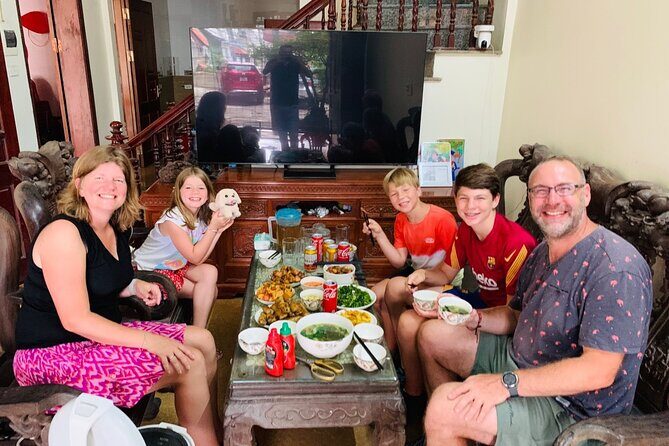
This trip includes one night in a 3-star hotel in Sapa, plus a set menu of meals: 2 breakfasts, 2 lunches, 1 dinner. In general, people describe the food as tasty, and the meals remove one big travel stressor: you don’t have to figure out what’s open and safe to eat between treks.
Comfort can vary by room and by season. Some people found the hotel rooms and facilities good, and noted heating during cold travel periods. At the same time, some report that the reception and dining areas can feel chilly, so it’s smart to bring a layer you can wear indoors too.
For the train and the first morning in Sapa, keep your bag strategy simple:
- Carry a small day bag with water, a layer, and essentials
- Plan to leave extra luggage in the right place once you check in
- Bring a warm layer for the early transfer and trek start
Price and Value: When $168 Feels Fair (and When It Might Not)
Is this worth it? For many travelers, yes, because you’re paying for the whole package:
- Overnight train (shared air-conditioned cabin)
- Hotel night in Sapa
- Meals across the two days
- Entrance fees and an English-speaking guide
- Organized transport between Hanoi, Lao Cai, and back
The value gets better if you’d otherwise struggle to coordinate all those parts yourself. Also, the overnight train saves you a full travel day and turns getting there into part of the experience.
Where it may feel less fair is if you’re very sensitive to noise on the train, or if you need high predictability around timing. Some trips run smoothly, but a few people reported delays or confusion in pickup/transport coordination. If you’re the type who hates even small uncertainty, you might feel it more.
Who This Tour Fits Best
You’ll likely love this if you:
- Want a trek-forward Sapa visit, not just town and cable cars
- Like learning about ethnic minority communities with an English-speaking guide
- Are comfortable with active hiking and flexible village routes
- Appreciate the bonus of an overnight train experience
You should think twice if you:
- Have limited mobility or require wheelchair access (this tour is not suitable for wheelchair users)
- Are pregnant, or have conditions that make higher-altitude walking and cold weather tough
- Need guaranteed quiet sleep on the train
And if you’re traveling with elders, it may still be possible to arrange alternatives, since at least one itinerary note shows the operator can be understanding about an elderly traveler’s trekking limits.
Should You Book This Sapa Tour?
Book it if you want the best version of Sapa that leans into village treks plus the overnight train, with meals and guidance handled. The cultural route through Sin Chai, Lao Chai, and Ta Van is the core payoff, and the train-to-trek pacing is a smart use of time.
Skip it or choose another option if you hate cold mornings, expect perfect sleeping conditions, or can’t handle muddy, uneven trails. Also plan for the vendor reality on trekking paths: keep your attention on your guide and the group.
FAQ
What’s included in the price?
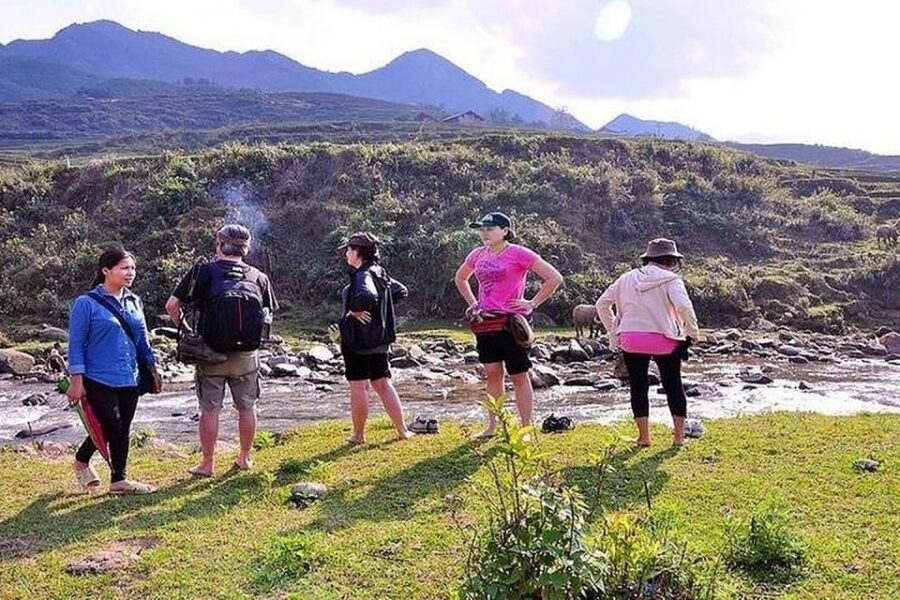
You get overnight train in a shared air-conditioned 4-bed cabin from Hanoi to Lao Cai, transfers between Lao Cai and Sapa, the return limousine to Hanoi, meals (2 breakfasts, 2 lunches, 1 dinner), sightseeing entrance fees, an English-speaking guide, and one night in a 3-star hotel.
How long is the tour?
It runs about 2.5 days, going from the overnight departure from Hanoi to arriving back in Hanoi in the evening on day 2.
What time does the train leave from Hanoi?
The train leaves Hanoi at 10pm.
Do I get time to explore Sapa on my own?
Yes. After the first trekking day and lunch, you’ll have afternoon and evening free time to rest or self-explore, including opportunities to see the market and old cathedral during the overall program.
What’s the return timing to Hanoi?
You leave Sapa around 2:30pm by limousine and arrive in Hanoi around 8–9pm.
Is early check-in included at the Sapa hotel?
Hotel check-in is typically at 2pm. Early check-in may be available for an additional fee.
What should I bring for the trek?
Bring a passport or ID card, and pack warm clothes and good footwear. If it’s rainy, be ready for muddy conditions and possible gum boot advice from your guide.
Is this tour suitable for people with mobility issues or pregnancy?
No. It is not suitable for wheelchair users, people with mobility impairments, or pregnant women.
Can I cancel for a full refund?
Yes, you can cancel up to 24 hours in advance for a full refund.