REVIEW · SA PA
2 Night Lao Chai-Ta Van Homestay- Trekking & Fansipan Visit
Book on GetYourGuide →Operated by Go Asia Travel · Bookable on GetYourGuide
Sapa turns human when you sleep in it. This 2-night experience links two different ethnic villages with trekking through the Muong Hoa valley, plus an optional trip up Fansipan by cable car. What makes it especially appealing is the rhythm: bus in, countryside trek out, and real meals in real homes.
I really like the chance to stay in Lao Chai San and Ta Van—Black Hmong village life one night, then a different local culture the next. I also love how the days are built around actual terrain: rice terraces, the Muong Hoa Stream, suspension bridges, and the kind of walking that slows you down just enough to notice details. One possible drawback: this is not a gentle stroll. It’s a long trek with fairly demanding timing, and drinks (and often water) may not be included—so pack smart and don’t count on an easy day.
In This Review
- Key Things I’d Plan Around
- From Hanoi by Limousine: The Start That Actually Helps
- Day 1: Y Linh Ho to Lao Chai San and That Suspension Bridge Moment
- Day 2: Muong Hoa Valley Trek to Ta Van (Picnic Lunch, Stream Time)
- Day 3: Bamboo Forest Walk, Giang Ta Chai Viewpoints, and the Final Bridge
- Optional Fansipan Cable Car: When It Makes Sense
- Homestay Reality Check: Single Mattresses, Real Food, and What to Pack
- Price and Value: How $110 Adds Up (and Where Extras Happen)
- Who This Trek Fits Best (and Who Should Rethink It)
- Should You Book This 2-Night Lao Chai–Ta Van Trek?
- FAQ
- What’s included in the $110 price?
- Are the homestays private rooms?
- Is Fansipan included?
- How long is the overall trip?
- Is the trek suitable for everyone?
- What should I bring, and are there any restrictions?
Key Things I’d Plan Around
- Two homestays, two ethnic cultures: Black Hmong in Lao Chai San, then a different community in Ta Van.
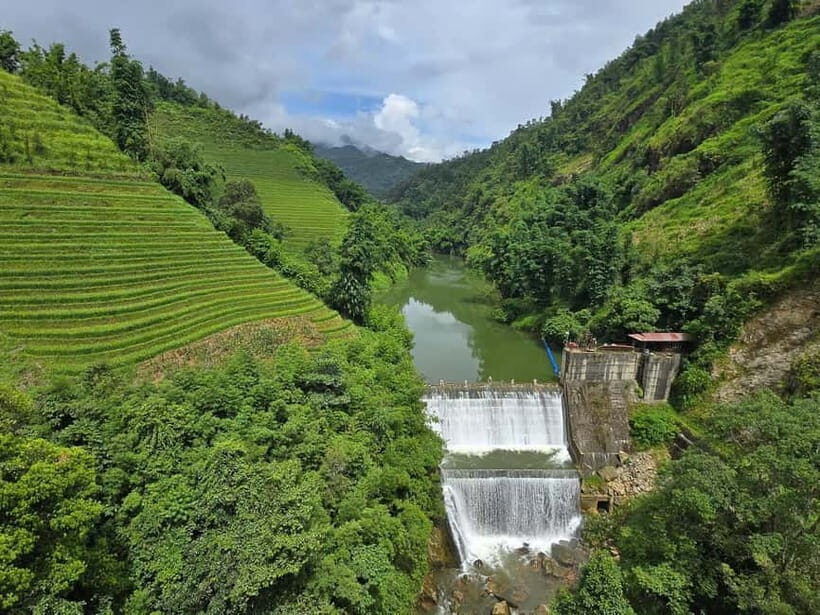
- Muong Hoa valley trekking: terraces, stream crossings, suspension bridges, and big views.
- Meals are a core part of the trip: lunch, dinner, and breakfast are all included across the three days.
- An English-speaking guide with real local answers (including guide Soa, who’s known for explaining daily life clearly).
- Fansipan is optional: you pay extra for the cable car, and it changes your day’s pace.
From Hanoi by Limousine: The Start That Actually Helps
The trip begins with a morning jump on a limousine bus from Hanoi to Sapa, with pick-up at 204 Tran Quang Khai. The drive takes about 5.5 hours, and you get a few short breaks along the way to reset. If you’ve ever tried to “figure it out” on your own, this part is worth it. It’s one less headache before you hit mountain walking.
You also get complimentary water on the bus and an English-speaking guide. That matters more than it sounds. Once you arrive and start moving from village to village, having someone who can explain what you’re seeing keeps the trek from turning into just photos.
Plan for the timing. You’re not wandering Sapa at dawn. You’re arriving around 13:00, then going straight into a meal and trek flow. In other words: you’re trading casual sightseeing for a countryside-focused trip.
You can also read our reviews of more evening experiences in Sa Pa
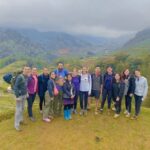
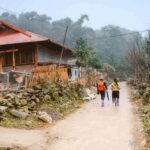
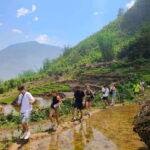
Day 1: Y Linh Ho to Lao Chai San and That Suspension Bridge Moment
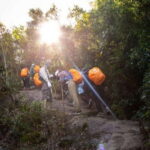
After lunch in Sapa (around 14:30), you set off on the long trek from Y Linh Ho to Lao Chai San village, a Black Hmong community. This is your “get your legs ready” day—long enough that you’ll feel it, but broken up by scenery and stops.
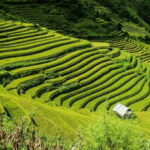
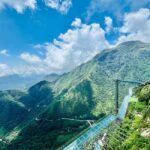
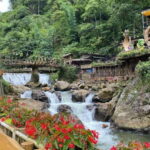
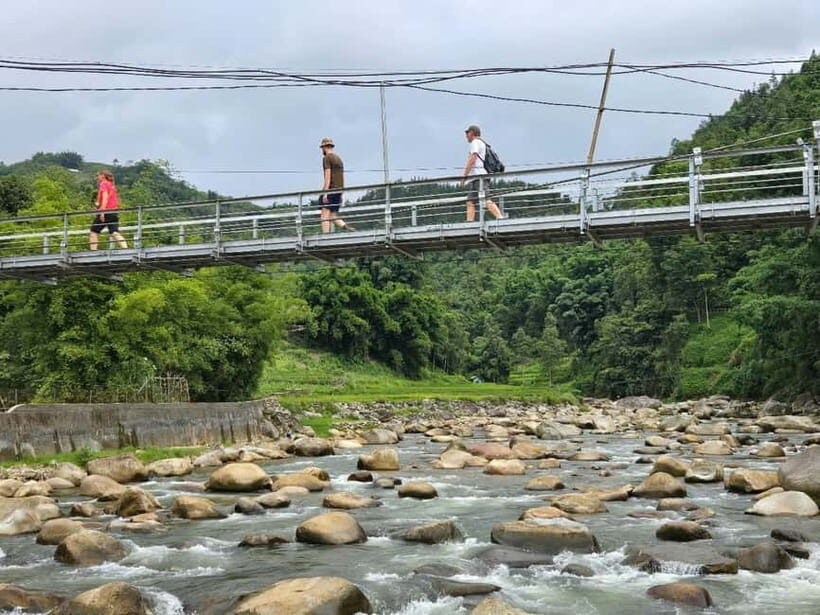
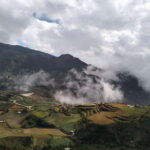
What I like most here is the mix of terrain. You pass rice terraces and follow the Muong Hoa Stream, so you’re not just walking on one flat thing. You’ll also reach a suspension bridge with a waterfall nearby—one of those spots where the valley suddenly looks wider and louder.
Then comes the climb. The trek ends with you going up to the hill to check into the homestay. That last stretch makes the arrival feel earned, and it also helps you adjust to mountain altitude and airflow before nightfall.
That evening, you’ll have dinner with the host, and you can join in with cooking if you want. Even if you’re not a kitchen person, this is one of the best cultural shortcuts on the whole trip: you learn through food, not just explanations. After that, it’s a quiet mountain night—exactly what the schedule is trying to give you.
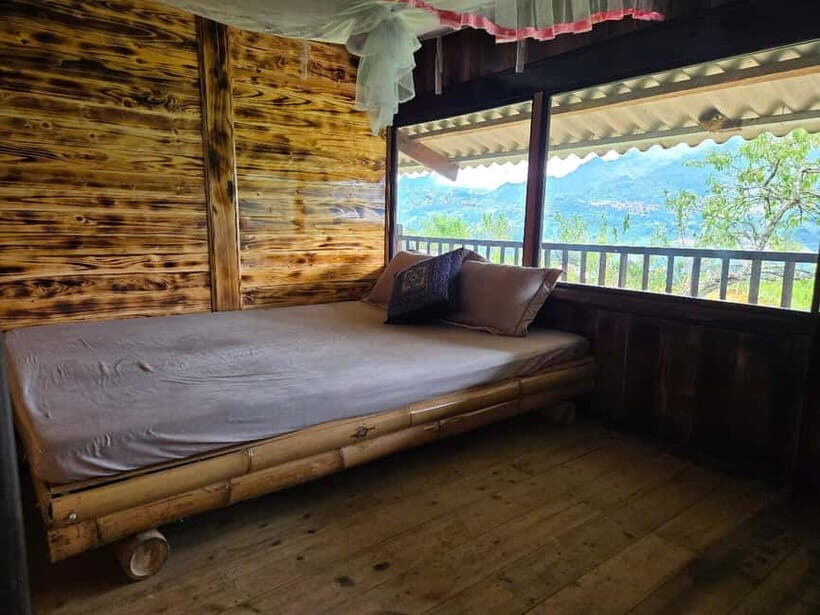
Practical note: you’re sleeping in a single mattress setup in the homestay, not a private hotel room. It’s part of the deal, but you should go in expecting that mountain simplicity.
Day 2: Muong Hoa Valley Trek to Ta Van (Picnic Lunch, Stream Time)
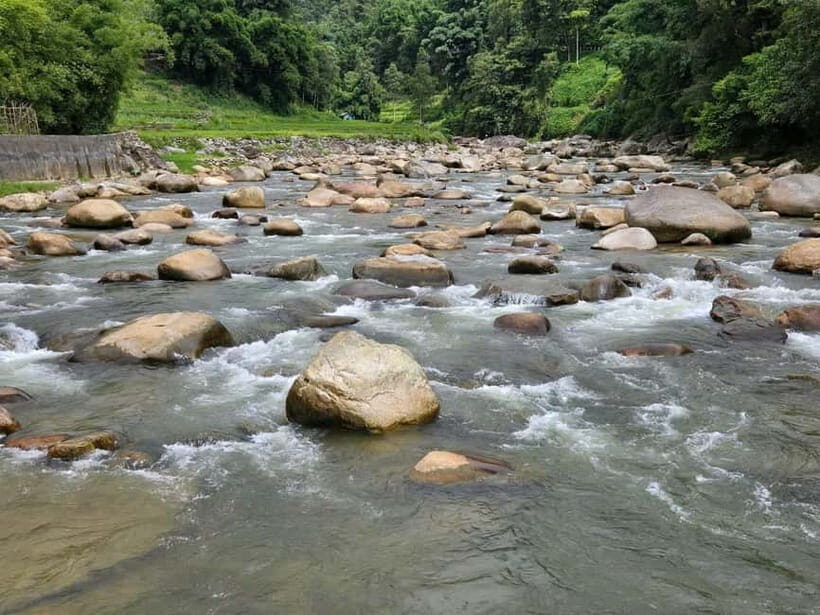
Day 2 starts with an early breakfast, including pancakes with honey and fruit. It’s a small detail, but it sets the tone: you’re eating fuel for the walking day, not “breakfast when it feels like it.”
Then your guide takes you through spectacular Muong Hoa scenery—again: stream, terrace fields, and opportunities to meet local people. The key here is that the trek is designed for more than distance. You’re moving through a working valley, and the guide’s job is to turn what you see into something you understand.
You’ll stop for a picnic lunch prepared by your guide. This is one of those logistics wins that saves time and keeps you from hunting for food. By the time you arrive in Ta Van village (around 15:00), you’ve earned a real break.
After resting, you can swim in the stream nearby if conditions allow. I’d treat this as optional fun, not a must-do. Even when it’s hot, water trips can be unpredictable in the mountains. Still, it’s a great way to cool off and let the walking day fade.
You’ll then enjoy dinner cooked by the host in Ta Van. I like this structure because the evening isn’t empty time. You’re back in community life, with a meal that feels like it belongs to the place you’re standing in.
Day 3: Bamboo Forest Walk, Giang Ta Chai Viewpoints, and the Final Bridge
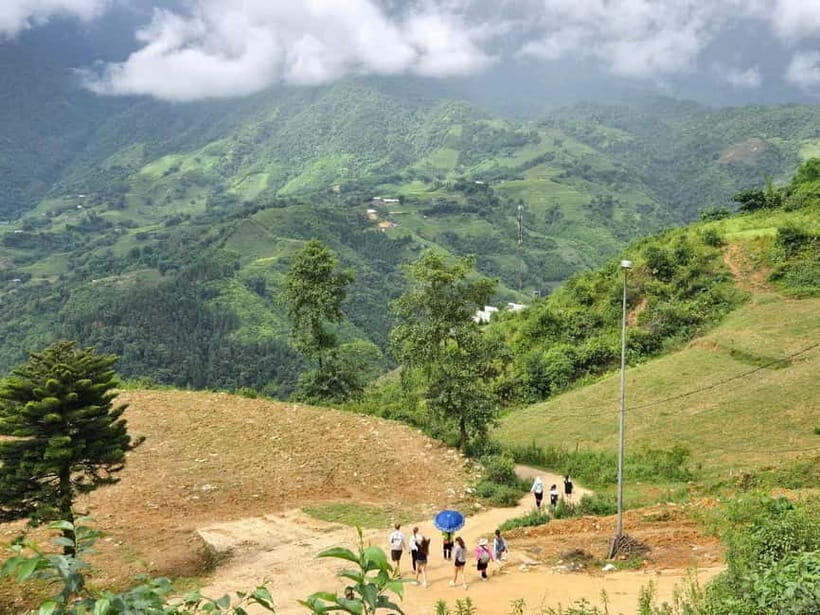
On the final day, breakfast is set at 7:30, prepared by the family before you head out again. This morning trek is through rice paddies and bamboo forest, which changes the feel from the first two days. It’s cooler, calmer, and often less about “big photo moments” and more about steady progress.
You’ll get a panoramic view of Giang Ta Chai village, then cross the Giang Ta Chai suspension bridge. This is your last big valley crossing—worth slowing down for, because it’s also where you can really see how the paths tie communities together.
After that, a bus takes you back to Sapa, where you get lunch and a shower before the return trip to Hanoi. You’ll be back around 21:00 at the original meeting point (204 Tran Quang Khai). From there, you’ll handle the final stretch to your hotel on your own.
If you like closure in your travel days, this one delivers. You finish with comfort after three days of movement and views.
Optional Fansipan Cable Car: When It Makes Sense
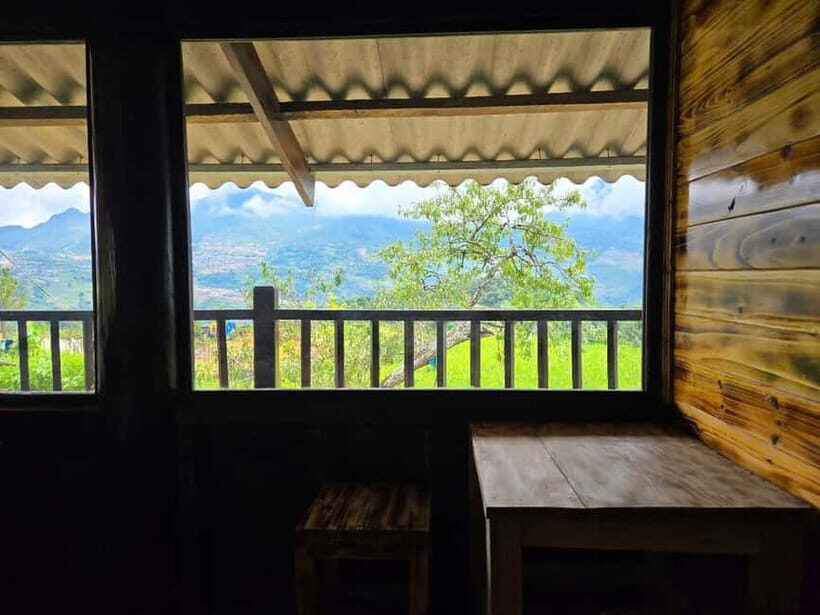
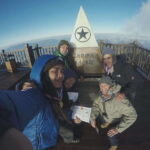
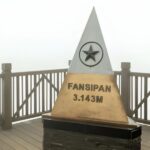
Fansipan is 3,143 meters, and the cable car option is available after breakfast in Ta Van. If you choose it, you’ll ride in a car with your guide to the Fansipan cable station, visit the summit area, then return to a restaurant for lunch.
A few important practical details:
- The cable car adds cost: 850,000 VND per person round trip.
- It reshapes your day. You’ll lose some of the “local trek pacing” and swap it for summit time and transport.
- You still get refresh breaks on the way back, but dinner is by yourself later on the Hanoi return.
Is it worth it? If weather is clear and you want a high, dramatic view in less time than hiking, it can be a good addition. If you prefer village life and long paths, you might decide to skip it and keep the trip focused on what’s already special here: homestays and the Muong Hoa valley.
You can also read our reviews of more hiking tours in Sa Pa

Homestay Reality Check: Single Mattresses, Real Food, and What to Pack
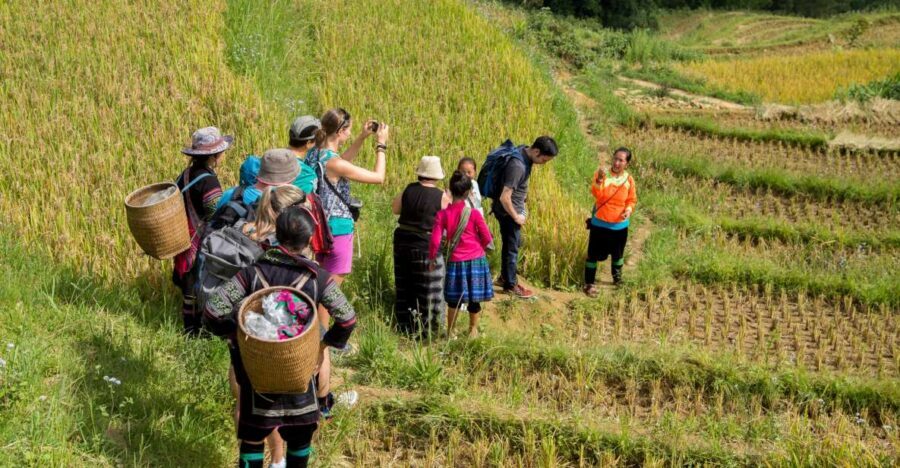
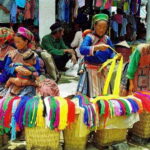
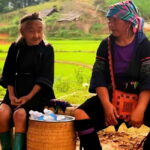
This is a homestay trek, so the comforts are simpler than a hotel. The included accommodation is on a single mattress, and you’re not getting a private room.
The upside is the food and the people. Meals are built into the schedule: 3 lunches, 2 dinners, and 2 breakfasts. You’ll eat one dinner with the Black Hmong host on Day 1, another dinner cooked by the Ta Van host on Day 2, and you’ll keep moving through breakfast and picnic lunch highlights that fit the walking rhythm.
About what you should bring:
- Warm layers (even when the day feels sunny)
- Scarf/hat/cap
- Comfortable trekking shoes
- Sunglasses and sun cream
- Insect repellent
- Passport or ID card
- And some spending money, for the personal stuff you’ll run into
One more thing: drinks aren’t included during the trip. Some people end up paying for water along the way, so I’d pack a small bottle you like and plan to buy more if needed. It’s the kind of small choice that prevents a grumpy moment later.
If you’re bringing a camera, bring extra patience too. These paths are full of small scenes: terraces, stream curves, bridge views, and daily life along the way.
Price and Value: How $110 Adds Up (and Where Extras Happen)
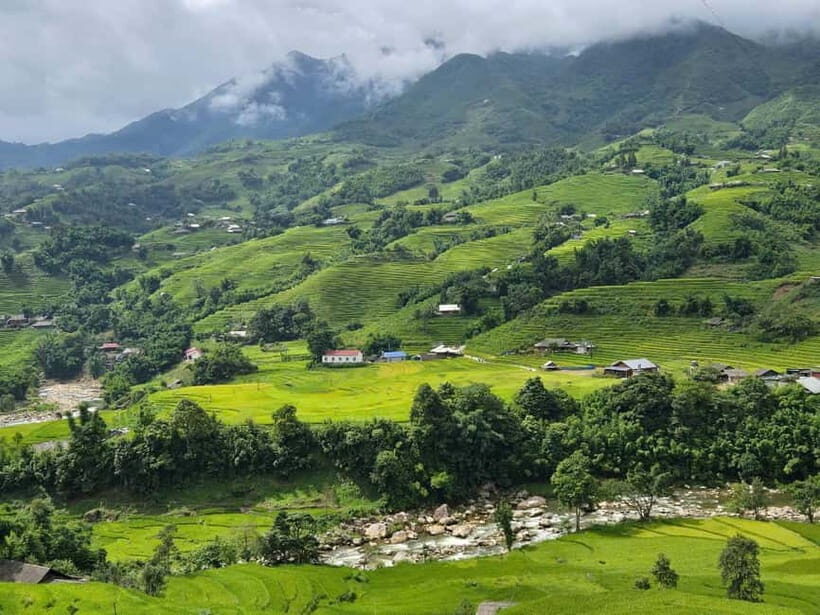
At $110 per person, this price is mostly about getting multiple things bundled:
- Round-trip limousine bus Hanoi–Sapa–Hanoi
- English-speaking guide support
- Transfers in Sapa
- All meals during the program (as listed across the three days)
- Entrance tickets
- Two nights in homestays
That’s real value compared to piecing it together one segment at a time—especially because the trek is the hard part to organize smoothly.
Then come the extras:
- Fansipan cable car costs 850,000 VND if you add it
- Holiday surcharges may apply on certain dates (paid directly to the guide)
- Tips and personal expenses aren’t included
Also, your expectations should match the accommodation. You’re not booking a private room. If you want a hotel-style bed, this trip won’t fully satisfy that. If you want a trekking + family-host experience where meals are part of the cultural exchange, it’s a solid deal.
Who This Trek Fits Best (and Who Should Rethink It)
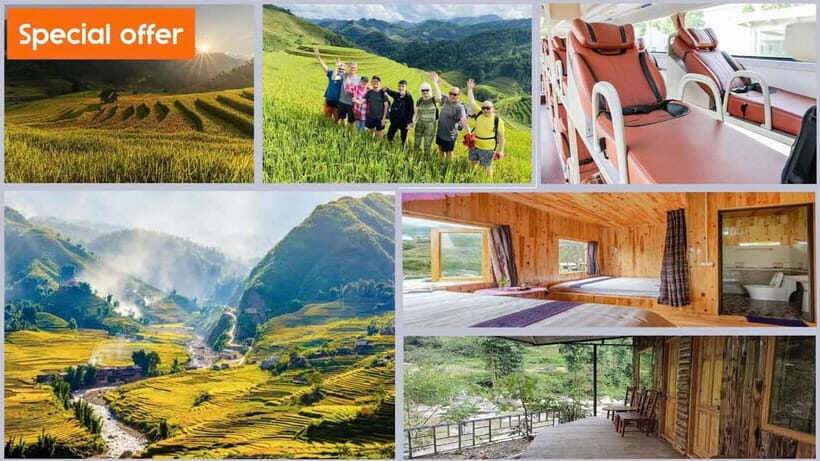
This experience is best for you if you:
- Enjoy walking in the countryside more than just sitting in transit
- Want genuine cultural time through food and village life
- Like guides who explain what you’re seeing (and in this case, guide Soa is known for being very helpful and clear)
It’s not ideal if you:
- Have low fitness or want a short, easy day
- Need wheelchair accessibility
- Expect a hotel comfort level at night
It also helps if you’re flexible about timing. The days are structured around trekking hours, meals, and transport. If your ideal Sapa trip is slow and leisurely, consider a different format.
Should You Book This 2-Night Lao Chai–Ta Van Trek?
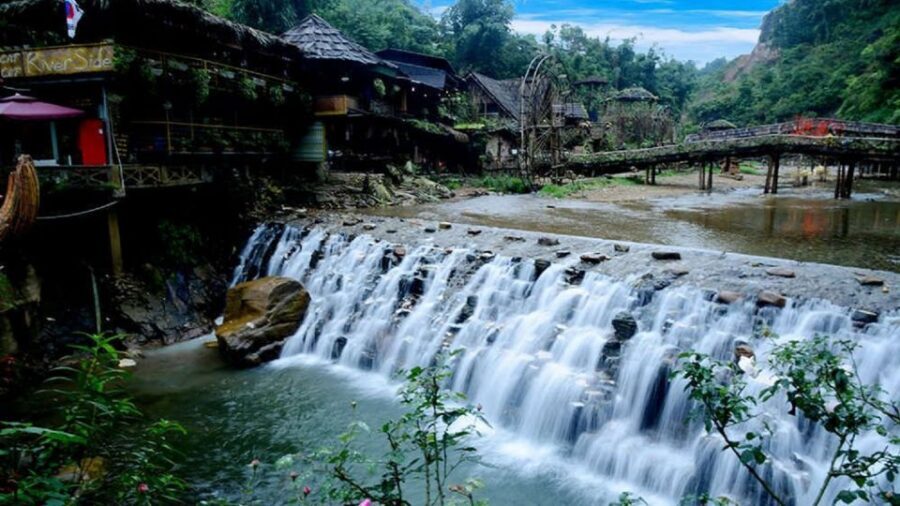
I think you should book if you want the Sapa countryside at human speed. Two homestays in Lao Chai San and Ta Van, plus trekking through the Muong Hoa valley and its suspension bridges, is a strong recipe for meaningful travel. The meal setup and local guidance reduce friction, so you can focus on the actual experience.
Skip or reconsider if you’re chasing maximum comfort, want a very relaxed schedule, or you don’t like long trekking days. And if you add Fansipan, do it on purpose, not by default—because it changes the tempo of your day.
If you’re comfortable packing warm layers and planning for drinks/water costs, this trip is a great value way to experience Sapa beyond the main town.
FAQ
What’s included in the $110 price?
The price includes round-trip limousine bus from Hanoi to Sapa and back, an English-speaking guide, transfers in Sapa, all entrance tickets, all meals listed across the three days (3 lunches, 2 dinners, 2 breakfasts), and accommodation for two nights in homestays with a single mattress.
Are the homestays private rooms?
No. The accommodation included is a single mattress at the homestay, and it doesn’t include a private room.
Is Fansipan included?
Fansipan by cable car is optional and is not included in the base price. The cable car round trip costs 850,000 VND per person.
How long is the overall trip?
It’s a 2-night program with travel between Hanoi and Sapa on both the first and last days. You’ll return to Hanoi around 21:00 on the final day.
Is the trek suitable for everyone?
It’s not suitable for wheelchair users and it’s not recommended for people with low fitness. The days include long treks through terraces, streams, and forest areas.
What should I bring, and are there any restrictions?
Bring a passport or ID card, comfortable trekking shoes, sunglasses, a sun hat, warm clothes/scarf, sun cream, and insect repellent. Pets are not allowed.