REVIEW · SA PA
SAPA: 2 DAYS Walking & 1 night at Homestay with LOCAL GUIDE
Book on GetYourGuide →Operated by Sa pa Rice Terraces View Homestay & Bar · Bookable on GetYourGuide
Two days in Sapa can feel like a whole world. I loved the Ham Rong Mountain viewpoint and the down-to-earth village time, not just walking for walking’s sake. The homestay stop at Giang Ta Chai Mong is a real highlight, but this is still a proper trek, with 6–8 hours on your feet and some uphill that won’t be for everyone.
What makes this tour click is that Zo (from the Black H’Mông community) keeps things human and flexible, and the group stays small, up to 10, with English guidance. The one drawback I’d flag is simple: if you’re not comfortable hiking for hours, the pace and steps can feel tough even with rest stops.
In This Review
- Key Things I’d Write on Your Map Before You Go
- Entering Sapa by Foot: What This 2 Days, 1 Night Tour Really Delivers
- Starting Point in Sa Pa: How Pickup Works and Why It Matters
- Day 1 to Ham Rong Mountain: The Big View Comes Early
- Black H’Mông Villages by Foot: Hang Da and Hau Thao in Real Time
- Giang Ta Chai Mong Homestay: Where the Trek Becomes a Story
- Day 2 Start: Red Dao Terraces, a Lake, and Bamboo Shade
- Getting Back to Sa Pa: The Car Pickup Saves Your Legs
- Pace, Fitness, and What the Walk Actually Feels Like
- Price and Value: Why $46 Can Make Sense Here
- What to Bring (So You Don’t Miss the Best Parts)
- Who Should Book This Trek and Who Should Skip
- Should You Book Zo’s 2-Day Sapa Walking & Homestay?
- FAQ
- How long is the trek?
- Where do you meet the guide in Sa Pa?
- What villages will I visit?
- Is there an English-speaking guide?
- What meals are included?
- Do I get a place to sleep for one night?
- What’s the difficulty level?
- How big is the group?
- What should I bring?
Key Things I’d Write on Your Map Before You Go
- Ham Rong (2,000m) views over the Muong Hoa Valley and Fansipan Peak
- Hang Da + Hau Thao Black H’Mông village walks with everyday scenes along the way
- Giang Ta Chai Mong homestay set among the rice terraces, with clean rooms and bathrooms
- Red Dao stop at Giang Ta Chai Dao, plus a quiet lake and photo-friendly terraces
- Bamboo forest to Ta Van, then onward to Lao Chai for more rice terraces and lunch
- Small group energy with the option to walk at your own pace (and easier or harder roads when available)
Entering Sapa by Foot: What This 2 Days, 1 Night Tour Really Delivers
This is the kind of Sapa trip that makes the region feel personal. You’re not bouncing between photo spots on a bus. Instead, you move through villages like you’re visiting a neighbor, with Zo guiding you along paths that make sense locally.
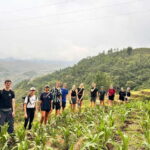
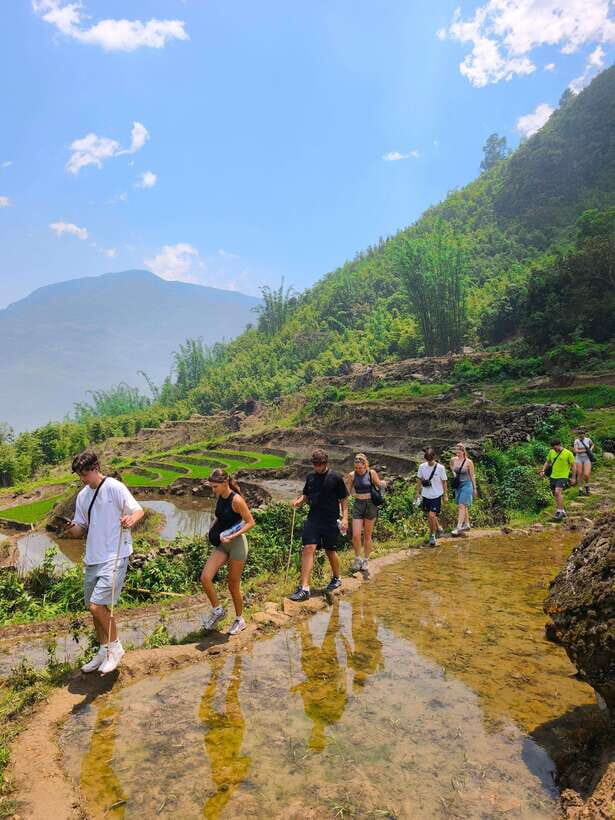
You’ll spend your first day trekking through Black H’Mông areas, reach a homestay in the afternoon, and then do a second day that mixes Red Dao village life, rice terraces, and a bamboo forest stretch before returning to Sa Pa town. Even the timing feels built for actual village interaction: you arrive before evening, eat with the family, then wake up to the valley before you start walking again.
Two things make it especially worth your time:
- The guide matters. Zo’s role is not just translating words, but explaining daily life and cultural details as you pass farms, homes, and paths.
- You get the night with the hosts. That overnight stay is what turns this from a hike into a lived experience.
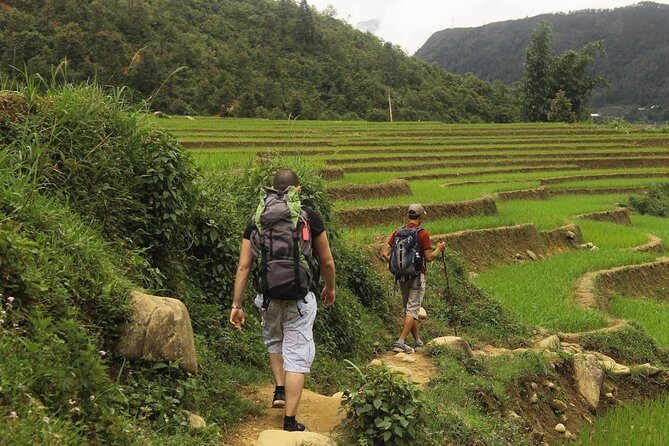
The tradeoff is that it’s physically active. The tour is listed as including a 6–8 hour hike, and your itinerary totals around 12–14km on Day 1 and 10km on Day 2. You can slow down, but you still have to walk.
You can also read our reviews of more walking tours in Sa Pa
Starting Point in Sa Pa: How Pickup Works and Why It Matters
Your day begins in Sa Pa town. You’ll meet Zo either at your hotel or in front of Sa Pa Stone Church, depending on where you’re staying and the day’s route logistics.
This matters because it sets expectations: you’re already in the village zone for the “real” part of the trip. There’s no long transfer to some far-off starting line. Instead, you get a short introduction, then start climbing.
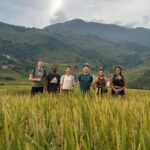
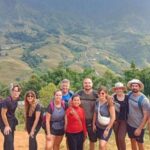
Also, the group size is capped at 10 participants, which helps with both pacing and comfort. On busy treks in Vietnam’s mountain areas, you sometimes feel like you’re being carried along. Here, the small group structure makes it easier to stop, check in, and adjust when needed.
Day 1 to Ham Rong Mountain: The Big View Comes Early
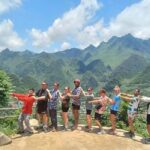
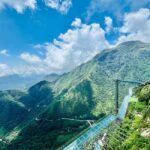
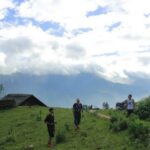
Day 1 starts with a 2km uphill trail to Ham Rong Mountain (2,000m), and it’s the kind of climb that rewards you fast. You’re not slogging for hours before you see why anyone bothers with these mountains.
From Ham Rong, you’ll get the panoramic payoff:
- A wide view of the mountains, including Fansipan Peak (often called the Roof of Indochina)
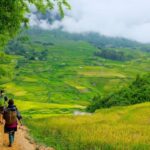
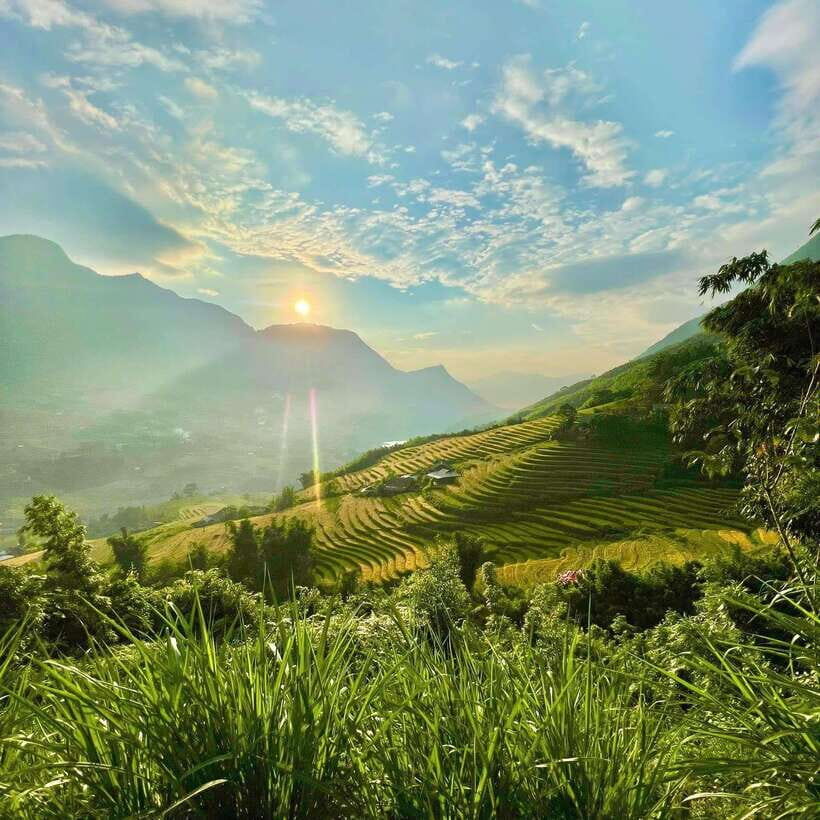
- The Muong Hoa Valley, famous for terraced rice fields
- A look toward the river and the key valley that defines Sa Pa’s scenery
Then you transition downhill toward villages. That’s a smart itinerary design. You get your main viewpoint early, when you’re still fresh, and you spend later hours walking through communities where the pace is more about observing and talking than chasing a view.
If you get motion or altitude-wear easily, bring some water discipline. The tour includes one small water bottle per person per day, so you’ll want to save that for the times you most need it.
Black H’Mông Villages by Foot: Hang Da and Hau Thao in Real Time
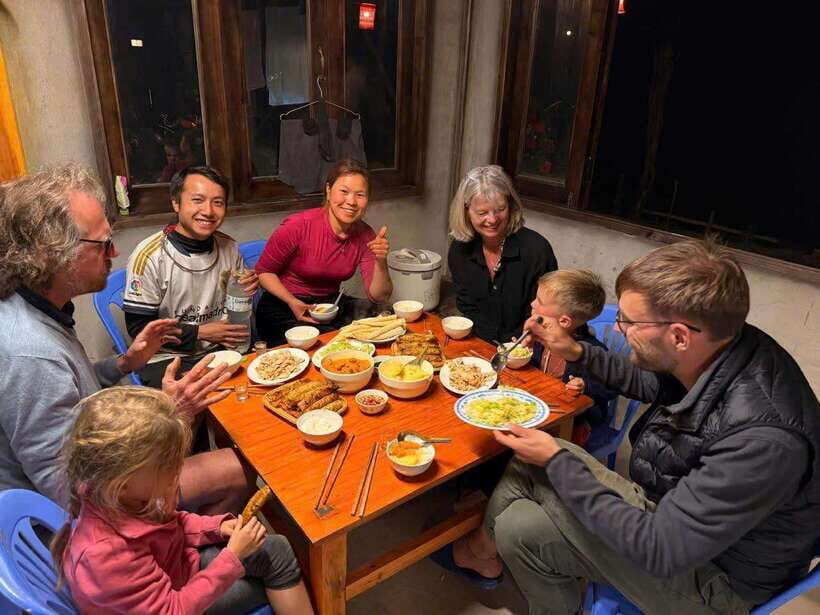
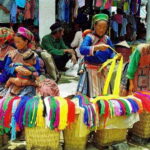
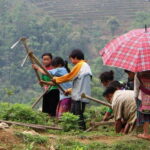
After the viewpoint, the trek turns into village walking: animals, farm work, and the rhythms of daily life.
You’ll arrive at Hang Da Village around lunchtime. The tour includes lunch at a small restaurant near a local family. That choice is practical. In these areas, “lunch stop” can range from rushed to truly local. Here, the setup is specifically tied to the village environment, so you eat without breaking the flow of the hike.
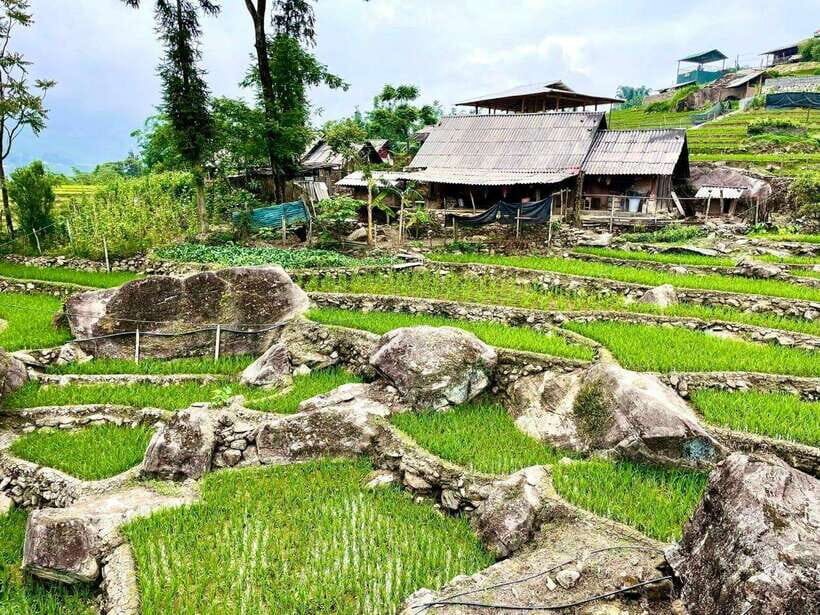
After lunch, you keep going toward Hau Thao Village, another Black H’Mông community. Around late afternoon, you’ll have time to see how life runs on the land—farming and rice work. Depending on the season, the exact tasks you see can change, but you’ll still get the same idea: this is not a tourist village backdrop. It’s work, homes, and family routines.
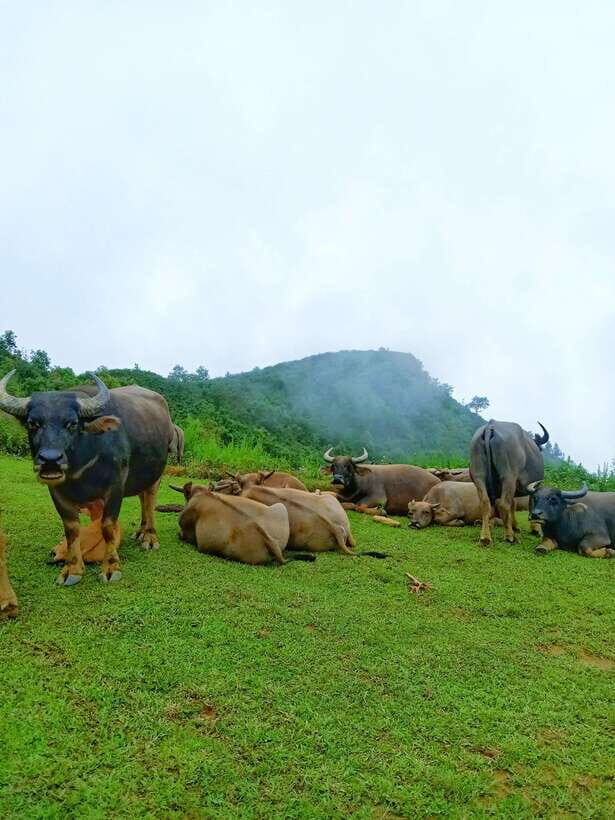
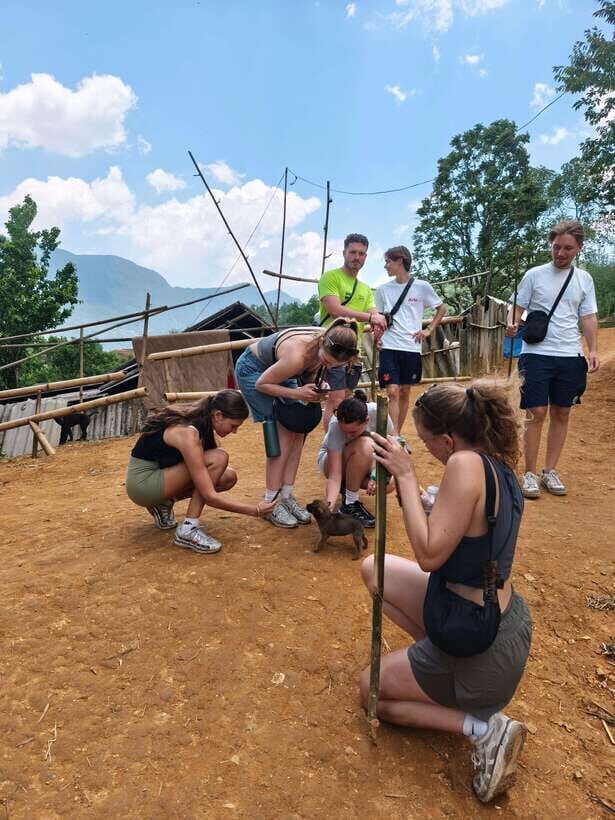
Along the trail, you might notice buffaloes, horses, and pigs roaming freely. That’s not just “cute scenery.” It’s a reminder that you’re sharing footpaths that locals use as part of everyday movement through the valleys.
Giang Ta Chai Mong Homestay: Where the Trek Becomes a Story
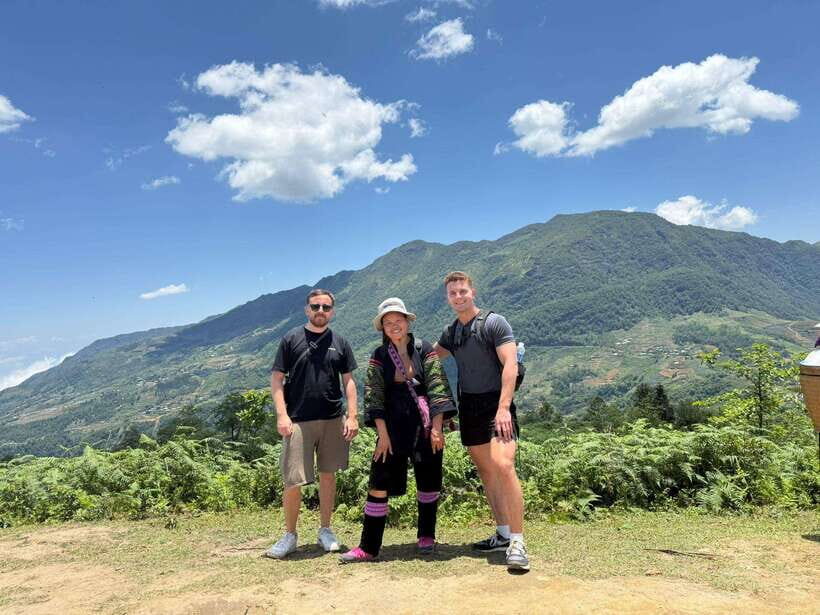
Around 17:00, you’ll reach the homestay in Giang Ta Chai Mong. This is one of the most praised parts of the experience, and it’s easy to see why.
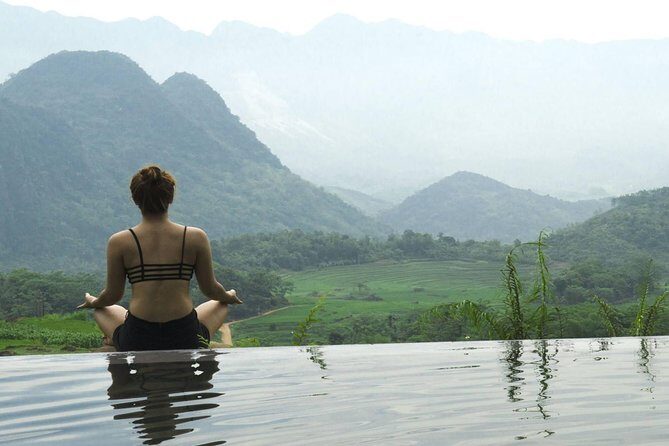
The house you stay in is described as having a stunning view and sitting in the area of terraced rice fields. In practical terms, that means morning and evening feel different here. You don’t just “sleep near a view.” The setting shapes your whole mood.
Quality also shows up in the details:
- Rooms are prepared and bathrooms are available
- The family welcomes you warmly, often like friends rather than customers
- Dinner is included as a family meal, and Zo is credited for a really good home-cooked dinner
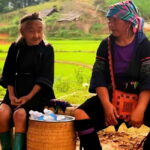
There’s also a social element that you can’t get from a hotel stop. You’ll have time in the evening to chat with your hosts, ask questions about Black H’Mông life, and learn what daily routines look like from inside the home.
Dinner timing is listed as 19:00, followed by a relaxed evening. This works well if you’re the type who likes slow travel: no pressure to rush out for nightlife. You’re in the valley, and you can just be there.
You can also read our reviews of more guided tours in Sa Pa

Day 2 Start: Red Dao Terraces, a Lake, and Bamboo Shade
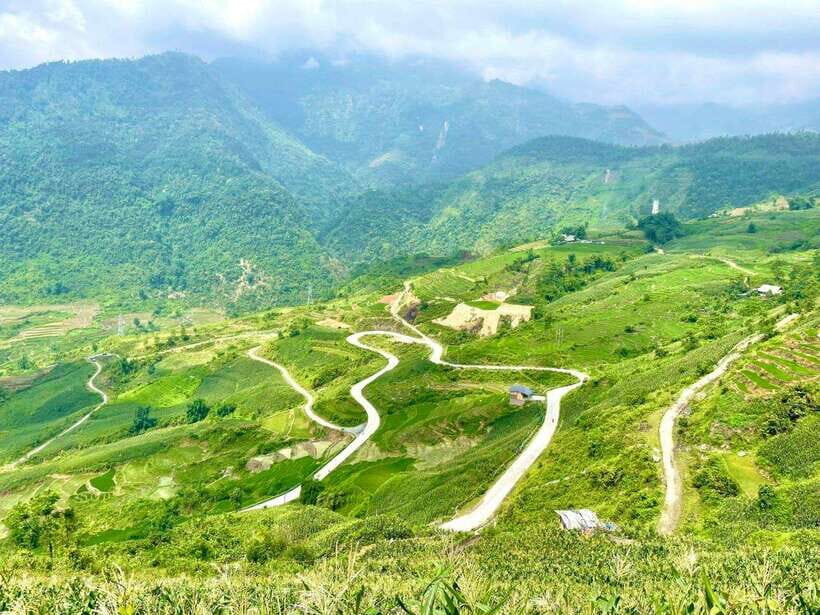
Day 2 begins in the countryside. You wake up to the morning light and clouds drifting through the valley. Then it’s breakfast at the homestay, with a hot cup of tea or coffee if that’s your style.
Around 09:30, you depart for Giang Ta Chai Dao Village, a small Red Dao community near the mountain foothills. This segment shifts the story from Black H’Mông to Red Dao culture and architecture.
Expect:
- Photo time with terraced rice views
- Traditional simple wooden houses
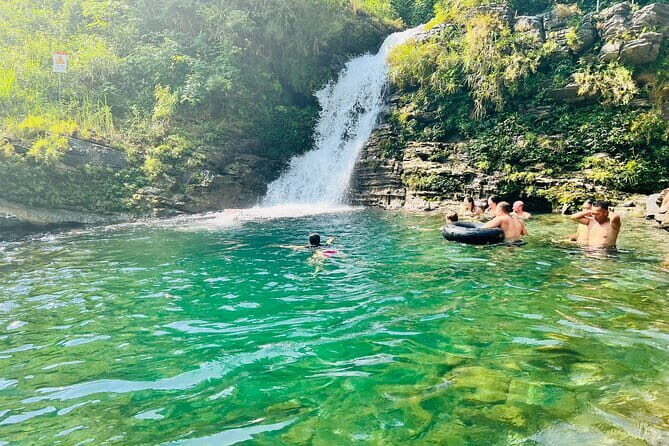
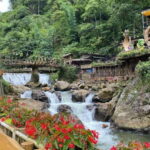
- A tranquil lake tied to the village area
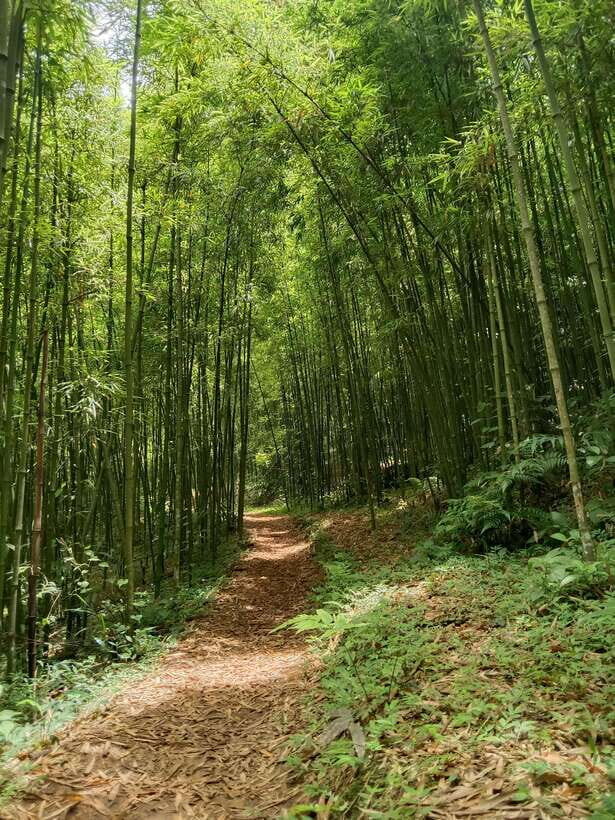
From there, you walk through a bamboo forest toward Ta Van Village. This is one of those stretches that feels like a break without stopping being active. The shade and texture of a forest path contrasts with open terraces and makes the long days feel more manageable.
Then you continue to Lao Chai, described as one of the most stunning terraced rice field villages. You’ll have lunch there, included in the tour.
Getting Back to Sa Pa: The Car Pickup Saves Your Legs
At 14:00, you’ll be picked up by car from Lao Chai, so you’re not doing a forced march back to town after a long day.
The schedule lists an end time around 15:30–16:00, with the tour returning you to Sa Pa. This is a nice finish. After two days of trekking, you get to transition from “hike mode” to “shower and dinner” mode without turning the last hours into a punishment.
The tour also includes a private car back to Sa Pa, which keeps things simple and reduces waiting time for transfers.
Pace, Fitness, and What the Walk Actually Feels Like
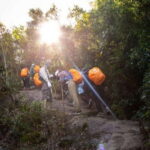
This trek is listed as including a 6–8 hour hike, which is a good ballpark for your expectations. Day 1 alone is 12–14km, with at least one meaningful uphill segment to Ham Rong Mountain.
Zo is also described as encouraging and checking that everyone is okay. In practice, that often means:
- You can walk at your own pace
- You get rest stops when needed
- You may be offered an easier or harder road when possible
- The exact order of visits can vary depending on conditions
So the trek is challenging, but it’s not a “single pace for everyone” situation. Still, if you’re used to city strolling only, treat this as a workout day. Bring the right shoes and plan to feel it in your legs.
Price and Value: Why $46 Can Make Sense Here
The price is $46 per person for 2 days and 1 night. That doesn’t sound like much until you break down what’s included.
You’re paying for:
- English-speaking local guide (Zo)
- A small group limited to 10 participants
- Homestay night with a local Black H’Mông family
- Lunch for the 2-day trek, plus breakfast on day two
- Family dinner
- Tickets to villages
- Private car back to Sa Pa
- One small water bottle per person per day
For Vietnam’s mountain trekking, the real value here is not only meals and transport. It’s the combination of a guide who speaks English and the homestay that gives you access to the culture side. Many treks offer views and walking; fewer are built around the overnight with hosts and a full day of village time.
What to Bring (So You Don’t Miss the Best Parts)
This tour is very doable if you pack smart. Use the tour’s list as your core, then add a bit of common sense.
Bring:
- Comfortable shoes and hiking shoes if you own them
- Change of clothes
- Camera
- Insect repellent
- Something to handle sun and cool air (mountain weather can shift)
Also, plan for water management. Only one small water is included per day, so if you’re a heavier sweater, you’ll want to bring extra.
Finally, pack your patience for the mountain trails. They can be uneven, and weather can make footing interesting. That’s part of the authentic experience. It’s also why good shoes matter.
Who Should Book This Trek and Who Should Skip
This is a strong fit if you:
- Want culture and village life, not just big viewpoints
- Like hikes that stay social, with a local guide and time for conversations
- Enjoy slow evenings and home-cooked meals more than hotel comfort
- Are in decent walking shape and can handle uphill and uneven paths
It may not be the best fit if you:
- Need a very easy walk (this includes long hiking hours and uphill)
- Are outside the tour’s suitability limits (it’s stated as not suitable for people over 70 and over 95)
If you’re unsure, this is the type of tour where “I can do it” beats “I hope I can do it.” Be honest about your hiking habits.
Should You Book Zo’s 2-Day Sapa Walking & Homestay?
Yes, if you want Sapa the human way. I’d book it for the combination: terraced rice views, two village communities with real day-to-day scenes, and that homestay night with Zo and her family network (Zo is supported by her sisters May and Sho, per the experience details you’ll hear on the ground).
Skip it if you mainly want comfort or minimal walking. This is a walking-focused cultural trek with real physical time on the trails.
If you’re a confident hiker, bring the right shoes and go hungry for conversation. This is the kind of trip where the best photos often happen during the pauses, not only at the viewpoints.
FAQ
How long is the trek?
The tour runs for 2 days. You’ll trek about 12–14km on Day 1 and about 10km on Day 2.
Where do you meet the guide in Sa Pa?
You meet the guide in Sa Pa town. The meeting point is either your hotel or in front of Sa Pa Stone Church.
What villages will I visit?
Day 1 includes Hang Da and Hau Thao (Black H’Mông). You’ll stay overnight in Giang Ta Chai Mong. Day 2 includes Giang Ta Chai Dao (Red Dao), plus Ta Van and Lao Chai.
Is there an English-speaking guide?
Yes. The guide speaks English.
What meals are included?
Lunch is included for both days of trekking. You’ll also have a family dinner on the first night and breakfast on the second day.
Do I get a place to sleep for one night?
Yes. You spend 1 night at a homestay in Giang Ta Chai Mong with the local hosts.
What’s the difficulty level?
It includes a 6–8 hour hike. It’s best for people who are in good health and comfortable walking for long stretches.
How big is the group?
The group is small, limited to 10 participants.
What should I bring?
Bring comfortable shoes (and hiking shoes if you have them), a change of clothes, a camera, and insect repellent.