REVIEW · SA PA
From Sapa: Guided Full-Day Trekking with Lunch and Drop-Off
Book on GetYourGuide →Operated by NEW LAND INTERNATIONAL TOURIST COMPANY LIMITED · Bookable on GetYourGuide
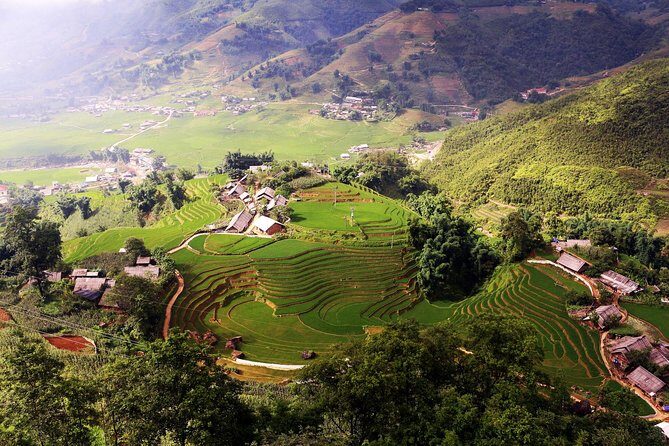
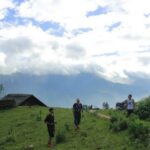
Sapa trekking is the kind of day you remember. This full-day guided hike threads through rice terraces, valley paths, and ethnic minority villages like Y Linh Ho, Lao Chai, and Ta Van, with views toward Hoang Lien Son along the way. It’s built for people who want real time on the trail, not just a quick stop-and-photo circuit.
I especially like the way you hike with a local English-speaking guide all the way—so you’re not guessing where to go or how to pace yourself. I also like that the route includes village time, not just nature time, plus a real sit-down lunch at a local restaurant before heading back.
One consideration: this isn’t a casual stroll. You’re looking at roughly 10km of hiking with muddy, uneven ground in wet weather, and it’s not suitable for wheelchair users or people with mobility issues.
In This Review
- Key things that make this tour worth your time
- A 10km trek with village time, not just scenery stops
- Morning pick-up and Y Linh Ho: the rice terraces start fast
- Down Muong Hoa Stream to Lao Chai: views with real walking involved
- Ta Van Village at midday: stilt houses and a change of pace
- Hoang Lien Son mountain viewpoint break: when the day breathes
- Lunch at a local restaurant: included, filling, and part of the rhythm
- After lunch: short walk to the bus and back to Sapa
- Price and value: why $22 can work (and when it won’t)
- What to pack for muddy Sapa: shoes matter more than you think
- How hard is it, really? (Spoiler: plan for effort)
- Village visits and village selling: what to expect, and how to handle it
- Who this tour is best for (and who should pick another day)
- Should you book this Sapa trekking day?
- FAQ
- What time does the tour start and end?
- How long is the trekking and about how far do you walk?
- Is lunch included?
- Do I need hiking boots or special shoes?
- What can I bring, and is luggage allowed?
- Is this tour suitable for children or people with mobility issues?
Key things that make this tour worth your time
- Guided from start to finish, including village walking and the toughest trail sections
- Muong Hoa Valley trekking with frequent photo stops and big valley views
- Ethnic minority villages (Black H’mong in Lao Chai, plus Ta Van with stilt houses)
- Hoang Lien Son mountain viewpoints with an intentional break
- Lunch included, so you’re not paying extra mid-trek
- Return transport from Ta Van back to Sapa after the hike
A 10km trek with village time, not just scenery stops
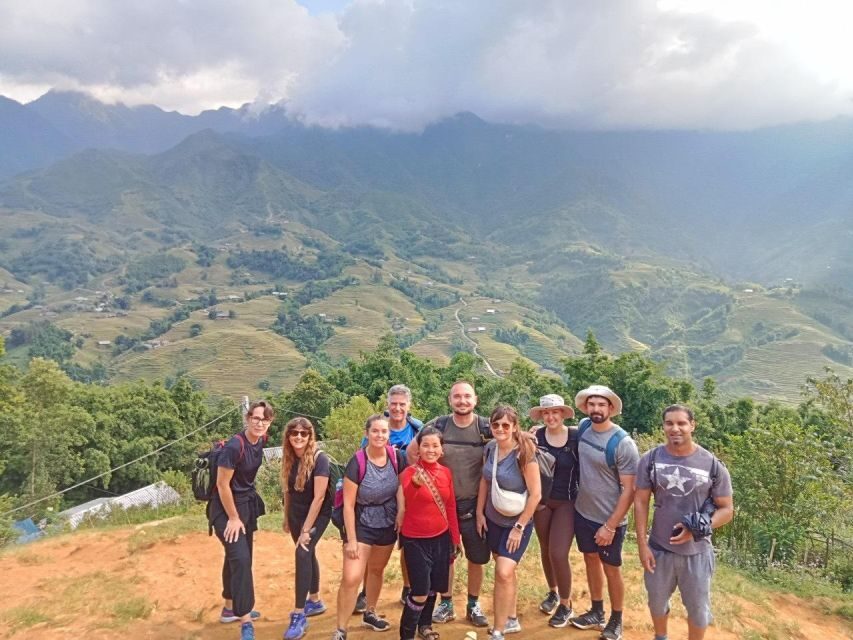
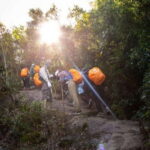
This is a Sapa day built around walking. You’ll start in town, then spend the morning moving from one village area to the next, following paths through terrace country and across sections near the Muong Hoa Stream. The pacing is usually steady: enough time to enjoy views and photos, with breaks baked in rather than rushed.
What you’re really buying here is the flow. Your guide handles the route, timing, and practical navigation between villages and viewpoints. That matters in Sapa because paths can feel confusing even when you think you’ve got directions.
The tour also gives you a mix that works for most people: terraces and valley views early, then Ta Van Village around midday, then lunch, then a shorter walk before you’re back on the bus.
You can also read our reviews of more guided tours in Sa Pa

Morning pick-up and Y Linh Ho: the rice terraces start fast
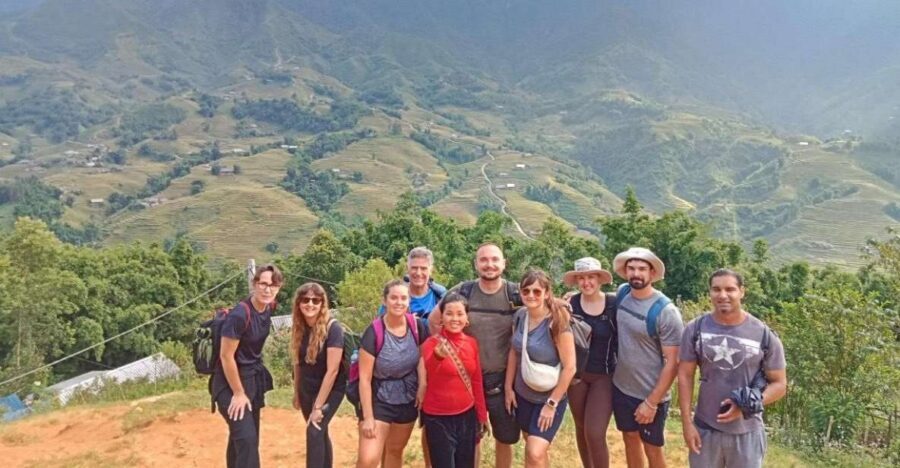
You’ll be picked up in Sapa town between 8:00 and 8:30 and transferred to the departure area on foot from the Sapa Retreat Condotel area. Then the trek kicks off at about 9:00.
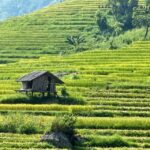
From town, it’s roughly 1.5km to Y Linh Ho village, and this is where you get your first taste of the terrace terrain. Y Linh Ho is a photo stop plus guided village time, so you’re not just “walking past” a place—you stop, look around, and move again with context from your guide.
If you like early-day views, this part delivers. The terraces can look dramatically different depending on light and recent rain, so the morning start helps.
Down Muong Hoa Stream to Lao Chai: views with real walking involved
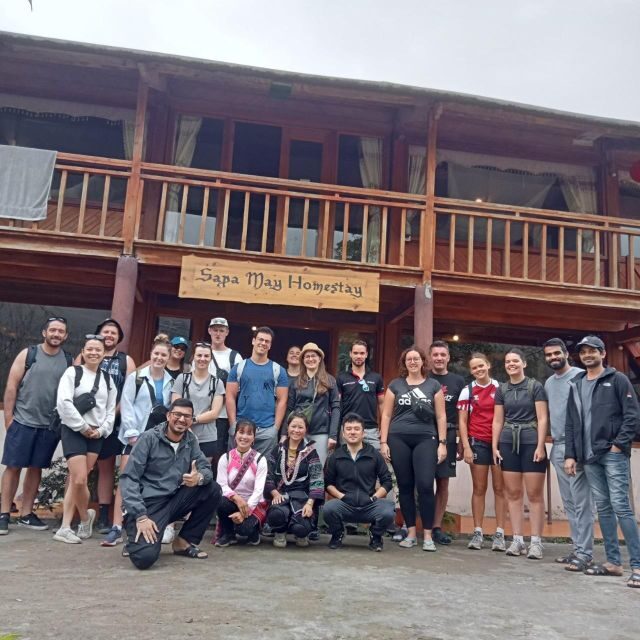
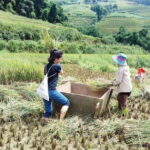
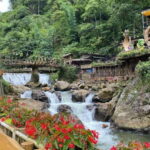
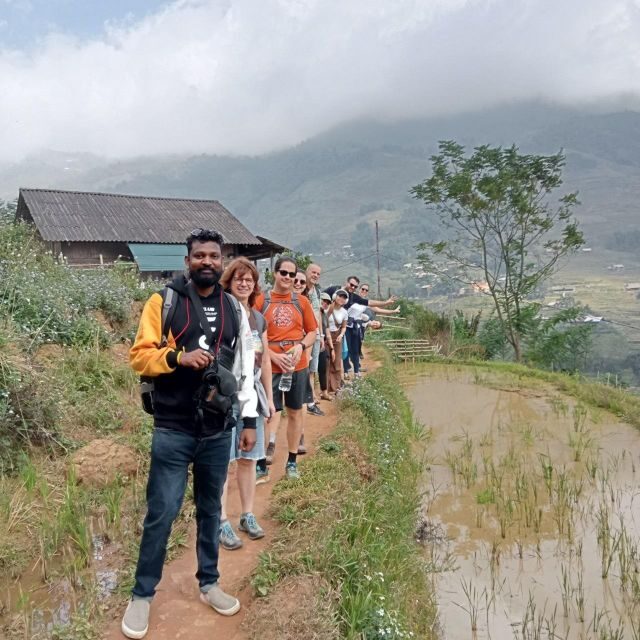
After Y Linh Ho, the route follows a hiking line through rice terraces along the Muong Hoa Stream, heading toward Lao Chai, home to the Black H’mong community. This stretch is one of the main reasons people pick this day: the walking is active, but the views keep showing up as you go.
Expect the morning to feel like a steady trek with scenery as your reward. This is also where your guide’s role becomes more than “pointing.” They’re there to keep you moving, help you time photo stops, and answer questions as you go.
A balanced note from real-world experience with this style of tour: if you want deep, scripted explanations of every cultural detail at every village, you may need to ask direct questions. Some guides focus on practical guiding and answering what you ask on the spot rather than giving a long prepared talk. Still, it’s better than going solo because you always have someone watching the route.
Ta Van Village at midday: stilt houses and a change of pace
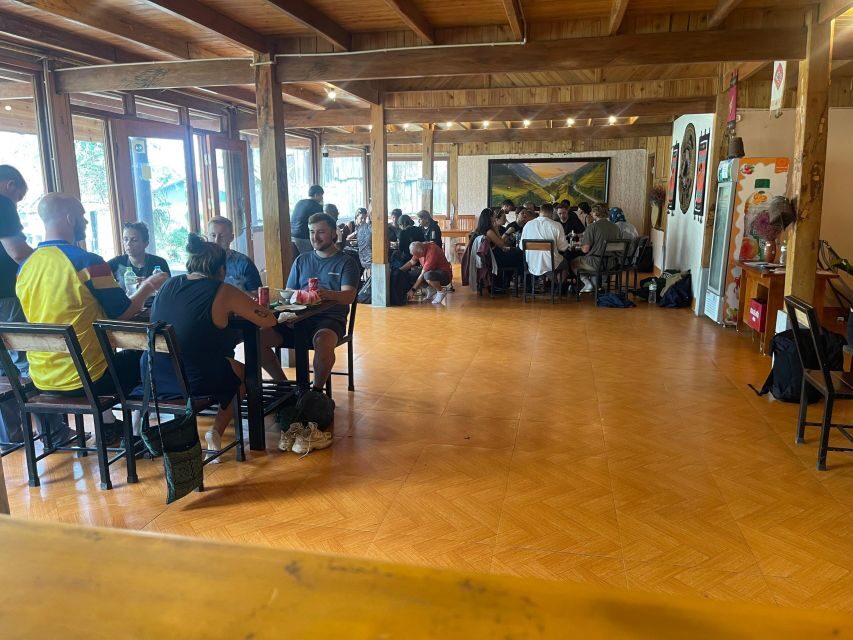
After about 3 hours of walking (around 8km), you reach Ta Van Village around 11:30. This is a strong middle-of-day payoff. You get another set of village photo time and guided walking, plus the kind of views that make your break feel deserved.
Ta Van is known in this route for its terraced fields and stilt houses with distinctive ethnic architecture. The stilt-house look isn’t just aesthetic—it reflects how families live with mountain weather and local building traditions. Even without a lecture, you can usually see enough to understand how the environment shapes daily life.
This is also the part where the day often feels like it “clicks.” Earlier on, you’re concentrating on walking and pacing. At Ta Van, you can slow down, look around longer, and take in the village rhythm before lunch.
Hoang Lien Son mountain viewpoint break: when the day breathes
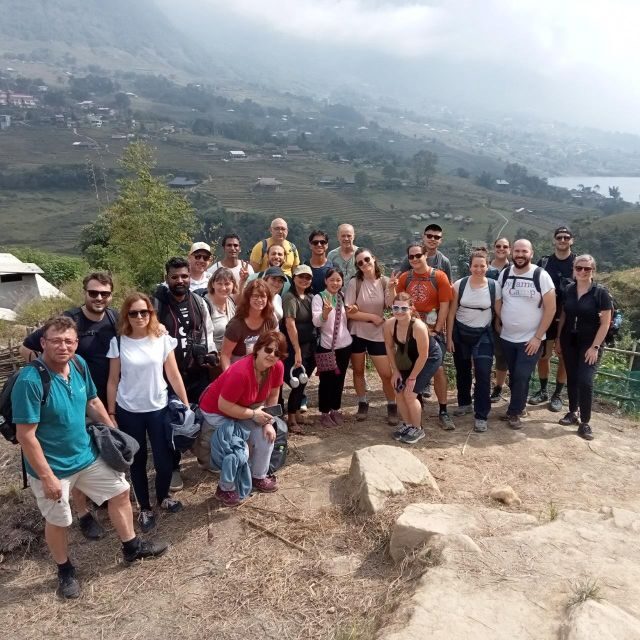
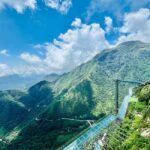
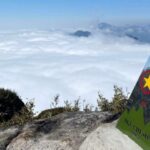
Around the route there’s time for Hoang Lien Son mountain views and a break period (the plan includes about 1 hour here). The point isn’t a long summit climb. It’s a viewpoint stop and sightseeing break so you can reset and enjoy the bigger mountain picture.
This stop is especially useful if you’re doing the trek mainly for photos. It gives you a moment where the walking pauses and you can really frame the scene—mountain shapes, terrace patterns, and valley depth all in one look.
If you’re sensitive to cold, use this break to layer up. The itinerary notes warm clothes are best from October to March, and that’s when viewpoint weather can feel noticeably sharper.
You can also read our reviews of more tours and experiences in Sa Pa
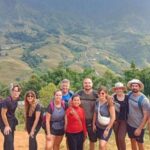


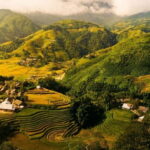
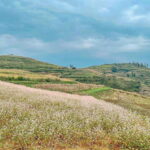
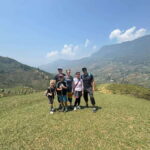
Lunch at a local restaurant: included, filling, and part of the rhythm
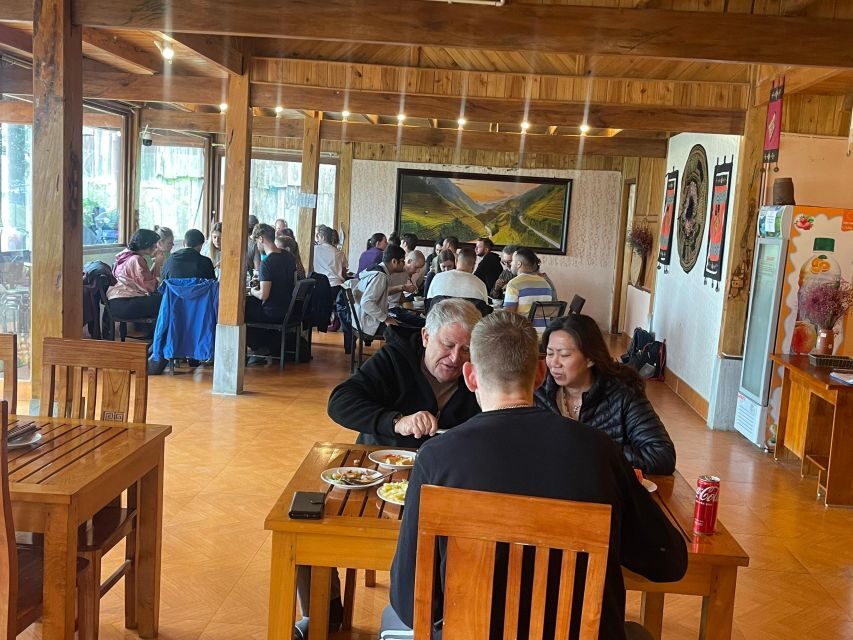
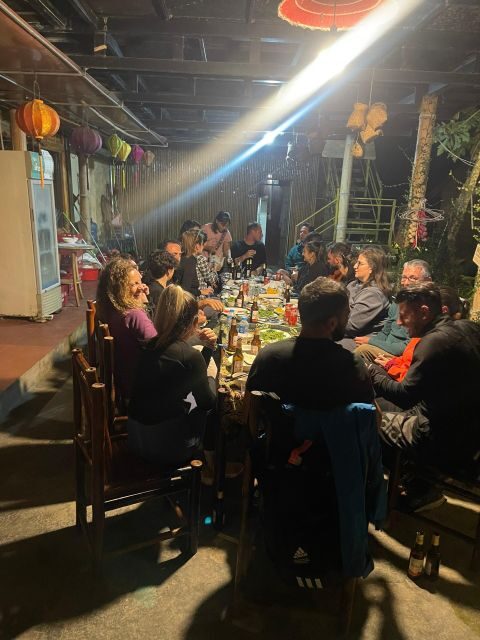
Lunch comes after you arrive at Ta Van, around 12:30. You’ll eat at a local restaurant and then have time to rest (the plan lists lunch time as about 2 hours, which is generous enough to fully reset).
This is one of the best “value” parts of the tour. You get lunch included, and the day already has multiple moving parts—pickup, guided stops, walking, and return transport. Including the meal helps you avoid the mid-trek scramble and extra spending.
Drinks are not included (like beer, wine, or water), so if you like something with lunch, plan on buying it separately.
After lunch: short walk to the bus and back to Sapa
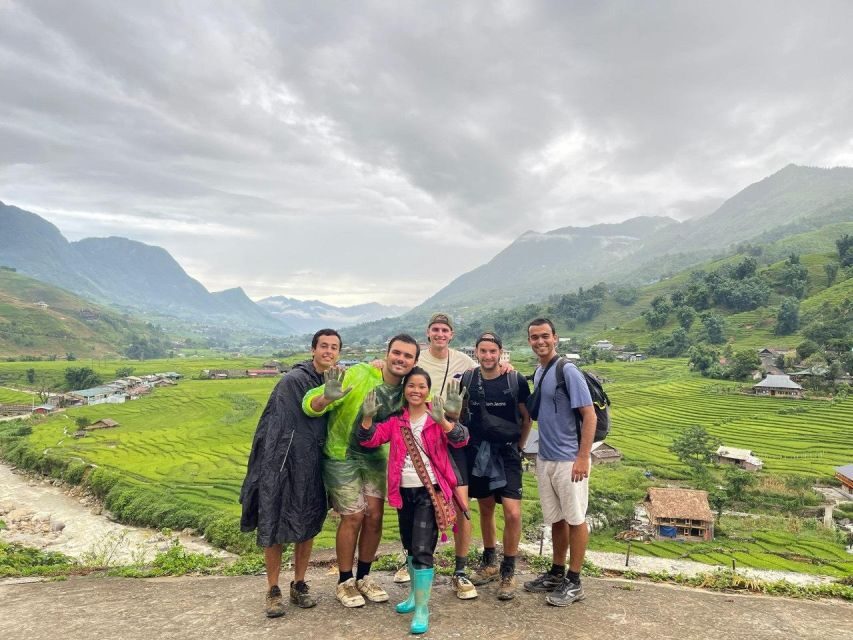
Once lunch is done, you’ll do about a 1km walk to where the bus is waiting. Then the transport brings you back to Sapa, with arrival typically around 14:30 to 15:00, depending on timing.
This is a good design choice for most people. It prevents the “after-lunch dead legs” problem. The day still ends with movement, but it’s a manageable distance before the bus takes over.
At the end, the tour returns you to your hotel in Sapa or to where you’d like to stop in town.
Price and value: why $22 can work (and when it won’t)
At about $22 per person for a guided day with lunch plus return transport from Ta Van, this tour can be strong value—especially compared with the cost of piecing together a guide, food, and transport on your own.
You’re paying for three things that are hard to replicate easily:
- A local English-speaking guide who stays with you during the hike
- A planned route with village and viewpoint stops
- Bus transport back from Ta Van to Sapa, which matters because the day ends after walking
What could make it less of a “deal” for you is if you’re expecting a heavy history lesson at every village. This is guided walking plus practical context, not a full classroom-style cultural seminar. If that’s your priority, you might want to pair this day with extra time in town for more focused museum-style or community-style learning.
Also, remember: the tour duration is set for a short, full morning into early afternoon day. You’re not getting an all-day “wander whenever” freedom. You get a structured plan that delivers a lot within the time.
What to pack for muddy Sapa: shoes matter more than you think
The tour’s own guidance is clear: wear comfortable shoes and bring suitable footwear. In wet weather, you should expect muddy, dirty roads and uneven ground. That’s not a minor inconvenience. It’s the difference between enjoying the day and constantly adjusting your footing.
A practical tip echoed by real experience: bring non-slippery shoes and expect that some parts can be slippery. If you only have “tourist sneakers,” this is where you’ll regret it.
Also pack:
- Sunscreen (terrace hikes often mean lots of exposed time)
- Insect repellent
- Warm layers if you’re going in October–March
- Something you can move in comfortably
One more important rule: no luggage or large bags. You’ll want only what you can carry easily while walking.
How hard is it, really? (Spoiler: plan for effort)
This trek is listed around 10km total and includes several hours of walking. It’s not designed for wheelchair users, people with mobility impairments, or kids under 5 years old. It also notes it’s not suitable for people over 80.
Even if you’re fit, the ground can slow you down. Reviews tied to this type of route often highlight that the trail can be challenging in places and muddy after rain. The good news is that help can show up in the form of local support along the trickier sections, especially from people in the villages.
That said, you should still judge yourself first. If you’re not comfortable with uneven, damp paths for multiple hours, choose a gentler option instead.
Village visits and village selling: what to expect, and how to handle it
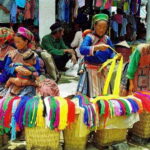
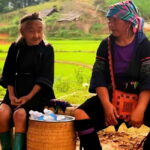
A real part of these Sapa routes is that locals may follow at points while selling handmade items. The tour info is straightforward: you don’t need to buy anything.
I like approaching this calmly. Treat it like a chance to look, ask a question, and decide. If you don’t want souvenirs, a polite no is enough. If you do want something, you’ll usually find that the item is tied to the village and the time you just spent there.
Either way, don’t let it derail your focus. Keep your eyes on the path and your footing first, then your curiosity after.
Who this tour is best for (and who should pick another day)
This is a great match if you:
- Want a guided hike through Sapa’s terrace country
- Prefer a day with village stops and a real lunch, not just viewpoint hopping
- Like walking at a steady pace and don’t mind that conditions can get muddy
- Want a structured schedule with pickup and return transport handled
It’s not a great match if you:
- Need accessibility support for mobility issues (this route isn’t suitable for wheelchairs)
- Are traveling with a child under 5
- Have trouble walking on uneven, wet ground for several hours
Also, if you’re going mainly for a big, detailed cultural lecture, you may find you get more value by asking questions directly during village time than waiting for an ongoing explanation.
Should you book this Sapa trekking day?
Book it if you want a classic, high-value Sapa experience: terraced valley walking + ethnic village visits + a real meal + guided help, all in about half a day.
Skip it if you know you can’t handle muddy uneven trails, or if you’re looking for an easy flat route with lots of comfort breaks. Even with a guide, the hike still asks something of you.
One last practical note: you have a decent flexibility cushion with free cancellation up to 24 hours in advance, which is useful if weather looks rough. If you do go, plan for the conditions you might get—especially the shoes.
FAQ
What time does the tour start and end?
You’ll be picked up in Sapa town between 8:00 and 8:30. The trekking starts around 9:00, and you’ll return to Sapa around 14:30 to 15:00.
How long is the trekking and about how far do you walk?
The hike is around 10km total, with about 3 hours of walking (roughly 8km) before reaching Ta Van Village.
Is lunch included?
Yes. Lunch at a local restaurant is included, and drinks during meals are not included.
Do I need hiking boots or special shoes?
You should wear suitable shoes with good grip. The hike can be muddy and slippery in wet weather, so non-slippery footwear is a big deal.
What can I bring, and is luggage allowed?
You should bring comfortable shoes and clothes. Large bags or luggage are not allowed, so pack light.
Is this tour suitable for children or people with mobility issues?
No. It’s not suitable for children under 5, and it’s not suitable for wheelchair users or people with disabilities or mobility impairments.