REVIEW · HA GIANG
ZinDin Tours in Hagiang
Book on Viator →Operated by ZinDin Tour in Ha Giang · Bookable on Viator
Ha Giang loop days move fast. What makes ZinDin Tours stand out is that the trip feels local-first instead of factory-scheduled. You’ll ride through a mythical stretch along the Chinese border of limestone peaks and deep valleys, with a seasonal plan that can shift around local fairs and ritual events.
I love two things most. First, the guides are locals—people from the region—who speak with you clearly in English and know where to take you. I especially liked the way guides like Zin and Eagle Vang can explain what you’re seeing without turning it into a lecture. Second, you get a safe, comfortable flow on the road, whether you’re in a mini car (4 or 7 seats) or on a backseat motorbike, with options that suit your comfort level.
One possible drawback: this is still a loop with real driving days and some walking. You should have moderate physical fitness, and the schedule can be affected by weather since the experience needs good conditions.
In This Review
- Key highlights to look for with ZinDin Tours
- Ha Giang’s China-border feel, without the rigid schedule
- Mini cars or easy riders: how the trip actually runs
- Day 1: Ha Giang and the loop’s opening mood
- Dong Van Karst Plateau Geopark: the peaks that feel unreal
- Dinh Vua Meo: a culture stop that isn’t just scenery
- Ma Pi Leng Pass: the day of big views
- Lung Khuy Cave: a change of pace in the loop
- Quan Ba Heaven Gate: the viewpoint with a name you remember
- Chieu Lau Thi Mountain Top (Kiou Leou Ti): the peak payoff
- Why the guides make the difference: locals, English, and real safety
- Price and value: what $250 gets you in real terms
- Who should choose this tour (and who might not)
- Should you book ZinDin Tours for the Ha Giang loop?
- FAQ
- How long is the ZinDin Ha Giang loop tour?
- Do they offer pickup and a mobile ticket?
- What ride options are available?
- How many people are in the group?
- Is the tour physically demanding?
- What happens if the weather is poor?
Key highlights to look for with ZinDin Tours
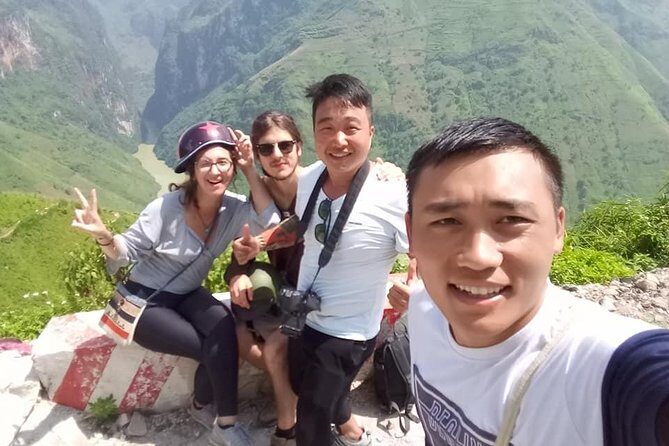
- Small group (max 9 travelers): easier to hear explanations and keep the pace human.
- Local guides from nearby villages: you’re not just sightseeing; you’re learning how the region works.
- Mini cars and backseat motorbike options: choose comfort without giving up the loop experience.
- Secret-spot style routes: you may get stops larger tours can’t reach.
- Classic Ha Giang checkpoints, thoughtfully ordered: geopark, king’s palace site, famous pass, cave, and mountain viewpoints.
- Mobile ticket plus pickup: less time hunting for meeting points, more time on the road.
Ha Giang’s China-border feel, without the rigid schedule
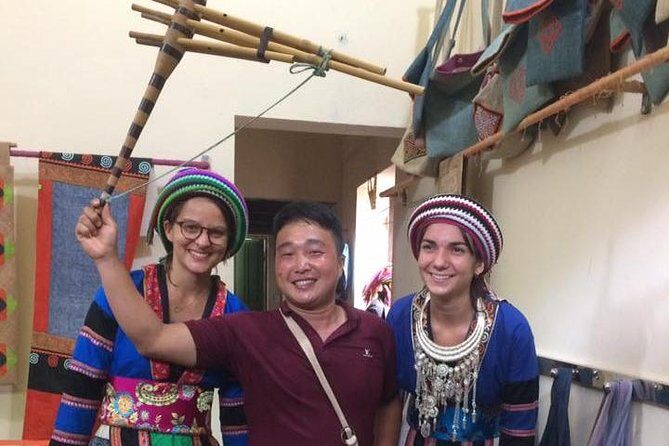
The best part of Ha Giang is how it surprises you. One moment you’re staring at conical limestone peaks, the next you’re looking down into wide valleys that feel almost too dramatic to be real. ZinDin Tours leans into that. They don’t run a strict minute-by-minute itinerary like a big-bus machine. Instead, they use a seasonal plan and adapt along the way, taking advantage of local fairs and cultural or ritual events tied to different hill tribes.
That flexibility matters more than it sounds. When you travel in Ha Giang, the weather and road timing can change your day. A flexible approach keeps the experience feeling alive. It also makes the cultural side feel less like a checklist and more like you’re passing through a place where people still gather for important moments.
And yes, the scenery is a main event. But what you’ll likely remember most is the combination: views plus context. When your guide can connect the landscape to local life—language, customs, and why certain areas matter—it changes the meaning of a photo stop.
You can also read our reviews of more tours and experiences in Ha Giang.


Mini cars or easy riders: how the trip actually runs
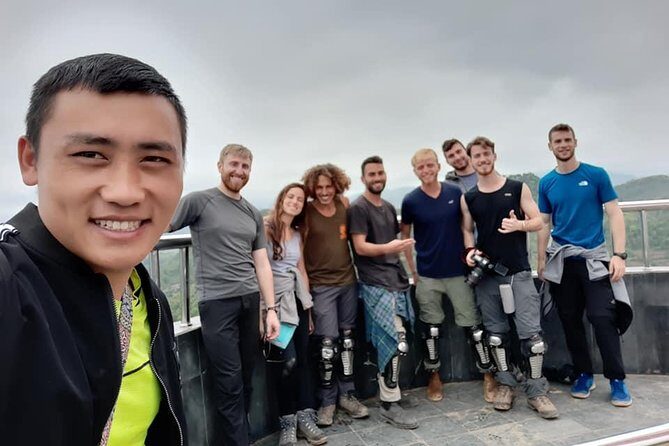
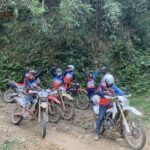
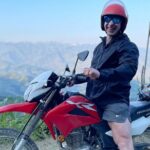
ZinDin Tours is designed around two comfortable ways to enjoy the loop: mini cars (4 or 7 seats) or backseat motorbike tours. That choice is huge for value and comfort. If you want to minimize exposure to driving, you can go with a car. If you want the feeling of the loop up close, the motorbike option can make the road time more fun—and often more memorable.
Pickup is offered, and the meeting is set up to be convenient since it’s near public transportation. You also get a mobile ticket. That doesn’t sound exciting, but it’s one less stress point when you’re trying to stay on schedule.
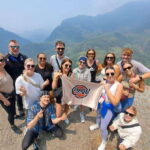
Group size is capped at 9 people. In practice, this often means the driver and guide can move with less friction. Smaller groups also tend to make it easier to ask questions in the moment instead of waiting your turn for a group briefing.
Fitness-wise, the tour expects moderate ability. That’s a fair warning: even if you’re not hiking for hours, you’ll still be on uneven terrain at viewpoints and likely deal with stairs, short walks, and long days. If you’re coming in with a tight schedule and a strict routine, Ha Giang will gently push back. Build in some patience.
Day 1: Ha Giang and the loop’s opening mood
Your first stop is Ha Giang. This is where the trip starts to feel real. You’re not yet at the iconic passes and peaks. You’re in the build-up phase: getting your bearings, settling into the rhythm of the region, and seeing how the guide plans your first day.
What I like about starting here is that it helps you sync with the loop. By the time you hit the more famous scenery later, you’re not just reacting—you’re noticing. You can also use this day to decide how you want to experience the rest of the route. If you chose a motorbike option, day one is when you’ll find out whether your comfort level matches your expectations.
A practical consideration: expect a full travel day energy. Ha Giang isn’t about squeezing everything into perfect light windows. It’s about the overall arc of the loop.
Dong Van Karst Plateau Geopark: the peaks that feel unreal
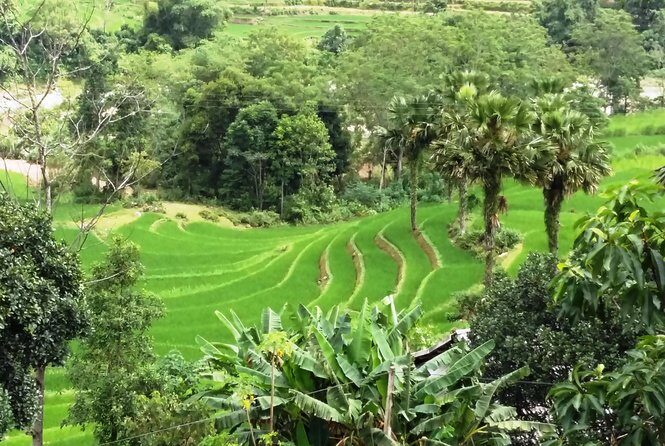
Next up is the Dong Van Karst Plateau Geopark. This stop is a big reason people come to the Ha Giang loop in the first place. The name tells you the story: karst plateau terrain made of limestone formations. In person, that usually means sharp, dramatic rock shapes and sweeping views that change as you move.
Here’s how to get more out of it. Don’t just stand at one spot, snap a picture, and move on. Use the time to watch how the view changes with your position. If you’re with a local guide, ask what you should look for. A good guide will point out the patterns that make the karst region distinct, and that turns the scenery from pretty into meaningful.
If you’re going by car, you’ll likely get a smoother ride between viewpoints. If you’re on a motorbike, you’ll likely feel more of the road’s pace and wind. Either way, plan for the fact that the best photos often happen when you’re willing to wait a little and let conditions settle.
Dinh Vua Meo: a culture stop that isn’t just scenery
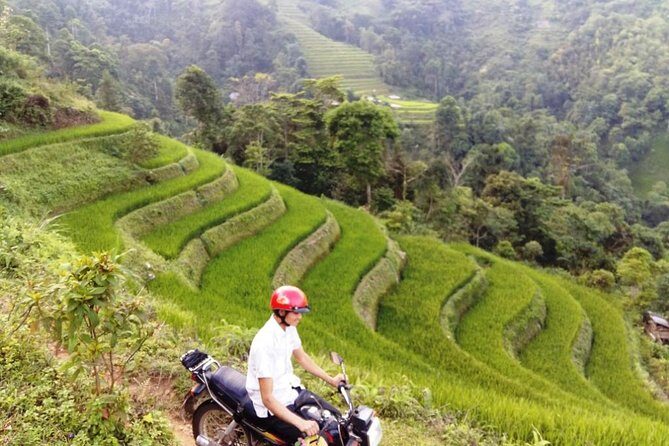
Your itinerary includes Dinh Vua Meo. This is one of the more distinctive cultural stops on the route. Instead of only looking outward at the mountains, you’ll turn your attention to a site tied to local heritage and hill-tribe identity.
What makes stops like this valuable is balance. If day after day is only road, peaks, and passes, your brain starts to feel numb to the visuals. A cultural site gives you a different kind of understanding. It also helps you notice details—how people historically organized life in mountain regions, and how identity shows up in places and architecture.
A practical tip: bring a little mental flexibility. Cultural stops can take longer than you expect if your guide is actively explaining what you’re seeing. In a small group, that often becomes a good thing, not a problem.

Ma Pi Leng Pass: the day of big views
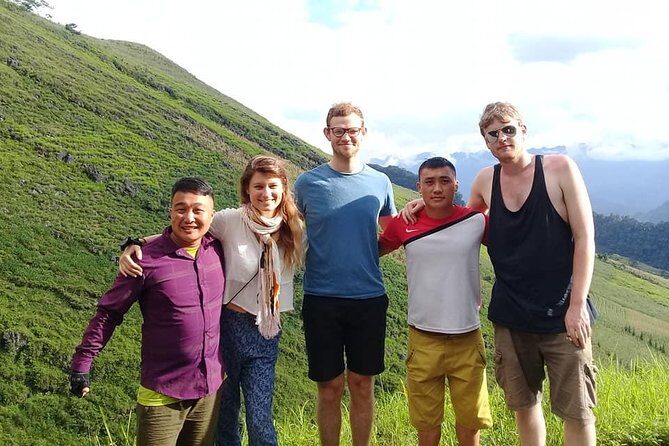
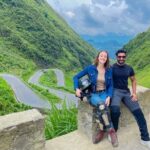
Ma Pi Leng Pass is a headline stop. It’s the kind of place where even if you’ve seen the photos, you still end up staring for a longer time than you planned. The road and the viewpoints are part of the thrill. You’re moving through high terrain where the drop-offs and angles make you feel the scale.
If weather is clear, this is one of your strongest days for photos and pure awe. If clouds roll in or visibility drops, it can still be worth it, but your best moments may come from slower stops rather than big sweeping shots.
This is also where safe driving matters. Multiple guides linked to this tour style emphasize careful control and patience. Names you may hear include drivers like Thông, and guides like Eagle Vang and Pao, who are known for taking it steady and adjusting the trip to comfort levels. If you want a motorbike option but you’re nervous, this is the day you can lean on that experience.
Lung Khuy Cave: a change of pace in the loop
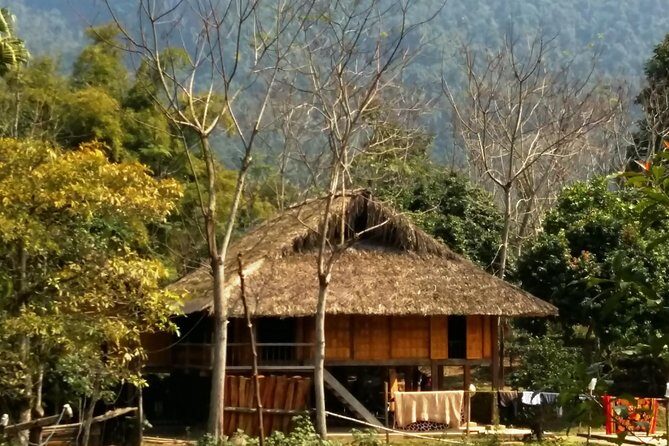
After the pass energy, the tour brings you to Lung Khuy Cave. Caves change your senses. The air can feel different, the light is different, and your brain resets from outside views to inside textures.
I like cave stops because they break up the driving rhythm. You’re not only consuming scenery at a distance. You’re entering a different type of attraction where the experience is about space, shade, and the way the area looks up close.
A realistic note: cave areas can involve some uneven walking depending on the setup. Since the tour already expects moderate fitness, go in with comfortable shoes and plan for the possibility of short, imperfect ground. Ask your guide how much walking is involved when you arrive.
Quan Ba Heaven Gate: the viewpoint with a name you remember
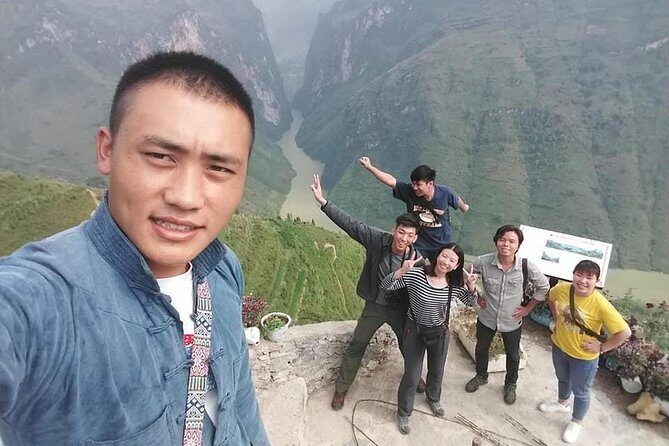
Quan Ba Heaven Gate is exactly what it sounds like: a named viewpoint area that people associate with dramatic views. This is another moment where you’ll probably want to slow down and actually watch.
Heaven Gate-type stops work best when you treat them like a transition, not a trophy moment. Take a couple minutes to settle your eyes, then let your guide explain what you’re looking at. In a small group, you can often get more personal conversation time here than on bigger tours.
If you’re sensitive to long sitting outdoors, bring something warm or keep layers handy. Even if it’s not cold, mountain viewpoints can feel breezy. This is one of those spots where you’ll understand why the tour timing leans on good conditions.
Chieu Lau Thi Mountain Top (Kiou Leou Ti): the peak payoff
Your final highlight is Chieu Lau Thi Mountain Top, also referred to as Kiou Leou Ti. This is the kind of stop that tends to become a personal favorite because it gives the loop a strong ending: altitude, open views, and the feeling that you’ve reached the edge of the story.
What I like about this ending is how it rounds out the loop’s themes. You started with Ha Giang to set your rhythm. You moved through karst formations. You added cultural grounding with Dinh Vua Meo. You hit the famous pass, then switched to cave terrain, then back to viewpoint power. Finishing at a mountain top means you close on the most expansive perspective.
A practical consideration: this is when you’ll want energy. If you’ve been pushing yourself hard each day, pace yourself. Eat well when you can and don’t skip rest time. Your legs and neck will appreciate it.
Why the guides make the difference: locals, English, and real safety
The strongest signal in what you’ll experience with ZinDin Tours is the human side. The team is local, living and working in their region, and they speak the language. Importantly, they also handle English well enough to guide you through the why, not just the what.
From the names you may hear—Zin, Eagle Vang, Pao, Thông, and Yigal—you can expect the same theme: guides who are friendly, patient, and focused on safety. Several people also highlighted easy-rider-style experiences where the driver takes care of the riding side so you can focus on seeing.
Another thing that comes up is the idea of secret spots. The tour description points to the young men of hill tribes bringing you to places bigger routes may not reach. Even if you’re traveling with camera gear and a strict photo mission, this matters. It’s the difference between repeating a famous view and finding a quieter angle that tells you something about the area.
Also, the tour style includes adapting to your needs. If you’re brand-new to a motorbike loop, you’ll want that kind of flexibility. If you’re more confident, you can often still benefit from a driver who knows the road and doesn’t rush you into bad decisions.
Price and value: what $250 gets you in real terms
At $250 per person for about 3 days, this tour sits in the mid-range for the Ha Giang loop. The value comes from what’s included in how the tour is run, not only the sightseeing list.
For that price, you’re paying for:
- local guides who can communicate well in English
- a route that uses mini cars or motorbike options instead of one-size-fits-all
- a small group cap (max 9), which often means more attention and less waiting
- pickup support and a mobile ticket to reduce friction
- access to well-known Ha Giang highlights plus the chance of quieter, hard-to-reach stops
You’re also paying for risk management. A safe, patient driver reduces stress, and stress reduction is real value on a loop like this. In Ha Giang, one uncomfortable moment can sour a whole day. The better the driving and pacing, the more you enjoy the views when they show up.
One note to keep you honest: the tour details don’t spell out everything you might personally expect to be included, like meals and accommodation specifics. But the overall experience has room for home stays, and people speak highly of them when they’re part of the plan. When you book, ask what’s included so there are no surprises.
Who should choose this tour (and who might not)
You’ll love ZinDin Tours if you want a classic Ha Giang loop with a human pace. This is a strong option if:
- you care about culture and not just scenery
- you want a guide who can explain things in clear English
- you prefer small-group travel (max 9)
- you want the option to ride in a mini car or on a backseat motorbike
It might not be ideal if:
- you have very limited stamina for walking at viewpoints and stops
- you expect a strict schedule with no seasonal flexibility
- you need perfect weather guarantees (this experience requires good weather)
If you’re traveling as a solo person, smaller groups can feel easier to manage because the guides can adjust conversation and pacing. If you’re traveling as a couple or friends, the small group size still helps you feel like you’re moving as one unit.
Should you book ZinDin Tours for the Ha Giang loop?
My take: book this if you want the Ha Giang loop to feel personal and guided by locals, not just driven from one landmark to the next. The combination of safe riding, good English explanations, and a route that mixes famous checkpoints with lesser-reached spots is a winning formula.
One final decision tip: think about how you handle long road days. If you’re nervous about motorbikes, the mini car option can keep you comfortable while still delivering the key sights. If you’re excited by the easy-rider style, guides like Eagle Vang and Pao are exactly the kind of support that helps you enjoy the ride instead of worrying about it.
If you tell me your travel dates and whether you prefer car or motorbike, I can help you map what kind of pace to expect and how to plan your packing for the weather.
FAQ
How long is the ZinDin Ha Giang loop tour?
It’s listed as 3 days approximately.
Do they offer pickup and a mobile ticket?
Yes. Pickup is offered, and you’ll receive a mobile ticket.
What ride options are available?
The tour recommends mini cars with 4 or 7 seats, and it also offers backseat motorbike tours.
How many people are in the group?
The tour has a maximum of 9 travelers.
Is the tour physically demanding?
It’s best for people with a moderate physical fitness level.
What happens if the weather is poor?
The experience requires good weather. If it’s canceled due to poor weather, you’ll be offered a different date or a full refund.