REVIEW · HA GIANG
Ha Giang Tour 4 Day-3-Night, English Speaking Guide, Small Group
Book on Viator →Operated by Odyssey Ha Giang Hostel & Tours · Bookable on Viator
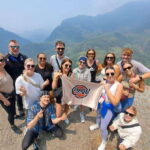
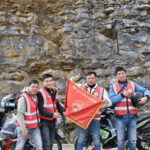
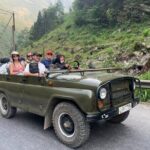
Ha Giang gets serious fast. This 4-day, 3-night small-group loop is built around major viewpoints and real cultural stops, guided in English and organized so you can focus on the ride instead of the logistics. You’ll move through Ha Giang Province with an English-speaking guide and a maximum group size of 15, plus a ride-style that can be comfortable if you prefer going with an easy rider.
What I like most is the personal service feel. The day plan includes time for iconic places like Lùng Khuy Cave and Lung Cu Flag Tower, and you also get homestay nights plus breakfasts, lunches, and dinners that keep the pace realistic.
One thing to consider: the tour can mix riders who drive and people who ride as passengers. On a past departure, a license issue at a police checkpoint almost turned into a bike confiscation situation, so if you want to drive, make sure you’re properly covered and prepared for checks.
In This Review
- Key Highlights You’ll Care About
- Why This Ha Giang Loop Feels More Like Service Than Chaos
- Motorbike Setup: Semi-Automatic Rides and the Easy Rider Factor
- Day 1: Quan Ba Heaven Gate and Lung Khuy Cave to Yen Minh
- Day 2: Thẩm Mã Coffee, Dinh Vua Mèo, and the North to Dong Van
- Day 3: Ma Pi Leng Pass and Nho Que River Views to Du Gia
- Day 4: 181 Road Back to Ha Giang and Lùng Tám Weaving
- Price and Logistics: What $170 Covers (and What It Doesn’t)
- Who This Ha Giang Tour Fits Best (And Who Might Want Another Option)
- Should You Book This Ha Giang Odyssey 4D-3N Loop?
- FAQ
- How long is the Ha Giang tour?
- What is the price?
- Is an English-speaking guide included?
- What meals are included?
- Are entrance fees included?
- Is pickup offered?
- Is there a mobile ticket?
- FAQ
- How big is the group?
- Are drinks and beers included?
- Are tips included for the driver?
Key Highlights You’ll Care About
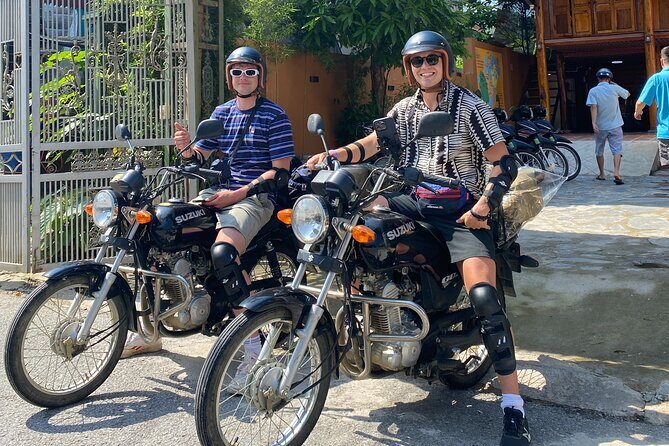
- English-speaking guidance that keeps the route and timing clear, with examples like Tom and Tien mentioned in real trips
- Homestay + local meals included, so you’re not guessing where to eat after a long day on the bike
- Big-name Ha Giang viewpoints, plus quieter Du Gia, so you get both iconic and less-touristy feels
- Semi-automatic motorbikes with an easy rider option, which matters on steep, twisty roads
- Entrance fees and tickets included for the stops that charge admission
- One price that covers a lot, with drinks, beers, and tips left as the only common extras
Why This Ha Giang Loop Feels More Like Service Than Chaos
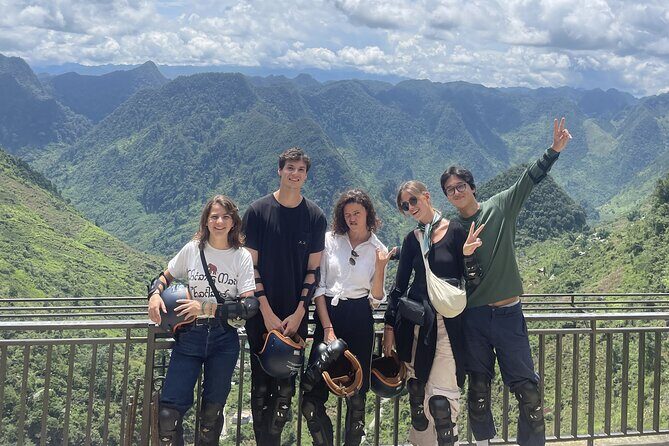
Ha Giang is the kind of place where the roads are part of the story. That’s why I like tours that do the hard work for you: timing, tickets, meal breaks, and a guide who can explain what you’re seeing as you ride.
This one leans into that idea with an English-speaking guide and a small-group size (up to 15). In practice, that usually means you spend less time waiting and more time getting photos in the right moments—like heading into Quan Ba Heaven Gate early enough to enjoy the views without feeling rushed.
The other big win is the rhythm. Instead of a nonstop sprint, the schedule mixes driving time with structured stops: cave time, viewpoint time, and then homestay evenings in towns like Yen Minh and areas like Du Gia. After days on motorbikes, that balance is what keeps the trip enjoyable rather than exhausting.
One small caution: the route includes long days and steep roads, so your comfort on a motorbike matters. If you’re a nervous rider, choose the option where an easy rider handles the driving and you can just focus on holding on and looking out.
You can also read our reviews of more guided tours in Ha Giang
Motorbike Setup: Semi-Automatic Rides and the Easy Rider Factor
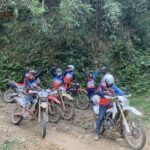
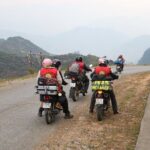
This tour includes motorbike semi-automatic bikes and easy riders. That detail matters a lot in Ha Giang because the roads are tight, steep, and not exactly the kind you want to learn from scratch at speed.
If you plan to drive yourself, treat this as a serious part of your preparation. A reported problem on a prior departure involved a mix of people who drove and people without the right license for Vietnam, leading to a tense delay at a police checkpoint. The guide negotiated so things didn’t escalate into confiscation, but the lesson is clear: don’t assume checks won’t happen.
If you’re riding as a passenger, you’ll still get the full experience—passes, cliffs, canyon views—but with less mental load. Either way, semi-automatic bikes can make control simpler than fully manual, especially when you hit slower sections through towns.
Practical advice:
- Decide early if you want to drive or be driven, and communicate that clearly.
- If you’re driving, double-check what you’re allowed to do for Vietnam before you show up. Police checks are part of the real-world equation on these routes.
Day 1: Quan Ba Heaven Gate and Lung Khuy Cave to Yen Minh
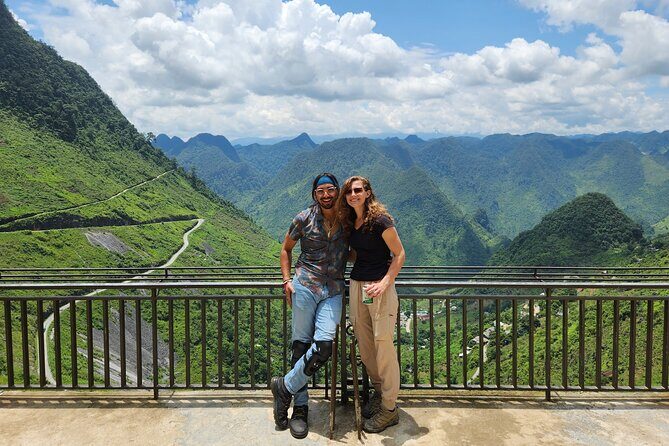
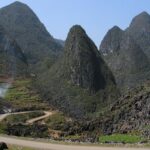
Day 1 starts with a classic gateway feel. Quan Ba Heaven Gate is the opening step into the Dong Van Karst Plateau region. From up on the mountain, you get that first hit of the “road wow” factor, along with the sense that you’re entering a landscape built by limestone and time. The visit is short—about 30 minutes—so it’s designed as a quick photo-and-stretch moment before the day’s bigger driving begins.
Then you move to Lung Khuy Cave. This is the kind of stop that’s worth slowing down for. It’s described as one of the most beautiful caves in the Dong Van Karst Plateau Geopark, which is a UNESCO World Heritage Site. You’ll have about an hour here, long enough to walk through and take in the cave’s scale without feeling like you’re stuck for hours underground.
After that, the day turns toward base camp. You’ll ride to Yen Minh and stay in a homestay for the night. The big value of doing it this way is simple: after long-distance riding, you get a real place to rest instead of piecing together late dinner plans. Also, homestays in this area are usually where you get a more local-feeling evening, not just a bed.
Day 2: Thẩm Mã Coffee, Dinh Vua Mèo, and the North to Dong Van
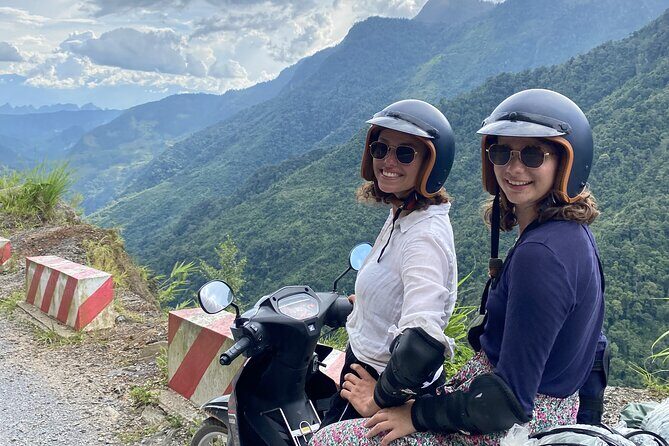
Day 2 is where the route starts stacking the headline stops. You’ll have breakfast at the homestay (the schedule says around 8:00 on this day), then you keep going on the loop.
One of my favorite “small but meaningful” stops here is Coffee Thẩm Mã. The details matter: it’s tied to the Thẩm Mã pass, a road section known for its winding zigzags and a viewpoint checkpoint at the top for those classic winding-road photos. It’s a short stop—about an hour—but it’s the kind of break that keeps the day fun instead of just practical.
Next comes Dinh Vua Mèo (Hmong King Palace). The palace was built from 1898 to 1903 and connects to the Vuong Dynasty era, when Hmong leaders ruled locally. Even if you’re not trying to read every plaque, the structure and setting help you understand how the highlands organized power and community in the early 1900s.
Then you climb into one of the most iconic symbols on the route: Lung Cu Flag Tower at Vietnam’s northernmost point area. The tower sits on Lung Cu Peak, around 1,470 meters above sea level, and it’s positioned near the China border. You’ll also spend time at the broader Northernmost Point of Vietnam (about 30 minutes), where the road leading there is part of the payoff.
After all that riding and viewpoints, the schedule ends with Đồng Văn Ancient Street in Dong Van. It’s not a long stop—roughly 10 minutes—so think of it as a quick taste: stone and old buildings, a sense of the town center, and a chance to stroll without killing the momentum.
The practical benefit of Day 2 is that it concentrates the most famous sights while still giving you meals and guidance to keep you moving smoothly.
Day 3: Ma Pi Leng Pass and Nho Que River Views to Du Gia
Day 3 begins with another early breakfast. The plan says breakfast in Dong Van around 7–8 AM, then you’re back on the road.
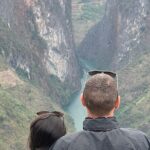
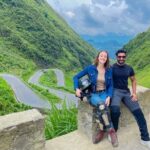
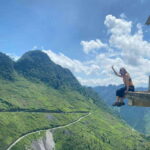
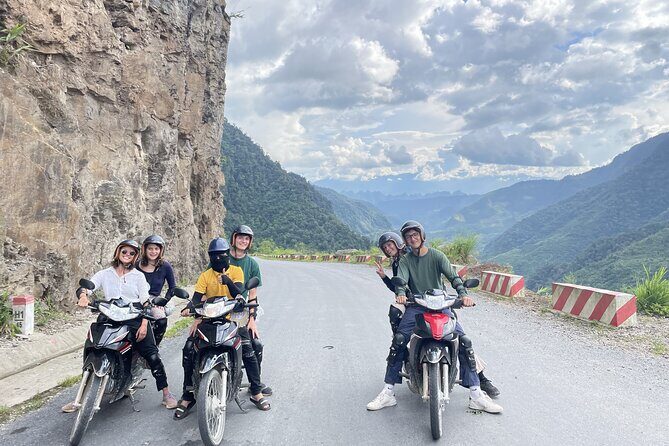
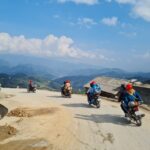
You’ll hit the big one: Ma Pi Leng Pass. This pass is known as one of Vietnam’s most famous and dangerous, described with rugged curves and steep cliffs. The route is about 20 km long, sitting around 1,200–1,400 meters above sea level. That altitude helps explain why you’ll feel the ride is intense even when you’re not going fast.
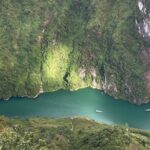
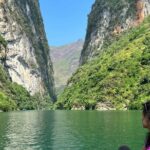
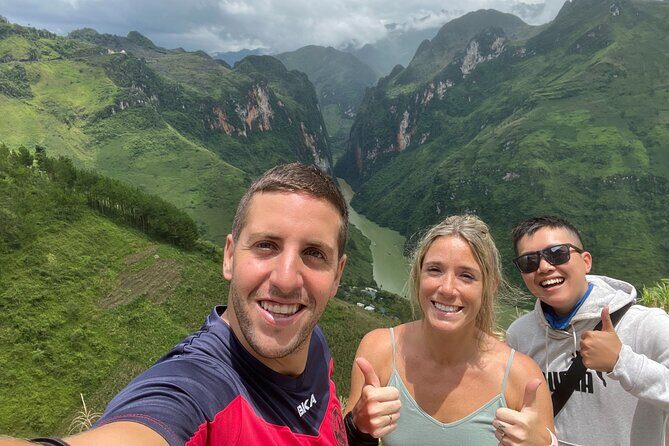
The time at Ma Pi Leng is around two hours, with the viewpoint experience being the main event. The reward is what you get afterward: Nho Que River and the canyon views tied to Tú Sàn Canyon, described as the deepest canyon in Southeast Asia, along with the river corridor linking the scenery across borders.
After the pass and river sections, you’ll stop for lunch in Meo Vac. The schedule lists about one hour for that, which is a good sign. It means you get fuel and then keep moving instead of wasting time.
Then comes the quieter pivot: Du Gia Village. You’ll ride to Du Gia and spend about 10 hours there, which is long enough to feel like more than a “photo stop.” The way it’s described is key: Du Gia is less popular than hotspots like Dong Van, Meo Vac, or Lung Cu, and that difference is usually exactly what you want when you’ve already seen the big names. It can feel calmer, more local, and less like you’re in a highlight reel.
You can also read our reviews of more evening experiences in Ha Giang

Day 4: 181 Road Back to Ha Giang and Lùng Tám Weaving
Day 4 is your return push, but it doesn’t feel like a dead end day. You start with the ride on 181 Hà Giang Road, described as a beautiful road back toward Ha Giang. You’ll have around four hours of riding time here, so this is a day where having an organized plan matters—again, you don’t want to be figuring routes when you’re already tired.
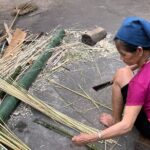
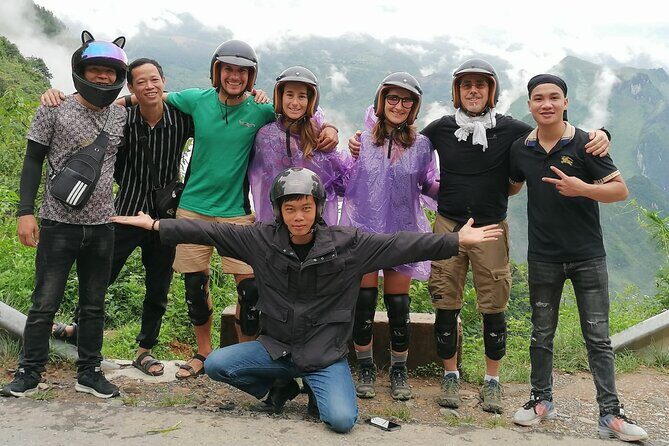
Then you stop at Lùng Tám, known as a weaving village where you can witness the traditional Hmong linen weaving process passed down for generations. This is about culture you can see with your own eyes, not just a story you hear and forget later.
The stop time is about two hours, which feels right: long enough to watch and ask questions, short enough that you don’t feel trapped.
The tour ends back at the meeting point, so you’ll finish with a clear “where to next” answer.
Price and Logistics: What $170 Covers (and What It Doesn’t)
The price is $170 for a roughly 4-day loop with 3 nights. On paper, that might look like a simple rate. In real terms, value comes from how much the tour includes.
Here’s what’s covered:
- Oil/gas
- Entrance fees/tickets for the included sights
- English-speaking guide
- Motorbike semi-automatic + easy riders
- Meals: 4 breakfasts, 4 lunches, and 3 dinners
- 1 big bottle of water per person on day 1
What’s not covered:
- Drinks and beers
- Tips for the driver
So the money math is pretty straightforward. If you were to arrange transportation, a guide, and tickets on your own, you’d pay for these pieces separately. The included meals also reduce a lot of decision fatigue. After days on rough roads, “Where should we eat?” becomes less fun than it sounds.
One more logistics detail that helps: pickup is offered, and the tour uses a mobile ticket, which cuts down on paper hassles.
If you want an easy decision rule: this tour is best if you prefer paying for a ready-made plan instead of negotiating every piece yourself.
Who This Ha Giang Tour Fits Best (And Who Might Want Another Option)
This tour fits you if you want:
- The big Ha Giang highlights in a structured loop
- An English-speaking guide who can keep the trip understandable, not just scenic
- The comfort of homestay nights plus meals included
- A small group experience up to 15 people
It may not fit you if:
- You’re expecting fully hands-off biking with no need to coordinate at all. The tour can involve a mix of riding styles, and you should clarify if you plan to drive.
- You want maximum free time for wandering. The schedule is active, and the stops are timed—most are short blocks like 30 minutes to 2 hours.
If you’re the kind of traveler who likes planning, comfort, and learning as you go, this route is a strong match. If you want a slow independent exploration with lots of open-ended time, you might find a set-loop style restrictive.
Should You Book This Ha Giang Odyssey 4D-3N Loop?
If you like the idea of a planned Ha Giang loop—with English guidance, homestays, major viewpoints like Lung Cu and Ma Pi Leng, plus a cultural weaving visit at Lùng Tám—then yes, I’d book it.
I’d especially consider it if you value the “less thinking, more seeing” approach: entrance fees are handled, meals are scheduled, and you’re not burning daylight hunting food or ticket lines. The most praised part of this experience is the way the route stays lively without falling apart, with guides like Tom and Tien specifically associated with memorable pacing and well-chosen stops.
My one caution is about the bike side of the trip. If you plan to drive, be ready for the real-world possibility of police checks. If you’re already comfortable riding passenger-style with an easy rider, that’s often where this tour feels easiest.
Bottom line: this is a good pick when you want Ha Giang to feel organized, scenic, and genuinely worth the effort.
FAQ
How long is the Ha Giang tour?
It’s a 4-day tour (about 3 nights), running on a loop route through Ha Giang Province.
What is the price?
The listed price is $170.
Is an English-speaking guide included?
Yes. The tour includes an English speaking tour guide.
What meals are included?
The tour includes 4 breakfasts, 4 lunches, and 3 dinners.
Are entrance fees included?
Yes. Entrance fees/tickets are included for the stops in the program.
Is pickup offered?
Yes, pickup is offered, and the tour starts at Ha Giang Odyssey Hostel, Tours & Motorbikes Rental.
Is there a mobile ticket?
Yes, a mobile ticket is included.
FAQ
How big is the group?
The tour has a maximum group size of 15 travelers, keeping it small.
Are drinks and beers included?
No. Personal drinks, including beers, are not included.
Are tips included for the driver?
No. Tips for the driver are not included.