REVIEW · HA GIANG
3 Days Small Group Trekking And Motorbike Combine + Private room
Book on Viator →Operated by Authentic Ha Giang - Easy Riders - Motorcycle - Dirt Bike Tours · Bookable on Viator
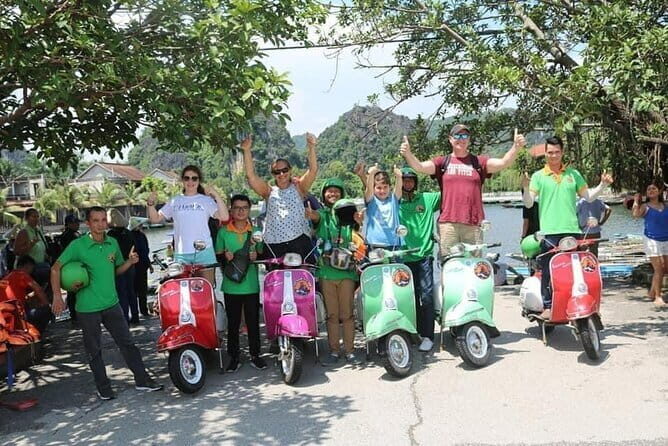
Three days, two ways to see Ha Giang. This trip mixes a classic Ha Giang Loop ride with guided trekking through rural villages and border views, so you get both the big-pass scenery and the slow, human pace of walking.
What I especially like is how it’s built for comfort and flow: an English-speaking guide, professional licensed drivers, and hotel/homestay pickup and drop-off in Ha Giang City. The other big plus is the food and planning do not feel like an afterthought, since most meals and key entrance tickets are included. One drawback to consider is the walking days can add up (for example, a 6–8 km trek on Day 1 and other multi-hour treks), so you should be ready for uneven ground and a steady physical pace.
In This Review
- Key highlights at a glance
- Why This Ha Giang Loop + Trek Combo Works So Well
- Price and Value: What $395 Covers (and Why It Matters)
- Small-Group Rhythm and Your Private Room
- Day 1: Heaven Gate, Quan Ba Views, and a Trek Toward Lung Tam
- Day 2: Dong Van Geopark Roads, Hmong King Palace, and Border Trekking
- Day 3: Ma Pi Leng Pass, Happiness Road, and Village Life Around Mau Due
- Guides, Safety, and the Local Touch (Chucky, Ben, and More)
- How Tough Is the Trek Really?
- What You’ll Actually Experience Each Day (Beyond the Headline Stops)
- Who This Tour Is For (and Who Should Pick Something Else)
- Should You Book This Ha Giang Loop Easy Riders + Trek?
- FAQ
- What is the duration of this Ha Giang tour?
- How much does the tour cost?
- What activities are included in the tour?
- Is pickup and drop-off included?
- Is there an English-speaking guide?
- What meals are included?
- Are entrance tickets included?
- What about water during the trip?
- Is the group size small?
- What is the cancellation rule?
Key highlights at a glance
- Up to 8 people keeps the experience calmer and easier to manage on twisty roads
- Private room gives you downtime after long viewing days
- Heaven Gate + Quan Ba adds a dramatic start with a short trek from the pass area
- Nho Que River and China-border trekking turns famous scenery into a close-up walk
- Ma Pi Leng Pass and Happiness Road deliver the classic loop payoff without skipping the smaller villages
- Meals, entrances, and 1.5L water/day reduce day-to-day hassle and cost surprises
Why This Ha Giang Loop + Trek Combo Works So Well
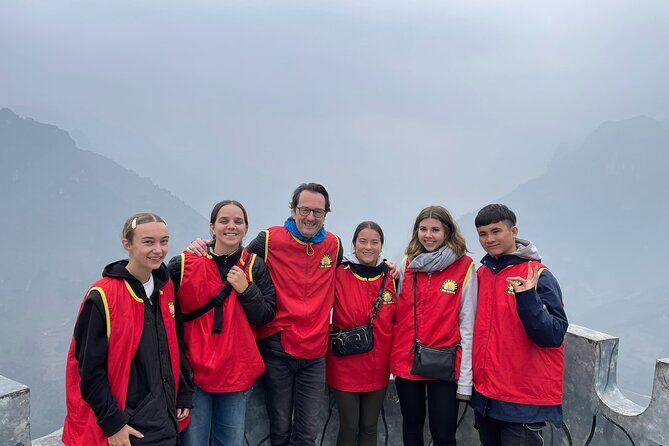
Ha Giang can feel like two different trips in one: fast-moving motorbike days where you chase viewpoints, and slower trekking days where you notice details like path sounds, household routines, and how people live up in the hills. This tour is designed to give you both, which is why it feels more complete than doing only one style.
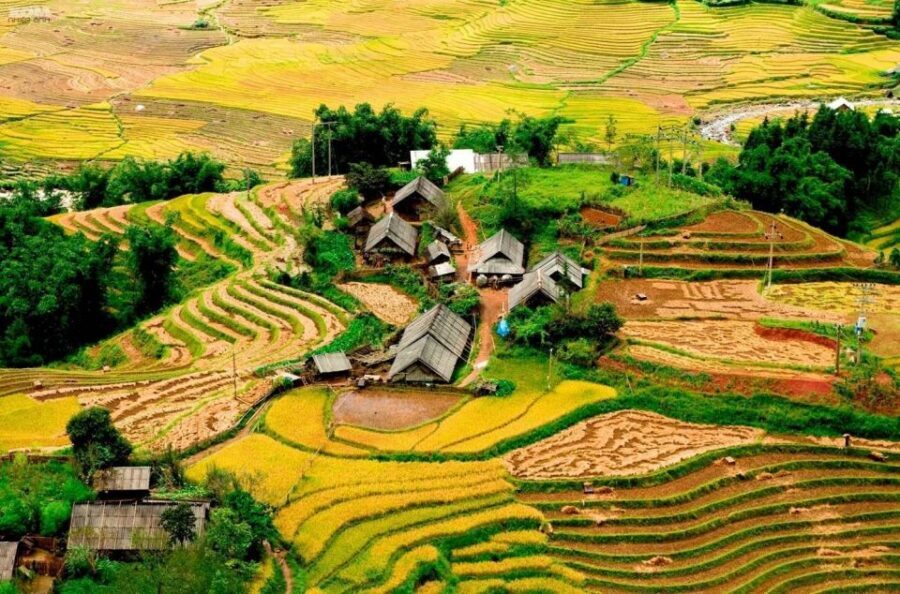
You ride through the names people actually come for—places like Heaven Gate (Quan Ba), the Tham Ma Road area, Hmong King Palace, and the big finale around Ma Pi Leng Pass. Then you step off the bike and walk into village paths and valleys, including Nam Dam, Trang Kim Valley, Lung Tam, Thien Huong Village, and viewpoints over the Nho Que River.
The “secret sauce” is that the trekking is not treated like a token add-on. You get it on multiple days, including a Day 1 trek from the Heaven Gate point (listed around 6–8 km) and longer walking blocks that stretch your sense of distance and air.
You can also read our reviews of more private tours in Ha Giang

Price and Value: What $395 Covers (and Why It Matters)
At $395 per person for roughly 3 days, the best way to judge value is what you are not paying for separately.
This one includes:
- Motorbike with fuel and a professional driver
- English-speaking tour guide
- 3 breakfasts, 3 lunches, and 2 dinners
- 1.5 liters of water per day
- Entrance tickets tied to caves, villages, and historical stops
- Hotel/homestay pickup and drop-off around Ha Giang City
When the tour covers transport, meals, and the main entry fees, your money goes toward the experience instead of adding up smaller charges day-by-day. For Ha Giang Loop-style travel, the “hidden costs” can be food breaks, paid attractions, and logistics—this itinerary is structured to reduce those. You still handle personal spending and tips, but the core day rhythm is already budgeted.
Also, the small-group limit (max 8 travelers) is part of the value. Fewer people generally means smoother pacing at stops and less chaos when you are waiting for photos or regrouping after a trek.
Small-Group Rhythm and Your Private Room
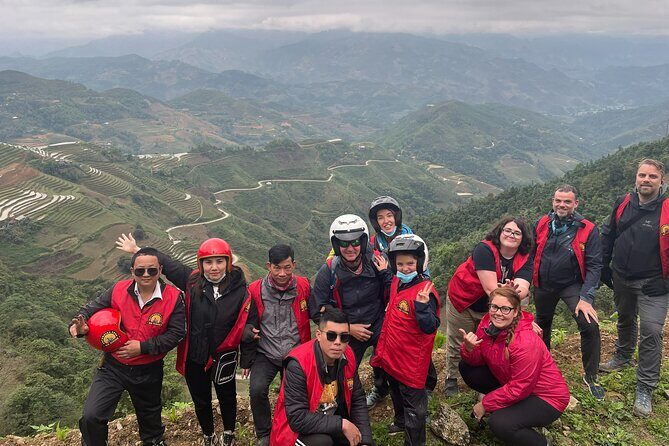
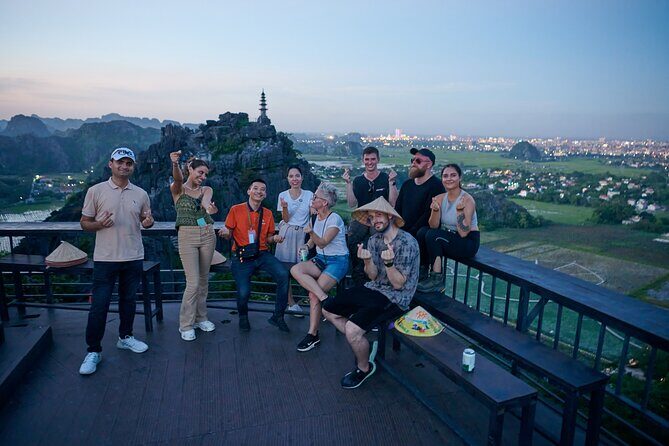
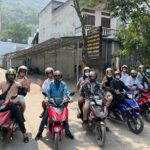
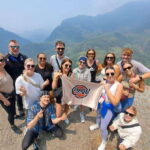
This is not a big bus tour. It runs with a maximum of 8 travelers, so the guide can actually keep track of everyone’s timing and needs. That matters on roads where turns are constant and viewpoints are spaced in real time.
You also get a private room as part of the package. After a day that may include several hours of riding plus trekking, privacy helps. It’s easier to rest, wash up, and reset your energy for the next pass day.
One practical thing: the tour starts around 8:00 am and builds a full schedule. If you’re the type who likes to sleep in and wander slowly on your own, this might feel like a lot. But if you want to maximize the highlights in a tight time window, this kind of structure is exactly what you’re paying for.
Day 1: Heaven Gate, Quan Ba Views, and a Trek Toward Lung Tam
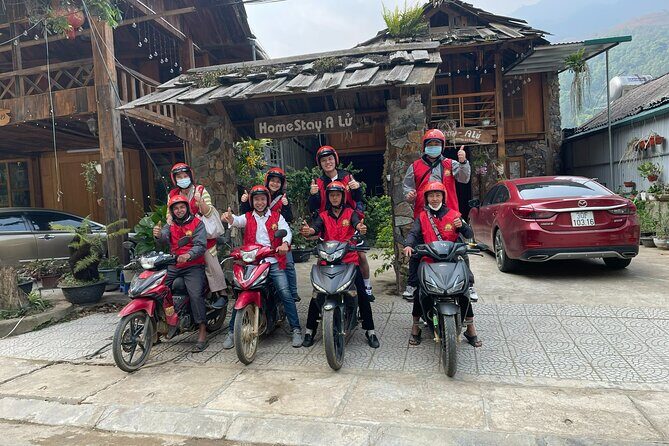
Day 1 is a smart mix of spectacle and movement. The morning begins with pickup around Ha Giang City or a meeting point, then you head out for Quan Ba Heaven Gate.
From there, you start the first trekking block from the Heaven Gate area. The plan calls for a trek around 6–8 km through mountain paths and villages. This is one of the most important parts of the whole trip because it sets expectations: you are going to walk, not just take photos from the road.
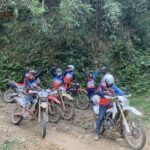
A nice detail is how the biking and trekking are paired. The motorbike riders go ahead while you trek, so you’re not waiting around for hours in one spot. You get that “separate but together” flow: walk through the local trails, then reunite for the next viewpoint segment.
After that, you shift to the Quan Ba area again and then toward Yen Minh. There’s time to eat lunch and recover before more trekking toward Lung Tam Village. The itinerary frames this segment as another chance to enjoy fresh air and big views from the trail.
What to consider on Day 1: trekking right after you start the day means you’ll want your energy ready early. If you’re sensitive to hills, keep your pace steady, drink the included water, and don’t sprint just because the scenery looks tempting.
Day 2: Dong Van Geopark Roads, Hmong King Palace, and Border Trekking
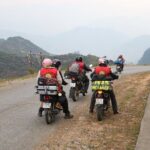
Day 2 starts with the more “famous-road” side of Ha Giang. You’ll head from Yen Minh Town toward Dong Van Karst Plateau Geopark, with stops that include Tham Ma Road and the Hmong King Palace area.
This is where your motorbike day does the storytelling work. Karst terrain looks dramatic from the road, and the route names matter because they’re tied to how Ha Giang’s geography shapes daily life. You also get culture landmarks like Hmong King Palace—not just scenery, but an anchor point to understand the region.
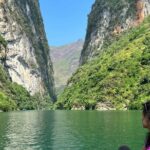
After lunch, you switch back to the trekking rhythm. The Day 2 trek is listed around 4 hours, and the big theme is the Nho Que River valley and the Vietnam–China border. The route is described as a valley road walk where you see both sides separated by the river, then you continue onward into villages where you can observe life up close.
This is the day I’d call the most emotionally “close-up.” A pass view gives you scale. Border trekking gives you context: you notice how close daily life sits to geography and how the path connects small communities.
If you’re prone to motion sickness, note that Day 2 combines driving plus trekking. You don’t have to be tough in the sports sense, but you do want to be comfortable moving from road conditions into walking conditions without your focus dropping.
You can also read our reviews of more hiking tours in Ha Giang

Day 3: Ma Pi Leng Pass, Happiness Road, and Village Life Around Mau Due
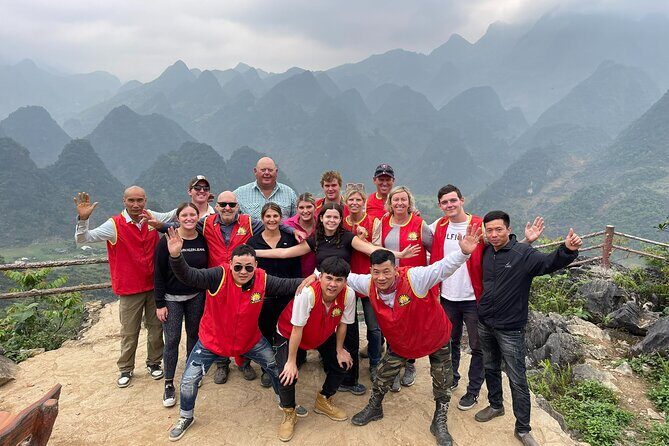
Day 3 is the big finale and it’s designed to hit one classic highlight after another.
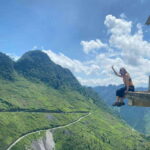
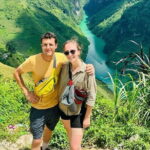
After breakfast, you head from Dong Van Town toward Ma Pi Leng Pass, on what’s called the Happiness Road connecting Dong Van and Meo Vac. Ma Pi Leng Pass is famous for a reason. Even with a short time block, the area’s viewpoint style makes you slow down and look across the bends and drop-offs over the Nho Que River.
Then you continue toward more remote villages. Lunch is planned around Mau Due Village, and there are additional village stops such as Lung Ho and Mau Due before you finish back on the full loop pattern.
This part of the itinerary matters because it prevents Ha Giang from turning into only postcard moments. You see remote areas not just as distant scenery, but as places with routines—how people live, how homes sit into the hillside, and how the day’s movement follows the roads and paths.
What to watch for on Day 3: fatigue. By this point you’ve likely had two days of riding plus multiple trekking blocks. Go for steady energy rather than speed. The last viewpoint moments are the ones where you’ll get the clearest photos and the calmest memories.
Guides, Safety, and the Local Touch (Chucky, Ben, and More)
A huge part of why this kind of tour gets strong ratings is comfort on the road. Multiple guides and riders are named in the feedback, and the consistent theme is that staff take safety seriously while still sharing local details.
You may ride with English-speaking guides such as Chucky or Ben, and you might meet riders like Luan, Gion, Lavi, or Hoang. The common thread: they explain what you’re seeing and help you feel comfortable at the stops rather than treating you like passengers.
The local touch is not only in the route names. Some experiences described include being taken to local artisan spots and spending time in the company of local families during the more village-based portions. When that happens, your trekking and food stop become part of the culture, not just a change of location.
Practical takeaway for you: when the guide gives timing instructions—especially for regrouping after trekking—follow them. In Ha Giang, the difference between a smooth day and a stressed day is usually staying on schedule and staying close when the path gets narrow.
How Tough Is the Trek Really?
The itinerary gives enough detail to plan realistically.
- Day 1 trekking is listed around 6–8 km plus additional trekking time later that day toward villages like Lung Tam
- Day 2 includes a trek of about 4 hours along the valley and border area
- Day 3 includes another trekking viewpoint component focused on overlooking Nho Que River and Ma Pi Leng Pass area
So this is not “walk for 20 minutes and done.” It’s a genuine multi-day hiking style, in mountain terrain.
Here’s the balanced way to think about difficulty:
- You don’t need to be an athlete, but you do need steady legs and comfort on paths that aren’t flat.
- If you’re okay with a full day that mixes road time and active walking, you’ll probably feel great by evening.
- If you expect gentle strolls and lots of sitting, you may find some stretches tiring.
The good news is the trip is paced across days, and the group size stays small, which helps you move efficiently.
What You’ll Actually Experience Each Day (Beyond the Headline Stops)
It’s easy to get seduced by the famous names: Heaven Gate, Ma Pi Leng, and Nho Que River. But the experience quality comes from the in-between moments.
Expect frequent viewpoint pauses, but also expect long-distance motion and real walking. The best part is that you’re not just riding from one photo spot to another. Each day changes pace:
- Day 1 starts with a pass trek and ends with more village walking
- Day 2 adds geopark roads and then switches to border trekking
- Day 3 finishes with the classic pass feeling and then slows down again in remote villages
If you care about authenticity, you’ll likely enjoy the village segments that bring you into smaller communities rather than only major scenic points.
Who This Tour Is For (and Who Should Pick Something Else)
This combo works best for you if:
- You want both motorbike excitement and the grounded experience of trekking
- You like small groups and prefer a guide who can manage pacing and safety
- You want a structure that includes meals, entrance tickets, and pickup/drop-off
You might reconsider if:
- You have limited stamina and dread multi-hour treks
- You only want easy sightseeing and minimal walking
- You’re the type who needs lots of free time to wander independently each day
Should You Book This Ha Giang Loop Easy Riders + Trek?
If you’re trying to choose between “just the loop” and “just trekking,” this one earns its place. The value is strong because transport, guides, major entrances, and most meals are included, and the tour format makes it easier to handle Ha Giang’s geography in just 3 days.
My call: book it if you want a balanced Ha Giang hit—famous passes plus real village pathways, led by guides and riders who focus on safety and explanations. Choose something else only if you want a low-effort itinerary or you’re not comfortable with several trekking hours across the trip.
If your goal is to leave with both photos and a sense of how people live in Ha Giang’s more remote areas, this is a very reasonable way to do it.
FAQ
What is the duration of this Ha Giang tour?
It runs for about 3 days (3 days, 2 nights).
How much does the tour cost?
The price is $395.00 per person.
What activities are included in the tour?
You’ll combine motorbike riding through Ha Giang’s loop highlights with guided trekking in village and border areas.
Is pickup and drop-off included?
Yes. The tour includes pickup and drop-off for hotels and homestays around Ha Giang City.
Is there an English-speaking guide?
Yes. An English-speaking tour guide is included.
What meals are included?
The tour includes 3 breakfasts, 3 lunches, and 2 dinners.
Are entrance tickets included?
Yes. Entrance tickets for caves, villages, and historical places are included.
What about water during the trip?
The tour provides 1.5 liters of water per day.
Is the group size small?
Yes. This tour has a maximum of 8 travelers.
What is the cancellation rule?
Cancellation is free if you cancel up to 24 hours in advance for a full refund. If you cancel less than 24 hours before the experience starts, it is not refunded.