REVIEW · SA PA
From Sapa: Fansipang Mountain Hike 1 Day
Book on GetYourGuide →Operated by Sapa Local Trekking & Home · Bookable on GetYourGuide
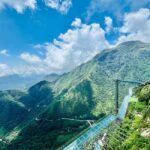
You’re climbing into real altitude air. This 1-day Fansipang hike takes you from Sapa up to the highest point in Vietnam (3,143m), with a route through bamboo forests, rhododendrons, and cardamom areas, plus big mountain views as you go. What makes it especially satisfying is the “challenge” feeling—warm-up first, then steady climbing, and a proper finish at the top.
I also like that you get a medal and certificate with your name after the summit effort. One drawback to plan for: cable car tickets aren’t included, and the return option you choose can change your total cost.
The other thing that really sells this day is the pacing at altitude. You’ll stop for lunch around 2,800m, where the air is cooler and the views feel more dramatic than at town level. And if you’re lucky with your guide—names like Lucas and Cho come up in this activity’s English-led group experience—you’ll get more than just route directions.
In This Review
- Key points that make this hike worth your time
- From Sapa to Tram Tom Pass: why the early start matters
- 1,900m to 2,400m: bamboo, forest stories, and learning to pace
- 2,400m to 2,800m: the steep middle and the rhododendron push
- Lunch at 2,800m: your morale break (and why it’s planned)
- Reaching Fansipang’s summit (3,143m): the “done” feeling
- Coming back to Sapa: same road or cable car (budget it)
- Price and value: what you pay for, and what you should add
- Who this Fansipang hike suits best (and who should skip it)
- What to bring and how to dress for altitude weather
- Should you book this 1-day Fansipang hike?
- FAQ
- How long is the Fansipang Mountain hike?
- What time does the hike start?
- Where do you get picked up and dropped off?
- What’s included in the price?
- Is the cable car included?
- What happens at around 2,800m?
- What should I bring for the hike?
- Is this tour okay for kids or everyone with health concerns?
Key points that make this hike worth your time
- Highest point in Vietnam (3,143m): the summit moment is the point, and the day is built around reaching it
- Forest variety that changes as you climb: bamboo, rhododendron, and cardamom areas keep the trail interesting
- Lunch near 2,800m: a morale break at a higher altitude than most day hikes
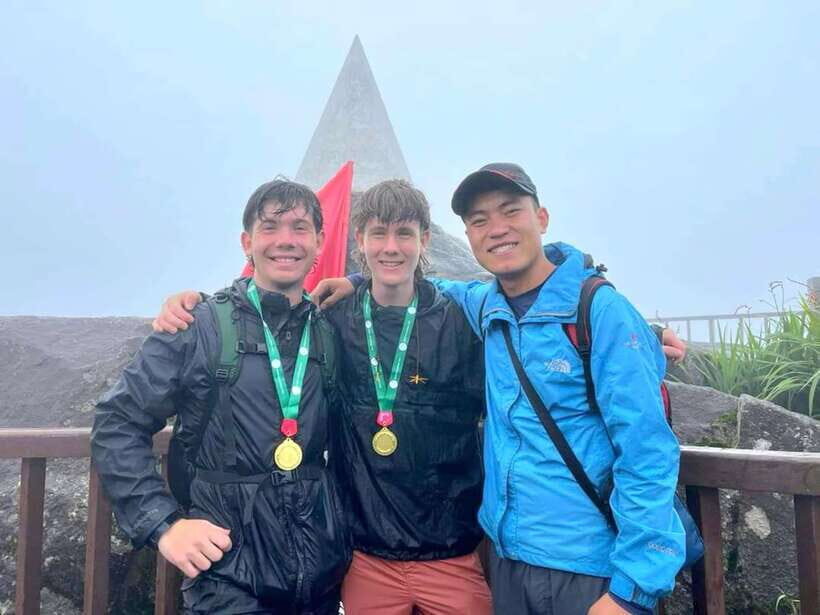
- A real completion keepsake: medal and certificate with your name
- Cable car return is optional but extra: you’ll budget for it if you don’t want to retrace the full route
- It’s a step-up in difficulty after 2,400m: plan your pace for the steep middle stretch
From Sapa to Tram Tom Pass: why the early start matters
Your day begins in Sapa, with pick-up from around town and an early departure (you’ll be picked up roughly around 5:30am). Then you drive up to Tram Tom pass at about 1,900m above sea level, where the hike starts.
This first stretch is more than just “getting there.” Starting at 1,900m means you’re already above what most people think of as comfortable hiking altitude, so your breathing and leg muscles wake up fast. The tour includes warm-up exercises before you start trekking, which is a big deal when the climb ramps up later.
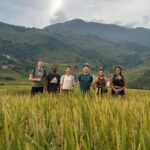
You’ll also get an English-speaking local guide. That matters because the route isn’t just random trail stitching—it’s a working landscape of forests and wildlife corridors. During the easier middle, your guide shares info about the forest and animals you might spot along the way.
Practical note: if you’re hoping for a slow, casual morning, this isn’t it. The upside is you’re rewarded with cooler air and softer light for photos later.
You can also read our reviews of more hiking tours in Sa Pa
1,900m to 2,400m: bamboo, forest stories, and learning to pace
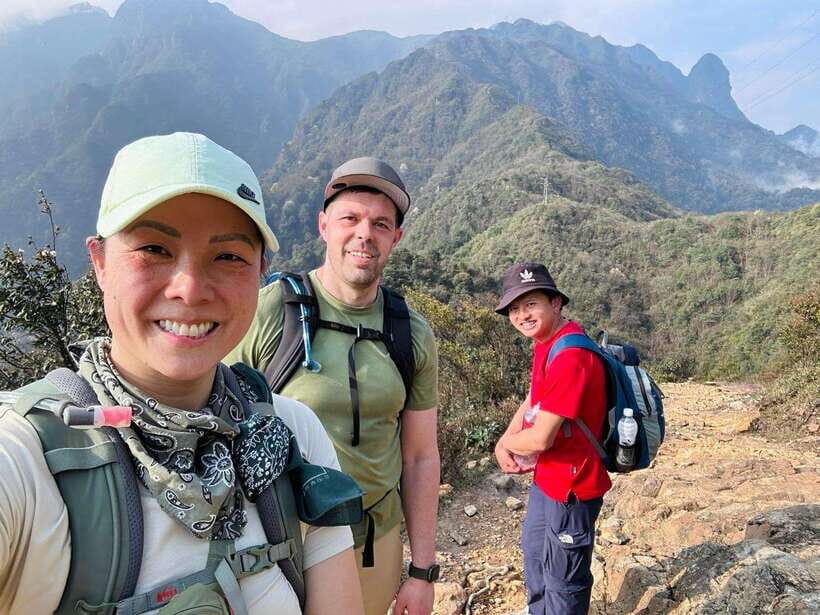
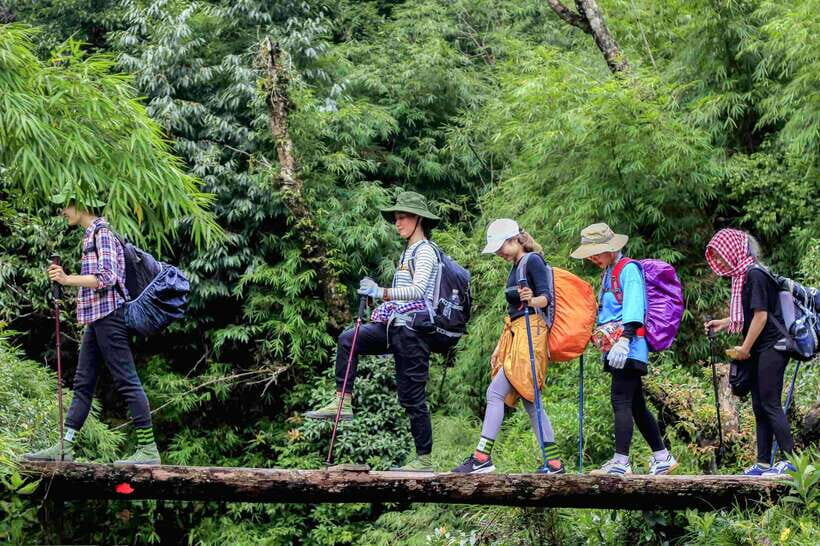
From 1,900m to 2,400m, the hike is described as easier and very manageable. This is the phase where you get your rhythm: walk time plus stops for scenery, and fewer “I need a breather every five steps” moments.
The trail passes through bamboo forest and into areas sometimes described as ancient flower forest. You’ll also cross parts tied to local cardamom growing areas, and you may notice streams along the route. The guide’s commentary helps you see the hike as more than scenery—it becomes a living ecosystem you’re moving through.
This is also where you should pace on purpose. Even though this part is easier, you’re still gaining elevation. If you sprint to “catch up” early, you’ll pay for it in the steeper segment later. If you’re traveling with friends, treat this as the time to slow down together and keep your breathing steady.
What I like about this phase: you can enjoy the walk itself. It’s not all grind. The trail gives you variety, and the forest cover helps temper sun that can feel harsh at altitude.
2,400m to 2,800m: the steep middle and the rhododendron push
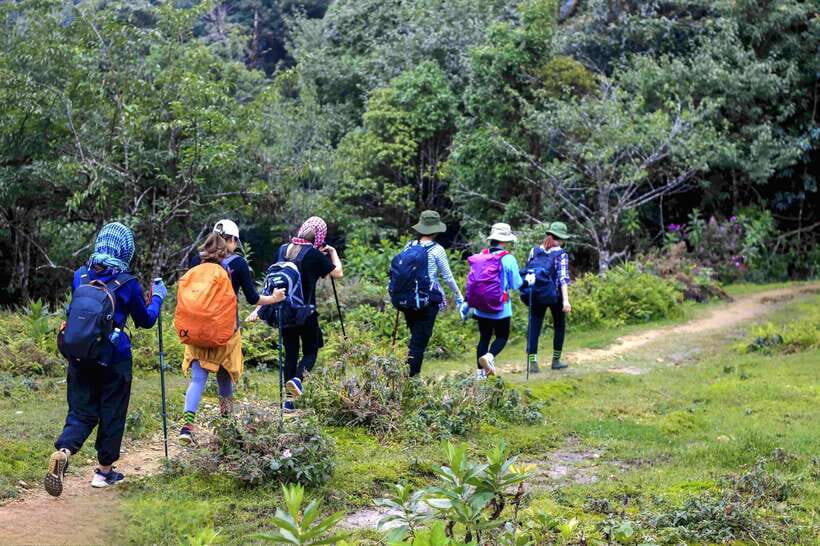
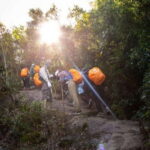
Then comes the part that hikers feel in their legs: 2,400m to 2,800m. The route is almost always going up, so it’s a step-up in effort. This doesn’t mean you have to suffer helplessly. It means strategy counts.
The description you’ll hear for this segment is that it can feel like you’re walking up a dinosaur spine, with a strong continuous grade. You’ll also be walking through rhododendron forests and areas with forget-me-not type flowers waiting ahead. Even if you don’t recognize every plant name, you’ll notice the visual payoff: the higher you climb, the more the mountain world opens up around you.
A tip that keeps this section from feeling overwhelming: shorten your steps and focus on cadence. Use the guide as your pace anchor rather than aiming to pass everyone. If it’s cold (especially in winter months), your first reflex might be to tense up your shoulders and arms. Instead, keep your upper body relaxed. You’re still moving up fast enough that warm layers matter more than clenching.
This section is exactly where a guide earns their fee. A good one keeps the group moving safely, times breaks, and helps you recognize when you’re just tired versus when you need a slower pace.
Lunch at 2,800m: your morale break (and why it’s planned)
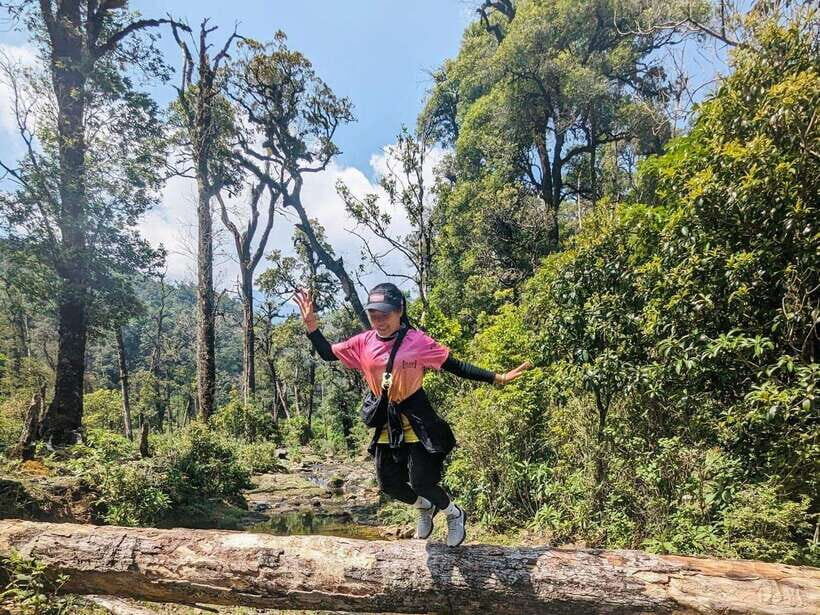
You’ll reach about 2,800m, where there’s a stop that’s especially important for your energy. For travelers doing a longer version of the route, this is where an overnight stay often happens. In this 1-day format, you stop here, eat, and then continue toward the summit.
Your lunch is prepared by your guide, and this is one of the best built-in “value moments” of the day. At this altitude, food isn’t just comfort—it’s fuel. After a steep climb, you’ll feel better with something real in your stomach before the final push.
Also: this stop is your chance to reset mentally. At 2,800m, you’ll likely be looking at more exposed slopes and wider mountain views. Sitting down for a meal changes how the top phase feels. It’s not just about calories. It’s about confidence.
In terms of keeping warm, use the lunch stop to adjust your layers. Don’t wait until you’re shivering to react. Cold air at altitude can sneak up on you.
Reaching Fansipang’s summit (3,143m): the “done” feeling
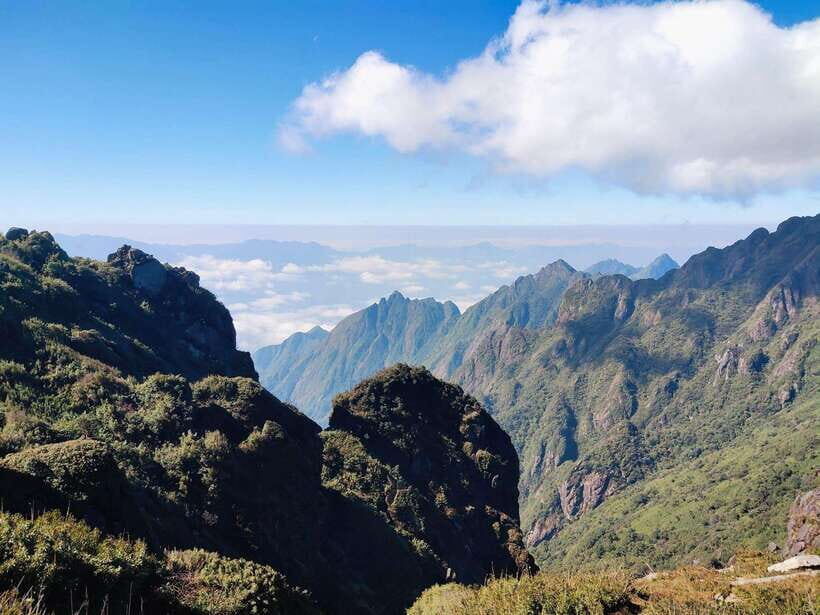
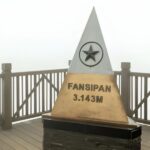
From lunch, you’ll continue on trails through bamboo and rhododendron forest to the summit of Fanxipan (also referred to as Fansipang in some tour materials). This is where the challenge becomes a story you can actually tell.
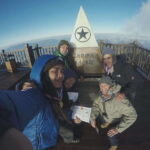
Once you get there, your tour includes a medal and certificate with your name. That detail sounds simple, but it changes the experience. Instead of “we arrived and everyone leaves,” you get a moment of recognition, plus something you can keep.
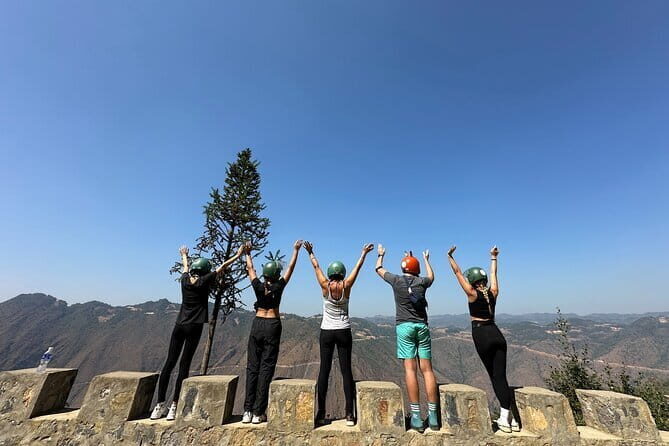
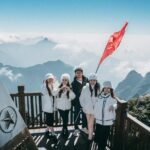
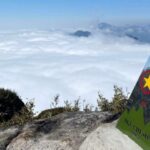
You’ll also have a short time at the top for photos and to look around. Plan for changing weather. At altitude, cloud and wind can move in fast, and the summit view might be crystal-clear or partially veiled depending on the day. Either way, you’ll still have the achievement behind you.
A practical mindset: don’t burn all your summit time trying to chase the perfect photo. Take a few solid shots, breathe in the cold air, then move on. The descent and return planning come next.
You can also read our reviews of more tours and experiences in Sa Pa
Coming back to Sapa: same road or cable car (budget it)
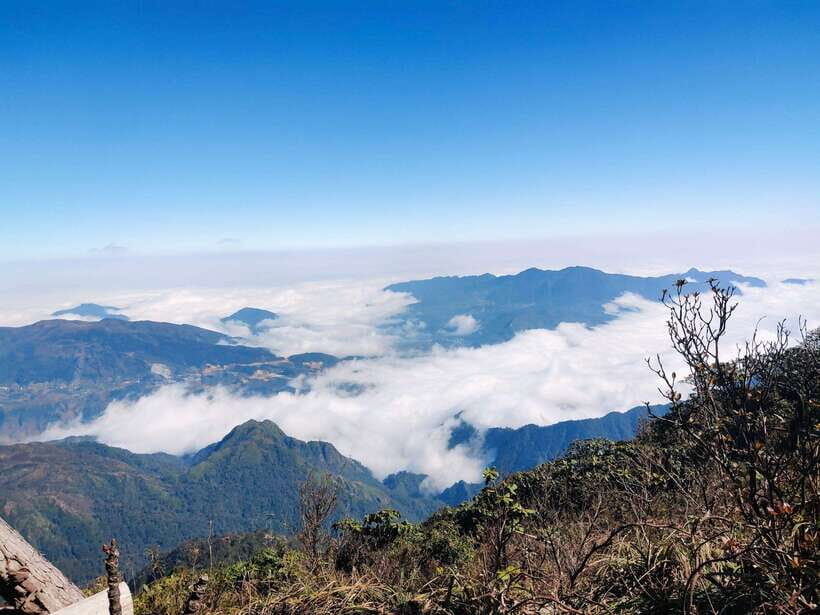
After the summit and top photos, you return to Sapa with two options:
1) Come back the same road with your guide.
2) Return by cable car up to the station near Sapa town, with transport picking you up afterward.
Here’s the real-world planning issue: cable car tickets aren’t included in the tour price. So if you’re counting on the cable car for your descent, add that cost early. In one guide-led experience I reviewed, someone flagged the cable car return as quite mandatory and estimated it as more than €30 per person.
If you choose to come back the same way, you’ll retrace a lot of climbing effort you just did. It’s still doable, especially since the route is guided and you’ll be descending, but your legs will feel it.
My advice: decide based on your fitness and your weather tolerance. If conditions look questionable, cable car return can reduce risk and fatigue. If you feel strong and want a full “I earned every step” day, the same-road return gives you more trail time and a complete sense of closure.
Price and value: what you pay for, and what you should add
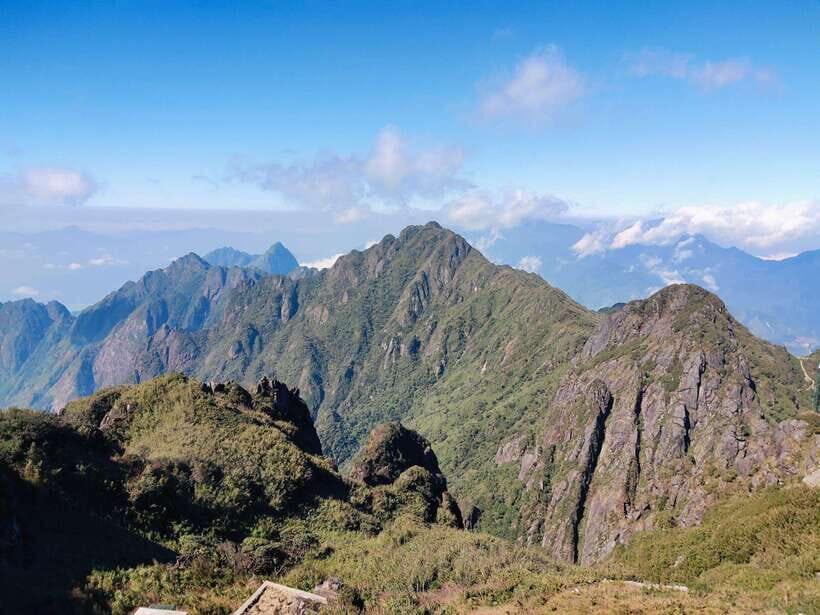
The price is listed as $74 per person for the day, with an 8-hour duration window (starting times vary). What’s included is meaningful:
- Pickup and drop-off in Sapa
- Experienced local guide (English)
- Lunch
- Medal and certificate
That’s not just a walking service. Pickup, guide expertise, and a prepared lunch are the stuff that turns a half-day hike into a full-day plan you don’t have to micromanage.
Now the extras to watch:
- Cable car tickets if you use that return option
- Your own gear and personal snacks (the day asks for water and trekking gear)
- If you choose to buy additional food beyond lunch, that’s on you
One traveler felt the hike was expensive in relation to what they personally bought on top (taxi, guide, snacks, and lunch items). That’s a fair check: if you plan to add a bunch of extra meals and rides, the “cheap hike” idea stops being true. If you pack well and keep spending under control, the included lunch and guided logistics make the $74 feel more reasonable.
Who this Fansipang hike suits best (and who should skip it)
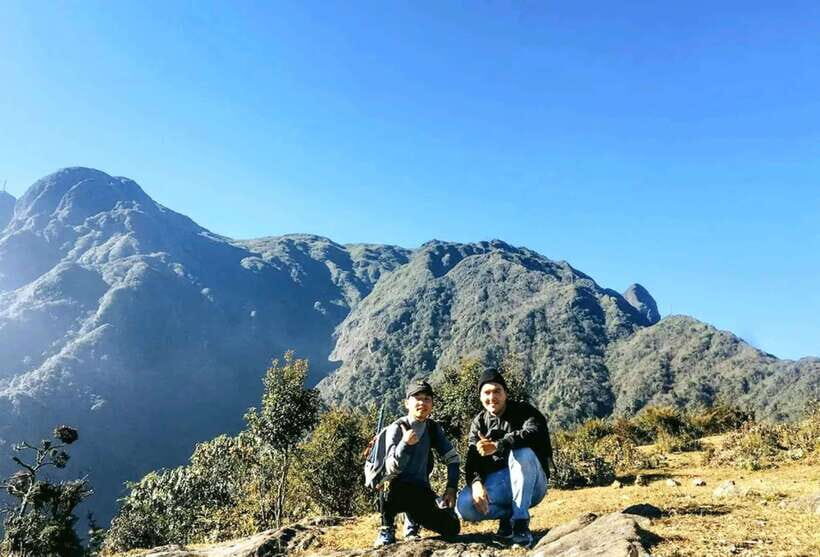
This hike is not for everyone, and the tour lists several clear restrictions. It’s not suitable for children under 12, and it’s also not recommended for:
- pregnant women
- people with back problems
- people with heart problems
- people with respiratory issues
If you’re managing any of those health concerns, don’t treat “it’s only a day” as a comfort. Altitude plus steady climbing is a serious mix.
Who it fits:
- you enjoy structured outdoor walking with a guide
- you want a big goal day (summit-focused)
- you can handle cold or wind and keep moving
- you’re okay with a steep middle stretch
If you like trails that have real purpose (forests, streams, plant zones) rather than just scenic lookouts, this one hits nicely.
What to bring and how to dress for altitude weather
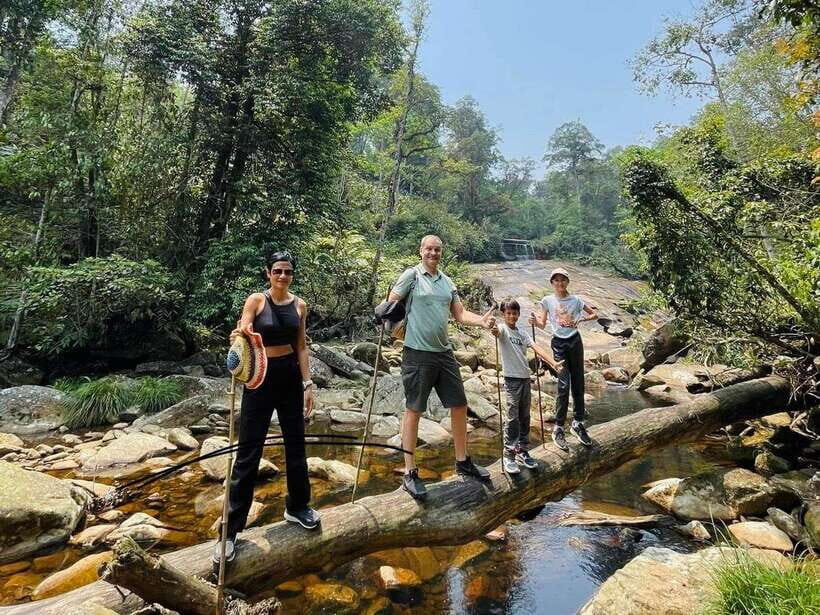
The tour’s packing list is simple for a reason. Bring:
- Comfortable shoes
- Warm clothing
- Hat
- Camera
- Sunscreen
- Water
- Trekking gear
Your best move is layering. At Sapa you might feel mild temperatures, then later the air cools as you go higher. Even if your body feels fine at the start, wind on exposed ridges can make you feel colder quickly.
Also bring a camera, but use your eyes too. This hike rewards slow looking: bamboo textures, flower areas, and rhododendron zones change the feel of the trek. And when it comes to photography, be mindful of the environment—this is still a working natural area.
Hydration matters. Even if it’s not hot, you’re working at altitude. Water and some snacks for energy will help you avoid the low-battery feeling late in the day.
Should you book this 1-day Fansipang hike?
Book it if you want a focused summit mission with real structure: guide-led warm-up, forest walking, a lunch break near 2,800m, and a summit finish with medal and certificate. The $74 price makes sense when you use what’s included and you plan for the cable car option only if you truly need it.
Skip it if you want a relaxed nature stroll, or if your health situation matches any of the listed restrictions. Also, if you hate the idea of paying extra for transport at the end, do the math up front so there are no surprises.
If you’re on the fence, here’s the simplest decision rule: can you handle a steep climb after 2,400m and still feel good for photos at the top? If yes, this is a strong value day in Sapa’s high country. If not, you might feel much better choosing an easier route or spreading your effort over more time.
FAQ
How long is the Fansipang Mountain hike?
The activity lasts about 8 hours.
What time does the hike start?
You’ll leave Sapa early, with pickup around 5:30am, and the hike starts after reaching Tram Tom pass around 1,900m.
Where do you get picked up and dropped off?
Pickup and drop-off are in Sapa.
What’s included in the price?
Pickup and drop-off, an English local guide, lunch, and a medal and certificate upon completion.
Is the cable car included?
No. Cable car tickets are not included in the price.
What happens at around 2,800m?
You stop for a lunch break prepared by your guide, relax and take pictures, and then continue toward the summit.
What should I bring for the hike?
Bring comfortable shoes, warm clothing, a hat, camera, sunscreen, water, and trekking gear.
Is this tour okay for kids or everyone with health concerns?
It’s not suitable for children under 12, pregnant women, or people with back, heart, or respiratory problems.