REVIEW · SA PA
SAPA : Climb up to Fansipan mountain with LOCAL GUIDE
Book on GetYourGuide →Operated by Sa pa Rice Terraces View Homestay & Bar · Bookable on GetYourGuide
Fansipan in one grueling, glorious day. This hike works because you’re not just marching up a mountain. You get a local Black H’mông guide, morning pickup from your Sa Pa base, and a route that changes as the altitude climbs, with moments like cardamom sightings and big views over the Muong Hoa valley.
I also like that you’re cared for in real, practical ways: picnic lunch plus gloves, water, and a guide who keeps the pace human. The only real drawback is the mountain’s mood swings: fog, rain-mud, and unpredictable weather can make the climb feel longer and the summit views hit-or-miss.
In This Review
- Key Points That Matter on This Fansipan Climb
- Why This One-Day Fansipan Climb Feels Personal
- Price and Value: What $72 Includes (And What It Doesn’t)
- The Early Start: Pickup in Sa Pa to Tram Ton Pass
- The Ascent: Altitude, Changing Forests, and Cardamom Notes
- Reaching Fansipan Peak (3,143m): The “Roof of Indochina” Moment
- Lunch on the Mountain: Fuel That’s Actually Part of the Plan
- The Descent Back to Tram Ton Pass and Sa Pa (By 4–6 PM)
- Guide Quality: Za, Zo, and the Difference a Real Local Makes
- Cable Car Down: When It Helps and How to Plan for It
- What to Pack (So the Weather Doesn’t Beat You)
- Who This Fansipan Hike Fits Best
- Should You Book This Fansipan Hike with a Local Guide?
- FAQ
- How long is the Fansipan climb?
- What time does the tour start in Sa Pa?
- Where does the tour pickup and drop off?
- What’s included in the price?
- Is the cable car included?
- What should I bring for the hike?
Key Points That Matter on This Fansipan Climb
- Local guide with English who explains the mountain and the Black H’mông community as you walk
- Tram Ton Pass start (about 1,800m) sets you up for a full one-day climb rather than a “shortcut” feel
- Steady but tough 7–9 hours on trail with scrambling in places, especially later
- Included picnic lunch + extra snacks that keep energy from dropping too fast
- Fansipan peak (3,143m) + roof-of-Indochina photo moment even when clouds roll in
- Optional cable car down if needed (not included), useful for tired legs
Why This One-Day Fansipan Climb Feels Personal
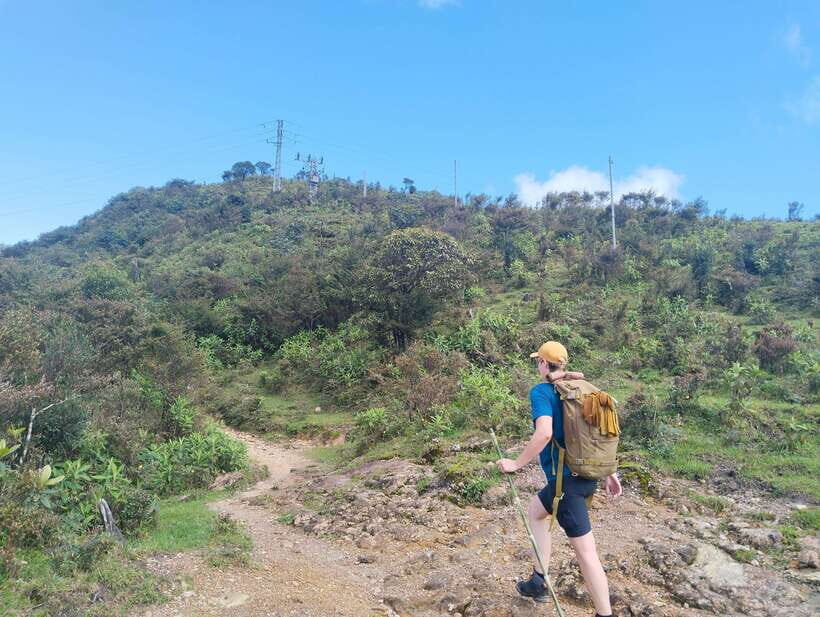
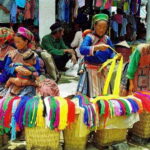
Fansipan is marketed everywhere, but this version feels more like a local day on the mountain. Your guide isn’t just a “walk leader.” Many guides here are connected to the Black H’mông community living around Sa Pa and Fansipan, so the stories you hear are tied to how people actually live in the area.
In practice, that means you’re moving through more than scenery. You learn what the mountain is like by altitude: forest types shift as you go higher, and you even hear about plant life like cardamom. If you like travel that mixes effort with meaning, this format fits.
Two things also help a lot on a tough day. First, you get someone who can judge pace. Guides like Za and Zo (and other local guides such as Ke, Khu, and Mai) are repeatedly described as supportive, patient, and safety-minded. Second, you’re not left guessing about food or water, since lunch and a bottle-and-a-half of water are part of the package.
The mountain can still humble you, though. The trek is moderate to challenging, and weather can turn the trail slick. If you go expecting guaranteed summit photos in clear skies, you’ll be disappointed.
You can also read our reviews of more guided tours in Sa Pa

Price and Value: What $72 Includes (And What It Doesn’t)
At $72 per person, the value is strongest if you want a full, handled experience rather than piecing it together yourself. Your money covers key “hard to DIY” parts: pickup and return to Sa Pa, an English-speaking guide, entrance fees, and transport to the Tram Ton Pass start.
You also get a picnic lunch, 1.5 liters of water, and gloves. Those small items matter more than you’d think when you’re climbing for hours and the weather might flip from dry to wet.
Then there’s the staff touch. For groups of four or more, there’s a porter included. Even if you’re hiking light, it’s useful to know logistics and carrying support are built into the plan.
What’s not included is just as important. Personal travel insurance isn’t included, and an optional cable car ride down is not included either. The good news is that the tour gives you the flexibility to adjust on the way back if you’re too tired.
If you’re fit enough for a demanding day hike, you’re paying for convenience, guidance, and fuel. If you’re not, the tour may still be worth considering only if you’re comfortable using the cable car down as your “legs protection plan.”
The Early Start: Pickup in Sa Pa to Tram Ton Pass
This is a classic mountain-day rhythm: you start early and you’re moving before daylight gets too warm. Pickup is around 5:30 AM from Stone Church Sa Pa or hotels along the route from Sa Pa to Tram Ton Pass. That matters because you’re aiming to begin the real trek around 6:00 AM.
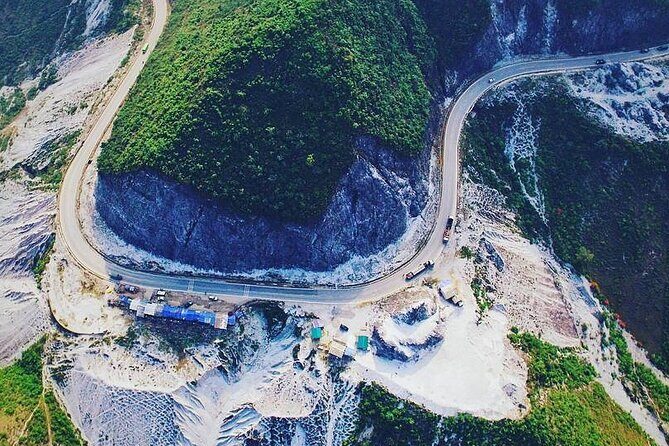
You ride from Sa Pa to the Tram Ton Pass area (around 1,800m) and begin walking from there. Starting at this altitude right away helps you get the one-day goal done without stretching the trip into something multi-day.
Practical note: early pickup also helps when the trail can be muddy after rain. Less heat later often means your energy doesn’t collapse as quickly, and your feet stay happier.
The Ascent: Altitude, Changing Forests, and Cardamom Notes
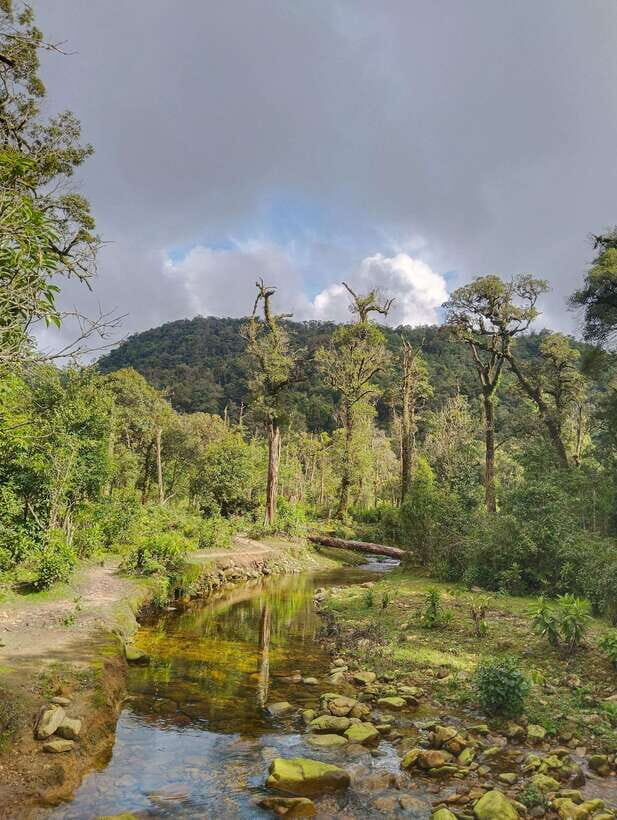
The climb is the heart of the day. From the pass, you’re looking at about 7–9 hours total for the challenging ascent and descent combined, with the hard work front-loaded but the later sections often feeling toughest.
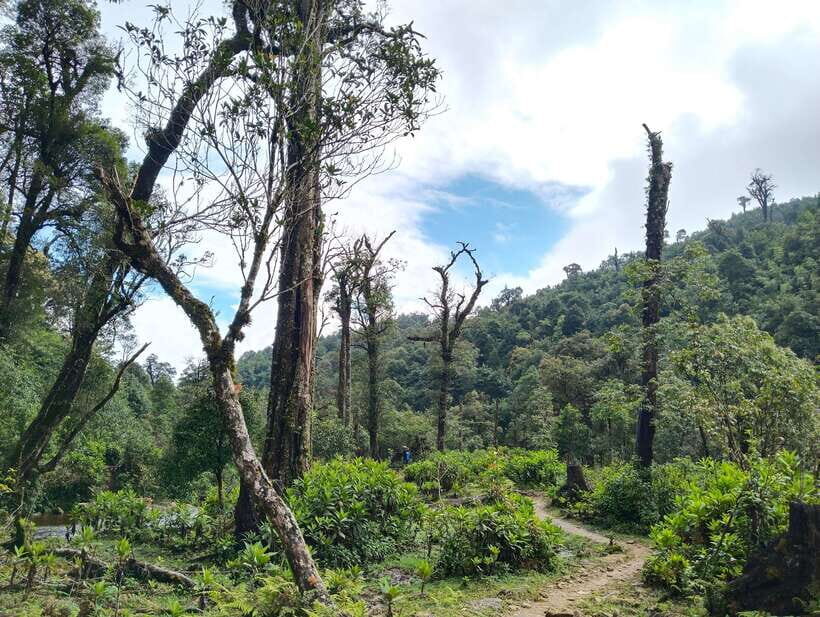
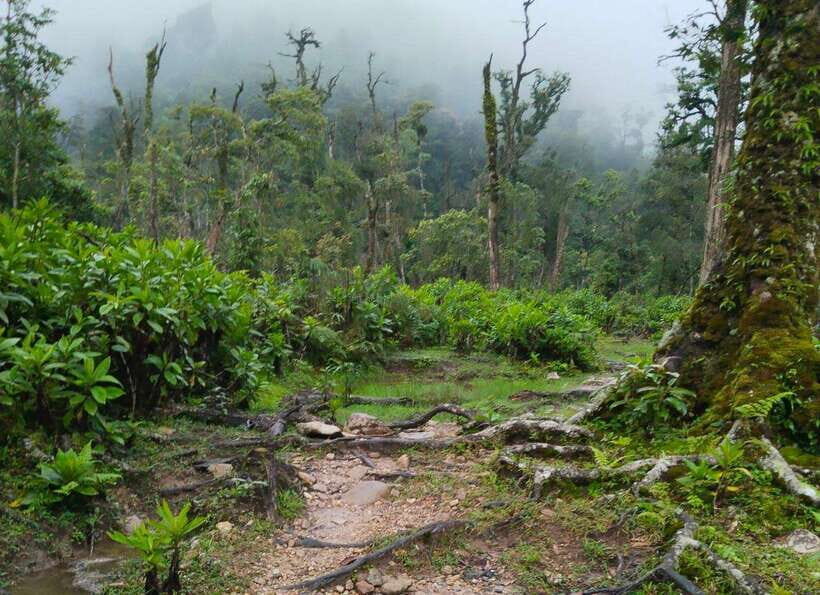
On the way up, you’ll pass through changing habitat. You’re not just hiking a straight line; the mountain ecosystem shifts as elevation increases, and the route is described as showing different forest types. There’s also a lot of talk here about natural life and what makes this mountain special. One detailed point shared is that the region has thousands of plant and animal varieties, and cardamom is specifically called out as a spice tied to the seeds of the plant.
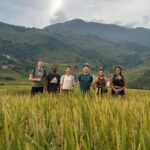
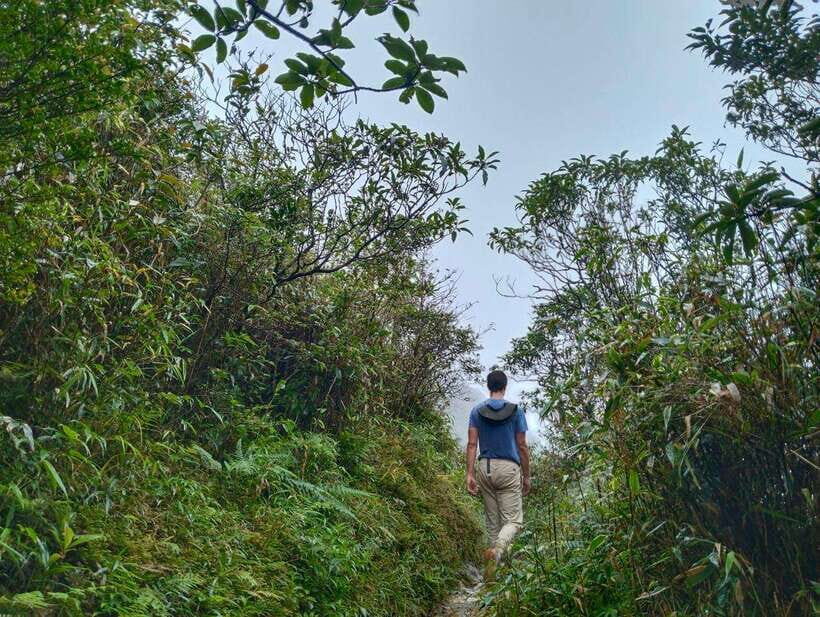
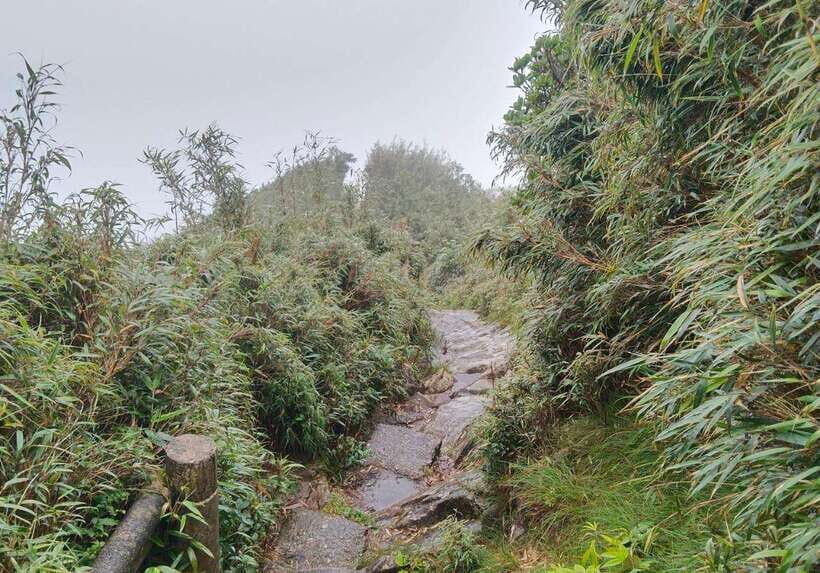
You’ll also catch views over Muong Hoa valley when weather allows. Even when clouds move in, the changing terrain keeps you busy: stairs and rocky sections show up, and some light scrambling can come into play depending on conditions.
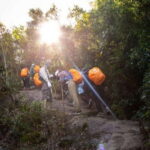
This is where a good guide earns their coffee. People describe guides as adjusting pace to group needs, scheduling breaks, and keeping you moving safely on uneven steps. If you’re not a fast hiker, this kind of pacing makes a big difference in whether the day feels like a struggle or like a challenge you can finish.
Reaching Fansipan Peak (3,143m): The “Roof of Indochina” Moment
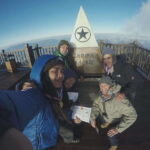
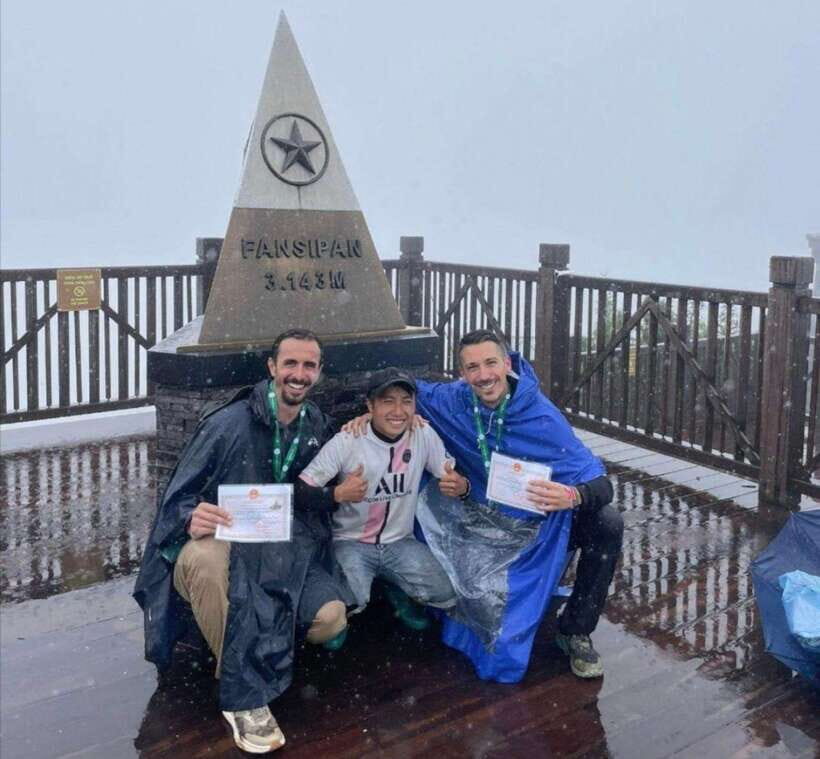
Your target is Fansipan peak at 3,143m. Around noon, you’re expected to arrive at the top. At that point, the tour builds in a real payoff: you get the views when visibility is good, and you also get a photo moment at the roof-of-Indochina spot.
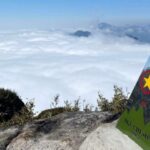
Even if it’s foggy (it often can be), the summit still counts. Clouds can erase the distance, but you still get the accomplishment of reaching the highest mountain of Indochina in one day. Guides often focus on helping you enjoy what you can see, rather than getting stuck on what you can’t.
You also receive the official celebration extras: the Fansipan climbing certificate and a medal/certificate touch that people mention as a nice finishing stamp to the day.
From there, the plan turns to descent. You don’t just “drop down and hope.” The schedule includes time to go down toward the Tram Ton pass, with a stop time noted around 1:30 PM when you reach about 2,900m before continuing.

Lunch on the Mountain: Fuel That’s Actually Part of the Plan
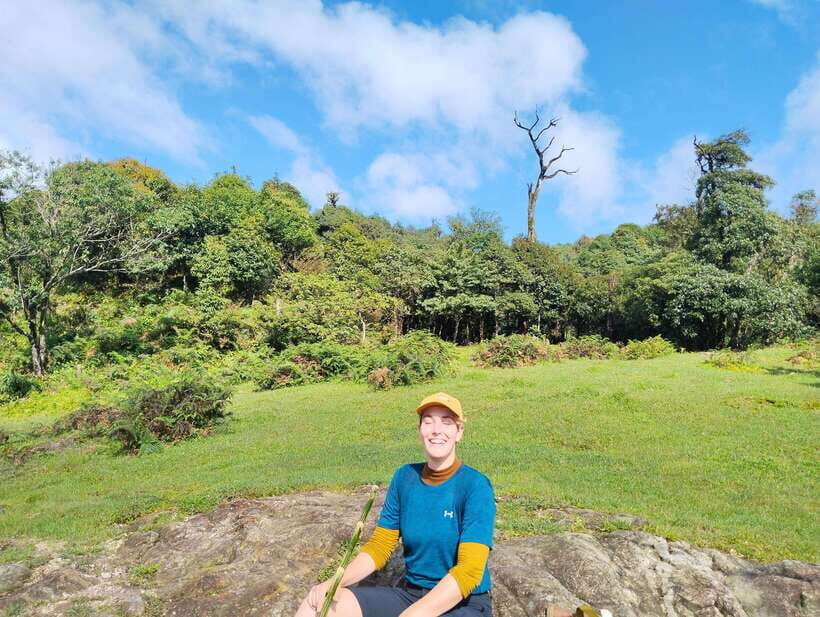
A surprising part of this tour’s appeal is how food is handled. Lunch is included, and it’s not treated like an afterthought.
You’ll have a picnic-style meal prepared by your guide. Multiple guides are highlighted as cooking welcome meals, including banh mi-type lunches or soup stops, depending on the guide and timing. Some guides also provide snacks during the hike at higher elevations, like around 2,800m, which can be a lifesaver when energy starts slipping.
This matters because the hike is long enough to create a real energy deficit if you’re relying only on snacks you packed yourself. With included lunch and water, you start the trek knowing you’ll refuel at a point that’s built for the day’s rhythm.
If you’re someone who gets cold easily, it helps that lunch breaks are part of the structure. You can stop, warm up a bit, and reset your pace before the hardest part of the descent.
The Descent Back to Tram Ton Pass and Sa Pa (By 4–6 PM)
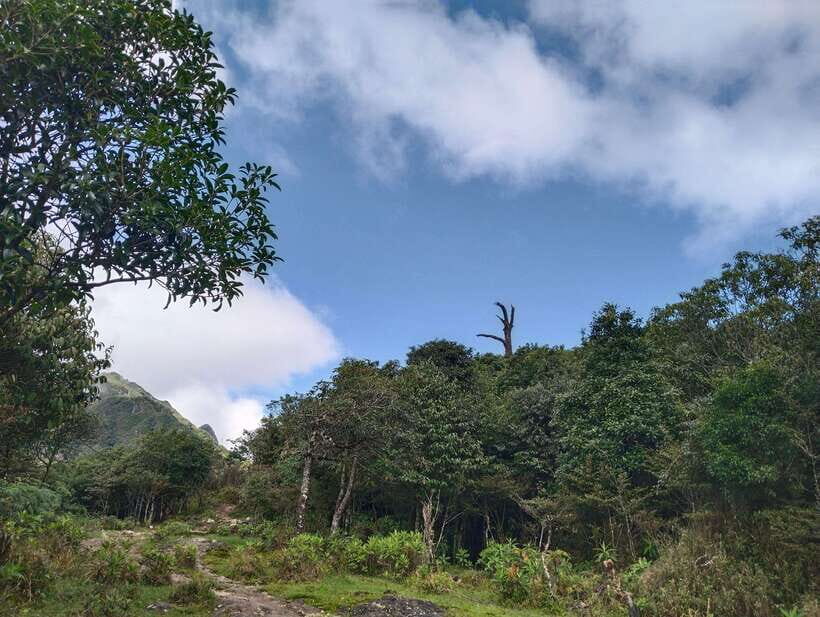
The descent is where legs get loud. Many people find it more exhausting than expected because you’re tired and the trail is still rocky.
The tour has you returning to Tram Ton pass, where your driver waits. From there, you transfer back to Sa Pa town. The tour window is typically 4 PM–6 PM for your return to town.
If you take things slowly, you’re more likely to finish with energy left to enjoy Sa Pa afterward. If you push too hard early, you can feel the cost on the way down.
One more thing to keep in mind: if visibility is poor or you end up walking later than planned, guides have shown they can handle night sections. The key factor is having a guide who is prepared with the tools needed for safe timing.
Guide Quality: Za, Zo, and the Difference a Real Local Makes
A standout theme is how guides show up as both teachers and safety partners. Guides named in the information include Za and Zo, plus other local guides such as Ke, Khu, and Mai. Names change with the day and group, but the role stays the same: guide you through the tough terrain while sharing what makes the mountain and nearby communities tick.
What you’ll feel most is the human side of the pacing. People describe guides as encouraging during the steep last stretches, checking in on wellbeing, and adjusting the tempo so the group can move together. That’s not just comfort. It reduces the chance you burn out early or panic on uneven sections.
They also take photos or help you catch the good angles along the way. That small extra matters because peak conditions can be foggy, and you’ll want memories from the best moments you did get.
If you care about culture beyond a quick stop, the guide stories about the Black H’mông community and daily life around Sa Pa are part of why this hike is more than exercise.
Cable Car Down: When It Helps and How to Plan for It
The tour does not include the cable car. If you reach the top and you’re too tired to walk all the way down, you can take it as an option on the way back.
Some hikers choose cable car down for practical reasons: the descent can be tough on joints after a long ascent. In the information here, the cable car ticket is noted as around 800,000 VND per person, and you’d need cash.
So, think of cable car as your “plan B for legs,” not your strategy for skipping the whole hike. The best value comes from doing the full climb up with a guide, because that’s where the effort pays off in views and stories. But if you know your stamina is limited, it’s comforting to have a real off-ramp.
What to Pack (So the Weather Doesn’t Beat You)
Altitude plus mountain weather can be chaotic. The route starts around 1,800m and reaches 3,143m, so conditions can shift fast. Mud after rain is a real risk, and it slows you down and makes footing trickier.
Bring:
- Comfortable or hiking shoes with grip
- Rain gear (the kind you’ll actually wear)
- Long-sleeved shirt plus a lighter layer
- Closed-toe shoes
- A sensible attitude toward mud and stairs
Gloves are provided in the package, which is helpful if rocks feel wet or the air gets chilly at altitude.
Also, be honest with your fitness level. This is one-day hiking with challenging sections, and the climb can run closer to 9 hours depending on conditions and your pace. If you’re unsure, plan for a slower day and use the cable car option if needed.
One more practical tip from real day-hike logic: bring something to keep you calm when the top is foggy. If you can’t see far, you can still enjoy the physical achievement and the guided cultural stops. Clouds are part of Fansipan. Your job is to show up prepared.
Who This Fansipan Hike Fits Best
This climb suits you if you want a demanding day hike with local context and included logistics. It’s a strong choice for:
- Active travelers who enjoy stairs, rocks, and steady effort
- People who want a guide who cares about safety and pace
- Anyone who likes culture stories tied directly to where you’re walking
- Hikers who want a certificate-and-peak moment in one day
It’s not a good fit if:
- You’re under 15 years old
- You’re over 70 years old
- You’re expecting an easy walk or guaranteed summit visibility
- You have very limited mobility or you’re unwilling to handle muddy trail conditions
Should You Book This Fansipan Hike with a Local Guide?
Book it if you want full value for one day: pickup, transport, entrance, lunch, water, gloves, and an English guide who helps you finish safely. The best part isn’t just reaching 3,143m. It’s how the guide turns the climb into something you understand—plants like cardamom, changing forests as altitude rises, and Black H’mông perspectives from the Sa Pa area.
Skip or rethink it if you’re not comfortable with a moderate-to-challenging hike that can feel longer in rain and fog. Also, consider the cable car option in advance if your joints or stamina aren’t reliable for a long descent.
If you’re the type who likes a hard day with a clear payoff, this is one of the more worthwhile ways to tackle Fansipan in a single push.
FAQ
How long is the Fansipan climb?
The tour runs about 8 hours total, with the hike itself taking roughly 7–9 hours including ascent and descent.
What time does the tour start in Sa Pa?
Pickup starts around 5:30 AM, and trekking begins around 6:00 AM from Tram Ton Pass.
Where does the tour pickup and drop off?
Pickup is at Stone Church Sa Pa or hotels along the route from Sa Pa to Tram Ton Pass. The tour returns you back to Sa Pa at the end.
What’s included in the price?
Included are a tour guide (English), entrance fee, picnic lunch, transportation, porter for groups of 4 or more, Fansipan climbing certificate, 1.5 liters of water, and gloves.
Is the cable car included?
No. The cable car is optional, and it’s not included in the tour price.
What should I bring for the hike?
Bring comfortable or hiking shoes, rain gear, long-sleeved clothing, and closed-toe shoes. The weather at this altitude can change quickly, so being ready for wet conditions helps.