REVIEW · SA PA
Sapa Trekking Bargains With Local Guide
Book on GetYourGuide →Operated by Chan Giang · Bookable on GetYourGuide
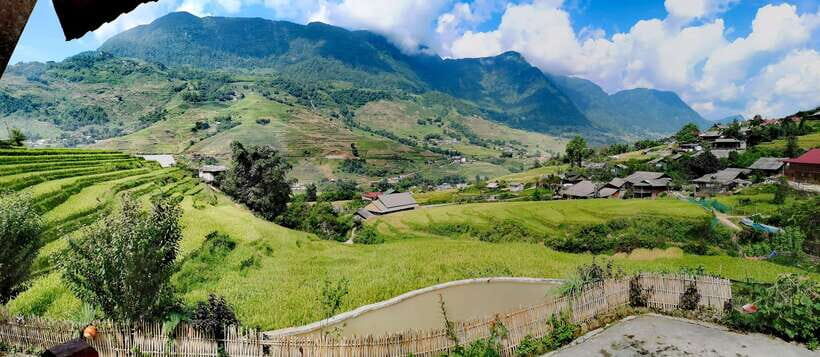
Sapa can feel like a foggy postcard. This day trek cuts through the blur with real village stops and an English-speaking guide who knows how locals live day to day. I like the choose-your-distance setup (about 5 to 11 km), and I really like the way the day is built around Hmong communities like Y Linh Ho and Lao Chai, not just scenic viewpoints. One thing to consider: the walking can be muddy and slippery, so good shoes and rain gear matter.
You start in Sapa around 9 AM and you’re back in Ta Van by 3 PM, with time to catch your bus onward to Hanoi. A standout perk is that you can leave your luggage at the office and get a shower before and after the trek. Your guide is typically Chan Giang, and on some days family guides such as her husband Sung or sister Vu may join in, which adds even more local texture to the storytelling.
In This Review
- Key things I’d prioritize before you book
- Sapa Stone Church: your 9 AM start point
- Walking into Y Linh Ho: photo stops, markets, and daily life
- Lao Chai village lunch: a real break, not a quick stop
- Ta Van with the Dzay community: shopping, viewpoints, and a flexible route
- The shower and luggage perk: practical comfort in the mountains
- Price and value: why $19 can still feel like a real deal
- How hard is it, really: 5–11 km plus mountain conditions
- Who this trek suits best (and who should skip)
- Should you book this Sapa bargain trekking day?
- FAQ
- What time does the tour start?
- Where do I meet the guide?
- How long is the trekking day?
- How far will I walk?
- What villages will we visit?
- What’s included in the price?
- Can I use a shower and store luggage?
- What if I need to change plans?
Key things I’d prioritize before you book
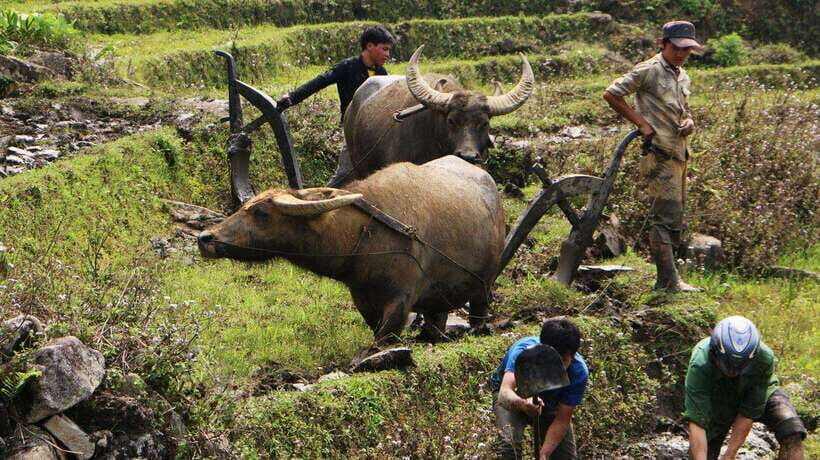
- Tailored route lengths (5–11 km): You choose the difficulty style, and your pace gets respected.
- Village time over photo time: Y Linh Ho, Lao Chai, and Ta Van each feel like a different daily rhythm.
- Lunch at a local Hmong family restaurant: It’s included, and the day doesn’t treat food like an afterthought.
- Less-touristy paths: You get off the main routes that people cram onto.
- Rain and route adjustments: If conditions change, your guide can shift plans to keep the day workable.
- Shower and luggage storage: Leave stuff at the office and reset after the hike.
Sapa Stone Church: your 9 AM start point
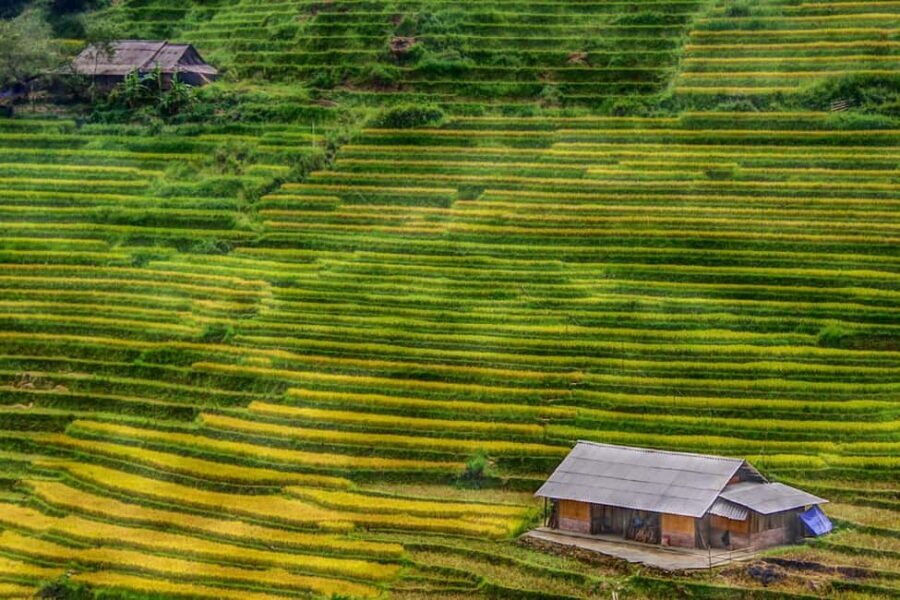
The day begins at Sapa Stone Church, with a meeting time around 9 AM. If you’re staying a bit outside the center, you’ll want to plan for an easy walk or short hop to the meeting spot. In practice, many people reported that the guide team helps you get connected quickly, including meeting people at or near their hotels when possible.
I like this start because it gets you moving before Sapa turns into traffic and tour-group overlap. You’re not spending the morning waiting around. You’re already walking while the air is cooler and the valley sounds more village-like.
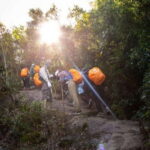
You’ll want to be ready for basic trekking pace. Even when the route is described as easy-to-medium, you’re still dealing with slopes, uneven ground, and occasional off-road sections.
You can also read our reviews of more guided tours in Sa Pa

Walking into Y Linh Ho: photo stops, markets, and daily life
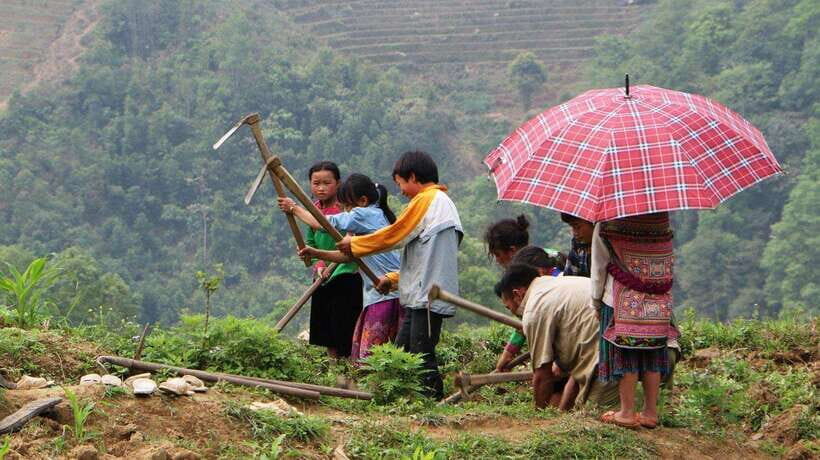
Your first named stop is Bản Y Linh Ho. This is where the trek starts to feel like a real conversation with the region instead of a scripted checklist.
Expect a mix of:
- Photo stops along the way
- Time for a guided walk
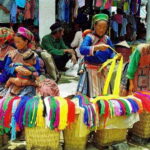
- Some shopping opportunities (small local items, crafts, and everyday goods)
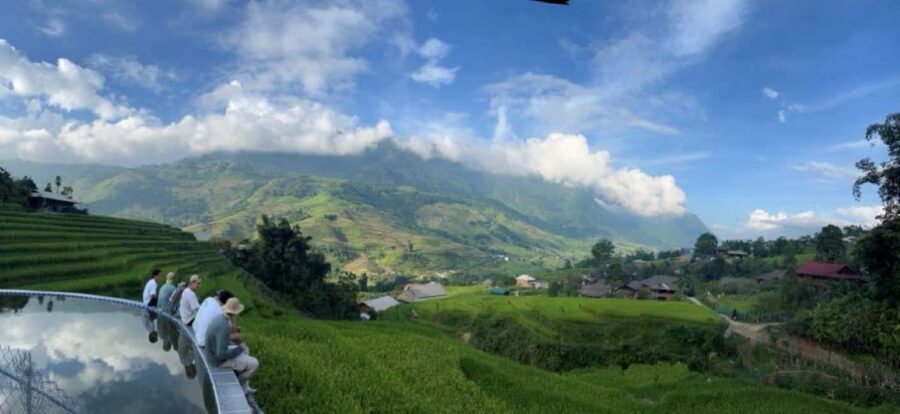
- Scenic views on the path itself
Why this part matters: Y Linh Ho sets the tone. You’ll start seeing the pattern of how people live with the hills around them—what’s grown, how paths connect homes, and how the villages shape daily routines.
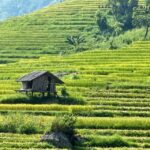
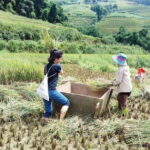
A small practical note: if it’s harvest season, you may see rice planting or harvesting. That detail isn’t guaranteed year-round, but when it lines up, it turns the hike into something more than scenery. It becomes a working valley.
Drawback to plan for: many parts of Sapa footpaths can get slick after rain. Reviews often pointed out mud and slipping, so bring trekking shoes you trust on wet ground, not just sneakers you hope are fine.
Lao Chai village lunch: a real break, not a quick stop
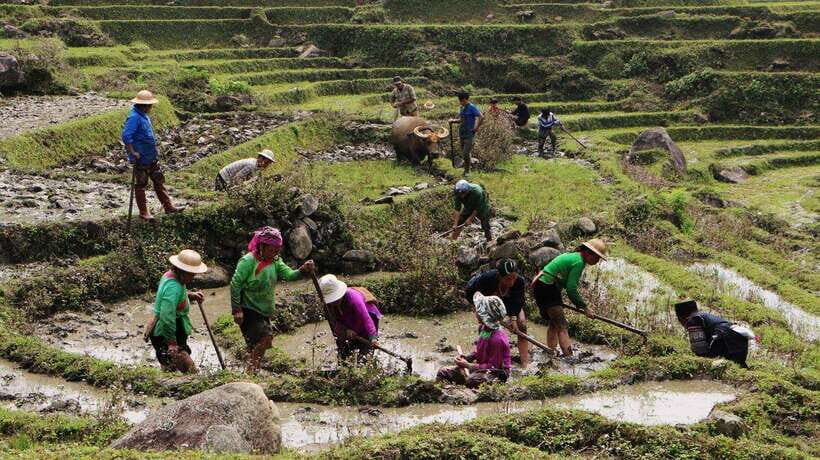
After the first village walk, you head toward Lao Chai Village. This is where the schedule gives you a proper reset with a lunch stop at a local Hmong family restaurant.
Lunch is included, and people consistently describe it as delicious and filling. What you should expect from this lunch experience is simple: you’re eating what families make, not ordering from a western menu designed for fast turnover. If you’re vegetarian, you might be able to request options, and at least some participants reported vegetarian accommodation. Still, don’t assume your exact dietary needs will be matched perfectly, especially since lactose intolerance is listed as not suitable.
What I appreciate here is pacing. The day isn’t just “walk, walk, walk.” The meal stop is long enough to cool down, ask questions, and regroup before you head to Ta Van.
If it’s muddy, this is also where you’ll feel the value of good socks and a changeable situation. You’re going to be glad you planned for comfort.
Ta Van with the Dzay community: shopping, viewpoints, and a flexible route
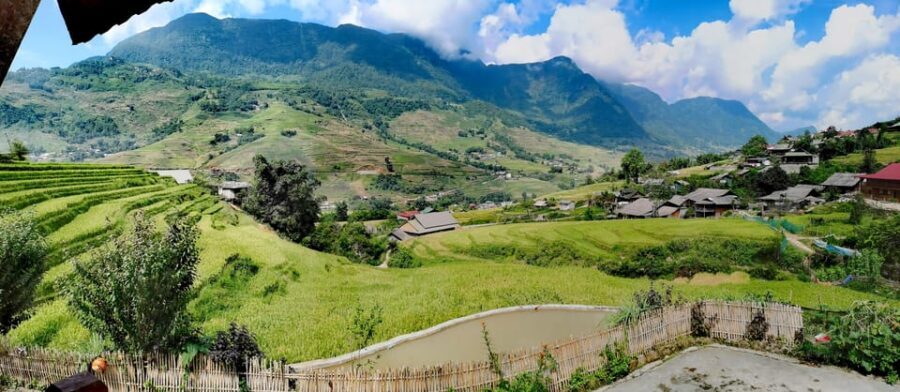
The final village stop is Ta Van, home to the Dzay people. This segment includes more guided walking and time for another photo stop, plus opportunities for shopping and sightseeing along the route.
What makes Ta Van special on this trek is the cultural shift. You’re not only cycling through one ethnic group. You’re getting different community rhythms across the day—Hmong communities first, then Dzay.
Another big advantage: your guide can tailor the trek so it matches your confidence and pace. People reported that guides asked about their comfort level and adjusted routes to keep it enjoyable, not exhausting for the whole group. In other words, you’re not stuck with one “everyone suffers the same way” route.
Time-wise, the day wraps up at around 3 PM in Ta Van, and then you get transported back to Sapa. That matters because it helps you keep the rest of your trip on track, especially if you plan to take a bus onward to Hanoi.
The shower and luggage perk: practical comfort in the mountains
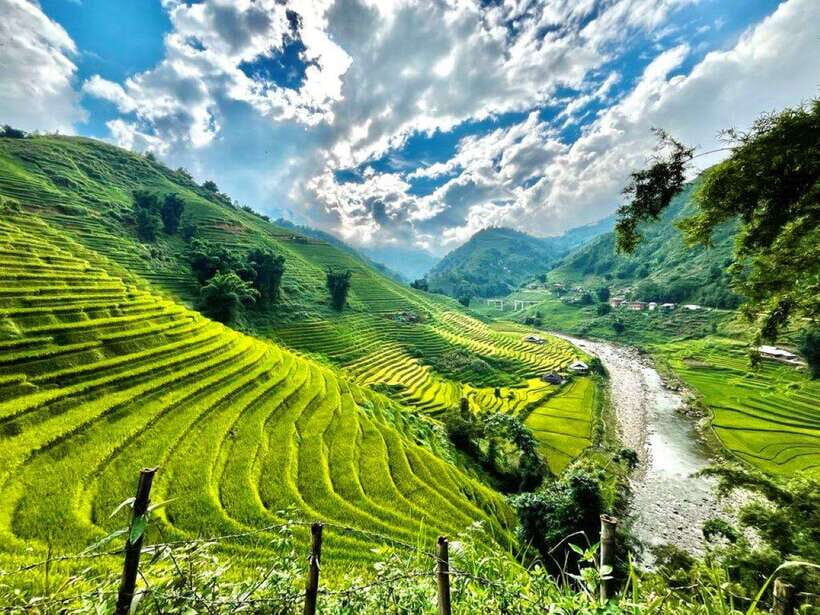
Sapa trekking days can be a full-body experience. The best surprise on this one is that you can leave your luggage at the office and use a shower before and after.
That changes the feel of the day. You’re not ending a hike smelling like the whole rainforest. You can freshen up and still enjoy the evening in Sapa (or, at minimum, travel without feeling miserable).
It also helps if you’re starting from your hotel with more stuff than you want to carry. Instead of stuffing everything into a backpack for hours, you can travel lighter and reset later.
You can also read our reviews of more hiking tours in Sa Pa

Price and value: why $19 can still feel like a real deal
At $19 per person, this is the kind of trekking price that makes you wonder what corners are cut. Here, the value comes from what’s included: a live English guide, lunch, and transfer back to Sapa.
You’re also paying for something harder to “see” on a brochure: local interpretation. A skilled guide can make the same 10 km walk feel twice as meaningful because you understand what you’re seeing—customs, crop cycles, and daily village life. Many people highlighted guides like Chai, Chan, Sung, and Vu (depending on the day) for strong English and constant explanations.
There’s also the less tangible value of the day feeling less touristy. When your route avoids crowded main paths, you get more time to ask questions and less time dodging other groups.
One caution on value: low price doesn’t remove the need for good planning on your side. If you show up with weak shoes or no rain protection, the day can feel harder than it needs to be. This is not a “sit back and watch” tour.
How hard is it, really: 5–11 km plus mountain conditions
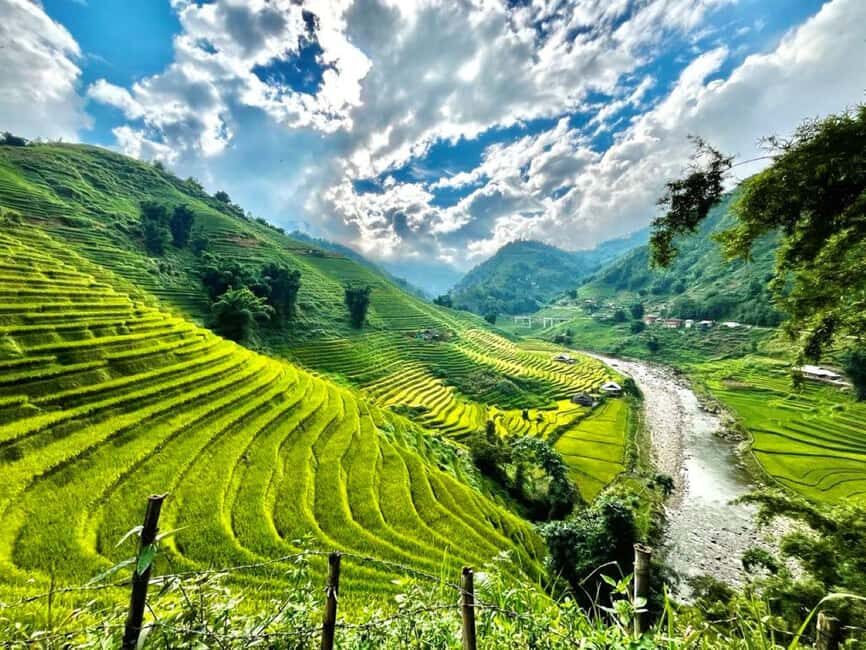
The trek offers routes from about 5 to 11 km, with difficulty options from easier walks to more challenging hikes. That range is useful because Sapa isn’t flat. Even an “easy” route can feel like effort if the ground is uneven or wet.
From the experience details, you should expect:
- Off-road walking sections
- Mud and slippery patches (especially after rain)
- Hills where traction matters
What to bring is not optional:
- Comfortable shoes, and hiking shoes if you have them
- Rain gear
- Sunglasses and a sun hat
- Drinks and snacks if you know your needs
- A camera and a charged smartphone
One more practical tip from the vibe of the day: if you’re unsure whether you can handle the longer option, choose the shorter distance and let your guide pace you. People who picked a route that matched their fitness level described it as a great adventure rather than a suffering contest.
Who this trek suits best (and who should skip)
This experience is best for you if you want:
- A day that focuses on local culture and everyday village life
- A trek with a guide who talks and explains, not just points
- A route that tries to avoid the most crowded paths
- A flexible pace and distance choice
It may not be a good fit if you have limitations listed as not suitable, including:
- Heart problems
- Wheelchair users
- People with low level of fitness
- High blood pressure
- Certain medical conditions listed (such as haemophilia)
- Lactose intolerance (since your lunch is part of the included package)
- If you plan to scuba dive within 24 hours of the tour (the activity notes this as not suitable)
If you’re healthy and mobile, just be honest about your comfort with walking. The mountain conditions decide how “hard” it feels.
Should you book this Sapa bargain trekking day?
Book it if you want a guided day of real village contact with Hmong and Dzay communities, a lunch that’s part of the experience, and a price that doesn’t lock you into expensive “tour bus” tourism. I’d also book it if the idea of a tailored 5–11 km hike sounds like the right match for your day-trip style.
Pass if you’re chasing an effortless stroll, or if slippery ground and hills are a problem you can’t manage comfortably. Also, if you have dietary restrictions that aren’t guaranteed to be accommodated, don’t treat lunch as a simple add-on—this trek builds the schedule around it.
If you’re the type who asks questions, likes chatting with a local guide, and wants your Sapa day to feel like it has a pulse, this one is a strong bet.
FAQ
What time does the tour start?
It starts at 9 AM. The meeting point is Sapa Stone Church.
Where do I meet the guide?
Meet at Sapa Stone Church.
How long is the trekking day?
The duration is 330 minutes (about 5.5 hours). The trek wraps up around 3 PM in Ta Van.
How far will I walk?
You can choose a route of about 5 to 11 km, based on difficulty level and your preferences.
What villages will we visit?
You’ll go through Y Linh Ho, then Lao Chai, and finish with Ta Van.
What’s included in the price?
The tour includes a guide (English), lunch, and transfer back to Sapa.
Can I use a shower and store luggage?
Yes. You can leave your luggage at the office and enjoy a shower before and after the trek.
What if I need to change plans?
You can cancel up to 24 hours in advance for a full refund. If you’re already booked and paid but don’t want to do it, you can change to another day, but the tour notes not to ask for a refund in that situation.