REVIEW · SA PA
2 DAYS Explore SA PA’S Village through Scenic walking Trails
Book on GetYourGuide →Operated by Sa pa Rice Terraces View Homestay & Bar · Bookable on GetYourGuide
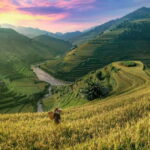
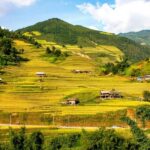
Sapa is beautiful when you walk it. This 2-day trek lets you move through Sapa’s rice terraces with a local guide, Zo, then end up in villages where daily life still drives the schedule. Two things I really liked: the village-to-village walking views, and the chance to share meals and routines in Zo’s homestay with her family. The main drawback is practical, not romantic: it’s a moderate 19 km route with steep, uneven, and sometimes slippery paths.
The route is built around real communities, not just photo stops. You’ll pass through H’Mong country around Y Linh Ho and Lao Chai, then reach Ta Van with the Giay ethnic group, and later head into Red Dao village areas around Giang Ta Chai and onward toward Su Pan.
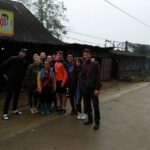
Because this is a group trek, you’ll set off with other walkers and keep a steady pace that works for everyone. If you’re expecting flat sidewalks and guaranteed dry weather, plan to adjust. In rainy season, the mud can turn the trail into something closer to a slippy obstacle course, even with good shoes.
In This Review
- Key highlights you’ll feel on the ground
- Walking from Sa Pa into Y Linh Ho’s H’Mong rice-terrace world
- Lao Chai lunch break: the village meal that slows the day down
- Ta Van with the Giay community: homestay life starts early
- Giang Ta Chai and Red Dao stilt houses: why this part feels different
- Su Pan sunrise views and the waterfall moment
- Pace and terrain: what moderate difficulty really means on this 19 km trek
- Food and drinks: what’s included, and what you’ll want to add
- Group trekking with Zo: how the guide changes the experience
- Price and value: budget 1,000,000 VND per person
- Where you’ll sleep: homestay style and what to expect
- Who should book this Sapa village trek (and who should skip it)
- Should you book this 2-day Sa Pa trek?
- FAQ
- How long is the tour?
- Where does the guide meet us?
- How much trekking is involved?
- What villages will we visit?
- Is the homestay included?
- What’s included in the meals?
- Does the tour include trekking fees or village entrance fees?
- What should I bring for the trek?
- Is travel insurance included?
- Is this suitable for older adults?
Key highlights you’ll feel on the ground
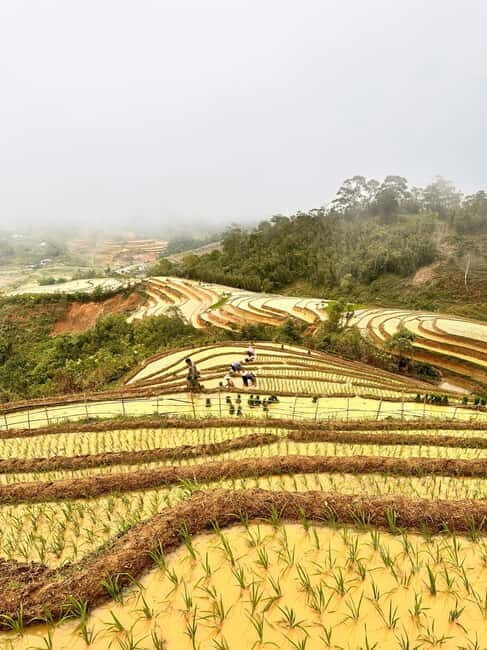
- Rice terraces views that change every turn as you hike from Sapa toward Y Linh Ho and Lao Chai
- Zo (Black Hmong guide) in English, with real cultural explanations, not a script
- Homestay time with family meals, plus local rice wine called happy water
- Giay village Ta Van moments: daily life, walking breaks, and community interaction
- Bamboo forest and Su Pan waterfall scenery, with time for sunrise views
- Red Dao village culture around Giang Ta Chai, including traditional stilt houses
Walking from Sa Pa into Y Linh Ho’s H’Mong rice-terrace world
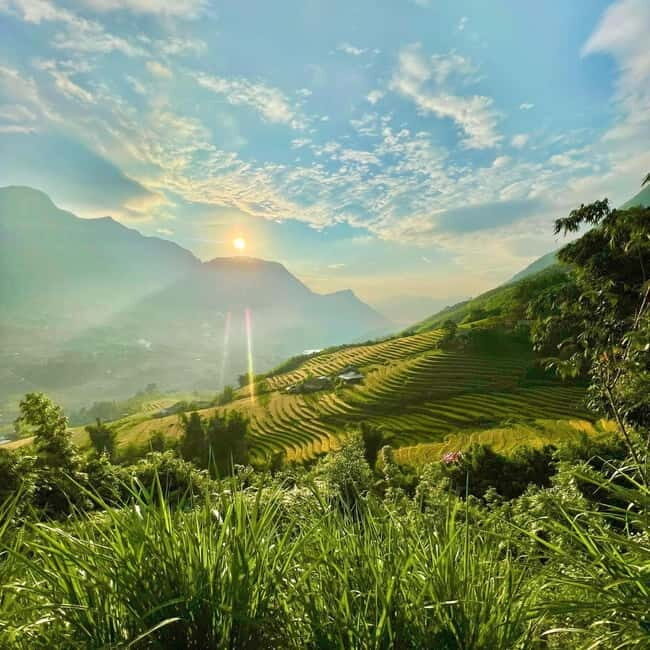
Most Sapa hikes start with a bus ride. This one starts with a morning pickup in Sa Pa (your guide meets you at Sa Pa church, and they’ll also pick you up from your hotel), then you’re walking by late morning. That timing matters. The light hits the terraces well, and the villages are waking up as you approach.
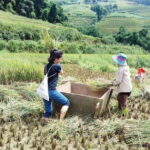
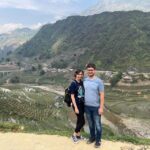
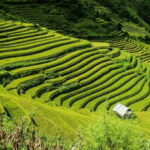
Your first big target is Y Linh Ho, a village area known for terraced rice fields and H’Mong everyday life. You’ll hike from Sa Pa with frequent chances to stop and look. The views are the obvious attraction, but what surprised me is how quickly the scenery becomes a map: you start recognizing how the people shape the hillsides for farming, paths, and water.
If you like culture that you can see and ask questions about, this first section is where the tour earns its keep. Zo is there to explain what you’re looking at—how people live day to day, how communities work, and what the terrain means for planting and movement. Since the guide speaks English, you won’t be stuck nodding along.
Tip for your comfort: even when the air feels cool, expect physical effort early. The mix of slope and uneven footing begins fast, so don’t speed up on the first hour.
You can also read our reviews of more walking tours in Sa Pa
Lao Chai lunch break: the village meal that slows the day down
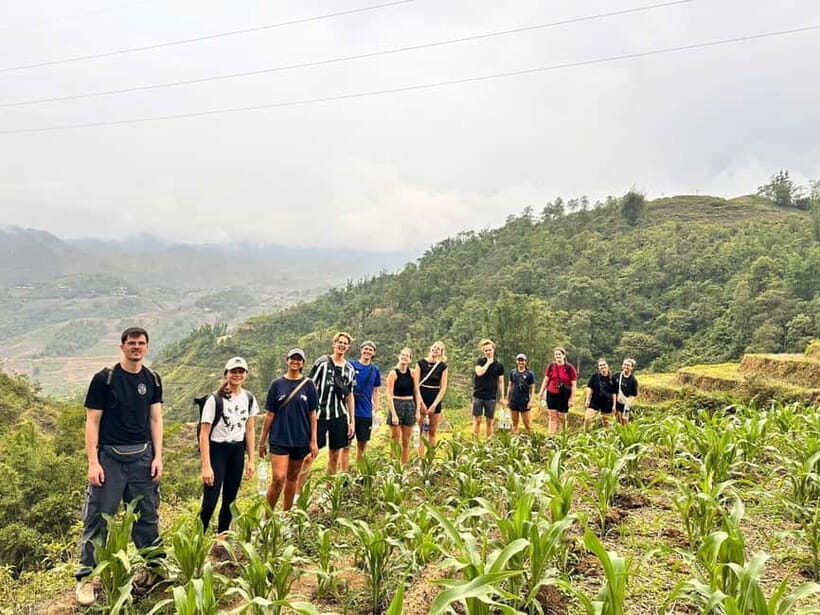
Next stop is Lao Chai, another key village area in the terraced zone. The hike to Lao Chai is long enough to earn hunger, but not so long you feel wrecked. You arrive around late morning, then you’ll have lunch either at a local restaurant or as part of a family-style arrangement, depending on the day’s flow.
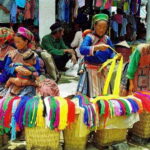
This is one of those moments where a “meal” becomes more than calories. You get to sit, watch everyday activity, and eat food connected to where you’re walking. It’s also a chance to ask follow-up questions when your brain is no longer focused only on staying upright.
I also like that the tour doesn’t pretend lunch is just a checkbox. It’s scheduled as a reset, so you can keep enjoying the walking after.
Ta Van with the Giay community: homestay life starts early
After lunch, you continue trekking toward Ta Van, which is home to the Giay ethnic group. The route keeps you moving through farmland and village paths, and the terrain stays uneven enough that you’re always paying attention to your footing.
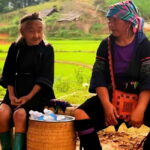
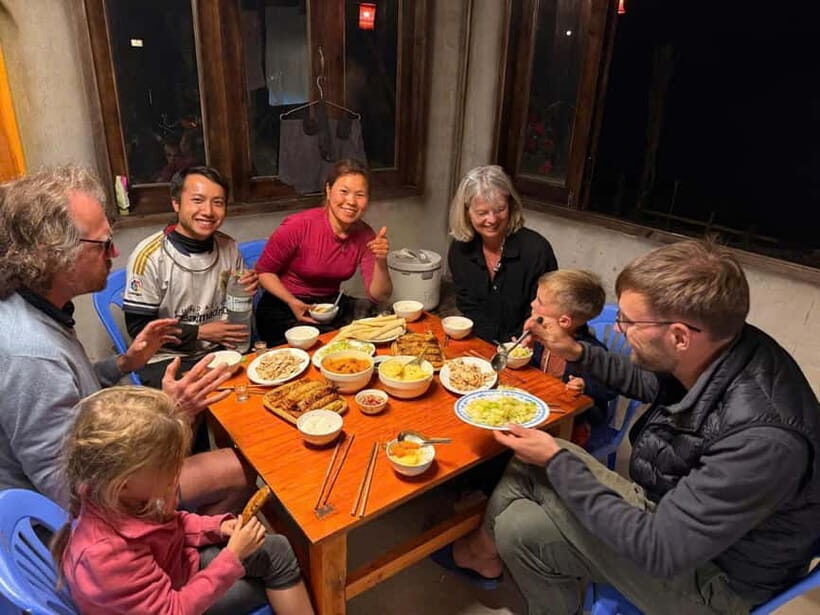
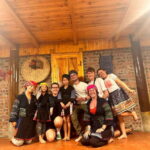
Ta Van is where the tour shifts from “see villages” to “live inside village time.” You’ll check in at a homestay, then in the evening you’ll eat dinner with the family and have time to interact. That’s the kind of cultural contact that feels personal rather than staged.
A standout detail from the experience: you’re not just served food and sent on your way. The homestay includes local experience activities like learning traditional things and trying happy water, a local rice wine. Even if you don’t drink much, the setting helps you understand the social side of hospitality.
One practical note: homestays in this region are described as simple, authentic, and cozy with basic facilities. That’s part of the appeal, but it also means you should keep expectations realistic. If you want hotel-level comfort every night, this may not match your style.
Giang Ta Chai and Red Dao stilt houses: why this part feels different
The next day brings the deeper village stretch: Ta Van → Giang Ta Chai and onward. Giang Ta Chai is associated with the Red Dao community. This is also the area tied to traditional stilt houses, which are one of the most visually distinctive cultural features on the route.
Why it matters: in Sapa, houses and farming are tied to the hill terrain. When you see stilt houses up close, it stops being a curiosity and becomes a practical answer to how people cope with damp ground, water flow, and the everyday realities of mountain living. Zo helps connect what you’re seeing to how people function through the year.
This section is where the tour can feel most intense. You’re moving in a landscape that demands attention, and you’re also switching from “walking and looking” to “learning and observing,” which can be mentally tiring in a good way.
Su Pan sunrise views and the waterfall moment
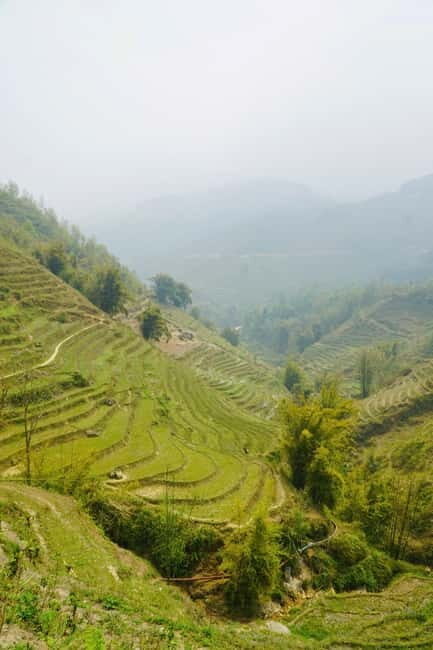
From Giang Ta Chai, you continue toward Su Pan. This stretch includes bamboo forest walking and a waterfall stop. The bamboo forest part gives you that Sapa atmosphere of cool shade and muffled sound—where your pace naturally slows because you’re trying not to stumble on uneven roots and stones.
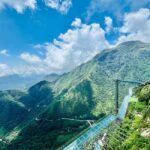
When you reach the Su Pan area, the schedule makes space for scenic time and includes sunrise. Even if you’re not an early-morning person, that timing can pay off because the light makes the mountain views feel sharper and more layered. The waterfall break adds variety and gives your legs a reason to stop working for a bit.
And yes, in rainy season the paths can get slippery. One of the best things you can count on here is that Zo stays attentive. If the group hits a tougher section, having a guide who watches your footing and offers support matters more than you’d expect.
You can also read our reviews of more tours and experiences in Sa Pa


Pace and terrain: what moderate difficulty really means on this 19 km trek
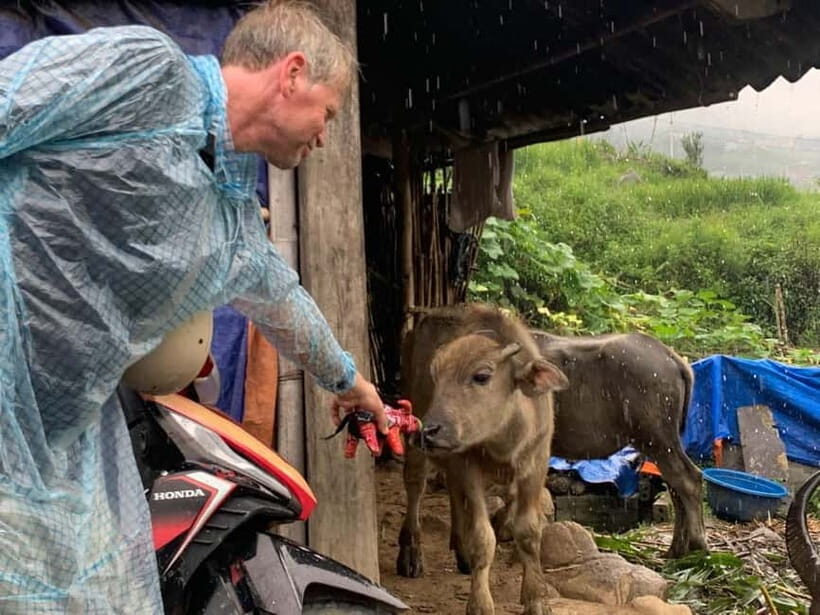
Moderate difficulty sounds polite. On a 2-day trek with 19 km total distance, it’s really a warning label.
Here’s what you should expect:
- Steep, uneven terrain in parts of the route
- Mud risk in the rainy season, which can turn even good shoes into “traction is a suggestion”
- A schedule that asks you to keep walking even when the day gets tiring
So plan your pace with your energy budget. If you start out too fast, day 2 will feel harder than it needs to be.
What I’d bring for stability and sanity:
- Comfortable trekking shoes with real grip
- A light raincoat or jacket
- Sunscreen, hat, and sunglasses (clouds still mean sun)
- Mosquito repellent and a change of clothes for the evening
- Motion sickness prevention if you’re sensitive to car rides and winding roads
- A camera, but also time to put it away when footing gets tricky
The route is best for people who enjoy walking and don’t mind the occasional scramble. It’s not designed for anyone who expects an easy stroll.
Food and drinks: what’s included, and what you’ll want to add
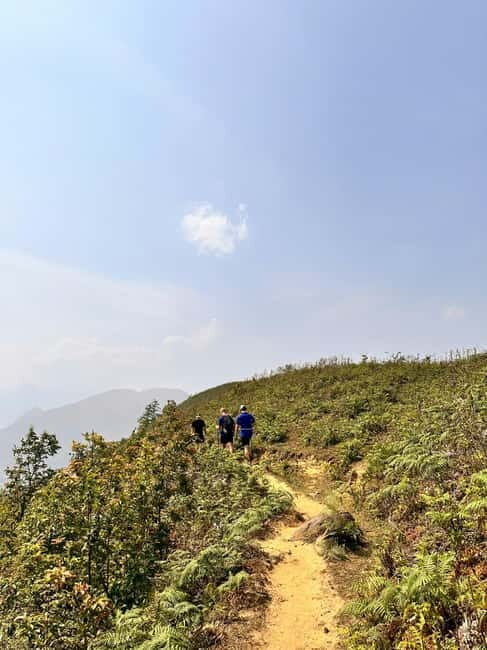
All meals during your trip are included. That means you won’t spend your time hunting for lunch or worrying about snacks on the trail.
Drinks are not included, so you’ll want to bring water and anything else you personally need. If you tend to get low-energy when you’re not drinking enough, treat hydration as part of the plan, not an afterthought.
I also like that the experience can include small trail comforts. In one case, Zo even provided bananas during the trek. Little things like that help you keep a steady mood when your legs are doing the talking.
Group trekking with Zo: how the guide changes the experience
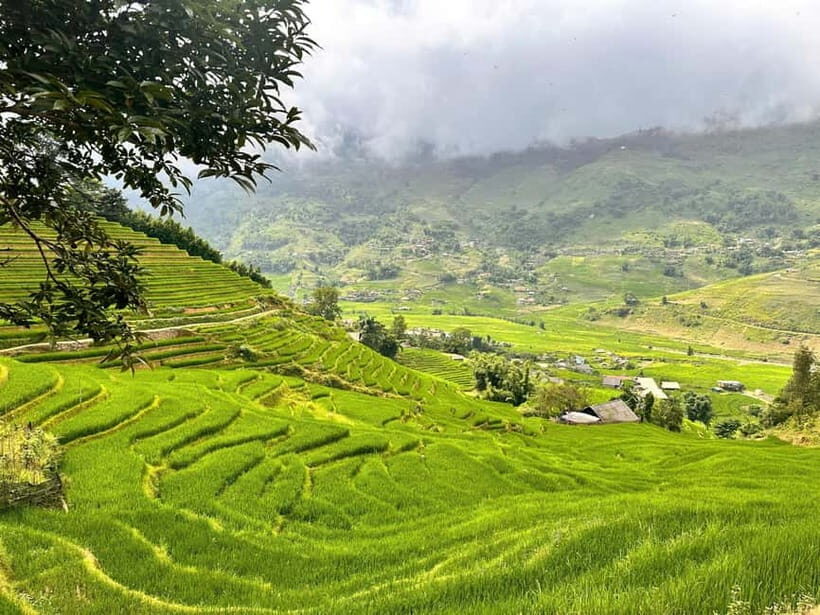
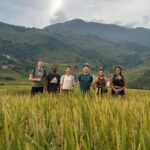
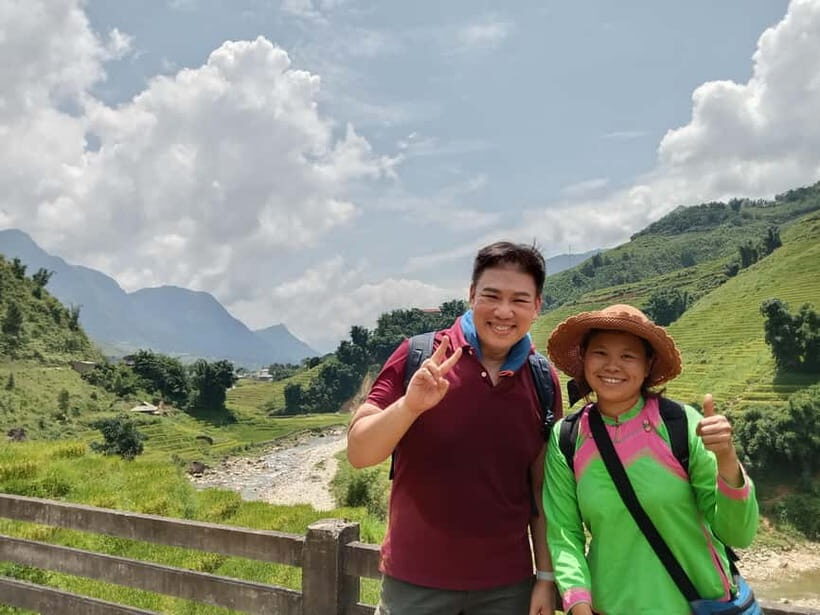
Because this is a group tour, you won’t be alone with Zo the whole time. Still, Zo’s role is central: she’s the local guide (Black Hmong), speaks English, and brings context so your eyes don’t just skim.
One reason this kind of trek feels more authentic is that you’re not only “passing through” villages. You’re asking questions in real time, and the guide can translate the deeper parts of daily life—how people live, what matters, and how the communities relate to the land.
There’s also a practical safety element. If someone in your group has trouble—like foot discomfort—Zo may be able to arrange extra support such as a motorbike to help. That flexibility can keep a rough day from becoming a ruined one.
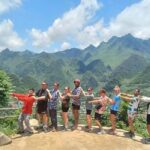
And since it’s group-based, you’ll learn to adapt to different walkers’ speeds. It’s not a private tour vibe, but with a skilled guide, it can still feel personal.
Price and value: budget 1,000,000 VND per person
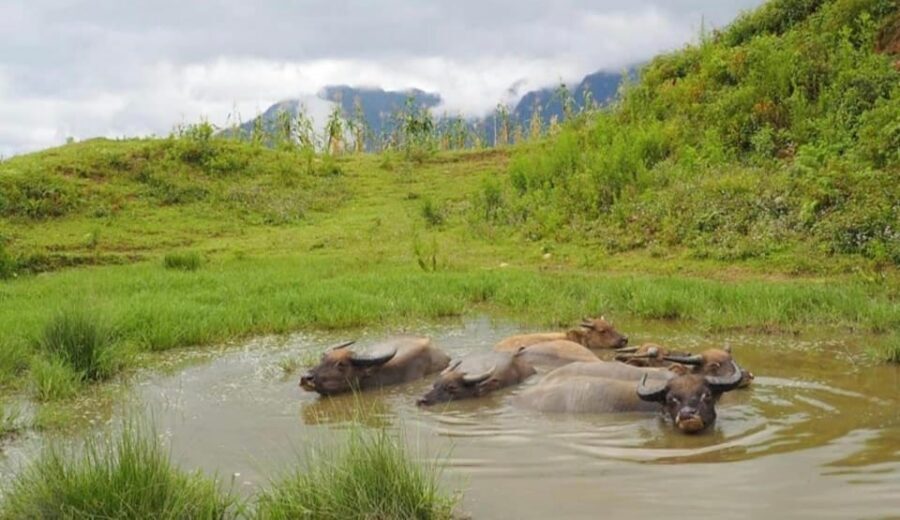
The headline price can look like a bargain. But the important detail is this: the listed price is currently 100,000 VND, while the actual cost is 1,000,000 VND per person. You pay the remaining 900,000 VND per pax after completing the tour.
Is it worth that? For this specific route, I think it is—mainly because the cost isn’t only about walking. You get:
- Zo as an English-speaking local guide
- Trekking fees/entrance to villages along the route
- One night in the homestay setting
- All meals during the trip
- Car transfer back to Sa Pa town at the end
And crucially, you’re getting access to village life that’s harder to replicate on your own without local contacts. The price makes more sense when you add up guide time, meals, and the village entry costs.
What you should budget separately: drinks and travel insurance.
Where you’ll sleep: homestay style and what to expect
Accommodation is included for 1 night at Zo’s authentic homestay in a peaceful forest setting. Homestays are described as simple, authentic, cozy, and with basic facilities.
One scheduling detail is worth noting: the plan shows homestay time around Ta Van, and it also references dinner and an overnight stay in the Giang Ta Chai area. Because the trek is village-to-village and routes can shift, I’d treat the overnight village as something Zo confirms on the day.
Either way, the experience is about staying with a family, eating together, and having that evening conversation. If you’re okay with basic facilities and you like the idea of family-run hospitality, this part lands well.
Who should book this Sapa village trek (and who should skip it)
This tour fits best if you:
- Want a guided route with local explanations
- Enjoy moderate trekking and can handle uneven ground
- Like homestays and are comfortable interacting respectfully with families
- Want more than the most famous single village stop in Sapa
It may not be a match if you:
- Are over 70 years old (the tour notes it’s not suitable)
- Have limited walking tolerance or need fully flat trails
- Hate wet, muddy conditions or are unwilling to adjust footwear and pace
If you’re unsure, be honest about your fitness and ask Zo what pace support looks like for your group.
Should you book this 2-day Sa Pa trek?
If your goal is authentic village time—rice terraces, real community walking, homestay dinner, and Red Dao stilt-house scenery—this is the kind of trek that delivers. The guide, Zo, is a big part of why it feels grounded in daily life rather than a rushed checklist.
I’d book it if you can handle moderate trekking (about 19 km over two days) and you’re willing to dress for slippery trails in rainy periods. I’d skip it if your ideal Sapa trip is mostly comfort and short walks.
If you do book, pack for wet and muddy feet, keep water and snacks practical, and go in curious. This route rewards people who slow down just enough to watch and ask.
FAQ
How long is the tour?
It runs for 2 days and 1 night.
Where does the guide meet us?
The guide meets you at Sa Pa church, and pick-up from your hotel in Sa Pa is also part of the plan.
How much trekking is involved?
The trek covers about 19 km over two days, with steep and uneven terrain.
What villages will we visit?
You’ll walk through Sa Pa, then Y Linh Ho, Lao Chai, Ta Van, Giang Ta Chai, Su Pan, and back to Sa Pa (with Giang Ta Chai Mong mentioned as well).
Is the homestay included?
Yes. The tour includes 1 night at Zo’s homestay in a peaceful forest setting, with the schedule showing homestay time around Ta Van and also referencing overnight in the Giang Ta Chai area.
What’s included in the meals?
All meals during your trip are included. Drinks and beverages are not included.
Does the tour include trekking fees or village entrance fees?
Yes, trekking fees and entrance to all villages along the trek are included.
What should I bring for the trek?
Bring change of clothes, comfortable trekking shoes and clothes, a camera, drinks, climbing gear, and motion sickness prevention. You should also pack a light raincoat or jacket, sunscreen, hat, sunglasses, and mosquito repellent.
Is travel insurance included?
No. Insurance is not included, and you are required to have full travel insurance.
Is this suitable for older adults?
The tour notes it is not suitable for people over 70 years old.