REVIEW · SA PA
From Hanoi: Explore Sapa 2-Day Tour
Book on GetYourGuide →Operated by VIETNAM OPENTOUR CO LTD · Bookable on GetYourGuide
Sapa gets more real when you split it into two days. This tour takes you from Hanoi on an overnight shuttle, then threads you through the Black Hmong and Dzao villages with real walking time and local guidance. I especially like that you get both Cat Cat Village and the Muong Hoa Valley trek, instead of doing one quick loop and calling it Sapa.
Two things I’d pick right away: the included meals (so you’re not hunting for food after every stop) and the way the itinerary mixes viewpoints with actual village paths. There’s also a solid “reset” rhythm built in—check in, eat, then walk again next day.
One consideration: the Cat Cat portion is partly a known tourist stop, and the village experience can feel a bit pushy for some people. Add the seasonal factor—rice-terrace color changes a lot—so your photos won’t always match the posters.
In This Review
- Key points before you go
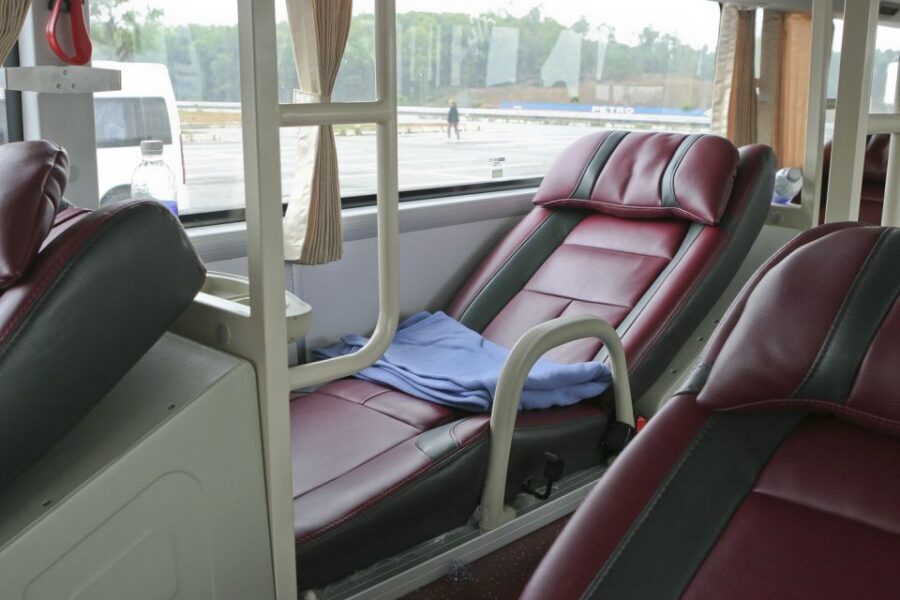
- Sleeping bus to Sapa: the practical way to save a day
- Cat Cat Village and the valley trek: where reality meets tourist traffic
- Hanoi pickup, Sapa check-in, and how the timing actually works
- Day 2’s trek through Muong Hoa Valley: the walking day you’ll feel
- When the rice looks different: seasonality and photo expectations
- Food, tickets, and what you’re really paying for at $105
- Packing and pace: cold weather, trekking shoes, and a light day pack
- Who this Sapa tour is best for (and who should skip it)
- Should you book the From Hanoi: Explore Sapa 2-Day Tour?
- FAQ
- How long is the Sapa 2-day tour?
- Where do I meet in Hanoi, and where do I get dropped off?
- What treks are included, and how long are they?
- What meals are included in the price?
- What’s included for accommodations in Sapa?
- What should I bring for the trek and Sapa weather?
Key points before you go
- Overnight sleeper bus value: big travel day is handled for you from Hanoi to Sapa and back.
- Two guided treks: Day 1 is short and steep-ish (2.5 km), Day 2 is longer (9 km).
- Cat Cat Village + valley walk: includes a trek down toward a waterfall and a hydraulic power station area.
- Muong Hoa Valley to Lao Chai and Ta Van: classic village-to-terraces walking with Hoàng Liên Sơn Mountain views.
- Season changes what you see: rice may look more yellow in some months, not like peak green advertising.
- English support in Sapa: you get a guide, but the Hanoi departure driver speaks very little English.
Sleeping bus to Sapa: the practical way to save a day
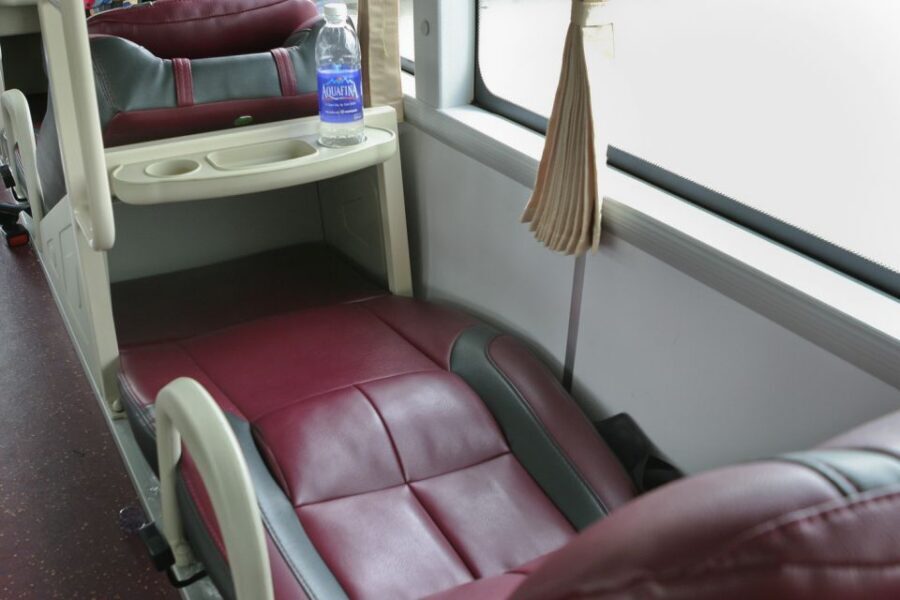
Traveling from Hanoi to Sapa is usually the part that breaks your schedule. This tour handles it with an air-conditioned return shuttle bus and an overnight travel plan, so you spend less time sitting and more time actually seeing the area. You’ll board in Hanoi around pickup time in the Old Quarter, then make a couple of comfort stops en route before reaching Sapa around lunchtime.
Here’s the practical bonus: because it’s overnight, you’re not paying an extra hotel night in Hanoi or losing a full sightseeing day just to get there. Also, you can choose a deluxe sleeping bus for an extra $15 per person if you want a more comfortable ride.
One more detail worth noting: the overnight bus is described as a large group (think 30–40 people), even though the Sapa-side tour is limited to a smaller group size. That usually means you’ll feel “big-group energy” on the bus, then switch to a more manageable vibe once you’re trekking and meeting guides in Sapa.
You can also read our reviews of more tours and experiences in Sa Pa


Cat Cat Village and the valley trek: where reality meets tourist traffic
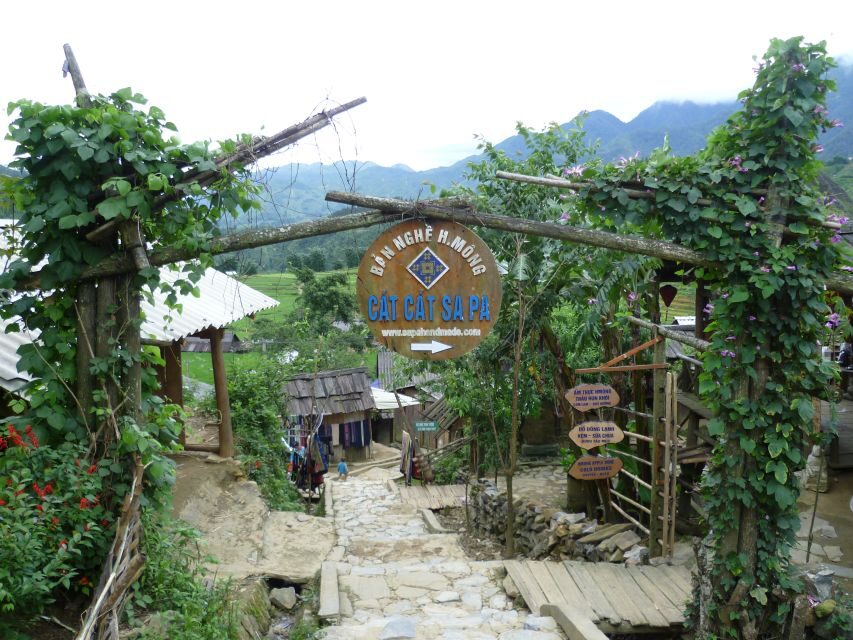
Day 1 starts with the Hanoi-to-Sapa drive, then you arrive around lunchtime and check in to your hotel at 1:30 PM. After you’ve settled, you head to Cat Cat Village by a short drive to the gate.
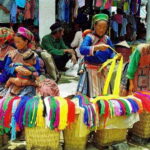
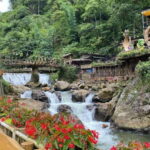
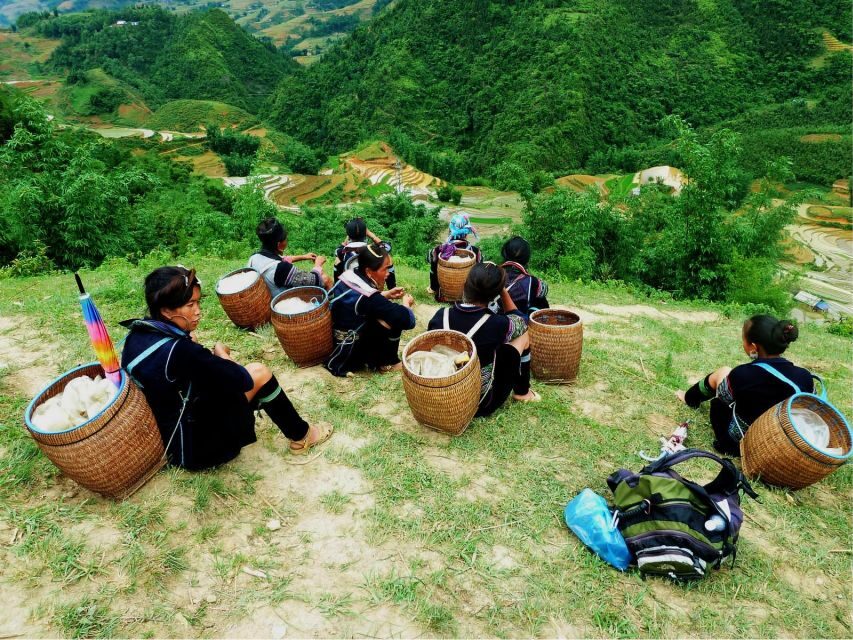
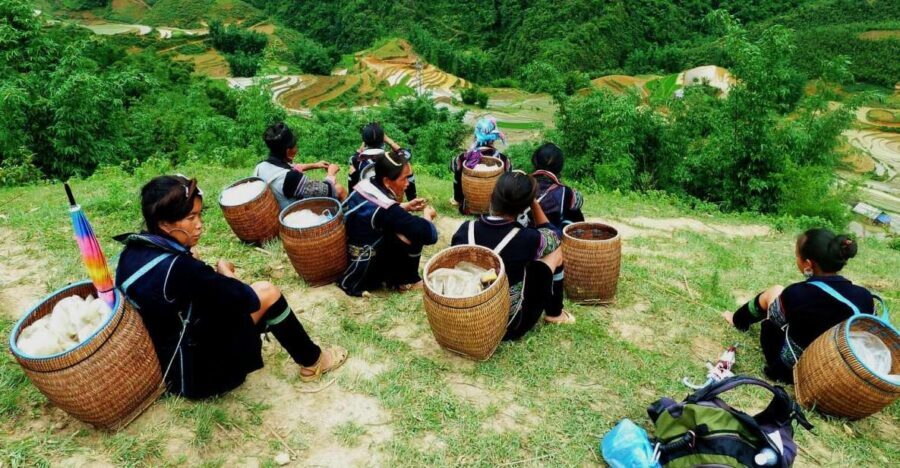
Cat Cat Village is one of those places where you’ll see daily life—but also where the tourism machine has a strong presence. You’ll watch everyday activities with a local guide in Cat Cat, and you’ll get the chance to trek down toward a waterfall and a hydraulic power station area. The walk is not all drama and mountain selfies; it’s mostly about moving through the valley and seeing how the area works.
One real-world caution: if you’re easily put off by selling, pitching, or persistent interactions, keep your boundaries firm. Some people find the women accompanying parts of the trek in Cat Cat or nearby areas can feel pushy. The guides themselves are usually friendly and communicative, but the village-side interaction can vary.
Still, I think Cat Cat is worth it because it gives you a first taste of what Sapa is really about—people, terraces, valley paths, and local livelihoods—before you hit the longer Day 2 hike. Just go in with the right mindset: it’s a cultural stop plus a tourist hub, not a private nature walk.
Hanoi pickup, Sapa check-in, and how the timing actually works

This is where the tour earns points for organization. Pickup is designed around Hanoi’s Old Quarter, with free pickup offered at hotels in that area. If you’re staying outside the Old Quarter, you’ll need to choose one of the meeting point options.
In Hanoi, the meetup happens at the partner’s office, and you should arrive 15 minutes early. From there, you board the sleeper bus and start the trip north with a small amount of downtime built in (comfort breaks on the way).
Once you get to Sapa, check-in is 1:30 PM. You’ll likely have lunch shortly after arrival as part of a set menu meal. Lunch is included, and dinner is also included later that evening.
On Day 2, you’ll check out at 10:00 AM and pack a light bag for trekking. Any bigger luggage can be stored at the hotel. It’s a simple setup, but it matters: with treks on both days, being able to leave bulky items behind makes the walking experience much less stressful.
Day 2’s trek through Muong Hoa Valley: the walking day you’ll feel
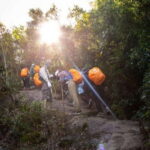
Day 2 is the bigger effort. You start with breakfast, check out, and then prepare a light pack. Then you head into the trek through the Muong Hoa Valley, following rice terraces and the Muong Hoa Stream area.
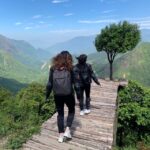
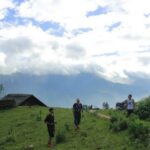
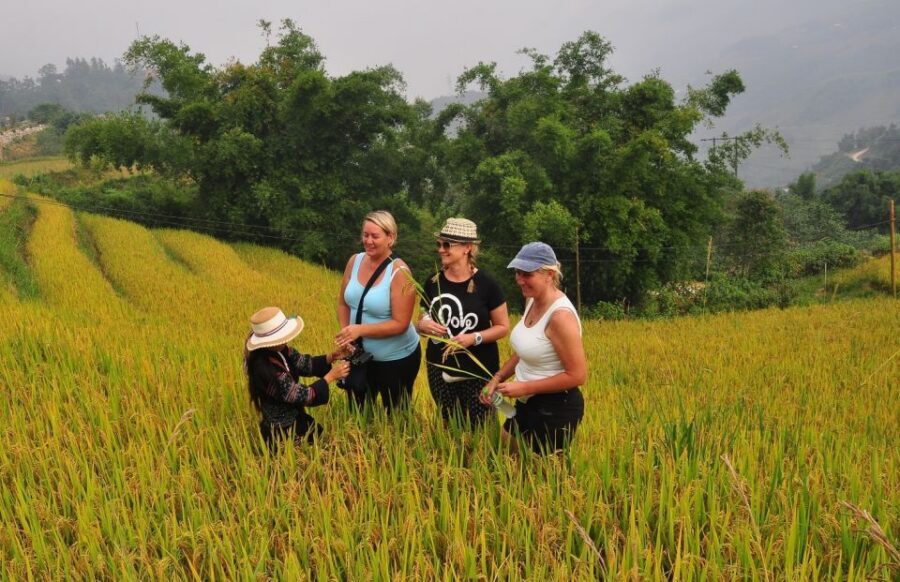
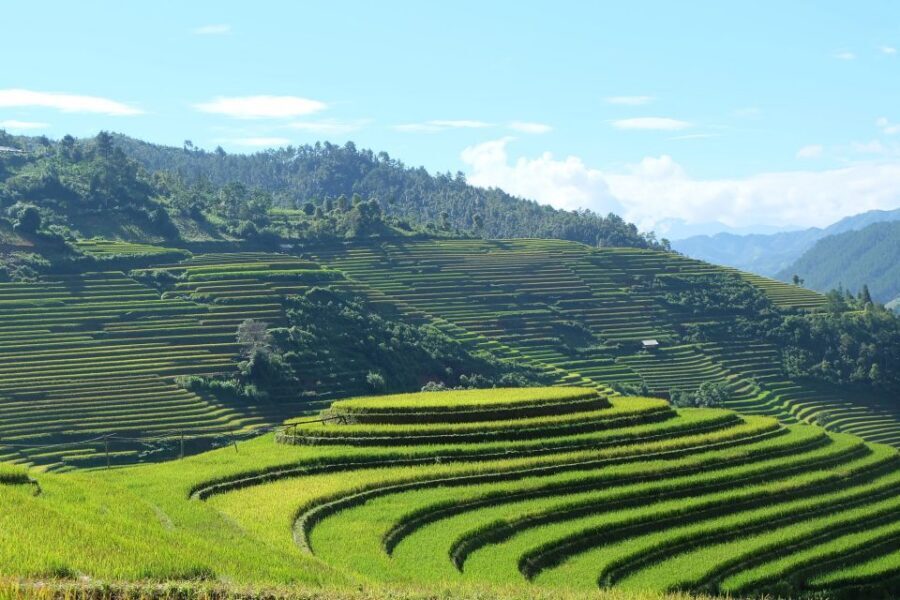
Your first village stop is Lao Chai, home of the Black Hmong. This is where you’ll get dramatic views of Hoàng Liên Sơn Mountain (weather permitting) and where the terrain starts to feel more like a real trek than a quick sightseeing stop. The walk is longer: about 9 km and roughly 3.5 hours.
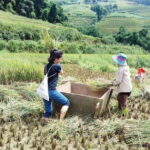
From Lao Chai you continue trekking to Ta Van, home of the Dzao people. This part is less about a single big attraction and more about the rhythm—path, terraced fields, small bends in the trail, and the constant change in view angles.
After the walking, you return to Sapa for lunch at the hotel. Then you get free time to relax. One useful detail: there’s mention of being able to shower in a public bathroom, if you want. That’s not luxurious, but it’s practical after a long hike.
By the time you meet your group and head back to Hanoi, you’ll be glad the day was planned around meals and a clear return schedule. When a trek day is this long, logistics can make or break your mood.
When the rice looks different: seasonality and photo expectations

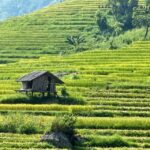
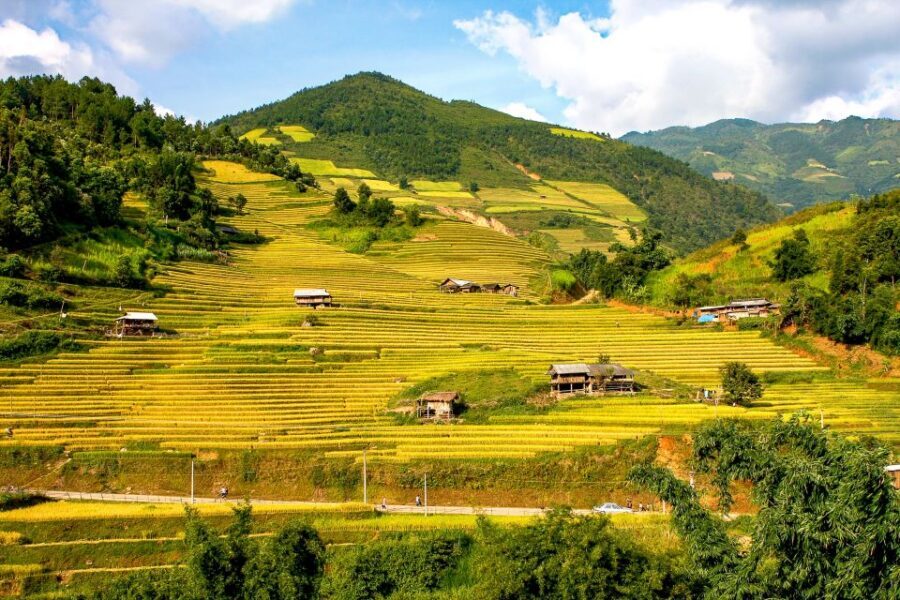
Let’s talk about the elephant in the room—rice terrace color. If you’re coming in September, you may notice terraces look more yellow than the deep green you see in brochures. One review detail is especially helpful here: rice isn’t sown until March, and by September it can look bright yellow.
So if your goal is to recreate postcard photos, adjust your expectations. You can still get great scenery and village life. Just don’t bet your whole trip on a specific color. In Sapa, weather and farming cycle are stronger than advertising.
Also remember fog risk. Because Sapa is at altitude, it can be foggy in December, January, February, and March. That can soften mountain views, but it can also make the area feel moody and quiet. Either way, cold and fog are real possibilities in the peak winter months.




Food, tickets, and what you’re really paying for at $105
At $105 per person for a two-day package, the value comes from the “mostly handled” parts: transportation, guides, accommodations, and meals. You’re not just paying for sightseeing—you’re paying for the infrastructure that helps you sleep, eat, and move between villages without planning every step yourself.
Here’s what’s included:
- Return shuttle bus from Hanoi to Sapa (air-conditioned)
- Modern bus in Sapa with an experienced driver
- Tour guide in Sapa (English)
- Local guide in Cat Cat Village
- Meals: 1 dinner, 2 lunches, 1 breakfast
- Accommodation: double/twin sharing base
- Entrance tickets to the indicated sites
- 2 bottles of water
- Tissues
What’s not included: drinks and personal expenses.
I like that meals are covered because Sapa stops can scatter your schedule. If you’ve walked all day, you don’t want to be negotiating where to eat. The tour also includes entrance tickets, which reduces the chance of wasted time during transitions.
If you want extra comfort, the optional deluxe sleeper bus adds $15 per person. It’s a reasonable add-on if you know you won’t sleep well on regular buses.
Packing and pace: cold weather, trekking shoes, and a light day pack
Sapa is unpredictable, but it’s normally cold from September to March. Even when skies are clear, you’ll want warm clothing, a hat, and a scarf. Fog in the winter months can also drop visibility and make paths feel colder and damp.
Bring comfortable shoes. The treks are not described as flat strolls, and you’ll be walking enough that proper footwear matters. Day 1’s trek is about 2.5 km and lasts around 2 hours. Day 2’s trek is about 9 km and lasts around 3.5 hours. That difference is big, and you should plan your stamina accordingly.
On Day 2, pack light for the walk. The hotel can store bigger luggage. This keeps you from dragging a heavy bag for a half-day hike.
Also, keep an ID handy: you’ll need a passport or ID card. And if you’re sensitive to cold, consider layering so you can regulate without constantly stopping.
Who this Sapa tour is best for (and who should skip it)
This is a good fit if you want a guided introduction to Sapa in a short time window, and you’re okay with walking. You’ll get:
- Village visits with local guides
- At least one proper trek day
- A hotel night that actually lets you recover
It’s also a smart choice if you dislike DIY logistics. Between overnight transport, meals, entrances, and pickup/drop-off in the Old Quarter, the tour removes a lot of decision fatigue.
It may not be your best match if:
- You want a slow, low-effort experience. Day 2 is a real trek (9 km).
- You’re hoping for a fully private cultural visit. Cat Cat and the village interactions can be tourist-facing.
- You have mobility needs. The tour notes it’s not suitable for people with mobility impairments or wheelchair users.
- You’re traveling with young kids, are pregnant, or under 6.
If you’re traveling solo or as a couple, the small-group Sapa experience (limited participants) can still feel personal. But remember the overnight bus itself is a big-group ride.
Should you book the From Hanoi: Explore Sapa 2-Day Tour?
I’d book this tour if you want the cleanest route from Hanoi to Sapa with guided village treks and meals and hotel included. The $105 price makes sense when you compare it to what you’d spend on separate transport, lodging, and guiding. The overnight bus also saves time, which matters when you only have two days.
I’d hesitate if you’re extremely focused on perfect terrace colors. If you’re going in a season where rice isn’t growing yet (or you’re hit by fog), you may see scenery that’s different from what you imagined. Also, if you know you don’t do well with persistent interactions in tourist villages, spend your energy on the walks and the bigger viewpoints, and keep interactions brief and respectful.
If you’re flexible and prepared—warm clothes, trekking shoes, and realistic expectations—this is a solid, efficient way to experience Sapa.
FAQ
How long is the Sapa 2-day tour?
It’s a two-day experience. The exact start times can vary, so you’ll need to check availability for the day’s departure options.
Where do I meet in Hanoi, and where do I get dropped off?
Pickup is available at hotels in Hanoi’s Old Quarter (optional free pickup) or you can meet at the local partner’s office 15 minutes before the tour starts. The return drop-off is back at the meeting point at Tran Quang Khai street.
What treks are included, and how long are they?
Day 1 includes a trek of about 2.5 km that lasts around 2 hours. Day 2 includes a longer trek of about 9 km that lasts around 3.5 hours.
What meals are included in the price?
The tour includes 1 breakfast, 2 lunches, and 1 dinner. Drinks are not included.
What’s included for accommodations in Sapa?
You stay overnight in a cozy hotel on a double/twin sharing basis. Hotel check-in is at 1:30 PM and check-out is at 10:00 AM.
What should I bring for the trek and Sapa weather?
Bring a passport or ID card, comfortable shoes, warm clothing, a hat, and a scarf. Weather is unpredictable, and Sapa is often cold from September to March.