REVIEW · HANOI
Hanoi daily egg coffee making course with local guide
Book on Viator →Operated by Hong Hoai Cooking Class · Bookable on Viator
Egg coffee lessons beat just ordering a cup.
This one is built around a hands-on, one-hour format in Hanoi Old Quarter, where you learn the method behind the famous creamy egg coffee instead of just sipping it. What makes it feel special is the structure: a clear demo, ingredient help you can use later, and step-by-step guidance while you make your own cup with edible egg coffee art.
Two things I especially like: the class is intentionally small (max 10), so you get real attention, and the teacher doesn’t stop at instructions—they help you understand ingredients so you can recreate the drink back home. One possible drawback to consider is that it’s weather-dependent, so if conditions aren’t good you may need to switch dates.
In This Review
- What You’ll Really Do in This Hanoi Egg Coffee Course
- Egg Coffee in Hanoi: Why This Class Feels More Practical Than a Tasting
- Your Start Point: Hong Hoai’s Restaurant in the Old Quarter
- Ingredient Prep and the “How to Find It at Home” Lesson
- The Demonstration: Seeing the Cup Form Step by Step
- Making Your Own Egg Coffee (and Getting Help While You Do It)
- Egg Coffee Decoration: Edible Art You Can Replicate
- What’s Included (and Why It’s a Good Setup)
- Duration and Timing: A Fast Class That Still Feels Complete
- Group Size: Why the Max 10 People Limit Matters
- Choosing the Right Day to Book (Weather Matters)
- Where the Value Comes From: $15 for Technique, Not Just Taste
- Who This Class Is Best For
- Quick FAQ for Planning Your Hanoi Egg Coffee Morning or Afternoon
- FAQ
- How long is the egg coffee making course?
- What is included in the ticket price?
- Is the class limited to a small group?
- Where does the class meet?
- Do I learn how to decorate the coffee?
- What if I want to make egg coffee at home?
- Is alcohol included?
- What happens if the weather is bad?
- Should I book if I’m not sure about my dates?
- Should You Book This Egg Coffee Class?
What You’ll Really Do in This Hanoi Egg Coffee Course
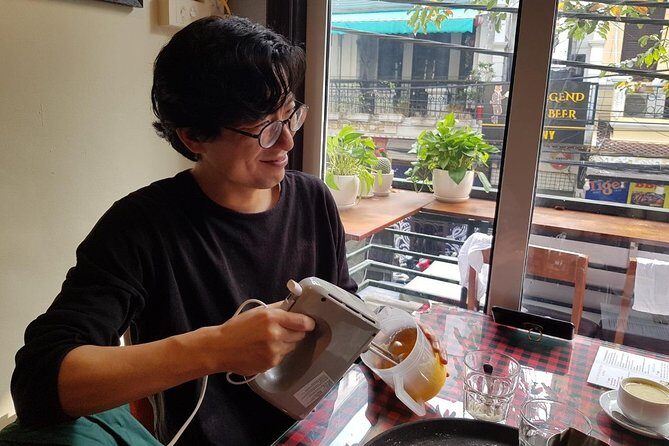
- Old Quarter location at Hong Hoai’s Restaurant makes it easy to fit before or during a day of walking.
- Max 10 people keeps the pace comfortable and gives you time to ask questions.
- Ingredient guidance for home cooking so you know what to look for outside Vietnam.
- Step-by-step demo first, then you make your own egg coffee.
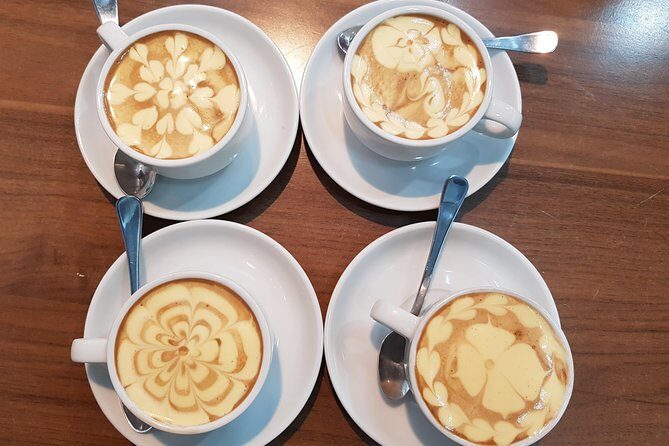
- Egg coffee decoration practice so your cup looks like Hanoi, not just tastes like it.
- Snack + bottled water included, which makes the hour feel complete without needing a full meal.
Egg Coffee in Hanoi: Why This Class Feels More Practical Than a Tasting
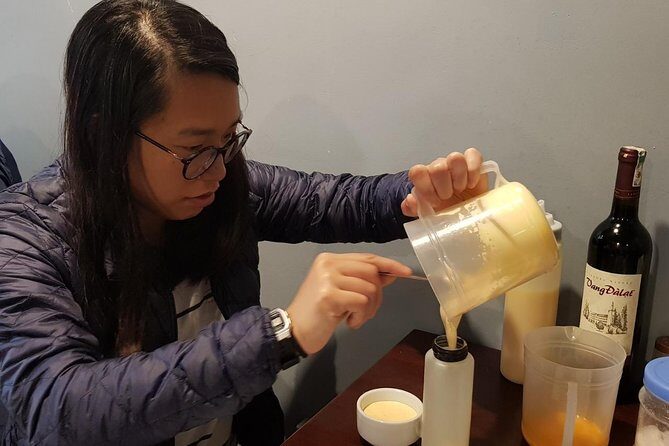
Egg coffee in Hanoi is one of those drinks that’s simple on paper—coffee, egg, sugar—yet somehow becomes its own experience. The foam and sweetness are the obvious part. The less-obvious part is the technique: how the egg mixture is handled, how it’s combined, and how the coffee is served so the texture looks right.
That’s why a class works better than a quick stop at a café. You’re not just paying for a cup. You’re learning the logic behind it. In this course, the teaching is set up to answer the exact question you’ll have later: How do I make this again when I’m not standing in Hanoi?
The format also suits real travel time. It’s about one hour, and you start and end at the same meeting point. In practical terms, it’s easy to slot into a busy Old Quarter day without turning your morning into a scheduling puzzle.
You can also read our reviews of more guided tours in Hanoi


Your Start Point: Hong Hoai’s Restaurant in the Old Quarter
You meet at Hong Hoai’s Restaurant, 20 P. Bát Đàn, Hàng Bồ, Hoàn Kiếm, Hà Nội 100000, Vietnam. The location matters because the Old Quarter is made for short walks and short pauses. Instead of traveling across town, you can show up, take the class, and keep exploring nearby streets right after.
Another small detail that helps: the activity is described as being near public transportation, which is useful if you’re moving around by bus, taxi, or a ride-hailing app.
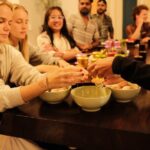
When you arrive, you’ll be introduced to the group. That sounds basic, but it changes the vibe. With a group capped at 10, you’re not blending into a crowd. You’re part of a small food moment, with time to listen and ask what you actually want to know.
Ingredient Prep and the “How to Find It at Home” Lesson
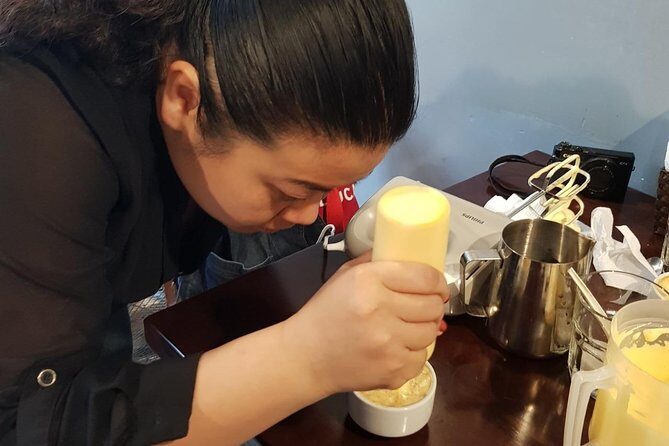
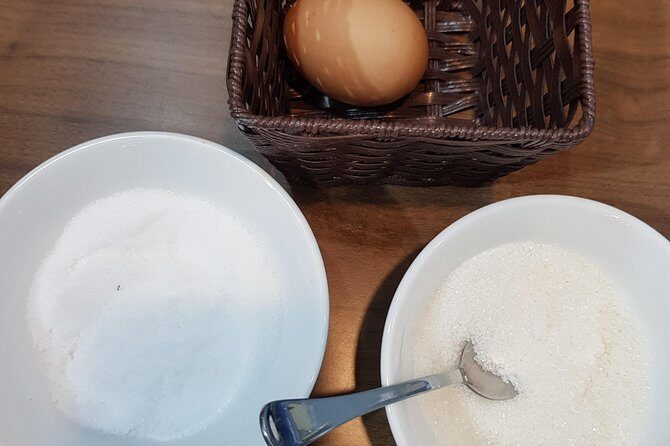
After introductions, you’ll prepare some ingredients for the class. This is the point where the course becomes more than a demo. You’re handling the building blocks, not just watching.
Even better, the teaching includes an explanation of the ingredients and how you can find them in your country. That matters because egg coffee can be easy to mess up when you substitute the wrong products. If you’ve ever tried to recreate a specialty drink from abroad and ended up with something that tastes close-but-not-right, you’ll understand why this part is gold.
Here’s what you should look for while they explain ingredients:
- What the egg mixture is supposed to do to flavor and texture
- How sweetness is balanced with coffee strength
- What details change if you use different brands or types of ingredients
The goal is to leave with a usable framework, not just a memory of what the cup looked like.
The Demonstration: Seeing the Cup Form Step by Step
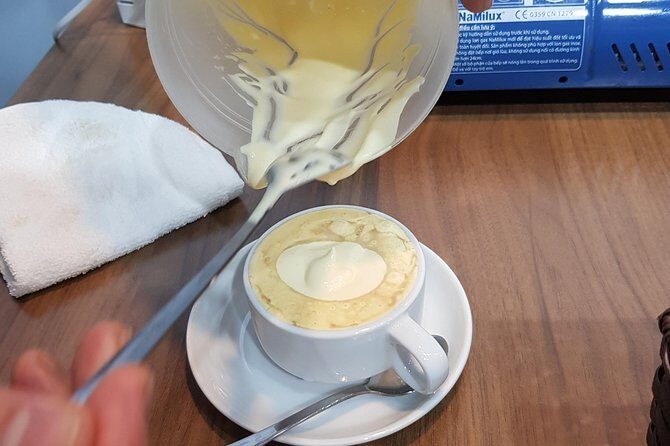
Next comes the moment most food classes get right: you get a sample cup first. You’ll see one prepared and be guided step by step. This kind of walkthrough is especially important for egg coffee because the final look depends on technique, not just ingredients.
In a lot of café orders, the staff makes it look effortless. In a course, you see the “why” behind the “how.” I like this approach because it turns your later attempt from guessing into execution.
Pay attention to these parts during the demo:
- How they combine the components
- How they manage the foam/cream layer
- How the coffee is poured to create the right texture
If you’re someone who likes to understand, this part is satisfying. If you’re someone who just wants it to work, it still helps because you’re following an order and a method.
Making Your Own Egg Coffee (and Getting Help While You Do It)
Then it’s your turn. You’ll be handed on experience making your own egg coffee and enjoy it. With a max group size of 10, you’re not stuck waiting your turn for too long, and you’re more likely to get corrections when something goes off track.
In practice, the hardest part tends to be the egg mixture consistency and getting the right balance so the drink tastes smooth, not overly eggy or overly sweet. The course structure helps because you’re guided while you’re doing it, not after it’s already finished.
Also, you’re not just making one step—you’re making a cup that you can actually drink and evaluate. That feedback loop is how you learn fast.
You can also read our reviews of more tours and experiences in Hanoi



Egg Coffee Decoration: Edible Art You Can Replicate
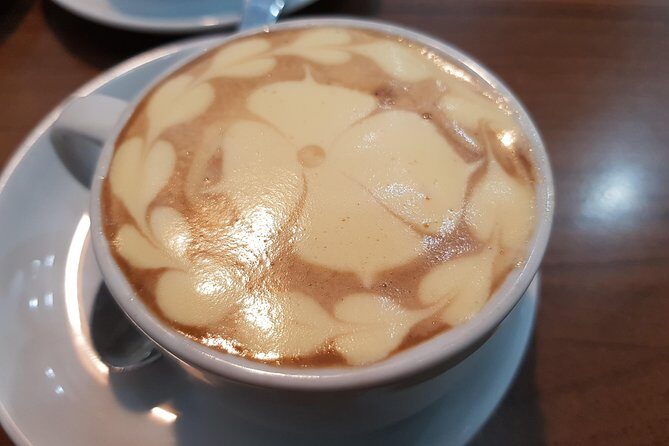
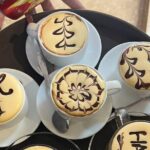
One of the most fun parts is the art. The class focuses on mastering egg coffee decoration with assistance from your tutor. Egg coffee art sounds like a photo gimmick until you realize it’s part of the pouring technique and foam control.
You’re making edible patterns, so you’ll see how the drink becomes part of the presentation. And because they’re guiding you, you’re not starting from scratch with a shaky hand and no method.
If you care about what you’ll do with it later, this section is the best bridge to home. You might not nail the exact same look on day one—but once you know the technique behind the effect, you can improve quickly.
What’s Included (and Why It’s a Good Setup)
The course includes:
- Bottled water
- Snacks: 1 piece of spring roll
That’s a light add-on, but it’s the right kind. Egg coffee is a sweet drink, and a small snack helps the hour feel balanced without turning the activity into a full meal.
Alcoholic beverages aren’t listed as included. If you’re hoping to pair egg coffee with anything stronger, plan on skipping that here.
Duration and Timing: A Fast Class That Still Feels Complete
This experience runs for about 1 hour. That’s ideal if you don’t want a long cooking session, but still want real learning. You’re not stuck for half a day. You can treat it like a planned stop during sightseeing.
You’ll also have a wide choice of departure times, which helps you match it to your schedule. Want it earlier so you can eat your coffee as breakfast? Want it in the afternoon to break up Old Quarter walking? The timing flexibility is a practical benefit.
Group Size: Why the Max 10 People Limit Matters
A max of 10 travelers sounds small on paper, but it changes the class feel. It means you’re more likely to:
- get explanations that match your questions
- see the demo clearly
- receive guidance while you pour and decorate
It also makes the interaction warmer. Egg coffee classes are food experiences with a bit of theater, and smaller groups are easier for the teacher to manage.
Choosing the Right Day to Book (Weather Matters)
The experience requires good weather. If it’s canceled due to poor weather, you’ll be offered a different date or a full refund. That’s not unusual for some Hanoi activities, but it’s worth checking before you commit.
If your trip dates are tight, I’d book early in your Hanoi schedule so you have backup flexibility if weather turns.
Where the Value Comes From: $15 for Technique, Not Just Taste
At $15 per person, this isn’t a bargain you should ignore. It’s also not a splurge. The value sits in what you leave with.
You’re paying for:
- a guided demo and coaching while you make the coffee
- ingredient explanations useful at home
- small-group attention
- the decoration practice, not just the drink
For many visitors, egg coffee is usually a one-time purchase at a café. Here, you get the steps so you can repeat the experience. That turns the cost into a skill you can reuse, which is what makes it feel fair.
Also, it’s been booked about 26 days in advance on average, which hints that this is a popular way to add substance to an Old Quarter day. If your schedule is fixed, earlier booking can help.
Who This Class Is Best For
This course fits best if you:
- want an authentic Hanoi food experience beyond ordering
- enjoy learning practical cooking techniques
- like the idea of making something visual (egg coffee patterns)
- want a short, focused activity in the Old Quarter
It’s also a nice rainy-day option because it’s only about an hour. If you’re the type who gets restless on long tours, the short duration helps.
If you’re only interested in drinking egg coffee with no interest in technique, you may find a standard café order more efficient. But if you want to go home able to recreate the cup, the class structure is exactly what you’re paying for.
Quick FAQ for Planning Your Hanoi Egg Coffee Morning or Afternoon
FAQ
How long is the egg coffee making course?
The course lasts about 1 hour.
What is included in the ticket price?
You get bottled water and one spring roll snack. The course also includes instruction, a demo sample, and time to make and enjoy your own egg coffee.
Is the class limited to a small group?
Yes. The activity has a maximum of 10 travelers.
Where does the class meet?
You meet at Hong Hoai’s Restaurant, 20 P. Bát Đàn, Hàng Bồ, Hoàn Kiếm, Hà Nội 100000, Vietnam. The activity ends back at the meeting point.
Do I learn how to decorate the coffee?
Yes. You learn egg coffee decoration with assistance from your tutor.
What if I want to make egg coffee at home?
You’ll get clear ingredient explanations and guidance on what you can find in your country to make a good cup of coffee.
Is alcohol included?
Alcoholic beverages are not mentioned as included.
What happens if the weather is bad?
The experience requires good weather. If it’s canceled due to poor weather, you’ll be offered a different date or a full refund.
Should I book if I’m not sure about my dates?
If you cancel, the policy states free cancellation up to 24 hours in advance for a full refund.
Should You Book This Egg Coffee Class?
I’d book it if you want more than a quick coffee stop. This is one of those experiences where you can actually take skills home, especially because they explain ingredients and help you practice decoration, not just taste the result.
Skip it only if you’re set on a purely low-effort activity and you don’t care about technique. Otherwise, for a one-hour, small-group class in the Old Quarter, the balance of teaching time, food included, and hands-on practice makes it a smart value pick.