REVIEW · HANOI
Authentic Bun Cha Hanoi making – with skyline view of Westlake
Book on Viator →Operated by The Good Vibes - Cultural and Local Experiences · Bookable on Viator
Cooking bun cha in Hanoi feels personal fast.
This small-group class pairs a hands-on Vietnamese cooking lesson with real market shopping and the kind of West Lake skyline view you usually only get from the best photo spots. What I like most is the market start (you buy the herbs and vegetables like locals do), and the rooftop setting where you cook and eat facing West Lake. One thing to consider: it runs best with good weather, since parts of the experience are outdoors on a rooftop.
I was also impressed by how it’s built for actual learning, not just a meal. You’ll cook three authentic dishes (including bun cha) and sit down right afterward to enjoy your work with beer or soft drinks. The class is limited to 10 people, which keeps it friendly and gives you time to ask questions, but it also means the vibe is more workshop than big party.
In This Review
- Key things to know before you go
- West Lake views make this class feel like Hanoi, not a demo
- Market shopping: the first lesson is how Hanoians buy flavor
- The cooking session: bun cha Hanoi style, plus classic sides
- What you’re really learning with bun cha
- Expect hands-on cooking, not just standing around
- A note on ingredients and restrictions
- Eating etiquette and culinary culture: the “how to eat” piece
- Drinks, tastings, and that secret dessert
- Logistics that matter: pickup, small groups, and timing
- What you get for $40: value that comes from more than just the food
- Who this fits best (and who might want something else)
- Should you book this bun cha class on West Lake?
- FAQ
- FAQ
- How long is the cooking class?
- What is the price per person?
- Is hotel pickup and drop-off included?
- Do I get to visit a market during the experience?
- What food will I make and eat?
- Are drinks included?
- Is the experience affected by weather?
Key things to know before you go
- West Lake rooftop view: You’ll cook and eat with panoramic city and lake views, including sunset light.
- Local wet market ingredient shopping: You start by choosing fresh produce and Vietnamese herbs.
- Hanoi bun cha, taught properly: The focus is on making bun cha Hanoi-style, not generic “Vietnamese noodles.”
- Small group (max 10): Easier conversation with hosts and hands-on attention.
- Food, drinks, and a secret dessert: You don’t just learn—you eat a full meal, plus a traditional homemade sweet.
- Clear support for diets: The host asks about food restrictions ahead of time, and you should do the same.
West Lake views make this class feel like Hanoi, not a demo
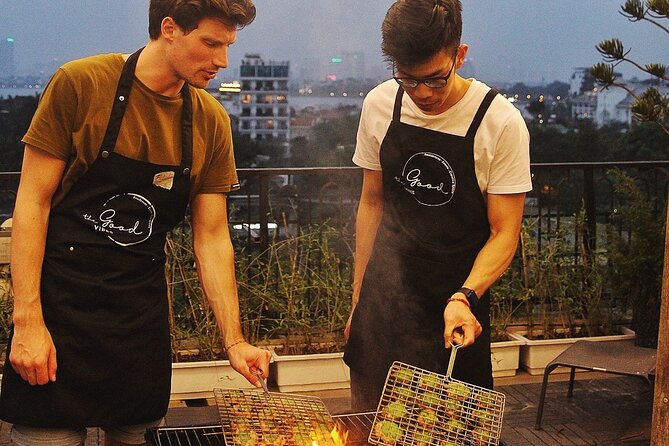
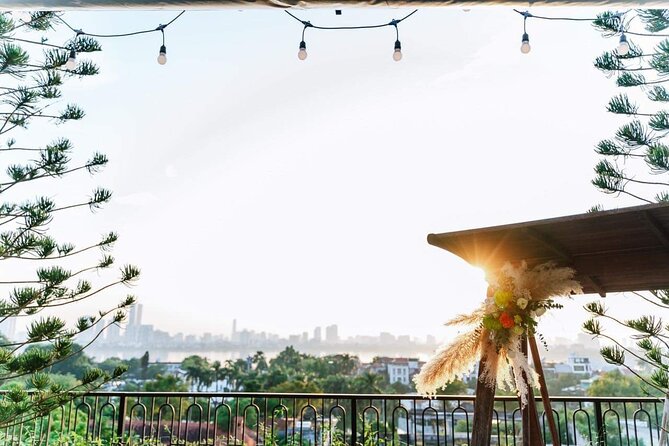
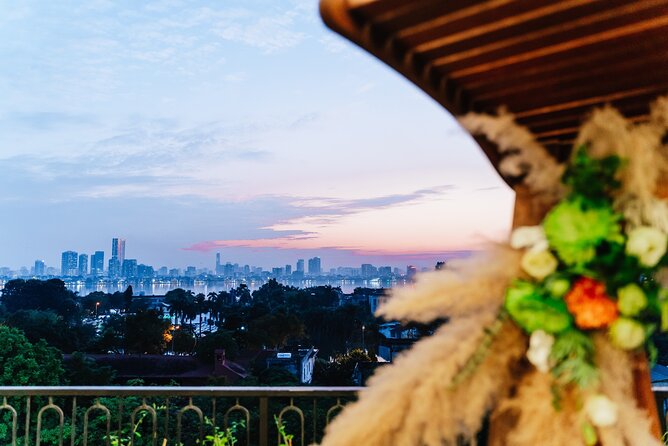
Hanoi cooking classes can fall into two buckets: either you cook in a kitchen with no story, or you watch someone cook while you take notes. This one blends both. The rooftop venue faces West Lake, and that matters. When you’re working with herbs, dipping sauces, and hot cooking surfaces, the setting keeps you in the moment. You’re not just learning recipes—you’re learning the pace of eating and the feel of the city.
You’ll get a good skyline look while you prep and then again when you sit down. Reviews specifically call out the terrace and even a sunset atmosphere, which is a nice reminder that this isn’t only about food. It’s also about the “how” and “why” behind Hanoian eating habits.
The class size is capped at 10. That’s not just a comfort perk. It changes the experience. With a small group, you’re more likely to get corrections as you cook, and less likely to be stuck waiting your turn.
You can also read our reviews of more tours and experiences in Hanoi.


Market shopping: the first lesson is how Hanoians buy flavor
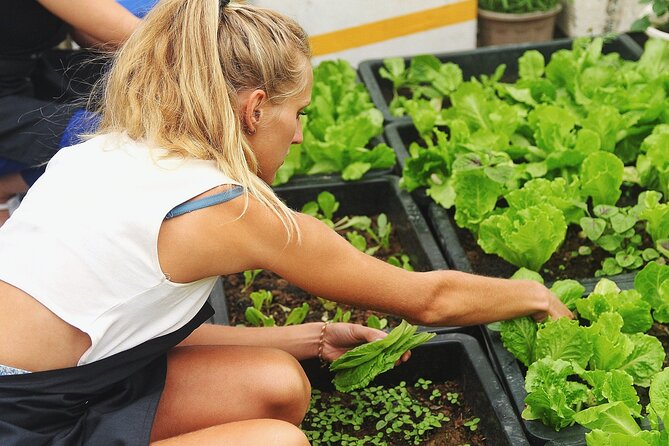
The experience starts with hotel pickup and a transfer to a local wet market. From there, you explore how people shop for everyday meals and then buy fresh ingredients for what you’ll cook. This is one of the best parts of the experience because it’s where the recipes become real.
For bun cha and the sides, freshness is everything—especially with herbs. You’re not relying on bottled sauces and dried toppings. You’ll select vegetables and Vietnamese herbs at the market, and the included plan also mentions picking up herbs from an organic garden. That gives you a deeper reason to pay attention to what you’re choosing: you’ll see exactly what ends up on your plate.
Practical tip: go slow during the market walk. If something looks unfamiliar, ask what it does in the dish. The host’s explanations are part of the value here, and the market is where those answers click.
The cooking session: bun cha Hanoi style, plus classic sides
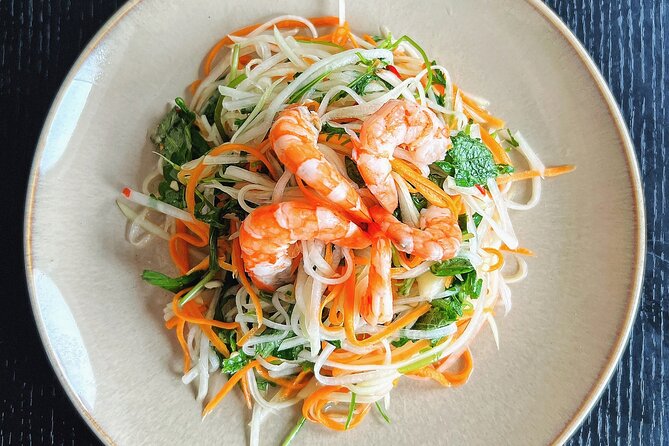
Once you reach the rooftop kitchen, you start cooking with the host guiding you step by step. The menu centers on bun cha, and the class also includes other traditional Vietnamese dishes (the plan mentions things like papaya salad and spring rolls).
What you’re really learning with bun cha
Bun cha can look simple on a menu. The real skill is in balancing elements so everything works together: grilled pork, dipping sauce, fresh herbs, and the noodles or noodles-style base served alongside. In a good bun cha class, you learn not only the steps but also the tasting logic—what to adjust when something tastes flat or too strong.
From the way this class is taught, the focus stays on Hanoi-style bun cha. That’s why reviews call it the best bun cha people have had—because you’re making it from ingredients you selected, in the way your host shows you, and then eating it immediately.
Expect hands-on cooking, not just standing around
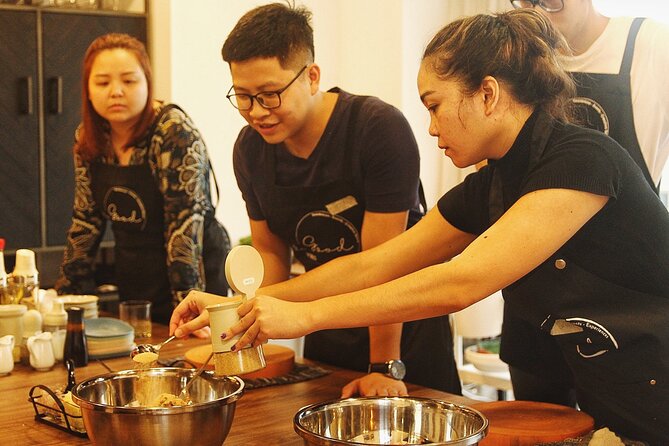
Small-group instruction matters here. You’ll get guidance while you prepare the dishes, and you should also expect practical support like aprons. One review notes they even provided small aprons to wear, which sounds minor until you realize it helps you feel comfortable moving around a real cooking area.
Also, don’t treat it like a speed run. The best value is in questions. If you’re curious about herbs, sauce consistency, or how to plate, ask during the prep—not after, when it’s harder to connect the steps to the final taste.


A note on ingredients and restrictions
The host checks for dietary restrictions ahead of time. That’s a big deal in cooking classes because small issues—like missing an herb you can’t eat—can change the whole dish. If you have allergies or dietary needs, tell the host in advance so they can plan accordingly.
Eating etiquette and culinary culture: the “how to eat” piece
After the food is ready, you sit down and enjoy what you made. You’ll have draft local beer or soft drinks included, and the experience also includes local wine tasting. Alcohol is only served if you’re of legal drinking age, but there are non-alcohol options too.
This is where the class feels more like a meal with context than a cooking workshop. The plan specifically includes learning about Vietnamese culinary culture and eating etiquette. That might sound abstract, but it’s practical: you’ll learn how Hanoians build a bite—how to combine herbs with the sauce, how to handle fresh toppings, and how the sides fit into the meal.
If you care about eating like locals, you’ll appreciate that part. It’s also one reason this class gets strong reviews: it doesn’t stop at the recipe. It teaches how to use the food you cooked.
Drinks, tastings, and that secret dessert
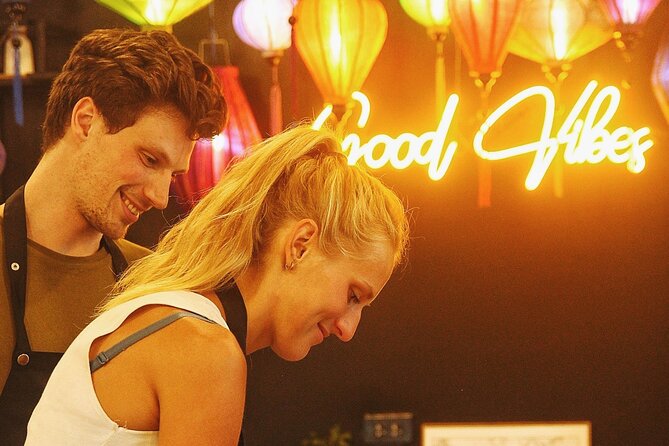
The meal isn’t just “here’s your plate.” It’s a full, relaxed sit-down with drinks and a view. The rooftop facing West Lake adds a social element—there’s enough visual interest that you’re not staring at the wall while you eat.
On top of the drinks, you’ll be introduced to a secret homemade dessert and experience it in a traditional, Hanoian way. Reviews highlight this kind of surprise element positively, and it makes sense: dessert is where hosts can show personality and local tradition without turning the class into a long seminar.
One more detail worth noting: you’ll get a draft beer or soft drink with your meal. And there’s also a local wine tasting included. If you’re not planning to drink alcohol, you’re still part of the full tasting experience with the non-alcohol options.
Logistics that matter: pickup, small groups, and timing
This is a 4-hour (approx.) experience in Hanoi with pickup and drop-off included. You’ll start at the meeting point at Chùa Thầychân núi, Quốc Oai, Hanoi, Vietnam, and the activity ends back there. You’ll also have a mobile ticket, and the venue is listed as near public transportation.
From a “will this fit my day?” point of view, 4 hours is a smart length. It gives you time for market shopping, cooking, and eating without eating up an entire afternoon. The small group size also helps the flow. You’re not stuck waiting for a large class to get organized.
Weather is a real consideration. The experience requires good weather, and if it’s canceled due to poor weather, you’ll be offered a different date or a full refund. Since the rooftop setting is central to the experience, it’s not something they can simply move indoors without losing what makes it special.
What you get for $40: value that comes from more than just the food
At $40 per person, this sits in the mid-range for Hanoi food experiences. The value comes from how many parts are included, and how connected they are.
Here’s what’s bundled:
- Pickup and drop-off to the venue
- Local wet market tour for ingredients
- Local English-speaking host
- Learning Vietnamese culture and eating etiquette
- Ingredients: including vegetables and Vietnamese herbs, plus herbs mentioned from an organic garden
- A 4-course menu that includes bun cha and other traditional dishes
- Drinks: 1 beer or soft drink, plus local wine tasting
- A secret homemade dessert
When I look at pricing like this, I ask one question: does the class feel like a full experience or a basic workshop? In this case, it reads like full meal + teaching + setting. You’re not paying just for recipes—you’re paying for the market start, the rooftop view, the hands-on cooking time, and the full sit-down meal.
Also, small-group instruction reduces wasted time. With only up to 10 people, you’re more likely to actually learn the steps rather than just watch.
Who this fits best (and who might want something else)
This class is a great fit if you want:
- A Hanoi-specific dish taught in a hands-on way (bun cha Hanoi style)
- A market-to-meal experience, not just a cooking show
- A rooftop meal with West Lake views and a relaxed, social dinner feel
- Smaller group attention and cultural context (eating etiquette matters to you)
It might feel less ideal if you:
- Want a high-paced, purely theoretical class (this is practical and meal-based)
- Are traveling when weather is unpredictable and you can’t be flexible with dates
- Prefer private instruction only (this is built for groups up to 10)
If you’re the type who likes to eat well and understand what’s behind the flavors, you’ll likely enjoy this.
Should you book this bun cha class on West Lake?
I’d book it if your priority is authentic bun cha plus the market shopping that explains where the flavor comes from. The rooftop West Lake view is not just decoration—it adds atmosphere to the cooking and makes the meal feel like Hanoi, not like a tourist kitchen.
Book it especially if you care about small-group learning and you want cultural notes on eating etiquette alongside the recipes. If you’re traveling with specific allergies or dietary needs, message the host in advance. And if weather looks iffy, plan to be flexible since the rooftop setting depends on good conditions.
In short: for $40, you’re getting a full, structured Hanoi food experience with real hands-on cooking, great views, and a meal you can actually recreate later.
FAQ
FAQ
How long is the cooking class?
It runs for about 4 hours.
What is the price per person?
The price is $40.00 per person.
Is hotel pickup and drop-off included?
Yes. Pickup and drop-off to and from the experience venue are included.
Do I get to visit a market during the experience?
Yes. You’ll go to a local wet market with your host, explore what locals buy, and purchase fresh ingredients.
What food will I make and eat?
The menu includes bun cha and other traditional Vietnamese dishes. You also enjoy a 4-course menu as part of the class.
Are drinks included?
Yes. You get 1 beer or a soft drink, and there is also a local wine tasting included. Alcohol is served only if you are of legal drinking age, but non-alcohol drink options are available.
Is the experience affected by weather?
Yes. It requires good weather. If it’s canceled due to poor weather, you’ll be offered a different date or a full refund.