REVIEW · SA PA
From Sapa: Terrace Fields and Local Villages Trek with Lunch
Book on GetYourGuide →Operated by Vietnam Real Tour · Bookable on GetYourGuide
Terraces start the story before you leave town. This 7-hour walk blends Sapa’s terraced fields with village paths and an English-speaking ethnic minority guide, then caps it with a real local lunch. You get day-to-day Sapa life early, and big views later, without feeling rushed.
The main thing to plan for is physical effort. In wetter or foggy conditions the paths can get slippery and muddy, and the distance can feel like a proper hike (one account mentions about 11 km). If you’ve got mobility issues, this is not the easygoing, flat stroll type of day.
In This Review
- Key Highlights You’ll Actually Feel
- First Step: Pickup in Sapa Town (And Why It Matters)
- From Town to the Fields: A Route That Shows Daily Life
- Terraces, Terrains, and the Fog Factor
- Lai Chai and Ethnic Minority Culture With a Local Guide
- Waterfall Stop: A Break Built Into the Route
- Lunch in a Local Restaurant (and What You Should Bring)
- How Much Walking Is This, Really?
- Who Should Book (And Who Should Skip It)
- Price and Value: Is $22 Worth It?
- Logistics That Affect Your Day (Without the Stress)
- Should You Book This Sapa Terrace and Village Trek?
- FAQ
- What time does the pickup happen?
- How long is the tour?
- What does the price include?
- Are drinks included?
- What kind of walking and terrain should I expect?
- Is this tour suitable for young children or limited mobility?
Key Highlights You’ll Actually Feel
- Hotel-area pickup starts between 8:00 and 8:45, with the guide walking hotel to hotel in town
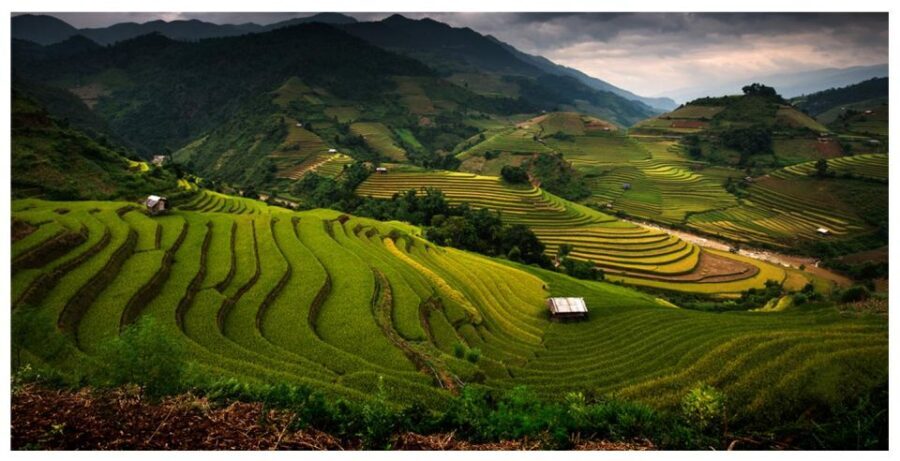
- Non-touristy field routes through terraces plus corn and potato plots
- Cultural explanations in Lai Chai, guided by a local ethnic minority guide
- Waterfall photo stop that also doubles as a breather from the climb
- Local lunch included, with drinks not covered
- Shuttle back to Sapa after trekking
First Step: Pickup in Sapa Town (And Why It Matters)
Pickup runs from 8:00 to 8:45, and the guide comes to your hotel area first. One detail I really like: the guide may walk from hotel to hotel to collect guests. That means you’re not just shuffled straight onto a bus. You get to see Sapa town a bit, and you also learn quickly how spread out the lodging can be.
This timing matters because weather in Sapa can change fast. If it’s foggy in the morning, you’ll be on the trail early enough to work around it, rather than starting late and hoping conditions cooperate. The trek is planned to last about 7 hours total, with a shuttle return at the end.
You can also read our reviews of more tours and experiences in Sa Pa

From Town to the Fields: A Route That Shows Daily Life
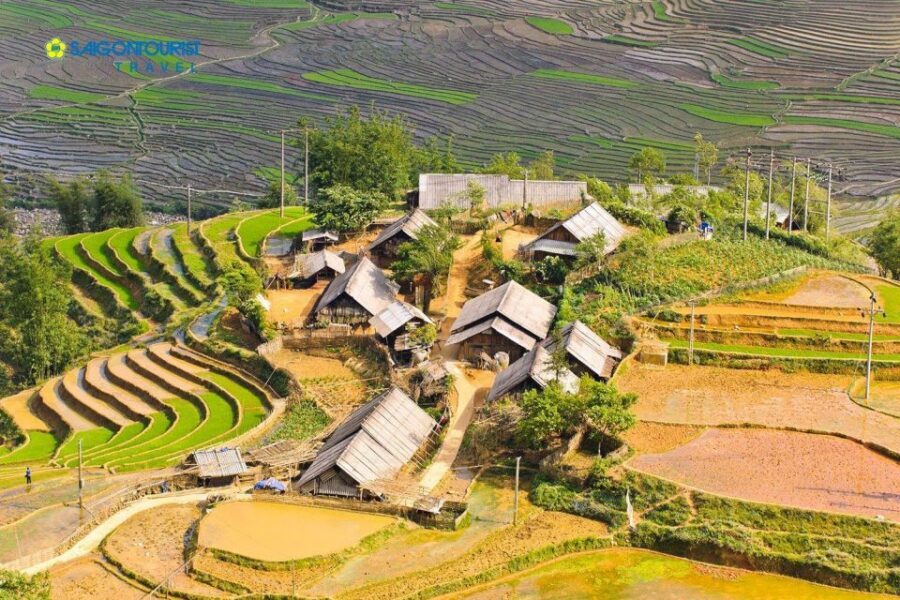
After you meet your guide, the day begins with trekking through Sapa town. It’s a short transition, but it sets the tone. You’re not only staring at scenery; you’re watching daily life move around you—homes, small streets, and the rhythm of people who live here year-round.
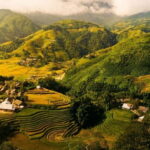
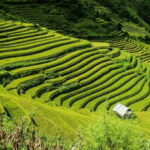
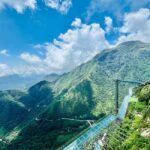
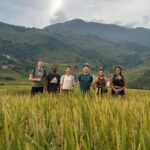
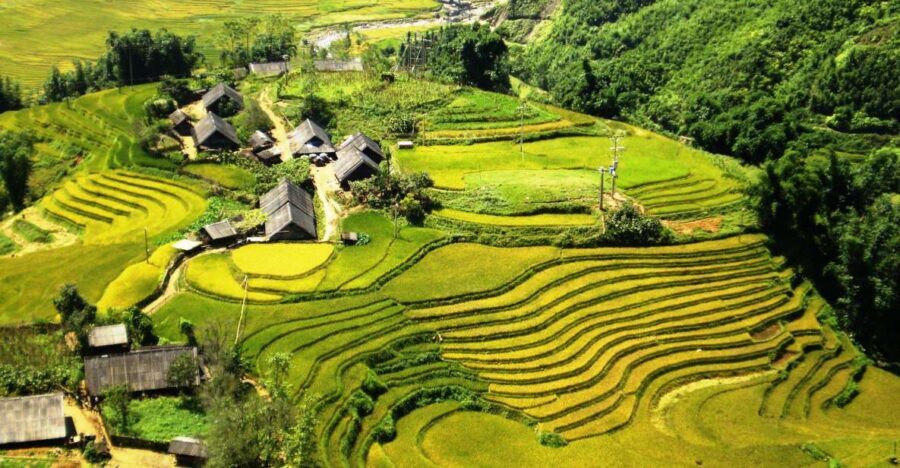
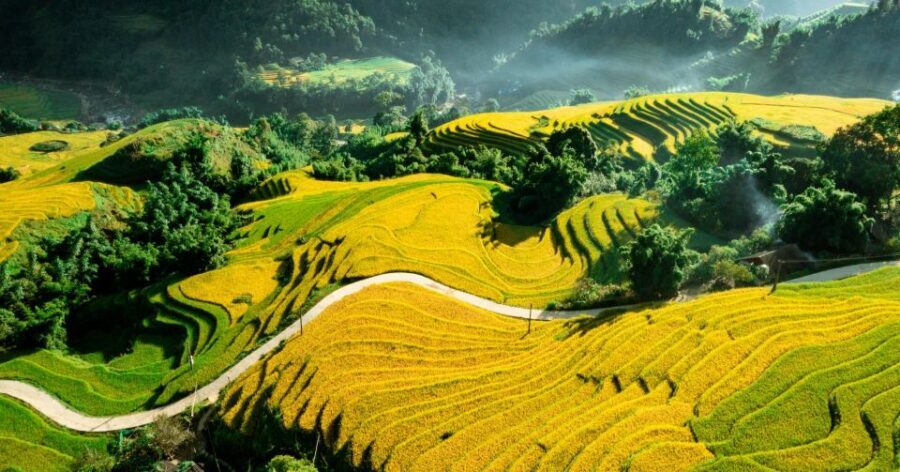
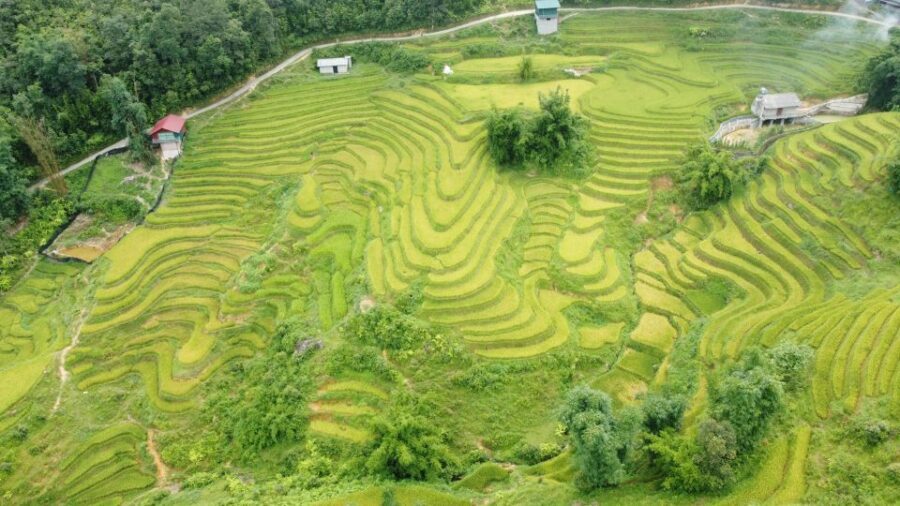
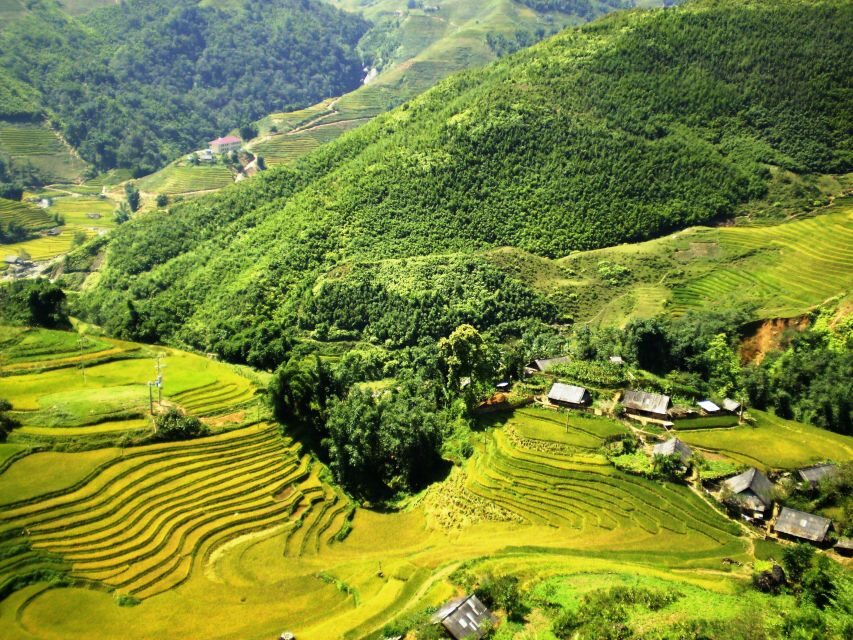
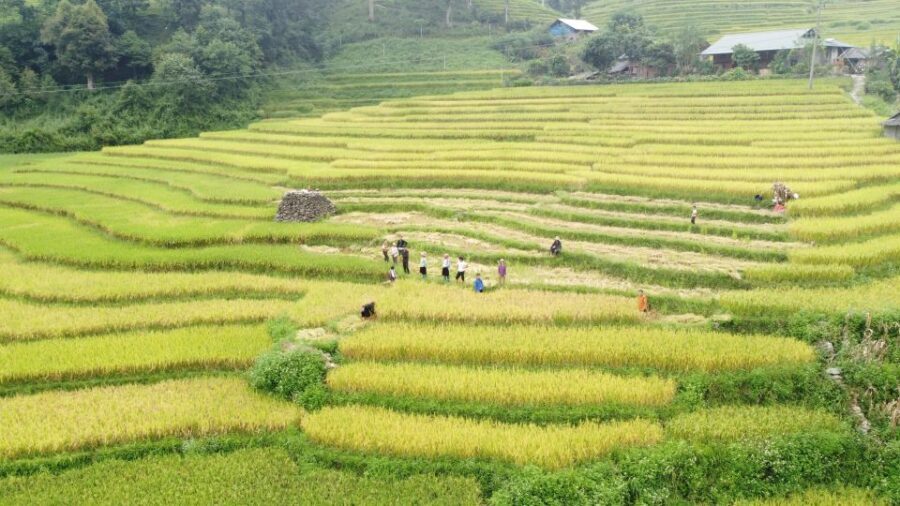
Then you leave town and head toward the terraces. This is where the route feels more “lived-in” than “view-from-a-bus.” You pass terraced rice fields, plus corn and potato fields. The mix of crops is useful context. In Sapa, the terraces aren’t just pretty. They’re practical farming systems for a mountain environment.
What I like about the plan is the pacing: you hike to build momentum, then you keep moving through different layers of scenery—fields, village edges, and viewpoints—so the day doesn’t become a single long stare.
Terraces, Terrains, and the Fog Factor
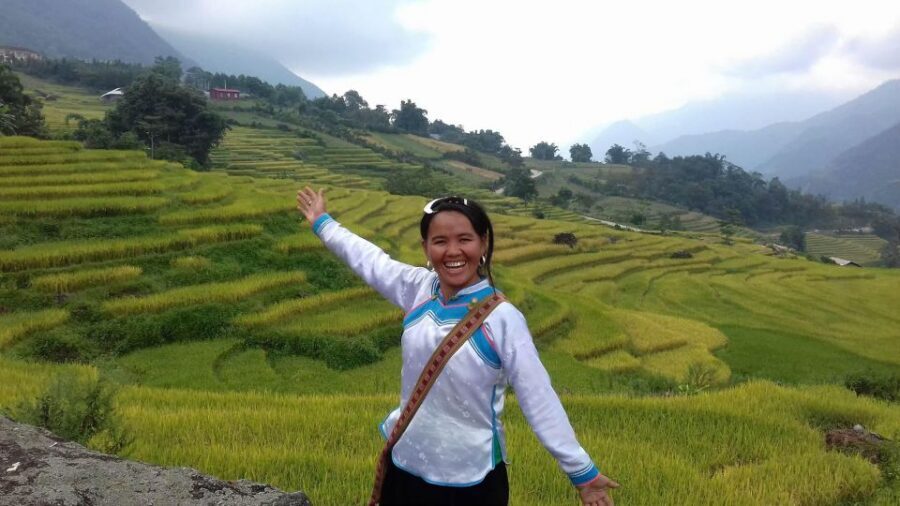
The core of the trek is the field walking—terrace after terrace, with long views when the air clears. Even when the sky is muted, the textures still do the work: the stepped earth, the narrow paths, and the way crops sit in different elevations.
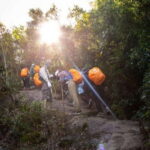
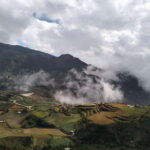
But Sapa can throw in a curveball: weather. One guide-run experience described fog and slippery paths, which made the walk harder than expected. The lesson is simple. If conditions look damp, treat this like a hike, not a casual stroll.
Practical tip: rubber boots and trekking poles were mentioned as helpful in wet weather. Even if you don’t bring poles, choose shoes with real grip. If you come in flat sandals, you’ll feel it fast.
Lai Chai and Ethnic Minority Culture With a Local Guide
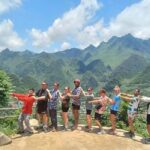
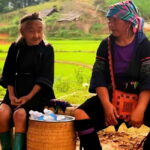
A big reason this tour is worth considering is that you’re not only hiking scenery—you’re learning from a local ethnic minority guide. You’ll hear about local customs and habits as you walk, which helps you understand what you’re seeing instead of just taking photos.
The route includes Lai Chai, a small village on the tribal hill area. This is a key moment in the day: you start seeing how people fit daily routines into terrace farming and hillside life. One particularly memorable account mentioned the guide being attentive, answering questions, and even showing her house and family. That kind of direct, personal context is what turns terraces from scenery into something meaningful.
That said, culture stops can feel different depending on your style. If you want a totally unstructured, no-interpretation kind of walk, you might find the experience a bit more guided than you prefer. For most people, the explanation adds value.
Waterfall Stop: A Break Built Into the Route
At some point during the trek you’ll stop at a lovely waterfall. It’s there for two reasons: photos and rest. You’ll take a moment to relax, catch your breath, and reset before continuing along village-and-field paths.
This is also when you’ll notice trail conditions. Waterfall areas can stay damp longer. So again: grip matters. Even if the view is worth the stop, you’ll enjoy it more if you’re not white-knuckling every step.
You can also read our reviews of more hiking tours in Sa Pa

Lunch in a Local Restaurant (and What You Should Bring)
After the hike, you’ll replenish your energy with lunch at a local restaurant. Lunch is included, and the meal is described as a varied local cuisine option with flavors that feel distinctly Sapa rather than generic tourist fare.
Two smart planning notes:
- Drinks aren’t included. If you want water or anything else with lunch, bring it or plan to buy on your own.
- You’ll likely be thirsty after walking in mountain air. Start hydrating before lunch, not after.
If you’re picky about spice, it’s still worth checking beforehand—your guide can usually help you understand what’s on the menu. And even if the food isn’t exactly your taste, eating locally is part of what makes the day feel complete.
How Much Walking Is This, Really?
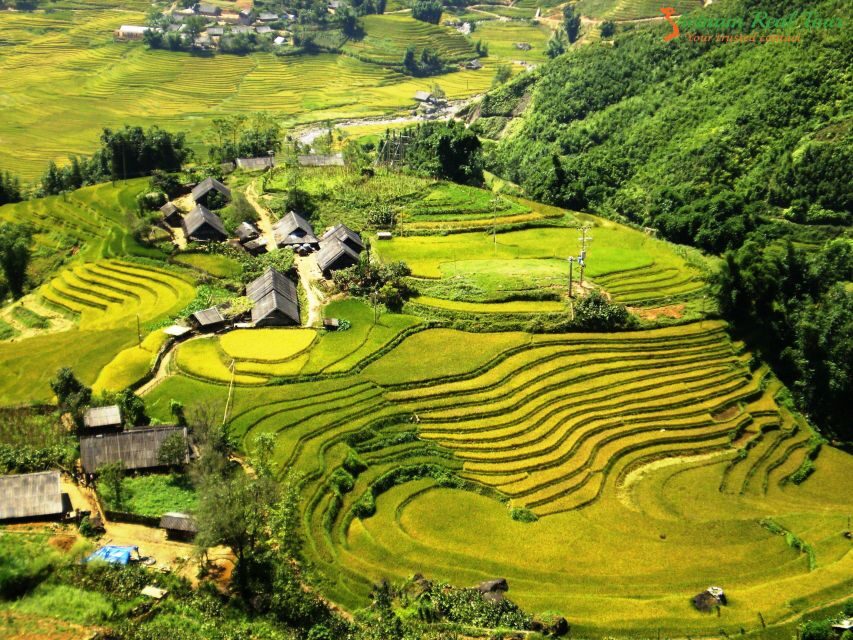
This is a 7-hour trek, and it’s not designed for lounging. The route covers Sapa town, terraced fields (including rice plus corn and potato), village paths, and a waterfall stop. One account specifically mentions walking about 11 km through bamboo forest and rice terraces, which gives you a rough idea of what “full day” can mean in this area.
Also, keep in mind the terrain:
- mountain paths
- narrow steps between fields
- possible mud or wet patches
- photo stops that are on foot, not off a balcony
So if you’re the kind of traveler who stops for photos but still wants to be comfortable, this is manageable. If you’re coming from a day of heavy sightseeing and long travel, give yourself a quieter morning so your legs aren’t starting tired.
Who Should Book (And Who Should Skip It)
This tour has clear limits for a reason. It’s not suitable for:
- children under 5
- people with back problems
- people with heart problems
- wheelchair users
- people over 275 lbs (125 kg)
- people over 70 years
That list isn’t trying to be dramatic. It reflects the reality of hiking on uneven ground for hours.
If you should book, it’s usually because you want:
- scenic terraces plus real village routes
- a guide who explains what you’re seeing
- an included lunch and a shuttle return that reduce stress
If you shouldn’t book, it’s usually because you need flat, easy terrain or you’re looking for something closer to a short scenic walk.
Price and Value: Is $22 Worth It?
At $22 per person, this trek is priced like a value-focused day tour, and the included items matter.
You’re getting:
- hotel pickup and drop-off
- a guided trek with a local ethnic guide
- villages entry fees
- local lunch
- a shuttle bus back to Sapa
That’s the main reason I’d consider it a good deal. In Sapa, many activities end up costing extra once you add transport, separate tickets, and a guide. Here, the big costs are bundled.
The only catch is what you bring yourself: comfortable footwear, and drinks for the day since those aren’t included. Also, you might want to plan for weather. The tour is run in outdoor conditions, so if fog or rain arrives, you’ll want to be prepared.
In short: for a full 7-hour cultural hike with a meal and pickup included, it’s good value if you’re physically comfortable on muddy mountain paths.
Logistics That Affect Your Day (Without the Stress)
A few practical details can change how enjoyable the morning feels.
Pickup time window: 8:00 to 8:45. The guide may take 30 to 45 minutes to collect guests across Sapa town hotels, depending on where you’re staying. If you like strict schedules, assume a bit of waiting.
Language: the tour guide is English-speaking, so questions about customs and routes are part of the design, not something you’ll struggle through.
Return to your hotel: shuttle bus back to Sapa after lunch. That removes a big chunk of decision-making at the end of a long day.
One more tip: if you’re traveling right before or during misty weather, consider booking ahead so the operator can do their best to match the route to the conditions.
Should You Book This Sapa Terrace and Village Trek?
I’d book it if you want a day in Sapa that balances big terraced scenery, local village culture, and a guide who explains the context behind what you see. The combination of field walking, Lai Chai village time, a waterfall stop, and an included local lunch is a solid recipe for a memorable day without constant extra spending.
I’d skip it if you:
- can’t handle uneven paths or slippery conditions
- need a low-effort outing
- rely on wheelchair access or have significant mobility limitations
- prefer experiences that feel totally unstructured and not guided
If you’re in the middle—curious, reasonably fit, and willing to wear grippy shoes—this is a smart way to experience Sapa beyond the viewpoints.
FAQ
What time does the pickup happen?
Pickup is scheduled between 8:00 and 8:45am. The guide walks through hotels in Sapa town and pickup can take 30 to 45 minutes depending on where your hotel is.
How long is the tour?
The duration is 7 hours.
What does the price include?
It includes hotel pickup and drop-off, a guided trek, villages entry fees, a local ethnic guide, a local lunch, and a shuttle bus back to Sapa.
Are drinks included?
No. Drinks are not included.
What kind of walking and terrain should I expect?
It’s a trek through Sapa town, terraced fields, and local villages, with a stop at a waterfall. In fog or wet conditions, paths can become slippery and muddy, so grippy footwear helps.
Is this tour suitable for young children or limited mobility?
It’s not suitable for children under 5, wheelchair users, people with back problems, or people with heart problems. There are also age and weight limits listed for safety.