REVIEW · SA PA
Private Hoang Lien National Park & Tribal Village Trek
Book on GetYourGuide →Operated by Sapa Unique Tour - Viet Sapa Travel · Bookable on GetYourGuide
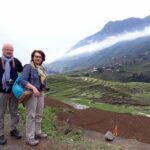
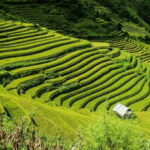
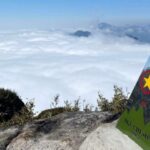
Bamboo trails, real village life, and quiet views. This private Hoang Lien National Park and Muong Hoa Valley trek is built around Hoang Lien National Park scenery and a Black Hmong community experience, with a dirt trail that feels far from crowds. You get mountain-and-rice-paddy views, plus time to slow down and ask questions in the villages.
I especially love two things. First, the route is described as a quieter path and a trek where you’re not constantly dodging other groups. Second, the village time isn’t just photo stops; you can step inside native-style homes and learn about daily customs and handicraft skills.
One heads-up: weather can change the payoff. Thick mist can blur terraced field views, and waterfalls may have less water than you expect.
In This Review
- Quick hits for this Hoang Lien National Park & tribal village trek
- Morning pickup, waterfalls, and Tram Ton Pass viewpoints
- O Quy Ho Pass and the 10km bamboo-forest trek
- Picnic lunch at 12:30 PM: eating in the wilderness
- Sin Chai village and the Black Hmong home visit
- Pace, weather, and comfort tips that keep the trek enjoyable
- Price and value: is $75 a fair deal for five hours?
- Who this private trek fits best (and who should skip it)
- Should you book this Hoang Lien & tribal village trek?
- FAQ
- What time is pickup from my hotel?
- How long is the tour?
- Where do we trek, and how far is the walk?
- Is lunch included?
- What does the tour include for drinks?
- Is the guide English-speaking?
- Where do I get dropped off?
Quick hits for this Hoang Lien National Park & tribal village trek
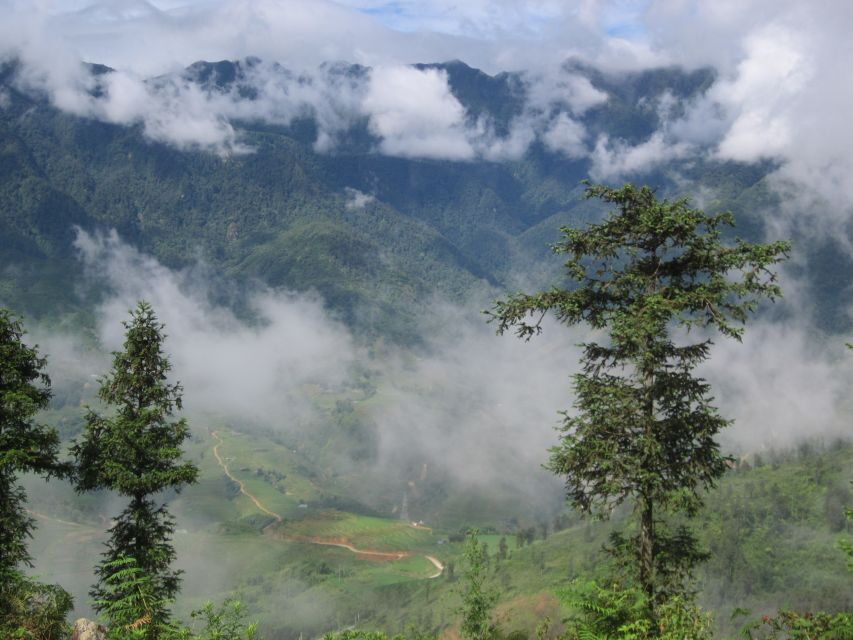
- A quiet 10km dirt trek through bamboo forest, designed for real walking time, not just sightseeing stops
- Waterfall-and-pass drive first thing in the morning, so you’re already in scenery mode before the trail
- Picnic lunch at 12:30 PM in a wilderness spot, with the day feeling more like a journey than a bus tour
- Sin Chai village plus a Black Hmong community visit with houses, customs, and handicrafts
- Private car transfers and hotel pickup in Sa Pa Town, so you skip the hassle of figuring out connections
- English-speaking guiding that can help you read the views even when visibility is weak
Morning pickup, waterfalls, and Tram Ton Pass viewpoints
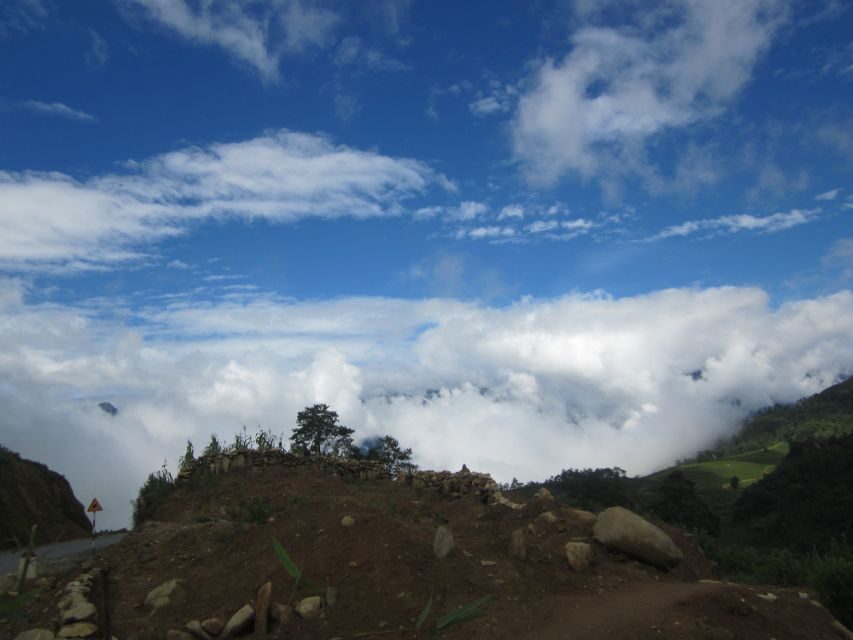
Your day starts with a hotel pickup in Sa Pa Town at 09:00 AM. From there, you drive about 30 minutes to the first set of scenery stops. This is a good start because it breaks up the day: you don’t jump straight into a long walk without easing in.
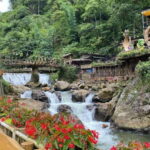
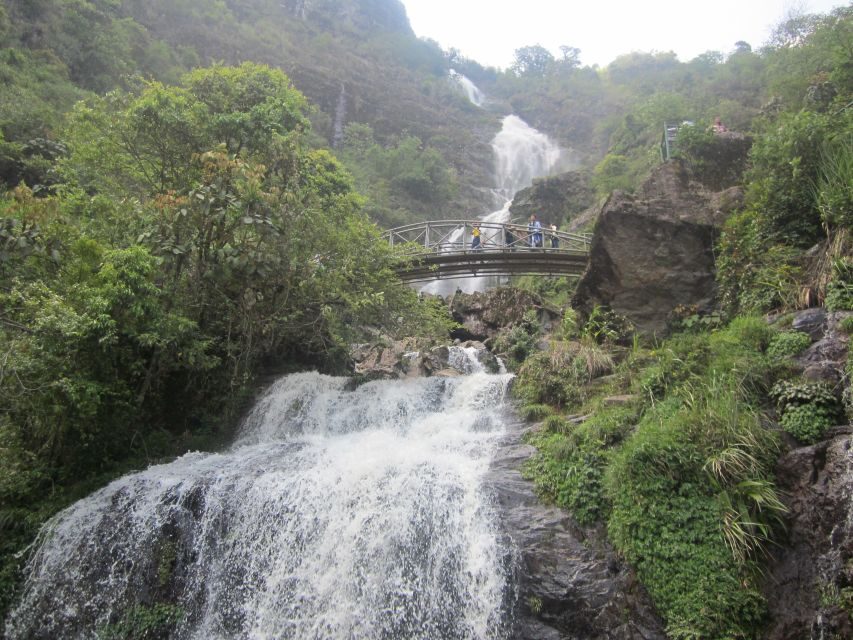
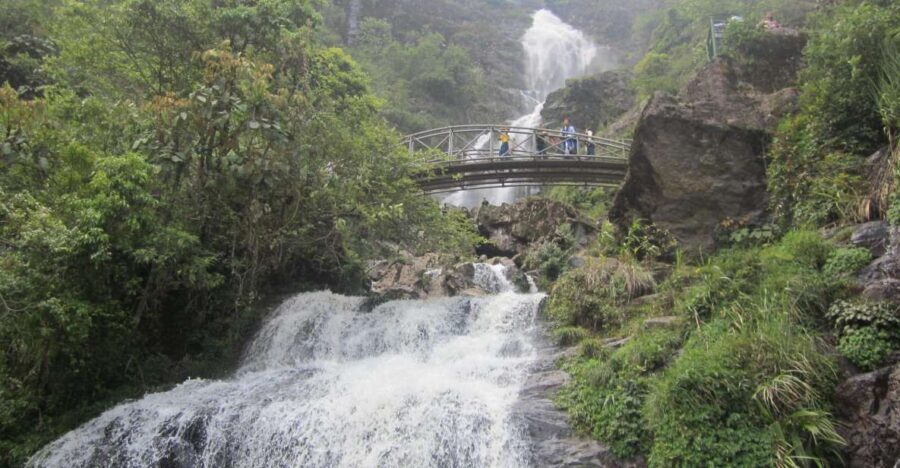
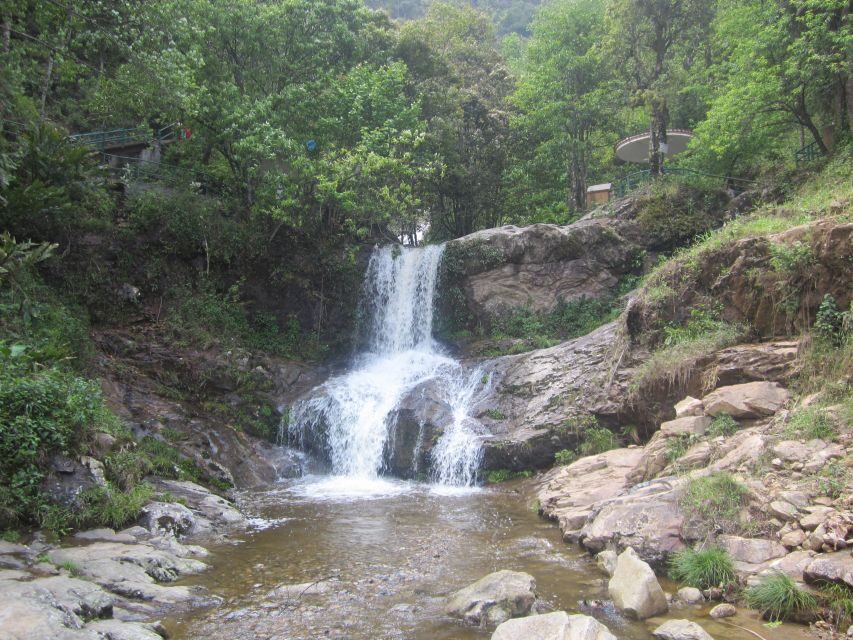
The route includes the Silver Waterfall, the Love Waterfall, and Tram Ton Pass. Even if you’re not a hardcore waterfall hunter, these stops matter for one simple reason: they help you understand the terrain you’ll be walking through. In Sa Pa, the mountains don’t just look dramatic on a map—they shape everything: where the rice grows, where trails cut through, and how villages are laid out.
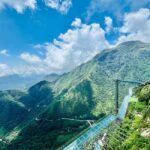
At Tram Ton Pass, you’re usually looking for that “oh, that’s why it’s built this way” feeling. Pass areas give you a broader sense of the Hoang Lien region and the valleys that feed into Muong Hoa Valley scenery. And because the day is only about 5 hours, you’ll appreciate that the morning isn’t wasted. You’re getting both dramatic viewpoints and cultural setup before the trek begins.
One practical tip: wear comfortable clothes for the ride. The drive time is short, but you’ll likely be changing from car to viewpoints to trail. If you bring a small day pack, you can keep sunscreen, water, and rain protection ready without playing luggage roulette.
You can also read our reviews of more private tours in Sa Pa
O Quy Ho Pass and the 10km bamboo-forest trek
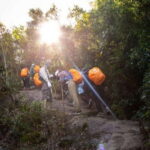
After the early sights, you transfer toward O Quy Ho Pass, and that’s where the trekking portion begins. The main walk is a 10km dirt trail through a bamboo forest inside Hoang Lien National Park. This is the heart of the experience, and it’s what makes the day feel like more than a quick tour.
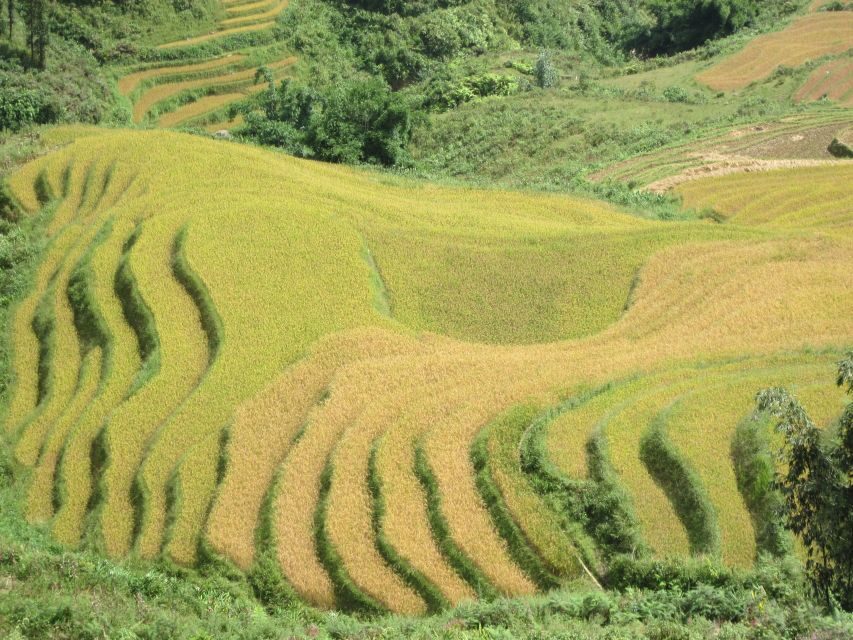
A 10km trek in this region isn’t a flat stroll. Dirt trails in mountain areas tend to have uneven footing. Your pace matters more than speed. A good guide will keep things steady so you can enjoy the scenery—mountain views and rice paddy patterns—without burning your legs early.
What you should expect to see on the trek:
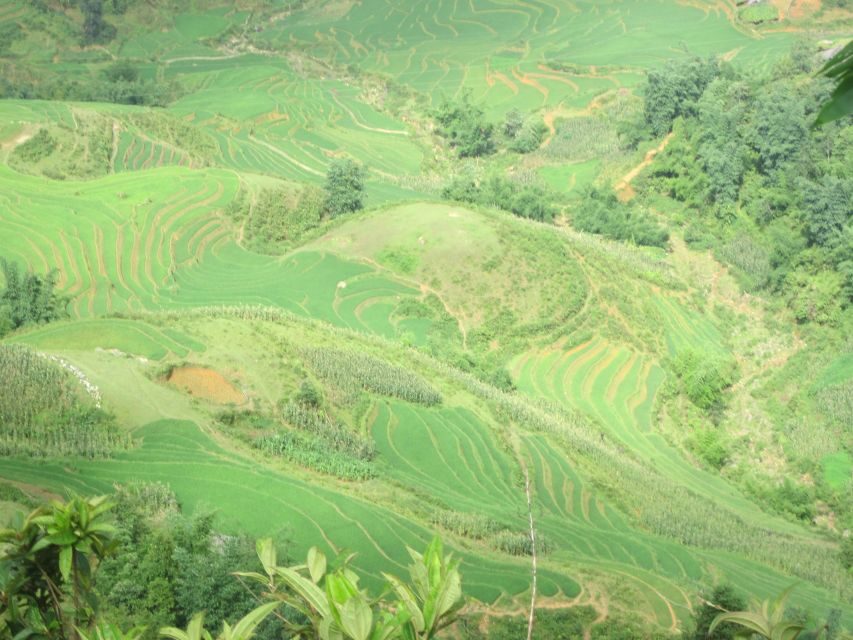
- Rice paddy views at points along the route
- Bamboo forest walking, which can feel cool and shaded even when the sun is out
- Quiet trail time, since the route is designed to avoid constant tourist traffic
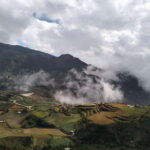
A small but important reality check: visibility is part of the deal here. One English-speaking guide named Fam gave a heads-up about limited waterfall volume and reduced terraced field visibility when mist rolls in. That’s not a failure of the tour; it’s mountain weather doing mountain weather things. If you go in expecting perfect photos every minute, you may get disappointed. If you go in ready to watch mist move and enjoy whatever light you get, you’ll be happier.
Also, this trek is long enough that comfort pays off. Good hiking shoes are a must, and you’ll feel the difference if you actually tie them properly instead of relying on flexible sneakers.
Picnic lunch at 12:30 PM: eating in the wilderness
Lunch happens at 12:30 PM, and it’s a picnic lunch served at a beautiful spot in the wilderness. I like this timing because it lands right after the morning’s walking and scenery setup. You’re not racing the clock, and you’re fueled for the cultural segment afterward.
The lunch stop is included, and it’s part of why this tour feels complete. Some tours squeeze in “snack time” and then rush you on. Here, you get real sitting time. In mountain trekking days, that pause matters for your energy and mood. It also helps you recover your breath if you’ve been walking at a slightly aggressive pace.
What you should plan for:
- Bring a day pack so you can keep essentials dry and easy to reach.
- If weather looks shaky, keep a raincoat accessible. Even if rain is light, wet trails can make the afternoon feel more tiring.
- Use sunscreen even if it’s cloudy. Mist and clouds don’t guarantee cool conditions everywhere.
The tour includes two bottles of mineral water per person, which helps you avoid the awkward question of where to buy drinks mid-trek. Still, if you tend to drink more when you’re walking, you may want to budget for additional drinks since those aren’t included.
If you’re traveling in cooler months (the guidance calls out winter time November–March), pack an extra layer. Lunch can be pleasant, but wind and shade in the mountains can cool you down fast.
Sin Chai village and the Black Hmong home visit
After lunch, the route continues to Sin Chai village, which is where community-based tourism takes place in Sapa. This part shifts the day from “scenery and steps” to “people and place,” which is where the tour becomes more meaningful for many visitors.
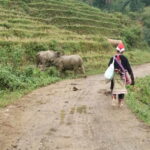
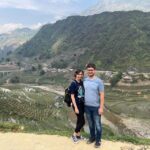
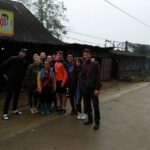
Sin Chai is followed by visits to a nearby village inhabited by the Black Hmong people. The tour focuses on culture, customs, and the rhythms of daily life. You’ll explore some native houses, which is where the experience gets real. Homes aren’t just backdrops here. They’re a window into how people live and how skills are passed down—especially around handicrafts.
You’ll likely notice differences in:
- How homes are arranged and built
- What crafts and everyday practices look like up close
- How the community explains their customs and daily routines
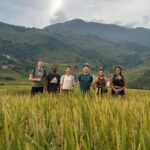
This cultural segment is also why the tour is worth doing as a private experience. You can ask more direct questions without feeling like you’re competing for attention. In one case, a guide named Pang was praised for excellent English and for giving the chance to ask a lot of questions, which made the private format feel like better value than a crowded group tour.
A practical caution: village visits are not “hands-on for everyone” by default. Follow your guide’s cues about what’s appropriate to photograph or ask. If you treat the visit like a respectful conversation rather than a checklist, the whole experience lands better.
Pace, weather, and comfort tips that keep the trek enjoyable
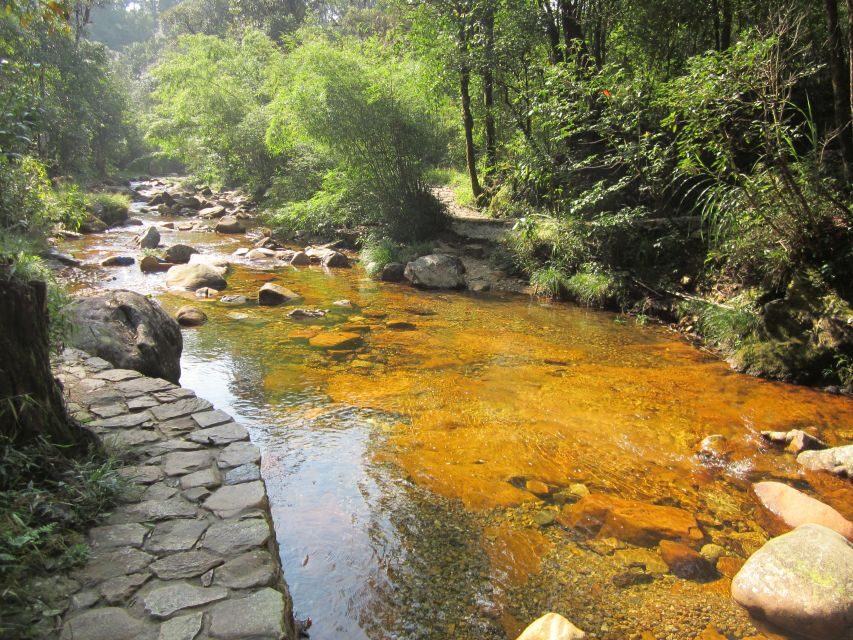
This trek is not listed as a casual stroll. Even though it’s only about 5 hours total, you’ll walk a 10km dirt trail. That means your body needs basics covered: shoes, clothing, and a little patience with mountain conditions.
Clothing guidance from the tour is simple and worth following:
- light, comfortable outdoor clothes
- hiking shoes
- warm clothes during winter (November–March)
- and warm layers because mountain weather can shift fast
Also bring a few practical items:
- small day pack of personal articles
- insect repellent
- sunscreen
- raincoat
- sun hat
Here’s where the guide support really shows. If you tell your guide ahead of time about any foot or mobility issues, they can often adjust your walking needs. One guide experience shared that an injury was handled with accommodations during parts of the trek. I can’t promise that every situation can be fully modified, but it’s a strong reason to mention concerns early rather than waiting until you’re halfway down the trail.
Weather tip, again: mist can reduce views, and waterfall flow can be lower than you expect. If you come expecting clear terraced fields, it might not happen that day. If you come ready to appreciate the experience even when the scenery turns cloudy, you’ll still get something special: quiet walking, changing light, and the sense of being in the national park rather than watching it from a road.
You can also read our reviews of more hiking tours in Sa Pa

Price and value: is $75 a fair deal for five hours?
The listed price is $75 per person, and the overall structure is what makes it either a good value or a frustrating one—depending on what you check before you go.
Here’s what’s included:
- English-speaking guide
- picnic lunch
- entrance fees
- two bottles of mineral water per person
- private car transfer along the trip
Not included:
- additional drinks
- hotel accommodation
- personal expenses
For most people, the value comes down to two things. First, you’re getting both active time (a 10km trek) and cultural time (Sin Chai and Black Hmong village house visits). Second, the included lunch and entrance fees mean fewer stop-and-pay moments.
One “do this, not that” point: confirm the total amount you’ll pay before the tour starts. There was an issue shared by a customer where the tour was advertised at $75 but they were required to pay $120. That’s exactly the sort of surprise that can ruin a day. So when you book, double-check what you’re actually being charged per person and whether any adjustments apply.
If you’re comparing to cheaper options, remember: a private car and English guide cost money. If you want the freedom to ask questions, adjust pacing, and avoid constant crowd interruptions, that private format can feel like a better match than a cheaper but more rushed group tour.
Who this private trek fits best (and who should skip it)
This tour fits best if you want a day that mixes walking, passes, and village culture without turning your schedule into a marathon.
You’ll likely enjoy it if:
- you like hiking at a moderate effort level
- you care about learning customs and handicraft skills, not just scenery
- you prefer a quieter route and more direct interaction with your guide
- you want hotel pickup in Sa Pa Town and a car transfer to keep the logistics simple
You might want a different option if:
- you have very limited mobility or can’t handle a 10km dirt trek
- you hate unpredictable mountain weather and can’t handle mist reducing views
- you’re extremely price-sensitive and don’t want to double-check totals in advance
Also, it helps to be comfortable with a day that moves. You start at 09:00 AM and plan on arriving back in Sa Pa around 03:00 PM. It’s not a slow half-day that you can stretch out. This is a focused adventure with a clear arc.
Should you book this Hoang Lien & tribal village trek?
Book it if you want an active day that still feels human. The combination of a quiet bamboo-forest trek, viewpoint stops like Silver Waterfall and Tram Ton Pass, and real time in Sin Chai and a Black Hmong village is a strong mix for people who like both nature and culture.
Don’t book it on autopilot if you’re expecting guaranteed clear skies and waterfall spectacle. Mist and reduced waterfall flow can happen, and it can change how dramatic the views look. The way to make this tour work is simple: come flexible, wear proper shoes, and keep an eye out for what’s happening right in front of you, even when the weather isn’t perfect.
If you do one thing before you go, do this: confirm the exact total cost per person and pack rain protection plus warm layers if you’re visiting in November–March.
FAQ
What time is pickup from my hotel?
Pickup is in Sa Pa Town at 09:00 AM. You’ll then drive to the morning stops before the trek begins.
How long is the tour?
The tour duration is about 5 hours, though you should check available starting times.
Where do we trek, and how far is the walk?
The trek begins after O Quy Ho Pass and is a 10km dirt trail through bamboo forest in Hoang Lien National Park.
Is lunch included?
Yes. A picnic lunch is served at 12:30 PM.
What does the tour include for drinks?
The tour includes two bottles of mineral water per person. Additional drinks are not included.
Is the guide English-speaking?
Yes, the tour includes an English-speaking guide.
Where do I get dropped off?
You return to Sa Pa early afternoon and are dropped off at your hotel in Sa Pa Town around 03:00 PM.