REVIEW · HANOI
Hanoi- SaPa: 3-Day Homestay Trek to Explore Ethnic cultures
Book on GetYourGuide →Operated by Vietnam Nomadtrails · Bookable on GetYourGuide
Three days, two homestays, a world of detail. This is the kind of Hanoi to Sapa trek that trades postcard Sapa for lived-in ethnic culture: you hike between villages, meet people from Hmong, Giay, and Red Dzao communities, and learn daily customs in real homestays. I also like how the itinerary is built around actual trail time with a live English small-group guide, so the hike turns into a story in motion, not just steps on a map. One consideration: the schedule starts with an overnight bus and an early morning arrival, and weather can make Day 1 cold and wet.
If you choose this trip, plan for a hands-on, village-to-village rhythm. You’ll eat well with included meals, get chances to photograph rice terraces and mountain views, and end each day in a local home setting (not a large hotel bubble). It’s also not a casual stroll tour, so bring proper trekking shoes and accept that you’re walking each day.
Key points to know before you go
- Overnight transport + early start: pickup in Hanoi around 20:45, arrive in Sa Pa at about 4:00 AM
- Two homestay nights: sleep with local families in Ta Van and Ban Ho
- Ethnic village stops: Hmong in Lao Chai, Giay in Ta Van, Red Dzao in Giang Ta Chai and Nam Tong
- Guides who can adapt: trips can shift when weather or how you feel changes
- Real trail time with included meals: lunches on the route and dinners at homestays keep the day moving
In This Review
- Why This Hanoi–Sapa Homestay Trek Feels More Real
- Getting From Hanoi to Sa Pa: The Overnight Bus Reality Check
- Day 1: Lao Chai, Y Linh Ho, and the Ta Van Giay Village
- Day 2: Bamboo Forest to Red Dzao Country, Plus Ban Ho Homestay
- Day 3: Ban Ho Sunrise and Nam Tong Traditions
- What’s Included in the $139 Price (and Why It Adds Up)
- Trek Readiness: What to Pack for Sa Pa Weather and Village Paths
- Guide Quality and Group Size: Why It Changes the Whole Trek
- Who Should Book (and Who Should Skip This Trek)
- Should You Book This 3-Day Hanoi–Sapa Homestay Trek?
- FAQ
- How long is the Hanoi to Sa Pa homestay trek?
- Where is the pickup in Hanoi?
- What ethnic villages and groups do you visit?
- What meals and lodging are included?
- What should I bring?
- Is there an extra cost during Lunar New Year?
Why This Hanoi–Sapa Homestay Trek Feels More Real
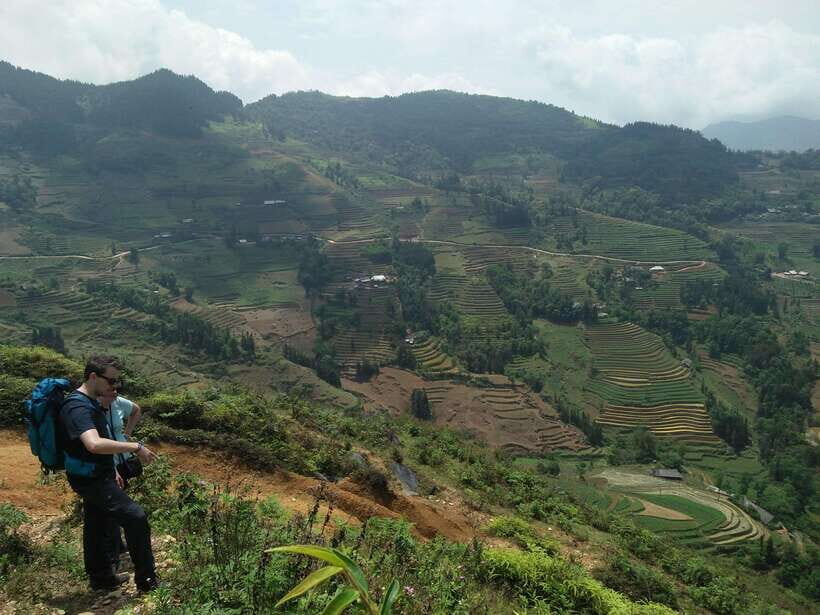
Hanoi to Sapa by itself can be a shock: you go from big-city streets to mountain villages fast. This trek keeps that momentum going. Instead of spending all day in a car and calling it an experience, you actually walk through the valleys and village areas while learning what daily life looks like for different ethnic groups.
I like that the focus isn’t just sightseeing. You’re walking toward communities and then spending time there. That’s where the value shows up. You’re not only hearing about culture; you’re seeing how people live, eat, and organize their days, especially during your homestay nights in Ta Van and Ban Ho.
One more thing I appreciate: the tour is small, limited to 14 participants, with an English-speaking guide. That matters on a trek. It’s easier to ask questions, slower hikers get support, and the guide can manage the group without turning it into a conveyor belt.
Getting From Hanoi to Sa Pa: The Overnight Bus Reality Check
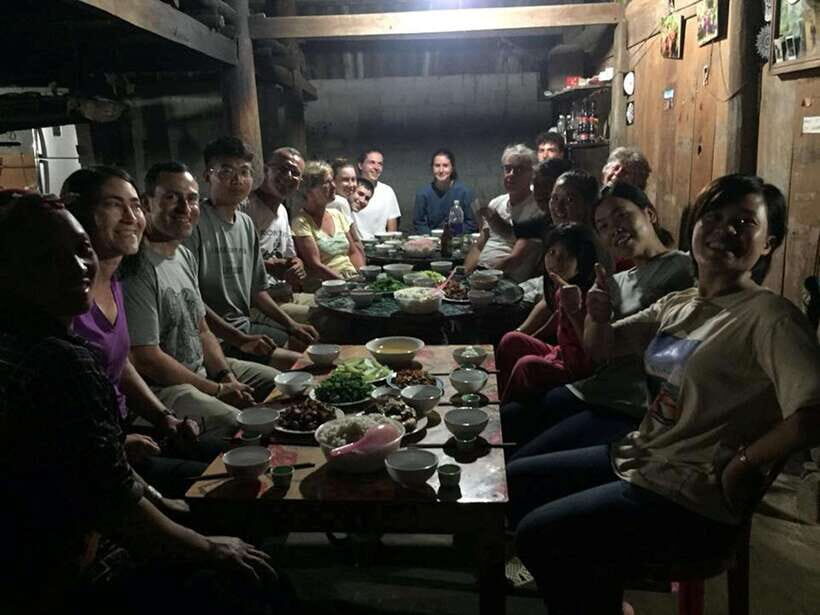
The trip starts in Hanoi’s Old Quarter. Your pickup point is 30 Hàng Muối, Lý Thái Tổ, Hoàn Kiếm. You’ll be collected at around 20:45, then you’ll travel overnight to Sa Pa, arriving at roughly 4:00 AM.
Here’s how the early morning works: you can sleep on the bus until about 6:00 AM. Then the group is woken up and taken to a boutique hotel for breakfast. This is a practical setup because it gives you fuel before Day 1 hiking.
A key consideration: the overnight bus ride can be uncomfortable. Some departures feel worse than others, and cold mornings in the mountains add to the rough edges. If you’re sensitive to sleep disruption, pack a scarf, wear layers, and treat the first hours as part of the adventure rather than a normal hotel transfer.
Still, the timing is also what makes the trek work. Leaving Hanoi at night lets you spend more actual time trekking and less time stuck waiting around.
You can also read our reviews of more hiking tours in Hanoi



Day 1: Lao Chai, Y Linh Ho, and the Ta Van Giay Village
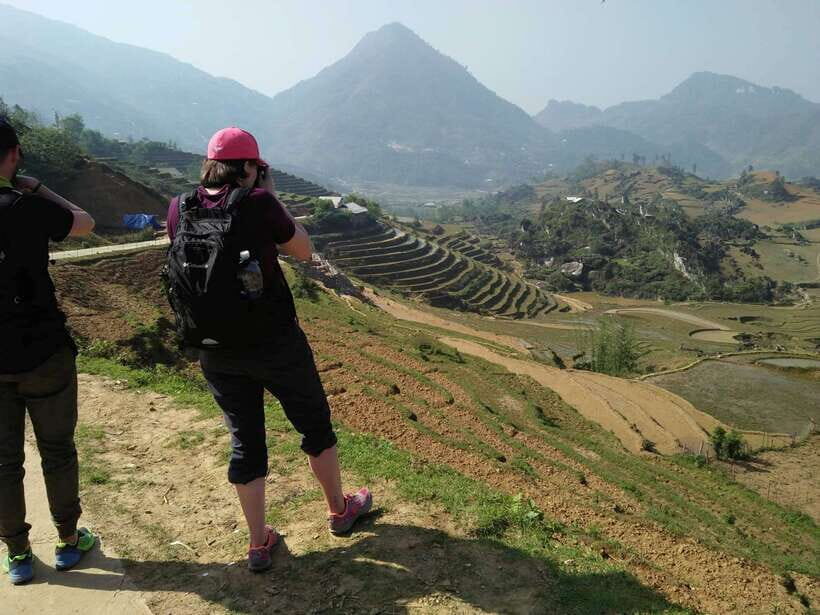
Day 1 begins after you’ve reached Sa Pa and had breakfast. Your guide picks you up around 9:00 AM, and you start trekking toward Lao Chai. This area is home to the Hmong ethnic minority, and the route goes through Y Linh Ho village.
What makes this day memorable is that it’s the first time you’ll feel the mountains up close. You’ll be moving through fields and village paths where the scenery includes rice terraces and wide valley views—great conditions for photos when clouds lift. Even if Day 1 weather is gray, the experience still works because you’re meeting people along the way and learning what their community life looks like.
Lunch is in Lao Chai, in a local family’s home. This matters. A sit-down meal here isn’t just included calories. It’s your first real moment of cultural contact, and it helps break the ice after your overnight travel.
Then you keep hiking to Ta Van, where the Giay people live. You’ll stay overnight in Ta Van, which means you’re not rushing off after sunset. You’ll have time to see what evenings in a village feel like, not just pass through at midday.
Practical takeaway: for Day 1, keep expectations flexible. It’s common for Sa Pa weather to shift, so bring layers and expect that visibility could be limited on your first morning if it’s cold or misty.
Day 2: Bamboo Forest to Red Dzao Country, Plus Ban Ho Homestay

Day 2 starts with local breakfast at your homestay. Then you move on from Ta Van toward Giang Ta Chai village, a place where the Red Dzao ethnic minority group lives.
The trek section here goes through a bamboo forest. It’s one of those trail types that changes the feel immediately: less open view, more shade, more quiet walking. When the ground is muddy, this kind of forest walk can actually be easier on the eyes because you’re focused on the path and the guide’s explanations rather than trying to see across valleys.
Along the route, you’ll visit the rattan bridge and also stop at a Red Dzao family home. After that, lunch is served on footpath, so you keep moving without losing the day to long transfers.
Then you trek onward to Ban Ho village. This is where you get a different pace. You’ll have time to relax and stroll in the village, which is a nice break after a full trekking day. Dinner is in the homestay setting, and you’ll sleep again in local family accommodation.
The homestay experience can be surprisingly personal. In past departures, hosts have been welcoming in a very direct way—sometimes inviting guests to help with simple parts of meal prep. Even if you don’t speak the same language, you’ll likely find the rhythm of daily life easy to understand.
A small practical note: included mineral water helps, but it’s smart to plan for the idea that you may want extra drinks during trekking. Some groups found they used water fast on Day 1 and wished more was provided for free at lunch, so pack your own backup if you’re particular about hydration.
Day 3: Ban Ho Sunrise and Nam Tong Traditions
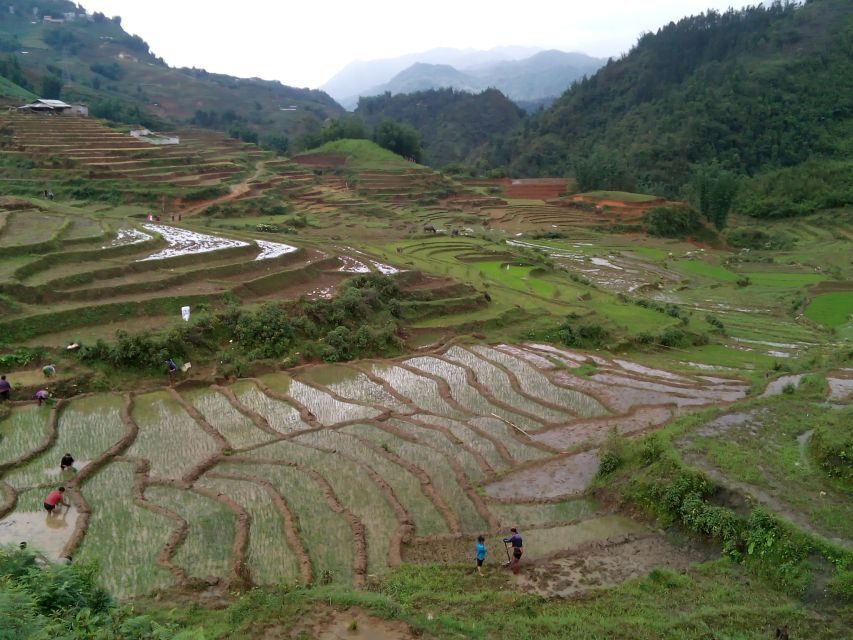
Day 3 starts early in the best way: you get to enjoy sunrise in Ban Ho valley. This is the moment when your photos are most likely to look dramatic, because the light can cut through cloud and mist.
After sunrise, you’ll do a short trek to Nam Tong village, where the Red Dzao tribe lives. The goal here is cultural learning. You’ll spend time in the community and learn more about traditions and village life.
Once you return to Ban Ho, a van picks you up for the ride back toward Sa Pa, and then the bus to Hanoi. You leave at about 4:00 PM and arrive back in Hanoi around 10:00 PM. That late return is normal for the schedule, so build in a slow evening plan when you get home.
One more thing: by Day 3, the hiking rhythm feels more familiar. You’re not always thinking about navigation or logistics, and you can focus more on the people, the walk, and the small details that make a homestay feel like a community, not a set.
What’s Included in the $139 Price (and Why It Adds Up)
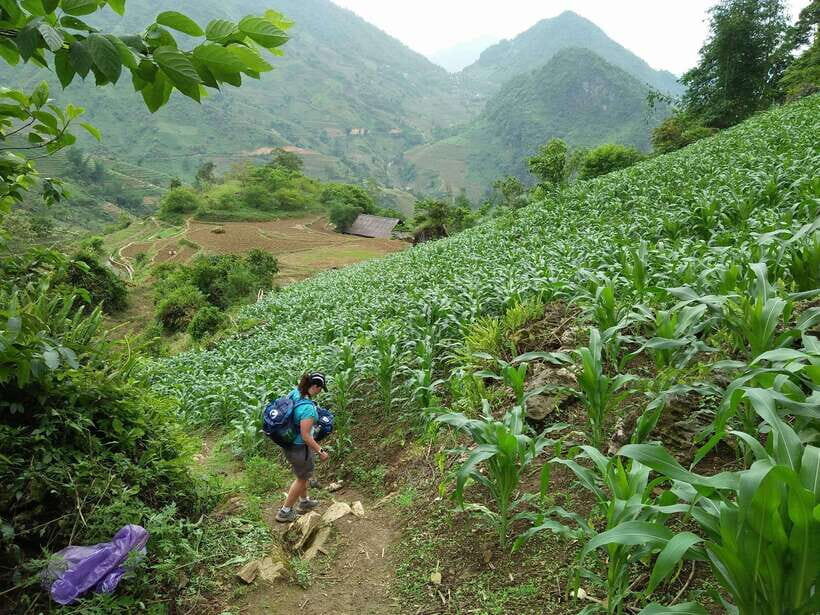
At $139 per person for a 3-day experience, the real question is value: what do you get besides a hike?
You get:
- Roundtrip bus between Hanoi and Sa Pa
- A guide (English)
- 2 nights in homestays
- 3 breakfasts, 3 lunches, and 2 dinners
- Mineral water
That included food and lodging is a big part of why the price can work out. A lot of trekking tours in Vietnam nickel-and-dime you once you’re in the mountains. Here, you’re covered for most meals, including lunches during trekking and dinner at homestays.
Also, the small-group size (up to 14) matters for value. You’re not paying for crowds. You’re paying for access to a guide and time in villages.
The one clear extra cost: a Lunar New Year surcharge of $75 per person for Jan 26 to Feb 2, 2025. If your dates fall within that window, it’s worth checking early so there are no surprises at the meeting point.
If you’re comparing trips, look at what’s actually covered. This one bundles transport, meals, and homestays, not just guiding and a route.
You can also read our reviews of more tours and experiences in Hanoi



Trek Readiness: What to Pack for Sa Pa Weather and Village Paths
This tour gives you a straightforward packing list, and I recommend you follow it closely:
- Comfortable shoes (trekking-ready)
- Sunglasses
- Sun hat
- Sunscreen
- Insect repellent
Add one smart habit: wear layers. Sa Pa can get cold. The colder months are specifically called out from October to March, and warm clothes are recommended.
On Day 1, conditions can be rough. Cold, wet, and low visibility can happen, so you’ll want gear that handles damp air and chilly mornings. If you’re the type who hates feeling cold, prioritize warm base layers and something wind-resistant.
Also, keep your attitude practical about village rules. You’re entering people’s spaces, not staging a photo shoot. Be respectful, ask before taking close photos, and remember that homestays are first and foremost someone’s home.
Guide Quality and Group Size: Why It Changes the Whole Trek
With a small group of up to 14, you get a better chance at genuine conversation. That’s important because much of the experience is learning—how people live, how villages work, and what traditions mean.
You’ll travel with a live English guide, and you may get a guide who adapts the route based on the group’s needs. In past departures, guides have adjusted plans to focus more on nature when conditions allow or to rearrange when someone isn’t feeling well. That kind of flexibility is valuable because Sa Pa weather can be unpredictable, and your comfort level matters.
If you care about storytelling, this is the kind of trek where the guide’s explanations turn the walk into context. You’re not just seeing villages; you’re learning why they’re arranged the way they are and how people connect across the landscape.
Names you might hear from previous groups include Su and Sang, which hints at local guide expertise and a close connection to the areas you visit.
Who Should Book (and Who Should Skip This Trek)
This trek fits best if you:
- enjoy multi-day walking and village-to-village travel
- want cultural contact through homestays, not just viewpoints
- like small-group experiences where your guide can answer questions
It’s not suitable if you:
- have limited mobility or use a wheelchair
- are traveling with children under 6
- are pregnant
If you’re traveling with older family members or someone who struggles with uneven paths, I’d take the safety limits seriously and pick a gentler option elsewhere.
Also, if you know you hate overnight buses and early starts, you might still enjoy it—but accept that the tour design includes discomfort as part of the route.
Should You Book This 3-Day Hanoi–Sapa Homestay Trek?
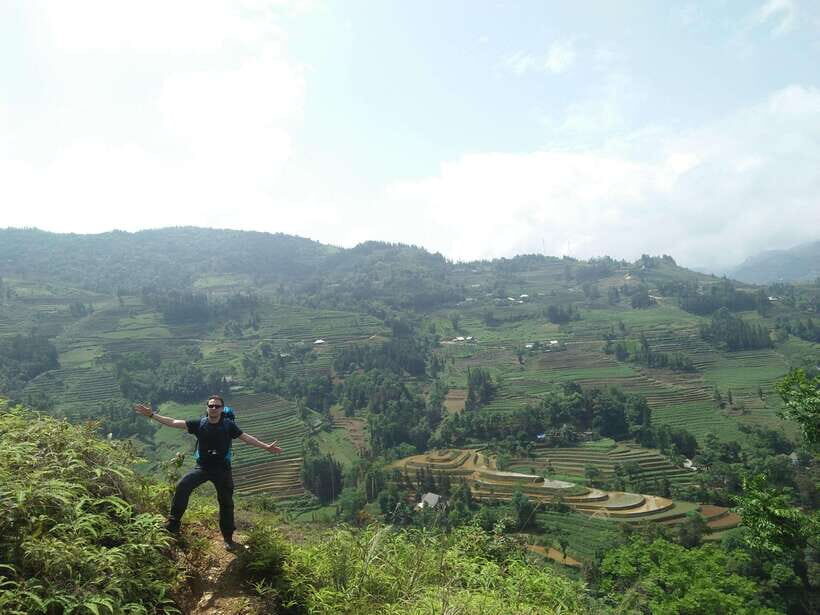
Book it if you want the real Sapa story: hiking through ethnic minority areas, photographing rice terrace scenery when skies cooperate, and sleeping in Ta Van and Ban Ho with local families. The included meals and the built-in guide support make it feel like a complete package, not a DIY scramble.
Skip it (or choose a different format) if you’re very sensitive to cold mornings, sleep disruption, or you need an easy, minimal-walking schedule. This is a trekking-focused experience. The bus and weather are variables you’ll need to handle.
If you show up with trekking shoes, warm layers for Sa Pa, and a respectful, curious mindset, this trip has strong odds of becoming a memorable Vietnam moment.
FAQ
How long is the Hanoi to Sa Pa homestay trek?
It lasts 3 days and includes overnight travel from Hanoi to Sa Pa. You’ll return to the Hanoi Old Quarter area at about 10:00 PM on Day 3.
Where is the pickup in Hanoi?
Pickup is available from the Hanoi Old Quarter at 30 Hàng Muối, Lý Thái Tổ, Hoàn Kiếm, Hà Nội. If you’re staying outside the Old Quarter, you must go to the bus station instead.
What ethnic villages and groups do you visit?
You’ll trek through areas connected to Hmong (Lao Chai), Giay (Ta Van), and Red Dzao (Giang Ta Chai and Nam Tong). You’ll also spend time in Ban Ho as part of the route and homestay experience.
What meals and lodging are included?
The tour includes 2 nights accommodation in homestays and 3 breakfasts, 3 lunches, and 2 dinners, plus mineral water.
What should I bring?
Bring comfortable shoes, sunglasses, sun hat, sunscreen, and insect repellent. Warm clothes are recommended in Sa Pa from October to March.
Is there an extra cost during Lunar New Year?
Yes. There is a $75 per person surcharge for Lunar New Year dates from 26th Jan to 2nd Feb 2025.