REVIEW · SA PA
Sapa: Private trek to Muong Hoa Valley
Book on GetYourGuide →Operated by Vietnam Nomadtrails · Bookable on GetYourGuide
Muong Hoa Valley hits different on foot. This private Sapa trek is built for slow, real contact with the daily rhythm of ethnic communities, with stunning rice terrace views and an easy-to-follow route that still feels like an adventure. Two things I really like: the way you actually move through villages tied to the Black Hmong and Dzay way of life, and the included lunch that feels local and filling, not like a rushed afterthought. One thing to plan for is the footing: it’s about 12 km, and May to September can be slippery, so your shoes matter.
You also get an English-speaking guide, with hotel pickup and drop-off from places in Sapa town only. That sounds simple, but it removes a lot of stress when you just want to start walking and let the day unfold.
If you’re after the easiest day hike in the area, this isn’t it. It’s short enough to feel doable, but it still asks for comfortable clothes and solid footwear for steep, uneven paths.
In This Review
- Key highlights you’ll actually care about
- Muong Hoa Valley on a private 5-hour trek
- From Sapa town to Black Hmong villages and Lao Chai terraces
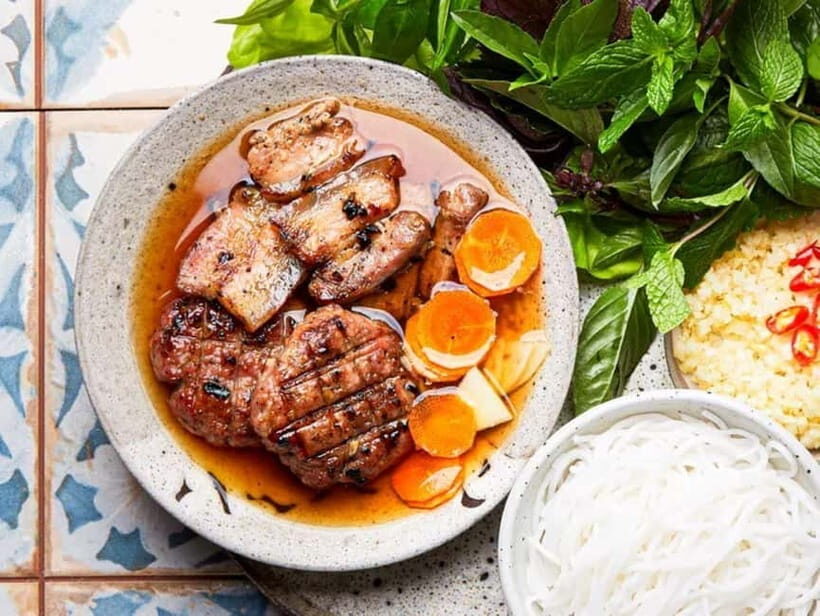
- Lunch near the river bank: included, local, and filling
- Ta Van with the Dzay: houses, weaving, and coloring
- Your guide makes the day: English support that feels personal
- Price and value: what $47 includes and why it makes sense
- What to bring for 12 km of uneven paths (and why slippers are a no)
- Who this private Muong Hoa trek suits best
- Should you book this Sapa private trek to Muong Hoa Valley?
- FAQ
- How long is the Sapa private trek to Muong Hoa Valley?
- What distance will I walk?
- Is lunch included?
- Is hotel pickup and drop-off included?
- What language is the guide?
- Is the trek suitable for everyone?
- What should I bring, and can I wear slippers?
Key highlights you’ll actually care about
- Rice terraces in Lao Chai: some of the most scenic moments of the whole day
- Village visits with the Black Hmong: see daily life up close, not from a viewpoint
- Ta Van houses and handicrafts: weaving and coloring are part of the visit
- Lunch is included and tends to be plentiful, with a local setting near the river bank or in a restaurant
- Guides adapt the pace for steep or slippery sections
Muong Hoa Valley on a private 5-hour trek
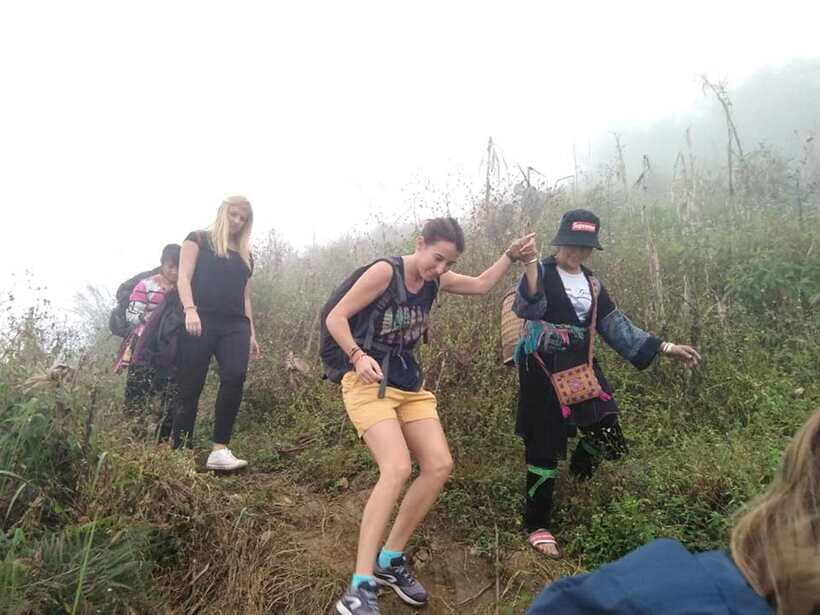
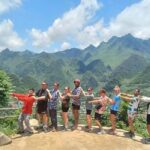
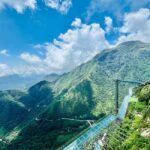
Muong Hoa Valley is one of those places where the scale is obvious, even when you’re not saying anything fancy about it. You’ll feel it as the hills open up and the walking turns into a sequence of viewpoints, village paths, and river-side breaks. The private format matters here. Instead of being squeezed into a one-size-fits-all line, your guide can pace the trek to your comfort level, which is exactly how some guides like Cha and Zheng were praised for being flexible and friendly.
This trek runs about 5 hours and covers around 12 km. That’s a good sweet spot. You get a real hike, but you’re not committing to a full day of nonstop effort. It’s also long enough that lunch doesn’t feel like an interruption; it feels like the natural mid-point of the day.
The route also has a very practical rhythm: start in Sapa town, walk into the valley through villages, reach the terrace highlights, eat, continue to Ta Van, then finish where a driver waits to take you back to the center. That structure keeps the day from dragging.
You can also read our reviews of more private tours in Sa Pa
From Sapa town to Black Hmong villages and Lao Chai terraces
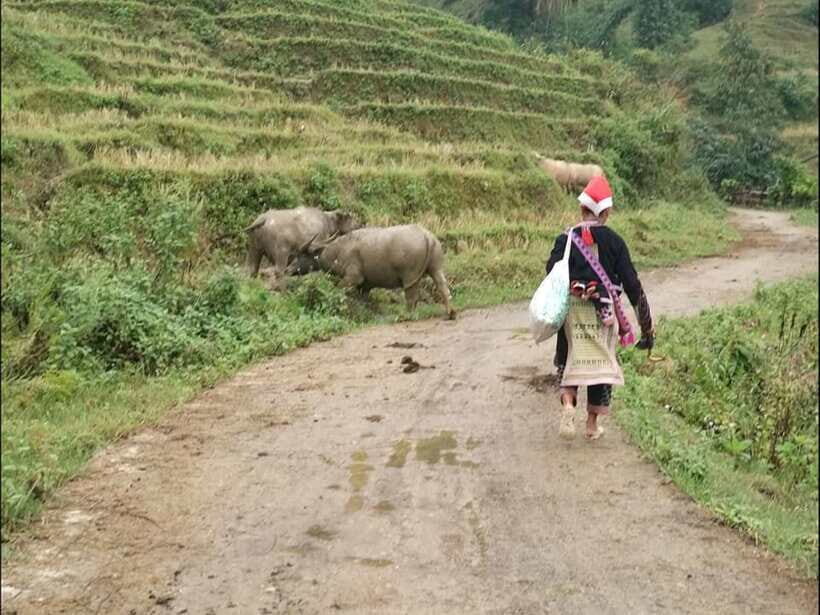
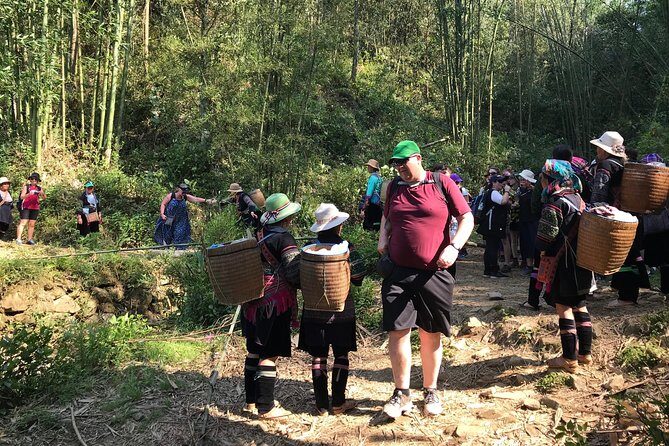
The day starts with departure on foot from Sapa town. The idea is simple: you head toward Muong Hoa Valley without waiting around in transport for hours. Along the way, you trek through the villages of the Black Hmong tribe. This is where the experience becomes more than scenery.
What I like about walking village routes is that you see things at the human scale. You notice daily routines—how people move, what looks like work in progress, how everyday life continues while the landscape stays dramatic around it. Your guide helps translate what you’re seeing, including customs and the meaning behind what you notice.
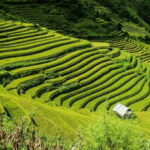
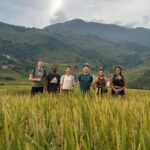
Eventually you reach Lao Chai village, one of the key sights for terrace views. This is the part where you’ll understand why people come to this valley with cameras, because the terraces at Lao Chai offer some of the most impressive rice fields in northern Vietnam. Even if you’ve seen rice terraces in photos, being there changes your sense of height and depth.
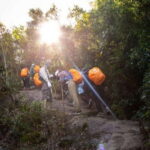
A possible drawback: Lao Chai is also part of the trek where paths can feel steep or slippery depending on the season. One review specifically noted a guide adapting the trekking route when paths were steep and slippery. That’s not a guarantee, but it’s a good sign that the guides are watching conditions and adjusting. Still, don’t show up in beat-up shoes and hope for the best.
Lunch near the river bank: included, local, and filling
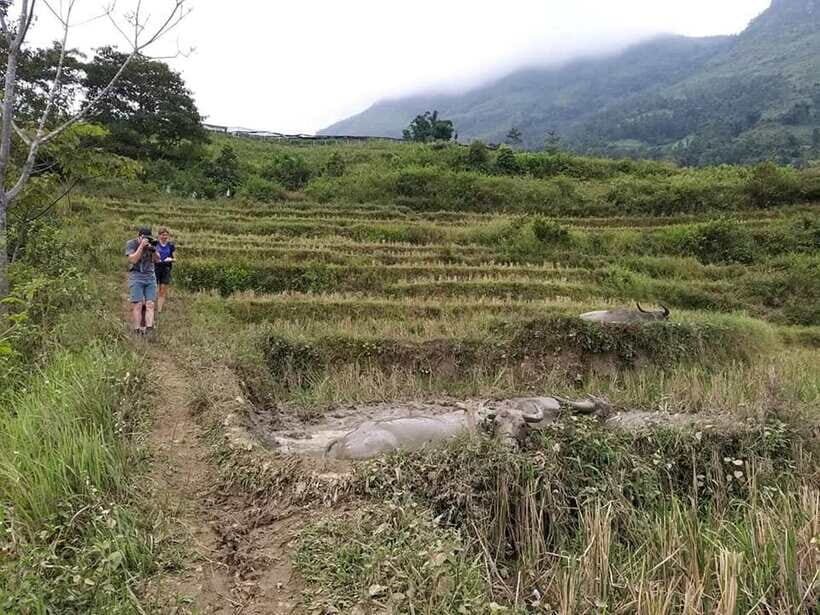
Lunch is included, and you’ll eat either near the river bank or at a local restaurant. That choice isn’t explained in detail, but the benefit is what matters: you get a break that isn’t just sitting somewhere convenient. It’s timed after the Lao Chai terrace segment, so you’ve worked up an appetite and you’re not stopping too early in the day.
The lunch gets praised for being good and plentiful. That matters for value, because on hikes like this, the meal can be the weak point—either too small, too generic, or too hard to enjoy while you’re tired. Here, the included lunch is part of the appeal, and you don’t need to budget extra right at mid-day.
Practical note: the tour includes water, but bring a little common sense. If you’re sensitive to cold or sun changes in the mountains, you’ll be glad you dressed for a range of temperatures.
Ta Van with the Dzay: houses, weaving, and coloring
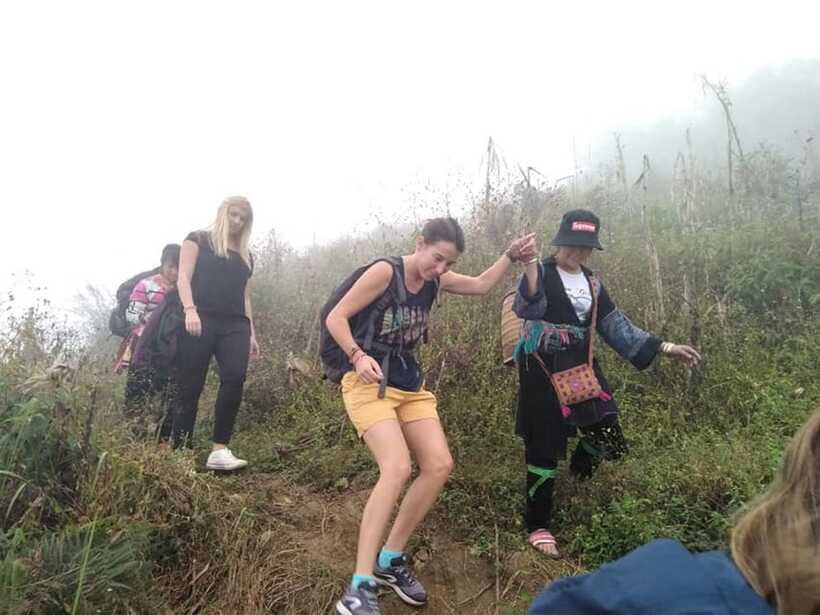
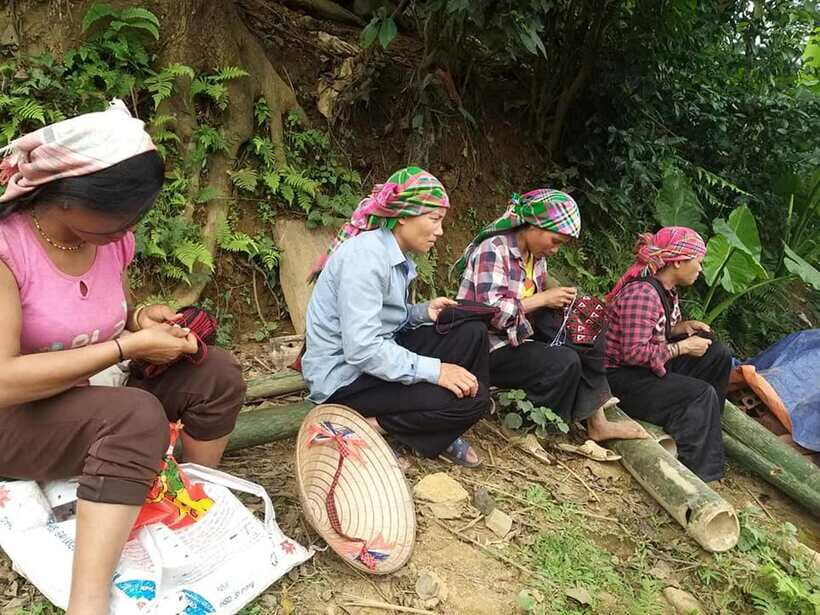
After lunch, you keep trekking to Ta Van village, home to the Dzay ethnic group. This section of the day shifts the focus a bit. Yes, you still get mountain views and rural paths, but the center of attention becomes what your guide shows you about village life.
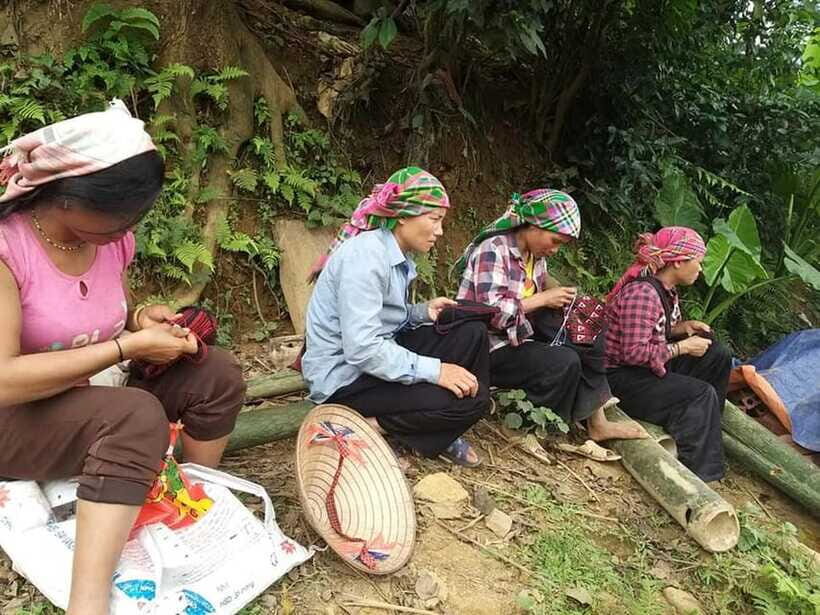
You’ll visit local houses and learn about traditional handicrafts, including weaving and coloring their handicrafts. That sounds like a cultural add-on, but it’s actually one of the most practical parts of the experience. It helps you connect what you see in the village—patterns, materials, and finished products—to work that takes time and knowledge.
You’ll also learn more about customs and costumes. That’s a big deal in this part of the trek because clothing and presentation often communicate identity and social meaning. When you understand what you’re seeing, photos stop being just photos and start being a record of details you didn’t notice on your first glance.
The careful way to enjoy this segment is to slow down. Stop when your guide is talking. Ask questions. If the path gets uneven, step aside briefly rather than rushing and missing the explanation.
Your guide makes the day: English support that feels personal
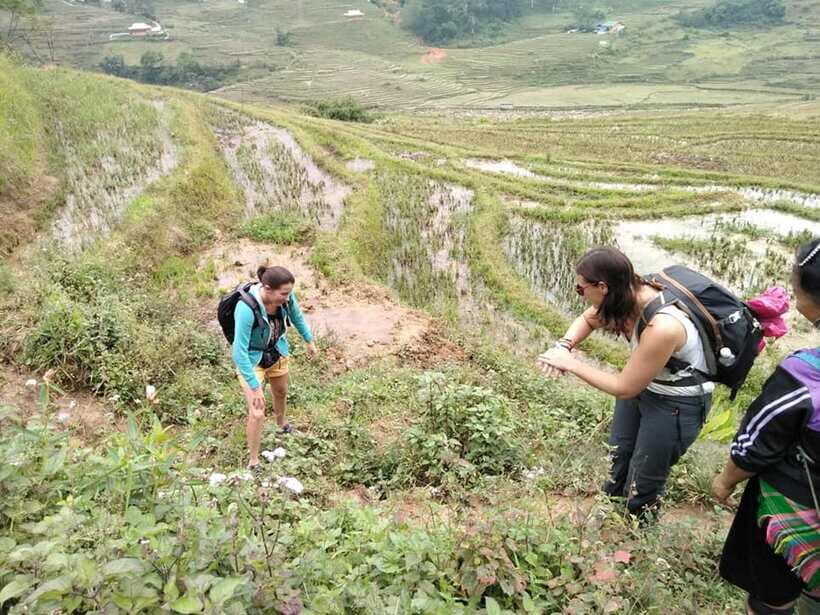
This trek runs with an English-speaking guide, and the difference shows up in how the day flows. In the reviews you provided, guides like Cha and Zheng were singled out for being friendly, communicative, and knowledgeable in the moment. One highlight was how smoothly everything went—from pickup to lunch to the return—plus lots of interesting details along the route.
Another key praise: guides adapting the trekking route based on steep, slippery conditions. That’s not just comfort. It’s safety and confidence. When your guide adjusts the route, you’re more likely to enjoy the hike instead of thinking about your footing the entire time.
You’ll also reach a main road toward the end of the trek where the driver is waiting. That’s a nice touch because it reduces the chance of an awkward ending where you’re not sure what’s next. The driver brings you back by private car to Sa Pa center.
You can also read our reviews of more hiking tours in Sa Pa

Price and value: what $47 includes and why it makes sense
At $47 per person for about 5 hours, this trek sits in the “good value” zone if you want guided access and a structured day. The key inclusions are the things that usually cost extra when you plan yourself:
- English-speaking guide
- Lunch
- Entrance fees
- Transportation
- Water
- Hotel pickup and drop-off in Sapa Town
For many hikers, the value isn’t just the guidance—it’s the full package of logistics. Pickup and drop-off from Sapa town only keeps it clean and predictable, and the driver waiting near the main road means you’re not stuck figuring out return transport after you’re tired.
What’s not included is also clearly stated:
- Insurance
- Personal expenses
- VAT
- A French-speaking guide surcharge of 15 USD per person
- A Lunar New Year surcharge of 35 USD per person for 26 Jan to 2 Feb 2025
If you’re traveling in a period with Lunar New Year changes, keep that surcharge in mind so there are no surprises.
What to bring for 12 km of uneven paths (and why slippers are a no)
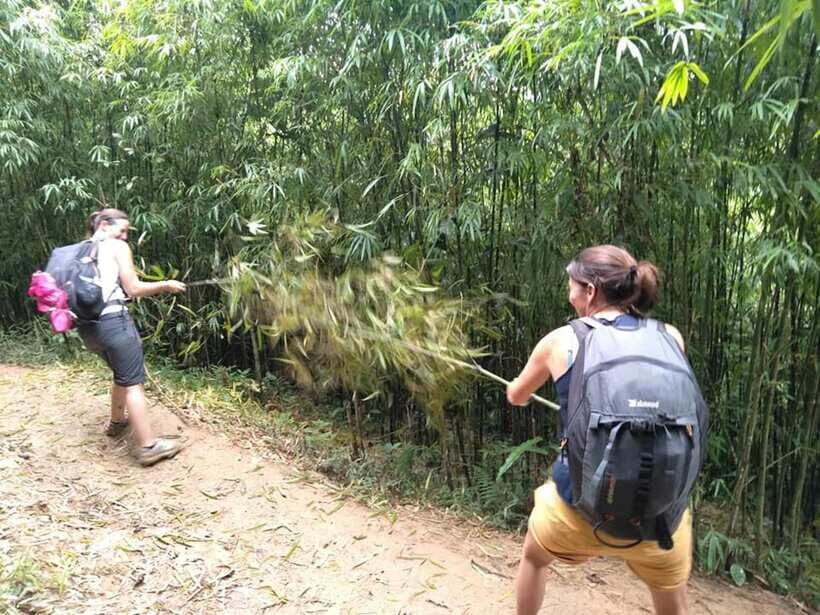
This trek is around 12 kilometers, and the terrain can be slippery in May to September. That’s the kind of detail that matters more than it sounds.
Bring:
- Comfortable shoes (this is the big one)
- Comfortable clothes
Not allowed:
- Slippers
I also suggest packing smart layers. Mountain weather can shift quickly, and during a long walk, comfort is what keeps you in a good mood. If you have trekking shoes, use them. If you don’t, at least bring shoes with good grip and a solid sole.
Who this private Muong Hoa trek suits best
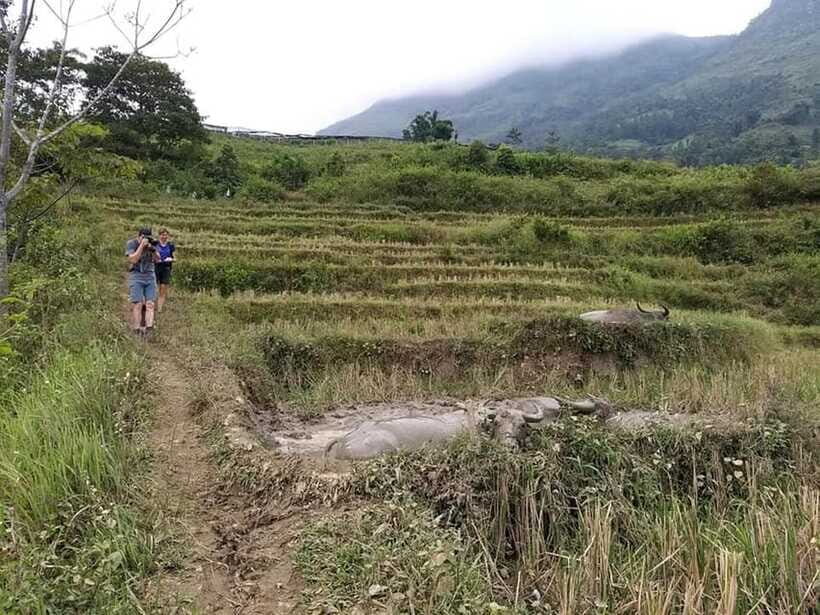
This experience is a strong match for people who want real contact with Sapa’s ethnic village life while still keeping the day manageable. You’ll enjoy it most if you like:
- walking through small communities,
- learning about customs and daily routines,
- and getting terrace views without feeling rushed.
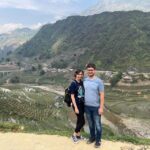
It’s also a decent choice for couples or small groups who want a private feel and a guide who can adjust pacing. The tour being private helps you ask questions and move at your own comfort level.
On the other hand, it’s not suitable for:
- pregnant women
- people with heart problems
- people with mobility impairments
If any of those apply, it’s better to choose a gentler option.
Should you book this Sapa private trek to Muong Hoa Valley?
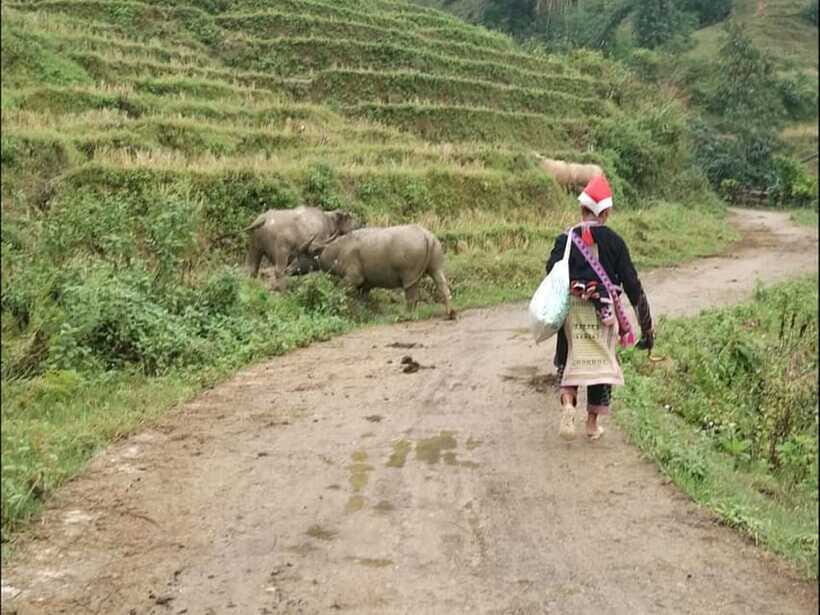
I’d book it if your priority is walking with an English-speaking guide, eating a local lunch during the hike, and seeing Muong Hoa Valley from the inside—through Black Hmong villages toward Lao Chai terraces, then onward to Ta Van for Dzay house visits and handicrafts. It’s priced reasonably for the included guide, meal, and transport, and the experience sounds well run end-to-end.
Skip it if you want an easy stroll with no uneven ground. The day is short, but it still covers about 12 km, and slippery seasons mean you should take footwear seriously.
If you’re the type who likes thoughtful pacing, you’ll probably love it—especially with guides like Cha or Zheng who can adjust the trek to keep you comfortable.
FAQ
How long is the Sapa private trek to Muong Hoa Valley?
It lasts about 5 hours.
What distance will I walk?
The trek is around 12 kilometers.
Is lunch included?
Yes. Lunch is included as part of the tour.
Is hotel pickup and drop-off included?
Yes, pickup and drop-off are included for hotels in Sapa town only.
What language is the guide?
The guide speaks English.
Is the trek suitable for everyone?
No. It is not suitable for pregnant women, people with heart problems, or people with mobility impairments.
What should I bring, and can I wear slippers?
Wear comfortable clothes and comfortable shoes. Slippers are not allowed. In May to September, the paths can be slippery, so good trekking shoes are important.