
REVIEW · HANOI
(Private) Hanoi War Sites Tour
Book on Viator →Operated by Hanoi Private Tour Guide · Bookable on Viator
War history in Hanoi can feel heavy. This tour keeps it human and practical, with a private guide (often a local student) and just enough structure to help you connect the dots fast. You pick morning or afternoon, then move between big landmarks tied to both the French and American wars, including Hoa Lo Prison.
I especially like two things. First, the day feels adjustable, not stuck to one script. Guides such as Anh, Shalia, Chien, Hannah, and Nam have clearly shaped the tour around what I (and my group) wanted to understand, including meaningful Q and A time. Second, you’re not only looking at posters or labels; you’re seeing places like the prison rooms and the B-52 wreckage area, where the story becomes physical.
The main catch is also the easiest to miss: transport and entry fees are not included (except the Mausoleum, which is free), and some museums close on Mondays. Plan your budget and pick a day that’s not likely to shut down one of the stops.
In This Review
- Key highlights worth your time
- Private pacing in Hanoi: how this tour feels different
- Price and logistics: what you pay for, and what you should budget
- Morning vs. afternoon timing, and the Monday museum issue
- Stop 1: Ho Chi Minh Museum, then the Ba Dinh Square stretch
- Ho Chi Minh Mausoleum: short, free, and full of ceremony
- Optional tire-sandal making (dép lốp) with meaning behind it
- Hoa Lo Prison (the Hanoi Hilton): where your questions get real
- Hữu Tệp Lake and the downed B-52: wreckage, photos, and context
- Workshop and site order: how flexible should you expect it to be?
- What you’ll learn: a Vietnam War overview without a straight-line lecture
- Should you bring it up? Clothing, questions, and respectful pacing
- Who this private tour is best for
- FAQ
- FAQ
- How long is the Hanoi War Sites tour?
- Do I get a hotel pickup and drop-off?
- Is this tour private?
- Is the museum or prison admission included?
- Is transport included?
- Do I choose a morning or afternoon option?
- Are any sites closed on certain days?
- Is there a dress code?
- Can I customize the itinerary?
- What about tickets on the day?
- Should you book this Hanoi War Sites Tour?
Key highlights worth your time
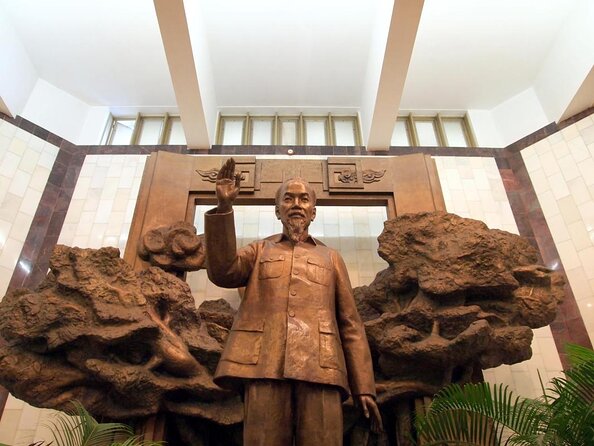
- Private, no-crowd pacing that lets you pause for questions instead of rushing through
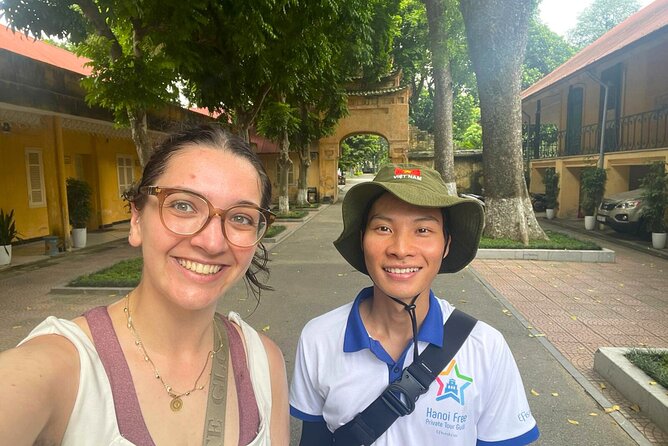
- Student-guided format that supports local education while still giving you a structured tour
- A visit to Hoa Lo Prison with enough time to understand how it functioned through the mid-20th century
- Hữu Tệp Lake and the downed B-52 area showing wreckage, photos, and documents tied to Hanoi’s response
- Optional tire-sandal workshop (dép lốp) tied to Ho Chi Minh’s wartime footwear and meaning
Private pacing in Hanoi: how this tour feels different

The value here is not just that it’s cheaper than many private tours. It’s that you’re paying for a guide and a route that makes sense for a short half-day. In a city where you can easily spend hours just figuring out what’s where, having a plan helps you actually learn something without burning your whole day.
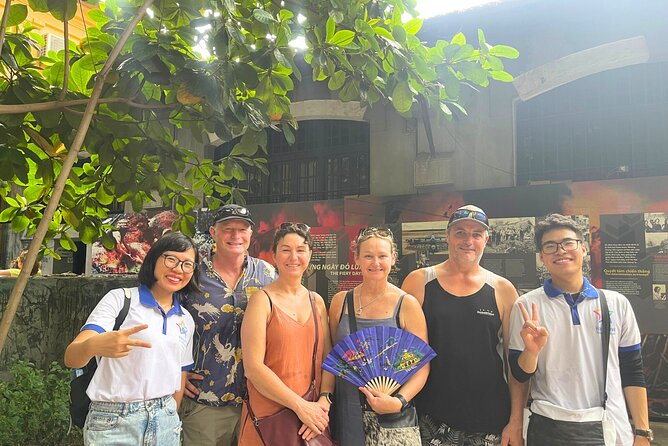
The other big difference is the group dynamic. This is private, so you’re not stuck listening to 15 different interests clash. If your partner is more into the military side, or you care more about independence and politics, the guide can steer the conversation. Several guides in the past have been willing to modify the order and timing, like finishing earlier when needed.
Finally, the student component matters. You’re not just ticking off sites. You’re also supporting local students’ education and their future work. It also tends to create a more open, back-and-forth conversation, because the guides often treat the tour like a real chance to teach.
You can also read our reviews of more tours and experiences in Hanoi.



Price and logistics: what you pay for, and what you should budget
The published price is $5.13 per group (up to 10), which is strikingly low for a private-guided route. But you should think of that price as covering the guide and the coordination, not the whole trip cost.
Here’s what’s included and what isn’t:
- Included: free hotel pickup and drop-off in the Hanoi Old Quarter, a private tour guide, and confirmation by email.
- Not included: transport, plus admission tickets for most stops.
- Free: Ho Chi Minh Mausoleum is listed as free.
So, in practice, you’ll want to budget for:
- Taxi/Grab or similar rides between sites (the tour moves by taxi/Grab for at least one transfer)
- Entrance fees at the museum/prison/B-52 sites
- Optional costs if you choose the tire-sandal workshop
One more practical note: the day is described as 3 to 5 hours. That range is normal in Hanoi because museum time, walking time, and transfer time all vary. If you have a tight dinner plan, pick the morning option (or start earlier), and don’t schedule something right on the finishing time.
Morning vs. afternoon timing, and the Monday museum issue
You get real flexibility: you can choose a morning window (9am–12pm) or an afternoon window (2pm–5pm). And the schedule is also listed as flexible, meaning the guide can shift timing between the sites to fit your group.
But there’s one timing problem you should respect: some museums close on Monday each week. That matters because your itinerary includes several museums/exhibit areas. If your trip lands on a Monday, expect the guide to either swap the order or lose a stop.
Also pay attention to the dress code. You’ll want to skip tank tops and shorts above the knee. It’s a common rule for official sites in Hanoi, and it can save you from awkward last-minute outfit changes.
Stop 1: Ho Chi Minh Museum, then the Ba Dinh Square stretch
You’ll start at a meeting point, then get picked up and transferred toward the Ho Chi Minh Museum. This first stop is framed as a museum with an elaborate description of Ho Chi Minh’s life, and the stop time is about one hour.
What I like about starting here is that it sets context immediately. If you arrive in Hanoi and only start reading about the war later, it’s easy to miss why certain symbols and locations carry weight. The museum helps you understand the way Ho Chi Minh is presented in Vietnam’s national narrative, so the later stops don’t feel like random historical exhibits.
One thing to plan for: the museum admission ticket isn’t included. That’s normal, but it still means you should expect to pay at least some entrance fees out of pocket.
Ho Chi Minh Mausoleum: short, free, and full of ceremony
Next is the Ho Chi Minh Mausoleum in Ba Dinh Square, with a stop time around 30 minutes. This one is listed as free.
Even if you’re not a museum person, this stop has a different rhythm. It’s not about absorbing details for an hour; it’s more like getting your bearings in a place that Vietnam treats as deeply significant.
Because it’s short, it’s also a good anchor in the itinerary. If your day shifts due to traffic or a museum closure, the Mausoleum is one of the easier segments to keep intact. Still, do keep your outfit appropriate, since the rule about no tank tops and shorts above the knee applies here too.



Optional tire-sandal making (dép lốp) with meaning behind it
If you choose it, the tire-sandal stop is about 30 minutes, and it’s optional. The tour describes tire sandals as iconic wartime footwear associated with Ho Chi Minh, and it also frames the experience as learning the meaning behind the tradition while making sandals yourself.
I like optional activities like this because they do one job well: they turn history into something you handle. A workshop also gives your guide a natural opening to explain practical wartime adaptation, not just political speeches.
A practical caution: the stop’s admission ticket is listed as not included. So treat it as an add-on cost, not something automatically priced into the base tour.
Hoa Lo Prison (the Hanoi Hilton): where your questions get real
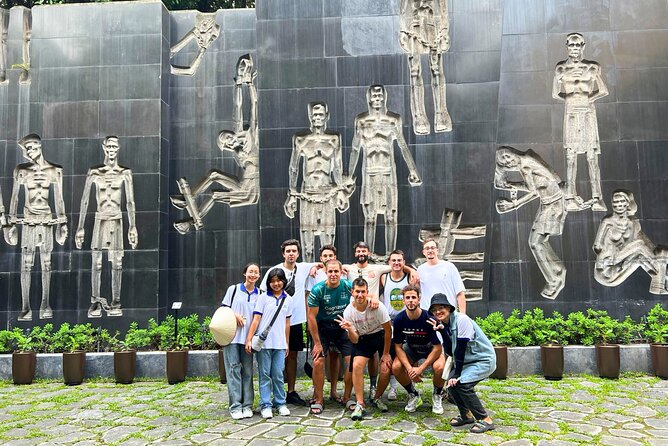
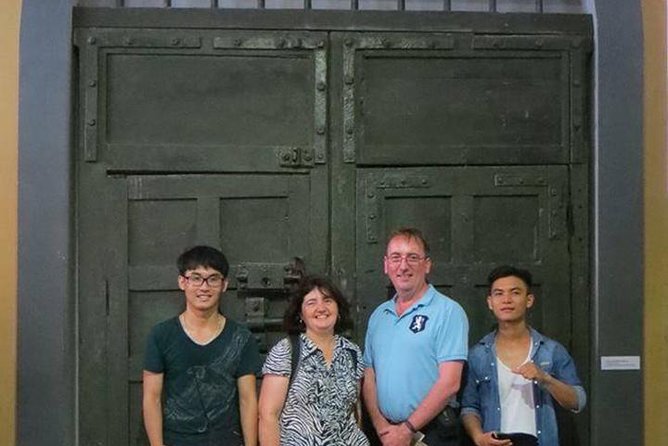
Hoa Lo Prison is likely the emotional center of the route. The tour notes the nickname Hanoi Hilton used by US prisoners of war during the American War, with exhibits focusing on the prison’s use up to the mid-1950s.
The stop time is about one hour, and admission tickets are not included. That hour is enough to understand the broad story if you keep your questions pointed. A private guide helps here because you can ask, then follow up when something feels complicated or one-sided.
This is also where the student-guide format can shine. Several guides have been praised for clearly explaining the prison story and handling respectful dialogue. The best part is that the experience doesn’t have to be a lecture. You can ask about how the prison was used, what each display is trying to communicate, and why the site is remembered the way it is.
One consideration: this stop can feel intense. If you prefer lighter history, balance the day with one site that feels more museum-like and less personal. But if you want the war story in a place that still carries weight, don’t skip this one.
Hữu Tệp Lake and the downed B-52: wreckage, photos, and context
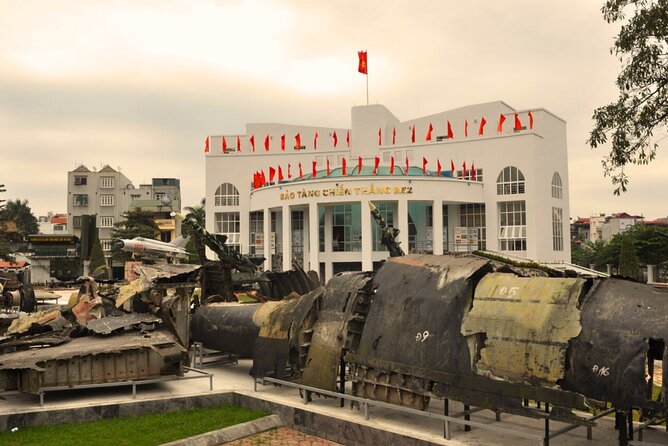
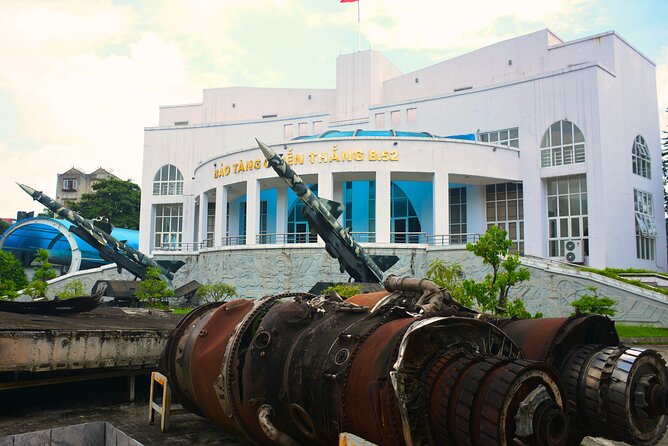
After Hoa Lo, you head toward Hữu Tệp Lake and the downed B-52 area. The tour lists an associated stop at the B-52 Victory Museum Hanoi, with exhibits such as weapons, images, documents, and wreckage. It also frames the museum as praising the ingenuity and creativity of Hanoi’s troops and residents.
This segment is about one hour, and admission tickets are not included.
What makes this stop valuable is that it shifts you from the human scale of the prison to the material scale of the war: wreckage, equipment, and documents. It’s still history, but it’s history you can point to with your eyes instead of only reading about.
If you’re a visual learner, this is the part of the tour where you’ll likely feel the most clarity. And because the tour is private, you can ask your guide to connect what you’re seeing back to the bigger narrative from earlier stops.
Workshop and site order: how flexible should you expect it to be?
The tour is described as flexible at the level of schedule and personalization. You can also ask to tailor the itinerary to your interests, and some guides have reportedly customized the day based on questions asked the night before or during the booking process.
In real life, that flexibility usually shows up like this:
- You might spend extra time at one site if your guide thinks it matches your interests
- The guide might adjust the order to minimize stress if a museum is unexpectedly hard to enter
- If you have a time limit, the guide can help you aim for a finish that works
Just remember the Monday closure issue. If a museum closes, there’s only so much a guide can do. That’s not a reason to avoid booking; it’s a reason to pick the right day and stay flexible.
What you’ll learn: a Vietnam War overview without a straight-line lecture
This tour is marketed as more than a museum visit, and that’s fair. You’re moving through multiple angles of the war story:
- A national leader’s life and symbolic importance at Ho Chi Minh sites
- A place of detention and its historical framing at Hoa Lo Prison
- A wartime defense story at the B-52 wreckage and exhibits
- A workshop that adds the everyday survival angle through tire sandals
Because the guide is local (and often a student), you also get a different style of explanation than a script-heavy, textbook-only approach. You can test ideas with questions. You’ll also likely leave with more confidence when you later read headlines or visit other sites, because you’ve already built a backbone timeline.
A final point: the experience can vary depending on the guide. One unlucky guest reported problems with English and the day not matching expectations. That’s a reminder to confirm the day-of plan, especially if your dates fall near closures.
Should you bring it up? Clothing, questions, and respectful pacing
This isn’t the kind of tour where you can ignore practical details and hope for the best. The dress code is clear. And if you want to get the most out of the time, prepare questions in your head before you arrive.
Good question types for this route include:
- How the site you’re in fits into the larger war timeline
- Why Vietnam remembers certain events in the way it does
- What specific objects (like wreckage) are meant to represent
If you’re traveling with someone who doesn’t like intense history, keep expectations realistic. This tour isn’t light entertainment. It’s a structured way to understand the war through key Hanoi sites.
Who this private tour is best for
This tour fits best if you:
- Want a first-day context builder for understanding modern Vietnam in Hanoi
- Prefer a private setup where you can ask questions and linger when something catches your attention
- Like history that is grounded in real places, not only photos and reading
- Appreciate experiences that support local education through a student-guide model
It may not fit as well if you:
- Need a totally hands-off experience with everything booked and priced end-to-end
- Are traveling on a Monday and want every stop guaranteed
- Don’t want the emotional weight of prison sites
FAQ
FAQ
How long is the Hanoi War Sites tour?
It runs about 3 to 5 hours.
Do I get a hotel pickup and drop-off?
Yes, hotel pickup and drop-off are included for hotels in Hanoi Old Quarter.
Is this tour private?
Yes. It is a private tour/activity, and only your group participates.
Is the museum or prison admission included?
No. Admission tickets are listed as not included for most stops. The Ho Chi Minh Mausoleum is listed as free.
Is transport included?
No. Transport is listed as not included.
Do I choose a morning or afternoon option?
Yes. You can choose morning (9am–12pm) or afternoon (2pm–5pm), and the schedule is flexible.
Are any sites closed on certain days?
Some museums close on Monday every week.
Is there a dress code?
Yes. Avoid tank tops and shorts above the knee.
Can I customize the itinerary?
Yes. You can personalize your itinerary with the tour.
What about tickets on the day?
You’ll receive a mobile ticket, and you get email confirmation to guarantee the tour takes place.
Should you book this Hanoi War Sites Tour?
If you want a short, private, Hanoi-specific way to understand the Vietnam War from key sites, this is a strong pick—especially because the format is flexible and the student-guide model adds meaning beyond a standard checklist. Just go in with the right expectations: you’ll likely pay some entrance fees and cover transport on your own, and Monday dates can affect what you see. If you’re okay with that, you’ll come away with a clearer mental map of Hanoi’s wartime story—and a lot more to talk about than you started with.