REVIEW · SAPA
2 Days Fansipan Trekking
Book on Viator →Operated by Sapa Original Trek · Bookable on Viator
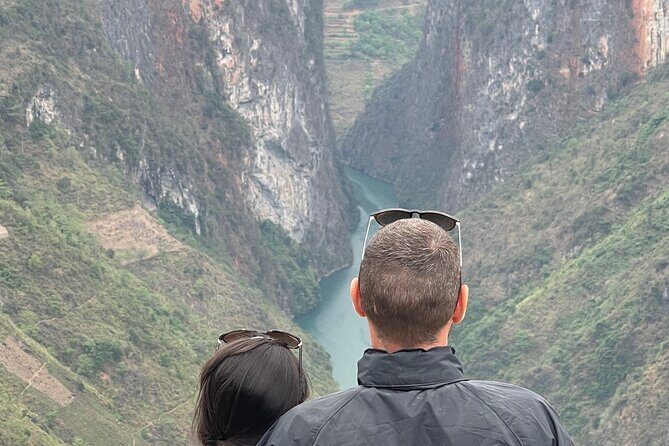
Mount Fansipan takes effort, then pays back. It is called the Roof of Indochina for a reason: you chase big views from the highest peak on the Indochina peninsula. I like the way the trek is paired with cultural guidance from a local Black H’Mong guide, so the route feels more than just cardio. I also love the comfort at the end—hot showers at their office before and after the hike, plus sleeping setup for base camp. One heads-up: this is physically demanding with steep climbs and thinner mountain air, so warm layers and good shoes matter a lot.
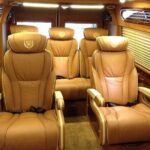
You’ll leave Sapa in the morning, trek through pine and bamboo forests with streams and ridges, sleep one night at base camp, and then choose your second-day plan for sunrise or a more relaxed timing. Expect included English-speaking guidance, shared accommodation, meals, and transport, with an option to use a cable car on day two if you do not want the full descent.
In This Review
- Key things to know before you go
- Why Fansipan feels like a climb, not a hike
- Price and logistics: what $136 covers in Sapa
- Day 1: Trạm Tôn Pass to Fansipan through forest and ridge
- Getting up to the summit: what the summit push feels like
- Base camp night: meals, sleeping gear, and the value of stopping
- Day 2 sunrise option and the Trạm Tôn descent to Sapa
- Guides, local culture, and sustainable tourism you can feel
- What to pack for Fansipan’s weather and altitude
- Who this trek is best for (and who should skip it)
- A quick reality check on the big moments
- Should you book this 2 Days Fansipan Trekking with Sapa Original Trek?
- FAQ
- How long is the 2 Days Fansipan Trekking?
- Where does the trek start and when?
- Do you need strong fitness for this Fansipan trek?
- What’s included in the price?
- Are cable car tickets included?
- Is sunrise at the summit an option?
- Can I cancel for a full refund?
Key things to know before you go
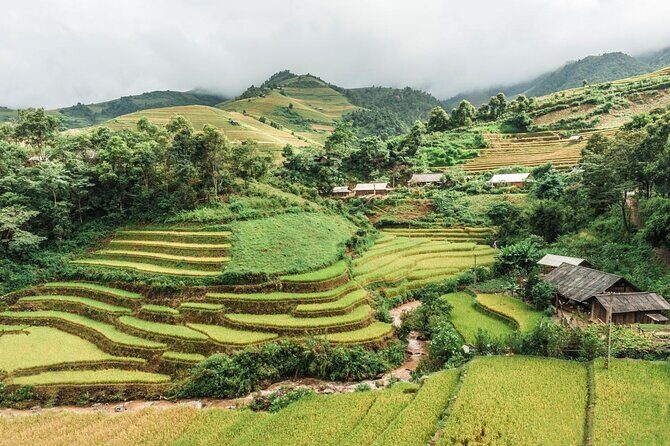
- Roof of Indochina summit views with the option to push for sunrise
- Black H’Mong cultural insight from an English-speaking guide
- Real end-of-trek comfort: hot shower at the office before and after
- Support on the climb from a guide team (you may even see a potter role up close)
- Trek stats that feel legit: day 1 is about 10 km and ~1200 m gain, day 2 is about 14 km with major downhill
- Cable car is optional on day two, but tickets are not included
Why Fansipan feels like a climb, not a hike
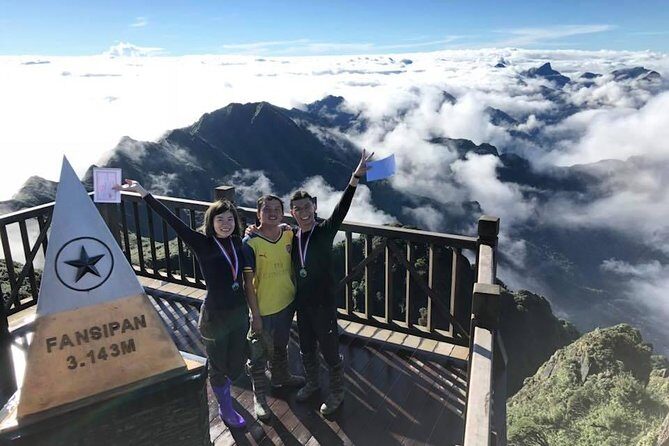
Fansipan is the big, high-name reason people come to Sapa. This trek treats it like the summit attempt it is: you start with a pass approach, you move through forest and ridge travel, then you make a push toward the peak itself. The result is that you feel the mountain in your legs, not just on your camera roll.
What I like is the balance between effort and support. You get an English-speaking guide who can talk through what you’re seeing, and you’re not expected to figure everything out solo. If you do sunrise, the early wake-up is part of the deal, and it tends to make the whole second day feel purposeful rather than rushed.
You can also read our reviews of more hiking tours in Sapa
Price and logistics: what $136 covers in Sapa
At $136 per person for a two-day Fansipan trek, you’re paying for more than a trail guide. Your cost covers pickup transport out of Sapa, entrance fees, a full set of meals (2 lunches, 1 dinner, 1 breakfast), and daily water (1.5 liters per person). You also get camping essentials included: sleeping bag and mattress, plus camping setup for the base-camp night.
You should also factor in what is not included. Tips and insurance beyond what’s listed are on you, and cable car tickets are extra if you choose that option. If you plan to use the cable car on day two, budget that separately so you don’t get surprised at the end.
One practical detail that can matter in the real world: their meetings are set for 8:30 am start, and they provide a mobile ticket. That helps if you’re trying to stitch this trek into a tight Sapa schedule.
Day 1: Trạm Tôn Pass to Fansipan through forest and ridge
Day 1 begins with the Trạm Tôn Pass approach. You’ll cover about 10 km and spend roughly 5 to 6 hours trekking, with around 1200 meters of elevation gain. This is the day that sets your tone: steady climbing, then time to adjust your pacing as your breathing changes.
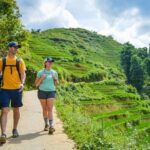
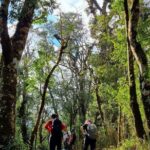
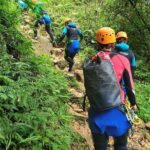
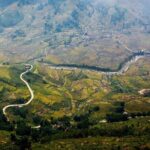
The route moves through pine and bamboo forests, and you’ll pass along streams. That matters because it’s not just slope and stone—you get natural rhythm from the terrain: uphill segments, brief level stretches, and ridge segments where you can look ahead. After a picnic lunch, you keep trekking toward the summit area, with the walk shifting toward ridges as you climb.
A small but real benefit here is how guided the transition is. Your guide helps keep you on the right pace and makes the time feel shorter by turning stops into teaching moments. Names like Sing and Tinh show up for this kind of trip, and the common thread is patience—especially when weather is wet or your legs start to feel it.
Getting up to the summit: what the summit push feels like
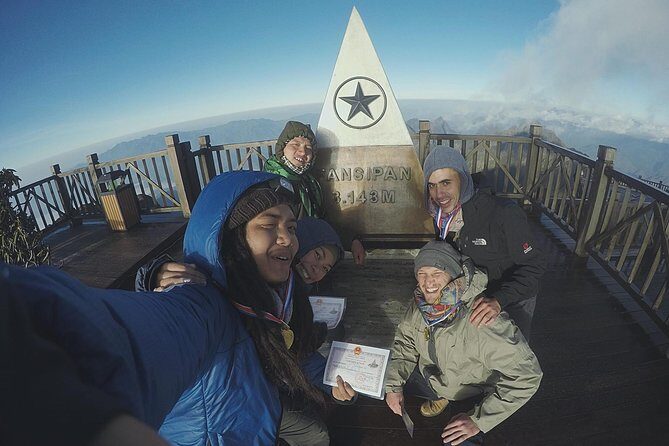
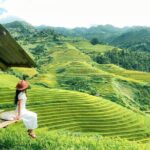
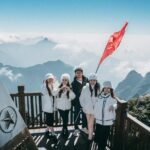
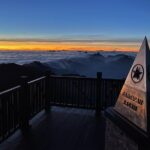
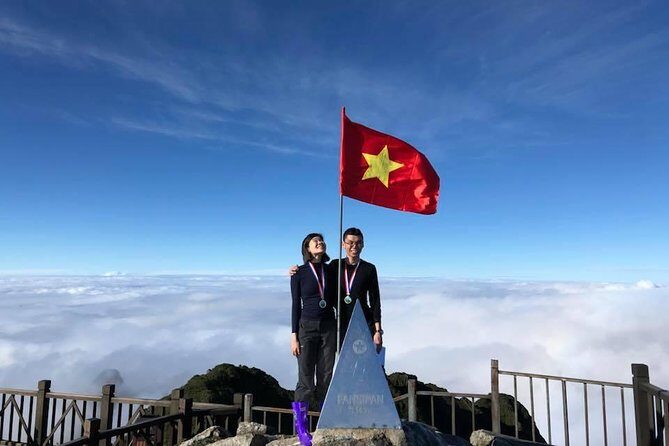
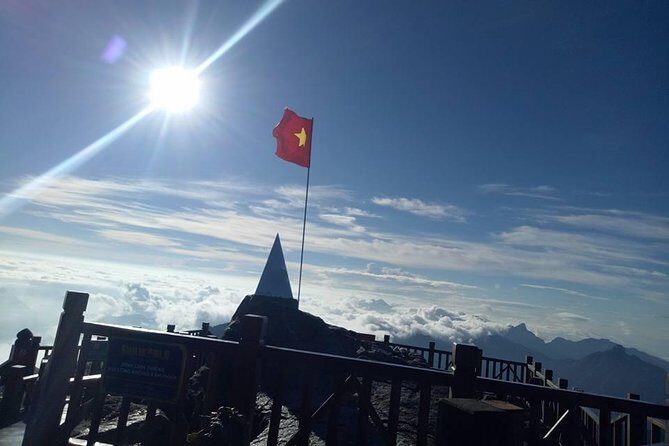
Reaching the summit of Mount Fansipan is the core event. The trek is structured so you get time to admire views from the top, not just tag the peak and rush off. That view time is worth it even if clouds roll in, because the experience still feels like a true achievement: you climb, you pause, you take it in.
Time matters here. Day 1 is set up as the longer climbing push, while day 2 can be sunrise-focused depending on conditions and your group’s plan. If sunrise is your goal, day 2 becomes the high-intensity moment.
If you’re sensitive to cold, remember you’re higher and the wind can change fast. Reviews stress warm layers and the need for a good footwear setup. In other words: your gear choice affects how much you actually enjoy the summit moment.
Base camp night: meals, sleeping gear, and the value of stopping
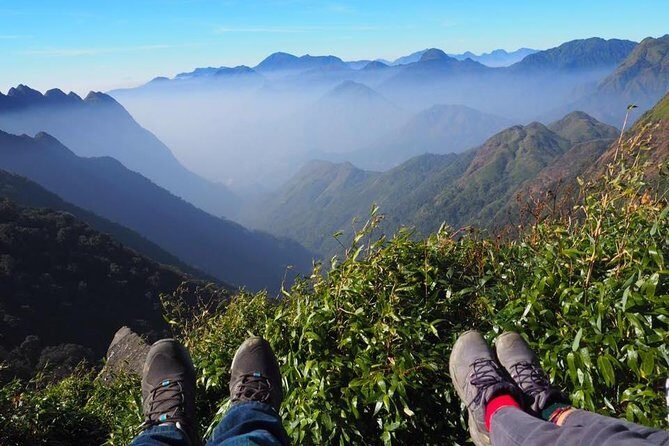
After day 1, you sleep one night at base camp. This is where the included sleeping bag and mattress do real work. You don’t have to improvise gear in Sapa, and the night is set up so you can recover instead of just endure.
Food on this kind of trek can either be a forgettable fuel stop or the thing that keeps you sane. Here, meals are included and people consistently mention the quality of what the guides prepare. That sounds like a small point, but it’s not. When you’re burning energy on steep trails, a warm meal at the right time changes your mood for the next morning.
Also, base camp logistics can be a little basic by design, so you’ll want to pack for comfort rather than style. You’re there to reset your body and get ready for the second day—especially if you’re going for sunrise.
You can also read our reviews of more tours and experiences in Sapa
Day 2 sunrise option and the Trạm Tôn descent to Sapa
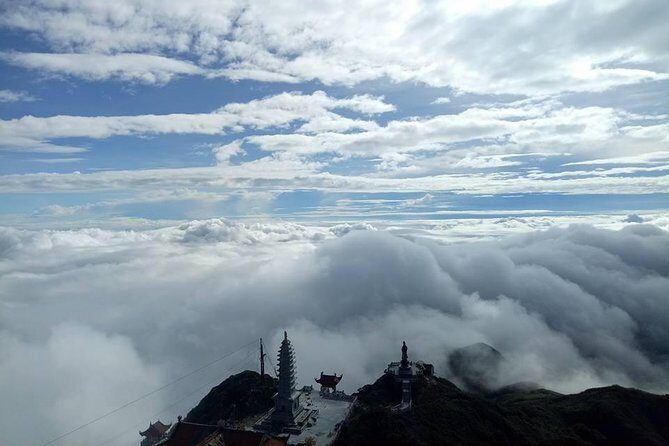
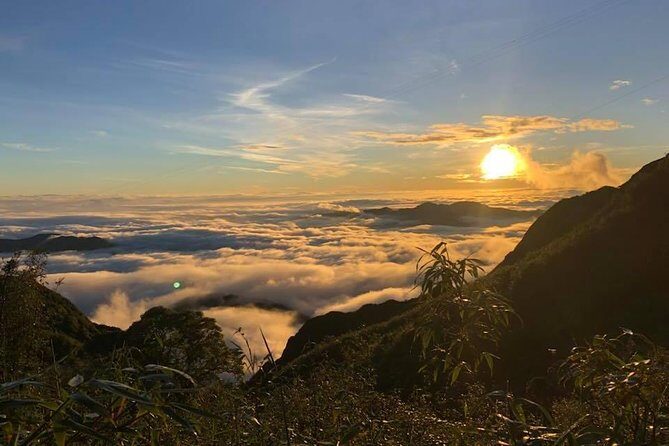
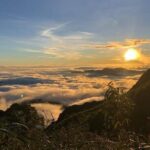
Day 2 starts with breakfast at around 4:00 am or 6:00 am, depending on the option you choose. The sunrise plan is built into this schedule, so you’re not just waking up early for fun—you’re timing the hike to match the light.
Then you head back out for a trek distance of about 14 km across roughly 6 to 7 hours total. The elevation pattern shifts: there’s about 300 to 400 meters of uphill, but the downhill is the big factor, around 1100 to 1200 meters. This is why shoes and trekking technique matter. Downhill can wreck your knees if you powerstride it, so a steady step and good grip make a difference.
From there, you have two ways to finish. You can trek down to Trạm Tôn Pass the full way, or you can take the cable car yourself from near the Sapa cable station if you prefer. Cable car tickets are not included, but the option gives you flexibility if you’re tired, sore, or just done with steep descents.
Most groups arrive back in Sapa around 13:00. And this is where one of the biggest practical perks shows up again: you can get a hot shower at the office area, so you end the trek feeling human instead of damp and done.
Guides, local culture, and sustainable tourism you can feel
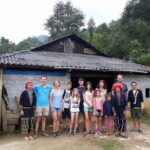
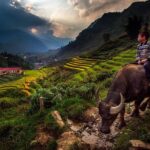
This trek is not only about geography. It’s built around a deeper cultural connection with a local Black H’Mong guide. That tends to matter on Fansipan because the mountain is part of the broader Sapa region and its communities, not just a lone summit goal.
In practice, cultural insight works best when it’s tied to what you’re walking through. Your guide can explain the area in a way that matches your movement—why certain places look the way they do, how people relate to the mountain, and what you should pay attention to along the trail. You’ll also get support that goes beyond directions, like keeping the group steady in tougher weather and making sure the plan stays realistic.
Sustainable tourism is also part of the pitch here. While you can’t verify every claim from a single trek, the included structure points toward a community-connected approach: local guiding, and a system designed to support local initiatives rather than just extract a tourism product from the region.
What to pack for Fansipan’s weather and altitude
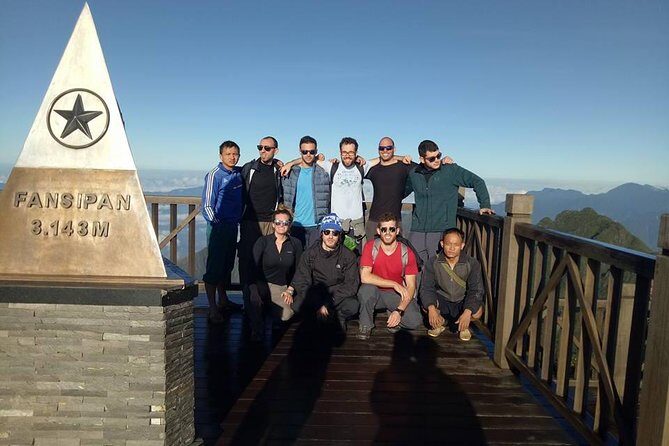
Fansipan weather can flip quickly, even when Sapa looks calm. Reviews highlight the importance of warm clothing and dressing in layers. That advice is simple but critical: you’re moving uphill fast, then you stop to admire views, and then you’re exposed at altitude.
You’ll also want to bring strong footwear because the trek involves steep climbing and a major downhill day. Water is included (1.5 liters per person per day), but you still need to carry your essentials. The trek provides camping basics at base camp, but your clothing is still on you.
If you’re going for sunrise, plan like you’ll be cold. Thin mountain air can make you feel colder than you expect, especially during early starts. The guide pace and breaks will help, but warmth is still your job.
Who this trek is best for (and who should skip it)
This is best for people who want a real 2-day trekking challenge with summit ambition and cultural context. Your fitness needs to be strong; the schedule includes multiple long trekking hours and large elevation changes. If you like hiking, and you’re comfortable with early mornings and steep trails, you’ll likely love this.
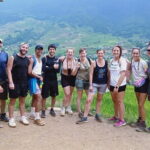
It can also be a good fit if you’re traveling solo or as a small group and want a true guided plan rather than renting equipment and guessing routes. The trip is listed as private for your group, and the guide team includes transport coordination—so you’re not stuck figuring out how to get to trailheads on your own.
Skip or reconsider if you have concerns about steep downhill on day two, or if the altitude and physical demand would be risky for you. This is not a gentle cultural walk. It’s a mountain trek that expects you to work.
A quick reality check on the big moments
- Summit time is built into the plan, not just a quick stop. You get a window to enjoy it.
- Day 2 is often the tougher day on the body because downhill dominates.
- The hot shower at their office before and after is a huge quality-of-life win in Sapa, especially after rain.
- Meal quality and timing help you recover for the next day.
- Warm layers and solid shoes are not optional if you want comfort.
Should you book this 2 Days Fansipan Trekking with Sapa Original Trek?
If you want a structured Fansipan trek that includes guiding, meals, sleeping setup, transport, and the kind of end-of-day comfort that makes Sapa relaxing again, this is a strong choice. The best reason to book is the mix: you get the summit experience plus a local Black H’Mong guide who adds meaning to what you’re walking through, and you’re not left to fend for yourself at the hardest parts.
I’d book if you’re in good shape, you’re okay with early mornings, and you care about more than just the peak photo. I’d think twice if you’re worried about steep climbs and a heavy downhill day, or if you really dislike getting cold and wet on mountain trails. For the right person, this is a practical, well-supported way to earn Mount Fansipan instead of just visiting around it.
FAQ
How long is the 2 Days Fansipan Trekking?
It takes about 2 days.
Where does the trek start and when?
The trek starts back in Sapa, with a start time of 8:30 am. The activity ends back at the meeting point.
Do you need strong fitness for this Fansipan trek?
Yes. Travelers should have a strong physical fitness level because the trek involves significant hiking time and elevation gain.
What’s included in the price?
The package includes an English-speaking guide, meals (2 lunches, 1 dinner, 1 breakfast), breakfast and dinner as listed, 1.5 liters of water per person per day, transport, entrance fees, camping, sleeping bag and mattress, and hot showers at their office before and after the trek. It also includes a medal and certificate plus insurance.
Are cable car tickets included?
No. You can use the cable car on day two if you want, but the cable car tickets are not included.
Is sunrise at the summit an option?
Yes. There is an option to reach the summit for sunrise.
Can I cancel for a full refund?
You can cancel up to 24 hours in advance for a full refund. If you cancel less than 24 hours before the start time, the amount paid is not refunded.