REVIEW · SAPA
Sapa Tour: 2-Day Fansipan Trekking
Book on Viator →Operated by Vietnam Nomad Trails · Bookable on Viator
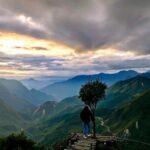
Fog on Fansipan can feel supernatural.
This 2-day Fansipan trek is built for people who want the big summit payoff without wasting time figuring out permits, routes, and logistics. You hike from Tram Ton toward the top with an English-speaking guide, learn about the mountain’s environment and Indigenous tribes, and spend the night in mountain-style accommodation.
I especially like the safety and pace control from a guide who keeps you on track all the way up. I also like the trip’s practical feeding plan: meals and water are included, so you’re not constantly managing supplies while you’re earning those views.
One consideration: the hike is tiring and cold can hit at altitude, especially if weather turns foggy. Dress for it and plan on a real workout, not a stroll.
In This Review
- Key things you’ll care about
- Sapa’s Fansipan in Two Days: What You’re Really Getting
- Your Starting Point: Pickup, Train/Bus Connections, and Meeting at Nomadtrails
- Getting From Sapa to Tram Ton: Day 1’s Setup for the Real Climb
- Learning the Mountain Beyond the Photos: Environment and Indigenous Tribes
- Day 1 Hiking and Overnight Shelter: Meals, Sleeping Bags, and Hut/Tent Stays
- Day 2 Summit Day: Climb to Fansipan and Retrace to Tram Ton
- Cable car reality check
- The People Part: English-Speaking Guide, Calm Pace, and Help When You Need It
- Food, Water, and What’s Included (and What Isn’t)
- Price and Value: Why $136.65 Can Make Sense for Fansipan
- Who This Trek Is Best For (and Who Should Rethink It)
- Book or Skip: My Recommendation
- FAQ
- Is pickup included?
- What time does the tour start?
- What’s included in the cost?
- What is not included?
- Where is the tour meeting point?
- How large is the group?
- Do I need a passport?
- What should I do about dietary needs?
- Is there free cancellation?
Key things you’ll care about
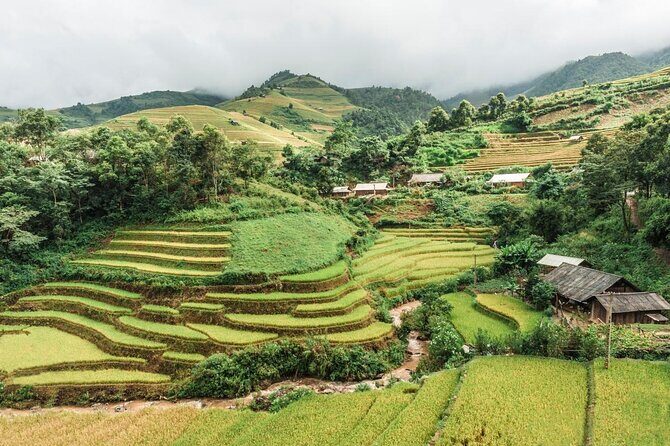
- Guided summit navigation so you’re not wrestling with a route when visibility drops
- Porter support to keep you from hauling unexpected loads on the trail
- All the food basics handled with breakfast, dinner, lunches, and 1.5L water per person per day
- Mountain sleep included with sleeping bags plus hut/tent style accommodation
- Small group size (max 20) for a more manageable experience on the trail
- National park permissions and entry fees covered so the paperwork stays out of your hands
Sapa’s Fansipan in Two Days: What You’re Really Getting
Fansipan sits high enough that it changes the way everything feels. The air gets thinner. The wind matters. And when fog rolls in, the mountain can go from scenic to mystical in minutes. This tour is designed for that reality: you get a guided plan, set meals, and a straightforward route with overnight shelter so you can focus on the experience instead of running errands.
The headline promise is simple: two days to reach the top of Fansipan and come back down. The quieter win is how the trip reduces friction. Instead of planning a solo trek, you join a small group with transport, permissions, an English-speaking guide, and accommodation baked in. That’s what makes it “value” in practice: you spend less energy on logistics and more energy on the hike itself.
At $136.65 per person, it’s not a bargain price—Fansipan trips don’t get cheap because the altitude, permissions, and staffing add up. But considering you’re getting meals, water, guide support, entry/permission fees, and mountain sleeping arrangements, the cost-to-services ratio is solid for a guided 2-day climb.
You can also read our reviews of more hiking tours in Sapa

Your Starting Point: Pickup, Train/Bus Connections, and Meeting at Nomadtrails
This tour is anchored in Sapa and runs with a scheduled start time of 8:30 am. The meeting point is Nomadtrails Boutique Sapa, 15 Tuệ Tĩnh, Sa Pa, Lào Cai.
Transport matters here because Fansipan trekking is time-dependent. You don’t want to lose half a day hunting down the right transfer or timing your arrival to match the route. This experience includes round trip transfers from Sa Pa’s train and bus stations, and you can also get picked up from Lào Cai station or your hotel in Sapa (with breakfast on the move). That reduces the “what if my ride is late” stress.
You’ll also see mobile ticketing listed. In plain terms: it’s one less paper thing to track while you’re figuring out weather, gear, and altitude.
Getting From Sapa to Tram Ton: Day 1’s Setup for the Real Climb
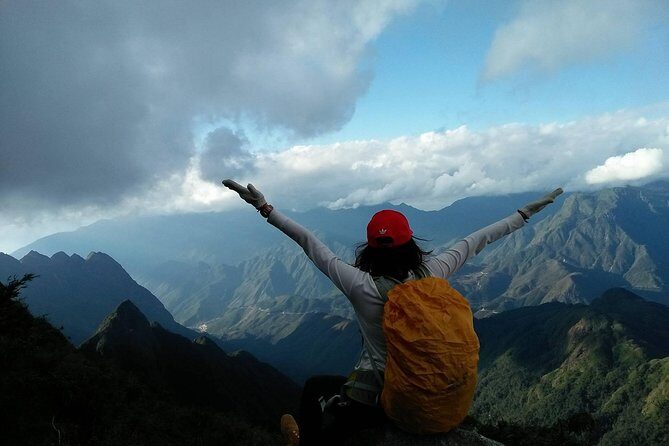
Day 1 starts with pickup and breakfast, then a transfer toward Tram Ton—the launch point for the hiking section. Tram Ton is where your trek begins, and it’s also the place you’ll return to later. That makes the route feel organized: you’re not guessing which way is “down” after a long day.
One smart feature is that the itinerary doesn’t start by dumping you on the trail with zero context. The guide-led approach means you get explanations as you go, and the tour includes an admission ticket (with national park permission and entrance fees covered as part of the trip).
Also, this first day gives you time to settle into the rhythm. The goal isn’t sprinting; it’s getting your body used to the altitude and slope before you chase the summit on Day 2.
What to watch for: Day 1 can still feel like work. Even if you’re not at “summit day” intensity, you’re trekking at elevation. If you’re the type who overestimates how quickly you’ll adapt, pace yourself from the first hours.
Learning the Mountain Beyond the Photos: Environment and Indigenous Tribes
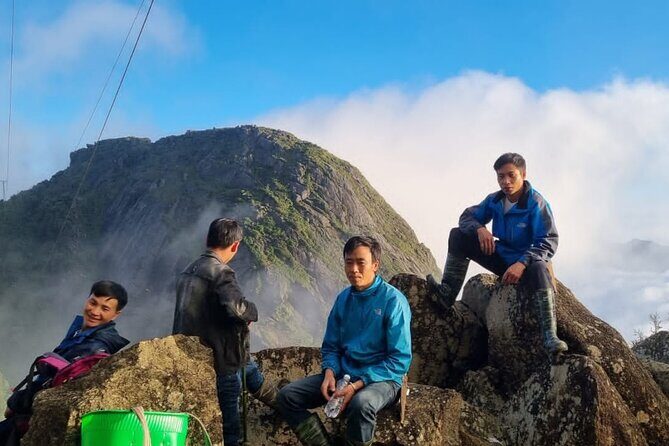
Fansipan isn’t just a scenic hike; it sits within a landscape with living cultures and a protected natural area. This experience builds that into the trip by teaching you about the environment and the Indigenous tribes living on the mountain.
You’ll feel the difference between a tour that only focuses on views and one that adds meaning. When the guide talks about the area, it helps you understand why the rules exist, why the route matters, and why the mountain is treated as more than a photo stop. That turns your time on the trail from endurance into context.
It’s also practical: knowing what you’re walking through makes you more observant. You’ll notice vegetation shifts, weather changes, and how the setting feels different at higher elevations.
Day 1 Hiking and Overnight Shelter: Meals, Sleeping Bags, and Hut/Tent Stays
Day 1 is where the tour’s included comforts become more than fine print. You get dinner, and the accommodation plan includes sleeping bags and hut/tent-style shelter in the mountain area.
Why that matters: at altitude, the cold can sneak up on you fast. Having the sleep setup included means you’re not stuck improvising warmth after a long hike. You’re also not forced to carry extra gear just to make the night survivable.
From a comfort standpoint, one common setup is a shared wooden cabin with separate rooms—exact details can vary by group and conditions, but the overall takeaway is that you’re not sleeping outside with only “good luck” for shelter.
Pro tip for your expectations: this is mountain lodging, not a hotel. You’re paying for access, guide support, and a functional overnight setup that keeps you safe and moving for the summit push.
You can also read our reviews of more tours and experiences in Sapa
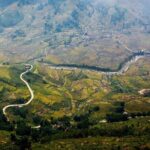
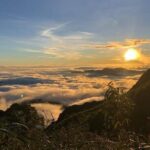
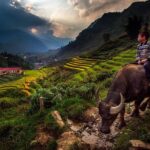
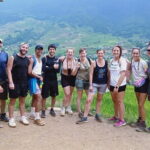
Day 2 Summit Day: Climb to Fansipan and Retrace to Tram Ton
Day 2 is the big one. You climb to the top and then head back down to Tram Ton. The tour emphasizes that the guide accompanies you to the top, which is the key practical difference between hiking with a plan and hiking into fog with guesswork.
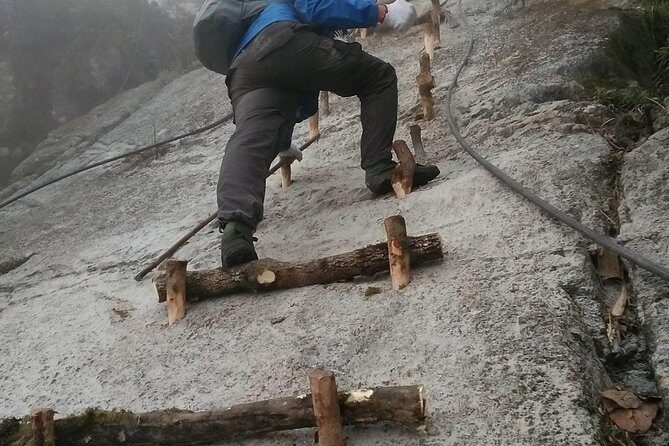
Fansipan’s reputation is partly about height, but the day-to-day experience can hinge on weather. Fog can show up, temperatures can drop, and visibility can shrink. When that happens, “getting lost” stops being a worry about navigation and starts being a stress problem that drains your energy. A guided approach reduces that load.
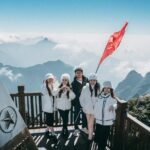
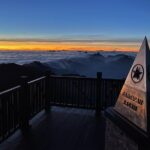
Even better, the summit moment can be unforgettable. One past experience was described as mystical fog at the summit—exactly the kind of scene that makes the whole trek feel unreal in the best way.
Cable car reality check
This tour is built around hiking up and down, and that’s the dependable plan. One practical heads-up: the cable car option people sometimes hope for can be affected by maintenance for stretches of days. So if you’re dreaming of an easy exit, don’t bet your comfort on it. Plan to walk down with the group.
The People Part: English-Speaking Guide, Calm Pace, and Help When You Need It
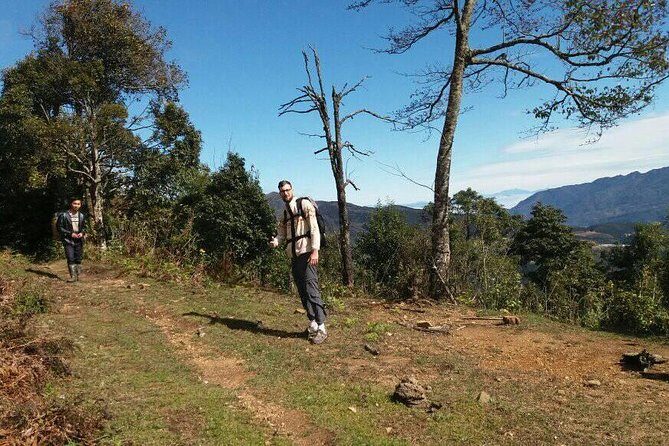
The experience includes an English-speaking guide, and that matters on a route where weather and terrain can change quickly. English isn’t just about conversation—it’s about understanding instructions and safety guidance without barriers.
A detail worth knowing: guides can have different styles. One praised guide had correct English but wasn’t very talkative. That’s not a problem if you’re there for the trail. But if you want lots of explanations, ask questions early so you get what you want.
You may also encounter guides who are especially helpful when someone’s struggling. One highlighted guide named Mr Zi was praised for helping out a lot. That’s the kind of support you appreciate when your body is tired and your confidence dips.
Food, Water, and What’s Included (and What Isn’t)
Here’s the practical breakdown of what you’re not paying for during the hike:
Included:
- Breakfast on Day 1
- Dinner on Day 1
- Two lunches (as listed)
- Water: 1.5L per person per day
- National park permission and entrance fees
- English-speaking guide
- Accommodation with sleeping bags and hut/tent shelter
- Transport to the trekking point and back
Not included:
- VAT
- Personal expenses
- Beverages
- Anything not clearly stated in the title’s inclusion set
What I like about this structure: you get enough water and enough food to keep your energy steady. You’re not forced into constant stop-and-buy loops. That’s important because on a mountain trek, your “small decisions” become big when you’re tired.
If you’re picky about drinks beyond water, bring that mindset with you. Beverages aren’t included, so plan for what you’ll want beyond the provided water.
Price and Value: Why $136.65 Can Make Sense for Fansipan
At $136.65 per person, this tour sits in the “guided convenience” range. You’re paying for staff, permissions, and the overnight set-up—not just a map and a group chat.
To judge value, look at what’s covered:
- guide in English
- admission and park permissions
- food and water
- sleeping arrangements plus sleeping bags
- transport to and from key points
If you tried to assemble that solo, the costs add up fast, especially with permissions and mountain lodging. You’d also spend time solving timing and transfers. This tour trades a bit of independence for reduced hassle and a more dependable timeline.
So the real question isn’t just price. It’s whether you want certainty. If you do, the structure is worth it.
Who This Trek Is Best For (and Who Should Rethink It)
This trek suits most people who are comfortable with a moderate-to-tiring hiking effort over two days and want a guided, well-organized plan.
It’s especially good for:
- couples and small groups (minimum 2 people required)
- first-timers to Fansipan who want help staying on track
- travelers who prefer included meals and overnight shelter
- hikers who don’t want to haul everything themselves (porter support is included)
The minimum age is 18, so it’s not positioned as a family trek for younger kids.
If you’re someone who hates cold weather, or you’re hoping for a casual walk with lots of lounging, this may feel demanding. The altitude and temperature are part of the experience, not a side issue.
Book or Skip: My Recommendation
Book it if you want a guided Fansipan summit that treats logistics as someone else’s job. The included permits, English-speaking guide, meals, and overnight shelter add up to a smoother experience—especially when fog and cold can change the mood of a mountain in minutes.
Skip it if your top priority is total flexibility or you’re traveling light enough that you don’t want any structured plan at all. In that case, a self-arranged route might match your style better, but you’d be taking on the extra planning work this tour removes.
If you do book, go in with one key mindset: this is a real trek. Dress for cold, pace yourself, and let the guide handle the route so you can enjoy the climb instead of managing uncertainty.
FAQ
Is pickup included?
Yes. You can be picked up from Lào Cai station or your hotel in Sapa, and transport also includes round trip transfers from Sa Pa’s train and bus stations.
What time does the tour start?
The start time is 8:30 am.
What’s included in the cost?
The tour includes an English-speaking guide, national park permission and entrance fees, meals (breakfast, dinner, and two lunches), water (1.5L per person per day), accommodation with sleeping bags, transport to the trekking point and back, and admission ticket.
What is not included?
VAT, personal expenses, beverages, and anything not mentioned under inclusions.
Where is the tour meeting point?
It meets at Nomadtrails Boutique Sapa, 15 Tuệ Tĩnh, Sa Pa, Lào Cai, Vietnam.
How large is the group?
The maximum group size is 20 travelers.
Do I need a passport?
Yes. A current valid passport is required on the day of travel.
What should I do about dietary needs?
You should advise any specific dietary requirements at the time of booking.
Is there free cancellation?
Yes. Free cancellation is available up to 24 hours before the experience’s start time for a full refund.