REVIEW · HIKING & TREKKING
Sapa Trekking / Hiking through Sapa Valley with native Hmong
Book on Viator →Bookable on Viator
A real mountain day in Sapa feels like this.
This trek through the Sapa Valley is run by native Hmong family knowledge, not just a walking circuit. You’re moving between villages, rice-growing areas, and forest trails, with your route adjusted to what you care about most.
What I love most is the human scale of the experience and the fact you’re not stuck with a script. A second big plus is the homestay comfort for the style of travel: dinner with the family and a private room setup that includes hot shower and a bathroom.
One consideration: weather can slow things down. Sapa can be cold and cloudy, and if visibility drops, the views and photos won’t be as strong—so pack for chilly conditions even in warmer months.
In This Review
- Key highlights worth planning for
- Sapa Valley, guided by hometown Hmong knowledge
- Where the day starts: Sapa Church and the 8:30 am start
- Day 1: From Y Linh Ho to Lao Chai and onward to Ta Van
- Ta Van homestay: hot shower, private suite, and family food
- Day 2 in Hoang Lien National Park: trails, forests, and waterfalls
- Price and what $110 buys you in real terms
- How to pack and pace for moderate hikes in Sapa
- Who this trek suits best (and who might prefer something else)
- Should you book this Sapa trekking with a Hmong family guide?
- FAQ
- FAQ
- Is pickup available for this Sapa trekking experience?
- Where do we meet, and what time does the trek start?
- How long is the trekking tour?
- Is this a group tour or private?
- What fitness level do I need?
- What happens during the first day?
- What can I expect on the Hoàng Liên National Park day?
- Does the tour depend on weather?
- Can the trek be customized?
Key highlights worth planning for
- Hmong-guided trekking with real village connections (guides such as Sue, and often her family team, are known for knowing people across the valley)
- Ta Van homestay that feels genuinely comfortable with hot shower and a private suite setup
- Flexible route choices for different ages and fitness levels so you can focus on rice fields, bamboo, waterfalls, or just easier walking
- A strong second day inside Hoang Lien National Park with trails, forests, and waterfalls
- Private tour format so your group moves together with the guide instead of blending into a crowd
Sapa Valley, guided by hometown Hmong knowledge
Sapa’s hills can feel a bit like a stage if you only see them from the main roads. This trek works better because you’re walking with people who live there and know the places at eye level.
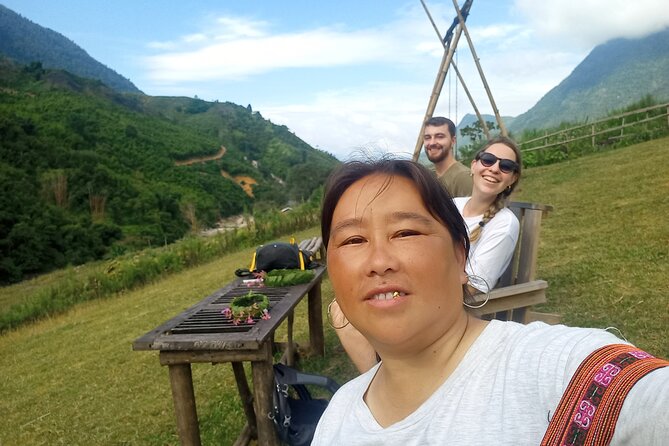
Your guide’s background matters. The trek is led by native Hmong, and the person guiding you shares that they’ve lived in the Sapa Valley for generations. That translates into the kind of details you can’t grab from a viewpoint—things like how families relate to the seasons, how villages connect, and why certain paths are taken when the weather shifts.
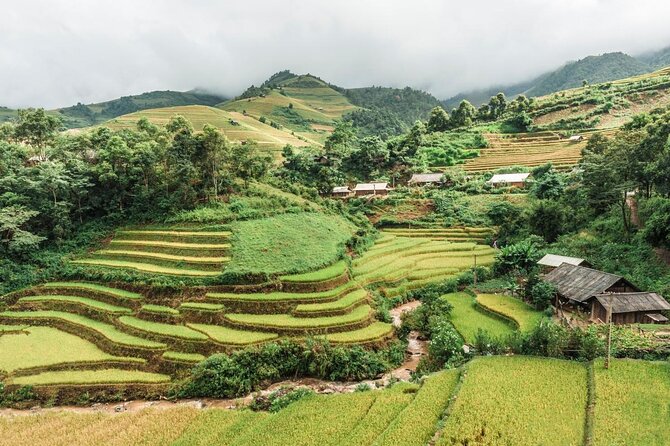
You’re also not limited to one “type” of Sapa. The route can include rice fields, mountain and jungle areas, bamboo forests, and waterfalls. Depending on season and timing, you might even see rice practices up close, including the planting or harvest rhythm with the guide’s own family area.
Where the day starts: Sapa Church and the 8:30 am start
Your meeting point is Sapa Church in Sa Pa (Lào Cai). The start time is 8:30 am, and the activity ends back at the same meeting point.
That early start is practical. In Sapa, morning light often gives you the best chance of clearer skies before cloud cover thickens. It also helps you get your longer walking done while the trails are less slippery (especially after cool nights).
The tour is private, too. Only your group participates, so there’s less waiting around and more time spent actually walking, eating, and asking questions. If you’re the type of traveler who gets annoyed by slow pacing, private format usually fixes that.
Also, pickup is offered. Even if you’re near public transportation, pickup can save you from the small stress of coordinating transit in a town with changing weather and road conditions.
Day 1: From Y Linh Ho to Lao Chai and onward to Ta Van
Day 1 is all about stepping from one village to the next, with breaks that make the walking feel doable rather than punishing.
You begin by meeting in Sapa, then head toward Y Linh Ho village. From there, the walk continues toward Lao Chai, where you’ll stop for lunch.
This middle section matters more than it sounds. Lao Chai is a common stop in Sapa trekking circuits, but what makes your version different is the guide’s ability to shape what you focus on. If you want rice landscapes and village life, you can lean that way. If you’d rather focus on plants, forest edges, and the trail itself, the pace can shift.
After lunch and more hiking, you continue to Ta Van, the guide’s hometown area. The day finishes with activities at home base: dinner with the family and a 1-night homestay.
A quick note on pacing: the tour is designed for moderate physical fitness, and it can be customized to different athletic levels and ages. That doesn’t mean it’s a casual stroll. You should still expect uneven ground, stairs/paths, and a steady effort over hours.
Ta Van homestay: hot shower, private suite, and family food
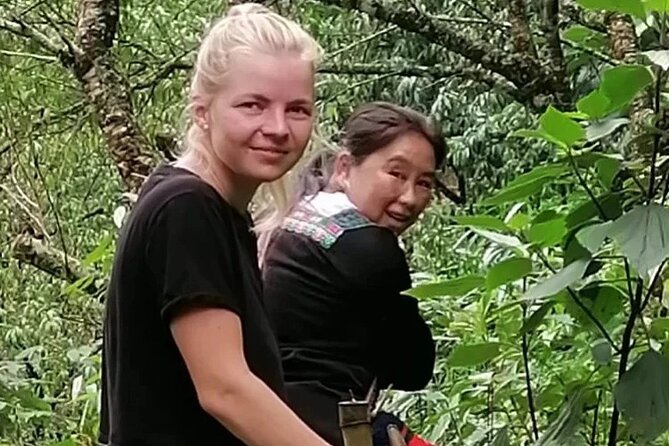
The homestay is one of the most praised parts of this experience, and it’s easy to see why.
You’re not just getting a bed in a shared space. The room setup includes a private suite with a bathroom, a double bed, and a hot shower. That combination is a big deal on multi-day treks in northern Vietnam, where cold nights can make a warm rinse feel like luxury instead of convenience.
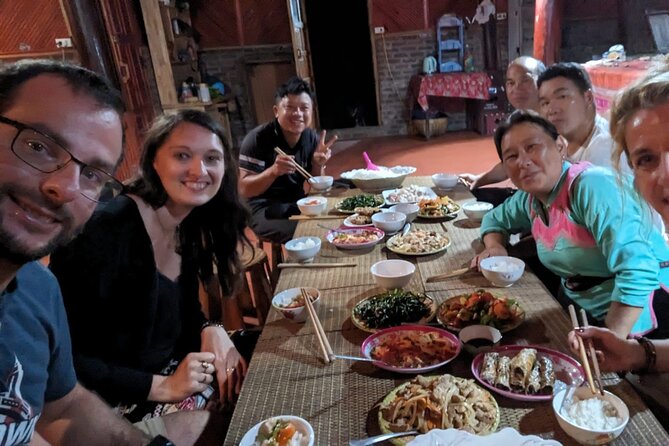
Dinner is provided with the family. This is where you get the real value: conversation time and shared table time. In this kind of homestay setting, the meal becomes more than fuel. It’s when questions get answered casually, and you pick up the “why” behind what you’ve been walking past all day.
From what people report, the family welcome can be genuinely warm and practical—helping you feel comfortable in the routines of the house. Even if you’re traveling as a couple or solo, the format tends to reduce the awkwardness you sometimes get with homestays that feel more like check-in stops.
One more practical point: because this is a private tour, your group’s needs can be handled more easily. You should still confirm preferences with the guide when you book, especially if you have dietary restrictions.
Day 2 in Hoang Lien National Park: trails, forests, and waterfalls
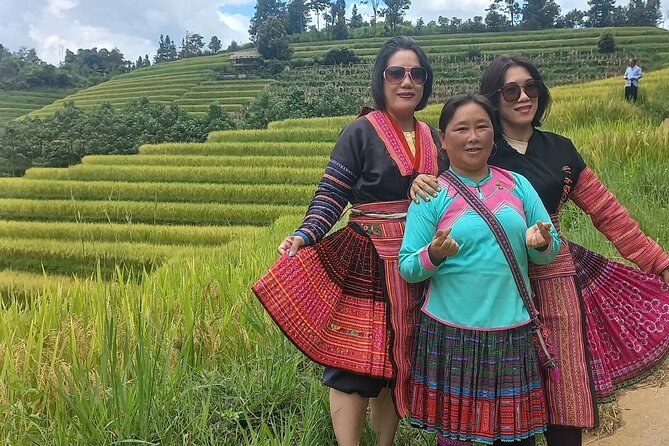
Day 2 shifts from village life into protected nature inside Hoàng Liên National Park.
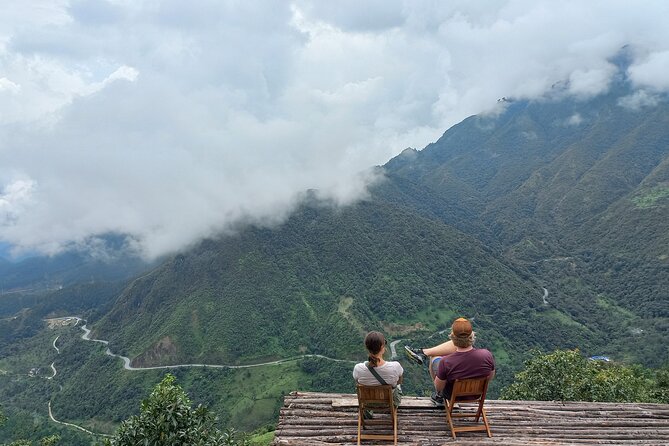
Expect a day of trekking through trails surrounded by forests, plus waterfalls along the route. It’s not just about scenery. This is the part of the trek where you can feel the valley system in motion—how water shapes the paths, how forest edges change with elevation, and how quickly conditions can shift.
People often remember two things from this kind of national park walking: the quiet stretches and the moments when the trail opens up to show distance. If the weather is clear, you’ll likely feel like you’re seeing Sapa at its best. If it’s cloudy, the day can still be wonderful—just more about texture (mist, tree cover, water sounds) than big wide views.
This is also the day when admission ticket is included. That matters because it means you’re not worrying about small extra fees while you’re trying to enjoy the walk.
Keep your layers ready. Even when daytime feels fine, Sapa nights and early morning cool air can hit hard. Cold and cloud cover was a real issue for some travelers in March, and it’s exactly the kind of weather that makes warm clothing and a hat less optional.
Price and what $110 buys you in real terms
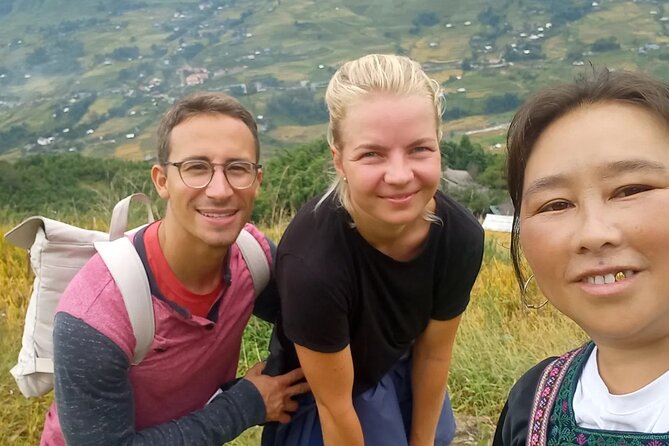
$110 for two days, one night, and guided trekking is not a bargain in the “cheap” sense. It’s a fair price when you count what you’re getting.
You’re paying for:
- Private guiding (only your group)
- A homestay night with a private suite setup and hot shower
- Dinner provided on the homestay night
- A full trek plan that can be adjusted (so you don’t waste time walking the parts you don’t care about)
- A second day that includes walking in Hoàng Liên National Park, with the admission ticket included
In plain terms: if you tried to replicate this yourself—finding the right local homestay, hiring a competent Hmong guide, arranging transport and timing—you’d usually spend more than $110 and still risk a mismatch in comfort and route quality.
The value goes up if you care about more than just photos. If you want rice field context, bamboo forest time, and a real relationship to the villages, the price starts to feel more like a payment for access and understanding.
How to pack and pace for moderate hikes in Sapa
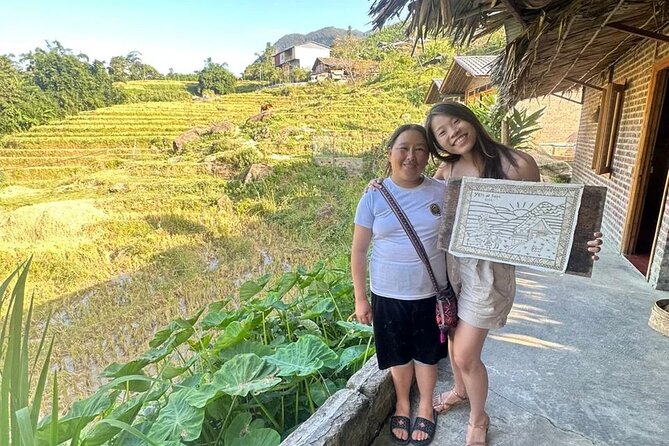
Moderate hiking in Sapa means you should plan like it’s not a flat city walk.
Bring:
- Warm layers (Sapa can be cold and cloudy)
- Rain gear or a waterproof shell (mountain weather moves fast)
- Good walking shoes with grip
- A small daypack for snacks, water, and layers
Your guide can customize for fitness levels, but you’ll still benefit from having comfortable footwear. Bamboo forest sections and trail edges can get slick, and waterfall areas can mean misty air and wet ground.
Pacing tip: treat the homestay dinner as recovery. The trek format is physical, and it’s easy to under-eat because the day feels outdoorsy and scenic. Eat what’s offered. It helps you enjoy Day 2 instead of dragging through it.
Who this trek suits best (and who might prefer something else)
This is a great fit if you:
- Want authentic Hmong culture and daily-life storytelling, not just a short stop
- Like conversation and learning while walking
- Appreciate comfort upgrades like hot shower and a private suite
- Prefer smaller, private group dynamics
It may be less ideal if you:
- Want guaranteed sunny views every day (weather is a real factor)
- Have very limited mobility and need a fully paved route
- Get stressed by cold conditions and don’t pack for it
Solo travelers can be a good match because private guiding reduces the awkwardness of group mixing. Couples also work well here—Ta Van homestay comfort plus conversation time makes it feel like a real getaway, not a schedule marathon.
Should you book this Sapa trekking with a Hmong family guide?
If your goal is to see Sapa through village eyes—rice fields when the timing is right, bamboo forest walking, and a meaningful homestay—then yes, book it. The private format and the homestay setup (hot shower, private suite, dinner with the family) make it feel like you’re paying for both access and comfort.
If you’re traveling during a season known for clouds and cold snaps, don’t cancel just because it might not be perfect. Pack for chilly weather, keep expectations realistic, and focus on the trail textures and village conversations rather than only wide mountain panoramas.
FAQ
FAQ
Is pickup available for this Sapa trekking experience?
Yes. Pickup is offered, and the meeting point is Sapa Church. Your exact pickup details aren’t listed here, so confirm them when you book.
Where do we meet, and what time does the trek start?
You’ll meet at Sapa Church (P. Hàm Rồng, TT. Sa Pa, Sa Pa, Lào Cai 333100, Vietnam). The start time is 8:30 am, and the tour ends back at the same meeting point.
How long is the trekking tour?
It’s about 2 days. The experience includes a 1-night homestay in Ta Van.
Is this a group tour or private?
It’s private. Only your group will participate.
What fitness level do I need?
You should have a moderate physical fitness level.
What happens during the first day?
You meet in Sapa, go toward Y Linh Ho village, trek to Lao Chai where lunch is included, then hike on to Ta Van for dinner with the family and the 1-night homestay.
What can I expect on the Hoàng Liên National Park day?
You’ll trek trails through forests and waterfalls in Hoàng Liên National Park, and the admission ticket is included.
Does the tour depend on weather?
Yes. It requires good weather. If the experience is canceled due to poor weather, you’ll be offered a different date or a full refund.
Can the trek be customized?
Yes. The trek can be customized based on your interests, and it can be adjusted for different ages and athletic abilities.