REVIEW · SAPA
Sapa 2 Days Trek with 1 Night Homestay
Book on Viator →Operated by Asia Travel Legend · Bookable on Viator
Two days in Sapa can change your pace. I like that this is a private trek with a guide who helps you go at your own pace, and I love the way the meals and homestay turn the trip from sightseeing into real daily-life in the villages. You’ll walk through areas like Y Linh Ho, then keep moving into Ta Van and Giang Ta Chai while learning what local life looks like day to day.
One thing to plan for: the weather can be cold and foggy, and that can shift how the trek feels from day to day. The good news is that guides often adjust routes and intensity, so you still come away with a strong cultural experience even when visibility isn’t perfect.
In This Review
- Key things to know before you go
- Why this Sapa 2-day trek with homestay feels more real than a day tour
- Day 1: Y Linh Ho trail time and a night in local homestay life
- Day 2: Ta Van and Giang Ta Chai for a second style of Sapa walking
- What the private setup actually changes (beyond the word private)
- Price and value: why $130.77 can be fair (or not) depending on your priorities
- Meals and homestay comfort: what to expect and how to stay realistic
- Weather, pace, and packing for cold, foggy Sapa days
- Who should book this trek with homestay?
- Quick reality check: what’s included, what’s not, and how the trip ends
- Should you book this Sapa 2-day trek with 1-night homestay?
- FAQ
- How long is the Sapa trek and homestay?
- What villages are included?
- What time does the tour start?
- Is pickup available?
- Is this a private tour?
- What meals are included?
- Is the homestay included for one night?
- Are entrance fees included?
- What is not included in the price?
- What is the cancellation policy?
- Is the tour suitable for most travelers?
Key things to know before you go
- Private guide + go-at-your-own-pace trekking so your day doesn’t feel rushed
- 1 night in a local homestay with meals included, not just a quick stop
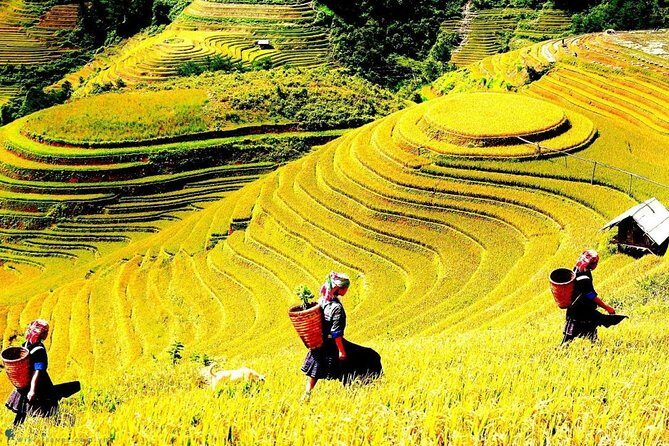
- Village route that goes beyond the main viewpoints, with time to talk and observe
- Y Linh Ho on Day 1, then Ta Van and Giang Ta Chai on Day 2 for variety
- Round-trip transfers and entrance fees included, so fewer logistics headaches
Why this Sapa 2-day trek with homestay feels more real than a day tour
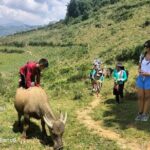
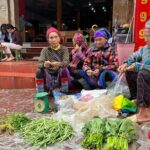
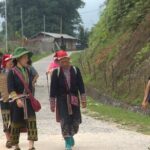
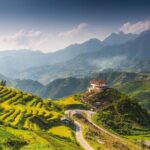
Sapa is famous for views, but the part people remember is usually people. This is built around that idea: you don’t just walk past rice terraces and snap photos. You spend time in villages, eat the food that families actually serve, and sleep in a home-stay setting for one night.
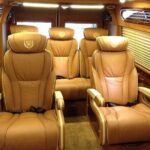
What makes this experience practical is the way the pieces are bundled together. You get a private guide, round-trip transfers, meals, and an overnight homestay. That matters because Sapa can be a little chaotic if you try to wing it—routes, timing, and communication can get messy fast. Here, you show up around 9:00 am, and the day is structured around a trek plus real village time.
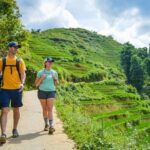
Another strong point: the tour is designed so you can choose intensity. In past guides’ approaches, you can often expect adjustments on the trail—things like asking what pace you want and offering options during the walk. That’s a big deal if you’re doing this with mixed fitness levels or if you want a photo-friendly pace without turning it into a slow crawl.
The homestay component also isn’t just a checkbox. You’re fed, you’re hosted, and you get moments that feel like a family visit instead of a tourist performance. Even when the weather turns gray, the human side of the trip keeps it worthwhile.
You can also read our reviews of more evening experiences in Sapa

Day 1: Y Linh Ho trail time and a night in local homestay life
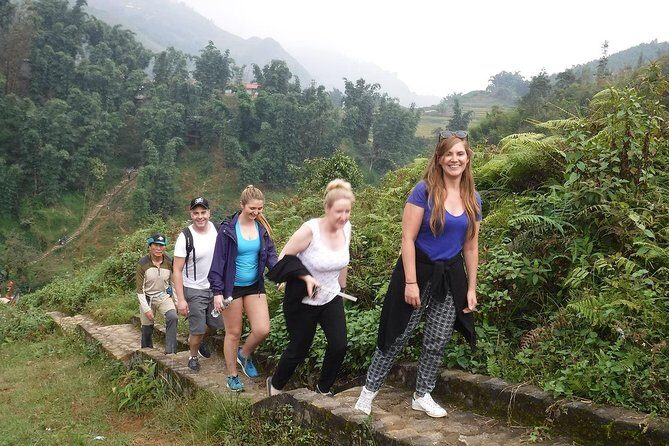
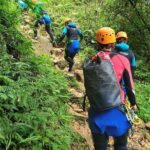
Your first day starts in Sapa, with the day running roughly from 9:00 am to around 3:00 pm (about 8 hours including breaks and travel). The first village focus is Y Linh Ho. This is the day where you set your rhythm: walking, taking in the terrain, and meeting the people who live where the trail passes.
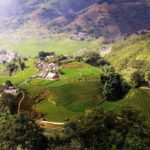
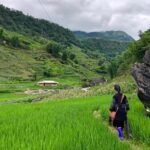
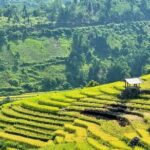
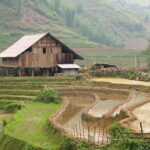
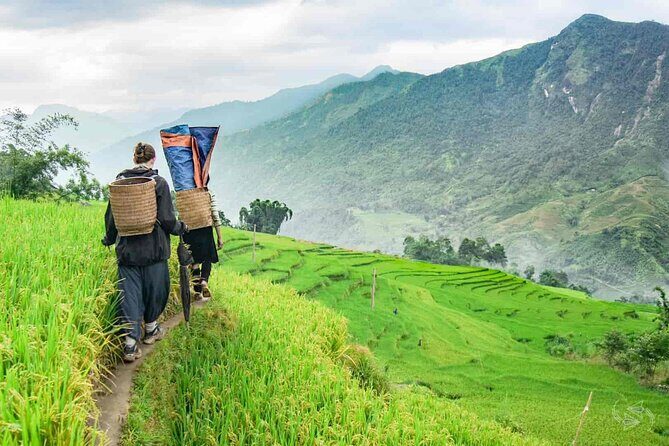
Why Y Linh Ho matters: it’s a starting point that helps you understand Sapa beyond the town. You’re not stuck only at the famous viewpoints. You’re moving through valley and village surroundings, where daily routines shape what you see—pathways, fields, and the way families connect to the land.
Meals on Day 1 are included in a way that keeps you from budgeting and stressing mid-trek:
- 2 lunches
- 1 dinner
- 1 breakfast
- 1 night in the homestay
That meal structure is useful. Trekking days can make you snack constantly, which then messes with your energy for the next segment. Having planned meals means you’re more likely to finish Day 1 feeling steady, not starving and irritable.
A homestay also changes the pace of the evening. Instead of rushing back to town for convenience, you’re in a local setting after the walking. Based on how this trip has been delivered well before, the best nights include time with the host family and simple conversation—things like sharing moments at a guide’s mother house or learning about traditions in plain, everyday terms.
Possible Day 1 drawback: if you come expecting guaranteed clear skies and dramatic visibility, fog and cold can temper the view factor. You still get the walk and the culture, but you might not get the postcard look every hour. If that’s your main goal, consider going with the mindset that the trip is about culture and trail experience, not perfect weather.
Day 2: Ta Van and Giang Ta Chai for a second style of Sapa walking

Day 2 runs about another 8 hours. It builds on Day 1, moving deeper into village life and adding more variety in the route. The key stops include:
- Ta Van Village
- Giang Ta Chai Village
- Su Pan (as part of the route)
- Ending back in Sapa
This second day is valuable because it gives you a sense of how Sapa isn’t one single look. The villages you pass through can feel distinct in daily rhythms and the way people relate to visitors and trekking trails.
You’ll also have a lunch included on Day 2—your fuel for the day’s walking. Like Day 1, the meal inclusion matters because it prevents the most common trek hassle: finding a place to eat that fits your schedule. With food handled, you can keep your focus on the trail and the conversations.
Why Ta Van tends to work for many people: it often feels like a place where you can slow down. When the guide is good at pacing, you get time to observe rather than just pass by. The same goes for Giang Ta Chai. The strongest versions of this route don’t just point out sights—they help you understand what you’re seeing and why it matters to the community.
A practical note for Day 2: because you’re moving toward Sapa at the end, you’ll want comfortable shoes and layers you can manage. Trails in Sapa can be damp even when no one calls it rain. If your clothes are hard to layer, you’ll feel that cold sooner than you want.
What the private setup actually changes (beyond the word private)

“Private tour” can mean a lot of things. Here, it matters because it’s not only about having fewer people around. It’s about how your guide can shape your day.
In prior delivery of this exact style of trek, guides have been praised for adjusting routes to quieter trails and making the experience feel less like a conveyor belt. One example that shows up in feedback: when expectations don’t match the planned path, the guide has taken people off the busier routes to reach less populated trails and a more personal homestay visit.
That kind of flexibility is hard to guarantee in any trekking plan, but it’s a sign of how the best guides operate: they protect the feel of the day even when conditions change.
You also have some control over pace. Instead of being locked into a strict marching time, the guide can ask what intensity you want and then adjust accordingly. That’s especially helpful if you’re traveling with friends who have different walking speeds, or if you’re not used to mountain terrain.
Price and value: why $130.77 can be fair (or not) depending on your priorities
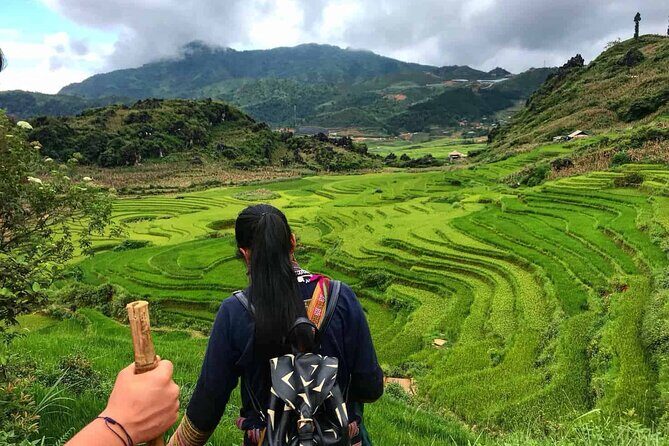
At $130.77 per person for about 2 days / 1 night, this tour sits in the mid-range of what you’ll see for Sapa trekking. The value comes from what’s included, not just the number.
Included essentials:
- Private guide
- Round-trip transfers
- Entrance fee (valley)
- Transportation back to Sapa after the trek
- Homestay (1 night)
- Meals: 2 lunches + dinner + breakfast on Day 1, plus lunch on Day 2
Not included:
- Drinks and beverages
- Private expenses
If your goal is to do a trek plus a homestay without handling logistics, the bundled nature can be worth it. If you already have a solid plan for finding your own route, food, and a homestay, then the price might feel high. But most people don’t want to gamble in a place where weather can change the day quickly.
Also, think about time. This is only two days, and it’s set to start at 9:00 am. If you’re short on vacation days, paying for a guided plan saves you time and stress.
One more value clue: the trip is highly recommended, with 94% recommendation and a 4.8 rating from 16 reviews. That doesn’t mean every day is perfect, but it usually signals consistent guide quality and smoother service.
You can also read our reviews of more hiking tours in Sapa

Meals and homestay comfort: what to expect and how to stay realistic
Meals and homestay stay are included, which is great. But here’s the honest angle: homestays are local, so they’re not going to feel like a hotel. The comfort level can vary by family and by season.
From strong feedback, the best homestays are often described as clean and well organized, and the food can be a real highlight. The most memorable evenings typically involve more than dinner—they include shared moments, conversation, and small cultural explanations.
Your best strategy: go in expecting an authentic family home setting, not luxury. If you keep that mindset, you’re far more likely to feel happy with the experience.
Also, drinks aren’t included. That means you’ll want cash or a plan to buy water and any other beverages you want during the day. Trek days in Sapa can leave you thirsty, even when it’s cool out.
Weather, pace, and packing for cold, foggy Sapa days

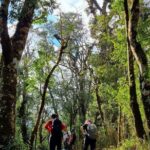
Even in good conditions, Sapa can be chilly. In some past trips using this format, people mentioned fog and cold all the time and still had a good time—mostly because the guide kept things manageable and made the culture part of the day feel meaningful.
So here’s the practical packing logic:
- Layering clothes you can adjust as you climb and then cool down
- Comfortable trekking shoes (not sneakers that you’re afraid to get muddy)
- A warm outer layer for the homestay evening
- Something simple for light rain or mist, since Sapa can be damp
If you’re choosing your pace, remember this: slowing down doesn’t mean stopping. You’ll still want steady movement so your body stays warm. The guide can usually help tune the rhythm to your preferred intensity.
Who should book this trek with homestay?
This tour is a strong fit if you want:
- A private guide
- Real village access, not only a viewpoint hunt
- Meals and homestay included so you’re not solving logistics mid-trip
- A two-day plan that covers multiple village stops: Y Linh Ho, Ta Van, and Giang Ta Chai
It’s also a good option for families and small groups who want shared time with a guide but still want control over pace. Past experiences with different group types have praised the way guides handle conversation and pacing—especially when people want to learn about Hmong tribes and local customs in an approachable way.
If you have very limited mobility, or if you want mostly flat walking, you might find the trekking parts challenging. The tour says most travelers can participate, but it’s still a trek.
Quick reality check: what’s included, what’s not, and how the trip ends
You meet in Sa Pa, Lao Cai, Vietnam, starting around 9:00 am, and the activity ends back at the meeting point.
Transfers are included both ways, and you’ll have a mobile ticket.
You’ll also pay no extra for the listed entrance fee and the stated transportation elements.
What you handle yourself:
- Drinks and beverages
- Any private expenses not listed as included
Should you book this Sapa 2-day trek with 1-night homestay?
Book it if you want Sapa that feels human—village conversations, a homestay evening, and a trek that’s guided and paced to you. The included meals and transfers make it a lower-stress way to do a real cultural trek, and the route variety (Y Linh Ho, Ta Van, Giang Ta Chai, plus Su Pan) gives you more than one side of Sapa.
Skip it or rethink if your only priority is maximum scenic photos in clear weather. Since fog and cold can happen, you should go in expecting the experience to be meaningful even when the sky isn’t perfect.
If you’re the type who likes to ask questions, slow down, and treat the homestay as part of the journey (not an afterthought), you’ll probably love this format.
FAQ
How long is the Sapa trek and homestay?
It’s about 2 days, including 1 night in a local homestay.
What villages are included?
Day 1 centers on Y Linh Ho, and Day 2 includes Ta Van Village and Giang Ta Chai Village, with Su Pan on the route.
What time does the tour start?
Start time is 9:00 am.
Is pickup available?
Yes. Pickup is offered, and round-trip transfers are provided.
Is this a private tour?
Yes. It’s private, meaning only your group participates.
What meals are included?
Meals included are 2 lunches, 1 dinner, and 1 breakfast, plus lunch on Day 2.
Is the homestay included for one night?
Yes, it includes 1 night in a local homestay.
Are entrance fees included?
Yes, an entrance fee is included.
What is not included in the price?
Drinks and beverages, plus any private expenses not mentioned as included.
What is the cancellation policy?
The experience is non-refundable and cannot be changed for any reason. If you cancel, the amount paid will not be refunded.
Is the tour suitable for most travelers?
The tour notes that most travelers can participate.