REVIEW · SAPA
Exploring Fansipan: A 2-Day, 1-Night Trekking Adventure
Book on Viator →Operated by SAIGONESE TREKKING HOUSE · Bookable on Viator
Sunrise on Fansipan feels like a dare. This 2-day, 1-night Sapa trek up Mt. Fansipan is built around one goal: waking up early, climbing for the summit, and then watching the northern Vietnam views open up in the morning light.
I really like the small-group size (max 10 people) and the fact that you’re not just hiking—you’re spending the night on the mountain, with meals handled for you. Still, this is not a casual walk. You should come with strong fitness, because the climb can feel easier at first and then get tougher as you go.
What I like most is practical: transport from Sapa and meals (dinner, breakfast, lunch) are included, so you can focus on walking and sleeping rather than hunting food. The other win is the overnight setup, which means you’re in the right place for sunrise instead of sprinting up and down in a single day.
The main drawback is the physical demand. Even when the plan is manageable, the later sections can feel like work, especially if you’re alone on the trail or your fitness level is lower than you expected.
In This Review
- Key points to know before you go
- Why Mt. Fansipan is worth the effort from Sapa
- Getting moving: pickup, transport, and a 9:00 am start
- Day 1 hiking: following the trail up toward base camp
- Overnight on the mountain: dinner, rest, and the calm before sunrise
- Day 2 sunrise summit: the hard part, then the payoff
- Hike down or take the cable car
- Season and weather: when Fansipan looks best
- Price and value: what $120 actually buys you
- Why the value holds up
- Fitness reality check: who this trek fits
- Who will love this most
- Who should consider another option
- The human side: small-group attention and local support
- Should you book this Fansipan overnight trek?
- FAQ
- FAQ
- How long is the Fansipan trek?
- What time does the tour start in Sapa?
- What’s included in the price?
- Is the cable car included?
- How big is the group?
- What happens if weather is bad?
Key points to know before you go
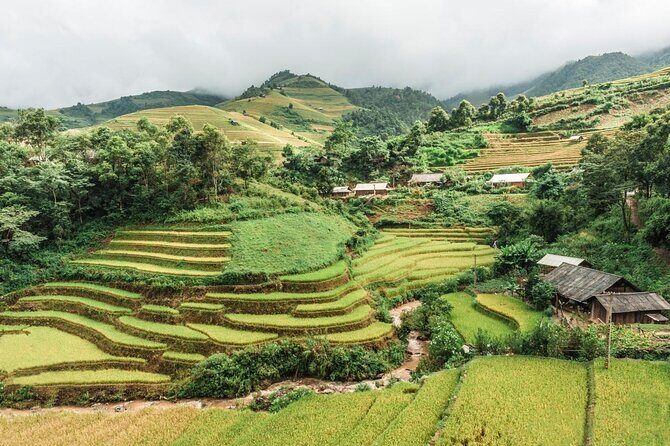
- Overnight stay on the mountain so sunrise isn’t a rushed, last-minute scramble
- Small group (max 10) for better attention and a less chaotic pace
- Meals included: dinner, breakfast, and lunch, plus bottled water
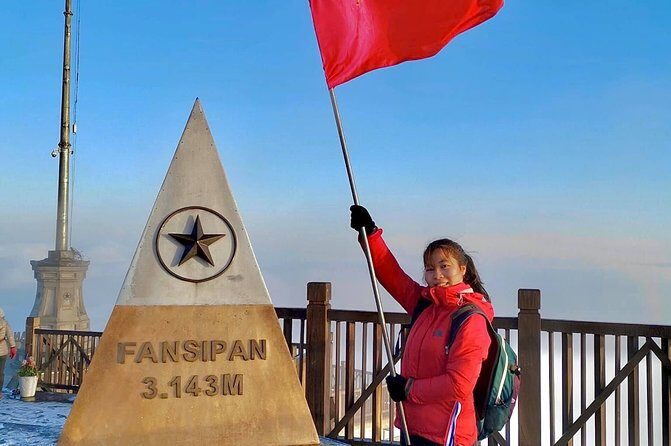
- Sunrise summit focus on the Roof of Indochina (3,143 m)
- Optional cable car return is available but costs extra (and you’ll decide based on your legs)
Why Mt. Fansipan is worth the effort from Sapa
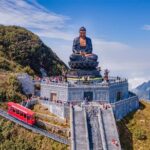
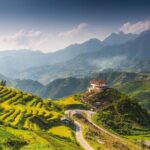
Mt. Fansipan is the highest peak in the region at 3,143 meters, and it’s often called the Roof of Indochina. Starting from Sapa puts you right in the foothills of the Hoàng Liên Sơn mountain range, where the air feels cooler and the weather can change fast.
This trek is interesting because it’s not “hike a bit, take photos, go home.” It’s organized like a real mountain plan: travel out of Sapa, hike during daylight, sleep on the mountain, then do the summit push for sunrise. That overnight component matters. It’s the difference between chasing a view and actually being there when the light turns on.
And yes, you’re also paying for convenience. The price includes transport from Sapa to the trail and back, plus meals. At $120 per person, it’s not cheap, but for a two-day, one-night guided trek with food and transfers, it starts to feel fair—especially when you compare it to piecing everything together yourself in Sapa.
You can also read our reviews of more evening experiences in Sapa
Getting moving: pickup, transport, and a 9:00 am start
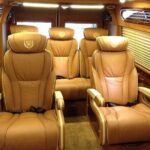
The day begins at a 9:00 am start, which is early enough to keep the hike on schedule but not so early that you’re crawling out of bed in the dark. If your lodging is in Sapa, pickup is offered, so you don’t have to figure out every leg of the route on your own.
You’ll also get a mobile ticket, which is helpful if you’re traveling light. And because the group is small, the logistics feel tighter. No wandering around for your tour name while your guide tries to herd a crowd.
One extra bit that can make your life easier: people connected with SAIGONESE TREKKING HOUSE have been helpful in Sapa with practical support before a trek, including assistance like luggage handling and organizing a way to get to the start. If you want a smoother basecamp-to-hike transition, having a provider that knows Sapa logistics is a real advantage.
Day 1 hiking: following the trail up toward base camp
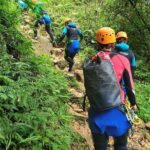
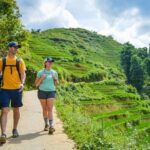
Day 1 is the “get your body warmed up and your mind ready” portion of the trip. You’ll travel from Sapa to the trail area, then begin hiking with your guide.
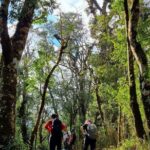
The big thing to expect is that the hike starts feeling manageable and then slowly ramps up. That’s not a marketing line—that’s what makes this trek feel legit. Even hikers who describe the route as doable often say it gets harder the longer you’re on the mountain.
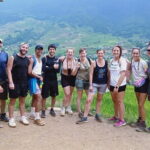
Because the group is capped at 10 people, the guide can adjust the flow. That matters on steep or uneven sections when you want a moment to breathe and regroup instead of feeling swallowed by the pace of a larger group.
What’s included on Day 1: bottled water, plus later you’ll have dinner as part of the overnight plan. You won’t need to worry about where your next meal comes from once you’re on the mountain.
Overnight on the mountain: dinner, rest, and the calm before sunrise
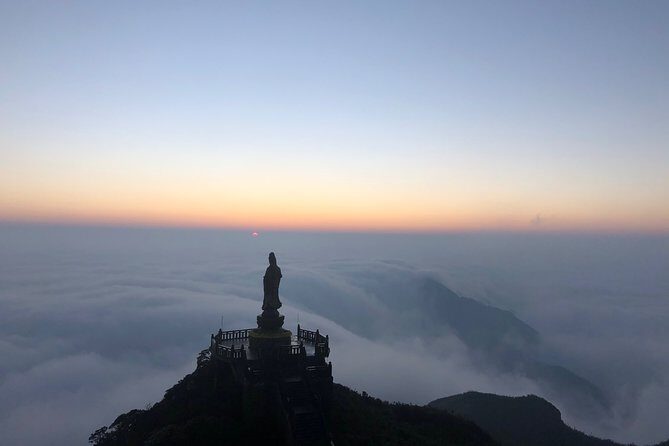
The overnight is the star of the show. You’ll spend the night on the mountain, not back in town. That means your morning is simpler: you wake up close to where you need to be, instead of doing a long drive and hoping the timing lines up.
Dinner is included, and the food is described as basic but satisfying. On a trek like this, that’s exactly what you want. You need calories, not a culinary challenge. One of the nice details from experience on the mountain is the energy boost that a good meal at base camp can give you, especially if you’re feeling the climb more in your legs than in your ego.
There’s also a social side to base camp. People have shared that you can buy drinks such as beer there and relax with other hikers. That’s a small thing, but it turns the overnight into more than just “sleep and go.” It becomes a real mountain moment, where you can chat and calm your nerves before the summit push.
Practical note: the night is a mountain night. It can feel cool, and you’ll want to treat sleeping like part of the plan. If you’re the type who needs perfect conditions to rest, bring the mindset that sunrise is coming and you just need enough rest to function.
Day 2 sunrise summit: the hard part, then the payoff

Wake-up early is part of the deal because sunrise from the summit is the point. The route to the top is the big physical test: steady climbing with the kind of effort that forces you to slow down and stop thinking about your phone.
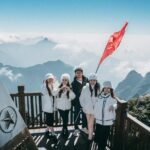
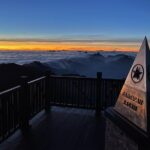
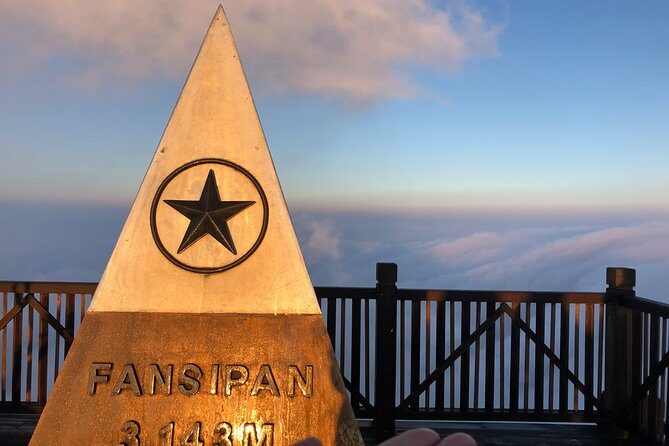
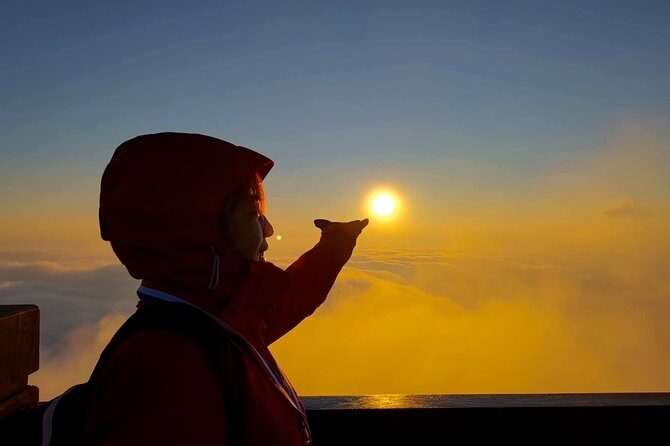
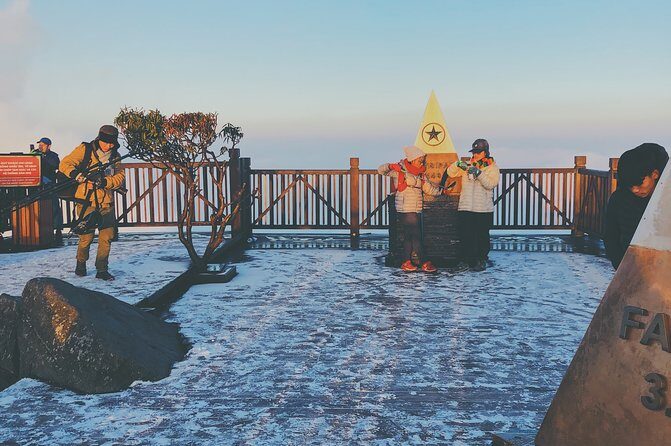
Once you reach the summit, you’re rewarded with sweeping views over northern Vietnam and sometimes the southern China direction. The height—3,143 meters—is no joke, and the air at the top makes everything feel sharper: sightlines, contrast, and that sense of being above the world.
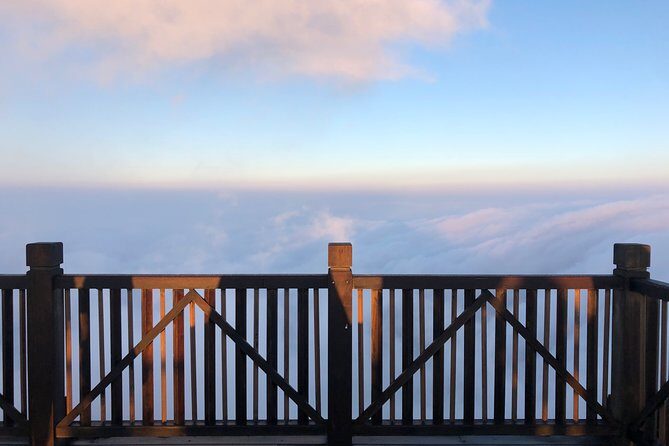
If you’re lucky with weather, you might see cloud seas. One person described it as a fantastical scene looking down at layers of clouds. Even if the conditions aren’t perfect, the summit still gives you that “we really did it” feeling.
You can also read our reviews of more hiking tours in Sapa
Hike down or take the cable car
After sunrise, you hike back down. You also have an option to return via the cable car for your own expense. This is one of those choices that depends on you:
- If you want the full trek experience, hike down and keep your day rolling.
- If your knees are already complaining or you’re tired from the summit climb, the cable car can save your body.
There’s no shame in choosing comfort after you’ve earned it.
Season and weather: when Fansipan looks best
Fansipan’s appeal changes with the season, mainly because the mountain and surrounding areas shift in color and atmosphere.
- Spring (Feb–Apr): blooming blossoms can make the trails feel more alive, with cooler air and floral scents.
- Summer (May–Jul): rhododendrons, ancient roses, and hydrangeas show up, and the mountain grows more lush.
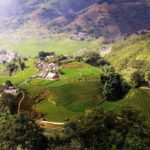
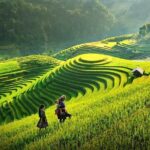
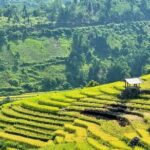
- Autumn (Aug–Oct): surrounding rice terraces turn golden. That’s a big visual shift compared with the cooler months.
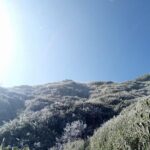
- Winter (Nov–Jan): clouds can cover the peak at times, which can be beautiful but also makes visibility a gamble.
One clear planning point: this experience requires good weather. If the trip is canceled due to poor weather, you’ll be offered another date or a full refund. That flexibility matters when you’re traveling with limited days in northern Vietnam.
Price and value: what $120 actually buys you
At $120 per person, this trek is priced for people who want a guided overnight experience without doing logistics from scratch.
Here’s what’s included:
- Breakfast, lunch, dinner
- Bottled water
- All fees and taxes
- Transport from Sapa to the trail and return
- Pickup offered
- Small-group experience (max 10 people)
- Mobile ticket
And what’s not included:
- Optional return via cable car (your expense)
- Tips
Why the value holds up
If you tried to DIY this, you’d spend time coordinating transport, finding overnight arrangements, and lining up a guide you can trust. You might end up paying similar money anyway, but with more stress.
The overnight plan also has hidden value: it’s the part that gives you sunrise access. If sunrise is your priority (and it usually is on Fansipan), paying for the overnight structure makes sense.
Fitness reality check: who this trek fits
The tour recommends a strong physical fitness level. In real life, that means you should feel comfortable with:
- walking uphill for extended periods,
- coping with uneven terrain,
- and doing a second day that starts early.
The key detail from experience is that the trek can start easy and then grow steadily harder. That’s why I think it’s best for hikers who can keep a steady pace and don’t panic when effort increases.
Who will love this most
You’ll likely enjoy it if you want:
- sunrise views that require being there overnight,
- a guided route with small-group attention,
- and an organized plan where meals and transfers are taken care of.
Who should consider another option
If you want a flat, low-effort walk, this isn’t it. And if you’re unsure about your endurance, you might find it helpful to build confidence with easier hikes around Sapa first.
The human side: small-group attention and local support
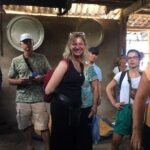
Small group size is more than a number. With 10 people max, the guide can help you with pacing and keep the group together without turning every stop into a negotiation.
In Sapa, practical support can also make a difference. One experience highlighted that SAIGONESE TREKKING HOUSE’s associated homestay support can help with things like assistance before the trek (logistics, transportation help), plus recommendations for food and massage after the hike. That last part matters more than people think. Your legs will want a recovery plan.
And if you’re the type who likes clear communication, you’ll probably appreciate the way the organizers handle luggage storage and pickup coordination in Sapa.
Should you book this Fansipan overnight trek?
I’d book it if you want sunrise from the top, and you’re willing to put in real effort for it. This trek is built for people who like mountain days—walking, sleeping out of town comfort zones, and earning views.
I’d hesitate if you:
- know you struggle with steep hikes,
- hate early mornings,
- or you don’t like the idea of weather uncertainty.
Here’s my quick decision shortcut: if sunrise is the reason you came to Sapa, an overnight plan is the right approach. If you only want a “taste” of Fansipan without the summit push, you might prefer something lighter.
FAQ
FAQ
How long is the Fansipan trek?
The experience runs for about 2 days, including an overnight on the mountain.
What time does the tour start in Sapa?
The start time is 9:00 am.
What’s included in the price?
The price includes breakfast, lunch, dinner, bottled water, all fees and taxes, and transport from Sapa to the trail and back.
Is the cable car included?
No. Return via the cable car is optional and not included in the price.
How big is the group?
The maximum group size is 10 people.
What happens if weather is bad?
This experience requires good weather. If it’s canceled due to poor weather, you’ll be offered a different date or a full refund.