REVIEW · SAPA
Sapa 2 Day Trekking with 1 Night Homestay
Book on Viator →Operated by Asia Travel Legend · Bookable on Viator
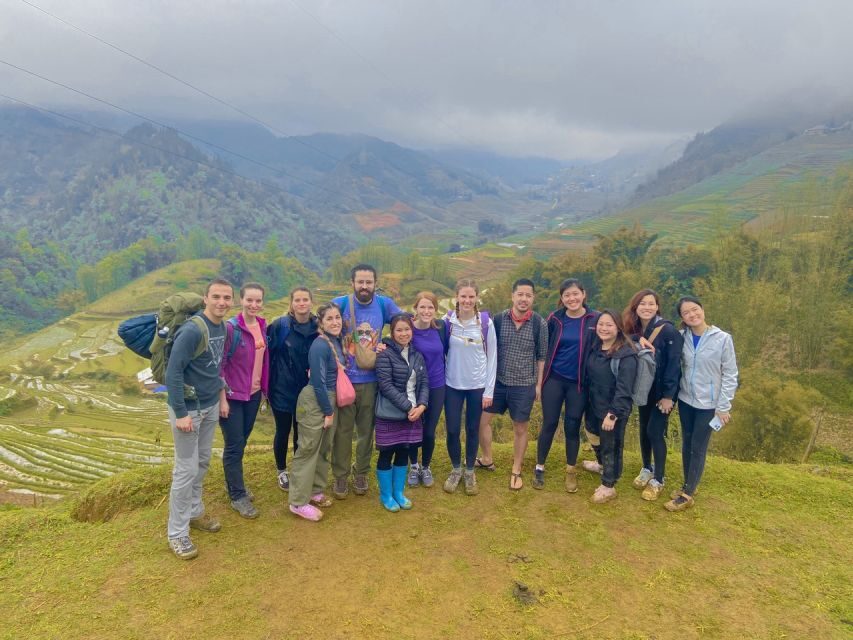
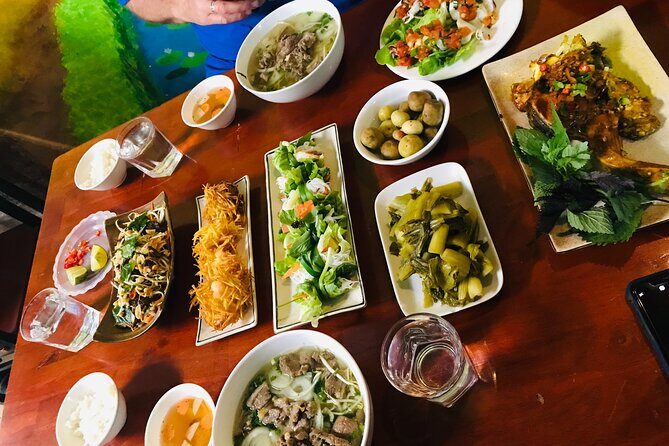
Rice paddies and village steps in two days. This Sapa trek is built to get you out of town early, then keep you walking through real farming country with a local guide, finishing with an overnight homestay experience. You eat well along the way too: homemade meals across small villages, plus a full dinner and breakfast to reset you for day two.
Two things I really like: you get guided time in places such as Ta Van and Y Linh Ho, so you’re not just looking at views—you’re learning how people farm and live on these slopes. And the homestay night is part of the experience, not an afterthought, with the kind of practical comfort you appreciate after a long walk (think luggage storage and the chance to shower at the end).
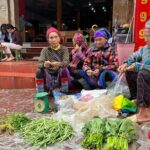
One drawback to consider: the trek can be busy in spots, and you may notice a more tourist-style feel at certain junctures, including people who approach to sell souvenirs as you pass. That doesn’t ruin the day, but it’s good to know what kind of “walking with company” you might get.
In This Review
- Key things I’d plan around
- Why Ta Van and Y Linh Ho Make This Trek Feel Real
- Day 1: Sapa to Ta Van, the Long Walk With Real Village Stops
- Homestay Night in Ta Van: Food, People, and Practical Comfort
- Day 2: Giang Ta Chai to Su Pan, a Shorter Trek With Momentum
- How Hard Is This Trek? Pace, Weather, and What to Pack
- Guide Quality Is the Whole Point (And It Really Shows)
- Price and Value: Is $119.88 a Good Deal?
- Who This Trek Fits Best (And Who Might Want Another Option)
- Should You Book This Sapa Trek With 1 Night Homestay?
- FAQ
- What time does the trek start?
- How long is the Sapa 2-day trekking experience?
- Does it include meals?
- Is the homestay included for one night?
- Is there an entrance fee included?
- Does the price include transportation back to Sapa?
- Are drinks included?
- Is this a private tour?
- Is it refundable if plans change?
Key things I’d plan around
- Two days, one homestay night, finished back in Sapa: you start around 9:00am and wrap up the next afternoon.
- Village route that includes Ta Van, Y Linh Ho, and Lao Chai: you’ll see how daily life connects to rice fields.
- Food is baked into the day: 2 lunches, 1 dinner, and breakfast are included, so you’re not hunting for meals mid-trek.
- Guides drive the quality: named guides like Chi, Khu, May, Ker, Chai, Lily, and Zo show up in feedback for a reason—their explanations matter.
- Practical comfort at the end of walking days: luggage storage and the chance to rinse off are called out as a big plus.
Why Ta Van and Y Linh Ho Make This Trek Feel Real
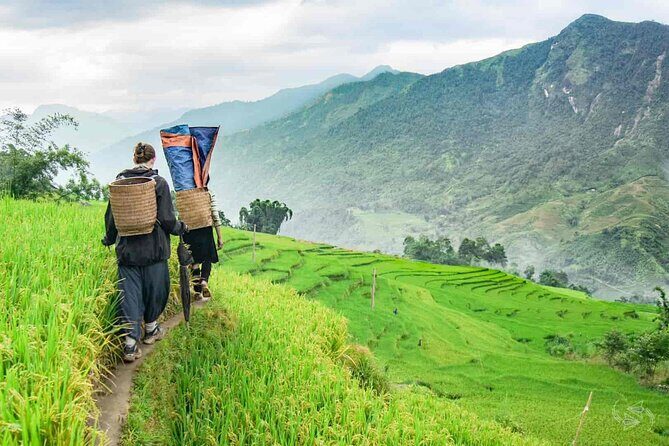
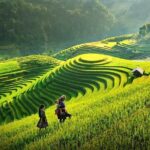
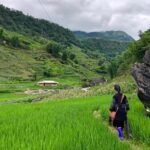
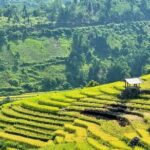
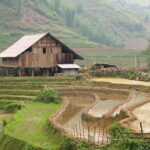
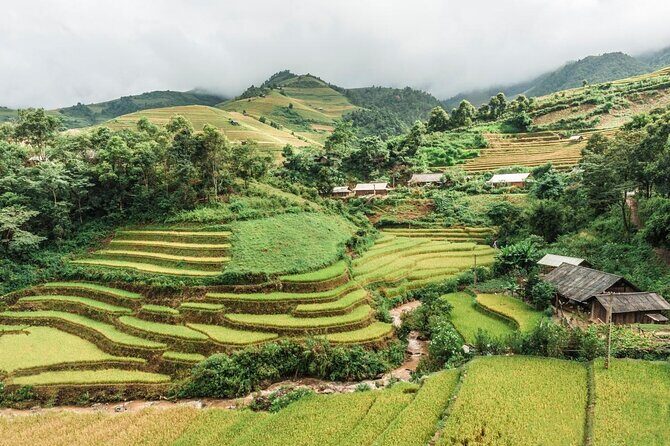
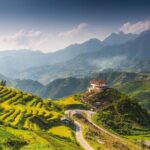
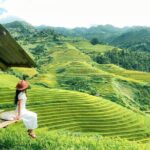
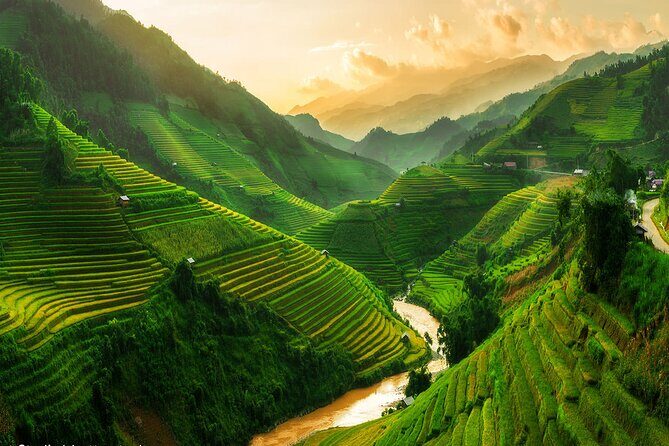
The magic here isn’t one single viewpoint. It’s the way the route strings together several villages that share the same mountainous reality: steep paths, terraced rice, and weather that changes fast.
Ta Van is the anchor. It’s where you slow down for your homestay night, which means you get more than a quick stop and a photo. You get time to experience village life as a guest rather than a passing tourist.
Y Linh Ho and nearby areas are the daytime connectors. This is where the trek earns its keep: you walk through farming scenes and small hamlets, and your guide helps you connect what you see—rice cultivation, daily routines, and the pace of life—to the people who make it happen.
You can also read our reviews of more evening experiences in Sapa
Day 1: Sapa to Ta Van, the Long Walk With Real Village Stops
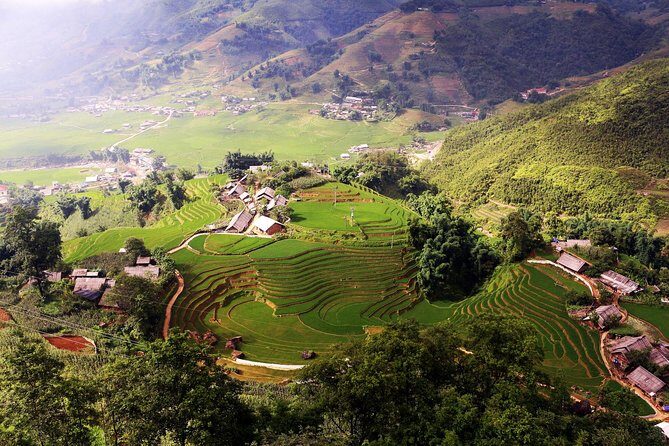
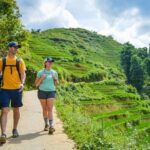
Day one starts early, with a start time of 9:00am and a finish around 3:00pm in the Ta Van area. Plan for a full day on foot, not a casual stroll. Even if you’re in decent shape, the climbs and descents add up because you’re moving along hillside paths, not flat paths.
You’ll head from Sapa toward Y Linh Ho, which is one of the key cultural stops on this kind of Sapa trekking route. You’re not just there to say you visited. You’re there so your guide can explain farming practices and what day-to-day work looks like on these terraces.
Then comes the Lao Chai lunch break. This is the kind of stop that makes the trek feel organized rather than exhausting. You get lunch included (one of the two lunches for the full package), and it gives you a proper reset before continuing toward Ta Van.
The day ends back in the Ta Van village area with your homestay night. This matters because you’re not rushing away right after lunch or after a short village visit. You actually have time for the evening portion of village life, which is often where a trek turns memorable.
Homestay Night in Ta Van: Food, People, and Practical Comfort
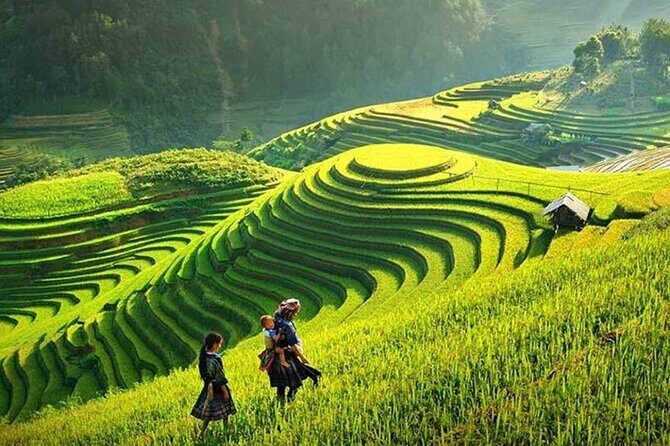
Your homestay is the core reason this trek feels different from a standard day hike. The tour is set up so that your overnight stay connects to the meals you’re served throughout the trip, including dinner that’s included as part of the package.
This is also where the small practical details matter. In feedback, luggage storage and the option to shower at the end of the walking day are mentioned as genuinely valuable. After hours on trails, being able to freshen up is not a luxury—it’s what helps you enjoy the evening.
The best part of a homestay is that you’re not stuck in a tourist environment. You’re in a home setting where you can see how people structure their day around the land. Even if you don’t speak the language, you’ll understand a lot from watching routines and listening to your guide’s explanations.
Dinner and breakfast are included, so you’re not trying to solve food logistics late in the day. And because your meals are part of the trek plan, the homestay night doesn’t feel like a waiting room between walking segments.
Day 2: Giang Ta Chai to Su Pan, a Shorter Trek With Momentum
Day two is shorter—about 4 hours of walking—so it has more of a finish-line energy. You start from Ta Van, then move toward Giang Ta Chai for lunch, and continue on toward Su Pan before returning to Sapa.
Giang Ta Chai is where the trek keeps paying off. This is another village stop that helps you understand how these communities connect through footpaths, farming, and seasonal work. Lunch is included here, which keeps you from losing momentum to the usual midday problem: finding a reliable meal while you’re still in trek mode.
Su Pan is a final walking stretch that adds one more taste of hillside village scenery. After that, you head back to Sapa. The tour package is designed so that you’re not left to figure out transport after a tiring walk.
How Hard Is This Trek? Pace, Weather, and What to Pack
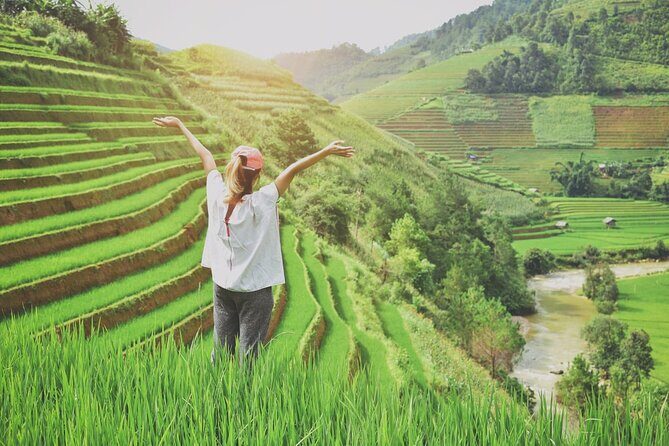
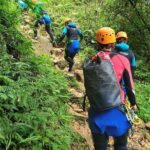
This is an active trek. Feedback highlights tough tracks and a demanding feel, so don’t expect it to be a light “see the countryside” stroll. The paths can be steep, and you’ll be walking long enough that your legs will notice.
Weather matters in Sapa. Trails can be slippery if it rains, and in general you should assume the trek could be wet at times. Bring rain protection so you’re not fighting the elements. Even if you’re okay in bad weather, waterlogged shoes can turn a good hike into a miserable one.
One practical thing to plan around: drinks are not included. Water needs are basic, but the trek duration and time in villages can make it easy to run low. You’ll want to bring your own water or buy drinks separately if you find them along the way.
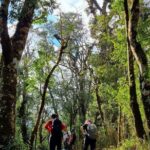
Shoes matter too. If you’ve only packed city sneakers, you might regret it by day two. Choose footwear with grip and comfort, since you’ll be stepping on uneven ground and hillside paths.
And yes, you’ll likely want a small daypack. It’s the simplest way to keep your rain layer, water, and quick snacks accessible without juggling things.
You can also read our reviews of more hiking tours in Sapa

Guide Quality Is the Whole Point (And It Really Shows)
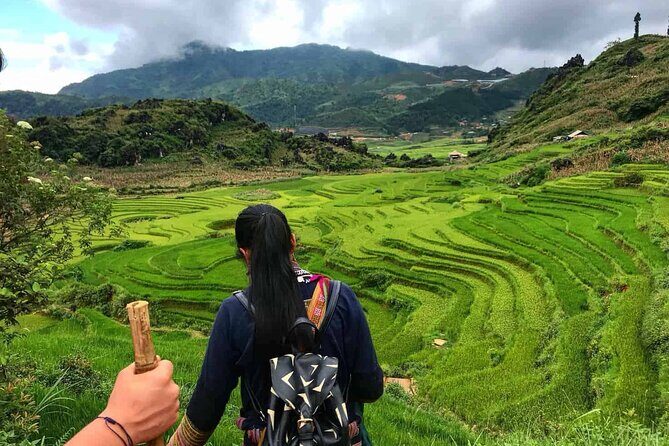
This tour rises or falls on your guide, and the names in feedback make that clear. Guides like Chi, Khu, May, Ker, Chai, Lily, and Zo are repeatedly described as friendly, informative, and able to explain farming practices and village life in a way that clicks.
When the guide is strong, the trek stops being just scenery and becomes context. You start recognizing what you’re seeing: how people manage rice fields, what daily labor looks like, and how communities tie into the hills.
Communication with the main office also comes up as a strength. One example mentioned a last-minute medical issue and the guide was able to help adjust things. That’s not a guarantee, but it’s a sign the operation takes changes seriously when they happen.
Finally, a guide helps you handle the social side of village walking. Even when the route gets more touristy and you see people approaching to sell souvenirs, you’re not left to deal with it alone. Your guide can set expectations and keep the focus on the walk.
Price and Value: Is $119.88 a Good Deal?
At $119.88 per person for roughly two days, this trek looks expensive on paper until you break down what’s actually included. You’re paying for a guide, a homestay night, entrance fees tied to the valley, transportation to and from town, and all your core meals.
The included food alone is a big part of the value: 2 lunches, 1 dinner, and breakfast. That matters because food costs can add up quickly in tourist pockets, and mid-trek meals are usually hard to manage without an organized plan.
You’re also not paying extra for the logistics of getting back to Sapa after hiking. Transportation is included, and that removes one of the annoying end-of-trek problems: being exhausted and then having to negotiate rides when you just want to shower and eat.
The one thing not included is drinks. So your total day-to-day spend is mostly meals and snacks beyond what’s included, plus any personal shopping.
If you want an active trek with a real overnight component and guided context, this price starts to make sense. If you only want a short photo stop and a light walk, it may feel like more cost than you need.
Who This Trek Fits Best (And Who Might Want Another Option)
This works well for people who want structure and local storytelling. If you like walking routes that include village stops such as Ta Van and Y Linh Ho, and you enjoy learning how farming shapes life here, you’ll probably feel happy with this plan.
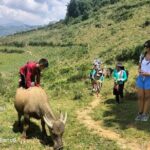
It also can work for families, including kids. Feedback includes a family trek with children and the itinerary being adjusted when a child was sick that morning. If you’re traveling with kids, you’ll still want to be realistic: it’s a trek, and you’ll be walking enough that they need breaks and patience.
If you’re extremely sensitive to crowds or to souvenir sales while hiking, read this as a caution sign. One report called out a more touristy feel where many tourists follow similar paths and villagers may walk alongside to offer items. That’s not unusual in popular trekking areas, but it’s worth knowing before you go.
And if you’re looking for a totally wild, off-the-grid experience with zero human contact, this tour probably won’t match that fantasy. It’s a village trek, which means people are part of the story, every day.
Should You Book This Sapa Trek With 1 Night Homestay?
Book it if you want a guided two-day walking plan with real village visits, included meals, and an overnight homestay that gives you more than a quick taste of Sapa. The guide quality is a strong selling point here, and the structure around food and transport helps you enjoy the trek instead of managing logistics.
Skip it (or choose another style of trek) if you want a very quiet route with minimal sales pressure, or if you’re not comfortable with steep, longer walking. This isn’t a sit-and-watch outing.
My practical decision rule: if you can handle a hard day on uneven hillside paths and you’re okay with village interaction along the way, this is a strong value way to see Sapa like people actually live it.
FAQ
What time does the trek start?
The start time is 9:00am.
How long is the Sapa 2-day trekking experience?
It’s about 2 days, with day one running roughly from 9:00am to about 3:00pm, and day two being shorter.
Does it include meals?
Yes. You get 2 lunches, 1 dinner, and 1 breakfast included.
Is the homestay included for one night?
Yes. The package includes an overnight stay in a homestay.
Is there an entrance fee included?
Yes. The valley entrance fee is included.
Does the price include transportation back to Sapa?
Yes. Pickup and drop-off are included, and you’re transported back to Sapa Town after your trek.
Are drinks included?
No. Drinks are not included.
Is this a private tour?
Yes. It’s private, so only your group participates.
Is it refundable if plans change?
No. The experience is non-refundable and cannot be changed for any reason.