REVIEW · HANOI
Luxury Bus Hanoi to Sapa & Sapa to Hanoi – All Inclusive
Book on Viator →Operated by BCFamilyTour.com · Bookable on Viator
That Hanoi to Sapa road can be a long one.
What makes this transfer interesting is the way it turns a 350 km ride into a comfort-first experience, with options ranging from private cabin to sleeper-style beds and easy communication by WhatsApp. Two things I really like are the built-in comfort touches (blankets, pillows, and power/charging support) and the practical hotel-to-hotel style pickup and drop-off from central meeting points. One drawback to keep in mind: legroom and “luxury” can vary by the class you choose, so you’ll want to pick the right option for your body and comfort level.
This is an all-in-one Hanoi ⇄ Sapa bus idea with multiple seating styles, a limited max group size, and the kind of routine that helps you relax—assigned-ish comfort, a couple of planned restroom stops, and a direct ride via the expressway down toward Lao Cai and up into the Sapa mountains. You can also add optional extras like the Fansipan cable car and/or lunch, which is handy if you want to stack your mountain time rather than piecing together transport on arrival.
If you go in expecting a smooth, comfortable transfer more than a sightseeing tour, you’re likely to be happy. I also like that communication is set up for real life—WhatsApp support and a mobile ticket—because the biggest travel headache on this route is often coordination, not the distance.
In This Review
- Key Highlights to Know Before You Ride
- A 350 km Ride You Can Actually Tolerate
- Picking the Right Class: Private Cabin, Limousine, or Sleeping Bed
- Luxury Private Cabin
- Luxury Limousine Bus
- Sleeping Bed (Individual Bed Style)
- From Pickup to Sapa: How the Ride Typically Flows
- Rest Stops: Two Planned Breaks
- Timing Reality Check
- Comfort on Board: The Small Stuff That Makes a Difference
- Charging and Power
- Blankets, Pillows, and Quiet Setup
- Water and Basic Amenities
- Comfort That May Depend on Your Class
- Optional Fansipan Cable Car and Lunch: Worth Adding?
- Where This Bus Excels for Real People
- Price and Value: Is It Worth $17.90?
- Things to Watch: Legroom, Stop Food, and Timing
- Legroom can be class- and body-dependent
- Food at stopovers isn’t guaranteed
- Build in buffer time
- Real-life communication helps a lot
- Should You Book This Hanoi to Sapa Luxury Bus?
- FAQ
- What bus classes are available from Hanoi to Sapa?
- Is pickup and drop-off included?
- How long does the ride take?
- Are there restroom stops during the trip?
- Can I add the Fansipan cable car or lunch?
- How many people are on the bus?
Key Highlights to Know Before You Ride
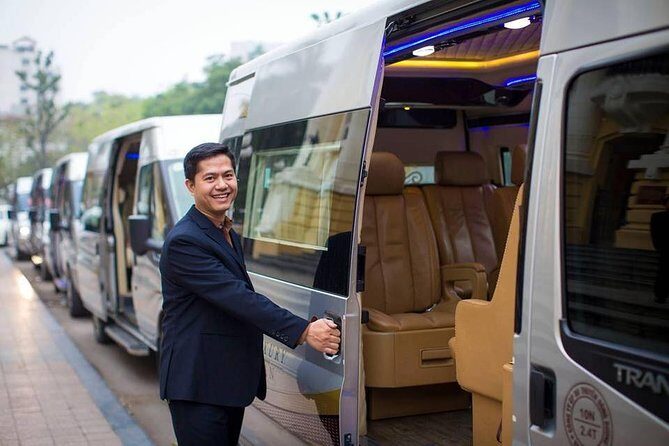
- Private cabin options with curtains and personal entertainment make this feel less like a cattle-car transfer.
- Multiple service classes let you match comfort vs price instead of forcing one setup.
- Central pickup and drop-off helps you avoid extra taxis at both ends.
- Two restroom stops on the highway keep the ride manageable, but food choices can be limited.
- Optional Fansipan cable car and/or lunch can save you time once you reach Sapa.
- WhatsApp communication means you’re not guessing where to meet the driver.
A 350 km Ride You Can Actually Tolerate
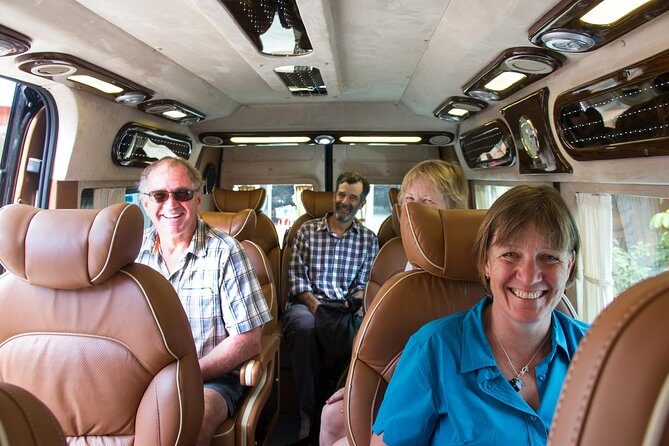
Hanoi to Sapa is one of Vietnam’s classic road trips, but it’s still a lot of hours in transit. This bus service targets exactly that pain point: taking the same long route and making it feel calmer through comfort and organization.
The journey runs roughly 5 to 6.9 hours depending on traffic and timing, and the route is the Lao Cai Expressway. In real terms, this means you’re planning a half-day chunk where comfort matters more than sightseeing. Your goal is to arrive in Sapa feeling human enough to enjoy the views, not wiped out and hungry with nowhere to recharge.
This is also a good fit for people who don’t want to negotiate rides, find ticket counters, or line up with strangers for a chaotic departure. The service includes pickup and drop-off from meeting points in Hanoi and Sapa, and also covers areas like Hoa Binh, Phu Tho, and Lao Cai depending on what’s offered for your route.
You can also read our reviews of more tours and experiences in Hanoi


Picking the Right Class: Private Cabin, Limousine, or Sleeping Bed
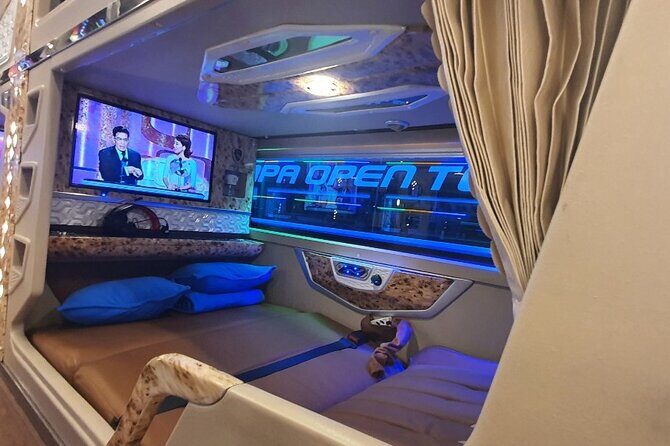
The biggest decision here is the class you choose. The bus isn’t one-size-fits-all, and that affects comfort in a very real way.
Luxury Private Cabin
This is the closest thing to a small private room on a bus. You get a dedicated space where you can sleep, watch movies, read, and even block out the world with privacy curtains. The setup includes personal TVs and charging support, plus practical items like blankets and pillows. Also, there are limited cabins per bus, so this option tends to feel more controlled and quiet than mass seating.
If you’re the type who needs your own space to rest, the private cabin is the class that makes sense.
Luxury Limousine Bus
This option focuses more on reclining seating. Think comfy chairs with a more traditional bus layout and a focus on relaxing rather than full privacy. If you don’t mind being around other passengers while you rest, limousine-style seats can be a sweet spot.
Sleeping Bed (Individual Bed Style)
This is the “sleeper” experience, with individual beds that are about 40% smaller than the luxury cabin. You’ll still get the comfort essentials like blankets and pillows, and there are more beds per bus than cabins.
Here’s the key consideration: sleeping-bed comfort is not identical to private cabin comfort. If you’re tall or you spread your legs, you might feel it more than you expect. One tall rider specifically pointed out that legspace felt tight at about 5’10”.




From Pickup to Sapa: How the Ride Typically Flows
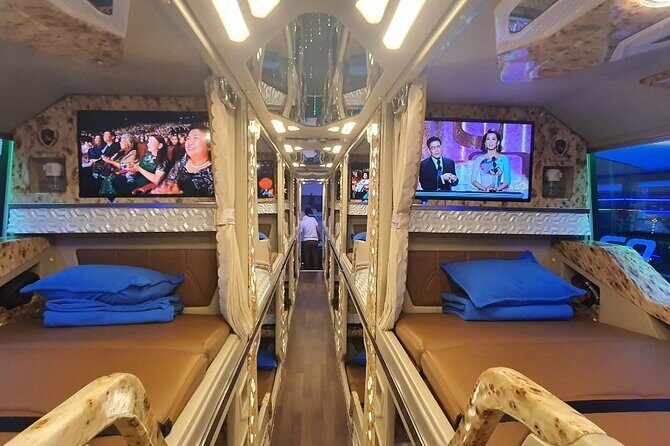
Your day starts with pickup from central meeting points. If you’re staying near a major area in Hanoi, the goal is to get you into the bus without extra hassle. The service also includes drop-off in Sapa, plus meeting point options in a few other cities on the route like Lao Cai.
Once onboard, the plan is straightforward: sit back, charge devices, and let the expressway do the heavy lifting. The ride is long—so you’ll feel the benefit of the cabin/bedding choices quickly.
Rest Stops: Two Planned Breaks
You’ll get two stops during the trip, usually around 30 minutes each, for restroom breaks and a chance to buy snacks or drinks. The practical advice is this: use the restroom before boarding, because you don’t want to be the person hunting for a break at hour one.
Food options at the stops can be hit or miss. One rider noted that you should bring your own food if you care about having real choices during the stop, since the stopover doesn’t always have decent options. Another person said coffee is available, so at minimum, you’re likely to get something warm to drink.
Timing Reality Check
Even when everything goes right, the stated time can wobble. Some riders reported delays beyond the typical schedule, and there was also an incident where a bus broke down and was replaced in about 15 minutes. That’s not something you can predict or control, but you can control one thing: plan your arrival like a calm adult.
If you have a tight schedule in Sapa right after arrival, I’d give yourself buffer time.
Comfort on Board: The Small Stuff That Makes a Difference
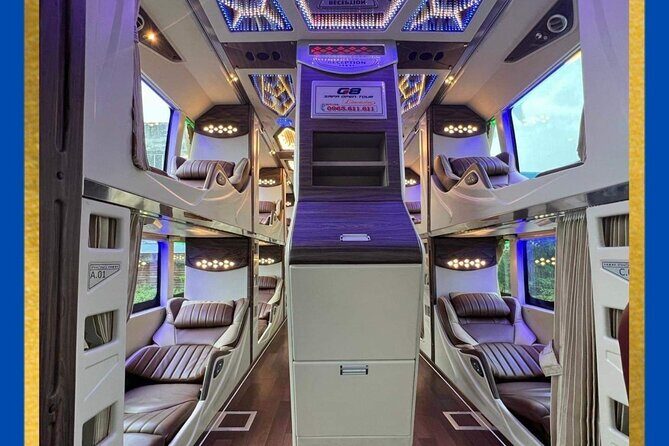
On a road transfer, the difference between fine and miserable is usually the small stuff. This service aims at those details.
Charging and Power
A strong perk is the availability of USB ports (and phone charging support), plus the general “settle in” setup you’d want for a long ride. If you plan to use your phone for maps, music, or reading during the trip, you’ll appreciate not running low on battery.
Blankets, Pillows, and Quiet Setup
Multiple riders highlighted pillows and blankets. That matters because the bus can be cooler than you expect, and it’s easier to actually doze when you’re not improvising with a jacket. Some riders also mentioned personal privacy curtains, which can help you sleep more comfortably if you’re not in a totally private cabin.
Water and Basic Amenities
Many people received a bottle of water as part of the ride. It’s not a luxury item, but it’s a real time saver because hydration on this route helps you feel less strained during the breaks and after arrival.
Comfort That May Depend on Your Class
One downside that came up is that the “luxury” label doesn’t always match what someone expected. That tends to happen when riders choose a more basic option or end up in a configuration that doesn’t align with their idea of spaciousness.
So: if you want true comfort, choose the class that fits your needs, not just the most affordable option.
Optional Fansipan Cable Car and Lunch: Worth Adding?

This service includes options to add a ride on the Fansipan cable car and/or lunch. If you’re trying to structure your Sapa time so you don’t burn hours organizing transport after arrival, this is the kind of add-on that can save you energy.
The trade-off is simple: cable car and lunch plans can affect your timing and how long you stay in Sapa right after you arrive. Because the exact scheduling details aren’t spelled out here, you should treat these add-ons as a plan you confirm ahead of time.
Practical move: if you want Fansipan cable car, plan to be ready to go quickly after arrival and avoid stacking other tours back-to-back.
Where This Bus Excels for Real People
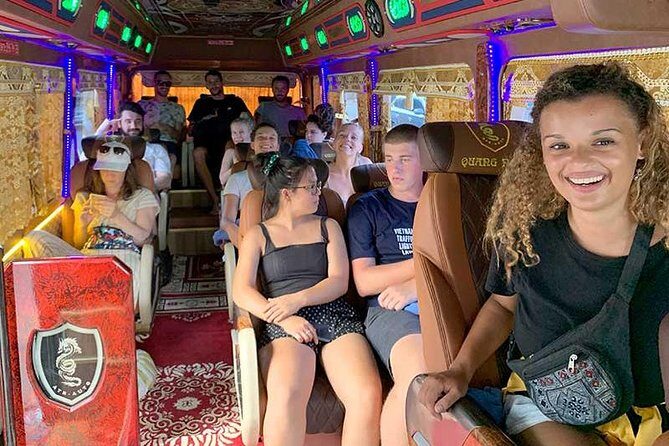
For me, this route transfer works best for three types of travelers.
First, it’s a strong choice if you want a stress-reduced Hanoi to Sapa trip and don’t want to think about logistics beyond meeting at the pickup point. Second, it’s ideal if you care about getting rest before you start climbing around Sapa markets, viewpoints, or trails. Third, if you’re traveling with a small group and want everyone to arrive together, the structured pickup/drop-off helps.
The group size is limited—up to 34 travelers—which should feel more controlled than the chaos you sometimes get with bigger transport groups.
Also, the service uses a mobile ticket and WhatsApp communication. That matters because it reduces the usual anxiety around where the driver is and what to do if you’re running late.
Price and Value: Is It Worth $17.90?
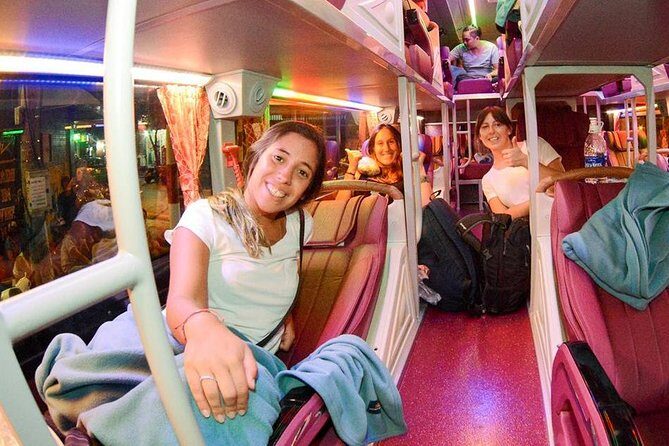
At $17.90 per person, this isn’t a splurge transfer—it’s more like a budget-friendly upgrade compared with the hassle you’d otherwise solve with multiple pieces of transport. The value comes from what’s included: air-conditioned bus, one-way shared transfer, pickup and drop-off from meeting points, and comfort features that make a long road ride easier.
But here’s the honest balancing act: you’re paying for a better experience, not a miracle. Your comfort will depend on which class you book. If you choose the least expensive option while expecting private cabin-level space, you may feel misled.
So to judge value correctly, think like this:
- If you book a private cabin and you care about privacy and sleep, the value is strong.
- If you book a sleeping bed and you’re tall or sensitive to legroom, budget value may turn into annoyance.
- If your priority is just getting there with minimal friction, any class can work, but your own comfort preferences should drive the choice.
Things to Watch: Legroom, Stop Food, and Timing
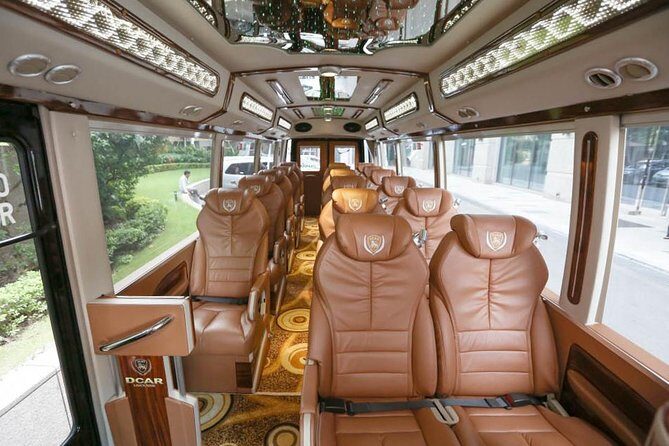
A few considerations can save you from a bad day.
Legroom can be class- and body-dependent
A tall rider noted that legspace felt tight in their sleeping-bed setup. If you’re above average height or you need room to shift your legs, lean toward a more spacious cabin option when available.
Food at stopovers isn’t guaranteed
Two restroom breaks are built in, but stopover food variety may not meet your standards. Bring snacks or simple backup items if you have dietary needs or you prefer decent coffee and reliable options.
Build in buffer time
While the ride is usually around 5 to 6.9 hours, delays can happen. The safer approach is to schedule your first Sapa activity with a cushion, especially if you’re connecting to another tour.
Real-life communication helps a lot
You’ll be given support via WhatsApp. One contact name that came up is Daisy, mentioned as responsive and helpful. If your driver or contact reaches out close to departure, be ready to respond quickly so pickup goes smoothly.
Should You Book This Hanoi to Sapa Luxury Bus?
Book it if you want a comfort-first, organized transfer where you can rest, recharge, and arrive ready for Sapa. This is especially sensible if you like the idea of a private cabin or if you’re sensitive to long sitting and want the blanket/pillow/charging package that makes the ride more bearable.
I’d be cautious if you have strict expectations about luxury matching a specific photo or if you’re tall and plan to choose the smaller-bed option. In those cases, pick the class that matches your comfort needs, not just the price.
One more note for planning: the booking is non-refundable and weather can affect dates. If you’re traveling during a period with potential holiday surcharges or special timing, double-check the total cost before you commit.
If you want a road trip that feels more like a private ride than a chore, this service is a very solid way to go.
FAQ
What bus classes are available from Hanoi to Sapa?
You can choose from a Luxury Private Cabin, a Luxury Limousine Bus with reclining seats, or a Sleeping Bed option with individual beds. The sleeping bed setup is described as smaller than the luxury cabin, but still designed for comfortable one-person use.
Is pickup and drop-off included?
Yes. Pickup and drop-off are included at meeting points in Hanoi and Sapa, and also in some nearby areas like Hoa Binh, Phu Tho, and Lao Cai. Airport pickup/drop-off for Noi Bai International Airport is not included, but you can request it.
How long does the ride take?
The journey is about 5 to 6 hours, with real-world timing depending on traffic. The route is described as roughly 350 km from Hanoi to Sapa.
Are there restroom stops during the trip?
Yes. The bus makes two stops where you can use the restroom and buy food and drinks. The highway stops are typically around 30 minutes each.
Can I add the Fansipan cable car or lunch?
Yes. You can add a ride on the Fansipan cable car and/or lunch, depending on the option you choose.
How many people are on the bus?
The experience has a maximum capacity of 34 travelers.