REVIEW · SAPA
Sapa 3 Days Trek with 2 Nights Homestay
Book on Viator →Operated by Asia Travel Legend · Bookable on Viator
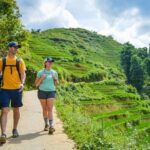
A good trek should change your view fast. This one mixes village life with serious mountain walking over three days, guided end to end and finished back in Sapa town. I like that you can customize which villages you visit after you meet your guide, so it feels less like a conveyor belt and more like a plan for your pace.
Two things I really love are the homestay nights (you get local daily life, not just a quick photo stop) and the strong guide match. Guides named in past trips like Py Chi, Pen, Mao, Lang, Little Zo, and Khu are described as friendly, funny, and full of local context. One consideration: the walking can get tough depending on the route you choose, and it helps to be ready for muddy trails and steep climbs.
In This Review
- Key Things to Know Before You Go
- Sapa 3-Day Trek Reality Check: What This Trip Really Gives You
- Day 1: Y Linh Ho First, Then Ta Van Village Homestay
- Day 2: Giang Ta Chai, Su Pan, and Ending in Ban Ho
- Day 3: Ban Ho to Nam Toong and Thank Phu, Then Back to Sapa Town
- Homestay Nights: The Local Welcome Part (Not Just a Place to Sleep)
- Guide Quality Makes or Breaks the Trek
- What the Included Meals and Entrance Fees Actually Mean for Your Day
- Price and Value: Is $196.16 a Fair Deal?
- Terrain and Fitness: How Hard Is It, Really?
- Who This Trek Is Best For
- Should You Book This Sapa 3-Day Trek?
- FAQ
- What is included in the Sapa 3-day trek?
- Are pickups available?
- What time does the trek start and where does it end?
- Do I get meals during the trek?
- Is this a private tour?
- What happens if I cancel?
Key Things to Know Before You Go
- Private, just your group: you won’t get mixed into a random crowd.
- Homestay included for 2 nights: you sleep in a local home setup, not a hotel.
- English-speaking guide: you get real explanations as you walk, not silence and signboards.
- Entrance fees and return transport: trekking days include key logistics so you can focus on the trail.
- Route can shift to your liking: you meet your guide and adjust villages and effort level.
- Difficulty can vary a lot: one trek option turned into about 51 km and 2,500 m over 3 days, so ask about the route level.
Sapa 3-Day Trek Reality Check: What This Trip Really Gives You
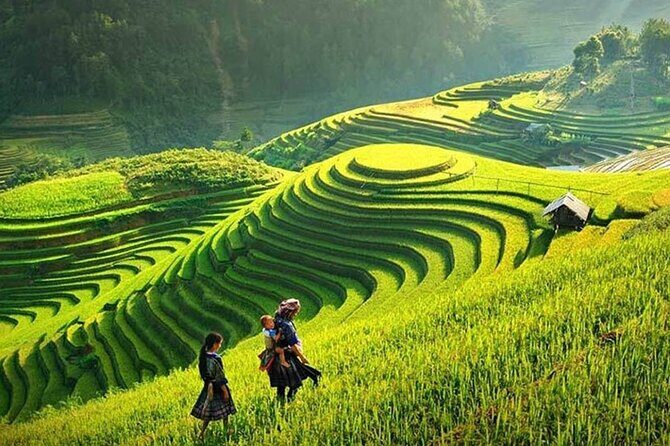
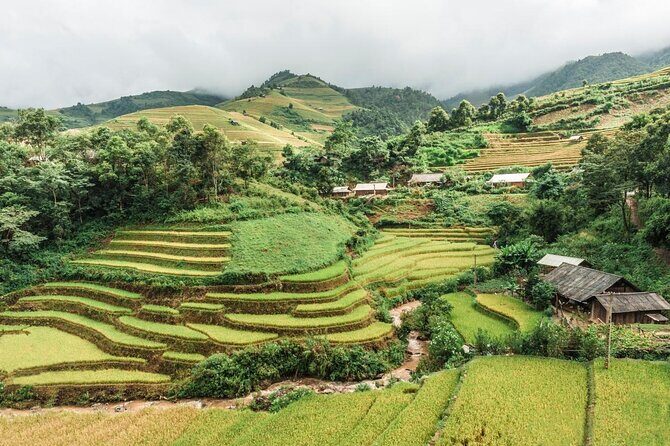
This tour is built for people who want Sapa beyond the main strip. The day structure is simple: you walk through valleys and village areas, you eat with the group, and you sleep at a homestay for two nights. The big value is that most of the practical stuff is handled—guide, food, homestays, entrance fees, and transportation back to Sapa town—so you’re not constantly thinking about logistics while you’re trying to enjoy the scenery.
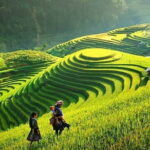
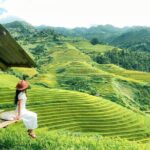
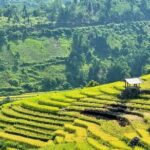
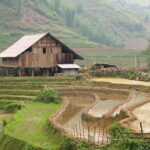
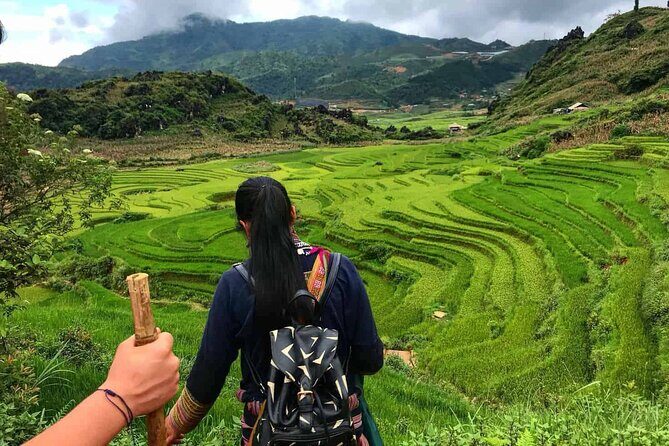
And yes, there’s still that classic Sapa feeling: layered ridgelines, terraced fields, and small footpaths connecting one village to the next. But what matters more is the human scale. You’re not just passing through. You spend enough time in place that you can notice how people plan their day around farming, weather, and community life.
You also get real flexibility. The tour includes a meeting with your guide where you can customize the itinerary and the villages you visit. That’s a big deal in Sapa, where one route can feel easy and scenic and another can feel like you’re climbing straight out of your comfort zone.
You can also read our reviews of more hiking tours in Sapa

Day 1: Y Linh Ho First, Then Ta Van Village Homestay
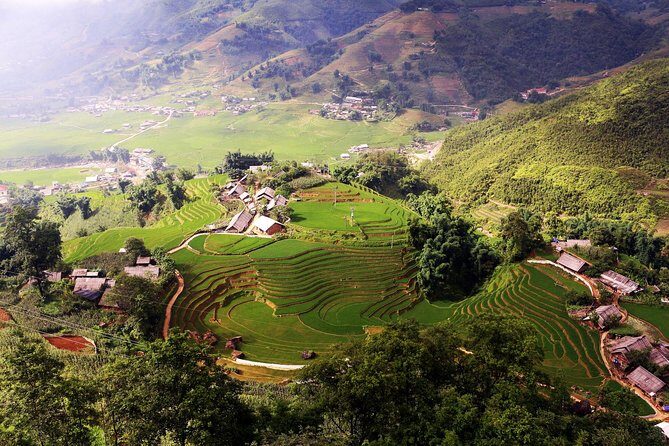
Day 1 is your warm start. It begins at 9:00 am in Sa Pa (Lao Cai), and the schedule lists a trek day window of roughly 9:00 am to 3:00 pm. The plan calls for a first stop at Y Linh Ho, and then you move on toward Ta Van Village for your first homestay night.
Why this day works:
- Y Linh Ho sets the tone fast. You get the feeling of being in the Sapa valley world without jumping straight into a punishing multi-hour grind.
- You land in Ta Van Village for the homestay stay, so you get that first taste of local routines right away.
- Meals are covered across the day: the schedule notes 3 lunches, 2 dinners, and 2 breakfasts spread over the full 3 days, and Day 1 includes your first dinner once you’re settled.
A practical consideration: if you’re sensitive to steep climbs or have knee issues, Day 1 terrain can still feel serious even if the timeline is shorter. The tour offers different routes when you choose your trek option, so talk early with your guide about your fitness level.
Day 2: Giang Ta Chai, Su Pan, and Ending in Ban Ho
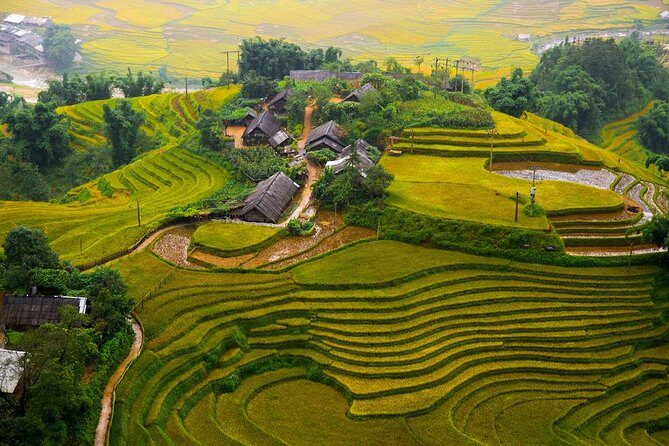
Day 2 is where the trek starts to feel like a full-on Sapa experience. You move through Ta Van and head to Giang Ta Chai Village, then continue onward to Su Pan, finishing in Ban Ho for your second homestay night.
This day matters because it connects you to different village rhythms. In Sapa, villages can feel like separate worlds only a few hours apart. You’ll be walking between them, and the guide’s explanations help you connect what you see—homes, farming work, and daily routines—with the broader picture of ethnic community life in the region.
What’s included on Day 2:
- Entrance fees and key transport are handled.
- You’re supported by the English-speaking guide throughout.
- You’ll be eating as part of the included meals plan, so you’re not guessing where to find food along the route.
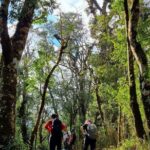
Pace note: this is also the day where weather changes can really affect how the trail feels. Light rain in the mountains can mean slick paths and more mud. If your comfort depends on stable footing, bring shoes you can trust and be ready to slow down slightly.
Day 3: Ban Ho to Nam Toong and Thank Phu, Then Back to Sapa Town

Day 3 is a finale that mixes village time with the walk back to civilization. You start again in Ban Ho Village, then the itinerary lists Nam Toong and Thank Phu, and then your trek routes back to Sapa.
The tour is designed to end at the meeting point. So you’re not stuck hunting for transport after your last steps. The included plan specifically includes transportation back to Sapa Town after your trek, which is one less stress item on your final day.
What makes Day 3 satisfying:
- You’ve already done two days, so you understand the pace and what the terrain typically asks of you.
- You close with more village stops, instead of just rushing straight to views.
- You get the sense of completion—after finishing at Ban Ho, Nam Toong, and Thank Phu, you’re ready to enjoy a shower, a meal, and an easy evening in Sapa.
If you still have energy, don’t overbook the rest of your day once you return. Your legs will remind you.
Homestay Nights: The Local Welcome Part (Not Just a Place to Sleep)
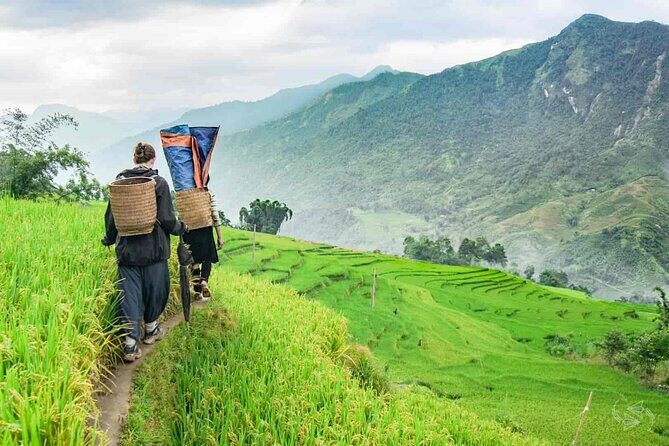
The homestay component is the heart of why this tour is more than a sightseeing walk. You get 2 nights of homestay accommodation, and the meals are included for the full trek.
What that usually means on the ground:
- You’re sleeping in a family home setup rather than a tourist lodge.
- You eat the food the household prepares, with the day’s walking schedule shaping meal timing.
- You’ll likely spend more time talking than you would on a quick bus trip, because you’re sharing space and downtime.
Some travelers have described getting a private room with an ensuite, but setups can vary. The safest expectation is simply: you’re choosing a homestay experience where comfort is good enough for trekking recovery, and the tradeoff is that it’s more basic than a hotel.
How to make it respectful (and easier for everyone):
- Go in with a friendly, flexible attitude. Homestay hosts do this so you can see their daily life, not so they can perform.
- Keep your voice low indoors, especially in the evening.
- When you’re offered food, it’s okay to take small portions and taste what you can. Showing appreciation matters.
The best homestay moments tend to be small: a conversation at night, a shared meal, or learning how families manage farming chores around the season.
You can also read our reviews of more tours and experiences in Sapa
Guide Quality Makes or Breaks the Trek
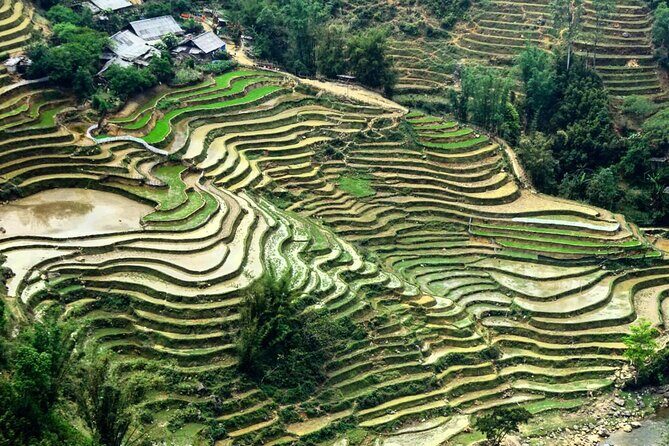
In Sapa, the guide is not a bonus. It’s the difference between a walk and a story you’ll remember.
This tour includes an English-speaking guide, and the names that come up in strong past experiences—Py Chi, Pen, Mao, Lang, Little Zo, and Khu—share a common theme: people feel looked after and informed. The compliments focus on friendliness, humor, and the ability to explain what you’re seeing without turning it into a lecture.
One very practical way a good guide helps: they manage the route to fit you. Because you meet your guide and can customize villages and effort level, you’re less likely to end up on a trail that’s the wrong fit. That also means you can ask questions about conditions, timing, and how to pace yourself.
If you care about authenticity, choose your guide questions wisely:
- Ask what a typical day looks like for the household.
- Ask how farming connects to the seasons.
- Ask what to pay attention to while walking (pathways, field work, or village layout).
You’ll walk more mindfully when you know what to look for.
What the Included Meals and Entrance Fees Actually Mean for Your Day

Meals aren’t just comfort. In mountain treks, timing is everything. This itinerary includes food for the 3 days (with 3 lunches, 2 dinners, and 2 breakfasts listed), plus entrance fees and transportation elements that would otherwise take time and energy to arrange.
Why that’s value:
- You don’t burn half your day searching for food in-between hikes.
- You can stay on schedule with the group, which matters on a multi-village trek.
- You avoid the common “we’ll figure it out” moments that add stress when you’re tired.
Drinks and beverage are not included, so plan for water and any extra drinks on your own. Bring a refill plan if you can, and treat hydration as part of your prep.
Price and Value: Is $196.16 a Fair Deal?
At $196.16 per person for a 3-day / 2-night trek with homestays, guide support, most meals, entrance fees, and return transport, this is priced like a guided package, not a DIY hike.
Here’s what you’re paying for, in plain terms:
- A guide who handles routing and context
- Homestay accommodation for two nights
- Meal coverage across the trek
- Entrance fees and a transport back to Sapa town after you finish
If you try to DIY this, the costs sneak up fast: hiring a guide, arranging transport, paying village/area fees, and coordinating homestay lodging plus meals. The package pricing also tends to reduce friction, especially if you don’t speak the language and don’t want to spend your only full day in Sapa on logistics.
One more angle: people booked this average 18 days in advance, which hints that spots can fill closer to peak periods. If you have a fixed travel window, reserve earlier rather than later.
Terrain and Fitness: How Hard Is It, Really?
This trek is for most travelers, and the tour notes that most travelers can participate. But “can participate” and “will be easy” are different.
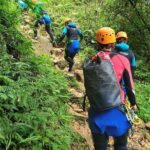
One prior trek experience highlighted a tougher route option: around 51 km over 3 days with roughly 2,500 m of elevation. That was for an added trail level, not necessarily what every group chooses. Still, it’s a useful warning label. Some routes in Sapa are steep, muddy, and long, and your feet will take the hit.
How I’d decide if this fits you:
- If you can walk for a few hours at a time with uneven ground, you’ll probably be okay.
- If you avoid steep climbs, ask for the easier route option early.
- If you’ve got knee or ankle issues, consider route difficulty as much as distance.
And pack like you’ll hit mud at some point. Your shoes and socks matter more than anything else.
Who This Trek Is Best For
This is a strong fit if you want:
- A private experience rather than being shuffled with strangers
- Village visits and homestays, not just viewpoints
- A guide who can explain daily life and culture as you walk
- A plan that handles meals and key fees
It’s less ideal if you want:
- A fully hotel-style comfort level
- Minimal walking and maximum downtime
- No flexibility at all. You’ll be customizing villages and pace with your guide, and that’s part of the point.
Should You Book This Sapa 3-Day Trek?
Book it if you want an experience that feels real, not just scenic. The homestays and the guide-led context are the big reasons this trek gets strong marks. I also like that you can adjust the villages and route based on your pace, which helps reduce the “wrong trail for me” problem.
Skip it or ask extra questions first if:
- You’re worried about steep, muddy trails and haven’t done much hiking recently
- You expect drink costs and snacks to be included (they’re not)
- You want a strict, fixed itinerary with no route customization
If you’re reasonably active and open-minded, this is the kind of trek that makes Sapa feel like a place you visited, not a backdrop you passed.
FAQ
What is included in the Sapa 3-day trek?
The package includes an English-speaking guide, entrance fees, food for the 3 days, homestay accommodation for 2 nights, transportation, and transportation back to Sapa after the trek.
Are pickups available?
Pickup is offered, and the tour also starts from Sa Pa, Lao Cai, Vietnam with a 9:00 am start time.
What time does the trek start and where does it end?
It starts at 9:00 am in Sa Pa, Lao Cai, Vietnam, and it ends back at the meeting point.
Do I get meals during the trek?
Most meals are included: the schedule lists 3 lunches, 2 dinners, and 2 breakfasts. Drinks and beverages are not included.
Is this a private tour?
Yes. It’s a private tour/activity, and only your group participates.
What happens if I cancel?
The experience is non-refundable and cannot be changed for any reason. If you cancel or ask for an amendment, the amount you paid will not be refunded.