REVIEW · HANOI
9 Days Northern Vietnam from the Mountain to the Bay
Book on Viator →Operated by Asia King Travel · Bookable on Viator
This route covers Vietnam’s big hitters fast. It strings together Hanoi landmarks, Sapa ethnic villages in the hills, a Ha Long Bay cruise, and then the karst drama of Ninh Binh. I like the way the itinerary keeps the days focused on what you actually came for—people, scenery, and sites—without dragging you through pointless stops. I also like that your time is buffered by private transportation and an experienced English-speaking guide for transfers and tours, so you spend less energy figuring things out. The main drawback is simple: you’re moving a lot, and the walking adds up, especially on days with stair climbs and valley treks.
If you want a trip that feels like a journey from the mountains to the sea, this one makes that arc work. After Hanoi, you head toward Sapa with enough structure to see terraced rice country and meet communities along the way. Later you swap misty hills for limestone islands, then finish on land with boats, temples, and a viewpoint hike.
Before you go, keep your expectations practical. This is a tour with a set route and scheduled timing, so if you’re the type who needs totally free time every day, you might find the pace tight.
In This Review
- Key highlights you’ll feel on the ground
- Day 1 in Hanoi: arrival that actually starts the trip
- Hanoi Day 2: Ba Dinh Square, Temple of Literature, and the Museum of Ethnology
- Ho Chi Minh Mausoleum: national story, ceremonial setting
- Temple of Literature & National University: education as heritage
- Vietnam Museum of Ethnology: 54 ethnic groups in one day
- From Hanoi to Sapa: valleys, rice terraces, and real community visits
- Day 3: Muong Hoa Valley walk and Ta Van (H’mong area life)
- Day 4: National Road 4C views, then Ban Khoang (Red Dao and cardamom farms)
- Sapa hiking Day 5: Cat Cat to Y Linh Ho via waterfalls, hydroelectric power, and Hoang Lien trails
- Ha Long Bay Day 6: the Red River Delta drive and your first night on the water
- Day 6 cruise: included meals and a comfortable cabin setup
- Ha Long Bay Day 7: sunrise, an early swim, and breakfast on board
- Ninh Binh Day 8: Tam Coc boats, Hoa Lu temples, and Mua Cave steps
- Tam Coc: the boat ride through karst and rice fields
- Hoa Lu Ancient Capital: 10th-century temples and carvings
- Mua Cave: 500 steps to the viewpoint
- Day 9: a calm finish in Hanoi and flying out of Noi Bai
- Price and what you actually get for $1,376
- Who this tour fits best (and where it might feel too tight)
- Should you book this 9-day Mountain to Bay Vietnam tour?
- FAQ
- What time does the tour start and where do we meet?
- Is this a private tour?
- What’s included in the Ha Long Bay part of the trip?
- Are meals included?
- Are entrance fees included for the sites we visit?
- What’s not included in the price?
- Can I cancel for a full refund?
Key highlights you’ll feel on the ground
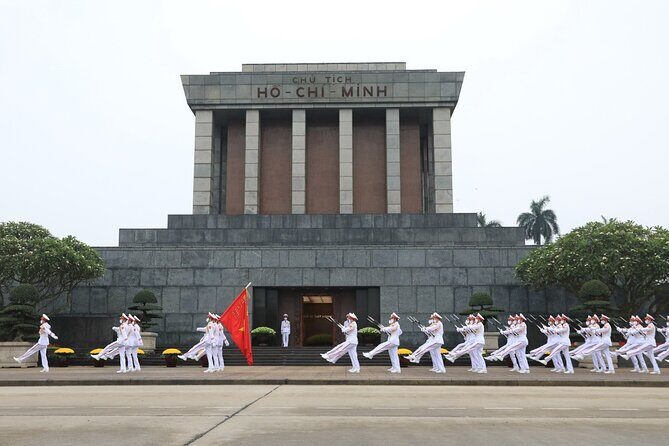
- A true mountain-to-bay route: Hanoi → Sapa valleys → Ha Long Bay cruise → Ninh Binh karsts
- One full Hanoi day with top cultural hits: Ba Dinh Square, Temple of Literature, and the Vietnam Museum of Ethnology
- Sapa walking with local village life: Ta Van, Cat Cat, Y Linh Ho, and Ban Khoang area visits
- Ha Long Bay sunrise time included: early morning swim and breakfast on board
- Ninh Binh on land, not just postcards: Tam Coc boat ride + Hoa Lu temples + Mua Cave viewpoint (500 steps)
- Value comes from included basics: private transfers, entrance fees, and most meals during the trip
Day 1 in Hanoi: arrival that actually starts the trip
You land at Noi Bai Airport, then you’re picked up for a transfer to your Hanoi hotel. It’s an easy start day—important, because northern Vietnam tours often stack long drives later. You get an overnight in Hanoi so Day 2 isn’t fighting jet lag.
This kind of start is also a hidden value. Many tours throw you into an evening city sprint with no buffer. Here, you get a real first night, which helps if you want to handle Hanoi streets calmly the next morning.
You can also read our reviews of more tours and experiences in Hanoi.



Hanoi Day 2: Ba Dinh Square, Temple of Literature, and the Museum of Ethnology
Your second day is a classic Hanoi culture sweep, built around three very different types of meaning.
Ho Chi Minh Mausoleum: national story, ceremonial setting
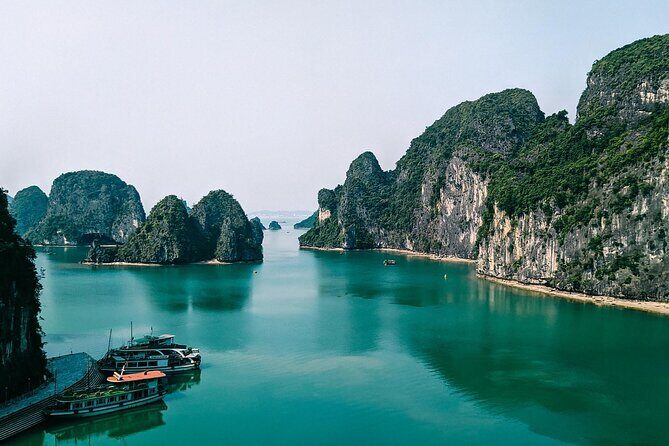
You start at Ba Dinh Square for the Ho Chi Minh Mausoleum. This stop matters because it anchors modern Vietnamese history right in the middle of Hanoi’s ceremonial core. It’s not the most relaxed visit—expect rules and a solemn tone—but that’s the point.
Practical note: go in with patience. Even if you know the history, the experience is more about atmosphere and respect than wandering around for photos.
Temple of Literature & National University: education as heritage
Next is the Temple of Literature, Vietnam’s first university area dating back nearly 1,000 years. It’s the kind of site where you can slow down and notice details you’d miss if you rushed. The Confucian education theme gives you a different lens on Vietnamese culture than museums or modern monuments.
I like this pairing with the mausoleum. Together, they show two ways Vietnam tells its story: through political symbolism and through long-running traditions of learning.
Vietnam Museum of Ethnology: 54 ethnic groups in one day
You finish at the Vietnam Museum of Ethnology, which covers Vietnam’s 54 ethnic groups with both indoor and outdoor exhibits. If you’re going to Sapa next, this is smart context. You’ll meet H’mong and Dao communities in the hills, and this museum helps you understand the cultural diversity beyond what’s immediately visible.
This stop also gives you breathing room in the itinerary. Even though it’s a timed day, the museum format lets you move at a comfortable pace.



From Hanoi to Sapa: valleys, rice terraces, and real community visits
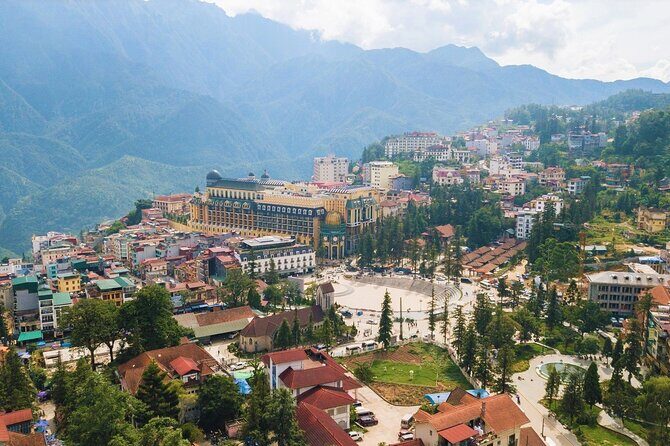
After Hanoi, the trip shifts toward the mountains and the Sapa region. The overview calls out a night train connection, which is a major reason the schedule holds together. Instead of burning a full day in transit, you gain daylight on arrival for walks and village visits.
Day 3: Muong Hoa Valley walk and Ta Van (H’mong area life)
Day 3 begins with a drive toward Muong Hoa Valley, described as the area with the largest terraced rice paddies in Sapa. You then descend into the valley on foot. If you visit May to October, you’ll likely find the terraced rice at its most visually lush, since rice season matters here.
From there, you head to Ta Van. This village visit focuses on the Black Hmong, including their pride in cultural heritage and the fact that they maintain traditional life and their own language. The value here isn’t just watching from a distance—it’s seeing daily rhythms within a living community.
Practical consideration: valley walks can be uneven and weather-dependent. Bring shoes you trust for dirt paths and mud when the trails are damp.
Day 4: National Road 4C views, then Ban Khoang (Red Dao and cardamom farms)
Day 4 gives you a scenic transit day that doesn’t feel wasted. You drive north along National Road 4C toward O Quy Ho, with stops for views of Fansipan, Sin Chai Valley, and flower and vegetable farms.
Then you move on to Sapa and the Ban Khoang area, home to the Red Dao people. Here the emphasis is on traditional life tied to wet rice cultivation and cardamom farming. That farm detail is useful because it explains why these communities look the way they do: agriculture shapes the terraces, the work, and the daily schedule.
This is one of those stops where your understanding grows even if you don’t speak the language.
Sapa hiking Day 5: Cat Cat to Y Linh Ho via waterfalls, hydroelectric power, and Hoang Lien trails
Day 5 is the most classic “Sapa on foot” day in this itinerary.
You’re picked up around 9:00 AM in Sapa and start with a downhill walk to Cat Cat Village. Along the way, you’re guided through scenery that changes as you gain altitude and then lose it again—terraces and village structures in layers.
After reaching a waterfall and a hydroelectric station, there’s a short break. Then you continue along a dirt trail through Hoang Lien National Park, still described as covered by rainforest. That’s a key detail: you’re not just doing village tourism; you’re also moving through protected nature.
You end at Y Linh Ho, associated with Black Hmong. You rest once more before ascending back to the main road, where your vehicle meets you to drive back to Sapa.
Possible drawback to plan for: this day is more physical than the Hanoi day. If you’re traveling with someone who struggles with long downhill/uphill walks, talk with your guide about pacing at the start.
Ha Long Bay Day 6: the Red River Delta drive and your first night on the water
From Sapa you head to Ha Long City with a scenic drive of about 3 hours through the fertile Red River Delta. This is one of those “you’ll feel the climate change” moments. After mountain air and terraces, you’re shifting toward a coastal rhythm.
Then you transfer to Ha Long Bay, a UNESCO World Heritage Site recognized in 1994. The bay is described with 1,600 limestone islands and emerald waters. Even before you go fully out on the cruise, this region is famous for how the rock formations turn the sea into a maze.
Day 6 cruise: included meals and a comfortable cabin setup
Your cruise portion is 2 days/1 night, and you’ll be in a double/twin cabin on a shared boat. Cabin style varies by boat, so don’t expect one specific layout. But the important thing is that you have your “sleep inside the experience,” not a day trip that forces you back to land too soon.
Ha Long Bay Day 7: sunrise, an early swim, and breakfast on board
Day 7 is where Ha Long Bay becomes more than sightseeing.
You wake up to the bay’s early light, and the schedule includes time for an early morning swim plus the chance to watch the sunrise over the water. Then you have breakfast on board.
This is a meaningful inclusion because sunrise time is the kind of thing tours often skip or compress. Here, the morning is built for it.
Around midday, you return to the main harbor and then drive about 3 hours to Ninh Binh. You check into your hotel and have time on your own for the evening.
Practical note: after a water-based night, you’ll feel the travel day energy afterward. Use the solo time in Ninh Binh to reset—shower, early dinner, and a calm walk if you feel up to it.
Ninh Binh Day 8: Tam Coc boats, Hoa Lu temples, and Mua Cave steps

Ninh Binh is often called Ha Long Bay on land, and this itinerary shows you why.
Tam Coc: the boat ride through karst and rice fields
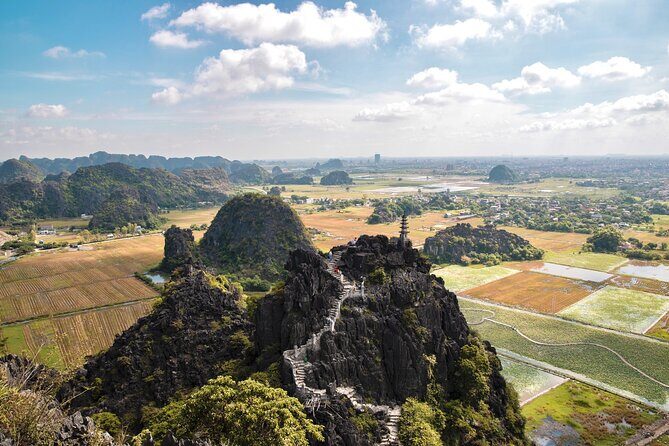
You start with a boat trip through Tam Coc, where limestone karsts rise from lush green rice fields. The itinerary even notes the frequent comparison to Guilin in China, which gives you a decent mental picture: rock towers, water routes, and a slower rhythm.
The value here is the pacing. In a cruise, you travel by sea; in Tam Coc, you travel by boat in a narrow water channel. It feels more personal and closer to the scenery.
Hoa Lu Ancient Capital: 10th-century temples and carvings
Next is Hoa Lu Ancient Capital, a 10th-century royal palace area now famous for the wooden carvings of the Dinh and Le temples.
This stop adds a historical backbone to what would otherwise be only nature. Hoa Lu isn’t just scenery—it’s place-memory of Vietnam’s past.
Mua Cave: 500 steps to the viewpoint
Finally, you head to Mua Cave and climb 500 stone steps to a peak viewpoint. The reward is described as panoramic views over the countryside and the Ngo Dong River.
This is your most obvious “watch your effort” moment of the land portion. Still, it’s a straightforward climb with a clear goal. If you pace yourself and take short breaks, it’s doable for many people.
Day 9: a calm finish in Hanoi and flying out of Noi Bai
On the final day, you have breakfast at the hotel, then transfer to Noi Bai International Airport for departure. The tour ends back at the meeting point.
That matters because the last day is often when tours create stress. A direct transfer helps you keep your timing clean.
Price and what you actually get for $1,376
At $1,376 per person, this isn’t the cheapest way to see northern Vietnam—but it’s also not priced like a luxury private driver and full-service hotels. The value lives in what’s included:
- Private transportation throughout the program
- An experienced English-speaking guide for tours and transfers
- Entrance fees for the visits listed
- Ha Long Bay cruise: 2 days/1 night with a double/twin cabin on a shared boat
- Meals: breakfast (8), lunch (3), and dinner is included
The cruise alone can be a meaningful cost in Vietnam. On top of that, you’re stacking multiple paid attractions in Hanoi and Sapa, plus the Ha Long Bay itinerary that includes time on the water and sunrise morning.
Where you’ll likely spend extra: meals not listed (breakfast, lunch, and dinner are covered only where stated), personal costs, and anything tied to visas since visa is not included. You’ll also want to plan around the fact that early check-in and late check-out aren’t included, so avoid booking flights that depend on flexibility.
Also worth noting: the program mentions group discounts and a mobile ticket, which tends to make logistics simpler once you arrive.
Who this tour fits best (and where it might feel too tight)
This trip is a strong match if you want one organized route that covers:
- Major Hanoi cultural sites
- Sapa valley scenery plus ethnic village visits
- A real Ha Long Bay overnight cruise with sunrise time
- Ninh Binh nature plus Hoa Lu history and a viewpoint climb
It can also work for mixed ages, including families, since the experiences are a blend of walking and scenic stops rather than only one style.
Where you should think twice:
- If you hate long days in a vehicle, know that the itinerary includes multiple drives: Hanoi to Sapa area, Sapa to Ha Long City, and then Ha Long to Ninh Binh.
- If stairs and uneven paths are a problem, plan for Muong Cave’s 500 steps and the Sapa valley walks.
- If you need lots of totally free downtime every day, this schedule is structured. You’ll have “time on your own” in Ninh Binh after arrival, but most other days follow a full plan.
Should you book this 9-day Mountain to Bay Vietnam tour?
I’d book it if you want a single, well-paced route that goes from Hanoi’s historic core to mountain communities, then swaps into the Ha Long Bay cruise world, and ends with Ninh Binh’s boat-and-steps combo. The big reason is value: private transport, entrance fees, most meals, and a true overnight Ha Long cruise are bundled together.
I’d think again if you’re very sensitive to physical exertion or dislike early starts. There’s no way around sunrise morning on the bay and the step climb in Ninh Binh.
If you want a practical recommendation: choose this when you want maximum variety with minimal planning stress, and you’re comfortable with walking days that include descents and ascents.
FAQ
What time does the tour start and where do we meet?
The tour start is listed as 2:00 pm, and the meeting point is Noi Bai International Airport, Phú Minh, Soc Son, Hanoi, Vietnam.
Is this a private tour?
Yes. It’s described as private, meaning only your group participates.
What’s included in the Ha Long Bay part of the trip?
You get a 2 Days/1 Night cruise on board in Ha Long Bay, with a double/twin cabin on a shared boat. Entrance fees and the cruise day activities noted in the schedule are included.
Are meals included?
Yes. The program includes breakfast (8), lunch (3), dinner, and other meals beyond what’s listed are not included.
Are entrance fees included for the sites we visit?
Yes. Entrance fees are included for the visits mentioned in the itinerary.
What’s not included in the price?
The program lists these as not included: other meals than mentioned, visa (as per country requirements), and early check-in or late check-out.
Can I cancel for a full refund?
Yes. You can cancel up to 24 hours in advance for a full refund.