REVIEW · SAPA
Sapa 3 Day Trekking with 2 Nights Homestay
Book on Viator →Operated by Asia Travel Legend · Bookable on Viator
Some hikes feel like a checklist. This one feels like a story.
A 3 days / 2 nights Sapa trek running roughly 9:00 AM to 3:00 PM turns the mountains into something human-scale: village paths, family-run homestays, and a guide who brings the H’mong world to life as you walk. I really like the full board setup (meals + homestays + guide + entrance), because it removes the constant cash-and-choices stress. I also like how the tour is designed around clear walking days—Day 1 and Day 2 are longer (about 8 hours each), while Day 3 eases down (around 4 hours), so the plan feels realistic.
One heads-up: this is hiking with ups and downs, and if you’re totally out of practice, you should expect a tough adjustment on day one. The good news is the route includes daily pacing through villages, and guides are used to shaping the experience to how you feel.
In This Review
- Key highlights at a glance
- Sapa valley trek in a nutshell: schedule and what’s really included
- Day 1: Ta Van Village and your first taste of Sapa life
- Day 2: Giang Ta Chai, Su Pan, and the Ban Ho homestay night
- Day 3: Nam Toong and Thank Phu with a shorter finish
- Homestays: where the value shows up (food, rooms, and family rhythm)
- Your guide matters: English, flexibility, and H’mong stories on the trail
- How hard is it, really? pacing, terrain, and gear thoughts
- Price and logistics: does $190.71 make sense?
- Who should book this Sapa trek with homestays
- Should you book this 3-day 2-night homestay trek in Sapa?
- FAQ
- How long is the Sapa 3-day trekking experience?
- What time does the tour start and finish?
- What meals are included?
- Are homestays included, and how many nights?
- Is transportation included?
- Is there pickup in Hanoi?
- Is this a private tour?
- What’s not included in the price?
- What is the cancellation policy?
Key highlights at a glance
- Two homestay nights with included meals so you don’t spend your day hunting food
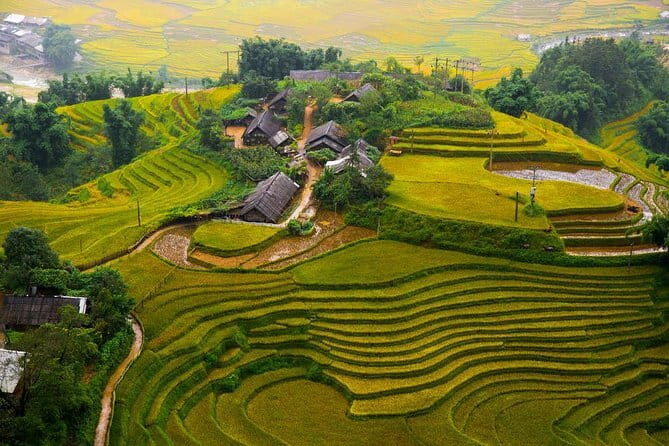
- Village-to-village routes through Ta Van, Giang Ta Chai, Su Pan, and Ban Ho
- Valley entrance fees included, which helps simplify the money side of the trip
- English-speaking guides and flexible trekking options (some guides will adjust how challenging you want each day)
- A private group setup, meaning your schedule and pace are easier to manage
Sapa valley trek in a nutshell: schedule and what’s really included
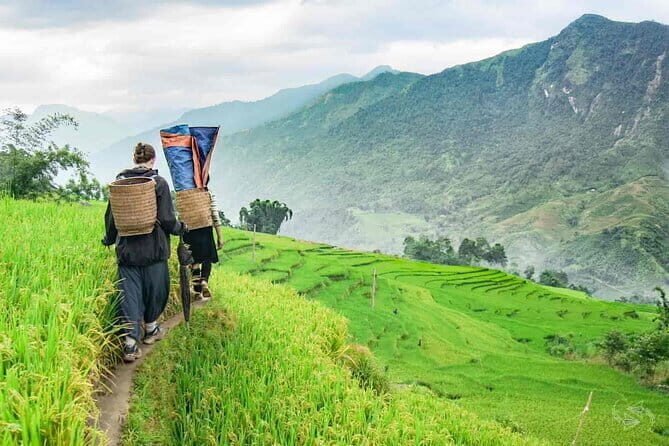
The backbone of this experience is simple: you spend 3 days walking in the Sapa area and sleeping 2 nights in local homestays, then return back to Sapa Town after the trek. The tour runs in a day-time window that usually keeps things grounded in daylight—start around 9:00 AM and finish in the 3:00 PM range.
What makes this good value is that your core trip costs are bundled. You get the guide, transportation back to Sapa Town after the trek, and the entrance fee connected to the valley. On the food side, the package includes 3 lunches, 2 dinners, and 2 breakfasts. That matters more than it sounds. In mountain areas, meals can be hit-or-miss and pricing can get weird fast. Here, you’re already covered.
Not included: drinks. So plan on budgeting a little for water or anything you like with your meals. Also, the homestay rooms and food are part of what you’re paying for, so it’s worth mentally treating this as half trekking, half cultural stay.
You can also read our reviews of more hiking tours in Sapa

Day 1: Ta Van Village and your first taste of Sapa life
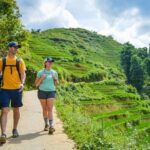
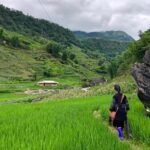
Day 1 centers on Ta Van Village, and it’s the longest stretch of the trip (plan roughly 8 hours on the day). This is where the trek stops feeling like a drive-and-view activity and starts feeling like walking with locals. Ta Van is often the kind of place where you can sense that agriculture and daily routines shape the day, not just tourism.
Practically, Day 1 is also your “set the rhythm” day. You’ll be moving early enough to enjoy daylight, but you’re not rushing in the dark or trying to squeeze too much into one late afternoon. That balance is a big deal in Sapa, where footing can change as you go from village areas into more uneven paths.
You’ll also hit the parts that connect you to the trek itself: valley entry is covered, and your day is built around meal timing. With lunch included and the day ending back at homestay time, you’re not juggling when and where you’ll eat.
What could be a drawback? The day can feel long if you’re not used to sustained hiking. But it’s a sensible first day: you’re starting with a village destination, then building outward on Day 2.
Day 2: Giang Ta Chai, Su Pan, and the Ban Ho homestay night

Day 2 is the classic “next valley, next community” day. Your route goes Ta Van → Giang Ta Chai → Su Pan → Ban Ho, and the trekking time is again about 8 hours.
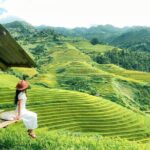
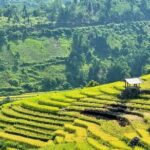
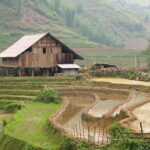
I like this sequencing because it gradually changes the scenery and the social feel. You’re not just walking through one village block. You’re moving along a chain of places, and that makes the day easier to understand. If you pay attention to crops, terraces, and how paths connect homes and fields, the whole walk starts to make sense.
Also, your end point matters: you sleep the second night at Ban Ho Village. Homestays here are part of why this trip works. You’re not disappearing into a hotel after a hike. You’re staying where people live their daily routines.
A practical note: because Day 2 is still a full day, it’s smart to treat it like the “main effort” day. If you’re the type who pushes through discomfort, you might end up more tired than you planned. A better approach is to keep your effort steady and let your guide guide your pace.
Day 3: Nam Toong and Thank Phu with a shorter finish
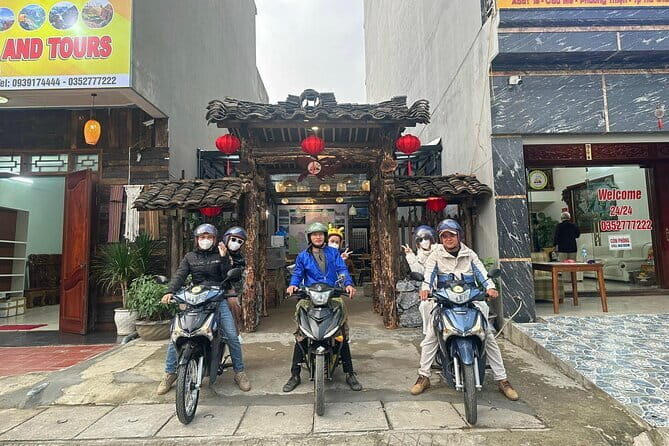
Day 3 is shorter, about 4 hours, and it’s built as a satisfying loop back toward Sapa. The route runs Ban Ho → Nam Toong → Thank Phu → Ban Ho → Sapa.
This final day often feels like the reward for sticking with the longer legs. By now, you know how the terrain behaves and how your body adapts over the course of a trek day. You’re also not carrying the same all-day pressure you felt on Day 1 and Day 2, which makes it easier to slow down and actually look around.
The walk ends with getting back to Sapa Town. That matters because Sapa can feel calmer once you’re not actively hiking. You’ll have time to reset, eat anything you want that isn’t included (remember: drinks are not included), and avoid the tired scramble that comes after long treks.
Homestays: where the value shows up (food, rooms, and family rhythm)

This is a homestay-focused trek, not a quick photo stop. Based on the setup of the trip, you’re getting 2 overnight stays in homestay accommodations as part of the package.
Here’s what I think you should expect to be good: the homestays are set up for visitors, with rooms described as clean and food described as homely and well handled. People tend to remember the food because it’s often the easiest way to understand local daily life. Included breakfasts and dinners also remove a common trek problem: you don’t end up eating randomly at a shop because it’s the last option open before dark.
The other big value is practical comfort. Even with hiking all day, homestay nights are still your chance to refuel, shower (where available), and plan for the next day. If you go in expecting a simple, family-run setup rather than a hotel experience, you’ll be happier.
If there’s a drawback, it’s that homestays can be quieter and simpler than what you’re used to. That’s not bad, but it can feel different if you want lots of amenities. Consider this your cultural exchange part, not your luxury part.
You can also read our reviews of more tours and experiences in Sapa
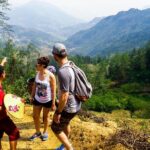
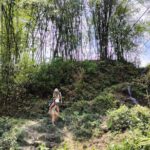
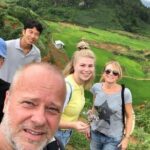
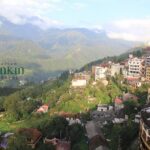
Your guide matters: English, flexibility, and H’mong stories on the trail
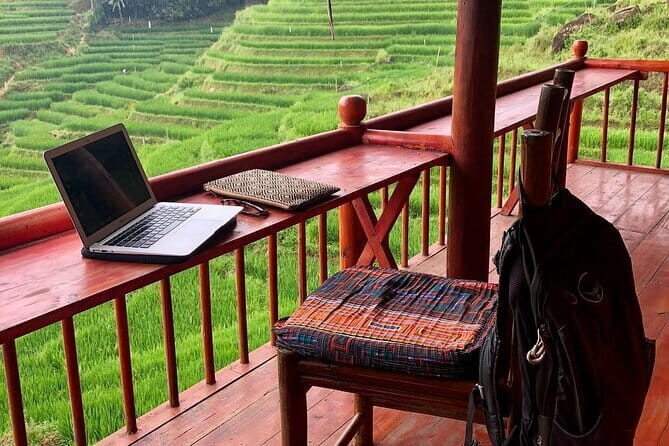
The best part of this kind of trek is what happens between the checkpoints. A good guide turns walking into understanding.
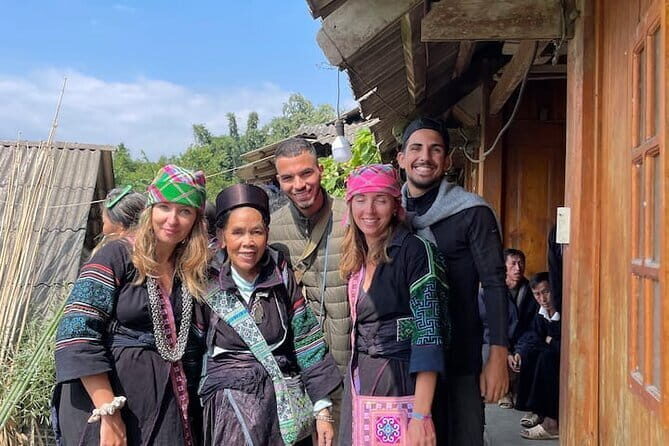
In this tour’s orbit, guides you might work with include Lan, Pang, and May. People describe them as having strong English, and they don’t just give directions. They share stories about local life and talk about topics like H’mong culture, the ecosystem, and what grows in the area. That kind of context changes how you experience the plants, terraces, and village routines you see while walking.
Another reason this tour tends to work well is flexibility. The plan has a structure, but guides are set up to adjust the day based on how challenging you want it to feel. That’s especially helpful if you’re somewhere between totally new to hiking and confidently fit. You can ask for an easier pace, stop more often, or keep going at your comfort level.
One thing to keep in mind: because this is a private tour (just your group), you should use that advantage. Ask questions. Tell your guide how your legs feel early on day one. The moment you communicate, the trek gets better.
How hard is it, really? pacing, terrain, and gear thoughts
On paper, this is a 3-day trek with 8-hour walking days on Day 1 and Day 2, and a shorter Day 3. In real life, the difficulty comes from the ups and downs, plus uneven ground.
If you’re not exercising regularly, you should expect day one to feel like a wake-up call. People have described it as difficult at first, even for someone who isn’t normally active. The route can be demanding because your body is working continuously—up, down, up, down.
The good part: you’re not doing this on a remote military march. The walk passes through village areas, and the atmosphere can help you keep going. Also, guides can be flexible about pace, and some routes are described as easy walking with stunning views, which suggests there’s variation in footing and slope depending on the day and how you move.
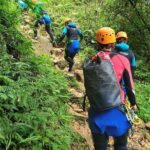
Gear-wise, I’d plan like this: wear supportive hiking shoes or trail shoes, bring weather protection (mist and rain are common trekking mood-changers in the region), and carry a light day pack. Bring water if your guide doesn’t provide it, and keep snacks simple. If you hate carrying stuff, go minimal. On a long day, comfort matters.
Price and logistics: does $190.71 make sense?
At $190.71 per person, this trek includes a lot that normally costs extra on your own: guide, homestay nights (2), entrance fee, and meals for the trip (3 lunches, 2 dinners, 2 breakfasts). You also get pickup offered and transportation back to Sapa Town after the trek. The tour also uses a mobile ticket, which reduces friction on the day.
So what are you paying for, beyond the hike itself? You’re paying for:
- Local guide time and knowledge
- Homestay operation and the logistics of sleeping in the right place each night
- Meal planning across three days
- Entrance fees that you’d otherwise have to handle separately
- Transportation back at the end
What’s not included is drinks, so plan to add a small extra amount for that.
One more logistics point: the experience is listed as private, meaning only your group participates. That can be a big value if you want a flexible pace without sharing space with strangers.
Who should book this Sapa trek with homestays
This is a strong fit if you want:
- A structured 3-day trek with daily walking and built-in village stops
- The homestay experience with included meals, not just a quick village visit
- A guide who can explain what you’re seeing, especially H’mong culture and local life
- A private setup where your group’s preferences are easier to manage
It’s also a good match if you like quiet trails and appreciate stories along the way. In the accounts I’ve seen tied to this type of trek, people often remember the combination of calm walking and strong conversation—learning about plants, crops, and how life is organized in these communities.
The one group I’d caution is people who want a very gentle walk with minimal effort. The schedule includes long walking days. If you’re completely new to hiking, you can still do it, but go in with patience.
Should you book this 3-day 2-night homestay trek in Sapa?
If your goal is a real village trek with homestay nights, included meals, and a guide who gives context as you walk, I think this is a good booking. The price feels fair because the essentials are covered: food, guide, entrance, and lodging. The itinerary also makes practical sense, with longer days first and a shorter Day 3.
If you hate hiking with ups and downs, or you want a more luxurious, amenity-heavy stay, you might prefer a lighter walking option instead. But if you’re okay trading some comfort for connection, this trek is one of the more balanced ways to experience Sapa without turning it into nonstop logistics.
FAQ
How long is the Sapa 3-day trekking experience?
The trek runs for about 3 days, with 2 nights in homestays.
What time does the tour start and finish?
It starts at 9:00 AM and runs until around 3:00 PM.
What meals are included?
The package includes 3 lunches, 2 dinners, and 2 breakfasts.
Are homestays included, and how many nights?
Yes. You get 2 overnight stays in homestays.
Is transportation included?
Yes. Pick-up is offered, and you also get transportation back to Sapa Town after your trek.
Is there pickup in Hanoi?
The tour states customers can be picked up in the Hanoi Old Quarter for 30 minutes.
Is this a private tour?
Yes. It’s private, so only your group participates.
What’s not included in the price?
Drinks are not included.
What is the cancellation policy?
The experience is non-refundable and cannot be changed for any reason, and any paid amount will not be refunded if you cancel or request an amendment.