REVIEW · SAPA
Sapa Trekking Tour Full Day
Book on Viator →Operated by Travel New Land · Bookable on Viator
One-day trekking, big scenery energy.
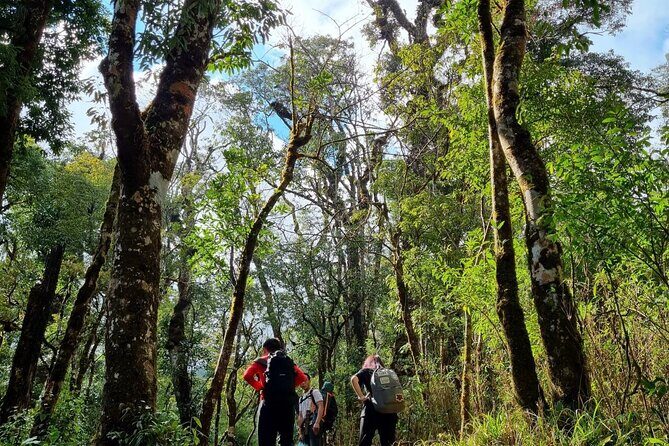
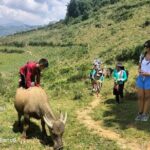
This Sapa full-day trek is built around small-group hiking (max 12) and a local H’Mông or Dao guide who walks with you and shares daily life, not just directions. You’ll move through bamboo forest trails, pass real villages tied to terraced farming, and stop for cultural moments and photo breaks that feel like part of the walk, not a theme-park schedule.
I also like the practical pace control: the route stays flexible, with optional stops and adjustments based on what the group wants and how you’re feeling. The main thing to consider is conditions. When it’s wet, trails can turn very muddy, and the hike needs moderate fitness—so you’ll want grip and good balance.
In This Review
- Key things that make this trek worth your day
- Why Sapa’s Muong Hoa Trek Feels Different From a Simple Walk
- Starting in Sapa: Pickup Timing and Leaving Luggage Behind
- Y Linh Ho Village: Bamboo-Trail First Impressions
- Muong Hoa Valley: Ethnic Diversity You Can See as You Walk
- Lao Chải Village to Ta Van: Where Farming Life Becomes the Main Story
- The High Point View: Terraces, Hoàng Liên Sơn, and Cloud-Hunting
- Lunch Included: A Real Stop, Not a Random Food Pit Stop
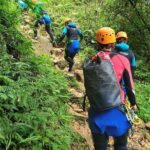
- Trekking Conditions: Mud Is the Real Villain (Bring Grip)
- Price and Value at $24.17: What You Actually Get
- Who Should Book This Sapa Trek (and Who Should Rethink It)
- Should You Book This Sapa Trekking Tour?
- FAQ
- What time does the pickup start?
- How many people are on the trek?
- What’s included in the price?
- Are drinks included with lunch?
- Where does the tour meet?
- Is this trek suitable for moderate fitness levels?
Key things that make this trek worth your day
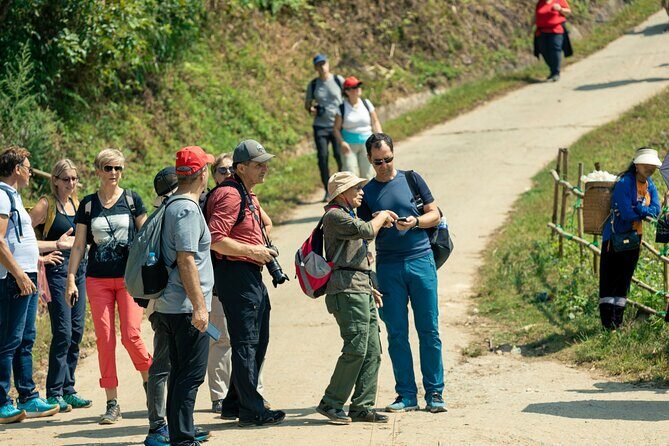
- Max 12 people means your guide can actually manage the pace and regroup when needed.
- H’Mông/Dao guidance brings real cultural context while you walk through villages and fields.
- Y Linh Ho + Muong Hoa Valley + Ta Van gives you more than one “village lens” in a single day.
- Panoramic high point over Muong Hoa Valley, terraces, and Hoàng Liên Sơn Range (great for cloud-hunting).
- Lunch included along the route, so you’re not scrambling halfway through.
- Muong Hoa Valley ethnic mix (H’Mông, Red Dao, Tay, Giay, and more) means clothing, customs, and daily work change as you go.
Why Sapa’s Muong Hoa Trek Feels Different From a Simple Walk
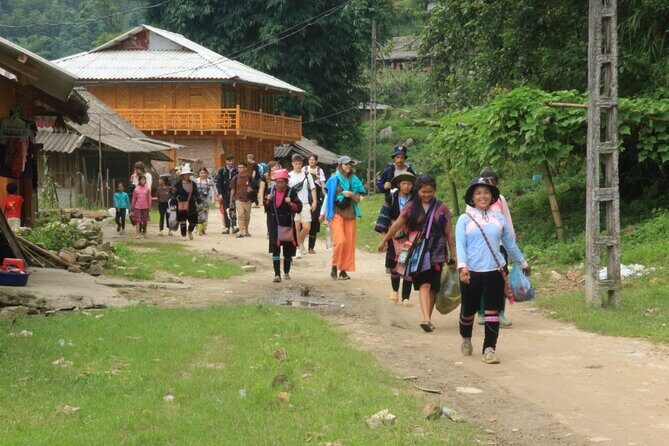
Sapa trekking has a way of becoming either life-changing or kind of chaotic. This one aims for the middle path: enough structure to be easy, but not so rigid that you miss the human parts.
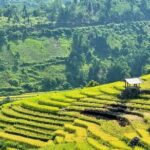
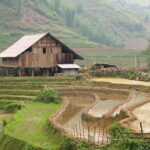
You’ll start early, ride a pickup to the trail area, and then spend the bulk of the morning moving through village scenery along Muong Hoa Valley. The route is designed to show you how ethnic minority communities live and farm—rice terraces, small streams, and the rhythm of everyday work.
The real value is the guide-led cultural exchange. With guides such as Ms Su or Mao Cô (names you might hear on this kind of tour), you’re not just collecting stamps. You’re getting explanations in plain language—why people farm the way they do, what the clothing and customs signal, and how village life connects to the landscape.
You can also read our reviews of more hiking tours in Sapa


Starting in Sapa: Pickup Timing and Leaving Luggage Behind
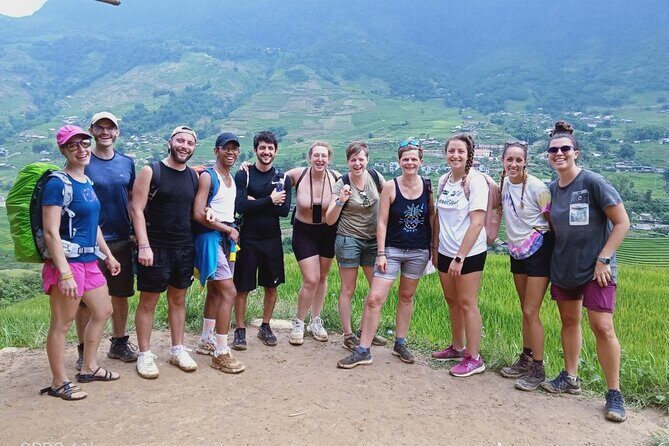
Your day starts around 8:00–8:30. The guide picks you up at your central Sapa hotel, or you can meet at Sapa Retreat Condotel (03 Hoàng Liên, TT. Sa Pa, Sa Pa, Lào Cai 333100, Vietnam).
If you have luggage, you can leave it at the meeting hotel. That one small detail matters more than it sounds. Trek days go smoother when you aren’t hauling a heavy bag around on uneven ground.
Expect the tour to run about 6 hours (approx.). That’s long enough to feel like a real hike, but short enough for people staying in Sapa town who want one full day outside the city without committing to an overnight.
Y Linh Ho Village: Bamboo-Trail First Impressions
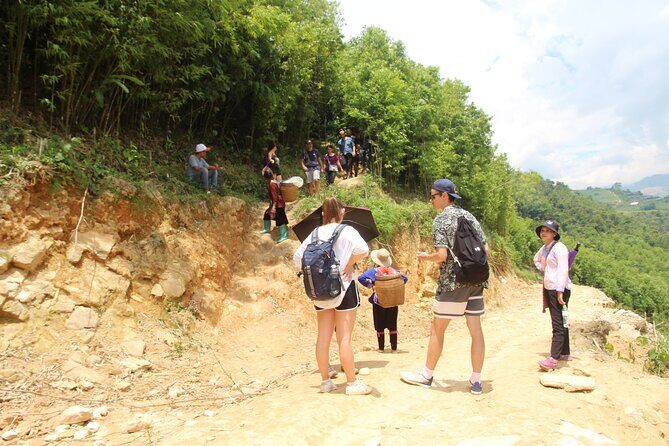
The first stop is Y Linh Ho Village, built into the morning schedule. You’ll spend about 2 hours here, and admission tickets are included, so you don’t have to chase small logistics mid-walk.
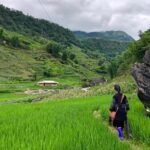
This is where the trek earns its name as a trail experience. You’re not staying on a paved promenade. You’re walking through the kind of paths that follow farming edges, bamboo areas, and the quieter side of Muong Hoa Valley.
What I’d watch for at this stop is the way the village setting changes how you see everything else. Y Linh Ho helps you get your bearings on how the valley works: terraced fields, the role of water, and why homes and footpaths cluster the way they do.
If you’re a first-time Sapa hiker, this is also a good place to learn how your guide handles group movement—when they call for regrouping, when they slow down for photos, and how they pace uphill sections.
Muong Hoa Valley: Ethnic Diversity You Can See as You Walk
Once you leave the first village, the trek enters the Muong Hoa Valley stretch. This part is about more than scenery. It’s about seeing how ethnic minority communities live and how that life shows up on the ground.
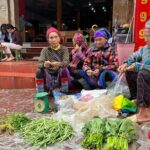
Muong Hoa Valley is home to groups including H’Mông, Red Dao, Tay, and Giay. As you walk, you’ll notice differences in traditional clothing and daily habits. You may also catch local customs through direct cultural exchange moments led by your guide.
One practical upside here: the trek design builds in time for optional stops. That flexibility is useful because you’ll likely want extra minutes when you see a view through the trees or want to pause near a stream. With small groups, it’s easier for your guide to say yes instead of forcing everyone onward.
The one caution: this portion can feel muddy if rain fell earlier. If conditions are slick, your safest move is to slow your own pace slightly and let your guide set the footing rhythm.
Lao Chải Village to Ta Van: Where Farming Life Becomes the Main Story
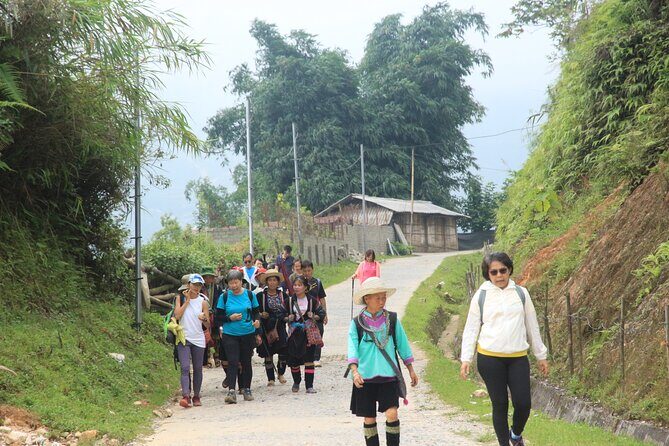
After passing through the Muong Hoa Valley, the itinerary reaches Lao Chải Village. It’s described as a village framed by the kind of steady water and mountain setting that makes terrace farming possible. You’ll walk through areas where the valley’s shape guides the village’s layout.
Then around 12:30, you arrive at Ta Van Village. Ta Van is known for communities including H’Mông, Dao, Giay, and Tày. Here, daily life tends to revolve around farming, livestock raising, and rice cultivation—so the culture you learned about earlier starts to feel concrete and repeatable.
What you’ll likely enjoy most is the way these villages connect. You’re not jumping between totally different worlds. You’re seeing variations of the same valley system—water, terraces, and family work—played out through different ethnic traditions.
The timing also matters. Reaching Ta Van at midday helps you settle into the day’s final leg without turning lunch into a rushed rescue mission.
You can also read our reviews of more tours and experiences in Sapa

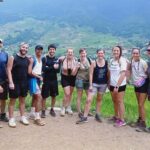
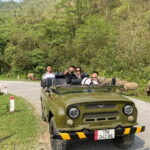

The High Point View: Terraces, Hoàng Liên Sơn, and Cloud-Hunting
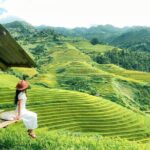
The overview calls out a key highlight: the tour’s highest point. This is where you get panoramic views over the Muong Hoa Valley, the terraced fields, and the Hoàng Liên Sơn Range.
If you care about photos, plan to treat this like a slow-down moment, not a sprint. Mountain views reward patience. Light shifts, clouds move, and the terraces look completely different depending on visibility.
Cloud-hunting is the right mindset here. On clear days, you’ll get crisp valley views. On misty days, you might catch that layered mountain look that makes Sapa famous—especially when the valley disappears and reappears above the fields.
Also, keep your hands free. That sounds obvious, but trekking at elevation plus slippery slopes means you don’t want to be juggling your camera and your balance.
Lunch Included: A Real Stop, Not a Random Food Pit Stop
Lunch is included. It’s served along the route, and the itinerary indicates lunch happens around the last village stop area (after you reach Ta Van).
This is a good value point. Many day treks in Vietnam price themselves like a tour, then make food optional. Here, lunch is part of what you pay for—so you can focus on the walk instead of budgeting minute-by-minute.
You should still bring a habit of being flexible. Water and drinks are not included, so you’ll want to plan for hydration and any extra snacks you personally prefer. If you tend to get hungry after an uphill section, a small personal snack can save you from late-afternoon cravings.
Trekking Conditions: Mud Is the Real Villain (Bring Grip)
This trek is a walking day, so weather matters. Multiple experiences tied to this route emphasize slippery trail conditions after rain. If it’s been wet overnight, expect mud on the paths.
So here’s the practical checklist idea: think grip first, not style. Gum boots came up as a strong recommendation. If you don’t want full boots, at least wear footwear with serious traction and consider waterproofing if you have it.
Also, don’t underestimate balance on uneven ground. Even with a careful guide, a slip can happen. A smooth strategy is to step flat when the trail looks slick, keep your center of gravity low, and take a breath before each descent.
The upside: when conditions are tough, good guiding shows up fast. Guides often manage the downhills carefully and help people who lose footing—especially in small groups where the pace is easier to manage.
Price and Value at $24.17: What You Actually Get
At about $24.17 per person, the value comes from what’s bundled and how small the group stays.
You’re not just paying for a guide and a view. What’s included is practical: pickup/drop-off at central hotels, lunch, a tour guide, sightseeing tickets, and insurance. Drinks are not included, so budget a bit for water and anything extra you like.
For many budget trekkers, the biggest hidden cost is time and logistics. Here, pickup/drop-off and tickets reduce that stress. And with a small group cap at 12, your guide can keep an eye on everyone, which helps both comfort and safety.
My take: if you’re staying in Sapa town and you want one day that mixes walking with village culture, this is a strong price-to-experience ratio—especially compared to treks that charge extra for meals and entry fees.
Who Should Book This Sapa Trek (and Who Should Rethink It)
This is best for people who want a guided cultural trek without needing a full multi-day itinerary. It’s also a good match if you enjoy ethnic diversity on foot—H’Mông and Dao-guided storytelling while you pass villages, terraced fields, and streams.
You should have moderate physical fitness, since you’ll be hiking on paths that can become slick. If you have knee issues or you’re uncomfortable on muddy descents, you might still go, but plan for slower pacing and traction-focused footwear.
It’s also ideal for photographers and view-chasers. The highest viewpoint over Muong Hoa Valley and the Hoàng Liên Sơn Range is the kind of payoff that makes the morning walk feel worth it.
If you want a totally comfortable, low-effort sightseeing day with zero slipping risk, you’ll probably prefer a lighter option in town. This one is real trekking.
Should You Book This Sapa Trekking Tour?
Book it if you want one full day outside Sapa town with small-group guidance, village stops that matter, and lunch included. The route hits multiple villages—Y Linh Ho, Lao Chải, and Ta Van—plus the big view from the high point.
Think twice if bad weather scares you. Mud can be a deal-breaker unless you’re willing to slow down, wear proper footwear, and accept that trekking days in Sapa aren’t always dry and easy.
If you do book, one simple move will help: ask your guide early how they’ll keep the group together on slippery sections. That keeps the day fun instead of frustrating—and lets you enjoy the cultural exchange and the valley views without constant worry.
FAQ
What time does the pickup start?
Pickup is scheduled around 8:00–8:30 from your central Sapa hotel, or you can meet at Sapa Retreat Condotel at the listed address.
How many people are on the trek?
The tour has a maximum of 12 travelers, keeping it small-group friendly.
What’s included in the price?
The price includes lunch, a tour guide, sightseeing tickets, insurance, and pickup/drop-off at central hotels.
Are drinks included with lunch?
No. Drinks are not included, so you should plan to buy or bring what you need.
Where does the tour meet?
The meeting point is Sapa Retreat Condotel (03 Hoàng Liên, TT. Sa Pa, Sa Pa, Lào Cai 333100, Vietnam).
Is this trek suitable for moderate fitness levels?
It’s listed for travelers with a moderate physical fitness level, so you should be comfortable with walking on uneven terrain.