REVIEW · SAPA
Full Day Trekking in Sapa
Book on Viator →Operated by Trekking local villages and rice fields in Sapa · Bookable on Viator
Sapa feels smaller after a village trek. This full-day hike is built around real local life in and around Sapa: rice terraces, family farms, small workshops, and the kind of footpaths you don’t find on a bus tour. The big win is that the route can be tuned to your pace and comfort level, and your guide knows which ways feel most authentic.
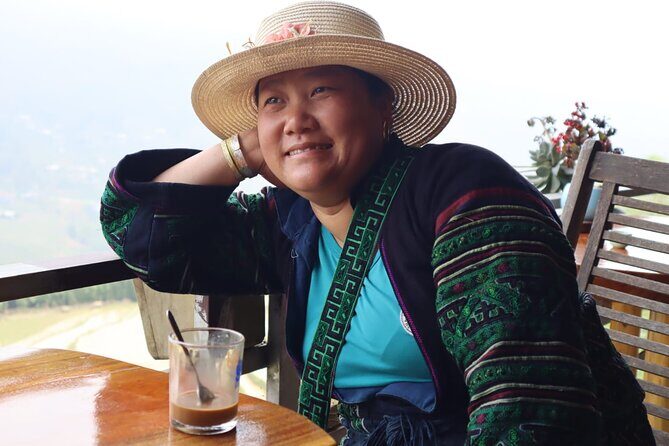
I love two specific things here. First, the trek is customizable by difficulty, so you can go easy, go hard, or land somewhere in the middle. Second, the day includes lunch at a local home, and guides like Thào Thikhu (often called Khu) are known for strong English and a caring, hands-on attitude when the trail gets rough.
The one downside to plan for: it’s still trekking, and Sapa weather can change fast. If it’s misty or rainy, expect slower walking and more uneven footing for a total of about 6 hours.
In This Review
- Key things to know before you go
- Why a Custom Village Trek Feels More Real in Sapa
- Getting Your Trek Level Right With WhatsApp and On-the-Ground Adjustments
- Morning Pickup and the First Stretch Out of Sapa Town
- Loa Chai and the Rice Fields: What You’ll See Up Close
- Wildlife you’ll likely spot (and how to handle it respectfully)
- The Halfway Lunch Stop at a Local Home
- Why this lunch stop is worth caring about
- The Afternoon Loop Back: 6 Hours, Real Footing, and Real Flexibility
- Pickup, Mobile Ticket, and Private-Group Comfort
- Price and Value: Is $24 Actually a Deal?
- What to Pack for a Sapa Trek That Won’t Make You Miserable
- Who Should Book This Trek in Sapa?
- Should You Book Full Day Trekking in Sapa?
- FAQ
- What time does the trek start?
- How long is the full day trekking experience?
- Is pickup included?
- Is this tour private?
- Can the route be adjusted for different fitness levels?
- What happens if the weather is poor?
Key things to know before you go
- WhatsApp route planning: you message the guide before the day so the walk matches your group and comfort level.
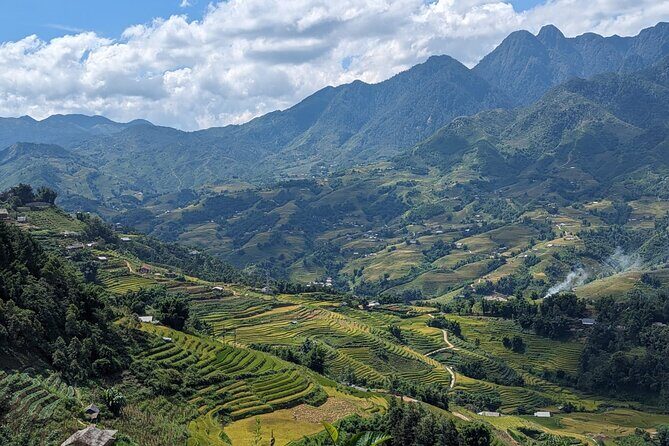
- Loa Chai village + Sapa rice fields: expect farmland you can see and walk through, not just photo stops.
- Farm animals along the way: buffalo, chickens, ducks, and pigs are part of the scenery on the routes.
- Lunch at a local home: you stop halfway for a meal prepared at a friend’s house.
- Private group experience: it’s only your group, so you can go at your pace instead of being dragged by a crowd.
- Weather matters: the activity requires good weather, and there’s an option to switch dates or get a refund if conditions are poor.
Why a Custom Village Trek Feels More Real in Sapa
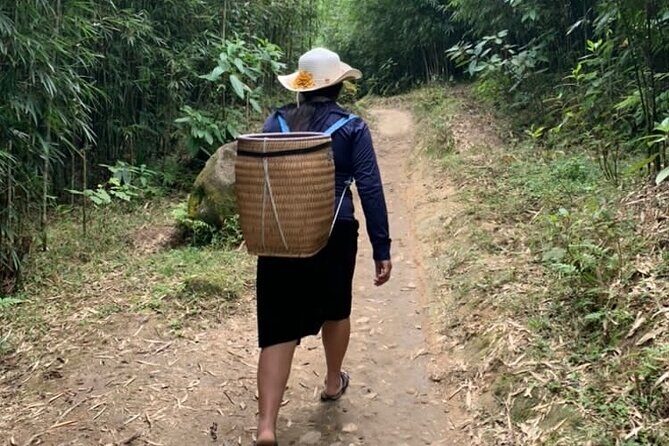
Sapa can be visually spectacular, but it can also feel staged if you stick to the easiest walking routes. This kind of full-day trek works because it’s anchored in everyday village life—rice cultivation, farm animals, local crafts, and casual conversations that happen naturally when you’re on foot.
You’ll also get a guide who’s from the area. That matters. When your guide knows the community and the paths between hamlets, you spend more time moving through living scenery and less time zigzagging through the same tourist corridor. In the better versions of this tour, the route even shifts to keep the day from feeling crowded, while still hitting the sights you came for.
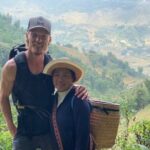
The day is also built for connection. Your guide talks during the walk—about farming, village routines, and what Sapa means beyond the viewpoints. One nice detail from the guide style you’ll likely feel here: English is strong, and Khu in particular is described as both engaging and funny, which makes a language-heavy conversation possible even if you’re not fluent.
You can also read our reviews of more hiking tours in Sapa

Getting Your Trek Level Right With WhatsApp and On-the-Ground Adjustments
The tour isn’t a one-size-fits-all hike. It’s explicitly customizable, from very easy to very hard. Before you set off, you message on WhatsApp so your guide can plan a route that fits your group.
That planning step is practical. In a place like Sapa, “easy” and “hard” can look wildly different depending on where the route climbs, how slippery the path is, and how long you stay walking continuously. With a guide planning ahead, you can ask for:
- more time on paths with gentler grades
- a shorter main hiking segment
- more village stops and less steep terrain
- or the opposite, if your group wants a more serious workout
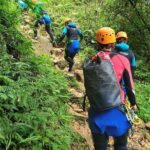
On the trail, guides like Khu have a reputation for helping people manage the rougher sections. That can mean adjusting your route slightly, pacing breaks, or simply staying close when the footing gets tricky. If you’re traveling as a mixed group—say, one confident hiker plus someone who tires faster—this setup is much more forgiving than tours that are fixed no matter what.
Morning Pickup and the First Stretch Out of Sapa Town

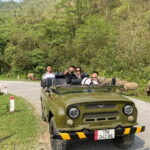
You start at 8:00 am, usually with pickup from your hotel or meeting point (pickup is offered). The early start matters in Sapa. You generally get more manageable walking conditions and you’re less dependent on afternoon fog rolling in.
Once you’re moving, the plan is straightforward: you leave Sapa town and head into surrounding rural villages. This isn’t just a straight “down and back” day. You’re aiming for a loop that brings you back to your hotel later, with the walking spread across different sections.
The first part of the day sets the tone. It’s the time for:
- getting your bearings on farm paths
- watching daily routines (people moving between fields, animals nearby)
- learning how the landscape is used, not just seen
It’s also the moment when photos are most useful, because you’re still fresh and the views tend to feel open and readable.
Loa Chai and the Rice Fields: What You’ll See Up Close
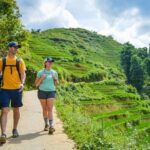
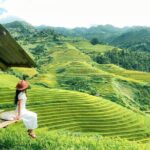
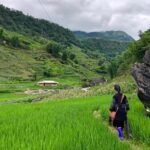
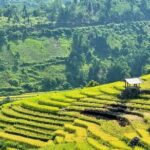
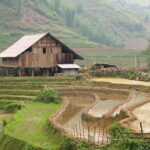
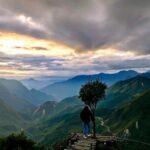
One of the best parts of this tour is Loa Chai village, including the chance to see the famous Sapa rice fields while trekking through them. Rice terraces aren’t just a pretty backdrop here—you’ll walk along paths that cut through areas where people are actively growing and tending the fields.
On routes like this, the guide often ties the visuals to real farming details: how the fields work, how the harvest cycles affect daily life, and what you might notice in the scenery depending on the time of year. If you’re lucky with timing, you may catch the fields in active harvest mode, which changes the feel of the day. Even if you’re there outside peak harvest, you’ll still notice the patterns of irrigation and field layouts as you pass by.
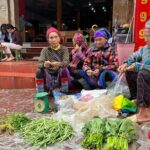
You should also expect small signs of village economics along the way. The tour description includes handicrafts and opportunities to purchase local handmade goods. In practice, that can look like brief stops near craft activity, or small shops along the way where you can browse without pressure. If you’re interested in bringing something home that isn’t mass-produced, this is where it can happen.
Wildlife you’ll likely spot (and how to handle it respectfully)
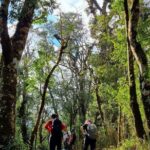
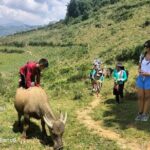
The route includes frequent animal sightings. The tour specifically calls out buffalo, chickens, ducks, and pigs. You may see them near farm edges, in open areas, or moving through the same paths you’re walking on.
A simple approach helps: stay aware, don’t crowd the animals, and give them room to move. If the guide pauses to point something out, follow their lead. It’s one of those moments where you feel like you’re watching village life, not chasing a photo.
You can also read our reviews of more tours and experiences in Sapa

The Halfway Lunch Stop at a Local Home
About halfway through the day, you stop for lunch at the guide’s friend’s house. This is one of the most praised parts of the experience, because it breaks up the walking with a warm pause and a chance to see how families host.
Guides associated with this tour—especially Khu/Thào Thikhu—are described as excellent at preparing the meal and keeping the experience comfortable. People also mention that lunch becomes part of the storytelling: you eat, chat, and get answers to questions you didn’t think to ask on the first hour.
Why this lunch stop is worth caring about
A trekking lunch can be either a quick scramble for energy or a real cultural moment. Here, it leans toward the second. Since you’re eating in a home environment, the meal feels tied to the landscape and the people you just walked past. Even if you’re short on time, this is the point that turns a hike into a day you remember for the human details, not only the scenery.
Practical note: bring cash if you want to purchase crafts later, since you may run into small opportunities on the way back.
The Afternoon Loop Back: 6 Hours, Real Footing, and Real Flexibility

The trek ends with a loop back to your hotel after a long, rewarding day. Total duration is listed as about 6 hours, and the pace depends on the difficulty level you choose and how often you stop to talk, browse, and watch farm activity.
Some groups describe a main walking stretch around 3 hours, but it’s typically spread out with sightseeing, animal spotting, and village moments, plus the loop sections. That’s why the day still averages out to close to the full duration.
The practical reality: Sapa paths can be uneven, and some sections feel tougher than they look. This is where customization and guide support matter. If you pick a harder route, you’ll still want good shoes and a steady pace. If you pick an easier route, you’ll likely feel more comfortable, but you’ll still be walking outdoors for hours.
If your group includes anyone who gets tired fast, ask for help in planning the trail before departure. A good guide will adjust the route so everyone can finish and actually enjoy the day instead of just surviving it.
Pickup, Mobile Ticket, and Private-Group Comfort
Even with a low price point, this tour is designed like a proper guided experience:
- Pickup is offered, which saves you the stress of timing transport in the morning.
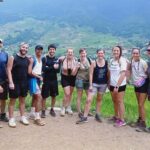
- It’s a private tour/activity, so you’re not stuck with a group pace you didn’t choose.
- You get a mobile ticket.
That private setup is a sneaky value. In Sapa, where you’re walking through villages, the difference between moving with your own group versus a mixed crowd can be huge. You’ll likely find it easier to ask questions, pause when you want, and keep your footing without rushing.
Price and Value: Is $24 Actually a Deal?
At $24, this tour is one of the more budget-friendly ways to get a guided day in the rice fields. But the better question is what you receive for that money.
Here’s what’s clearly part of the experience:
- A local guide guiding you between Sapa town and rural village areas
- A customizable trek based on group difficulty
- Village and rice field walking, plus farm-life stops
- A lunch stop at a local home
- Private-group format
- Pickup offered
- Mobile ticket
If you’ve paid more in other parts of Vietnam for guided nature days, you’ll see the value more clearly here. The cost feels reasonable because so much time goes into guiding and connecting you to local spaces—plus the lunch stop adds weight to the day rather than being a token break.
Just keep one expectation in check: this is not described as a luxury, fully outfitted trek with fancy comforts. It’s a real village trek. If you come prepared for that, you’ll likely feel the value quickly.
What to Pack for a Sapa Trek That Won’t Make You Miserable
You don’t need to be a mountaineer, but you do need the basics. Since the tour requires good weather and can involve misty conditions, plan for changes.
Pack smart:
- Sturdy closed-toe shoes with good grip (the paths can be uneven)
- A rain layer you can actually wear on a hike
- Layers for cool morning air
- A small day bag for water and snacks (even if lunch is planned)
- Cash for any handmade goods you decide to buy
- A light hat or cap for sun breaks when the clouds lift
Also, if you’re the type who hates cold feet, bring socks you trust. It’s an easy win for comfort.
Who Should Book This Trek in Sapa?
This tour is a good fit if you want:
- an authentic village day (rice fields, farms, crafts)
- a guided experience with strong communication
- a route tailored to your group’s fitness
- time for a home lunch stop, not just walking and snapping pictures
It’s also especially strong if you’re traveling with people of mixed abilities. The customization and the guide’s willingness to help with rougher parts makes it easier for everyone to keep going.
If you have very limited mobility or you’re unwilling to walk outdoors for hours, you’ll want to choose a much easier difficulty level (or consider a different kind of experience). The listing says most people can participate, but it’s still a trek in rural terrain.
Should You Book Full Day Trekking in Sapa?
I’d book this when your idea of a great Sapa day includes walking through rice terraces and villages, not only looking at them from a viewpoint. The day is built around the stuff that makes Sapa feel real: local farms, animal sightings, crafts, and a home lunch stop.
Do it especially if you care about route choice. With WhatsApp planning and the ability to adjust difficulty, you can shape the day to match your energy and your group.
Skip—or at least reconsider—if you’re not comfortable with uneven outdoor paths or you know your group can’t handle weather changes. This tour depends on conditions, and the guide will still take you out on foot once you’re set.
If you want Sapa in one day with a guide who actually knows the area, this is a solid way to make it happen.
FAQ
What time does the trek start?
The start time is 8:00 am.
How long is the full day trekking experience?
It lasts about 6 hours (approx.).
Is pickup included?
Pickup is offered, and the tour begins after your pickup from your hotel or meeting point.
Is this tour private?
Yes. It’s a private tour/activity, so only your group participates.
Can the route be adjusted for different fitness levels?
Yes. The trek is described as infinitely customizable, and you can choose a difficulty level. You’ll message the guide on WhatsApp before to plan the best route.
What happens if the weather is poor?
The experience requires good weather. If it’s canceled due to poor weather, you’ll be offered a different date or a full refund.