REVIEW · SAPA
Full Day Sapa Jeep Open Air Jeep Off The Beaten Track
Book on Viator →Operated by Sapa Motorbike Tour · Bookable on Viator
Sapa by jeep is the easiest way to get off the main road. This full-day route mixes open-air mountain riding with village time in areas many visitors skip, including Muong Hoa Valley, Ta Giang Phinh area, and the O Quy Ho pass at about 1800m.
I love that the focus stays on real village life, with multiple ethnic-minority stops and even a chance for a more personal meeting when your guide is willing. I also like the practical side: pickup from Sapa Church or your hotel, an English-speaking guide, lunch included, and water on the route.
One thing to consider: it’s an open-air jeep, so weather matters. You do get a loop cover for rain, but on cool or wet mountain days you’ll want to dress for the elements.
In This Review
- Key highlights at a glance
- Why this open-air jeep day makes Sapa feel real
- A quick reality check on the vehicle
- The full route: Muong Hoa Valley to O Quy Ho viewpoints
- Stop 1: Muong Hoa Valley and first views
- Stop 2: Giang Ta Chai area and the back-road approach to Ban Khoang
- Stop 3: Ta Giang Phinh and Ta Phin (with terraces along the way)
- Stop 4: O Quy Ho Mountain Pass and the village at about 1800m
- The guide factor: English + pride + real interactions
- How to get the most from your guide
- What’s included (and what you’ll pay for anyway)
- Included
- Not included
- Price and value: why $125 can make sense here
- Timing, comfort, and how to dress for an open-air day
- Who this tour suits best
- Should you book this Sapa open-air jeep tour?
- FAQ
- What time does the tour start?
- How long is the full-day jeep experience?
- Is pickup included?
- What does the tour include for meals?
- Are entrance fees included for the village visits?
- Is there water during the tour?
- Is the guide English-speaking?
- How many people are in the group?
- What is not included in the price?
- Can I cancel for a full refund?
Key highlights at a glance
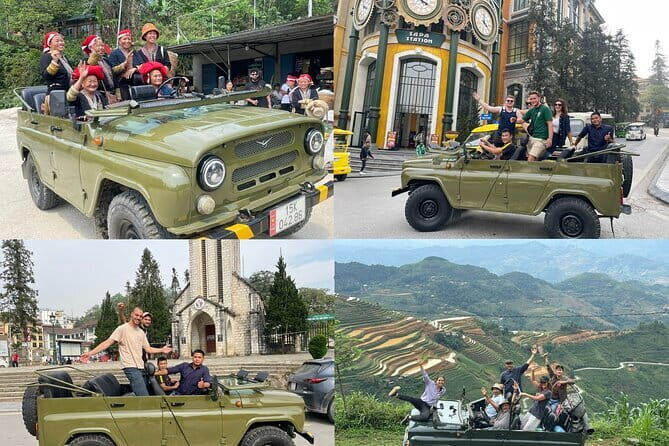
- Open-air jeep rides that let you see Sapa’s valleys and terraces from close up
- Multiple ethnic-minority villages plus “secret” stops where few people go
- O Quy Ho pass and village at around 1800m with viewpoints of Phanxipang
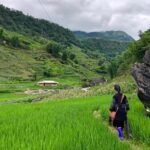
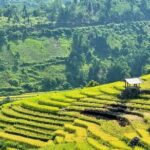
- Muong Hoa Valley and Ta Giang Phinh Valley scenery with rice terraces for days
- Small group size with a maximum of 12 travelers
- Strong guide energy, including guides like Lan, Tammy, and May who focus on local culture
Why this open-air jeep day makes Sapa feel real
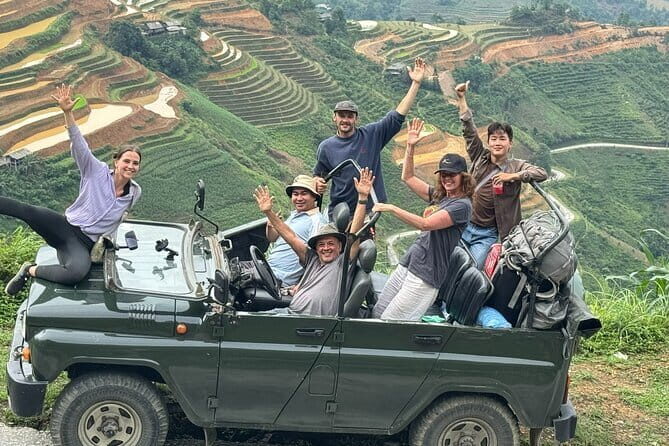
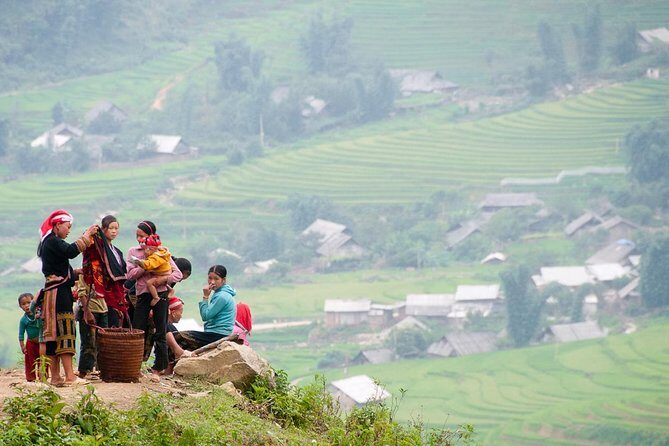
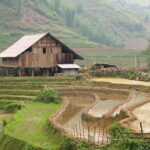
Sapa can be a bit like a postcard if you only stay near town. This tour pushes you outward on purpose, using a jeep you can ride in while you take in huge mountain views and terraced fields. The “open-air” setup matters because the scenery feels immediate—less window-view, more you’re right here.
What I like most is that the day isn’t only scenic. You’re scheduled for village visits across different areas—Muong Hoa Valley first, then several stops tied to the Ta Giang Phinh and Ta Phin regions, and finally the O Quy Ho area. That balance is what makes the day worthwhile: views to set the hook, plus community time to explain what you’re actually seeing.
The tour is also built to be guide-led. You get a professional English-speaking tour guide, and the route includes entrance tickets for the village stops, which keeps the day running smoothly. If you’re the type of traveler who likes questions—about farming, daily life, or local traditions—this is the style of trip that tends to pay off.
You can also read our reviews of more tours and experiences in Sapa
A quick reality check on the vehicle
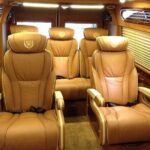
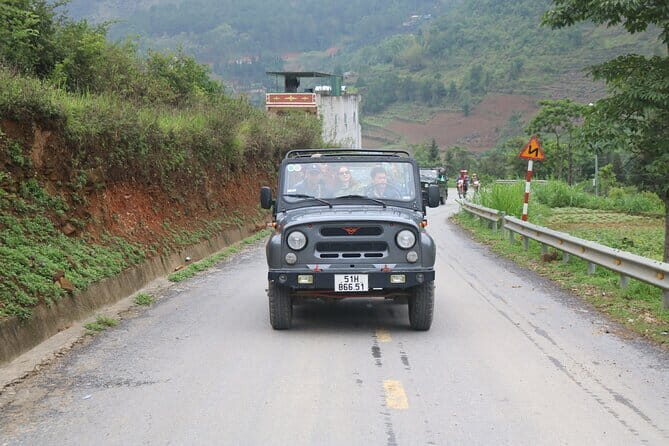
Open-air jeeps are great for photos and fresh air, but you’ll feel the mountain weather. The tour includes a loop cover in case rain, which is helpful. And one review mentioned that on rough road days a more modern vehicle showed up when flooding had damaged roads—so expect that the operator may adjust if conditions require it.
The full route: Muong Hoa Valley to O Quy Ho viewpoints
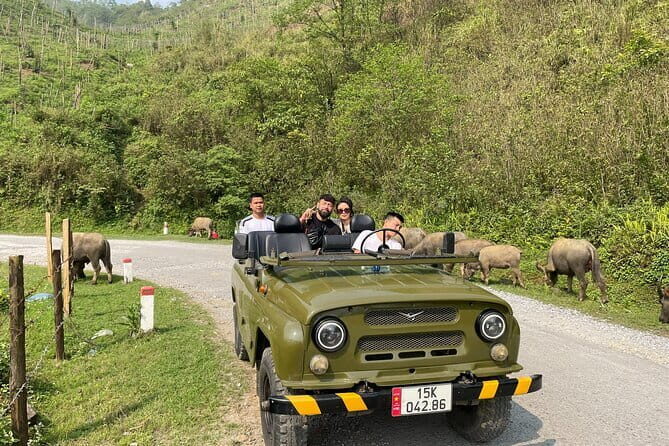
This is a long day at roughly 8 hours 40 minutes, starting at 8:30am. Pickup is offered either at the point by Sapa Church or from your hotel in Sapa City. The pace is “full-day exploring,” meaning you’re moving, stopping, and learning throughout—not lounging.
Below is how the stops fit together and what each one is likely to deliver.
Stop 1: Muong Hoa Valley and first views
You start in the morning and head into Muong Hoa Valley right after pickup. This is your early scenery fix: mountains, valley views, and terraced farmland that’s basically Sapa’s signature. The timing—late morning starts are not ideal for harsh midday crowds, but early starts often mean better light—works well for getting good sightlines before the day gets late.
This first stop also sets expectations for the rest of the itinerary. You’ll see how quickly the scenery changes once you leave town: the roads narrow, the countryside becomes the main event, and villages start feeling less like a destination and more like a living system.
Stop 2: Giang Ta Chai area and the back-road approach to Ban Khoang
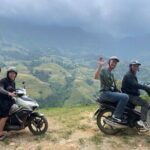
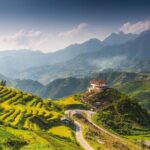
Next you reach Giang Ta Chai Village, described as a secret village with very few tourists. From there, the jeep takes you by back roads toward Ban Khoang. That back-road detail matters: it’s often where you get the “Sapa feels bigger” effect, because you’re not just driving past rice terraces—you’re traveling through them.
Here’s what to look for during this portion:
- Rice terraces and valley views from angles most people never reach
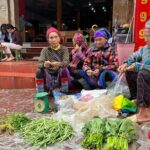
- Village life that feels more everyday than staged
- A chance to slow down for conversation when your guide finds the right moment
Stop 3: Ta Giang Phinh and Ta Phin (with terraces along the way)
After the Giang Ta Chai area, the route continues toward Ta Giang Phinh and then Ta Phin. The day doesn’t treat these places as separate worlds. Instead, the itinerary stitches together the valley scenery and multiple stops along routes that pass terraced fields.
You’ll also visit Can ho B, and along the way toward Phin Ho you’ll pass scenes described as unique and beautiful rice terrace fields. That’s a pattern throughout this tour: you get “view moments” while moving from point to point, not only at final stops.
Potential drawback here: it’s a long ride segment before and after each village stop. If you’re the kind of traveler who prefers a lot of downtime, you may want to mentally plan for more time on the jeep than you’d get on a shorter walking tour.
Stop 4: O Quy Ho Mountain Pass and the village at about 1800m
After lunch, the day targets the highest-feeling section: O Quy Ho Mountain Pass and O Quy Ho Village. The village is described as one of the tallest altitude villages in Sapa, at over 1800m above sea level, and the viewpoint options are a big part of why this stop is included.
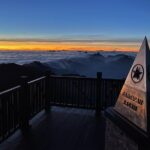
One highlight called out is a viewpoint where you can see Phanxipang peak. Even if clouds shift during your visit, reaching O Quy Ho is still a strong capstone to the day because the elevation changes the whole look of the valleys—distance increases, and the terraced patterns feel sharper.
This stop is where you’ll usually take your time. It’s the easiest place to stand and just watch the mountain world for a while, because you’re there for scenery first and village life second.
The guide factor: English + pride + real interactions
In a good Sapa village day, your guide is not a human GPS. They’re the translator of meaning.
This tour includes a professional English-speaking tour guide, and the strongest recommendations you saw are tied to guide personality and knowledge. Names mentioned include Lan, Tammy, and May—and the common theme is clear: they’re informative, friendly, and proud of their local communities.
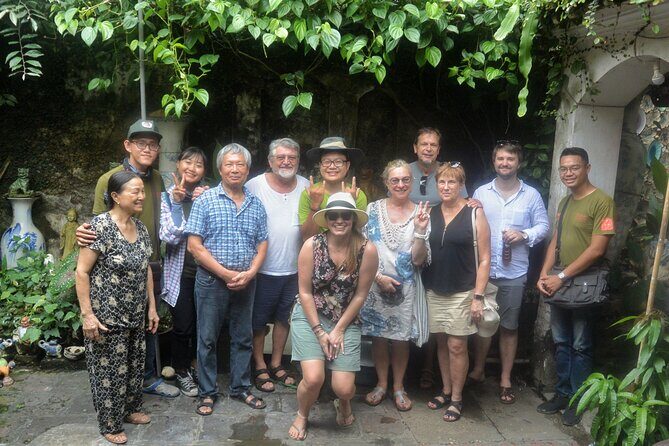
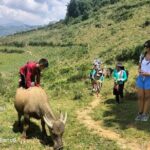
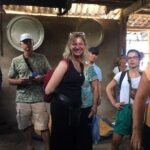
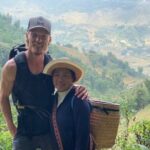
A particularly memorable detail from the experiences you provided is the idea that some guides may invite you to a home visit if you’re open to it. One example mentioned a guide taking the group to her own home and introducing family members. I like this approach because it can turn a village stop from a quick photo moment into something more human—if you’re respectful and comfortable with the personal side of travel.
How to get the most from your guide
- Ask questions that connect what you’re seeing to how people live
- Say yes when your guide suggests a more personal interaction, if you’re comfortable
- Keep your tone simple and curious; villagers are not performing for you
What’s included (and what you’ll pay for anyway)
This tour is priced at $125 per person, and it includes a lot of the parts that often inflate costs on day trips. At face value, it’s not cheap, but you’re paying for a full, structured day with transport, guidance, and village entry.
Included
- Pickup offered from Sapa Church or your hotel
- Professional English-speaking tour guide
- Lunch at a local restaurant
- Entrance fees/tickets for village visits
- Professional jeep driver and fuel
- Loop cover in case rain
- Water during the tour
- Mobile ticket
Not included
- Drinks at the restaurant
- Personal expenses
- Tips
If you want to budget smarter, plan on bringing or purchasing water beyond what’s included only if you tend to drink a lot. And since drinks at lunch are not included, decide ahead of time whether you’ll order water, tea, or something else.
Price and value: why $125 can make sense here
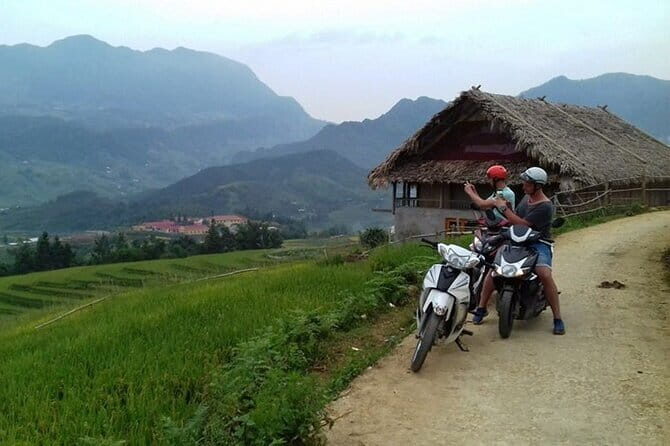
Let’s talk value without hand-waving. You’re paying for:
- A full-day route across multiple regions
- Transport in a jeep (not just a few short stops)
- A professional English guide
- Entrance fees
- Lunch plus water
Many cheaper tours cut corners on one or more of these: fewer stops, no lunch, no guide quality, or no entrance fees. Here, the structure is pretty complete for a day.
The small group limit of 12 travelers also matters. If you like your guide to answer questions and not feel like you’re herding cats, a smaller max group can be a quality-of-day difference.
One more detail: this tour is often booked about 70 days in advance on average. That suggests the dates can fill, especially for good weather windows. If you know you want this route, you’ll do yourself a favor by booking earlier rather than rolling the dice.
Timing, comfort, and how to dress for an open-air day
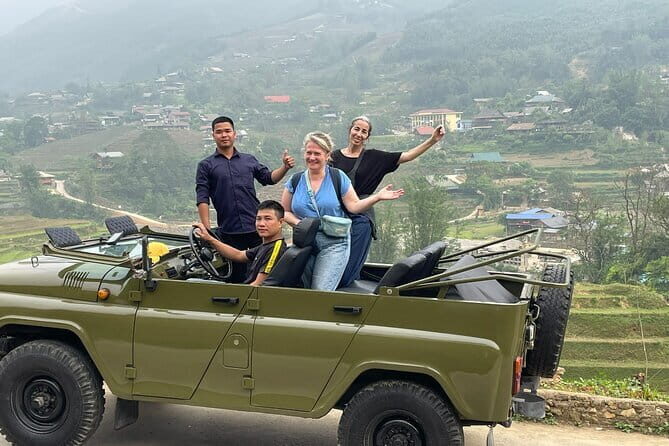
The tour runs for about 8 hours 40 minutes. Since it’s a full day with multiple village stops, you’ll want to think like you’re doing one big outing, not a quick sightseeing hop.
Because the jeep is open-air, you should dress for changing mountain conditions. The operator includes a rain cover in case it rains, so you’re not totally stuck. Still, open-air riding can feel cool fast when the temperature drops or the wind picks up.
Comfort tips that are safe and practical (no fantasy assumptions):
- Wear shoes you can walk in on uneven village paths
- Bring a light layer you can add or remove
- Keep a small daypack for your essentials during stops
Also, remember lunch is included, so you’re not relying on finding food at the right moment. That’s one of the hidden conveniences of a well-run day tour.
Who this tour suits best
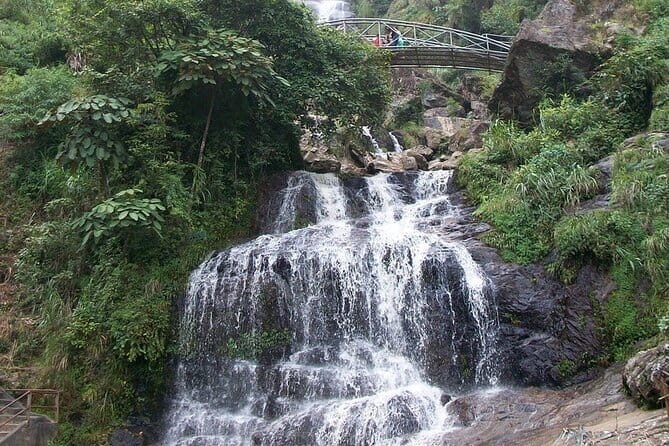
This is a great fit if you want:
- Off-the-beaten-track experiences around Sapa, not just town views
- A full-day itinerary with both scenery and village visits
- An English-speaking guide who can explain what you’re seeing
- A small-group feel with a maximum of 12 travelers
If you prefer quiet, slow travel with lots of downtime, you might find the pace long. And if you hate open-air transport, this one is still doable thanks to the rain cover, but it’s not a sheltered-only experience.
Should you book this Sapa open-air jeep tour?
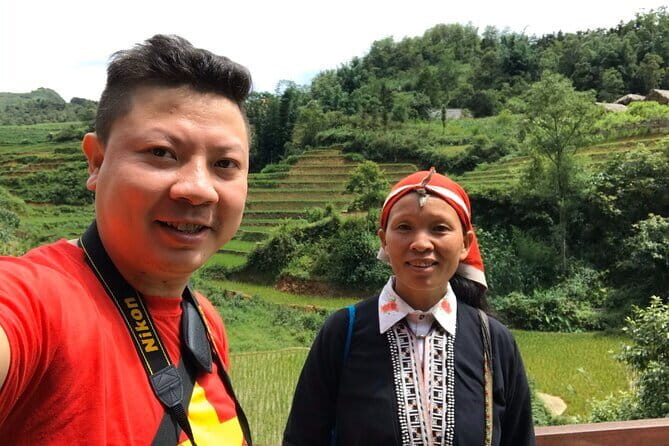
Book it if you want your Sapa day to feel like it’s actually leaving the tourist center and heading into the valleys, terraces, and villages that shape the region. The strongest reason to choose it is the combo of scenic mountain passes (including O Quy Ho at 1800m+) plus guided village time across multiple ethnic areas.
Skip it (or reconsider) if you’re sensitive to weather or you know you don’t enjoy long days of riding between stops.
My best advice: if you can handle an open-air day and you’re curious about village life, this is a solid use of time in Sapa. It’s structured, guided, and built around the kinds of stops that usually take more planning on your own.
FAQ
What time does the tour start?
The tour starts at 8:30am.
How long is the full-day jeep experience?
It lasts about 8 hours 40 minutes.
Is pickup included?
Yes. Pickup is offered from the meeting point at the point of Sapa church or from your hotel in Sapa City.
What does the tour include for meals?
Lunch at a local restaurant is included.
Are entrance fees included for the village visits?
Yes. Entrance fees and tickets for the village visits are included.
Is there water during the tour?
Yes. Water is provided during the tour.
Is the guide English-speaking?
Yes. The tour includes a professional English-speaking tour guide.
How many people are in the group?
The maximum group size is 12 travelers.
What is not included in the price?
Drinks at the restaurant, personal expenses, and tips are not included.
Can I cancel for a full refund?
Yes. You can cancel up to 24 hours in advance for a full refund.