REVIEW · SAPA
Trekking SaPa 2-Day Local Adventure with Homestay & Guide
Book on Viator →Operated by Trekking SaPa Chu · Bookable on Viator
This is the kind of Sapa trip where the route matters as much as the scenery. You get a 2-day guided trek to local ethnic minority villages, plus a traditional homestay experience that centers on the people who live there—not just quick photo stops.
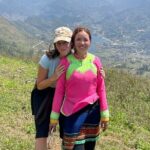
I especially like that the guiding is done by a local, Ms. Chu, born and raised in the area. Her style is practical and people-focused, with pacing that can match your group.
One thing to consider: this is still a trekking itinerary. If you’re hoping for a mostly flat walk with minimal stairs or uneven ground, check your fitness level first—your guide can adapt, but you should expect real trail time.
In This Review
- What I like most: guide, pace, and real village contact
- A fair heads-up before you go
- Key highlights you’ll actually feel
- Village trekking in Sapa that goes beyond the main roads
- Meet Ms. Chu: the local timing advantage (and the patience to match your pace)
- Day 1: the 9AM start and the Muong Hoa valley viewpoint feeling
- Day 1 night: homestay life, customs, and home-cooked meals
- Day 2: bamboo forest trekking to Giang Ta Chải (Red Dao)
- How much is $75 for two days, and is it fair value?
- Getting the most from the trekking: pace, private comfort, and weather reality
- Where this experience fits best (and where it might not)
- Should you book Trekking SaPa Chu?
- FAQ
- How long is the Trekking SaPa 2-Day Local Adventure?
- What does the trek include besides sightseeing?
- Where does the tour take place?
- How much does it cost?
- Is pickup available?
- Is this a private tour?
- How much walking is involved?
- What villages do you visit on the route?
- Are there any ticket costs mentioned?
- What is the cancellation policy?
What I like most: guide, pace, and real village contact
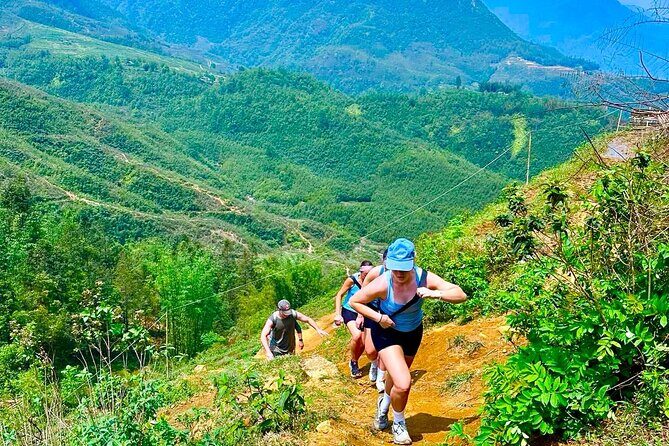
First, I like the personal guidance. In multiple accounts, Ms. Chu is described as warm, funny, and very informative, with strong English. The big win is timing and order of activities—she knows when to move so you don’t feel rushed or stuck.
Second, I like the homestay and home-cooked meals. This isn’t just a place to sleep between sights. The homestay format gives you a straightforward way to learn local customs from the community, and the meals are part of the cultural exchange.
A fair heads-up before you go
Because it’s private, you’re moving as one group. That’s great for comfort and flexibility, but it can also mean the experience is built around your group’s schedule and walking pace. If weather is rough, the plan may need to shift on the ground.
You can also read our reviews of more guided tours in Sapa
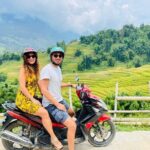
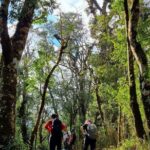
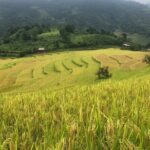
Key highlights you’ll actually feel
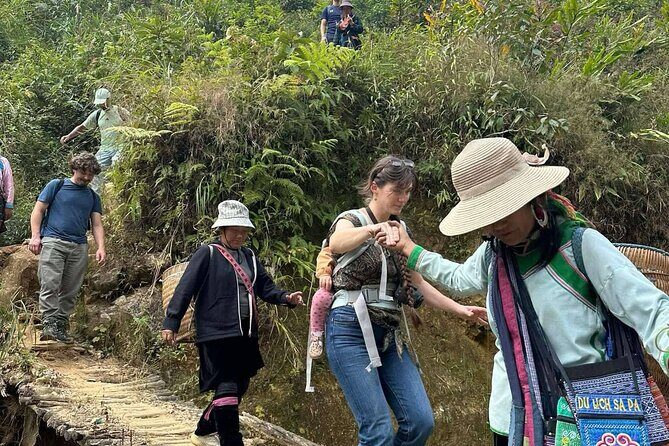
- Local guide Ms. Chu: born and raised in the region, with patient, adaptable pacing and strong English
- Homestay night: home-cooked meals and direct learning from people who live the daily life
- Muong Hoa valley viewpoints: start at 9AM with panorama views down to the valley
- Red Dao village visit: Day 2 includes trekking to Giang Ta Chải, home of the Red Dao community
- Bamboo-forest walking: Day 2 route includes bamboo forests on the way to the village
Village trekking in Sapa that goes beyond the main roads
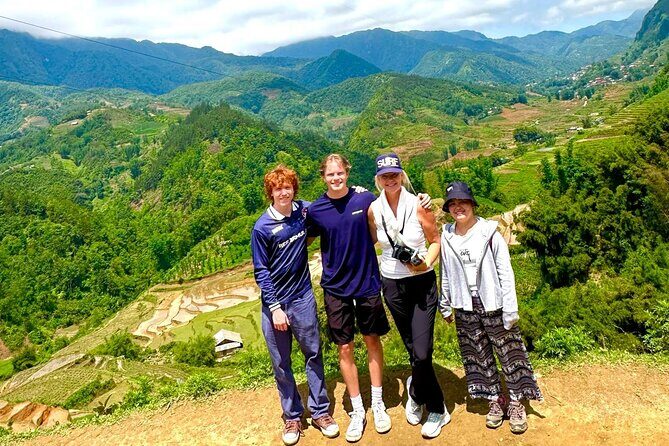
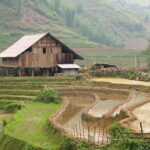
Sapa has a way of pulling you toward the same few viewpoints and the same crowd patterns. This itinerary takes you off that main flow. You spend your time on paths that connect villages around town, with a focus on ethnic minority community life.
The value here isn’t just the name on the schedule. It’s the structure: you get a local-born guide, you stay in a homestay, and you visit villages in a way that’s meant to support community-based tourism. That’s a meaningful difference if you care about how your visit affects the places you walk through.
You’ll also notice the trip is built for connection, not speed. The reviews highlight Ms. Chu’s warmth and her ability to keep things comfortable even when you’re on uneven trails. That matters because Sapa trekking can otherwise feel like a race—this one is more like a guided walk through daily village geography.
Meet Ms. Chu: the local timing advantage (and the patience to match your pace)
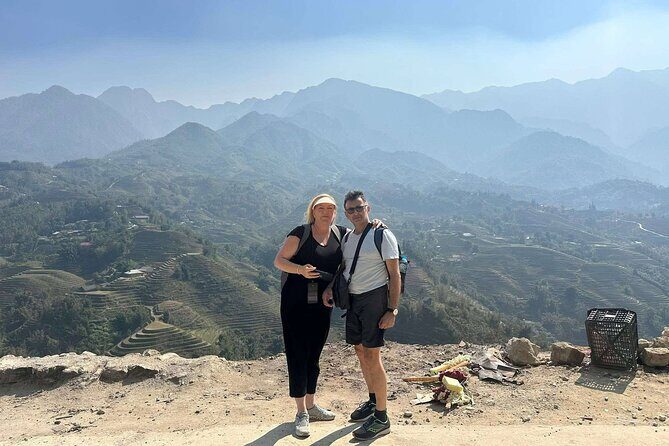
The tour is run under Trekking SaPa Chu, and the guide you’re likely to be paired with is Ms. Chu. Multiple write-ups repeat the same theme: she’s local to the region, speaks excellent English, and is patient.
Here’s why that’s useful to you. In Sapa, timing can make or break your experience. You don’t just want a pretty view—you want the right light, the right moment on the trail, and the right order of villages so you’re not constantly backtracking. Reviews mention that the activity order and timing are perfect and authentic, which is exactly what you want on a short 2-day trek.
Ms. Chu is also described as adapting the walking amount to fitness levels. If your group includes mixed ages or different comfort with hiking, that flexibility can be the difference between a great two days and a miserable one. She’s also been recommended specifically for advice about where to buy indigo fabric—an easy win if you like practical souvenirs that feel tied to place.
Day 1: the 9AM start and the Muong Hoa valley viewpoint feeling
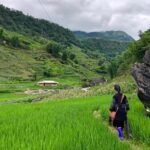
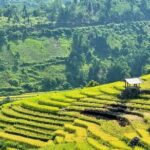
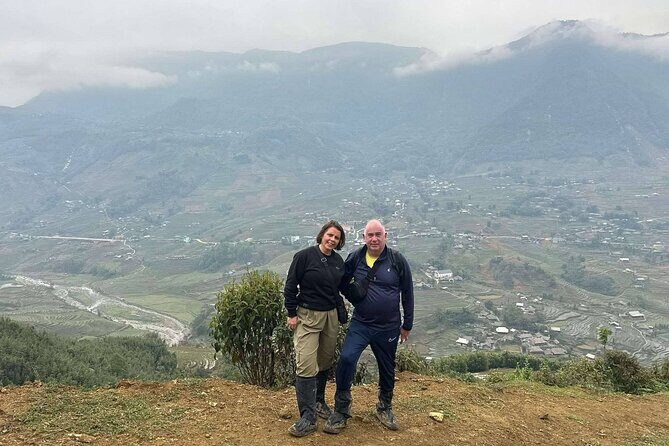
Day 1 begins at 9:00 AM in Sapa. The route moves down on a narrow road toward the Muong Hoa valley. Even before you settle into trekking mode, there’s a “welcome view” moment—panorama views of Sapa and the valley from the trail.
The listed stops for Day 1 are Y Linh Ho, Lao Chải, and Tả Van. I like this combination because it keeps you oriented. You start with scale—valley views that help you understand where all the village paths fit—then you move into the village network itself.
A practical note: this is early-day movement. If you’re the type who needs a slow start with coffee and no schedule pressure, plan to be ready the night before. Your guide’s job is to get you on track; your job is to show up ready to walk.
What you’ll likely feel on Day 1 is a gradual shift from “town sightseeing” to “trail rhythm.” And because it’s a private tour/activity (only your group participates), you’re not stuck matching a big group pace.
You can also read our reviews of more hiking tours in Sapa


Day 1 night: homestay life, customs, and home-cooked meals
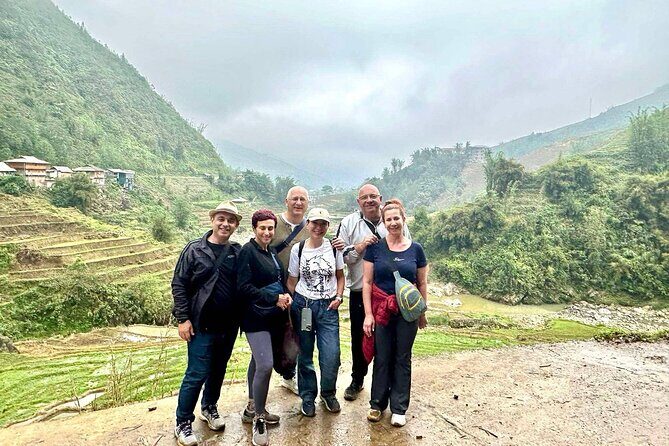
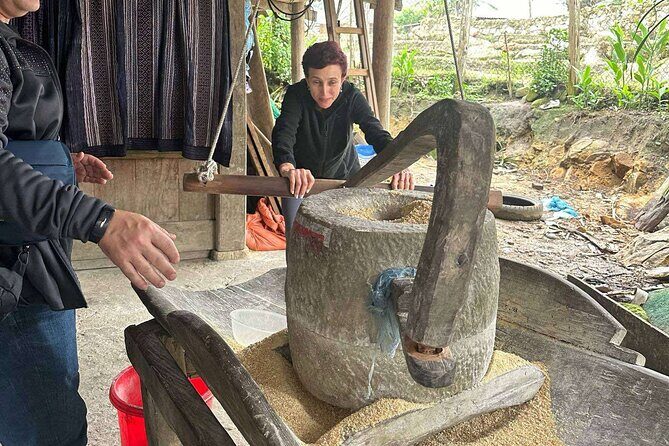
The homestay is the heart of this experience. The overview calls out traditional homestay lodging and home-cooked meals, and that’s consistent with the way people describe the trip: it’s not just sleep, it’s part of the learning.
What does that mean for you on the ground? Expect a more human pace than you get on typical bus-and-queue tours. You’ll have time to ask questions, observe daily habits, and learn customs directly from the community members hosting you.
It’s also one of the best parts of a short Sapa trip. In two days, you can’t realistically cover every district, every village, every viewpoint. The homestay helps you go deeper with what you do cover. You get “why this village looks the way it does” and “how daily life works” instead of only “what it looks like in a photo.”
Packing tip that actually matters: bring clothes that you can comfortably move in during trekking, plus a warmer layer for evenings. Northern Vietnam mountain weather can shift, and homestay evenings tend to feel more exposed than city stays.
Day 2: bamboo forest trekking to Giang Ta Chải (Red Dao)
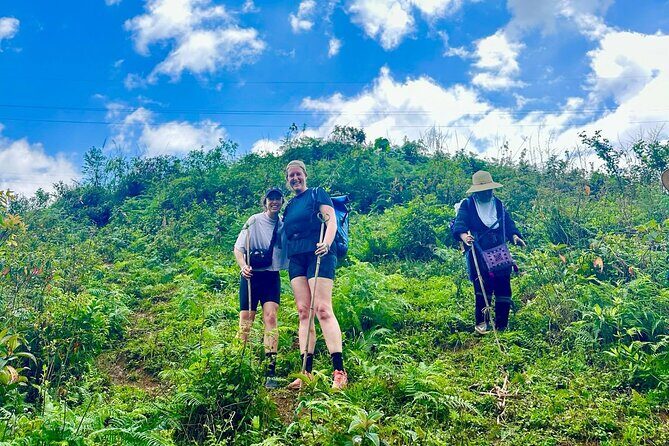
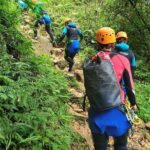
After breakfast at the homestay, Day 2 continues trekking through bamboo forests toward Giang Ta Chải village, home of the Red Dao ethnic minority. This segment is listed as about 3 hours, with admission ticket information noted as free for that portion.
I like the bamboo forest part because it changes the feel of the trek. It’s not all valley exposure and open views. Bamboo corridors tend to slow your pace naturally and make the trek feel calmer. You also get a stronger sense of how villagers move through the landscape—literally through plant-covered paths rather than just roads.
Then you reach Giang Ta Chải, where you’ll spend time in the village and continue the day back toward Tả Van and Sapa. The itinerary notes “stunning” views, but the real value is the combination: you’re not only looking at scenery; you’re arriving somewhere and stepping into a community setting.
Day 2 is the day that tends to feel most “Sapa, but local.” If you want the trip to feel earned—like you walked to your view instead of drove to it—that’s this day.
How much is $75 for two days, and is it fair value?
At $75.00 per person for roughly two days, this tour is priced in a way that makes sense for what’s included: a local guide, a traditional homestay night, trekking time over village paths, and home-cooked meals.
The value isn’t just the activities. It’s how the tour is set up. You get pickup offered, private group participation, and a mobile ticket. You also get group discounts, which can reduce the per-person cost if you’re traveling with friends or family.
Is it worth it? For me, the answer depends on what you care about:
- If you want a short trek with cultural contact and actual community support, this price feels reasonable.
- If you’re mostly chasing Instagram views and you don’t care about homestays or village customs, you might feel like you paid for something you don’t use.
A quick budgeting tip: because this is a homestay-based experience, you may want a small buffer for any extra items you choose to buy directly from local craft makers. Ms. Chu is specifically the kind of guide who can help you find good indigo fabric options, which is exactly the type of purchase that can replace generic souvenirs.
For planning: if you need to change your plans, you can cancel up to 3 days in advance for a full refund. Cancel later than that and your payment isn’t refunded.
Getting the most from the trekking: pace, private comfort, and weather reality
This tour is described as suitable for most people and emphasizes that the walking amount can be adapted. That’s comforting. But “most people” still means you should be ready for a trekking day with uneven terrain.
What you should do before you go:
- Wear comfortable hiking shoes with grip.
- Bring layers. Mountain air can change quickly.
- Plan for an early start on Day 1.
- Keep a flexible mindset about timing. Even great guides can’t control every weather condition.
The private format also matters. Since it’s just your group, your guide can slow down or speed up without the friction that comes with large group tours. For many people, that’s where the trip stops feeling stressful and starts feeling enjoyable.
And yes, the views are a big part of it. But the best “view” moments tend to happen when you’re not rushing. Let the pace be part of the experience.
Where this experience fits best (and where it might not)
You’ll love this tour if you want:
- Local guiding with real communication, especially in English
- A homestay experience that includes home-cooked meals
- Village visits focused on community life, including Red Dao culture
- A short, two-day trek that still feels substantial
You might think twice if:
- You want minimal walking and maximum comfort with little trail time
- Your group is only interested in towns and major landmarks, not village paths
- You’re traveling with very specific mobility needs (the itinerary is trekking-based, even if adaptable)
If you do have mobility limits, don’t assume the answer is no. Because the guide adapts the walking amount, it’s worth asking what adjustments can realistically be made for your group.
Should you book Trekking SaPa Chu?
If you’re choosing between a fast sightseeing option and a homestay trek with a strong local guide, I’d point you toward this one. It’s built around the parts of Sapa that are hard to fake: village connection, a real local guide, and a night in a homestay.
Book it if:
- You care about authentic village time
- You want a guided trek with pacing that can match your group
- You like the idea of learning customs from someone who lives there every day
Skip it if:
- You don’t want to trek at all
- You’d rather spend your limited time in town with no homestay component
One last smart move: go in ready to ask questions. This kind of tour works best when you treat it like a conversation, not a checklist.
FAQ
How long is the Trekking SaPa 2-Day Local Adventure?
The tour is listed as 2 days (approx.).
What does the trek include besides sightseeing?
It includes a homestay experience, home-cooked meals, and a local guide for trekking around Sapa.
Where does the tour take place?
The tour takes place in Sapa, Vietnam.
How much does it cost?
The price is $75.00 per person.
Is pickup available?
Yes, pickup is offered.
Is this a private tour?
Yes. It’s described as a private tour/activity, meaning only your group participates.
How much walking is involved?
It’s a trekking itinerary with Day 1 and Day 2 walking, and it’s described as suitable for most people. Your guide can adapt the walking amount to your group’s fitness level.
What villages do you visit on the route?
The itinerary includes Y Linh Ho, Lao Chải, and Tả Van on Day 1, and Giang Ta Chải on Day 2, along with Tả Van and Sapa.
Are there any ticket costs mentioned?
For Day 2’s segment at Giang Ta Chải, an admission ticket is listed as free (3 hours).
What is the cancellation policy?
You can cancel up to 3 days in advance of the experience for a full refund. If you cancel less than 3 days before, the amount paid isn’t refunded.