REVIEW · SAPA
Sapa Adventure Motorbike Tour With Local Guide
Book on Viator →Operated by Sapa Local Guide · Bookable on Viator
Motorbikes, waterfalls, and real village life. This Sapa tour is a fast way to see big sights without feeling like you’re stuck on a rigid bus route. You’ll ride with Pao Ly, a local Hmong guide who explains what you’re seeing as you move through mountain roads and countryside stops.
What I really like is the mix of dramatic scenery and calm local moments. You get Thác Bạc (Silver Falls)—a massive waterfall with a 200-meter drop—and you’re also walking a little in the countryside instead of only taking photos from the road. The main tradeoff: you should be comfortable on a motorbike ride with some walking on uneven paths, and it’s better to plan for rain, mud, and your own travel insurance since that part isn’t included.
In This Review
- Key highlights worth waking up for
- Why this Sapa motorbike loop feels more like local life
- Pao Ly: the guide who turns stops into context
- Thác Bạc Waterfall: Silver Falls and the short hike that makes it real
- O Quy Ho Mountain Pass: where the road becomes the viewpoint
- Shin Chai rice terraces and the villages you actually pass
- Muong Hoa Valley: stream time, permission-based swimming, and a calmer pace
- What you get for $65: the value math that matters
- How long it really takes and what to expect on the ground
- Practical tips to make the day smoother
- Should you book this Sapa adventure motorbike tour?
Key highlights worth waking up for
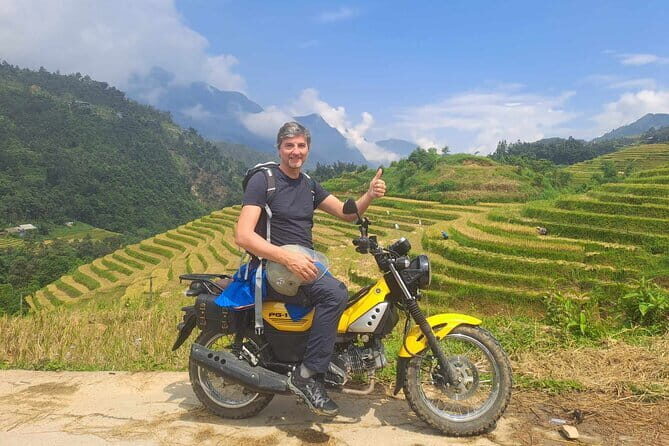
- Pao Ly as your guide: English-speaking, local Hmong perspective, and safe, careful riding.
- Thác Bạc Waterfall access: a 200+ meter waterfall plus a short hike on a circular path.
- O Quy Ho Mountain Pass by motorbike: the roads are the attraction, not just the viewpoints.
- Rice terraces and village passes: Shin Chai and other Northwest Sapa villages along the valley route.
- Muong Hoa Valley downtime: you may get time by a small stream, and a swim can be possible with permission.
- Good value for $65: tickets, lunch, and your bike setup are built in.
Why this Sapa motorbike loop feels more like local life
Sapa can be weird. One day you’re on a crowded street looking at souvenir stalls, and the next you’re standing somewhere that feels quiet enough to hear birds think. This tour is built for that shift.
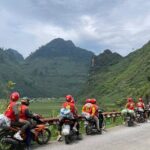
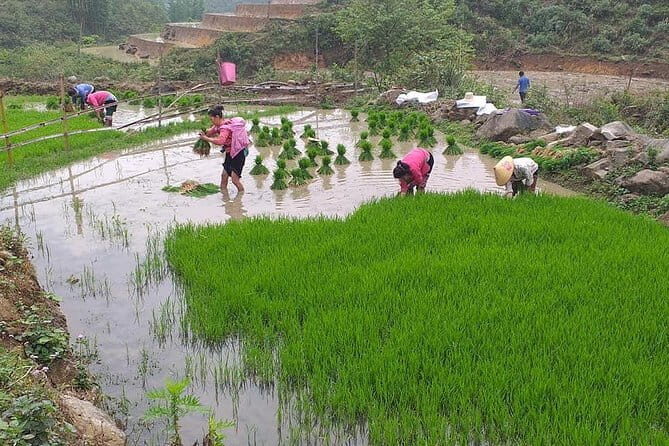
You’ll spend about 5 to 6 hours riding and stopping at countryside highlights around Sapa. Instead of only chasing viewpoints, you’re also moving through farming areas and small villages—places where daily routines still shape the pace of life. Your guide, Pao Ly, keeps the day grounded with stories about rice farming and what you’re seeing on the ground.
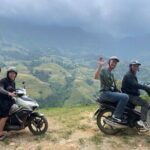
The motorbike format matters. On a car or bus, you often lose the sense of the road. Here, the ride itself is part of the experience: curves, passes, and frequent roadside views let you actually read the terrain instead of just passing it.
You can also read our reviews of more guided tours in Sapa

Pao Ly: the guide who turns stops into context
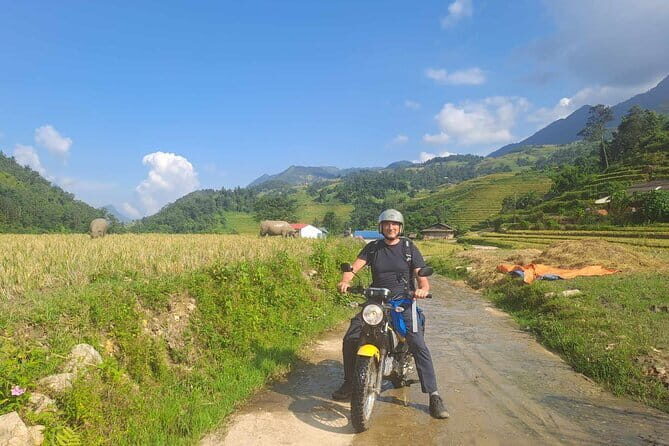
One reason this tour gets such strong feedback is the human part. Pao Ly is described as friendly, down-to-earth, and able to explain the area in clear English. He isn’t just naming places. He connects what you see—fields, houses, farming work—to daily life.
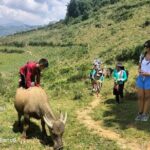
I’d also pay attention to the practical safety vibes. Guests describe the driving as responsible and safe, including slowing down around water buffalo. That matters on mountain roads where conditions can change fast.
There’s another detail that feels genuinely Sapa-local: you may get a chance to see inside his family house. That type of moment is usually brief and respectful, but it adds something most big tour days miss: a look at how people live when the travel cameras come off.
If you like a day where your guide actively answers questions and adjusts the pace to what you want (photos, walking, photo stops), this is the format that tends to deliver.
Thác Bạc Waterfall: Silver Falls and the short hike that makes it real
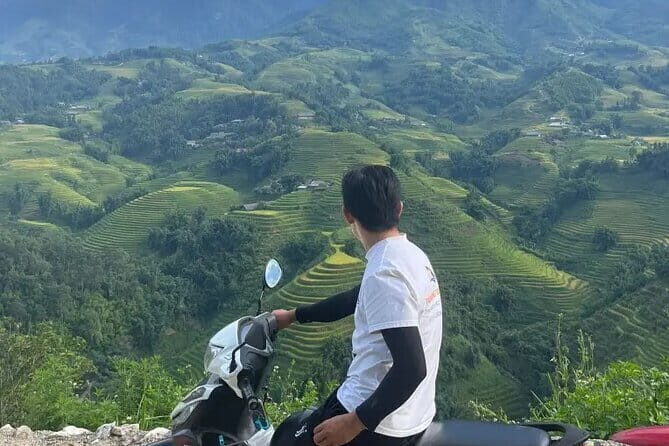
Your day starts at Thác Bạc Waterfall (Silver Falls), a waterfall known for its height—over 200 meters. It sits near the foot of O Quy Ho Pass, close to the Muong Hoa River, so the waterfall feels anchored in the landscape instead of dropped into a random tourist patch.
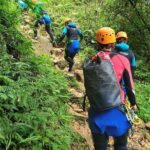
The best part isn’t only the view. You’ll do a short hike up and down along a circular path for around 1 kilometer. That distance is manageable for most people, but it still gives you that on-foot perspective: you’re not just standing at a platform. You’re moving through the environment that feeds the falls.
What to consider: this stop includes walking on paths that can be slippery if it’s been raining. Wear shoes with decent grip and plan for cool mist near waterfalls. If you’re sensitive to wet conditions, bring a light rain layer so your day stays comfortable.
Admission is included here, which helps keep the tour price from feeling like it’s built on hidden add-ons.
O Quy Ho Mountain Pass: where the road becomes the viewpoint
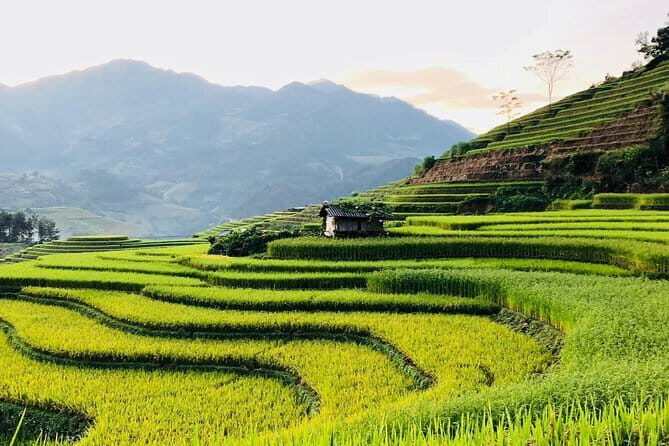
From the waterfall, you head into the area that gives Sapa its dramatic reputation: O Quy Ho Mountain Pass. This is where the ride starts to feel epic in the good way—twists, height changes, and a sense of moving through the ridge lines of Northwest Vietnam rather than just traveling between towns.
Your guide frames the stop with local explanations about where Sapa’s water comes from, since the waterfall is part of that water story. Then you move toward additional waterfall scenery, including a stop at Love Waterfall mentioned as a cool highlight along the way.
Here’s the reality check: the biggest payoff at a mountain pass is often the weather. Cloud cover can soften views, while clear skies make the ridgeline feel huge. If you’re booking for peak season, you’ll probably have more stable conditions—but the mountains can still surprise you.
If you want a day that balances adrenaline with interpretation, this segment is the core of that experience.
Shin Chai rice terraces and the villages you actually pass
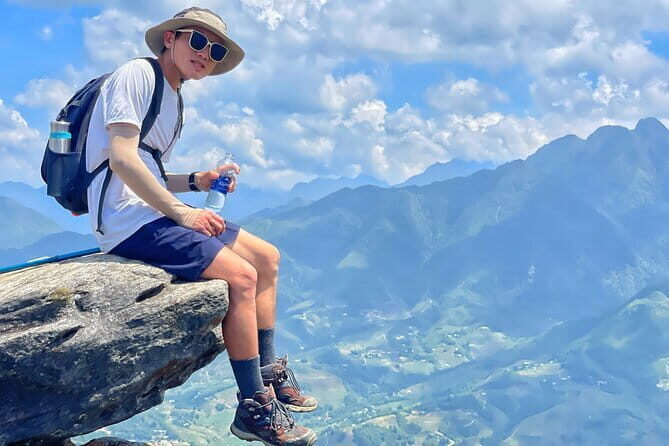
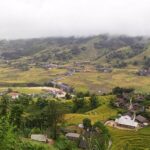
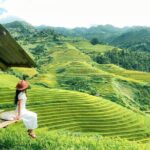
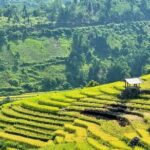
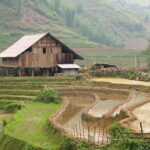
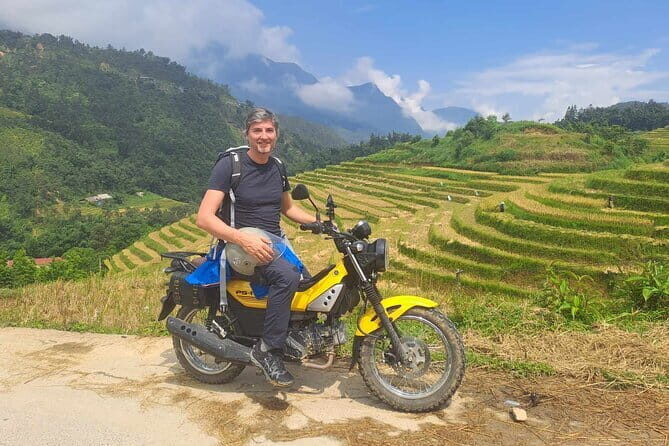
Next you’ll get into the slow, scenic part of the loop: terraced rice fields in Shin Chai Village. Terraces matter here because they show the relationship between farming and the steep terrain. Instead of flat farmland, you’re seeing how people shape slopes into productive steps.
Along the drive, you pass through and get views of multiple Northwest Sapa villages, including Sin Chai, Cat Cat, Y Linh Ho, Lao Chai, Ta Van, and Giang Ta Chai. Even if you don’t stop at every single village long enough for a long walk, the route gives you a sense of how spread out communities are across the valleys and ridges.
Why this works well in a motorbike tour: the roads keep you moving through sightlines. You get repeated glimpses of terraces and homes at different angles, which tends to be more interesting than a single static viewpoint.
Possible drawback: if you hate riding with intermittent stops and short viewing moments, this part can feel like a series of quick scenes. It’s designed to see more variety in the time window, not to linger for hours in one spot.


Muong Hoa Valley: stream time, permission-based swimming, and a calmer pace
The day shifts again in Muong Hoa Valley, where you drive by a small stream and, if conditions are nice, you get around 30 minutes to relax. There’s even a chance to swim with local children with permission (and you’ll want to treat that with respect and follow whatever rules your guide sets).
This is one of the tour moments that can turn a good day into a memorable day. It’s not a staged attraction. It’s a small, ordinary scene—people using water for play and daily life—that you rarely see on typical one-stop waterfall days.
You’ll also pass through a large cornfield, which adds a different texture to the scenery as the valley opens up.
What to bring mindset-wise: this is a “gear for possibilities” segment. If you want to be ready for the water option, bring a towel and anything you’d normally need for wet time. If you’d rather not swim, you can still enjoy the break by the stream and watch life along the valley.
What you get for $65: the value math that matters

At $65 per person, this tour is priced in a way that feels fair because several key costs are included. You’re not only paying for your guide and the motorbike ride.
Included items to notice:
- Lunch: local foods with vegetables, meat, and vegetarian options
- All entrance fees and permits/tickets for major stops
- O Quy Ho Mountain Pass admission
- Thác Bạc (Silver Falls) admission
- Trạm Tôn Pass entry
- Your motorbike setup: automatic or manual, plus spare parts and fuel
- Pickup offered and a mobile ticket
When tours don’t include tickets, you often feel nickel-and-dimed mid-day. Here, the biggest paid stops are handled, so you can budget better without doing math on the fly.
There’s also the format value: it’s private, meaning it’s only your group. That usually makes it easier to ask questions, choose walking pace, and manage photo stops without getting squeezed into someone else’s schedule.
Two things you should plan for because they’re not included:
- Personal travel insurance
- Extra drinks during the day (bottled water, beer, and similar items)
Tips are also not included, so if you like to reward good guiding, keep a little cash handy.
How long it really takes and what to expect on the ground
The time window is 5 to 6 hours, which is a sweet spot in Sapa. Long enough to hit two waterfall moments, rice terraces, and a pass ride. Short enough that you don’t feel like you’ve lost your whole day to one activity.
You’ll alternate between:
- riding time with scenic stops,
- short walks (especially at Thác Bạc),
- and calmer breaks in valley areas like Muong Hoa.
If you’re traveling solo, the private setup can still make this feel like a tailored experience—especially since Pao Ly is described as patient with questions and comfortable chatting about life in Sapa.
If you’re traveling as a family, the motorbike experience can be fun, but only if everyone is comfortable riding and walking briefly. The swim option is permission-based, so you’ll follow your guide’s call and local guidance.
Practical tips to make the day smoother
A few things help you enjoy this tour more and worry less:
1) Wear grip shoes
Even short hikes near waterfalls can get slick. Shoes with good traction beat sandals every time.
2) Bring a light rain layer
Sapa weather can change without asking. A packable jacket keeps you comfortable on the pass ride and near misty areas.
3) Think about your riding comfort
This is a motorbike tour. If you get easily carsick or uncomfortable on winding roads, consider whether you want to ride for the full day. You can talk to your guide about your comfort level beforehand.
4) Have some cash for drinks and tips
Lunch is included, but extra drinks aren’t. And if the guiding is excellent, tips are usually the way people handle it here.
5) Respect the water moment
If the stream and swim option comes up, follow permission rules and your guide’s instructions. It’s the kind of interaction that goes well when it stays thoughtful.
Should you book this Sapa adventure motorbike tour?
If you want value, a local Hmong guide named Pao Ly, and a day that mixes major sights with gentler countryside moments, I think this is an easy yes. The tour hits the big names—Thác Bạc and O Quy Ho Pass—but it also focuses on village life and farming scenery instead of just stacking waterfalls.
Skip it if:
- you don’t like motorbikes or twisting mountain roads,
- you can’t handle short, uneven walking (about 1 kilometer at the waterfall area),
- or you’re looking for a long, guided hiking trek with frequent stops to explore on foot.
One more smart move: since it’s often booked about 27 days in advance, plan ahead if you’re traveling during busy periods. This isn’t the kind of activity you want to gamble on the day you arrive.