REVIEW · SAPA
2 Day Trekking Experience: Explore with knowledgeable local guide
Book on Viator →Operated by Sapa Trekking Tours: Live like a local whilst exploring the breathtaking scenery of Muong Hoa Valley · Bookable on Viator
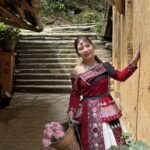
This trekking experience turns Sapa into real village life, not just a quick walk for photos. I like that it’s guided by an experienced local Hmong guide, Bau, who explains daily routines and culture as you move through the Muong Hoa Valley. The vibe stays personal, built around people and paths, not checklists.
What I really love is the food and family time built into the trek—dinner and two lunches are included, and you’ll share a meal with a hospitable local family during the second day. That part makes the whole trip feel like spending time with someone who genuinely loves their home, not just passing through.
One drawback to plan for: this is not a stroll. You should have moderate physical fitness, and day 1 covers about 16km, so you’ll want to be comfortable walking long stretches on uneven ground.
In This Review
- Key things that make this trek worth your time
- Why Bau’s Sapa trek feels personal
- Day 1 through Muong Hoa Valley: about 16km of walking
- Evening in Bau’s home: village time that changes the trek
- Day 2: more trekking plus lunch with a local family
- Bau’s guiding approach: patient explanations and real help
- What’s included in this 2-day Sapa trek (and what isn’t)
- Price and logistics you can actually plan around
- What to pack and how to prepare for a moderate trek
- Who should book this trek
- Should you book Bau’s 2-day Sapa trek?
- FAQ
- Is this trek private?
- How long is the experience?
- What does the $65 price include?
- Is pickup offered?
- Do I need a certain fitness level?
- What is not included?
Key things that make this trek worth your time
- Bau’s local, patient guiding style: clear explanations and thoughtful pacing
- Muong Hoa Valley walking (about 16km on day 1): real distance, real countryside
- Homestay-style overnight at Bau’s home: meet her family and slow down for evening time
- Included meals that feel local: dinner plus two lunches, including a family lunch on day 2
- Practical help with gear: extra boots are available if you need them
Why Bau’s Sapa trek feels personal
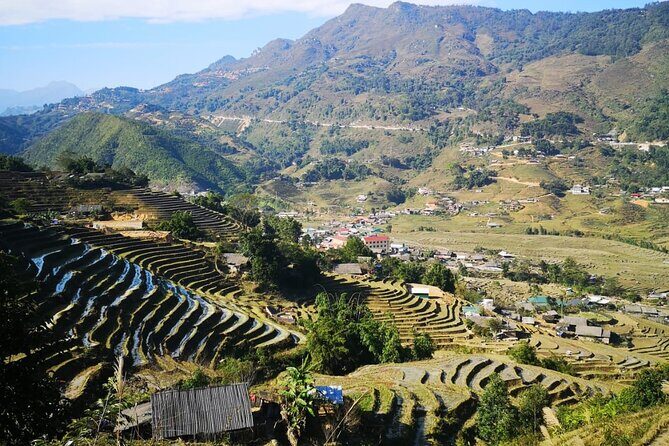
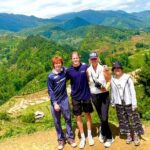
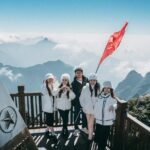
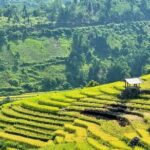
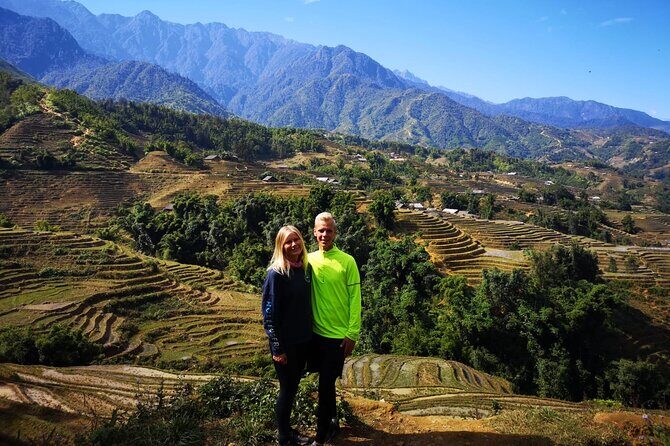
Sapa can be busy. Tourist trails exist, and the valley gets photographed hard. This trek works differently because it’s anchored to a local Hmong guide who knows the village rhythm, not just the route. You’re walking through the Muong Hoa Valley area with context—why people farm where they do, what daily life looks like, and what matters inside the community you’re visiting.
What makes it click is the balance: you still get a proper trek, with distance and effort, but it never feels like you’re being rushed between viewpoints. The pace leaves room to ask questions, notice details, and actually connect the culture you’re hearing about with the people you’re meeting.
It also helps that the experience is set up for smaller, more focused time together. It’s listed as a private tour/activity for your group, and mobile ticketing makes it simpler to manage on arrival.
You can also read our reviews of more guided tours in Sapa
Day 1 through Muong Hoa Valley: about 16km of walking
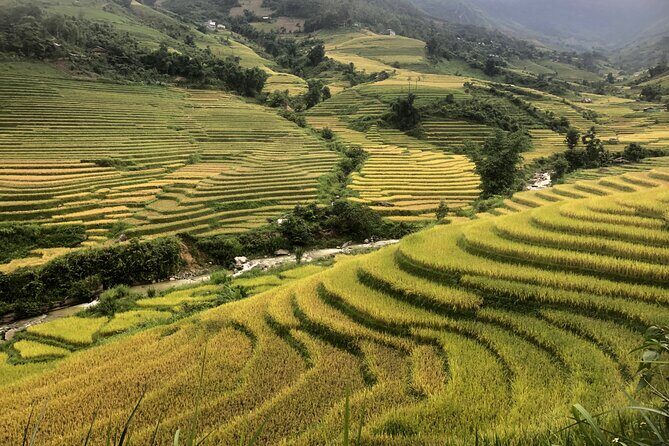
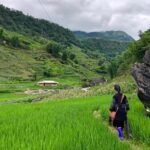
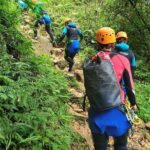
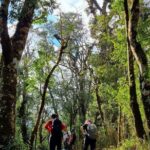
Day 1 is built around a scenic trek through the Muong Hoa Valley, with an approximate distance of 16km. That’s a real trekking day. You’ll want to treat it like a hike with breaks, not a casual walk.
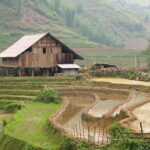
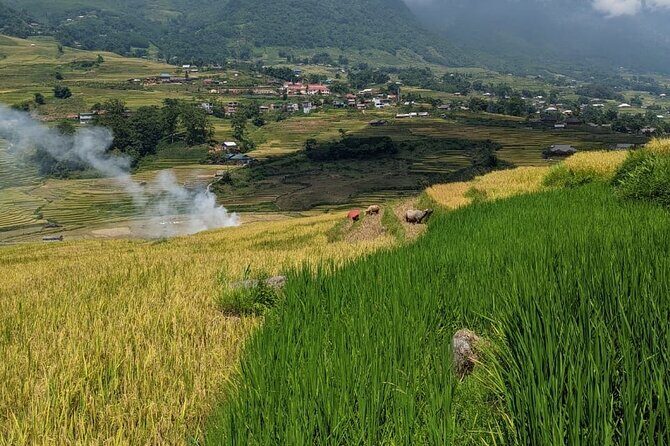
As you go, you’ll be moving past rural scenes tied to how local families live. The guide’s role matters here: it’s not just “walk and look.” You’ll get explanations that help you read the terrain and the village patterns you’re seeing. In a place like Sapa, that context is the difference between taking in scenery and understanding what you’re seeing.
What to expect physically: 16km means you’ll likely feel the distance by the afternoon. The tour says moderate physical fitness is needed, so if you’re newer to trekking, be honest with your stamina and don’t plan to stack other big activities that same day.
A practical win: one of the most helpful touches from past guests is that Bau may bring extra boots if you need them. That can save your day if you’re dealing with footwear that’s not ideal for muddy, uneven paths.
Evening in Bau’s home: village time that changes the trek
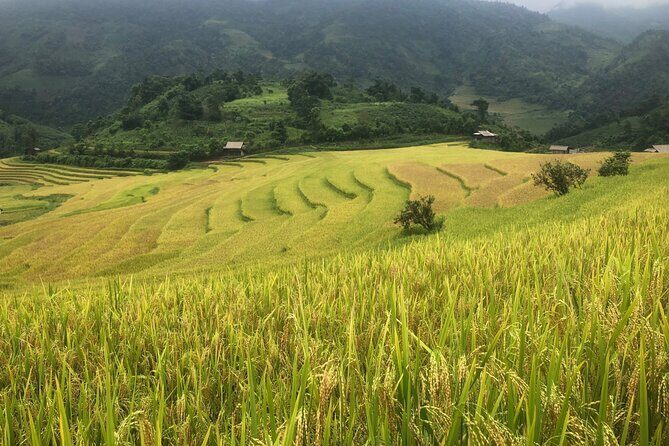
After day 1 walking, you finish in a home setting with Bau’s family. This is one of the reasons the experience gets such strong praise: it slows the trip down and turns it into an overnight human connection, not a quick day excursion.
You’ll have dinner included, and you’ll have time to meet family members (Bau’s daughters and husband are mentioned in guest stories). That matters because it shifts your brain from “tour mode” into “visitor mode.” You’ll likely spend more time observing daily life, eating together, and learning through normal conversation instead of being guided through a scripted performance.
Why this is valuable: in Sapa, the best cultural moments aren’t always a stage show. They’re the small stuff—how people greet each other, what’s going on in a home, and how community members talk about work, family, and village routines. Overnight time makes those moments possible.
Possible consideration: this is a homestay-style experience, so comfort depends on what you’re used to. If you’re expecting a hotel setup, manage expectations. The trade is that you’ll get real closeness and a calmer evening atmosphere.
Day 2: more trekking plus lunch with a local family
Day 2 continues the trek with more time exploring the area and following village paths. You’ll keep moving through the landscapes of Sapa’s surroundings and get more cultural context from your guide.
A big highlight is the included lunch shared with a hospitable local family. Meals are always a strong travel signal, and here you’re eating as part of the community connection that the guide builds. Since lunch is included (and the tour includes two lunches total), you’re not stuck doing meal math while you’re on the trail.
How day 2 tends to feel: after day 1’s distance and the overnight connection, day 2 usually feels lighter emotionally. You’ve already met the guide and seen village life up close, so you can focus more on learning details and enjoying the walking rather than mentally adjusting to the new environment.
One thing to plan for: day 2 still involves trekking. Don’t assume the effort disappears just because you’re moving toward lunch and a second meal. Bring the same attitude you had day 1—steady pacing wins.
Bau’s guiding approach: patient explanations and real help
Bau is repeatedly described as warm, patient, and clear—especially with English. That’s a practical factor, not a small detail. When your guide can explain well, you understand what you’re seeing while you’re actually there, instead of getting a vague story you can’t place.
Guests also mention she shows up with helpful gear in case you need it—extra boots have been a lifesaver. That kind of “I planned for this” support reduces stress. Trekking feels better when you don’t have to worry about basic problems like footwear.
The real value isn’t just friendliness (though that matters). It’s the way the guiding connects:
- the paths you walk
- the people you meet
- the daily routines you hear about
That connection turns a hike into a learning experience you’ll remember.
You can also read our reviews of more hiking tours in Sapa


What’s included in this 2-day Sapa trek (and what isn’t)
For the listed price of $65, the tour includes:
- Dinner
- Lunch (2)
The “admission ticket” part is listed as free, which helps keep the cost straightforward. Pickup is also offered, and mobile ticketing is used to simplify entry and timing.
What’s not included is also clearly stated:
- Tips
- Personal expenses, including insurance
Value check: when a trek includes both dinner and two lunches, it reduces the number of meals you must buy while you’re tired and away from easy options. It also signals that the day is paced around community meals, not around squeezing in a restaurant stop.
My practical note on cost: $65 isn’t just paying for walking. You’re paying for time with a local guide, access to village-based meals, and the overhead of making the overnight part work smoothly.
Price and logistics you can actually plan around
This is listed as a 2-day experience in Sapa, Vietnam, with an approximate duration of about 12 hours per day in the description details. Pickup is offered, and the meeting point is described as near public transportation. That gives you a couple of options if you’re already in Sapa and want to coordinate your arrival without extra taxi hunting.
The tour is also a private tour/activity for your group. And there are group discounts, which can help if you’re traveling with friends or family.
Mobile ticketing helps too—less paperwork stress when you’re on vacation.
What to pack and how to prepare for a moderate trek
The tour calls for moderate physical fitness. Since day 1 is about 16km, preparation is less about fancy gear and more about basics:
- wear trekking-friendly shoes
- plan for long walking time
- bring small essentials you like to have on your body (water/snacks if that’s your routine)
The good news: if footwear becomes an issue, Bau has helped guests with extra boots. That doesn’t replace packing smart, but it adds a safety net.
Also remember that tips and personal expenses are not included. If you want to tip, you’ll want to have cash or whatever payment method you plan to use ready.
Who should book this trek
This trek is a strong match if you want:
- a cultural, people-first Sapa experience
- real village meals (not just quick snacks)
- a guide who explains things clearly and stays patient
- an overnight homestay-style moment, not only day walking
It’s also a good fit for travelers who like off-the-beaten-path routes but don’t want to do the navigation homework. The guidance keeps you moving and learning without getting lost.
Where it might not be ideal:
- if you want a fully hotel-style comfort setup
- if you want a light, short walk with minimal effort
Should you book Bau’s 2-day Sapa trek?
I’d book it if your travel style is about meeting people, eating real meals with locals, and walking enough to feel like you earned your views. The standout strengths are the guide connection and the included meals—especially the homestay night and the family lunch on day 2.
Skip it or rethink it if your priority is a very easy hike, or if you’re uncomfortable with the idea of an overnight in a home setting. And be honest about the distance: day 1 is about 16km, so your body should be ready for that.
If you’re aiming for an authentic Sapa experience with practical support from a guide—this one is hard to beat.
FAQ
Is this trek private?
Yes. It’s listed as a private tour/activity, so only your group participates.
How long is the experience?
It’s a 2-day trek in Sapa, Vietnam, with an approximate duration of about 12 hours per day in the description.
What does the $65 price include?
The tour includes dinner and lunch twice. It also notes that admission tickets are free.
Is pickup offered?
Yes. Pickup is offered, and the meeting area is described as near public transportation.
Do I need a certain fitness level?
You should have a moderate physical fitness level. The trek includes a long walking day (about 16km on day 1).
What is not included?
Tips and personal expenses are not included, including insurance.
If cancellation matters to you: free cancellation is offered up to 24 hours in advance for a full refund. Confirmation is received at booking time.