REVIEW · HANOI
2-week Vietnam Itinerary | Classic Sightseeing | 2026 Enchanting
Book on Viator →Operated by Authentic Adventures · Bookable on Viator
Two weeks in Vietnam can feel like a sprint. This itinerary strings together major hits with active days, from Sapa hikes and an overnight bay cruise to cave scenery in Ninh Binh and boat time on the Mekong. You also get time in the Old Quarter of Hanoi, the big-ticket sights of Hue, and the quieter rhythm of villages along the way.
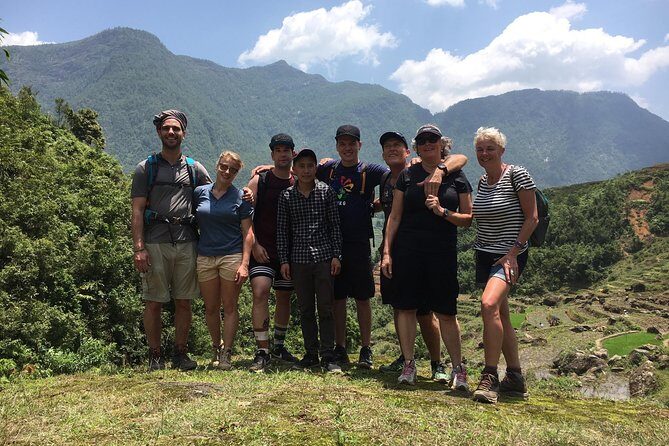
I love how much the trip leans on strong human help. Guides like Tran (ask for him) are a big reason people rate this experience so highly, with one traveler calling out how Tran stayed in contact and even helped with visa issues and emergency hotel changes after a flight cancellation. You’ll also appreciate the practical value: private room lodging, domestic flight included, entrance fees covered for the listed stops, and a small group capped at 10 travelers.
One consideration: mornings can be early and the walking is real. Expect stair climbs like the ~500 steps at Mua Cave, plus trekking days in Sapa (including longer distance hikes), and you’ll likely move between regions with long travel stretches—worth it, but not a stay-in-bed plan.
In This Review
- Quick hits before you go
- Hanoi by day: Ho Chi Minh, Literature, Ethnology, and a cyclo in the Old Quarter
- Ninh Binh power day: Bai Dinh, Trang An tunnels, and Mua Cave’s wide views
- Sapa treks with village time and Fansipan’s cable-car finish
- Overnight Lan Ha cruise on La Pandora: sunrise, Tai Chi, and spring rolls on deck
- Da Nang and Hoi An: Marble Mountains, Bay Mau coconut forest, and evening walk in town
- Hue’s imperial city and the Hai Van Pass drive that sets the tone
- Your free day in Hoi An: when you should slow down
- Ho Chi Minh City and Cu Chi Tunnels: one afternoon that hits hard
- My Tho and the Mekong Delta: river life, fish farms, and a crossing
- Is $1,699 good value for this Vietnam mix?
- Should you book this 2026 Classic Sightseeing Vietnam tour?
- FAQ
- How long is the tour?
- What does the price include?
- Do I get airport or hotel pickup?
- Are any major sites closed on certain days?
- How many people are in the group?
- Is there an overnight experience on the bay?
Quick hits before you go

- Small group cap (max 10) keeps the pace manageable and the guide easy to find
- Overnight on La Pandora in Lan Ha Bay includes a spring rolls cooking lesson and a sunset party on deck
- Trang An UNESCO cave system replaces just “looking” at scenery with an actual boat ride through tunnels
- Sapa village treks include multiple days with rice terraces, stream walking, and H’mong village time
- Hanoi Old Quarter cyclo loop plus big history stops means you get both postcard and context fast
- Meals and entrance fees are built in (13 breakfasts, 10 lunches, 4 dinners; many tickets included)
Hanoi by day: Ho Chi Minh, Literature, Ethnology, and a cyclo in the Old Quarter
Your trip starts with the easy win: pickup from Noi Bai Airport, then transfer to a hotel in the city center. Check-in is listed for 2 pm, so you have enough time to land, reset, and still get out for a first wander and some shopping in the surrounding streets.
Day 2 is classic Hanoi in the best way—major landmarks first, then culture details, then the street level. You’ll see the Ho Chi Minh Complex, including his mausoleum area and the presidential palace zone. Note the guide has to work around closures: the mausoleum is listed as closed on Mondays and Fridays, so you’ll want flexibility built into that day. After that you head to the Temple of Literature, a site from 1070 built to honor Confucius and tied to Vietnam’s earliest royal university tradition. It’s a calmer stop than the mausoleum zone, and it helps you understand why education and exams mattered so much in Vietnamese history.
Next is the Vietnam Museum of Ethnology. Admission is included, and the museum’s focus on Vietnam’s 54 ethnic groups is a smart bridge between “seeing places” and understanding people. If the museum is closed (it’s noted as closed on Mondays), the plan swaps to the History Museum, which is good to know if your dates land on a Monday.
Then you end back in the Old Quarter with a 1-hour cyclo tour and a visit to Ngoc Son Temple on the tiny island in Hoan Kiem Lake. This is the part that helps you get your bearings fast: you’ll learn where the main lanes flow, how the lake area functions, and where you’ll want to return on your own later.
Practical tip: the cyclo and walking at Hoan Kiem are easy by comparison, but you’ll still want comfortable shoes. Hanoi sidewalks can be uneven, and you’ll be doing more than one small hop from landmark to landmark over the course of the day.
You can also read our reviews of more tours and experiences in Hanoi


Ninh Binh power day: Bai Dinh, Trang An tunnels, and Mua Cave’s wide views

On Day 3, you trade city air for rural Vietnam with a morning transfer to Ninh Binh province. Travel starts around 7:30 am, and you get a short break en route, then begin the sightseeing circuit.
First stop is Bái Đính Pagoda—and yes, it’s extra. The included details call out record-setting features like 500 stone arhat statues, a 36-ton bronze bell, and a 100-ton Buddha statue. Even if you’re not chasing superlatives, this is one of those places where scale helps you understand modern Vietnamese religious life, not just ancient carvings.
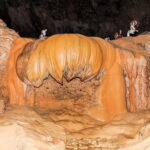
After a lunch stop, you move to Tràng An. This is where the day becomes more than “look at a thing.” Tràng An is listed as UNESCO World Heritage (2014), and the draw is the tunnel cave system. Expect to spend time moving through caves on the water rather than walking around viewpoints only. That shift changes your perspective—your sense of space compresses and expands as you pass entrances, limestone formations, and darker interiors.
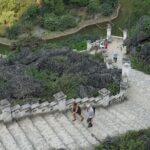
The final payoff is Mua Cave (Dancing Cave). You’ll head up nearly 500 steps to reach the top of Lying Dragon Mountain, then get a panoramic view over Tam Coc. You do not need to be a gym person to enjoy this, but you should be honest with yourself: if you hate stair effort, this stop will feel like work.
If you’re making this itinerary decision: the Ninh Binh days are one reason people like “classic sightseeing” tours. They pack geography, culture, and an active viewpoint climb into one day, which saves you from doing a separate multi-day logistics puzzle.
Sapa treks with village time and Fansipan’s cable-car finish

Sapa begins early. On Day 4, the pickup is around 6:00 to 6:20 am from Hanoi Old Quarter, then you’re on a big bus to Sapa via Lao Cai, with two rest stops along the way. Arriving around 11:00 am to 13:00 pm gives you enough daylight for a trekking-style afternoon rather than a full reset day.
Cat Cat village is the first experience: you arrive with views and traditional costumes, then have an included lunch with local dishes. The trekking distance is listed as about 3.5 km, which is long enough to feel like you worked for the scenery, not long enough to wipe you out before the bigger trek days.
Day 5 is the big climb-and-walk day. After breakfast, you check out, but your luggage gets held for you. Then you head to the cable car station for Fansipan, with the included plan noting about 20 minutes on the cable car ride. Fansipan is the dramatic “top of the mountain” moment of Sapa. It’s also a relief valve: even if your legs are tired, you get a clean, controlled way up.
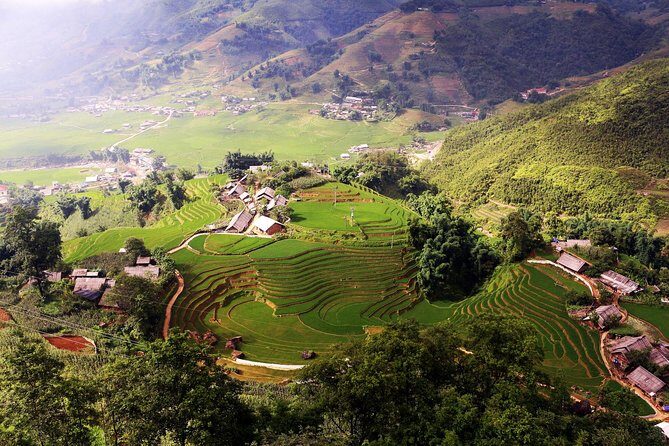
In the afternoon, you go back to foot travel with a trek from the Ta Van area through rice terraces and along Muong Hoa Stream. The included plan names the village goal as Lao Chai / a Black Hmong village, with the trekking distance listed as about 12 km. That’s the kind of number that helps you plan your day: bring gear that can handle wet patches and uneven paths, and accept that this will be physically active rather than sightseeing-by-photo.
Day 6 continues with another village-focused trek and a family breakfast prepared by the household. The schedule includes walking through rice paddies for photos and then a trek toward Giang Ta Chai Bridge, followed by return to Sapa Town by bus. There’s also a small comfort detail: you get included free time around midday, with the option to shower in the hotel’s public bathroom.
My take on Sapa in this tour: it’s not just “walk a little and take pics.” It’s built around multiple days in villages and rice terraces, which means you’ll learn more about daily routines and see how the terrain shapes life. The upside is deeper connection. The downside is energy use—this part is not for you if you want zero strenuous walking.
Overnight Lan Ha cruise on La Pandora: sunrise, Tai Chi, and spring rolls on deck
The Ha Long Bay segment starts with a transfer from your hotel (or private address) around 8:15 to 8:45 am. You’ll reach Tuan Chau marina and transfer by tender to the cruise, La Pandora. The plan notes a welcome aboard moment, then you settle into the cruise rhythm.
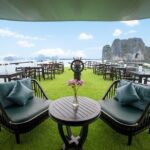
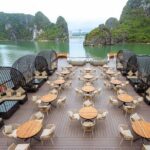
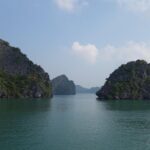
That rhythm matters: you’re traveling between regions by road for days, then the cruise gives your body a break while still being active. On Day 7, the itinerary has you sailing into Lan Ha Bay, described as a separate part of Ha Long Bay with quieter scenery. You spend time in the Ong Cam area, then anchor for overnight and enjoy an included onboard program: a cooking demonstration for spring rolls and a complimentary sunset party on the sundeck.
On Day 8, the mood shifts again with an early start. You’ll watch sunrise around 6:00, and there’s even an included Tai Chi session on deck. Light breakfast (coffee and tea included) follows, then the plan includes another cave/area visit labeled as Dark and Bright Ca…. Even without obsessing over the exact name, you should expect another of those limestone formations that make this region so famous.
What I like about an overnight cruise (vs. a day tour): you’re not just passing through. You experience different light and quieter water, and it’s easier to enjoy dinner and the deck without racing against a return bus schedule.
Da Nang and Hoi An: Marble Mountains, Bay Mau coconut forest, and evening walk in town
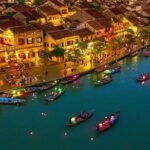
After the bay, Day 9 shifts you to central Vietnam with stops around Da Nang and Hoi An. You start with Marble Mountains (Ngu Hanh Son), plus a visit to Non Nuoc Village at the foot of the mountains. This area is good if you want something between “temples” and “workshops,” because it’s tied to stone craft and cave-temple style spaces.
In the afternoon you head to Cam Thanh’s Bay Mau Coconut Forest. The itinerary schedules this around 15:30, which is smart—late-day light makes the water and the palms easier to enjoy. The plan describes eco-system scenery and the idea that this is a poetic place, not just a quick stop. (You’ll likely spend time there before the evening arrival in Hoi An.)
Then you roll into Hoi An ancient town around 17:00. Hoi An is designed for walking, and the timing matters: late day often feels calmer than mid-afternoon. You’ll have about 3 hours for sightseeing as part of the plan, so you can do a proper first pass and still have energy for dinner on your own later.





Hue’s imperial city and the Hai Van Pass drive that sets the tone
Day 10 is the transition to Hue. You start around 7:30 am from Da Nang, with a road transfer of about 102 km. The highlight on the drive is the Hai Van mountain pass, listed as one of the world’s top ten most beautiful passes. Even if you don’t chase rankings, the point is clear: this drive is part scenic show, part geography lesson.
In Hue you visit the imperial city, described as the palace of 13 Nguyen kings. The plan emphasizes learning about the last dynasty of Vietnam through your guide’s storytelling, then includes time to wander through imperial spaces. This is a good stop if you like context—Hue isn’t just a building collection. It’s a whole system of rule, ritual, and city design.
Your free day in Hoi An: when you should slow down
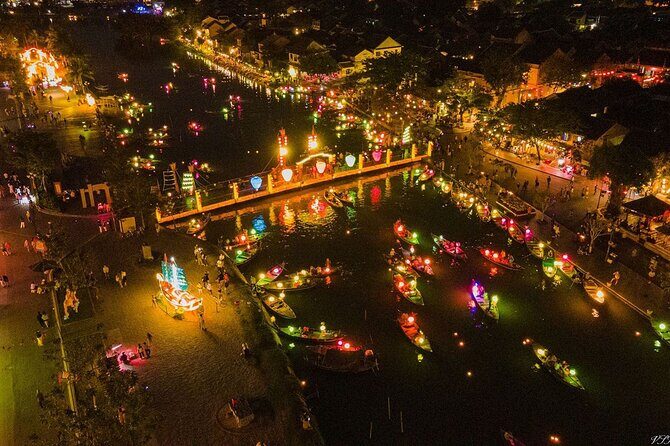
Day 11 is the breathing room: free & easy in Hoi An for about 8 hours. This matters because the previous days stack up effort—cruise, transfer days, and walking. Use this day to do what group schedules can’t: revisit the parts you loved, shop slowly, or just sit with a drink and watch the town do its evening routine.
If you like photos, take another look at the streets at night after you’ve seen them in the early evening with the tour group. If you prefer less hustle, this is the day to get your laundry handled and rest your legs.
Ho Chi Minh City and Cu Chi Tunnels: one afternoon that hits hard
On Day 12, you fly from Da Nang-area timing is not specified, but the plan clearly says you take a domestic flight to Ho Chi Minh City after breakfast. After landing, you’re transferred to a hotel and check in.
In the afternoon you visit the Cu Chi Tunnels, described as a network of over 220 km of tunnels and labeled a must-see. The key here is that this is not sightseeing by scenery. It’s history you walk through. Expect to spend time understanding how people lived and fought underground, and plan your attention accordingly—this stop rewards focus, not multitasking.
My Tho and the Mekong Delta: river life, fish farms, and a crossing
Day 13 starts with a transfer from Ho Chi Minh City to My Tho. You’ll visit Vinh Trang pagoda first, then head into the Mekong Delta by boat.
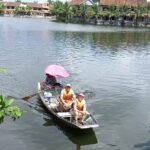
The plan describes going downstream along Dragon Island, with chances to see daily activities like catching and raising fish on farms. You’ll also cross a 3 km large river as part of the day’s program. That combination—boat ride plus farms plus wider river crossing—helps you understand the Mekong as a working water system, not just a view from a seat.
The best part of a Mekong day tour like this is that it doesn’t ask you to do everything. You get a guided structure, but the river itself carries the story.
Is $1,699 good value for this Vietnam mix?
At $1,699 per person for a 14-day tour, the value comes from what’s built in. You’re not only paying for guide time and a few sights. You also get:
- Private-room accommodation
- A domestic flight
- Air-conditioned vehicle transport for the listed segments
- Tour guide
- Entrance fees for included stops
- A meal plan that covers 13 breakfasts, 10 lunches, and 4 dinners
That matters because Vietnam adds up fast when you start paying separately for internal flights, tickets, and daily meals. If you were trying to recreate this exact routing on your own, you’d almost certainly spend time booking and rebooking multiple transport legs, especially around Sapa and the bay.
What you should compare is fit, not just cost. This is best if you’re comfortable with:
- multi-region travel in two weeks
- active days (Sapa treks, Mua Cave stairs)
- an itinerary that prioritizes famous sights plus a few deeper experiences like Tràng An cave rides and the Mekong’s river working life
If you want a slow, self-paced trip where you pick only two or three places, this style might feel packed.
Should you book this 2026 Classic Sightseeing Vietnam tour?
I’d book it if you want a dependable plan that hits Hanoi, Ninh Binh, Sapa, Ha Long/Lan Ha, central Vietnam, Ho Chi Minh City, and the Mekong Delta—without making you handle the messy parts. The repeated praise around guides like Tran, plus the fact that this group is capped at 10 travelers, is a strong signal that you won’t feel lost in the shuffle.
I’d think twice if your idea of travel is mostly relaxing time with minimal walking. This route includes treks of up to about 12 km and big viewpoint climbs, plus early mornings like the Sapa departure and sunrise on the bay cruise.
FAQ
How long is the tour?
The tour runs for 14 days (approx.).
What does the price include?
It includes private-room accommodation, a domestic flight, air-conditioned vehicle transport, a tour guide, entrance fees for included sightseeing, and meals (13 breakfasts, 10 lunches, 4 dinners).
Do I get airport or hotel pickup?
Yes. You’re picked up from Noi Bai airport on Day 1, and there are hotel pick-ups listed for key transfers such as the trip to Sapa and the transfer to the bay cruise.
Are any major sites closed on certain days?
Yes. The Ho Chi Minh mausoleum is listed as closed on Mondays and Fridays, and the Vietnam Museum of Ethnology is listed as closed on Mondays (with an alternative option mentioned).
How many people are in the group?
This tour has a maximum of 10 travelers.
Is there an overnight experience on the bay?
Yes. You sail on the cruise and anchor for an overnight stay in the bay area (including onboard activities like a cooking demonstration and a sunset party).