REVIEW · CAO BANG
Ban Gioc Waterfall 2 days From Hanoi with Local on Scenic Route
Book on Viator →Operated by Cao Bang Easy Deeping Tours · Bookable on Viator
Ban Gioc Waterfall feels made for photos.
This 2-day Cao Bang trip turns that famous waterfall into a full-on route of Angels Mountain viewpoints, Nguom Ngao Cave, and a stop at Trúc Lâm Pagoda with wide views. I like that the drive is long but planned, with time to break up the journey, plus local storytelling from English-speaking guides such as An, Quan, and Linh (names can vary by group). The homestay meal setup also feels part of the experience, not an afterthought.
Two things I really like: you get a homestay night with traditional food and a chance to relax by the Quây Sơn River, and you spend real time at the falls area, including a boat ride closer to the water and time at viewpoints near Detian Falls. One possible drawback: you’ll be in the car for a big chunk of your time because Cao Bang is far from Hanoi, so it’s not ideal if you hate long drives or want lots of slow, flexible downtime.
In This Review
- Key highlights you’ll actually notice
- Why Ban Gioc and Cao Bang in Two Days Works
- The Hanoi-to-Cao Bang Scenic Route: Long Drive, Real Payoff
- Mắt Thần Núi (God’s Eye) and Border Belt Village Views
- Homestay on the Quây Sơn River: Traditional Meals and a Real Night Off
- Nguom Ngao Cave (Tiger Cave): Stone Columns You Can Actually See
- Trúc Lâm Pagoda: The Climb for Big Falls Views
- Ban Gioc Waterfall and Detian Falls: Boat Closer to the Power
- Price and Logistics: Does $159 Feel Worth It?
- Who This Tour Suits (and Who Should Skip It)
- Practical Tips Before You Go
- Should You Book This Ban Gioc 2-Day Tour?
- FAQ
- What’s the tour duration and start time from Hanoi?
- Does this tour include transportation and hotel pickup?
- What meals are included?
- Which attractions are included across the two days?
- Is a boat ride included at Ban Gioc Waterfall?
- Does the price include entrance fees?
- What if weather is bad?
Key highlights you’ll actually notice
- Angels Mountain / Mắt Thần Núi: that iconic mountain-with-a-hole viewpoint and a quick hit of panoramic air
- Local homestay night: traditional lunch and dinner, plus downtime by the Quây Sơn River (and a swim if conditions are right)
- Nguom Ngao Cave (Tiger Cave): long-formed stone columns, stalactites, and a rare sense of stillness
- Trúc Lâm Pagoda viewpoint: a climb with rewarding wide views toward the falls area
- Ban Gioc boat ride: get closer to the falls and feel the mist near the rice fields
Why Ban Gioc and Cao Bang in Two Days Works
Ban Gioc isn’t a quick stop you squeeze in between city sights. It’s remote, across rugged hills, and best when you treat it like a route—views, caves, and village roads on the way there. This tour does that by pairing scenic viewpoints with a proper waterfall day, so you don’t feel like you rushed the best parts.
You also get a good rhythm: travel day with stops, then a second day built around nature and views. With a small group size of up to 10 travelers, the pace stays smoother than on bigger tours, and it’s easier to move as a unit when roads tighten up or viewpoints get busy.
Finally, it’s framed as local culture, not just sightseeing. The homestay and traditional meals matter here, because Cao Bang is one of those places where the route is half the story.
You can also read our reviews of more tours and experiences in Cao Bang
The Hanoi-to-Cao Bang Scenic Route: Long Drive, Real Payoff
You start early from the Hà Nội Old Quarter area, picked up by a limousine van or MPV (7 seats) at your hotel. The schedule is set so you reach Cao Bằng City around noon to 1 pm, which means you’re not stuck arriving in the dark with jet-lagged energy.
In practice, the payoff comes from how the drive is handled. Groups get photo breaks and coffee breaks, and you’ll be passing through the border-belt region where you can see everyday life across villages and fields. The route passes through communities such as Tày, Nùng, and Dao, and you’ll get a sense of how the hills shape daily routines.
The one caution: plan for a full day of motion on Day 1, plus another full day on Day 2. If you’re sensitive to sitting for long stretches, pack smart—water, snacks you tolerate well, and something to keep you comfortable.
Mắt Thần Núi (God’s Eye) and Border Belt Village Views
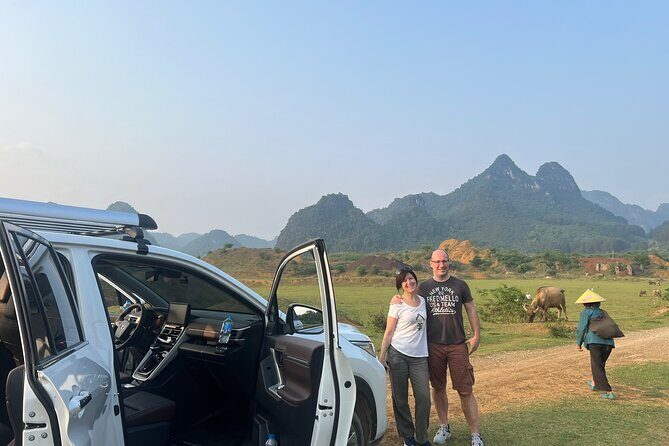
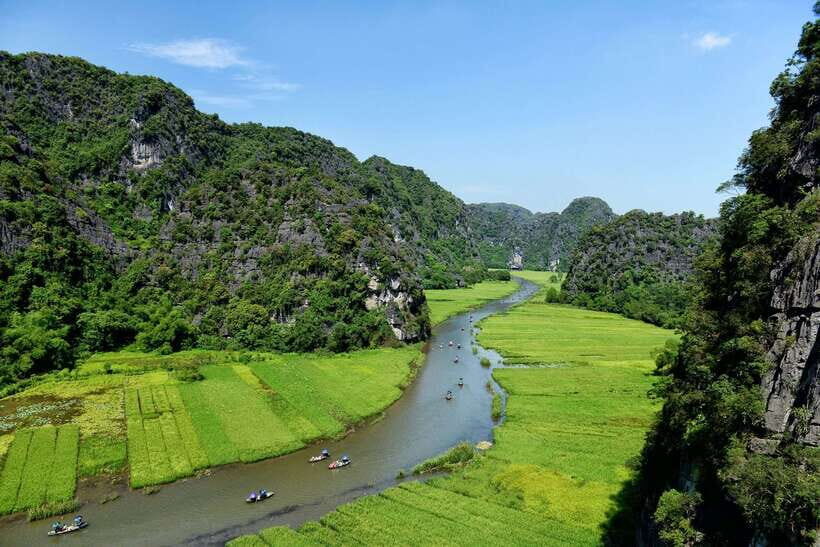
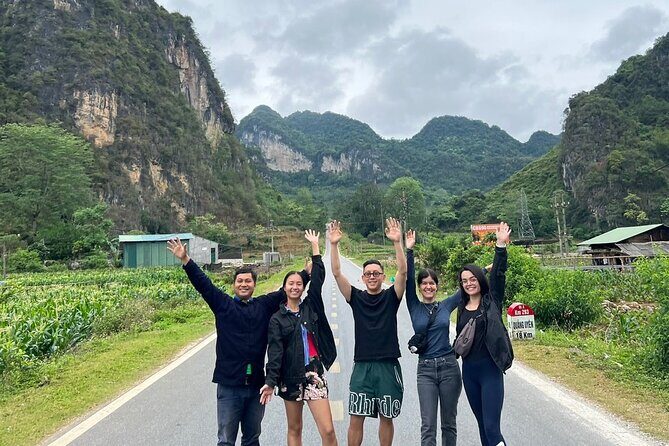
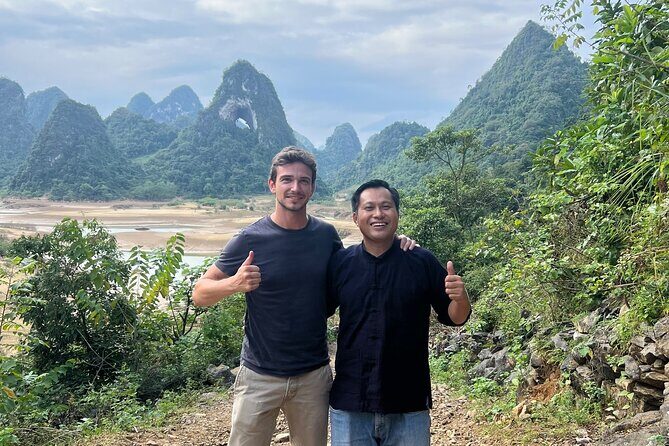
Day 1 adds a signature viewpoint stop: Mắt Thần Núi. This is the mountain with a hole in the center, surrounded by other hills, and the area changes with seasons—there’s mention of a lake from July to October, and a glass-field angle in the broader attraction area. You get about two hours at this stop, long enough to take photos and catch your breath without feeling rushed.
After that, you ride onward along the border belt road, where sightings are simple but meaningful: fewer big vehicles, more village textures, and rolling hills in layers. This is the part of Cao Bằng that feels quieter than Vietnam’s most famous corridors, and it’s often why people love this route.
A small practical note: viewpoints like this can be affected by weather and visibility. If mist rolls in, don’t expect crisp “postcard” views all the time, but you’ll still get atmosphere.
Homestay on the Quây Sơn River: Traditional Meals and a Real Night Off
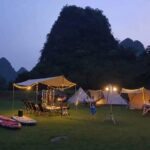
Once you arrive, the tour shifts gears to homestay life. You’ll have lunch with your tour guide after arriving in the Cao Bằng area, and then the evening is built around staying local. The homestay setting is tied to the Quây Sơn River, and the experience can include a refreshing swim, depending on conditions.
What makes this night work is how it’s integrated. It’s not just a bed and a dinner stamp. Traditional meals are part of the schedule, and the whole point is to slow down enough to feel the place.
From the guide style to the cooking, the best sign here is consistency: people repeatedly mention warm welcome vibes and good home-cooked food. Some groups have stayed at homestays such as Lan Rung Homestay, but the exact place can vary by availability.
If you’re picky about accommodations, keep expectations realistic: this is a homestay. Comfort is the goal, but it won’t feel like a city hotel. You’ll enjoy it most if you’re open to a simpler, more local overnight.
Nguom Ngao Cave (Tiger Cave): Stone Columns You Can Actually See
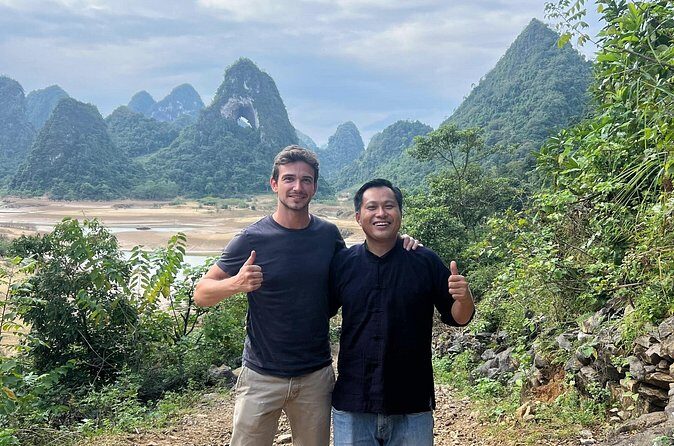
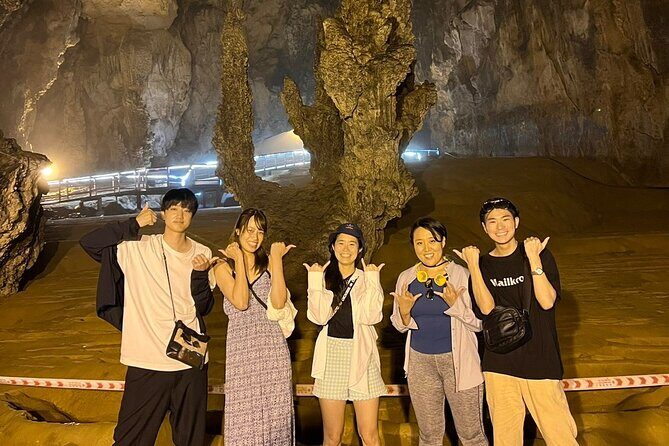
Day 2 begins with Nguom Ngao Cave, often called Tiger Cave. This is not a quick corridor tour. The cave is known for pristine natural beauty, with stone columns formed over hundreds of millions of years and stalactites that show long formation patterns.
You’ll have about one hour inside, which is a good amount for caves—enough time to appreciate the shapes and take photos, without turning it into a long slog. Shoes matter more than you might think here, since cave ground can be slick or uneven depending on recent moisture.
Also, don’t expect the cave to feel like a theme park. The appeal is the rock shapes and the calm, which is exactly what you want before heading back outside toward waterfall views.
Trúc Lâm Pagoda: The Climb for Big Falls Views
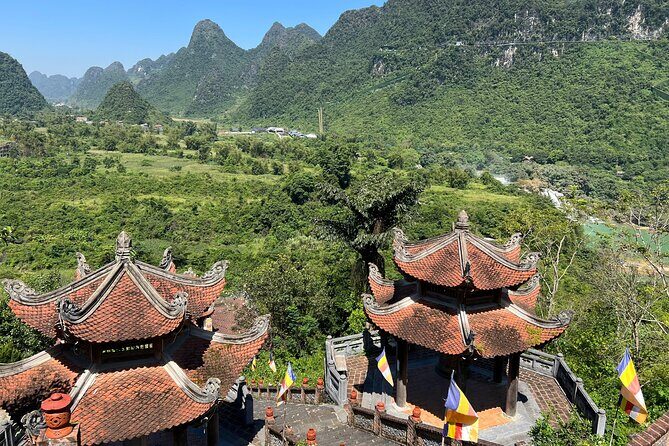
After the cave, you head to Chùa Phật Tích Trúc Lâm Bản Giốc. The key detail is that you climb up to reach the pagoda area for panoramic views. From there, you can see the Ban Gioc waterfall scenery and the mountain-and-water layering that defines the region. Your view can extend toward the Chinese side depending on how the viewpoint aligns.
Time is around one hour, which usually means enough time to climb, catch the views, and still have energy left for the waterfall stop right after. This is one of those places where the “walk up” makes the viewpoint feel earned rather than automatic.
If you have moderate fitness, this is generally manageable, but you’ll still want to dress for climbing—comfortable footwear and a light layer if it’s cool near the hills.
Ban Gioc Waterfall and Detian Falls: Boat Closer to the Power
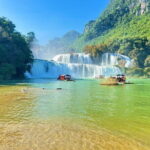
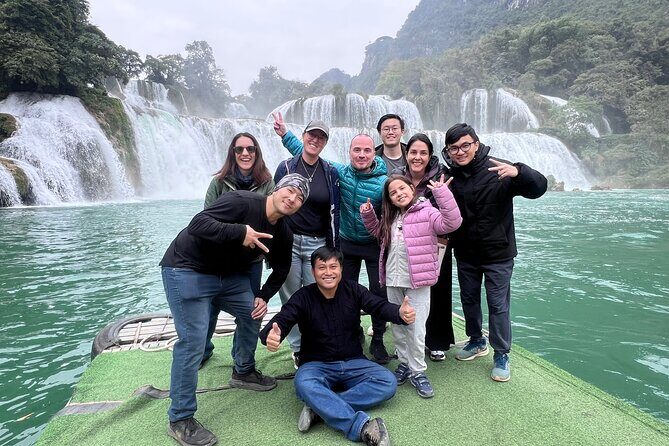
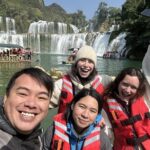
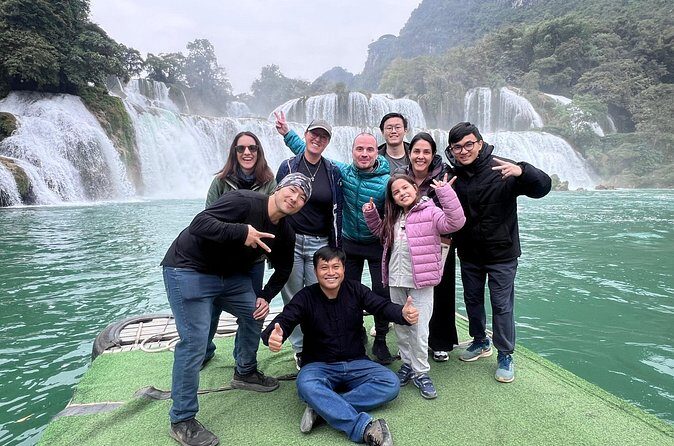
This is the centerpiece: Ban Gioc Waterfall (Detian Falls). The schedule includes visiting the waterfall area and going closer by boat, so you feel the falls rather than just looking at them from far away. It’s described as water flowing down whitewashing the river, with fragrant rice fields nearby and a cool breeze in the area.
You’ll also get a set amount of time at this stop—about 1.5 hours—which is important. Waterfalls change with the flow of the day. The strongest experience is when you can stay long enough for the light and mist to shift, not just do a single photo and leave.
If you’re sensitive to wet conditions, plan for it. Even when you’re not soaking, you may get mist. A poncho or rain shell is a smart idea.
Price and Logistics: Does $159 Feel Worth It?
The listed price is $159 per person, booked about 13 days in advance on average, and the tour runs with a maximum group size of 10 travelers. What you should do is look at the total cost picture, because the tour has mandatory add-ons listed separately.
On top of the $159, there’s 10% VAT (listed as $18.90 per person) and a service charge + insurance (listed as $10 per person/day). That means you should budget around $187.90+ per person for the standard package before any optional upgrades.
Is it good value? For this region, yes—mainly because you’re getting:
- Round-trip transport from Hanoi to Cao Bằng
- 1 night in a homestay
- Meals (breakfast, dinner, and two lunches)
- Entrance fees and an electricity buggy component
- An English-speaking guide in Cao Bằng
- The main sights you’d otherwise struggle to piece together yourself
Optional upgrades exist, like an accommodation upgrade to Lan’s Villa House and private pickup in Hanoi, but you can start with the base tour if you’re happy with shared group travel.
This is also a “time value” tour. Two days is tight, but the schedule is built to make sure you hit the big nature anchors: cave, pagoda, and waterfall.
Who This Tour Suits (and Who Should Skip It)
This trip is a strong match if you want nature plus real local contact—a homestay night, traditional meals, and village-road scenery between stops. It’s also a solid choice if you like a guide who can connect what you see (mountain formations, cave features, and viewpoint logic) into one coherent route.
You might not love it if you:
- Need frequent free time to wander alone
- Dislike long road days (Day 1 is a travel-heavy schedule)
- Want a totally hotel-style comfort level
Physical fitness is listed as moderate, so plan for some walking and climbing, especially at the pagoda and around cave terrain.
Practical Tips Before You Go
These are the small things that make the biggest difference on a Cao Bằng loop:
- Bring comfortable shoes for cave ground and the pagoda climb
- Pack something for a wet/misty waterfall day (even light rain gear helps)
- If you like swimming by the Quây Sơn River, bring swimwear and something to dry off with
- Layer up for changing temperatures: mornings can feel cooler, and open-air viewpoints can shift fast
- If you’re prone to motion discomfort, plan for a long ride from Hà Nội
If you want photos that look good, go easy on overthinking the lighting. On waterfall days, mist changes everything anyway—your goal is timing and staying present for the changing views.
Should You Book This Ban Gioc 2-Day Tour?
I’d book this if you want Ban Gioc Waterfall without the headache of planning a remote route from scratch. The combination of caves, a pagoda viewpoint, and a homestay night makes it feel like Cao Bằng, not just a day trip.
I’d hesitate if you’re expecting a slow, relaxed schedule. This is a road-and-stops tour, built for efficient time and good coverage in two days. If that style fits you, you’ll like how the route unfolds from viewpoint to cave to waterfall.
If you can travel in good weather, you’ll get the best experience—mist and flow are part of what makes Ban Gioc memorable.
FAQ
What’s the tour duration and start time from Hanoi?
It’s a 2-day trip. You’ll be picked up early morning from your hotel in the Hà Nội Old Quarter, then you reach Cao Bằng City around noon to 1 pm on Day 1.
Does this tour include transportation and hotel pickup?
Yes. Pickup is offered from Hanoi by limousine van or MPV (7 seats), with round transfer between Hanoi and Cao Bằng included.
What meals are included?
The tour includes breakfast, lunch (2), and dinner.
Which attractions are included across the two days?
You’ll visit Mắt Thần Núi, Nguom Ngao Cave, Trúc Lâm Pagoda (Chùa Phật Tích Trúc Lâm Bản Giốc), and Ban Gioc Waterfall (Detian Falls), plus scenic road stops along the way.
Is a boat ride included at Ban Gioc Waterfall?
Yes. The waterfall portion includes a boat ride closer to the waterfall, with the chance to feel the mist and splashing water.
Does the price include entrance fees?
Yes. The tour includes all entrance fee tickets and the electricity buggy component (as listed).
What if weather is bad?
This experience requires good weather. If it’s canceled due to poor weather, you’ll be offered a different date or a full refund. Cancellation is free up to 24 hours in advance for a full refund.