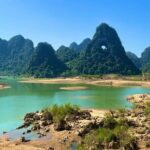
Border waterfalls and village trails.
This 2-day hike route is built around the Ban Gioc–Detian area and a quieter side of Cao Bang near the Vietnam–China border. I like how it mixes big, world-scale scenery with hands-on time in ethnic villages, instead of just stopping for photos. I also like the contrast of Nguom Ngao (Tiger) Cave’s ancient stone formations against open river and hillside views.
One thing to plan for: you’ll start early and you do have real walking time. The tour asks for moderate physical fitness, and there’s also an extra entry permit for a restriction area that isn’t included.
In This Review
- Key highlights worth knowing
- Why Ban Gioc-Detian is worth the early wake-up
- The Khuoi Ki stones village welcome and homestay vibe
- Nguom Ngao (Tiger) Cave: old stone columns and real quiet
- Day 1 trekking: Bong Son Village and the Tay stone-house route
- Day 1 afternoon into Trùng Khánh: keep the pace, watch the views
- Day 2 morning: Quay Son River walk and the Ban Gioc–Detian feel
- Food value and pacing: breakfast, lunch, dinner, and walk time
- Price and what $129 really buys you
- Who should book this Ban Gioc trek (and who should skip)
- Should you book this tour to the hidden village route?
- FAQ
- How long is the Ban Gioc to hidden village trek?
- Where does the tour start and end?
- What time does the tour begin?
- How big is the group?
- What meals are included?
- Is an entry permit included for restricted areas?
- What level of fitness do I need?
- Is the tour confirmed quickly after booking?
- FAQ (continued)
- What happens if weather is bad?
Key highlights worth knowing
- Small group size (up to 8) for a more relaxed pace on the paths.
- Nguom Ngao (Tiger) Cave with old stone columns and stalactites, plus admission included.
- Village trekking with the Tay community, including ancient stone houses you can actually walk through.
- A second trek route back so you don’t repeat the exact same trail.
- English-speaking guide (and yes, Nhat’s the kind of guide who answers your questions clearly).
- Food focus in the morning with Cao Bằng rice paper, duck noodle soup, and sour noodle.
Why Ban Gioc-Detian is worth the early wake-up
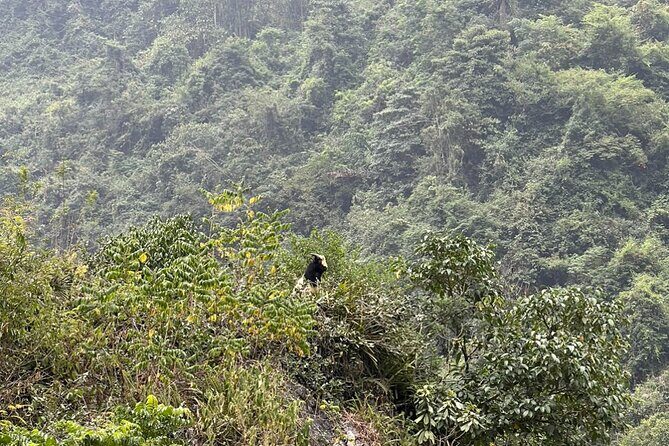
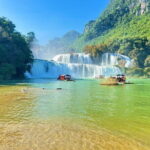
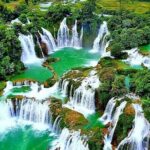
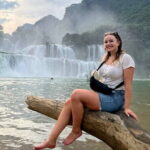
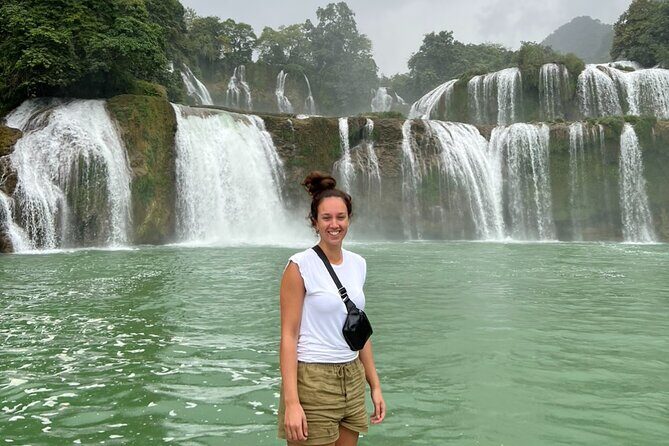
Ban Gioc sits in a big, boundary-meets-wild-nature setting. The waterfall complex is described as the fourth biggest in the world, and it forms the border area between Vietnam and China, so you get that rare feeling of being at a natural landmark that’s bigger than the country it sits in.
Timing matters here. Day 1 moves quickly: you meet the driver around 5:30–6:00am, head toward Ban Gioc, then have a warm welcome at your homestay in Khuoi Ki stones village by about 8:00–8:30am. Day 2 keeps the pace going, with breakfast and a morning trek, then time near the falls.
Also, this is the kind of place where weather can change the day. The operator notes it requires good weather, and if conditions are poor they offer a different date or a full refund. In other words: don’t plan this as your one-and-only option if your trip is tight.
You can also read our reviews of more tours and experiences in Cao Bang.
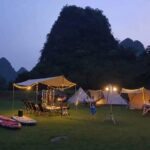
The Khuoi Ki stones village welcome and homestay vibe
The homestay element is more than a place to sleep. In Khuoi Ki stones village, you start your trek experience with a real arrival moment: the day begins with a warm welcome from the guide team, then you move into caves and village trails with that same local rhythm.
This matters because the best trekking days aren’t only about views. They’re also about context—where you’re going and who lives there. The tour is explicitly designed around ethnic people near the border, and Khuoi Ki is positioned as your base so you can feel that you’re not just “passing through” the region.
You’ll also have meals built into the schedule (breakfasts and lunch, plus dinner included). That’s a practical value point: you’re spending your energy on walking and seeing, not hunting for food between stops.
Nguom Ngao (Tiger) Cave: old stone columns and real quiet
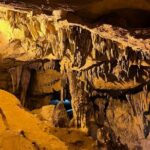
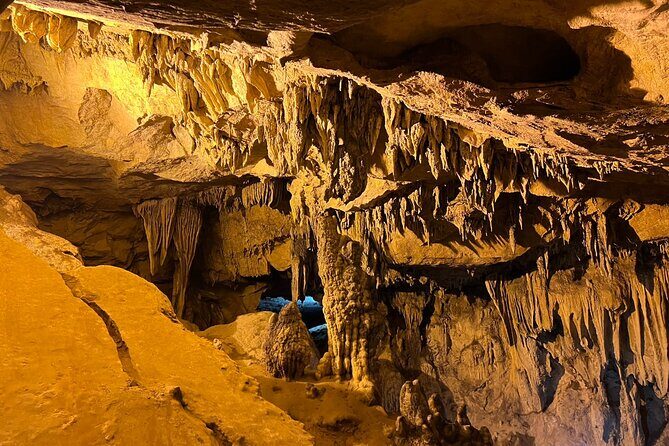
A highlight on Day 1 is Nguom Ngao Cave (Tiger Cave), scheduled for about 9:00–10:30am with admission included. This isn’t described as a rough, rushed stop. The tone is about pristine beauty—natural formations that took an enormous amount of time to form.
What stood out in the description: natural stone columns formed over hundreds of millions of years and the presence of stalactites. Even if you’ve seen caves before, this specific mix of long-formation columns plus the cave’s preserved feel is a strong reason to include it early in the day, when you’re fresh and not already tired from hiking.
Practical tip: caves can be cool and damp compared with the morning outside. Bring layers you can adjust, and keep your footwear in good shape for both cave floors and later trail paths.
Day 1 trekking: Bong Son Village and the Tay stone-house route
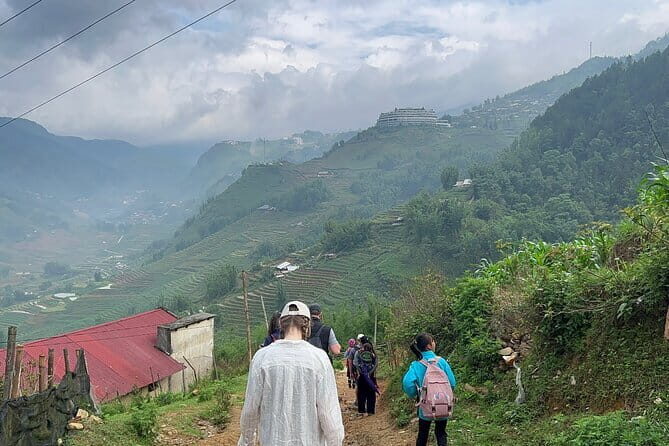
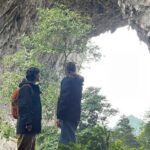
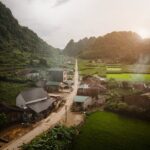
Day 1 is where the “hidden village” side becomes real. After cave time, the schedule shifts to walking toward Bong Son Village, described as a Tay ethnic village.
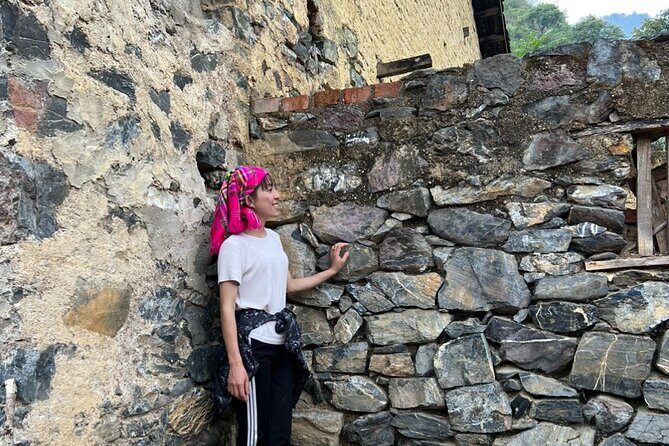
You’ll spend roughly 10:30–11:30am trekking to Bong Son, then the plan continues with more time walking and discovery. The focus is on ancient stone houses built about 30 years ago, so you’re not just looking at scenery from a distance—you’re moving through the places where people live.
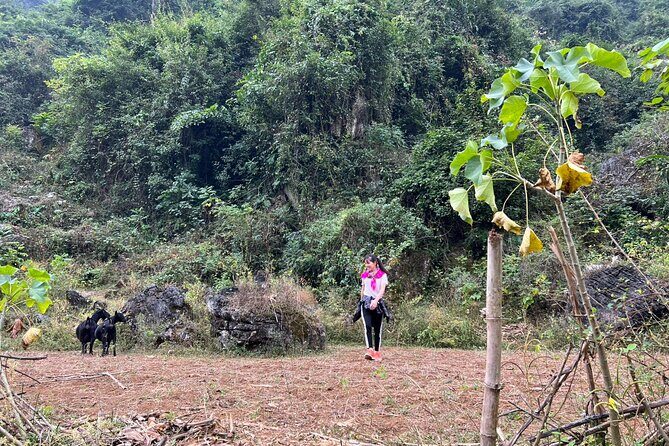
The tour also makes an effort to avoid the annoying trekking problem of repeating the same path. On the way back, there’s a segment that calls out trekking back to your homestay via another way so you don’t duplicate your route. That’s smart for a 2-day format: it keeps your legs working in new scenery instead of grinding through the same bends twice.
One more good sign: the pacing is designed for “not too strenuous” hiking (based on the tour’s overall reputation), and the group stays small (max 8 travelers). That combination usually means fewer bottlenecks and less stress if you’re slower than the fastest walker.
Day 1 afternoon into Trùng Khánh: keep the pace, watch the views
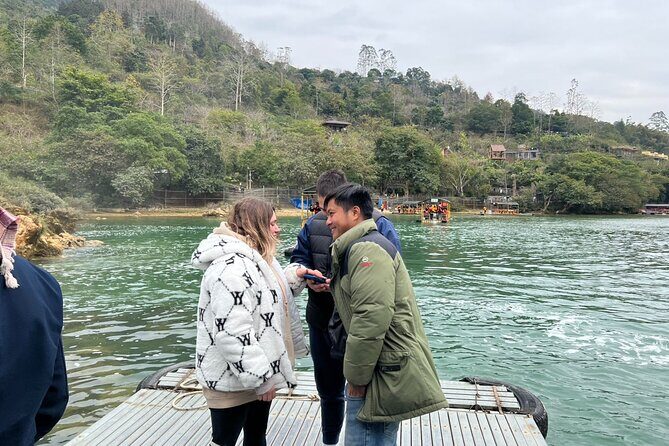
Later in Day 1, the schedule references Trùng Khánh around 16:30–17:30pm while you’re trekking the way back toward Khuoi Ki stones village. Even though the details in the outline are brief there, the key point is the structure: late afternoon is still walking time, and the return route is set to keep things varied.
This is where you’ll feel the shape of the day. You started near 6am, did a cave with a visit window, then moved into village trekking. So don’t treat this day like a sightseeing day with lots of stops. Instead, think of it like a long hike with a few meaningful “checkpoints.”
If you tend to get chilled when you stop moving, plan for that. The tour name screams outdoors, and a good trekking day usually means you stay comfortable while moving and not freeze during breaks.
Day 2 morning: Quay Son River walk and the Ban Gioc–Detian feel
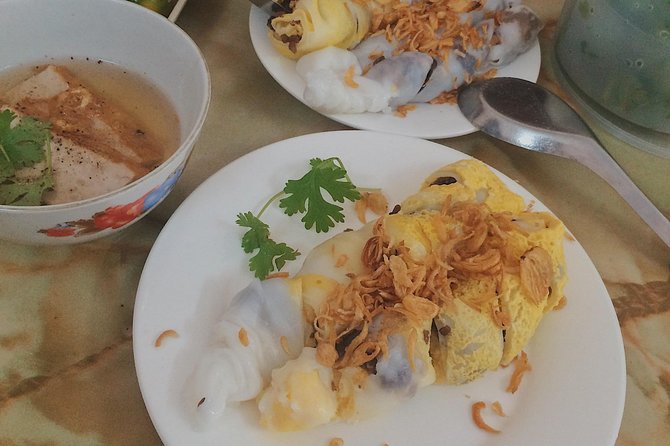
Day 2 starts with something you’ll probably remember: breakfast includes local specialties such as Cao Bằng rice paper, duck noodle soup, and sour noodle. That’s a nice reset after Day 1 trekking, and it also tells you the tour isn’t only about monuments—it’s about food and local daily flavors.
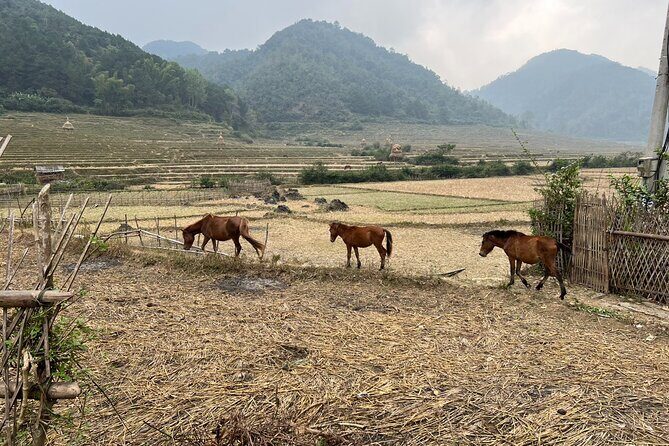
Then you get a morning hike along the Quay Son River, from about 7:45–9:00am. The outline highlights sights like mountain duplicate mountain scenery. Even without more detail, the takeaway is clear: the river route is set up for open views and changing angles, not only dense trail.
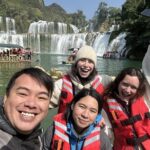
This is also your lead-in to the waterfall area, with the plan listing Ban Gioc – Detian Falls as the Day 2 focus. Since Ban Gioc forms the Vietnam–China border, the feeling you’re chasing is not only the power of water. It’s that sense of place at a boundary point that feels international even when you’re still in Vietnam.
Food value and pacing: breakfast, lunch, dinner, and walk time
This tour includes:
- Breakfast (2)
- Lunch (2)
- Dinner
- plus transport in an air-conditioned vehicle and an English-speaking guide
That matters because hiking days burn time, and time is money. If you’re paying extra to eat well, you’ll see that add up fast in remote areas. Here, the meals are already attached to the route, so you can plan the day without constant decisions.
On pacing: the tour notes moderate physical fitness is required. It also notes the hiking is designed so it’s doable for most people who are comfortable walking for long blocks. One review praised it as a perfect hike through the mountains and specifically called the hiking not too strenuous, which lines up with the tour’s tight group size and structured checkpoints.
Practical advice: wear shoes you trust on uneven ground. Bring water and a light rain layer, since the area can shift quickly with weather. And if you’re the type who likes to stop for photos, decide that ahead of time. This is a schedule-heavy 2-day plan, so plan stops instead of getting carried away.
Price and what $129 really buys you
At $129 per person for about 2 days, the value comes from three buckets: guided access, logistics, and included meals.
You get:
- pickup is offered (meeting point is Cao Bằng, Vietnam)
- air-conditioned transport
- English-speaking guide
- all fees and taxes
- insurance capped at 20,000,000 VND per case
- cave and other ticketed elements listed as included
Then there’s the one extra cost you should budget for: an entry permit in a restriction area (15 US$ per person) is not included.
So the real question isn’t only price—it’s whether you want to pay to remove decision friction. If you want to walk a border-region trekking route with a guide, meals handled, and transport covered, the cost looks fair. If you’re the type who enjoys DIY routes and already has local permits and transport sorted, you might spend less on your own. But you’d also take on more stress and uncertainty.
Who should book this Ban Gioc trek (and who should skip)
Book it if you want:
- a mixed day of cave + village trekking + waterfall scenery
- cultural time that’s connected to where people live, not only viewing
- a small group experience (up to 8)
- a guide who takes questions seriously (Nhat is singled out for that kind of attention)
Skip it if:
- you dislike early starts and long walks
- you’re not comfortable with a moderate fitness requirement
- you can’t add the restriction-area permit cost if it applies to your route
This is a great fit for couples, solo travelers, and small groups who like nature and local life, and who don’t need a resort schedule to feel happy.
Should you book this tour to the hidden village route?
If your dream trip includes Ban Gioc’s waterfall drama plus quieter village trekking near the Vietnam–China border, this is a strong choice. The combination of Nguom Ngao Cave, Tay village houses in Bong Son, and a second, non-repeated trek route back keeps both days from feeling repetitive.
The main things to think about are simple: start time, moderate fitness, and the possible extra 15 US$ restriction-area permit. If you’re good with that and you have flexible weather expectations, I’d say book it and focus on the walk, the food, and the small-group guide attention you’ll get with a group capped at 8.
FAQ
How long is the Ban Gioc to hidden village trek?
It runs for about 2 days.
Where does the tour start and end?
It starts at Cao Bằng, Cao Bang, Vietnam (with pickup offered) and ends back at the meeting point.
What time does the tour begin?
Start time is listed as 6:00am, with a meeting for the bus driver around 5:30–6:00am.
How big is the group?
The maximum group size is 8 travelers.
What meals are included?
Dinner is included, along with 2 breakfasts and 2 lunches.
Is an entry permit included for restricted areas?
No. An entry permit in a restriction area costs 15 US$ per person and is not included.
What level of fitness do I need?
Moderate physical fitness is recommended.
Is the tour confirmed quickly after booking?
Confirmation is received at the time of booking.
FAQ (continued)
What happens if weather is bad?
The tour requires good weather. If it’s canceled due to poor weather, you’ll be offered a different date or a full refund.
If you want, tell me your walking comfort level (easy / moderate / hard) and your travel dates, and I’ll help you sanity-check whether this 2-day schedule fits.