REVIEW · SA PA
Ha Noi-Sapa Authentic Trek & Homestay wih hmong women (2D1N)
Book on GetYourGuide →Operated by Dinh Sapa Trekking Adventures · Bookable on GetYourGuide
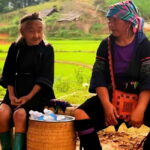
Sapa starts with a long walk and a warm welcome. This 2-day, 1-night trek pairs Hmong women-led culture with rice-terrace trails, bamboo forest paths, and real time in a traditional homestay. You also get guided cultural context, plus meals that feel like part of the household rhythm.
What I love most is the chance to see village life up close, not just from a viewpoint. I also like that the experience centers on a local family stay and cooking dinner together, with your guide translating the everyday details along the way. One thing to consider: the walking is moderate but definitely steep and uneven, so it is not a “sit back and enjoy” day.
If your timing hits a dry spell, the waterfall moment may be less impressive than you’d hope. The trek is still the point, and you can plan around that reality, but it’s good to know.
In This Review
- Key highlights you’ll feel from day one
- From Hanoi to Sapa: how the start sets the tone
- Meet Dinh (and Do): guides, language, and what you’ll actually learn
- Day 1 trail: Y Linh Ho, Lao Chai, and Ta Van on foot
- Ta Van homestay: what “simple and authentic” really means
- Cooking class and dinner: food that tells you who you’re with
- Day 2: bamboo forest paths, rice terraces, and Giang Ta Chai
- Getting back to Hanoi: why the timing matters
- Price and value: is $78 a fair deal for what you get?
- Fitness reality check: moderate doesn’t mean easy
- What to pack: don’t under-pack your feet
- Waterfall expectations: when Giang Ta Chai disappoints
- About souvenir vendors: one simple strategy
- Who this tour fits best (and who should skip it)
- Should you book Dinh Sapa Authentic Trek & Homestay?
- FAQ
- How long is the tour and what’s included overnight?
- How do I get from Hanoi to Sapa?
- What’s the trekking distance and difficulty?
- Will I be able to swim?
- What meals are provided?
- What should I bring for the trek?
- Is there anything I should pay for separately?
Key highlights you’ll feel from day one
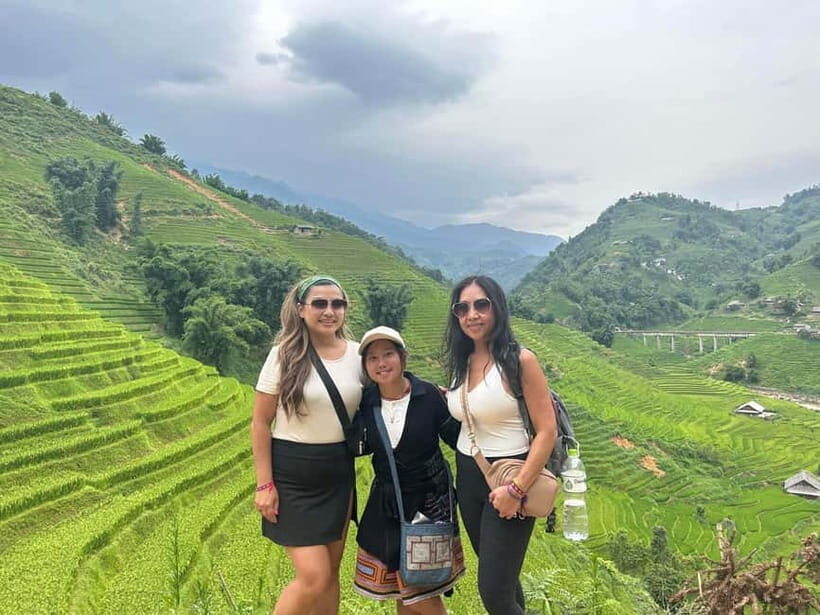
- Hmong culture with an English-speaking local guide (Dinh, and sometimes Do in the experience)
- 2 days / about 18 km of walking through rice terraces and bamboo forest
- Homestay with a Hmong family, including hot shower time after your arrival
- Cooking class and shared dinner, plus cultural performances and games
- Giang Ta Chai waterfall time (including the option to swim for those who want to)
From Hanoi to Sapa: how the start sets the tone
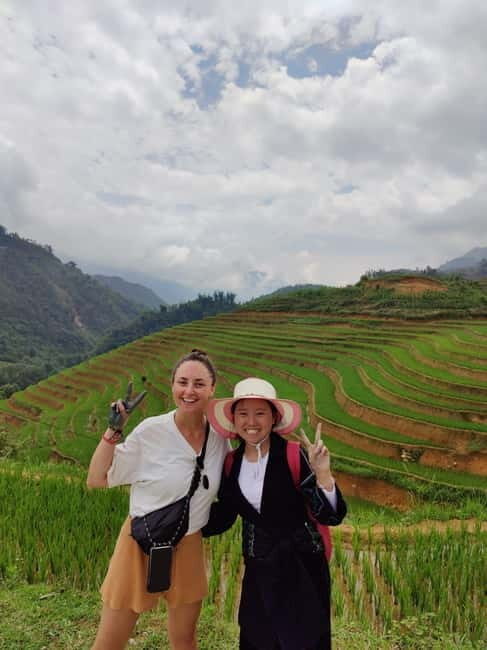
Most tours begin once you’re already in Sapa. This one flips that. You’re picked up in Hanoi around 6:00–6:45 AM, then the ride to Sapa takes about 5–6 hours, landing you around 12:00–12:30 PM. That means you’re not wasting your first half-day trying to figure out buses and taxis. You get going while the day still feels cool and fresh.
A small detail that matters: you do not need to scramble for lunch in town. A picnic lunch is prepared so you start walking with energy, and you avoid the common “late lunch, late start, everyone grumbles” situation. In a trek like this, timing is everything—your legs notice.
You can also read our reviews of more hiking tours in Sa Pa

Meet Dinh (and Do): guides, language, and what you’ll actually learn
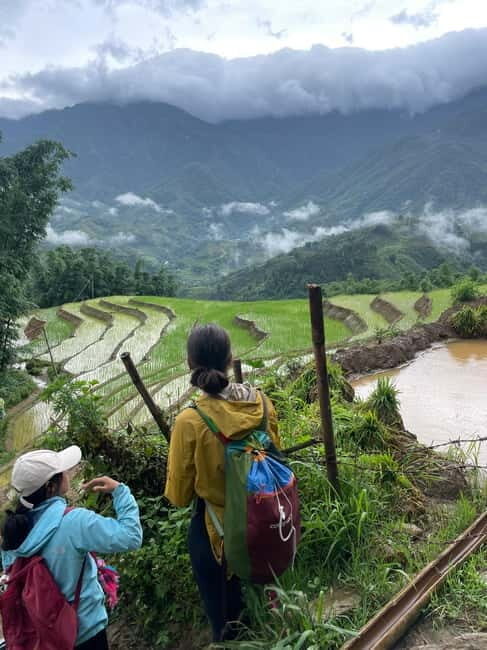
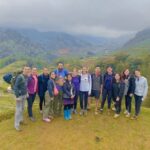
The experience is led by locals, and the guide component is a big deal here. Dinh is the face of the program, with support from her sister during pickup and guiding. You’ll be trekking with a local English-speaking guide for two days, and the cultural explanations are part of the package, not an optional add-on.
In practice, a good guide changes the whole feel. One common theme from the experience is that the guide’s English communication and informativeness make the villages easier to understand—why people farm the way they do, how daily life works in each settlement, and what to watch for as seasons change. If you end up with a guide like Do, expect clear communication and a confident pace.
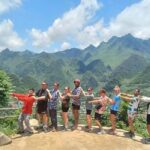
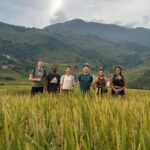
One note: this is a group trek. You’ll be walking with other travelers, so you get the companionship, but you also follow the group rhythm. If you prefer private, custom pacing, you might find the group structure a bit limiting.
Day 1 trail: Y Linh Ho, Lao Chai, and Ta Van on foot
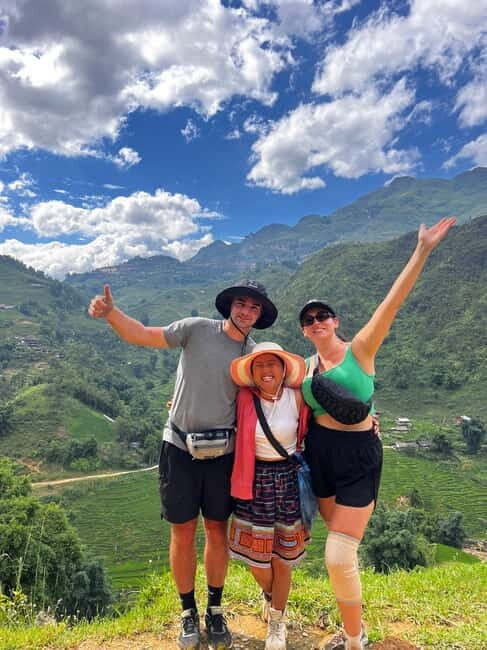
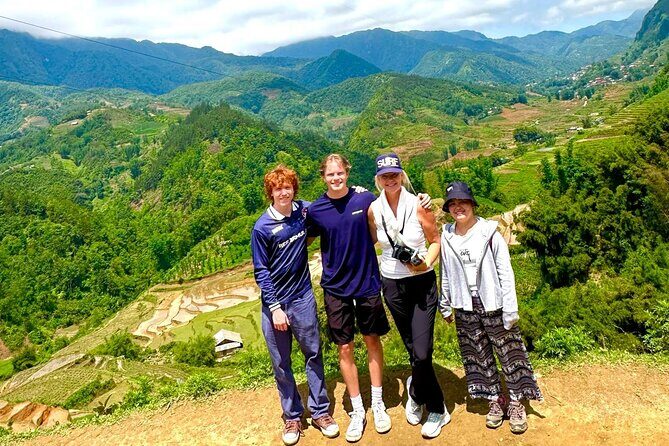
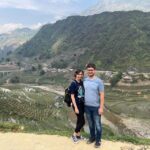
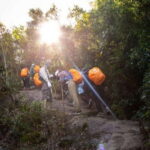
Day 1 is where the trek starts doing its real work. After lunch, you head down through mountain paths and reach Y Linh Ho first. This part of the walk matters because it drops you into the way Sapa villages connect—footpaths linking terraces, forest edges, and homes that sit on the slopes rather than in flat land.
From there, you continue to Lao Chai, one of the older and larger Hmong villages in the region. This is a good stop for understanding how a “village” functions day-to-day. You’re not just passing through; your guide explains what you’re seeing and connects it to everyday life.
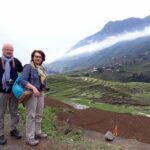
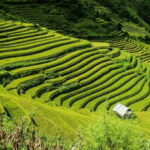
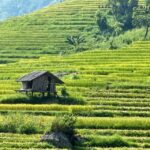
The longer stretch is the one that truly tests your legs. You then head toward Ta Van, where the mix includes Giay and Hmong communities. Depending on the season, you might see locals planting or harvesting rice, which gives the walk a living, moving quality. You’re not only looking at terraces; you’re watching work happen.
By the time you reach Ta Van, the goal is to arrive ready to stop walking and start living the homestay pace. Expect around 9–11 km and roughly 5.5 hours on the move, with uneven footing and some steep sections.
Ta Van homestay: what “simple and authentic” really means
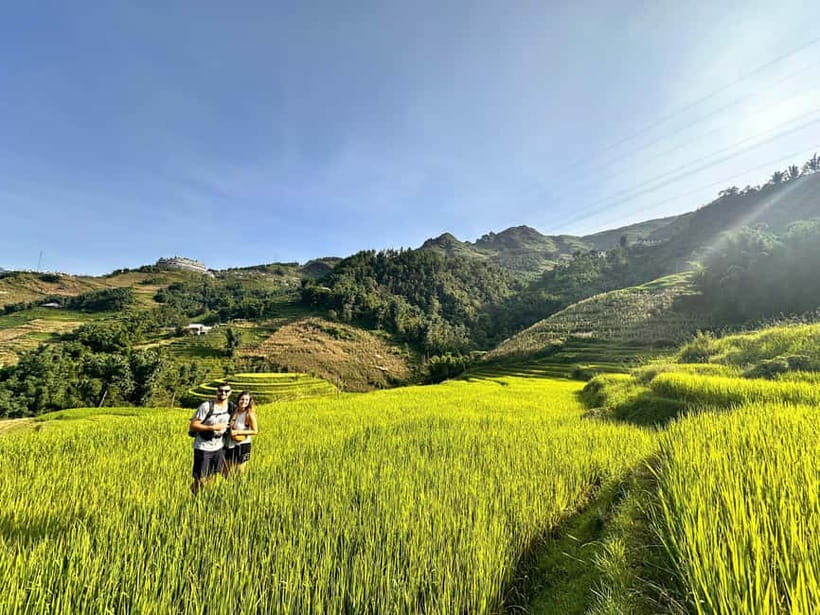
The homestay is with a local Hmong family in their home, not a lodge with a museum vibe. You’re there for one night, and you’ll have basic amenities. The important part: the stay is described as simple, authentic, and cozy, and you also get a hot shower after arriving, which is honestly a huge quality-of-life upgrade after trekking.
The homestay night is not about comfort luxury. It’s about comfort that comes from familiarity and kindness. You’ll be eating with the family, settling into their rhythm, and sharing space in a way that feels more human than staged.
Cultural etiquette tip that saves awkward moments: keep your pace gentle indoors, ask before photographing people, and remember that your hosts are working through the evening too. Even if the family is used to visitors, it’s still their home.
Cooking class and dinner: food that tells you who you’re with
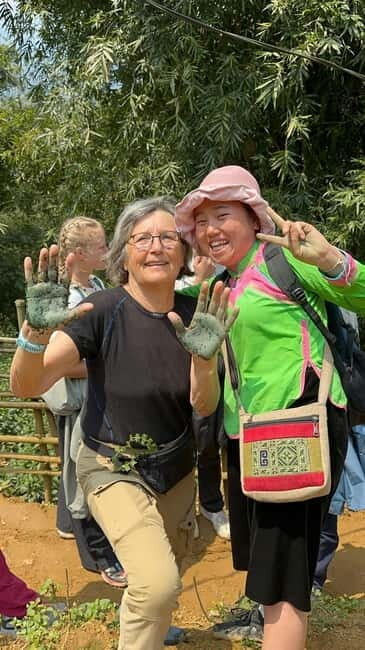
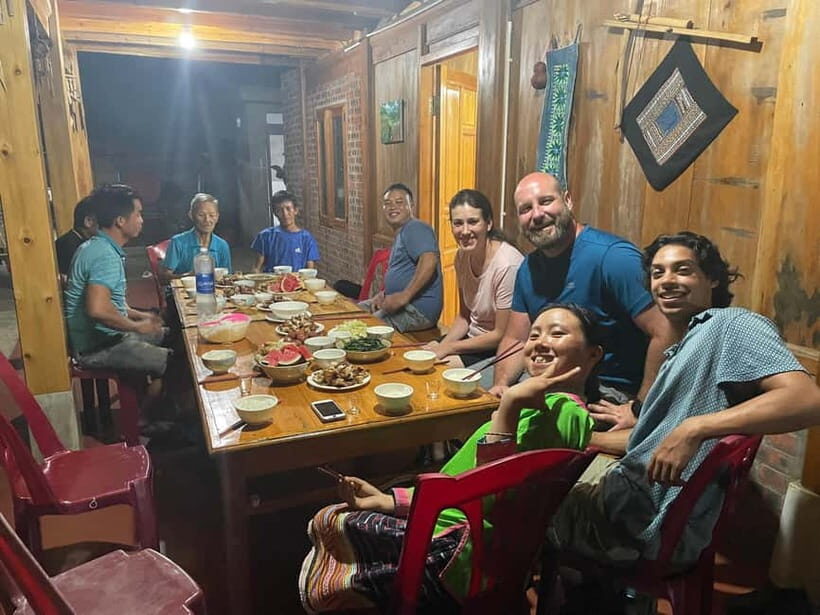
Dinner is not just included—it is part of the cultural exchange. In the evening, you join an informal cooking class with the family, then sit down for the meal you helped prepare. This is where the experience moves beyond viewing culture into participating in it.
What stands out in the program flow is the sense of community that comes with dinner. You’ll hear your guide’s story about supporting 10 local children’s education, and the household context includes a welcome moment where students perform a traditional dance. You can also expect fun, informal interaction—like drinking games with Happy Water, a local rice wine—plus time with the kids.
If you’re not a drinker, no problem: the point here is the shared table and the warm conversation. Just don’t treat the rice wine like a prop; it’s a local tradition.
One small practical note: your included water is one big bottle per person per day, so plan snacks and extra drinks accordingly with what’s not included.
You can also read our reviews of more tours and experiences in Sa Pa

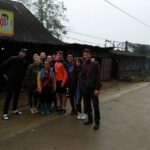

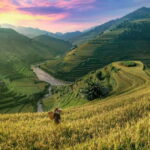
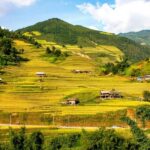
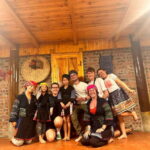
Day 2: bamboo forest paths, rice terraces, and Giang Ta Chai
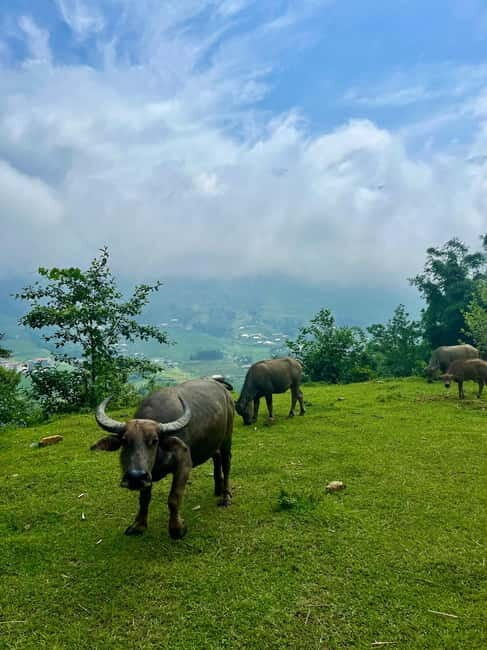
Day 2 starts with an easy morning. You’ll have hot coffee or tea, then breakfast with the group before heading back onto the trail. This part of the walk often feels different from Day 1 because bamboo forest sections can be cooler and calmer underfoot than the open valley stretches.
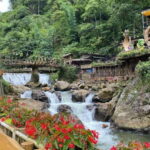
Your path runs through bamboo forest and terraced rice fields, then you reach Giang Ta Chai waterfall. This is one of the “signature” moments, and it’s worth paying attention to your expectations. The waterfall might look dramatic in wet conditions, but if it’s dry where you are walking, it won’t behave like a postcard. That said, even when water flow is limited, the area still gives you a break and a natural photo stop.
You can also swim if you want. But swimming is not optional for everyone: this experience is not suitable for non-swimmers. If you are unsure about your confidence in the water, skip the swim and protect your time and energy for the hike.
Day 2 covers about 8–11 km and around 5 hours, finishing with a taxi back to Sapa. You should be in Sapa Town roughly 2:00–3:30 PM.
Getting back to Hanoi: why the timing matters
The tour is set up so you don’t end up stuck in Sapa overnight. After the trek ends and you return to town, you’re helped catching transportation back to Hanoi around 3:30–4:00 PM, typically arriving 9:00–10:00 PM depending on traffic.
This timing is useful if you’re trying to see northern Vietnam without burning an extra day. It’s also tiring, so if you’re booking another activity that night in Hanoi, keep it light.
Price and value: is $78 a fair deal for what you get?
At $78 per person, you’re paying for more than walking. You get a package that bundles:
- Two days of local guiding
- Village entry fees for four villages
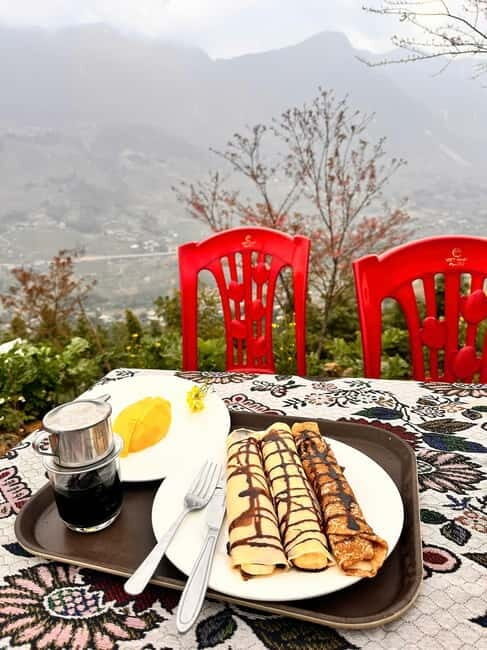
- Meals: 2 lunches, 1 dinner, 1 breakfast
- One-night homestay
- Drinking water (one big bottle per person per day)
- Picnic lunch on Day 1
- Transportation back to Sapa after trekking ends
- Assistance booking Hanoi–Sapa–Hanoi buses
When you price it out piece by piece—guide time, homestay, entrance fees, and meals—this is the kind of deal that starts to make sense fast. It’s still not “cheap,” but it’s not just you walking with a stranger either. For people who want an authentic, structured experience without spending time piecing together multiple vendors, the value is strong.
Fitness reality check: moderate doesn’t mean easy
This trek is listed as moderate, but it’s not gentle. You’ll cover about 18 km over 2 days with steep and uneven terrain. That matters because moderate fitness can still feel like a lot if you don’t walk regularly or if you hate downhill sections.
One of the most honest points from the experience is that the trek can be tough—especially toward the end of the day. The good news is that a guide who communicates well usually helps you pace smartly. Still, you should go into this with the mindset of earning your views.
Not suitable for: people with back problems or mobility impairments. This is also not for non-swimmers because of the waterfall option.
What to pack: don’t under-pack your feet
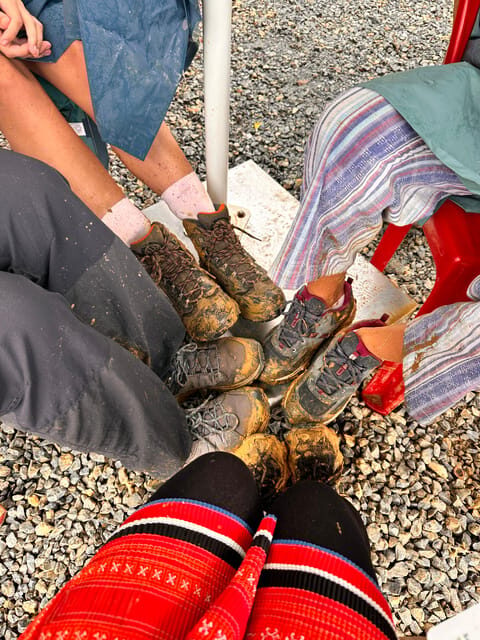
Pack like you’re going to work, not like you’re going sightseeing. Comfortable, supportive shoes are non-negotiable for steep, uneven sections. Bring a hat, sunscreen, and sunglasses for sun breaks and terrace walking.
You also want:
- A light raincoat or jacket (mountain weather shifts)
- Mosquito repellent
- Swimwear if you plan to use the waterfall time
- A change of clothes for the evening (homestay comfort and simple hygiene)
- Camera (you’ll take photos)
- Small basics you’ll want quickly, because you’re on the move for hours at a time
If you want a simple checklist: feet first, then sun, then rain, then backup clothing. Everything else is optional.
Waterfall expectations: when Giang Ta Chai disappoints
Here’s the practical truth: waterfalls depend on conditions. In the experience, there’s a caution that the waterfall might be dry. If that happens, the day can still feel good because you’re coming for the trek through villages, terraces, and forest.
Still, you’ll waste less energy if you go in with this mindset:
- Treat the waterfall as a bonus.
- Don’t let a potential dry moment ruin your day.
- Focus on your walking, your guide’s explanations, and the village stops.
About souvenir vendors: one simple strategy
You’ll likely cross areas where local vendors try to sell souvenirs during the trek. It’s common in tourist-touched villages. The best approach is calm and firm:
- Decide ahead of time if you want to buy anything.
- If you do, keep it small and fair.
- If you do not, politely decline and keep walking.
Your energy is precious on a steep trail. You don’t need a tug-of-war over a trinket.
Who this tour fits best (and who should skip it)
This experience is a great match if you:
- Want real village time with a homestay family
- Like walking, even if it’s strenuous
- Appreciate cultural context explained in English
- Enjoy food experiences like a cooking class and shared dinner
You should probably skip it if you:
- Have back issues or mobility limitations
- Don’t want uneven footing and steep sections
- Are not confident swimming at the waterfall
- Want a low-effort day with minimal hiking
If you’re a first-time trekker, you can still do it, but be honest about your fitness and pick the right shoe support. For people who walk a few times a week, this is doable.
Should you book Dinh Sapa Authentic Trek & Homestay?
I’d book it if you want an experience that feels human, not packaged for selfies. The strongest reasons are the homestay dinner with cooking, the village-to-village walking, and the cultural explanations from guides like Dinh and (sometimes) Do. For $78, you’re getting a full short trek with meals, lodging, and guidance bundled in.
Don’t book it if you’re chasing an easy stroll, perfect waterfall photos, or a relaxed schedule. This is walking-first, with cultural life as the reward at the end of each stretch.
If you’re comfortable with moderate trekking and you respect the pace of a real family home, this is one of the more meaningful ways to experience Sapa’s communities in just 2 days.
FAQ
How long is the tour and what’s included overnight?
It’s a 2-day, 1-night experience. You get one night in a homestay with the local family, plus meals including 2 lunches, 1 dinner, and 1 breakfast.
How do I get from Hanoi to Sapa?
You’re picked up in Hanoi Old Quarter area around 6:00–6:45 AM. The journey takes about 5–6 hours, with arrival in Sapa around 12:00–12:30 PM.
What’s the trekking distance and difficulty?
The trek covers about 18 km over two days. Fitness level is listed as moderate, with some steep and uneven terrain.
Will I be able to swim?
You may swim at Giang Ta Chai waterfall if you want to. This experience is not suitable for non-swimmers.
What meals are provided?
You get a picnic lunch on Day 1, plus 2 lunches total, 1 dinner, and 1 breakfast. Drinking water is also provided (one big bottle per person per day).
What should I bring for the trek?
Bring comfortable shoes, a hat, sunscreen, sunglasses, mosquito repellent, a raincoat or jacket, a change of clothes, and swimwear if you plan to swim at the waterfall. A camera is helpful too.
Is there anything I should pay for separately?
Travel insurance and personal expenses (like extra snacks, drinks besides water, and souvenirs) are not included.